In today’s digital age, screens are everywhere—from smartphones and tablets to televisions and monitors. Understanding the technology behind these displays can enhance your appreciation of their capabilities and inform your decisions when purchasing or repairing devices. This article delves into the intricacies of LCD display digitizers and LED displays, explaining their functions, differences, and how they work together to create the vibrant screens we rely on daily.
Understanding LCD Displays and Digitizers
What is an LCD Display?
LCD stands for Liquid Crystal Display, a technology that has become the standard for most screens due to its efficiency and relatively low manufacturing cost. Unlike older cathode ray tube (CRT) displays, LCDs use liquid crystals sandwiched between two layers of glass or plastic. These crystals do not emit light themselves; instead, they manipulate light from a backlight to produce images.
The backlight, often made up of LEDs in modern devices, shines through the liquid crystals, which twist and align to allow varying amounts of light to pass through colored filters, creating the pixels that form images. This method enables LCDs to deliver sharp, clear visuals with good color accuracy and energy efficiency. Furthermore, advancements in LCD technology, such as the introduction of IPS (In-Plane Switching) panels, have significantly improved viewing angles and color reproduction, making them ideal for a wide range of applications, from smartphones to high-end televisions. The thin profile of LCDs also allows for sleek designs in consumer electronics, contributing to their widespread adoption in the market.
Role of the Digitizer in LCD Screens
The digitizer is a crucial component in touch-enabled LCD devices. It is a transparent layer placed over the LCD screen that detects touch input from fingers or styluses. Essentially, the digitizer converts physical touch into digital signals that the device’s processor can interpret.
There are different types of digitizers, including capacitive and resistive. Capacitive digitizers, which are more common in modern smartphones and tablets, detect changes in the electrical field caused by a finger’s conductive properties. Resistive digitizers, on the other hand, rely on pressure applied to the screen to register input and are often found in older or specialized devices. The choice between these technologies can significantly affect the user experience; for instance, capacitive screens offer multi-touch capabilities and a smoother interaction, while resistive screens can be used with gloves or styluses, making them suitable for specific industrial applications. Additionally, the integration of digitizers with LCDs has paved the way for innovative features such as gesture controls and handwriting recognition, further enhancing the functionality and versatility of modern devices.
Exploring LED Displays and Their Advantages
What Does LED Display Mean?
LED stands for Light Emitting Diode. LED displays use these tiny diodes as a light source, either to illuminate an LCD panel or as individual pixels that emit light themselves. When used as a backlight for LCDs, LEDs provide a brighter, more energy-efficient, and longer-lasting light source compared to traditional fluorescent backlights.
In contrast, OLED (Organic LED) displays use organic compounds that emit light when an electric current passes through them, allowing each pixel to be individually lit or turned off. However, this article focuses on LED-backlit LCDs, which remain prevalent in many consumer electronics. The technology behind LED displays has evolved significantly, leading to various types of LED configurations, including edge-lit and full-array backlighting. Edge-lit displays use LEDs positioned along the edges of the screen, while full-array displays have a grid of LEDs behind the entire panel, allowing for more precise control over brightness and contrast in different areas of the screen.
Benefits of LED-Backlit LCDs
LED backlighting has revolutionized LCD technology by improving display quality and energy consumption. Some key benefits include:
- Improved Brightness and Contrast: LED backlights can produce brighter images and deeper blacks compared to older CCFL (cold cathode fluorescent lamp) backlights, enhancing overall picture quality.
- Energy Efficiency: LEDs consume less power, which extends battery life in portable devices and reduces electricity costs in larger displays.
- Slimmer Designs: LED backlights are compact, allowing manufacturers to create thinner, lighter devices without sacrificing screen size or quality.
- Longer Lifespan: LEDs generally last longer than fluorescent backlights, reducing the need for repairs or replacements.
In addition to these advantages, LED-backlit LCDs also support a wider color gamut, enabling more vibrant and accurate colors in images and videos. This is particularly beneficial for professionals in fields such as graphic design and photography, where color precision is paramount. Furthermore, advancements in dimming technologies, such as local dimming, allow for enhanced contrast ratios by dimming specific areas of the screen while keeping others bright. This capability not only improves the viewing experience for movies and games but also makes LED displays suitable for a variety of environments, from dimly lit rooms to brightly lit offices.
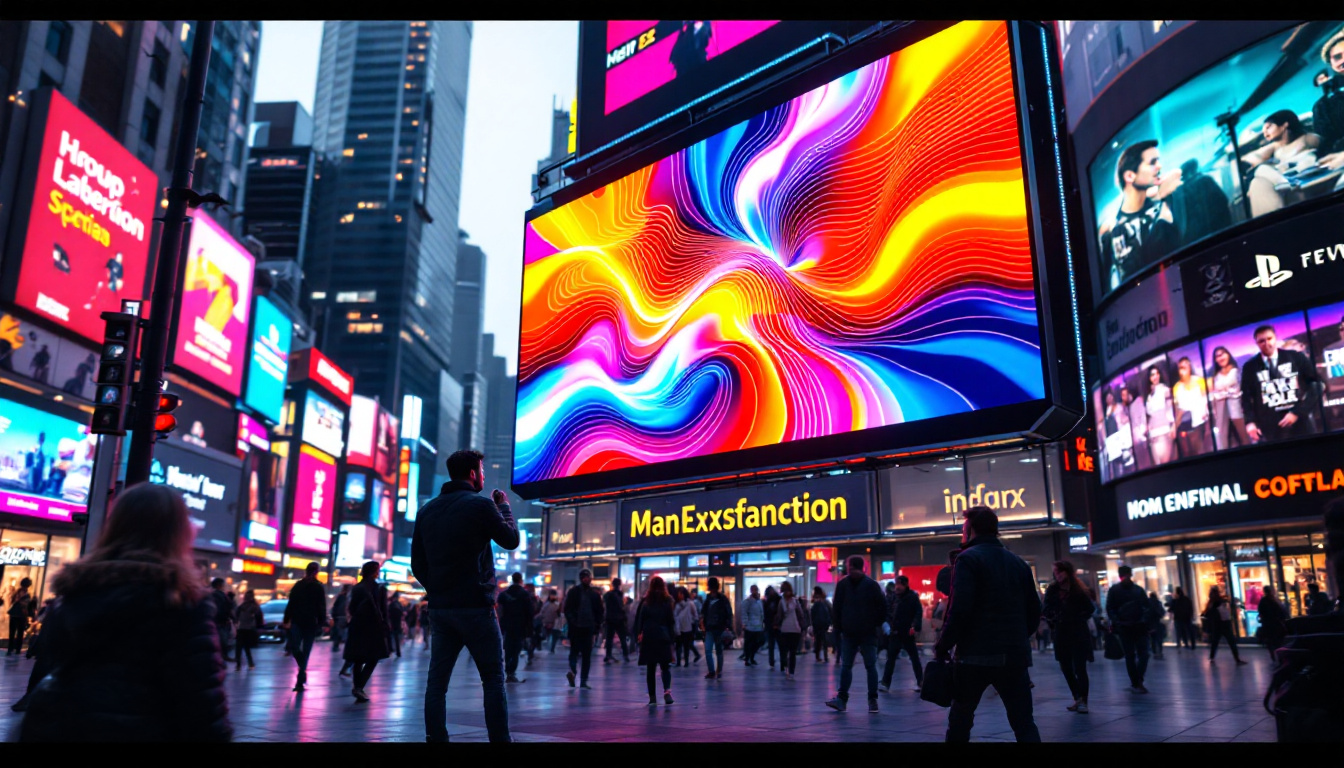
Moreover, the versatility of LED technology extends beyond just televisions and computer monitors. LED displays are increasingly being utilized in digital signage, advertising, and public information systems. Their ability to deliver high-quality visuals in various lighting conditions makes them ideal for outdoor applications, where sunlight can wash out traditional displays. As the demand for dynamic and engaging content grows, LED technology continues to adapt, offering solutions that cater to both commercial and consumer needs, further solidifying its place in the future of display technology.
How LCD Digitizers and LED Displays Work Together
Integration in Modern Devices
In devices like smartphones, tablets, and laptops, the LCD display and digitizer are integrated into a single assembly. The LCD provides the visual output, while the digitizer handles touch input. The LED backlight ensures the display is bright and vibrant, even in various lighting conditions. This combination allows for a seamless user experience, where the clarity of images and the responsiveness of touch controls work in harmony to enhance usability.
This integration requires precise engineering to maintain screen clarity and touch responsiveness. For example, the digitizer must be transparent enough not to interfere with the LCD’s image quality, while also being sensitive enough to detect subtle touches and gestures. Manufacturers often utilize advanced materials and technologies, such as in-cell touch technology, which embeds the touch sensors directly within the LCD layers. This not only reduces thickness but also improves the overall durability of the display, making it less susceptible to damage from drops or impacts.
Common Issues and Repairs
Because the LCD, digitizer, and LED backlight are closely connected, damage to one component can affect the others. Common problems include cracked screens, unresponsive touch input, and dim or flickering displays. Users may also experience issues like ghost touches, where the screen registers touches that are not actually made, often due to a malfunctioning digitizer. These problems can be frustrating, especially as they impact the overall functionality of the device.
Repairing these components can be complex. For instance, replacing a digitizer often involves removing the entire screen assembly, which requires specialized tools and expertise. Technicians must carefully detach the LCD from the digitizer without causing further damage, a process that demands precision and patience. Understanding the roles of each part can help users diagnose issues more effectively and communicate with repair technicians. Additionally, many users are now turning to DIY repair kits available online, which often include instructional videos and all necessary tools, empowering them to tackle repairs themselves. However, this approach requires a certain level of technical skill and caution, as improper handling can lead to additional complications or void warranties.
Choosing the Right Display Technology for Your Needs
Factors to Consider
When selecting a device or display, it’s important to consider how the LCD, digitizer, and LED backlighting will impact your experience. Key factors include:
- Display Quality: Look for screens with high resolution and good color accuracy, which depend on the quality of the LCD panel and LED backlighting.
- Touch Responsiveness: Devices with capacitive digitizers generally offer more precise and responsive touch input, which is crucial for tasks like drawing or gaming.
- Durability: Consider the build quality and whether the screen uses protective glass like Gorilla Glass to resist scratches and impacts.
- Energy Efficiency: LED-backlit LCDs typically consume less power, which is beneficial for mobile devices.
Emerging Trends in Display Technology
While LCD and LED technologies remain dominant, innovations continue to evolve. Mini-LED and Micro-LED displays are gaining traction, offering even greater brightness, contrast, and energy efficiency by using thousands of tiny LEDs for backlighting or pixel illumination.
Additionally, flexible and foldable displays are becoming more common, enabled by advances in digitizer and LED technologies. These developments promise new form factors and user experiences in the near future.
Conclusion
The combination of LCD displays, digitizers, and LED backlighting forms the backbone of modern screen technology. Understanding how these components work together helps demystify the devices we use daily and highlights the engineering marvels behind crisp visuals and responsive touchscreens.
Whether you are a consumer looking to make an informed purchase or a technician seeking to deepen your knowledge, grasping the fundamentals of LCD display digitizers and LED displays is essential. As technology advances, staying informed will ensure you can appreciate and leverage the full potential of the screens that connect us to the digital world.
Discover Cutting-Edge LED Display Technology with LumenMatrix
Now that you’re equipped with knowledge about LCD display digitizers and the advantages of LED backlighting, take the next step in visual innovation with LumenMatrix. Explore our diverse range of LED display solutions, from Indoor and Outdoor LED Wall Displays to dynamic Vehicle and Sports LED Displays. Whether you’re looking to enhance your brand’s visibility or create an immersive environment with Custom or Floor LED Displays, LumenMatrix is your partner in revolutionizing visual communication. Check out LumenMatrix LED Display Solutions today and experience the power of advanced LED technology to captivate your audience and deliver your message with unparalleled clarity and impact.