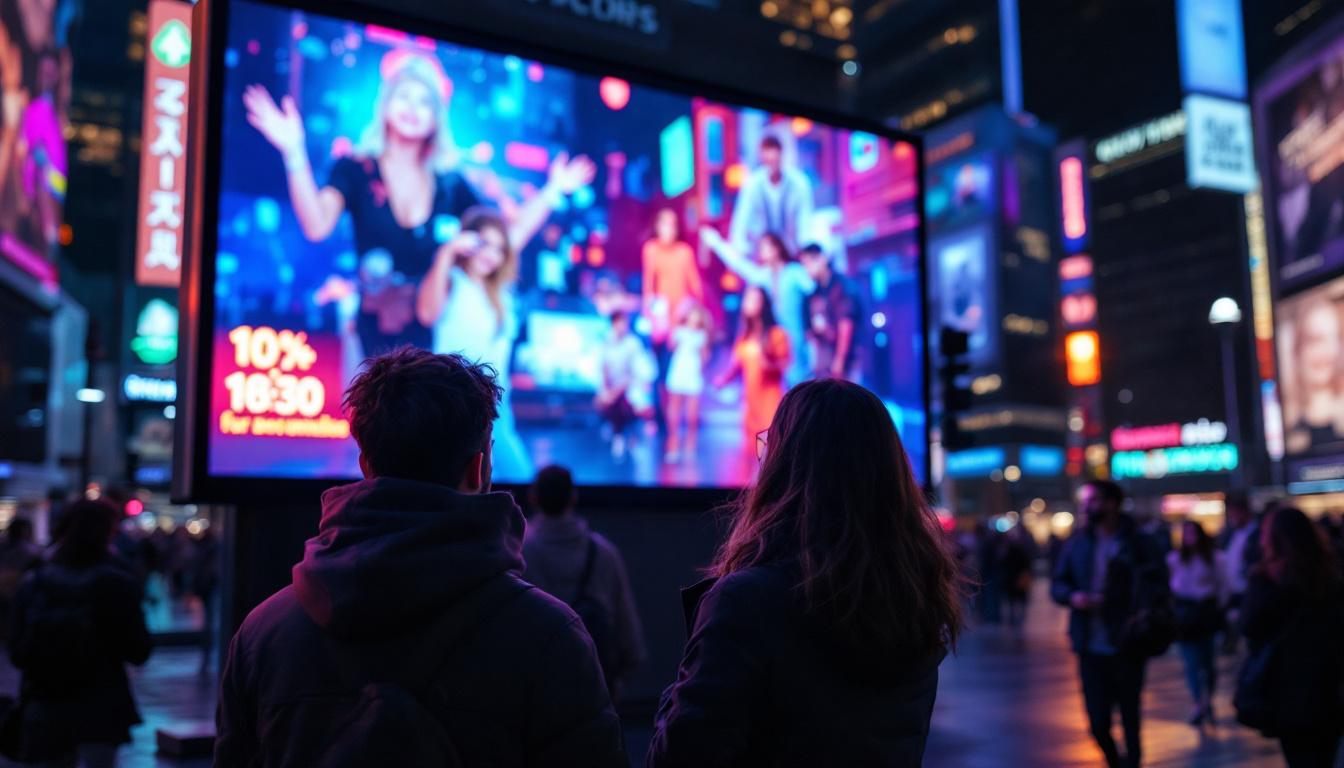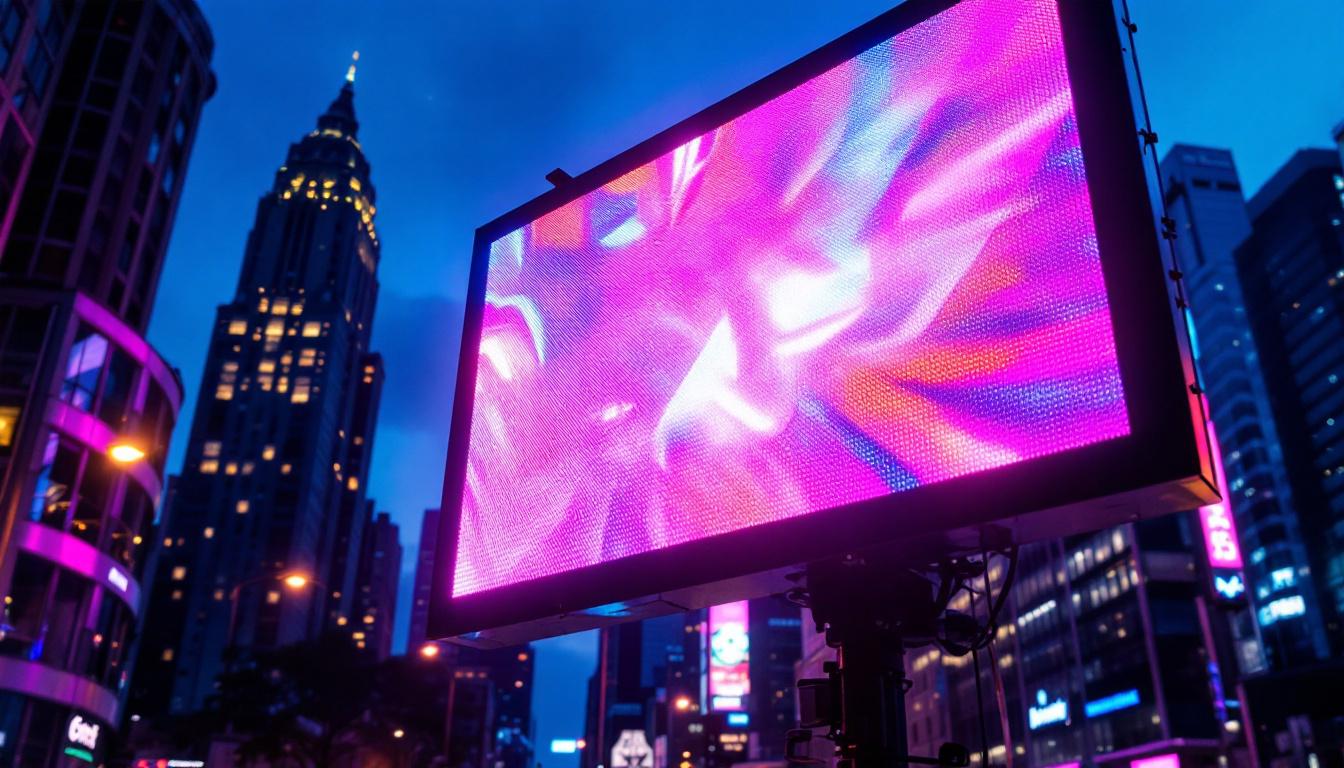
In today’s visually driven world, LED displays have become an integral part of how information is communicated, advertisements are showcased, and environments are enhanced. From the giant billboards in Times Square to the sophisticated screens in conference rooms, LED technology powers a vast array of display solutions. This article delves into the fundamentals of LED displays, exploring their design, functionality, applications, and the future trends shaping this dynamic field.
Understanding LED Display Technology
At its core, an LED display is a flat panel that uses light-emitting diodes (LEDs) as pixels to create images, videos, and text. Unlike traditional LCD or plasma screens, LED displays rely on tiny semiconductor devices that emit light when an electrical current passes through them. This fundamental difference gives LED displays several advantages, including brightness, energy efficiency, and durability. The ability to produce vibrant colors and deep blacks makes LED technology particularly appealing for both commercial and residential applications, transforming how we experience visual media.
How LEDs Work in Displays
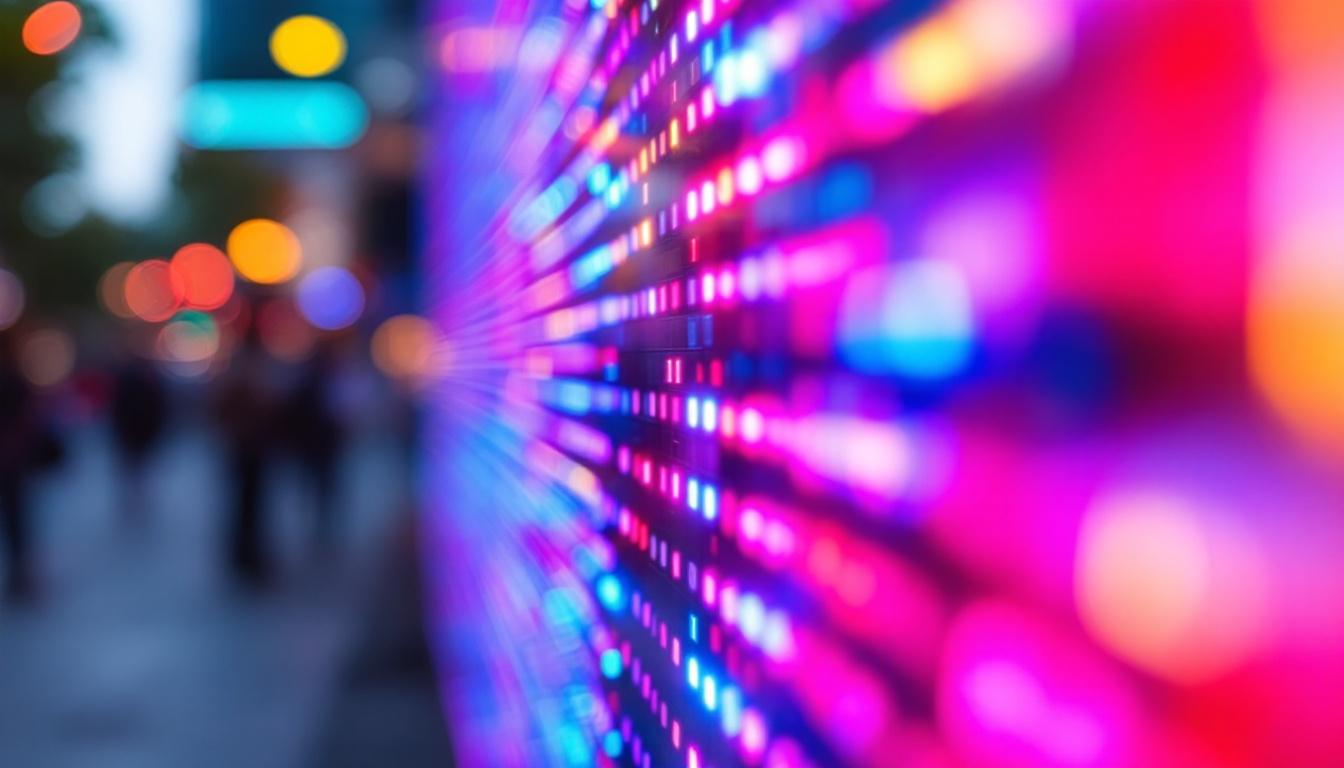
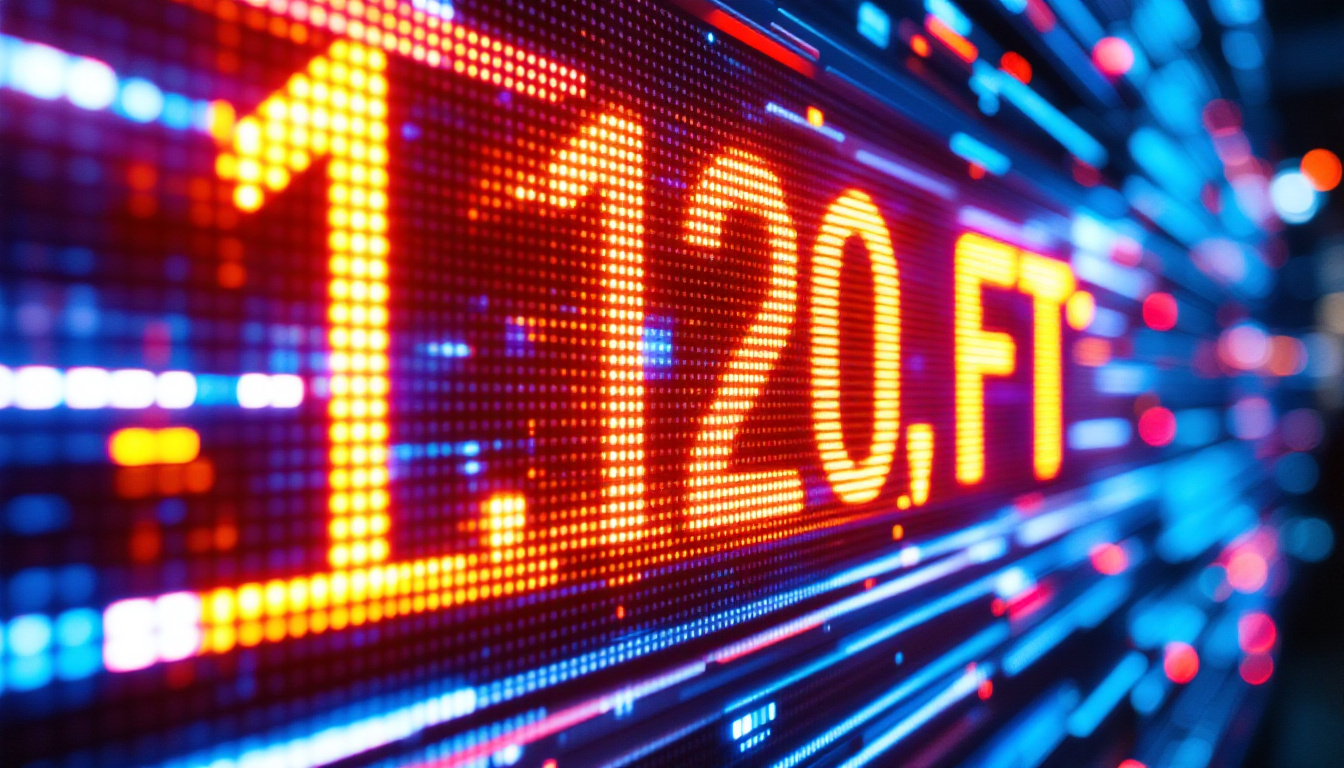
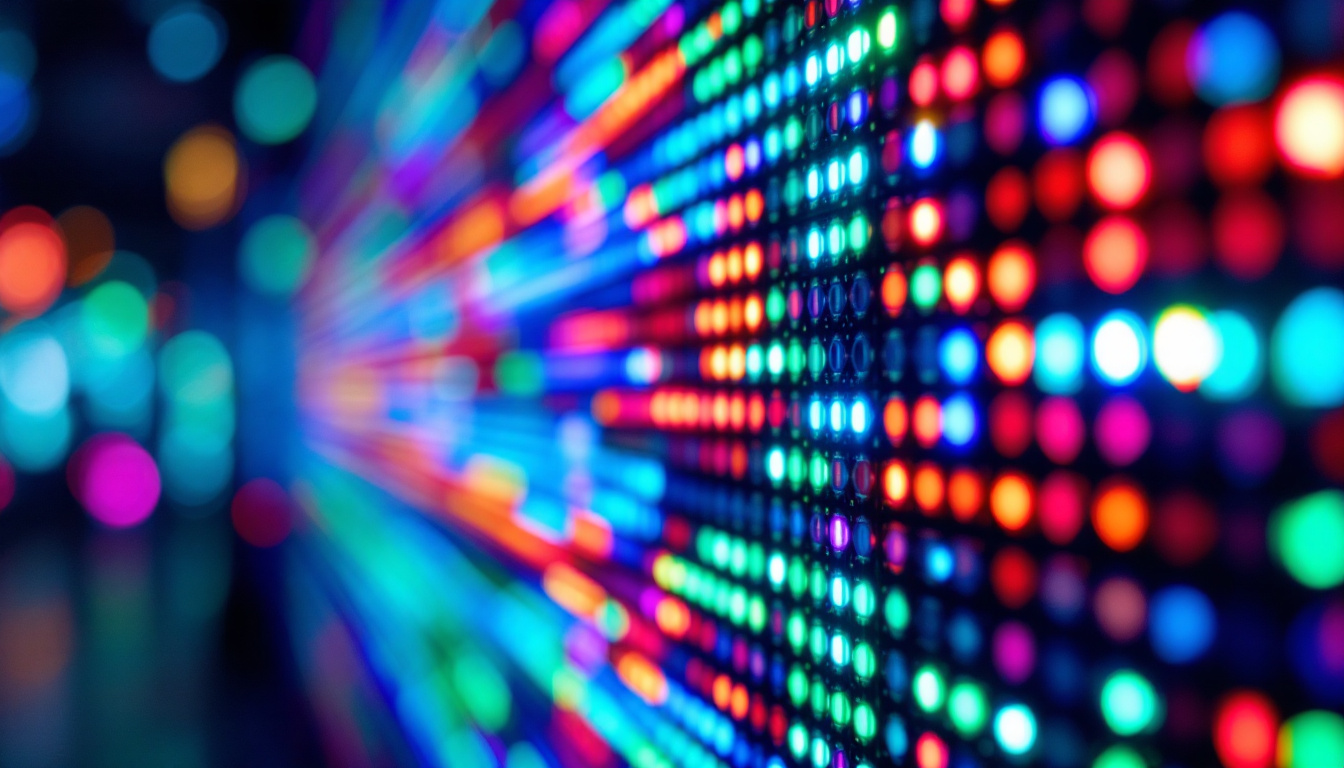
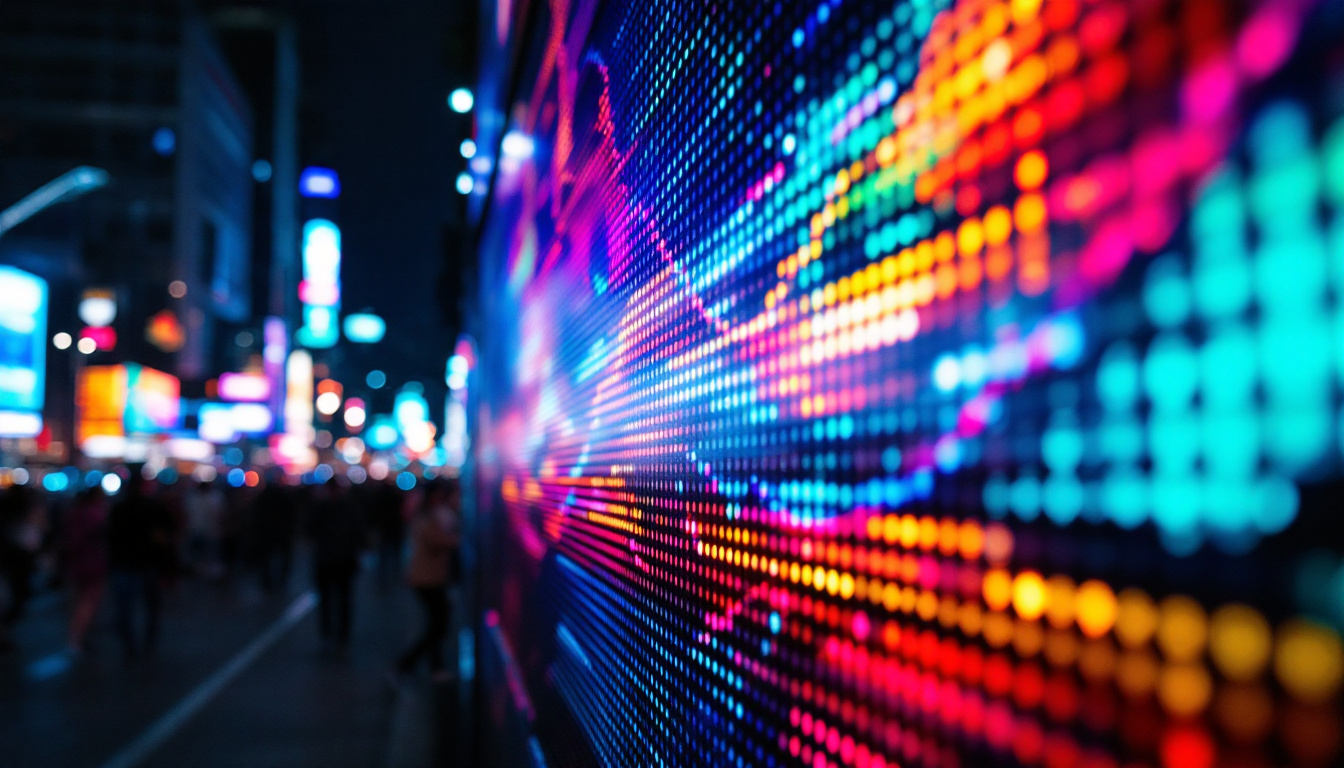
Each LED in a display acts as a single pixel or part of a pixel. In full-color displays, these pixels are typically composed of three sub-pixels: red, green, and blue (RGB). By varying the intensity of these sub-pixels, the display can produce a wide spectrum of colors. The LEDs are arranged in a matrix, and the display’s controller manages which LEDs light up and at what brightness to form images. This precise control allows for smooth transitions and animations, making LED displays ideal for dynamic content such as advertisements and live broadcasts.
The technology behind LEDs involves the recombination of electrons and holes in a semiconductor material, which releases energy in the form of photons — visible light. This process is highly efficient and allows LEDs to achieve brightness levels far beyond conventional lighting or display technologies. Additionally, the longevity of LED technology means that users can enjoy their displays for years without significant degradation in quality, making them a cost-effective choice in the long run.
Types of LED Displays
LED displays come in various forms, each suited for different applications:
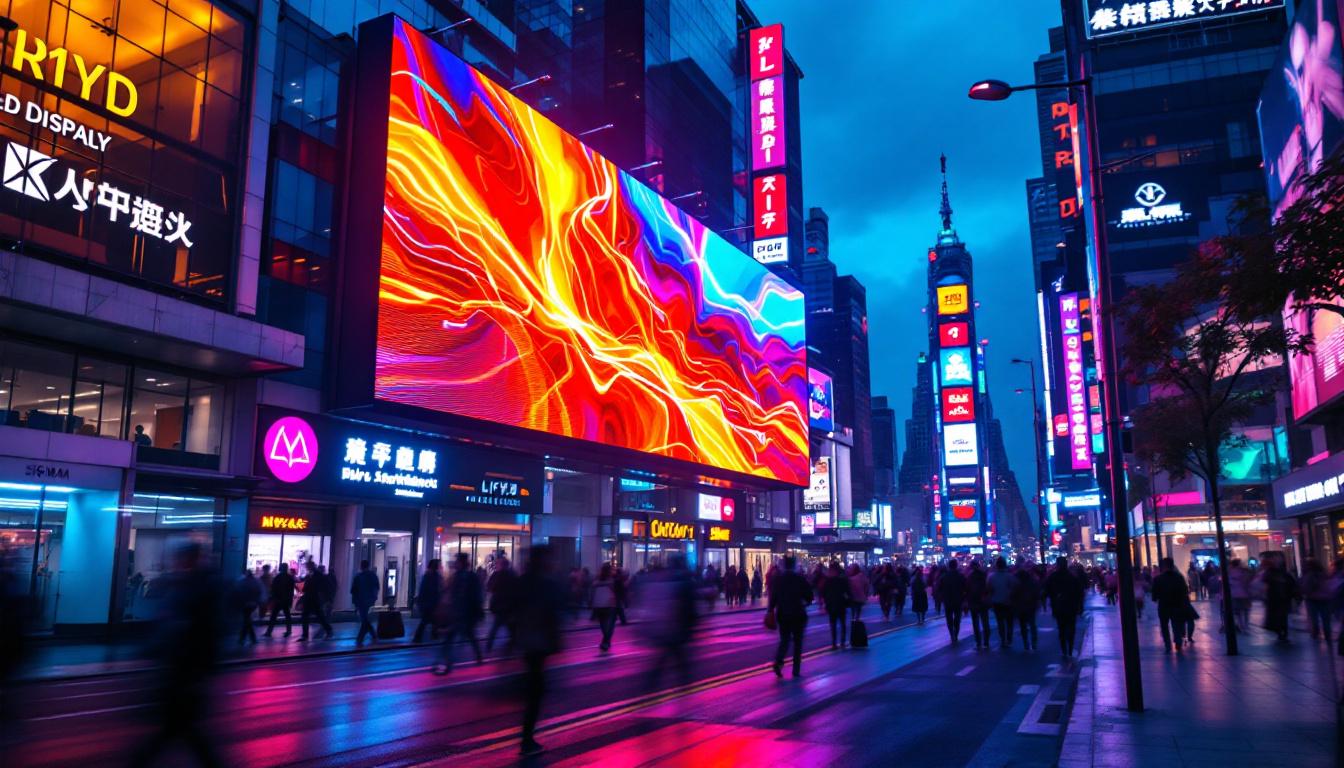
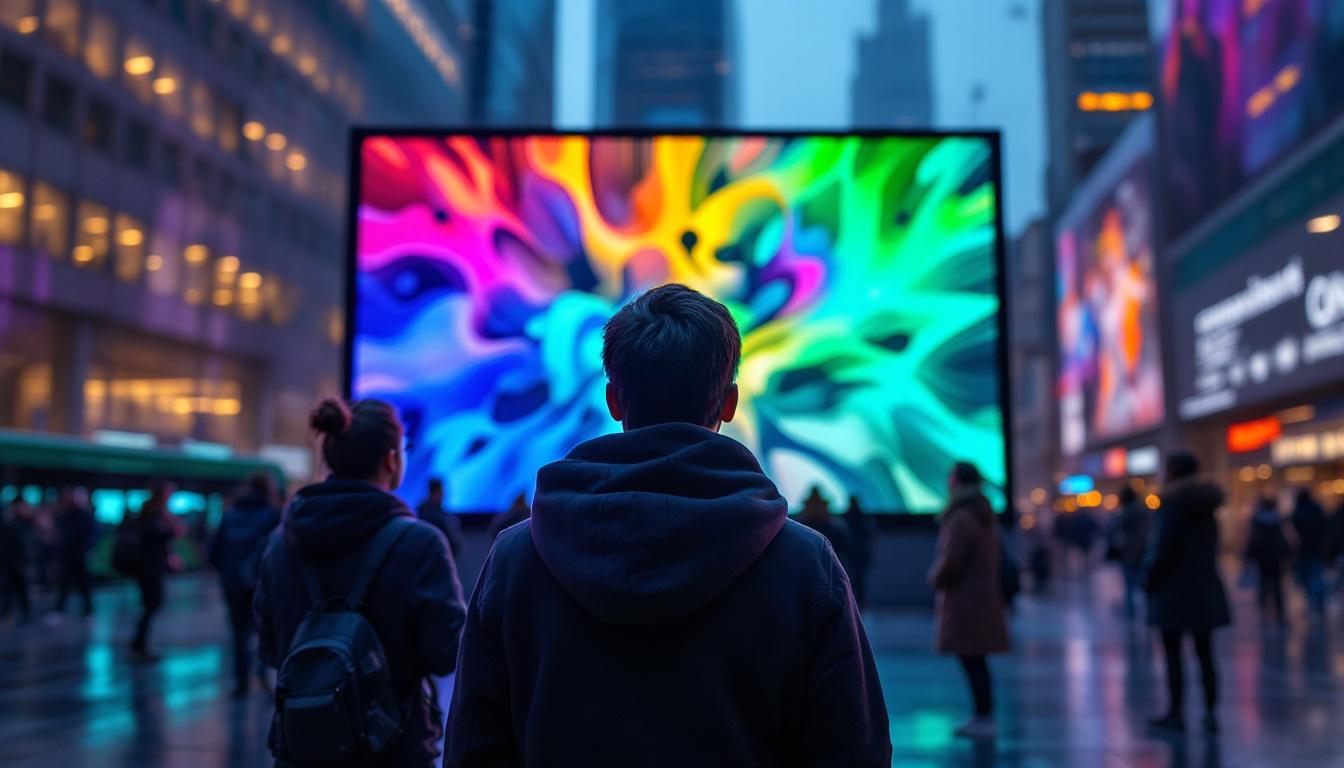
- Direct View LED Displays: These are large-scale displays where the LEDs themselves form the image visible to the viewer. Commonly used in outdoor billboards, stadium screens, and large public displays, they are designed to be seen from considerable distances, often featuring high brightness levels to combat sunlight glare.
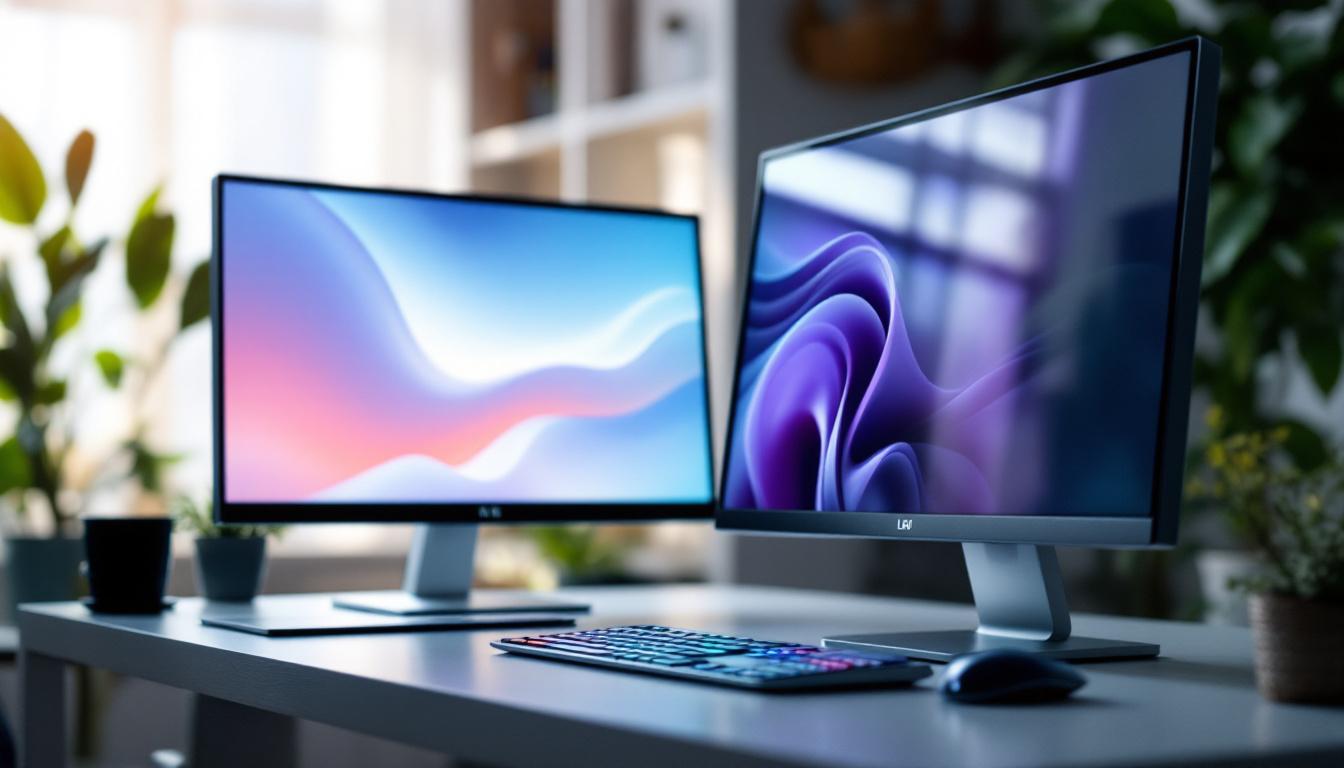
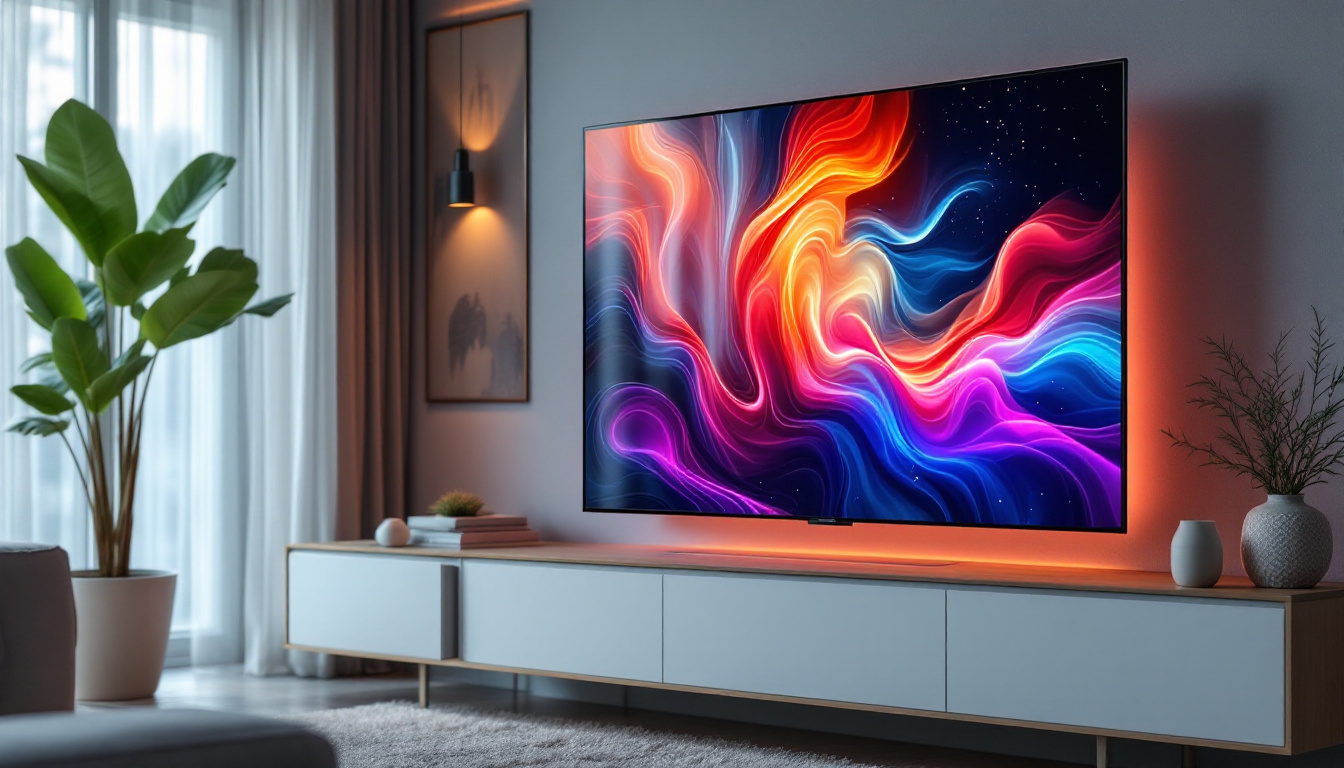
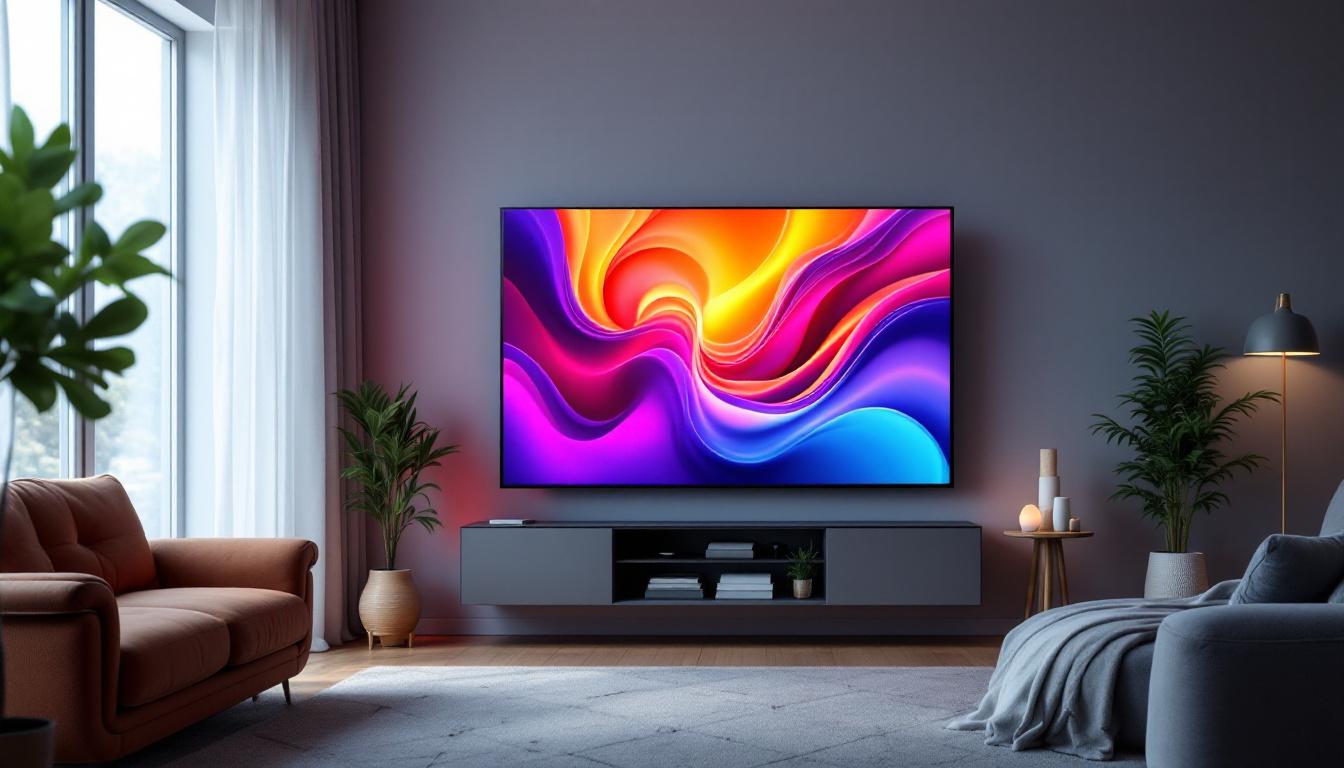
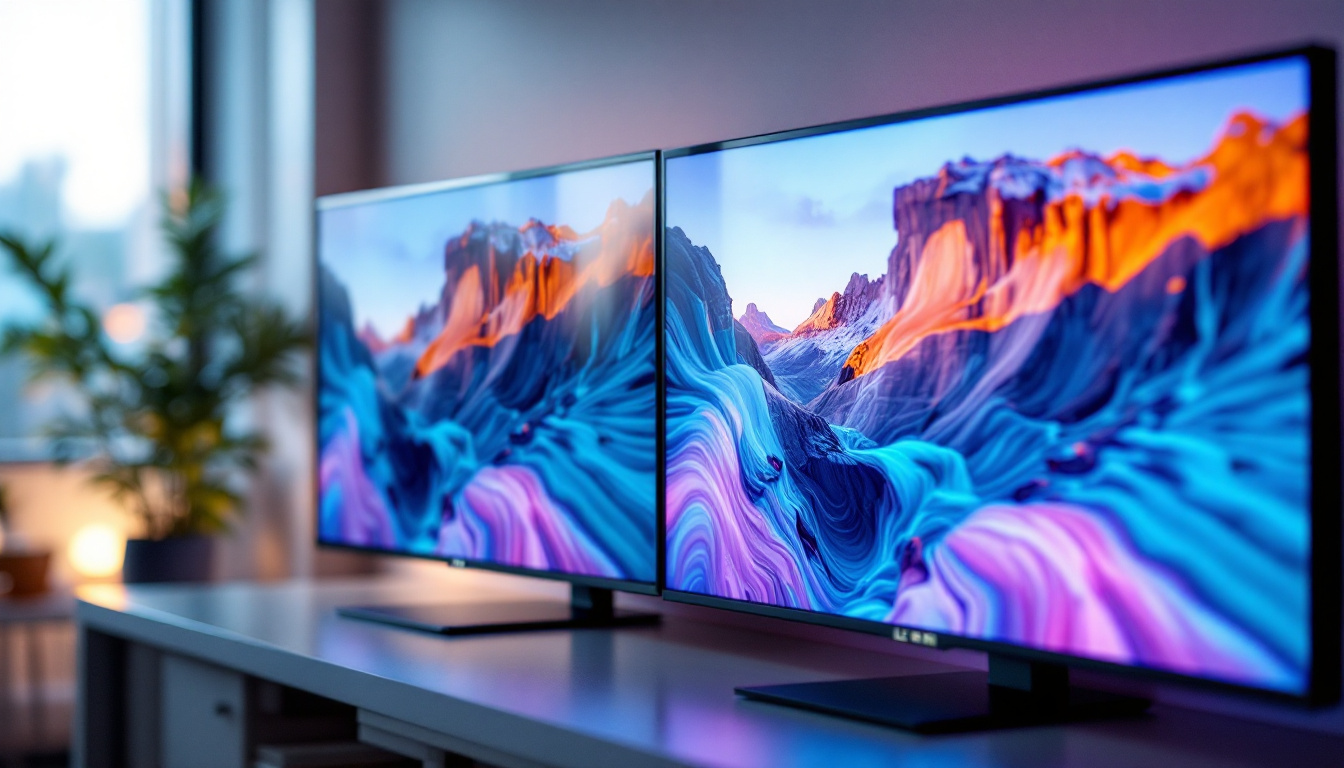
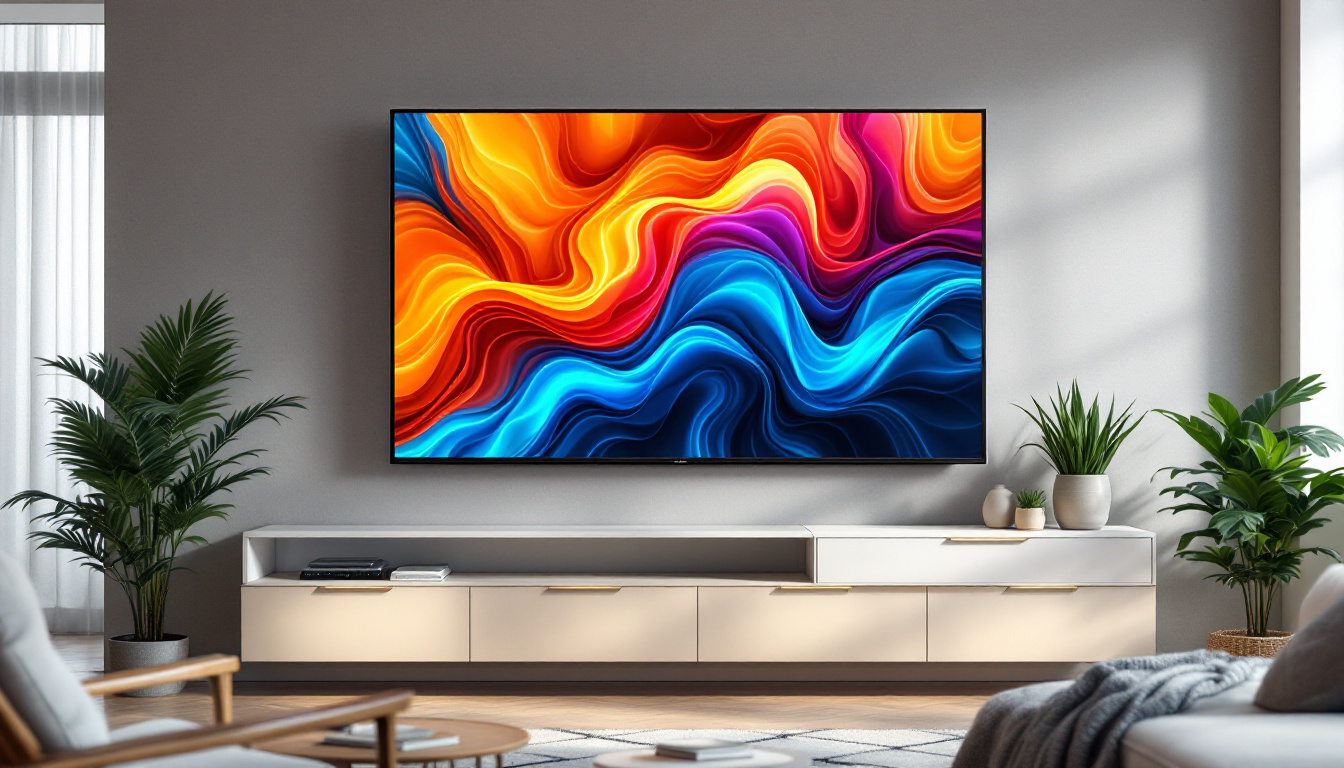
- LED-Backlit LCD Displays: Here, LEDs serve as a backlight for liquid crystal displays, enhancing brightness and color accuracy. This technology is prevalent in televisions, monitors, and mobile devices. The integration of LED backlighting has significantly improved the performance of LCDs, allowing for thinner designs and better energy efficiency.
- MicroLED Displays: An emerging technology where microscopic LEDs act as individual pixels, promising higher resolution, better contrast, and longer lifespan than OLED or traditional LCDs. MicroLEDs are particularly exciting for the future of display technology, as they can achieve true blacks and vibrant colors without the risk of burn-in that can affect OLED screens.
In addition to these types, there are also specialized LED displays designed for unique environments. For instance, transparent LED displays are gaining popularity in retail spaces, allowing for eye-catching advertisements while maintaining visibility through the glass. Furthermore, flexible LED displays are being developed, enabling curved or even foldable screens that can adapt to various design needs. These innovations highlight the versatility of LED technology and its potential to redefine visual experiences across multiple sectors.
Key Design Considerations for LED Displays
Designing an LED display involves balancing multiple factors to ensure optimal performance, durability, and user experience. Whether for indoor or outdoor use, understanding these considerations is crucial for manufacturers, designers, and end-users alike.
Pixel Pitch and Resolution
Pixel pitch refers to the distance between the centers of two adjacent LEDs on a display, usually measured in millimeters. It directly influences the display’s resolution and viewing distance. Smaller pixel pitches mean higher resolution and finer image detail, making them ideal for close-up viewing environments like retail stores or control rooms.
For example, a pixel pitch of 1.5mm is common in high-definition indoor displays, whereas outdoor billboards may use pixel pitches of 10mm or more to maintain visibility from hundreds of feet away. Choosing the right pixel pitch ensures that the display looks sharp and clear from the intended viewing distance, avoiding pixelation or blurriness.
Brightness and Contrast Ratio
Brightness is a critical factor, especially for outdoor LED displays exposed to direct sunlight. Measured in nits (candelas per square meter), LED displays can achieve brightness levels ranging from 500 nits for indoor use to over 5,000 nits for outdoor applications. High brightness ensures visibility even in bright daylight conditions.
Contrast ratio, the difference between the darkest black and the brightest white a display can produce, affects image depth and clarity. LED displays typically offer superior contrast ratios compared to LCDs because LEDs can be turned off completely to display true black, enhancing the overall visual experience.
Durability and Environmental Resistance
Outdoor LED displays must withstand harsh weather conditions, including rain, wind, dust, and extreme temperatures. Manufacturers design these displays with robust enclosures rated with Ingress Protection (IP) standards, such as IP65 or higher, to ensure water and dust resistance.
Additionally, thermal management is essential to prevent overheating, which can degrade LED performance and lifespan. Effective heat dissipation mechanisms, such as heat sinks and cooling fans, are integrated into the design to maintain optimal operating temperatures.
Applications of LED Displays Across Industries
LED displays have transformed communication and visualization across a wide range of industries. Their versatility and scalability make them suitable for diverse environments, from advertising to healthcare.
Advertising and Marketing
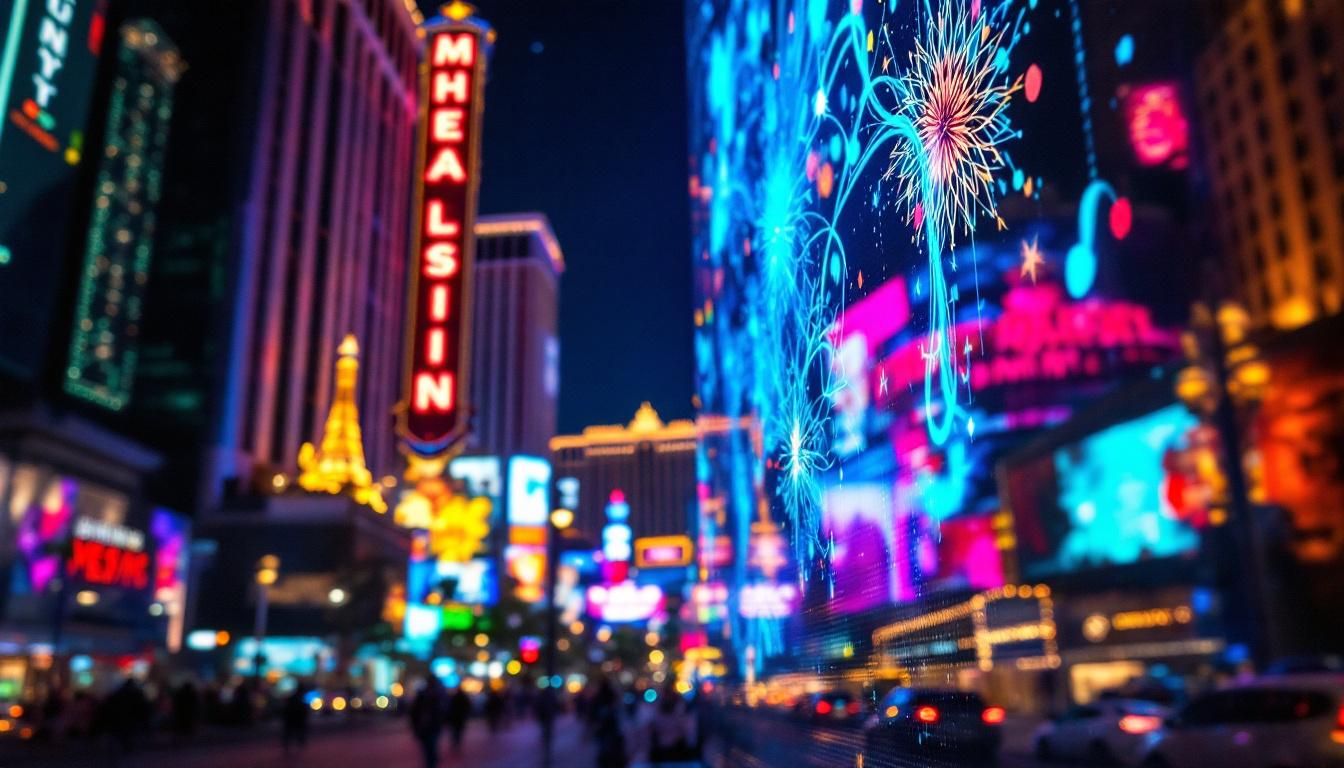
One of the most visible applications of LED displays is in outdoor advertising. Digital billboards equipped with LED technology offer dynamic content that can be updated in real time, enabling advertisers to tailor messages based on time of day, audience demographics, or special events. According to a report by Grand View Research, the global digital signage market, heavily driven by LED displays, is expected to reach $31.71 billion by 2027, growing at a CAGR of 7.5%.
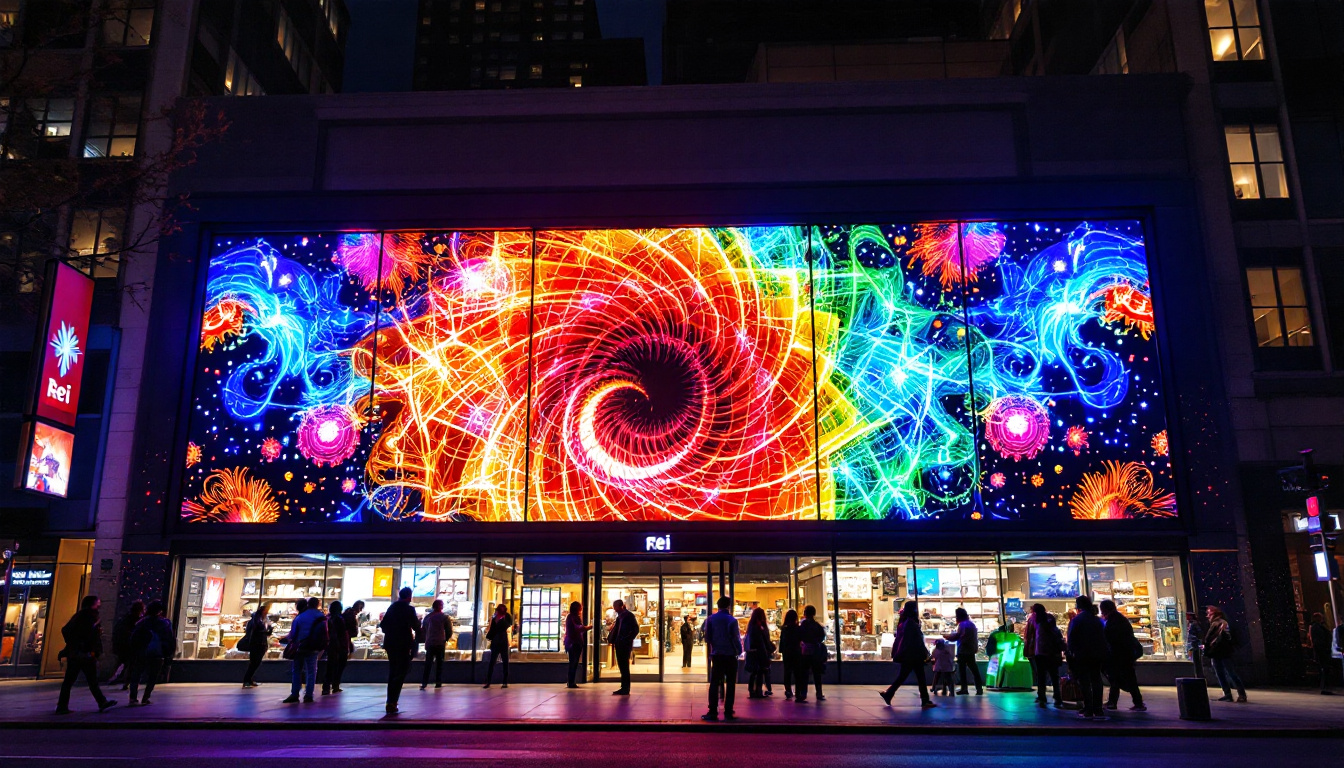
LED displays also enable immersive brand experiences in retail environments, with vibrant in-store screens that capture customer attention and enhance engagement.
Sports and Entertainment Venues
Stadiums and arenas rely on large LED video walls to provide fans with instant replays, live scores, and interactive content. These displays must deliver high brightness and wide viewing angles to accommodate large audiences under varying lighting conditions.
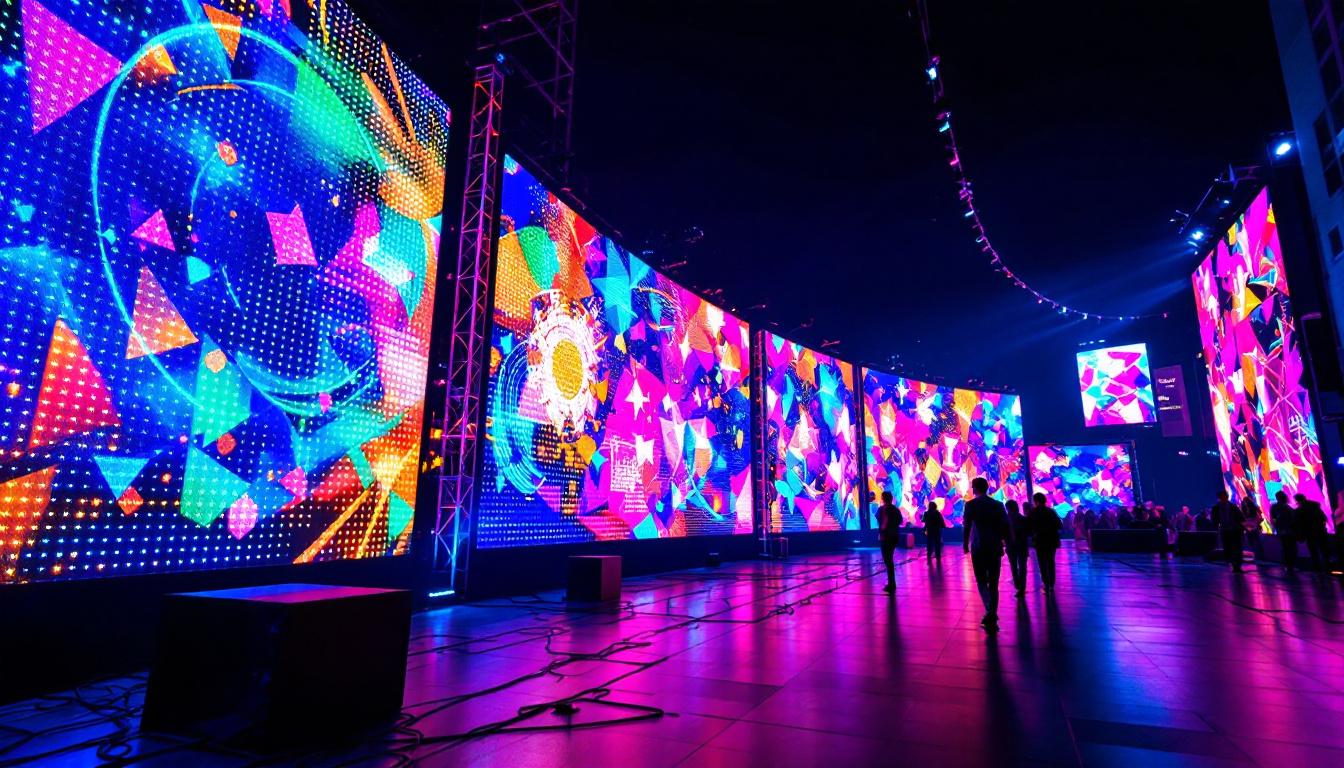
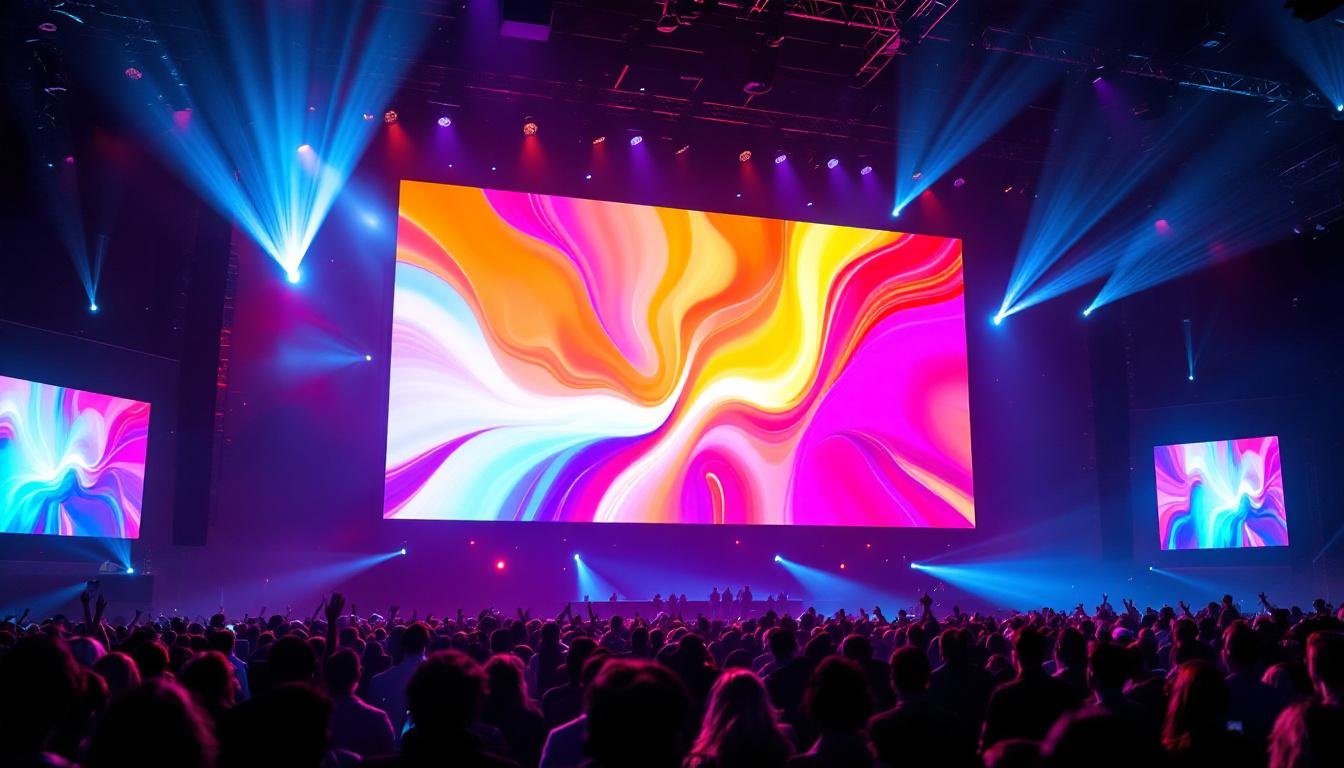
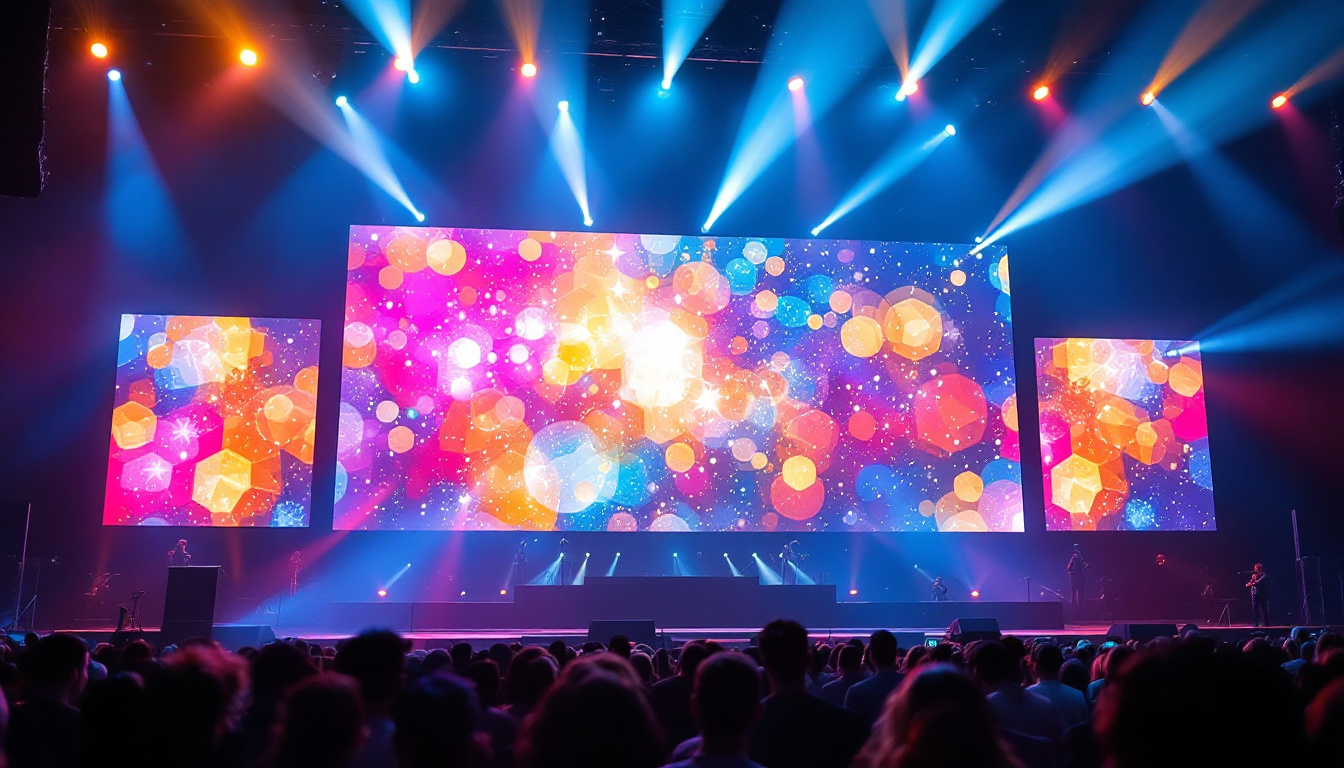
Concerts and live events utilize LED screens for stage backdrops and visual effects, creating immersive atmospheres that enhance performances. The modular nature of LED panels allows for flexible configurations tailored to specific event needs.
Corporate and Control Rooms
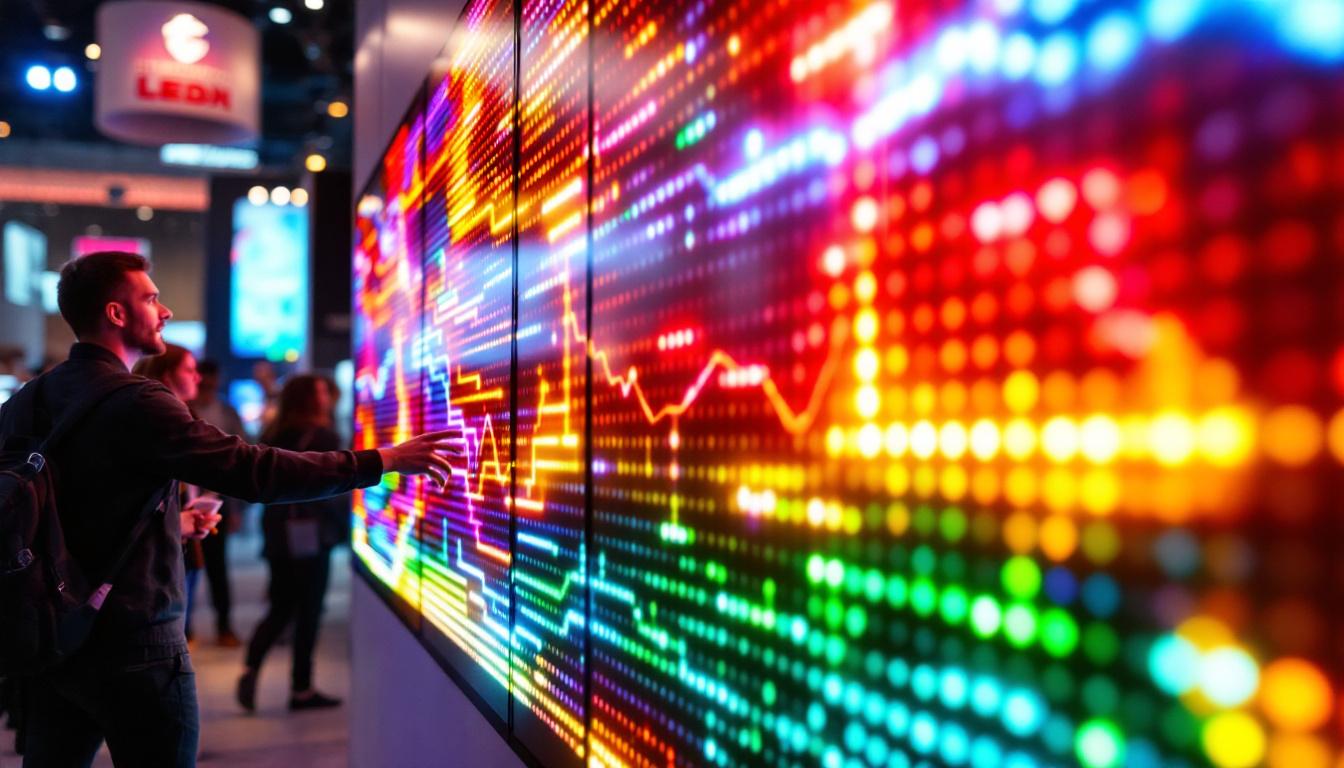
In corporate settings, LED displays are used for presentations, video conferencing, and digital signage. High-resolution indoor LED walls offer seamless visuals that improve communication and collaboration.
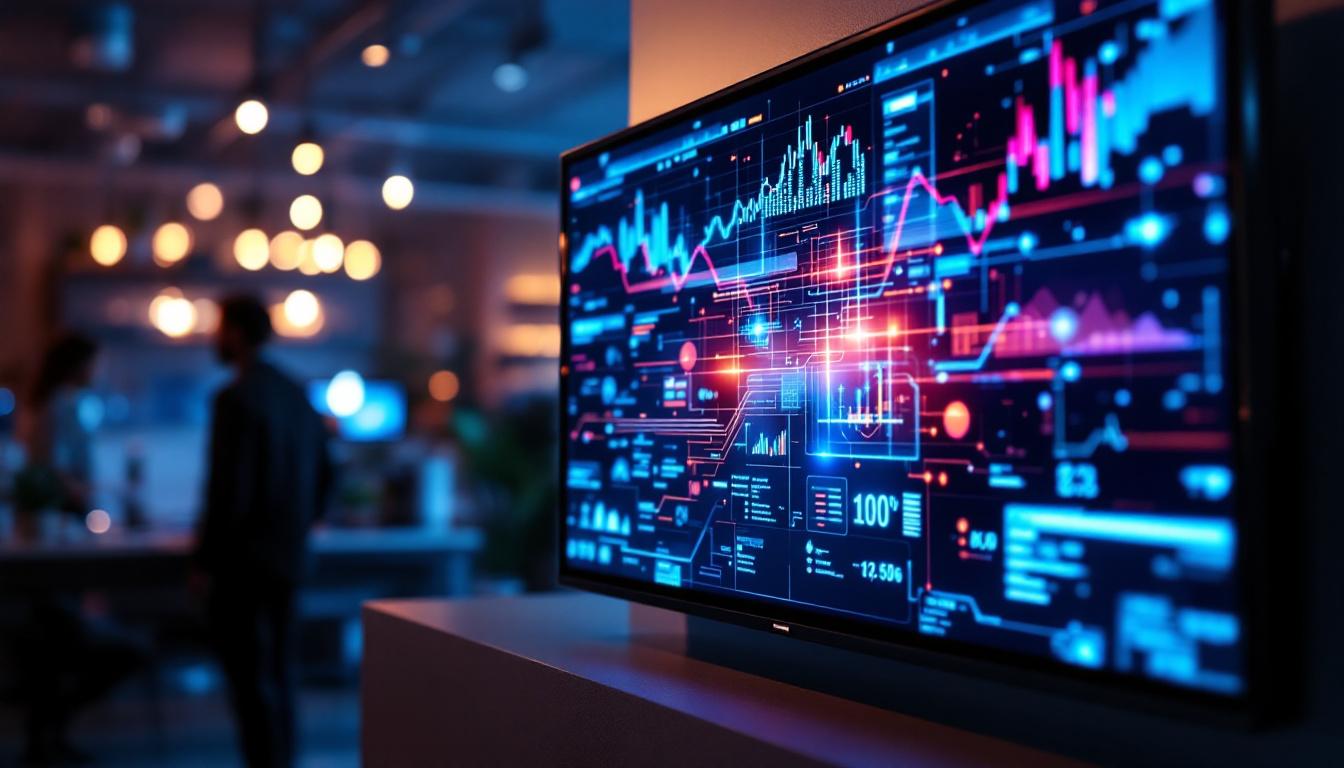
Control rooms in industries such as transportation, utilities, and emergency services depend on LED video walls for monitoring and decision-making. The clarity and reliability of LED displays are critical in these high-stakes environments.
Healthcare and Education
Healthcare facilities use LED displays for patient information systems, wayfinding, and telemedicine applications. The ability to display clear, bright images enhances patient experience and operational efficiency.
In educational institutions, LED displays support interactive learning environments, digital notice boards, and auditoriums, facilitating better engagement and information dissemination.
Emerging Trends and the Future of LED Displays
The LED display industry is rapidly evolving, driven by advancements in materials science, manufacturing processes, and digital technologies. Several trends are shaping the future landscape of LED displays.
MicroLED and MiniLED Technologies
MicroLED technology represents a significant leap forward by enabling displays with microscopic LEDs that act as individual pixels. This innovation promises ultra-high resolution, exceptional brightness, and energy efficiency, potentially surpassing OLED displays in performance and lifespan. Although still in the early stages of commercialization, MicroLED is poised to revolutionize smartphones, televisions, and augmented reality devices.
MiniLED, a related technology, uses smaller LEDs for backlighting LCD panels, offering improved contrast and brightness at a lower cost than MicroLED. It is gaining traction in premium laptops, monitors, and TVs.
Flexible and Transparent LED Displays
Flexible LED displays, built on bendable substrates, open new possibilities for curved screens, wearable devices, and innovative architectural applications. Transparent LED displays, which allow light to pass through while displaying images, are being integrated into storefront windows and vehicle windshields, blending digital content with physical environments.
Integration with IoT and AI
Smart LED displays are increasingly connected to the Internet of Things (IoT), enabling real-time data integration and remote management. Artificial intelligence (AI) algorithms optimize content delivery based on audience behavior, environmental conditions, and contextual factors, enhancing the effectiveness of digital signage and interactive displays.
Conclusion: Why LED Displays Matter in Modern Design
LED displays have transformed the way information is presented and consumed across multiple sectors. Their superior brightness, energy efficiency, and versatility make them indispensable tools for communication, entertainment, and operational efficiency. As technology advances, LED displays will continue to evolve, offering richer visual experiences and new interactive possibilities.
For designers, marketers, and technology professionals, understanding the intricacies of LED display technology is essential to leveraging its full potential. Whether creating captivating advertising campaigns, enhancing live events, or improving corporate communications, LED displays provide a powerful medium to engage audiences and convey messages effectively.
Discover the Future of Visual Design with LumenMatrix
Ready to elevate your visual communication to the next level? LumenMatrix, a pioneer in LED display technology, offers a comprehensive range of innovative solutions tailored to your needs. From Indoor and Outdoor LED Wall Displays to specialized options like Vehicle, Sports, and Floor LED Displays, our products are designed to captivate and engage. Embrace the revolution in digital signage with our Custom, All-in-One, and Transparent LED Displays. Experience the transformative power of LumenMatrix and share your message with unparalleled impact. Check out LumenMatrix LED Display Solutions today and be part of the visual evolution.