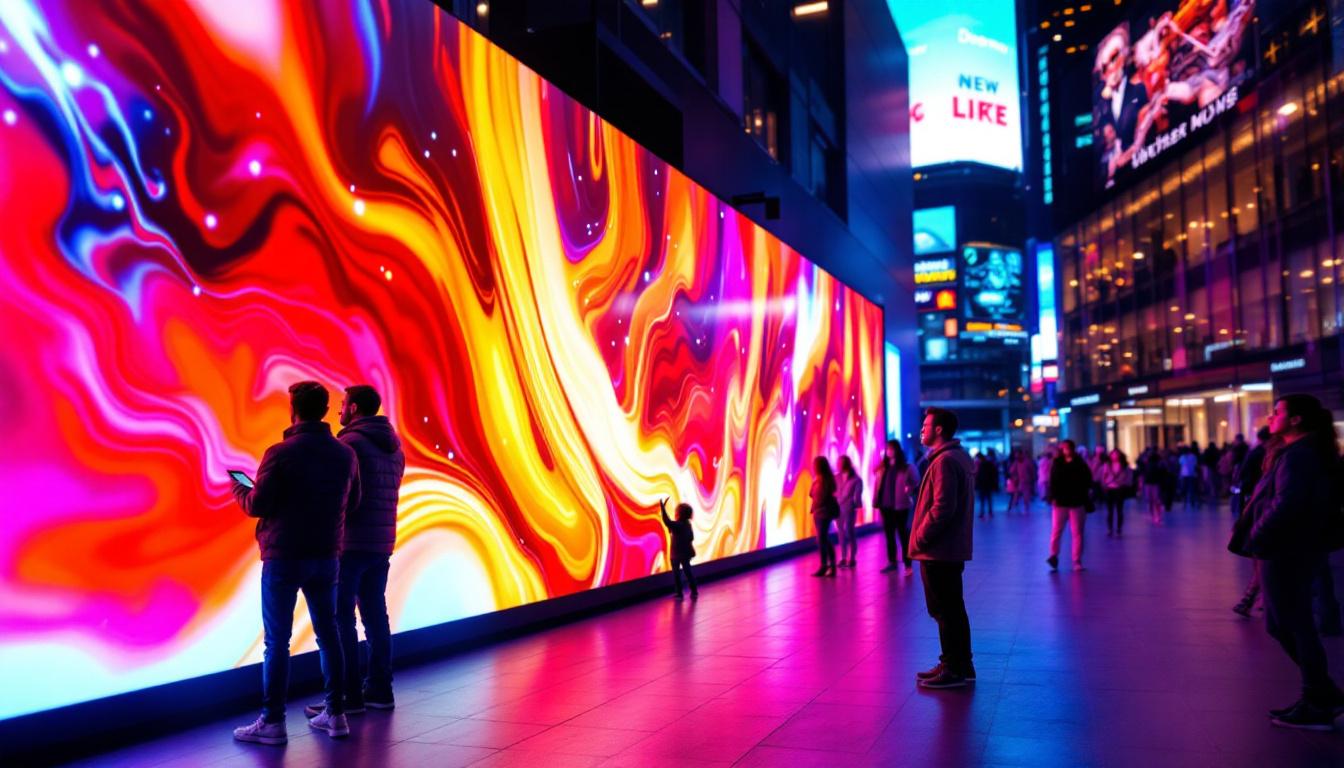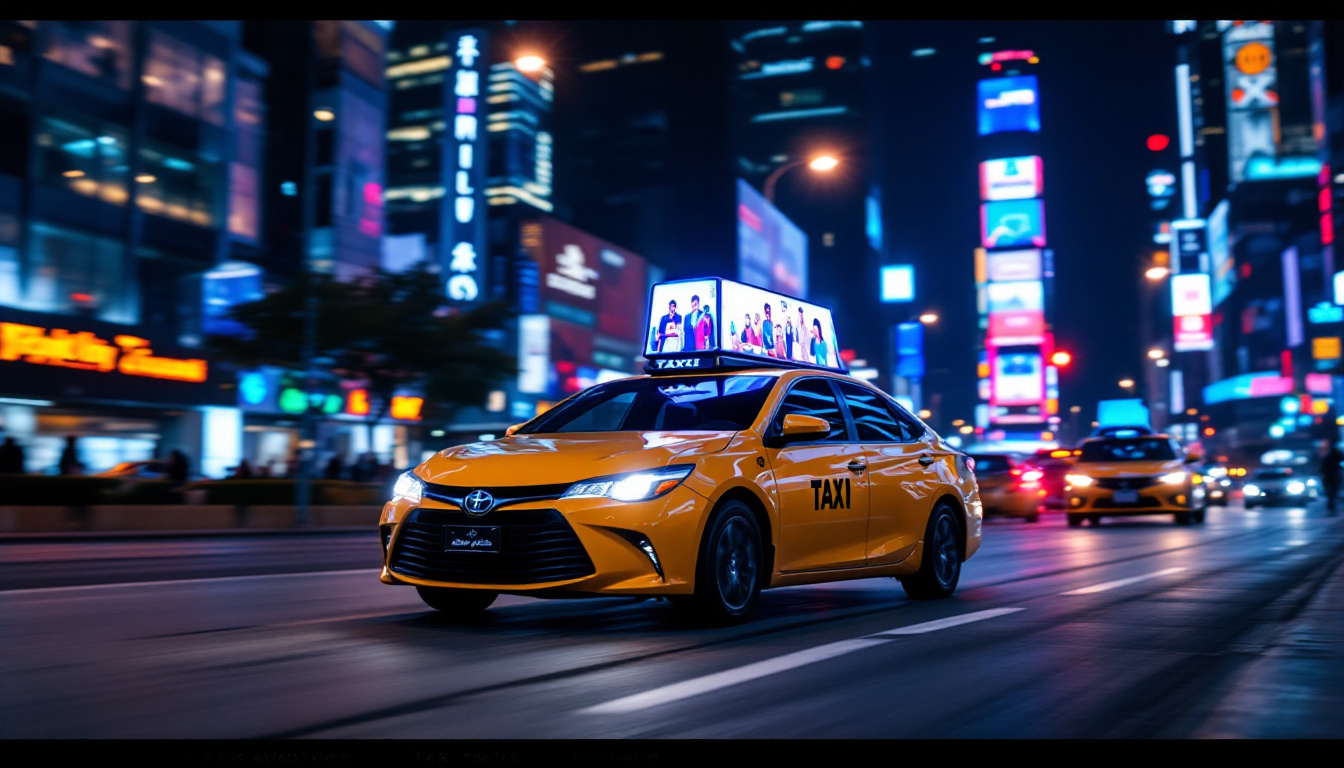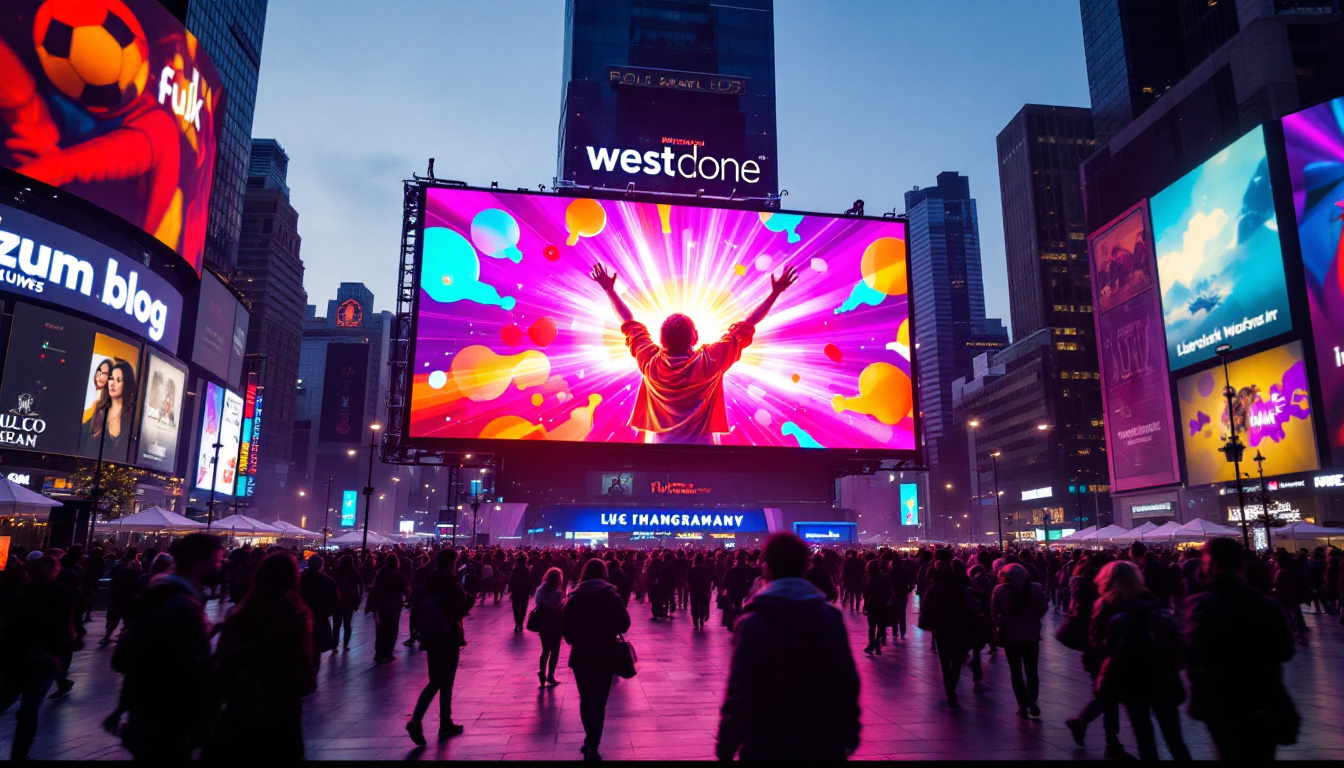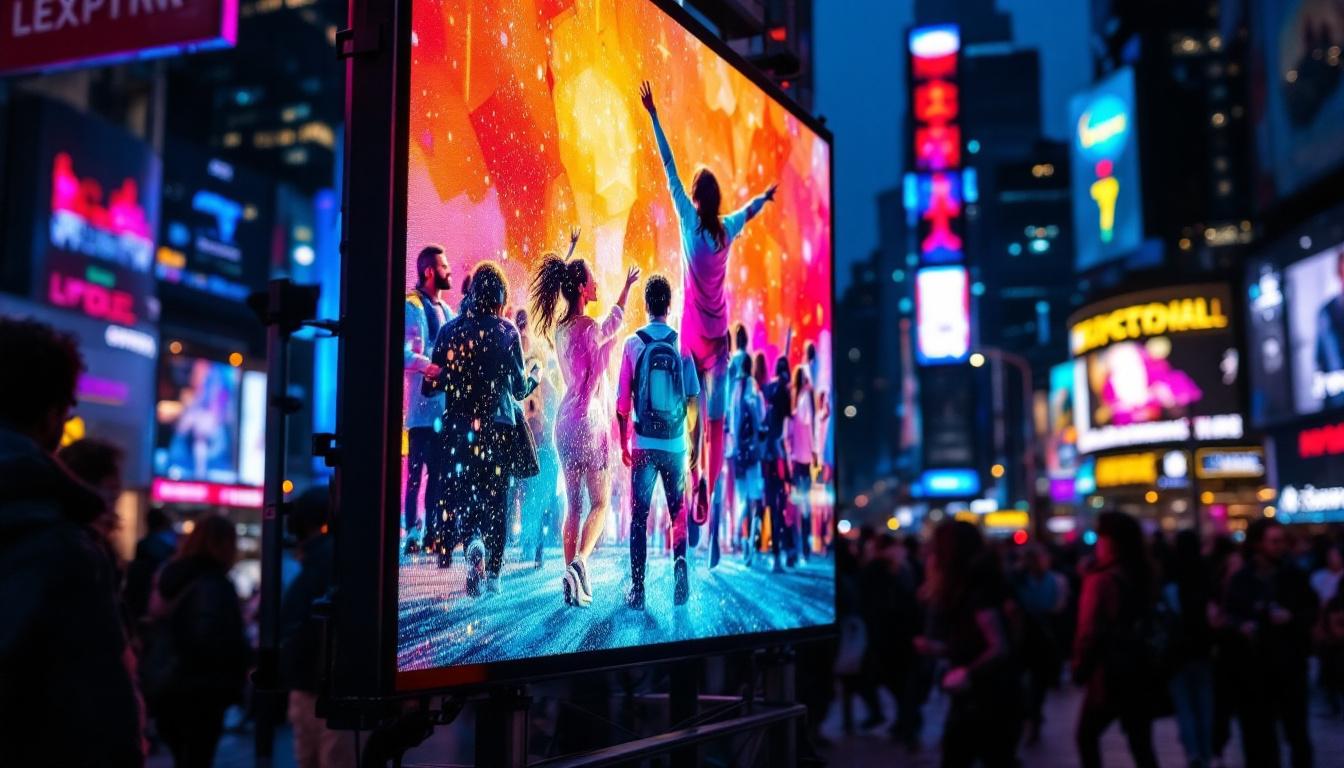
In today’s fast-paced world, visual communication plays a pivotal role in capturing attention and conveying messages effectively. Outdoor LED screen panels have revolutionized the way businesses, event organizers, and public institutions engage with their audiences. From towering billboards in city centers to dynamic displays at sports arenas, LED displays offer vibrant, high-resolution visuals that are visible even under direct sunlight. This article delves into the fundamentals of outdoor LED screen panels, exploring their technology, applications, benefits, and considerations for choosing the right display.
Understanding Outdoor LED Screen Panels
What Is an Outdoor LED Screen Panel?
An outdoor LED screen panel is a modular display unit composed of numerous light-emitting diodes (LEDs) arranged in a matrix. These panels are designed specifically for external environments, featuring weather-resistant materials and brightness levels that ensure visibility in daylight. Unlike traditional LCD or projection screens, LED panels emit their own light, making them highly effective in various lighting conditions.
Each panel typically measures between 500mm x 500mm to 1000mm x 1000mm and can be combined seamlessly to create large-format displays of virtually any size. The modular nature allows for flexible installation, whether on building facades, stadiums, or roadside billboards. This adaptability not only enhances aesthetic appeal but also maximizes advertising potential, as businesses can tailor their displays to fit specific locations and audience demographics. Additionally, the lightweight design of these panels facilitates easier transportation and installation, making them a preferred choice for event organizers and advertisers alike.
How Do Outdoor LED Displays Work?
At the core of an LED display are tiny diodes that emit red, green, and blue light. By adjusting the intensity of each diode, the screen can produce a full spectrum of colors. Outdoor LED panels use high-brightness LEDs, often exceeding 5,000 nits, to ensure clear visibility even in direct sunlight. This high brightness is essential for outdoor applications, where ambient light can significantly impact the visibility of the content being displayed.
The display is controlled by a system that processes input signals—such as video, images, or text—and translates them into electrical signals that drive the LEDs. Advanced control systems allow for real-time content updates, remote management, and synchronization across multiple panels. This capability is particularly beneficial for live events, where dynamic content can be displayed to engage audiences effectively. Furthermore, many outdoor LED displays are equipped with intelligent features, such as automatic brightness adjustment based on surrounding light conditions, ensuring optimal viewing experiences at all times of the day. The integration of these technologies not only enhances the functionality of the displays but also contributes to energy efficiency, making them a sustainable choice for outdoor advertising and information dissemination.
Key Features of Outdoor LED Screen Panels
Brightness and Visibility
One of the most critical factors for outdoor LED displays is brightness. Outdoor environments expose screens to varying light conditions, including direct sunlight, which can wash out images on less luminous displays. High-quality outdoor LED panels typically offer brightness levels between 5,000 and 10,000 nits, ensuring vivid visuals regardless of ambient light.
Additionally, these screens often incorporate automatic brightness adjustment sensors that modify luminance based on surrounding light, optimizing visibility while conserving energy.
Pixel Pitch and Resolution
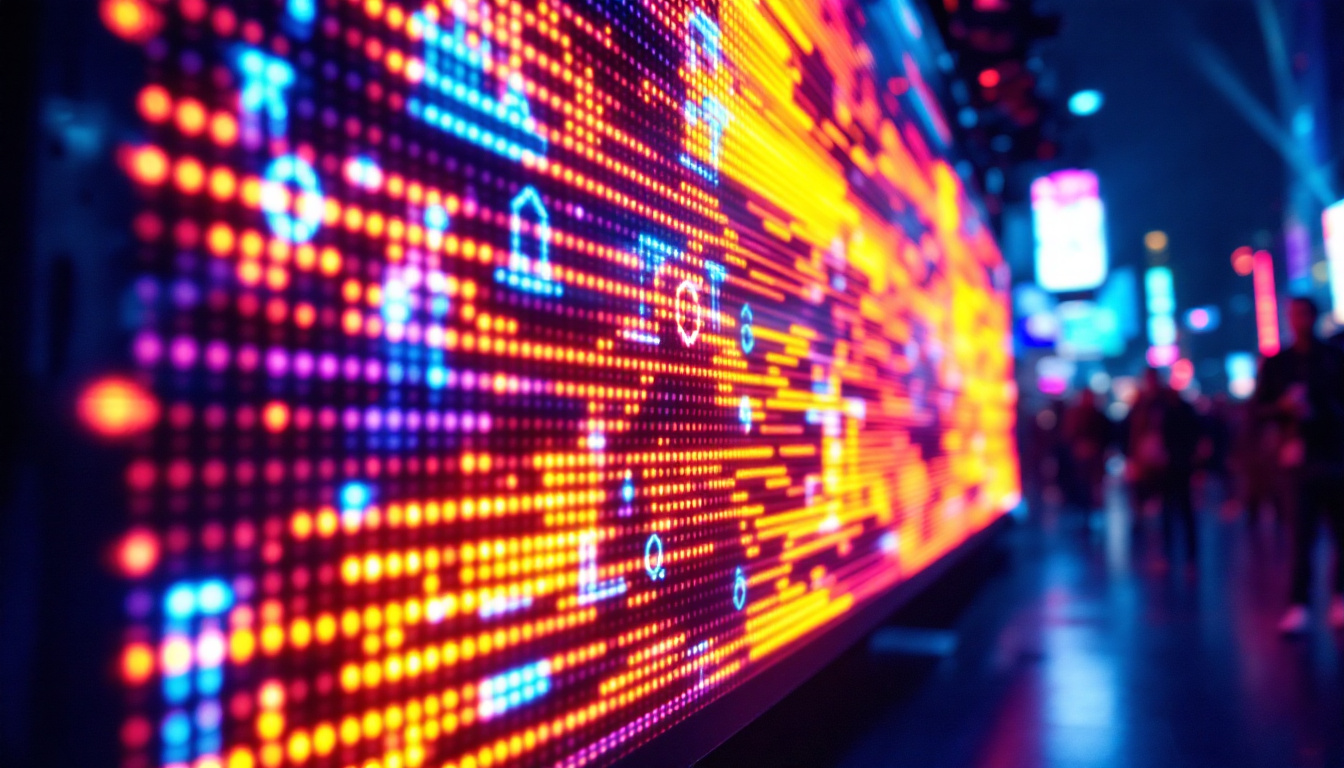
Pixel pitch refers to the distance between the centers of adjacent pixels, measured in millimeters. It directly influences the display’s resolution and viewing distance. Outdoor LED screens usually have a pixel pitch ranging from 3mm to 20mm or more.
A smaller pixel pitch means higher resolution and sharper images, suitable for close-up viewing. However, for large outdoor displays viewed from a distance, a larger pixel pitch is acceptable and more cost-effective. For example, a 10mm pixel pitch is common for billboards viewed from 30 meters or more.
Durability and Weather Resistance
Outdoor LED panels are engineered to withstand harsh environmental conditions. They feature robust enclosures with an IP65 or higher rating, indicating protection against dust and water ingress. This ensures reliable operation during rain, snow, dust storms, and temperature fluctuations.
Materials used in outdoor panels are corrosion-resistant, and ventilation systems prevent overheating. These design elements contribute to a long operational lifespan, often exceeding 100,000 hours of use.
Energy Efficiency
Despite their brightness, modern outdoor LED displays are energy efficient compared to traditional lighting and projection methods. Advances in LED technology, such as improved diode efficiency and intelligent power management, reduce electricity consumption.
Many outdoor panels incorporate features like automatic brightness control and power-saving modes during low-traffic hours, helping operators minimize operational costs and environmental impact.
Applications of Outdoor LED Screen Panels
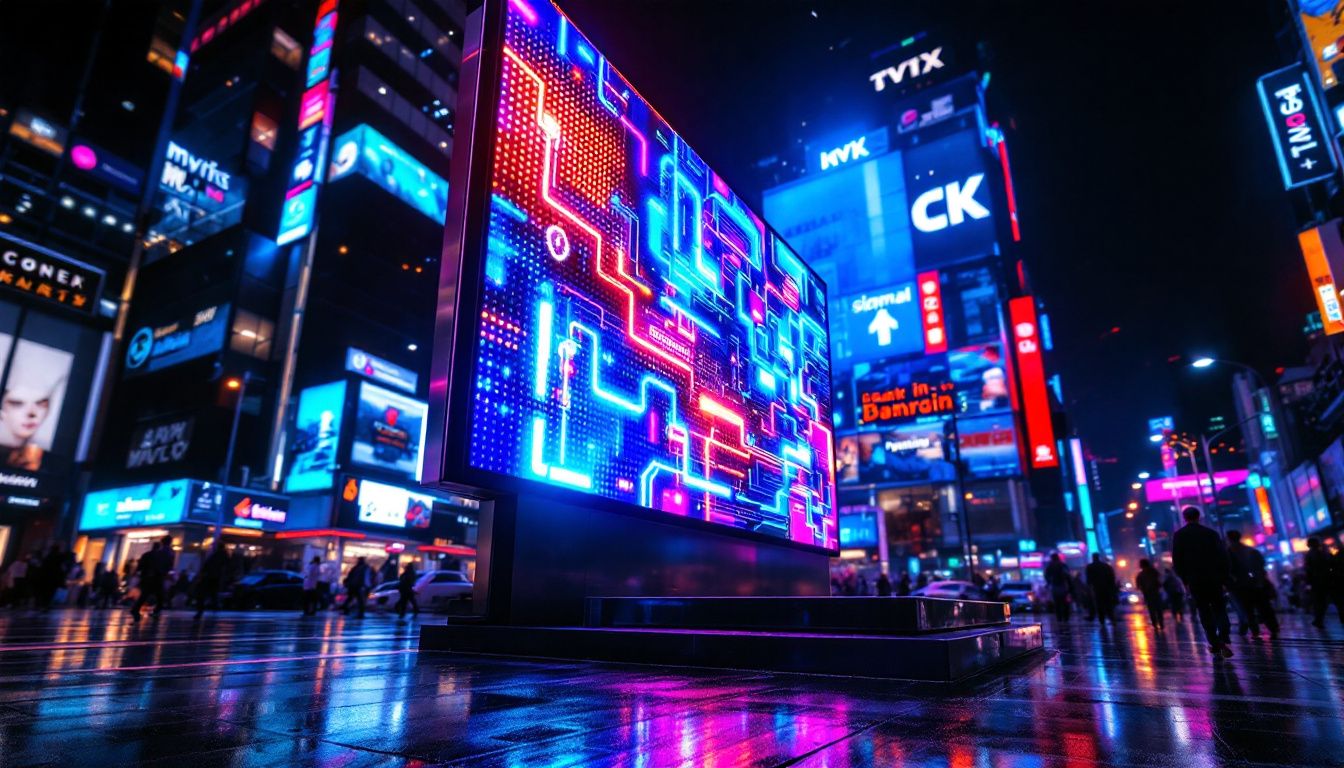
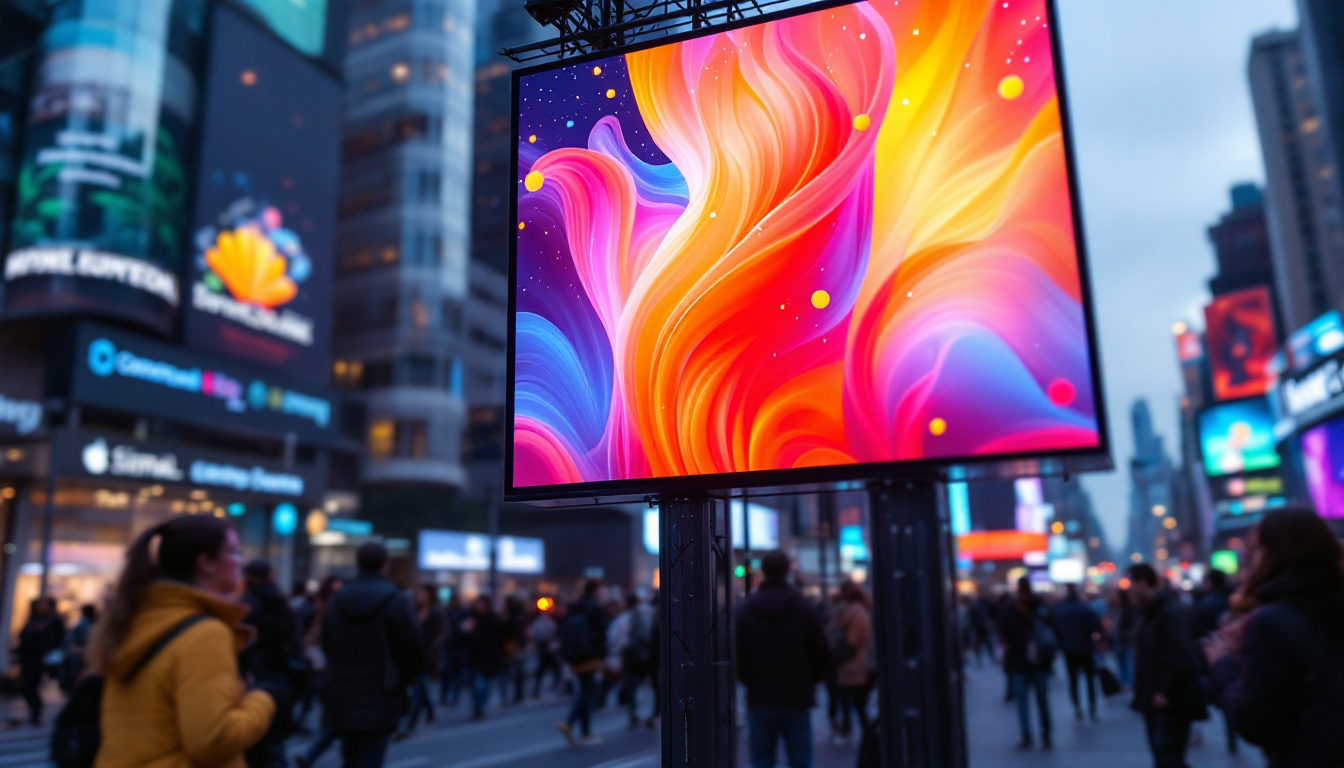
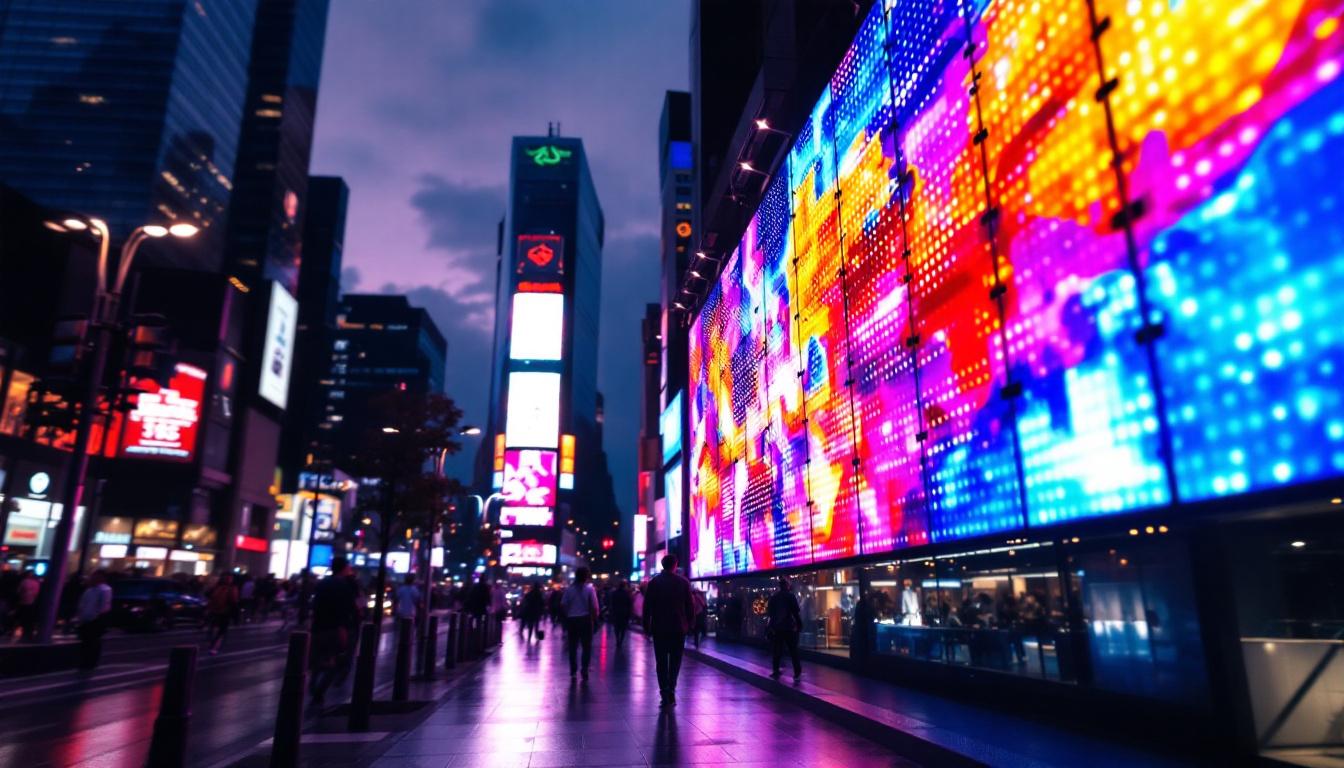
Advertising and Digital Billboards
Outdoor LED screens have become the backbone of modern advertising. Their ability to display dynamic, eye-catching content attracts more viewers than static billboards. According to industry reports, digital billboards can increase ad recall by up to 47% compared to traditional formats.
Brands use these displays to showcase promotions, launch new products, and engage audiences with interactive content. The flexibility to update messages remotely and instantly is a significant advantage in today’s fast-moving markets.
Sports and Entertainment Venues
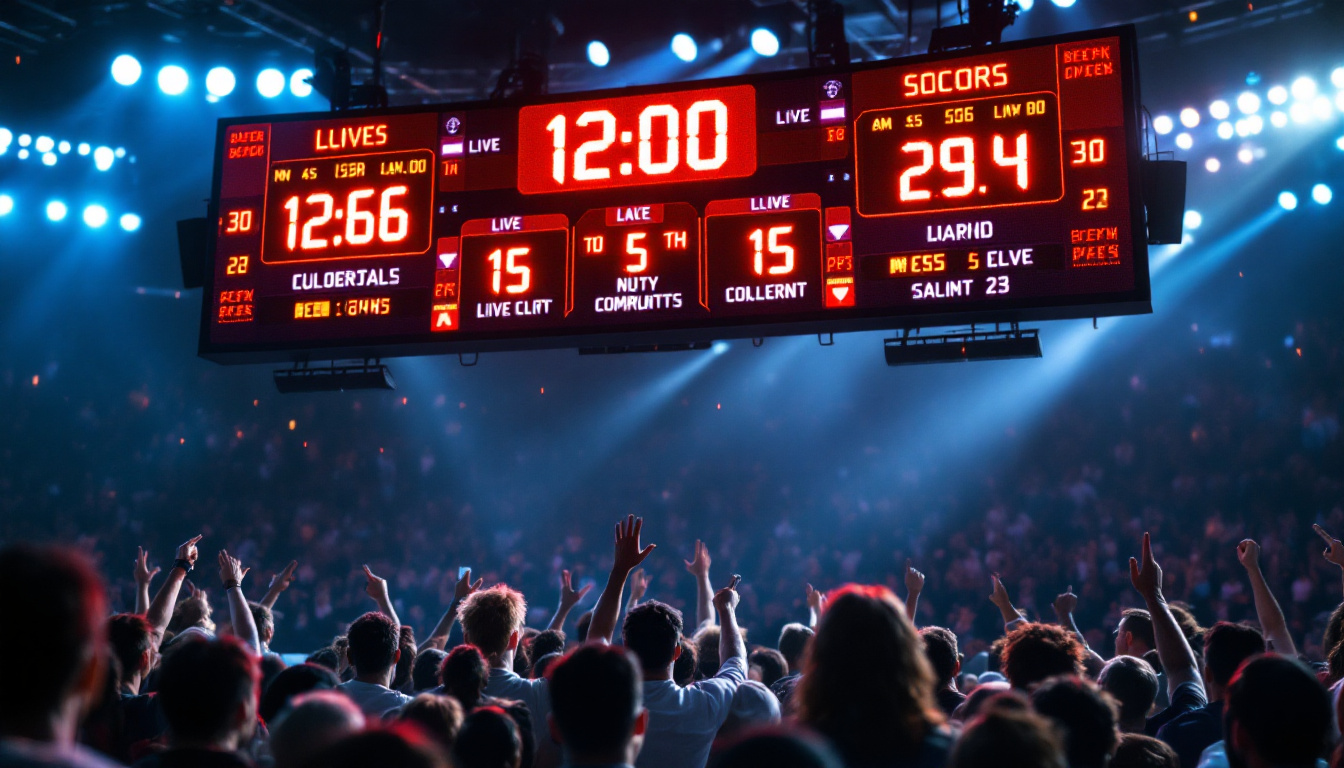
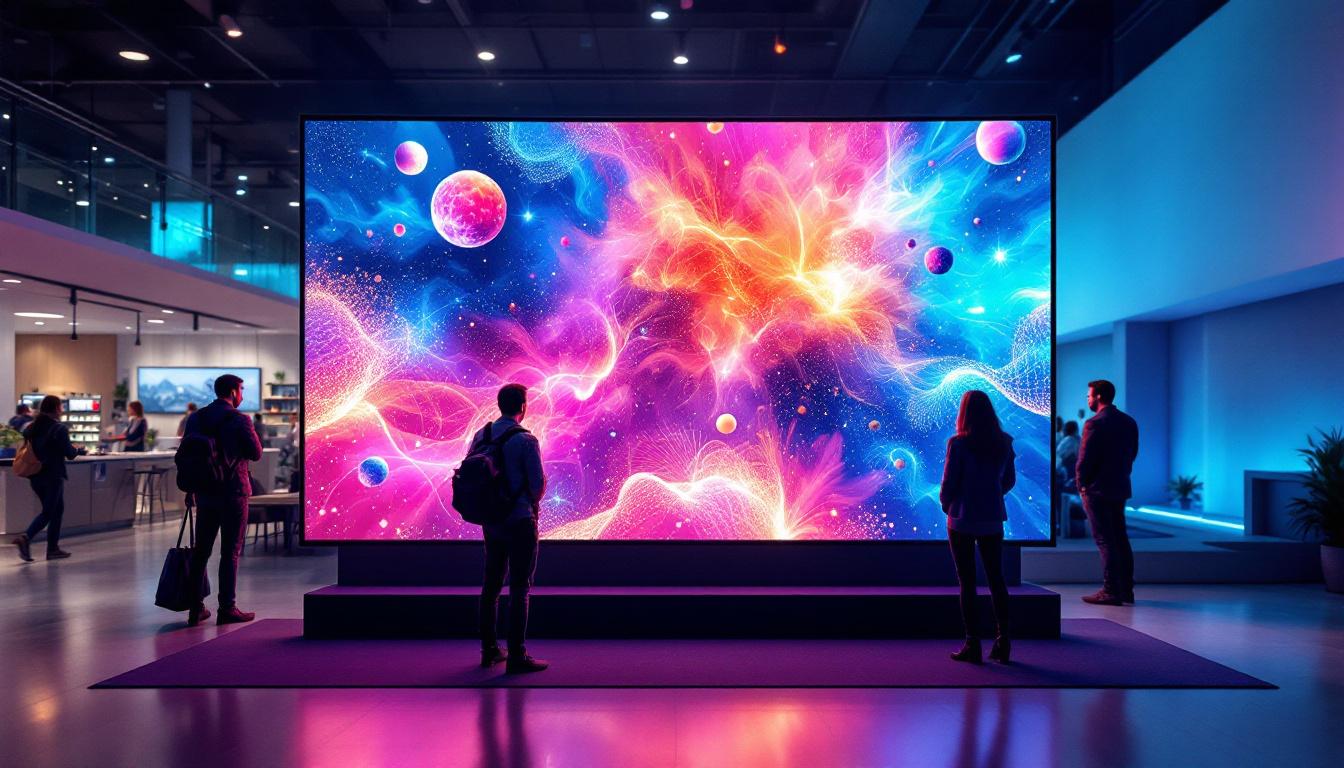
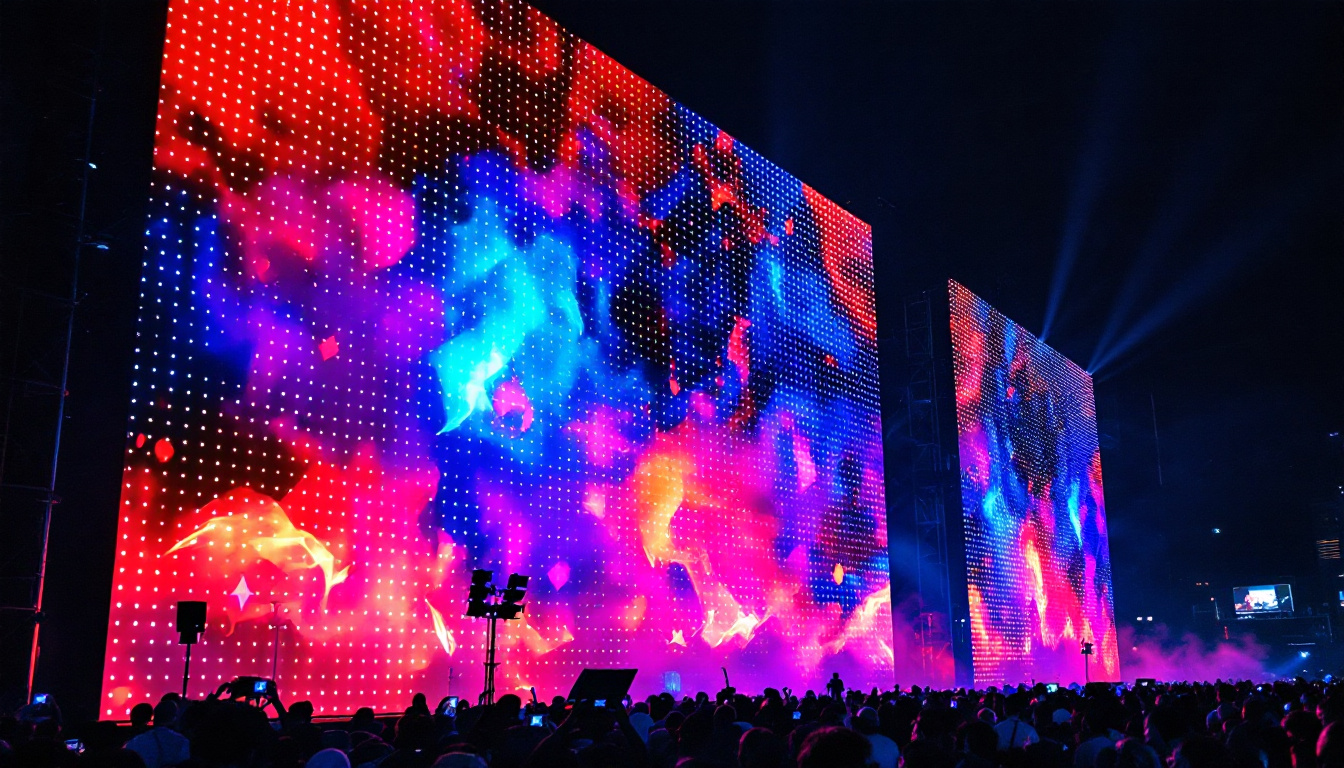
Stadiums and concert arenas utilize large-scale outdoor LED screens to enhance spectator experience. These displays provide live game footage, replays, scores, and advertisements, making events more immersive and engaging.
For example, major sports venues often install LED ribbon boards and jumbotrons with pixel pitches optimized for both close-up and distant viewing, ensuring every seat has a clear view of the action.
Public Information and Transportation Hubs
Outdoor LED panels serve as vital tools for public communication in transportation hubs such as airports, train stations, and bus terminals. They display real-time schedules, alerts, weather updates, and emergency information.
Municipalities also deploy these screens in public squares and along highways to broadcast community announcements, traffic updates, and safety messages, improving public awareness and safety.
Events and Festivals
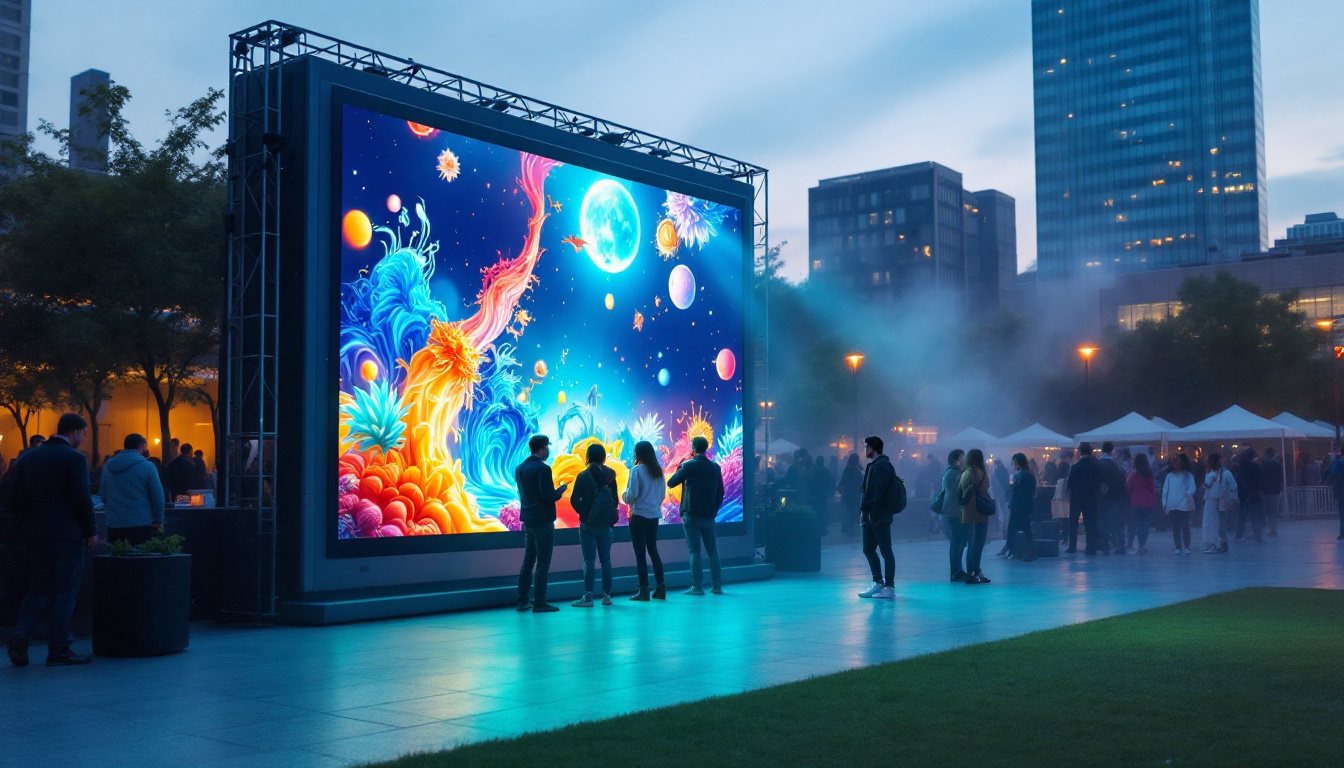
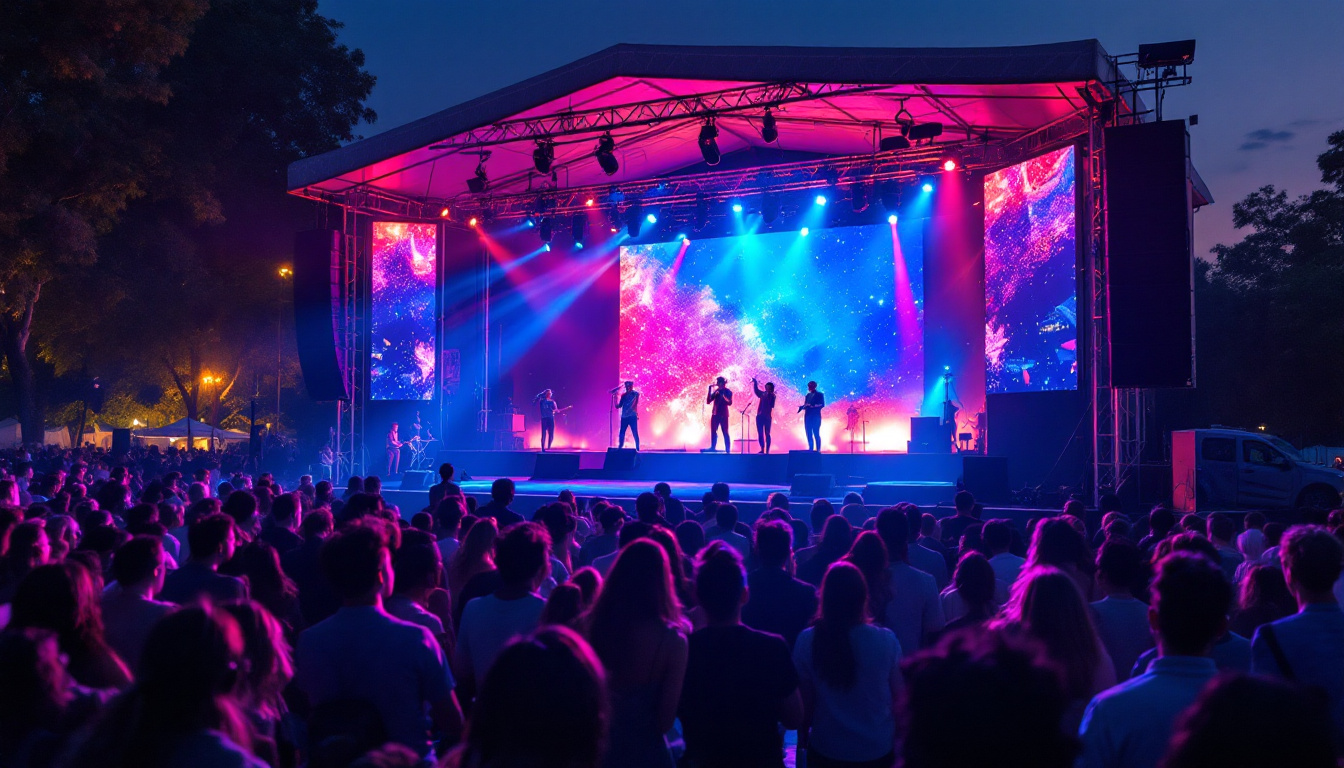
Temporary installations of outdoor LED screens are common at festivals, fairs, and outdoor events. Their portability and modular design allow organizers to set up large displays quickly, providing attendees with live feeds, schedules, and interactive content.
This enhances crowd engagement and creates memorable experiences, which are crucial for event success and brand loyalty.
Choosing the Right Outdoor LED Screen Panel
Assessing Location and Viewing Distance
Determining the optimal pixel pitch and screen size depends heavily on the installation location and the typical viewing distance. For example, a roadside billboard viewed from 50 meters requires a different resolution than a display mounted on a building facade viewed from 10 meters.
Experts recommend calculating the minimum viewing distance to select a pixel pitch that balances image clarity and cost. A common rule of thumb is that the minimum viewing distance (in meters) should be approximately equal to the pixel pitch (in millimeters) multiplied by 1.5.
Considering Environmental Conditions
Understanding the local climate is essential for selecting a durable outdoor LED panel. Areas prone to heavy rain, snow, or dust storms require displays with higher IP ratings and robust protective features.
Temperature extremes also influence the choice of cooling systems and materials. Some panels include built-in heaters or fans to maintain optimal operating conditions in harsh climates.
Evaluating Content and Control Systems
The type of content to be displayed influences the choice of control hardware and software. For dynamic video content, high refresh rates and color accuracy are vital. Some advanced LED panels support 4K resolution and HDR content, offering cinema-quality visuals.
Remote content management systems enable operators to update displays from anywhere, schedule content, and monitor performance in real time. Integration with sensors and cameras can further enhance interactivity and responsiveness.
Budget and Total Cost of Ownership
While initial investment is a key consideration, it is equally important to evaluate the total cost of ownership, including installation, maintenance, energy consumption, and potential downtime.
High-quality panels may have a higher upfront cost but offer greater longevity, lower maintenance, and better energy efficiency, resulting in cost savings over time. Working with reputable manufacturers and installers ensures reliability and access to support services.
Future Trends in Outdoor LED Display Technology
MicroLED and MiniLED Innovations
Emerging technologies like MicroLED and MiniLED promise even higher brightness, better contrast, and improved energy efficiency. These advances allow for thinner, lighter panels with superior image quality, expanding the possibilities for outdoor installations.
Integration with Smart City Infrastructure
Outdoor LED screens are increasingly integrated into smart city ecosystems, connected to sensors and data networks. This enables real-time information delivery, adaptive advertising, and enhanced public safety communications.
For example, displays can adjust content based on traffic flow, weather conditions, or emergency alerts, making urban environments more responsive and user-friendly.
Enhanced Interactivity and Augmented Reality
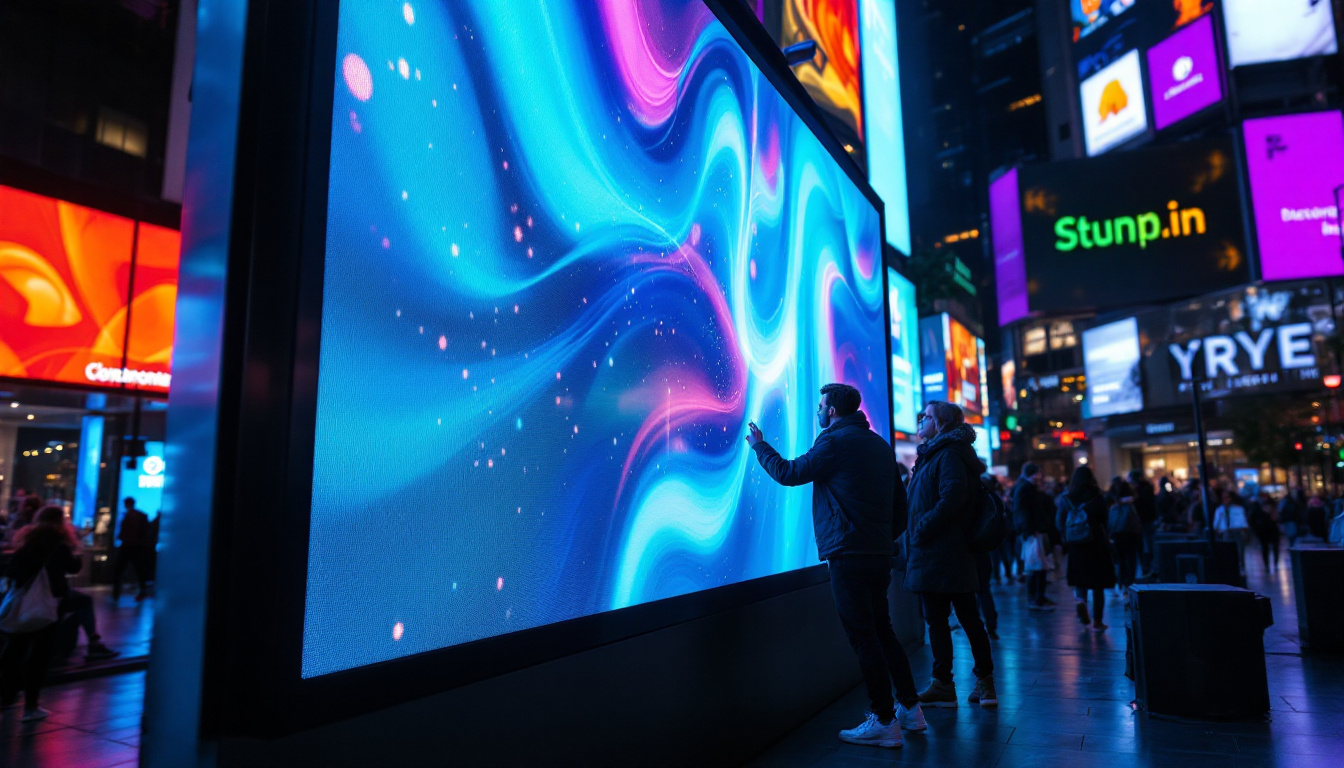
Interactive LED displays equipped with touch sensors, cameras, and augmented reality capabilities are gaining traction. These technologies engage viewers more deeply by allowing personalized content, games, or information overlays.
Such innovations open new avenues for marketing, entertainment, and public engagement, creating immersive experiences that resonate with diverse audiences.
Conclusion
Outdoor LED screen panels have transformed the landscape of visual communication, offering unparalleled brightness, flexibility, and durability. Their applications span advertising, entertainment, public information, and events, making them indispensable tools for modern engagement strategies.
Choosing the right outdoor LED display requires careful consideration of factors such as pixel pitch, brightness, environmental conditions, and content needs. As technology advances, outdoor LED screens will continue to evolve, integrating smarter features and delivering richer experiences.
For businesses and organizations aiming to captivate audiences and communicate effectively in outdoor settings, investing in high-quality LED display technology is a strategic move that promises lasting impact and value.
Discover LumenMatrix’s Innovative LED Solutions
Ready to elevate your outdoor visual communication with the latest in LED technology? Look no further than LumenMatrix, a pioneer in crafting LED displays that captivate and engage. Whether you’re seeking to enhance your advertising impact, enrich entertainment experiences, or deliver crucial public information, LumenMatrix offers a comprehensive range of solutions including Indoor and Outdoor LED Wall Displays, Vehicle LED Displays, and more. Embrace the future of digital signage with LumenMatrix and ensure your message resonates with brilliance and clarity. Check out LumenMatrix LED Display Solutions today and transform your visual engagement strategy.