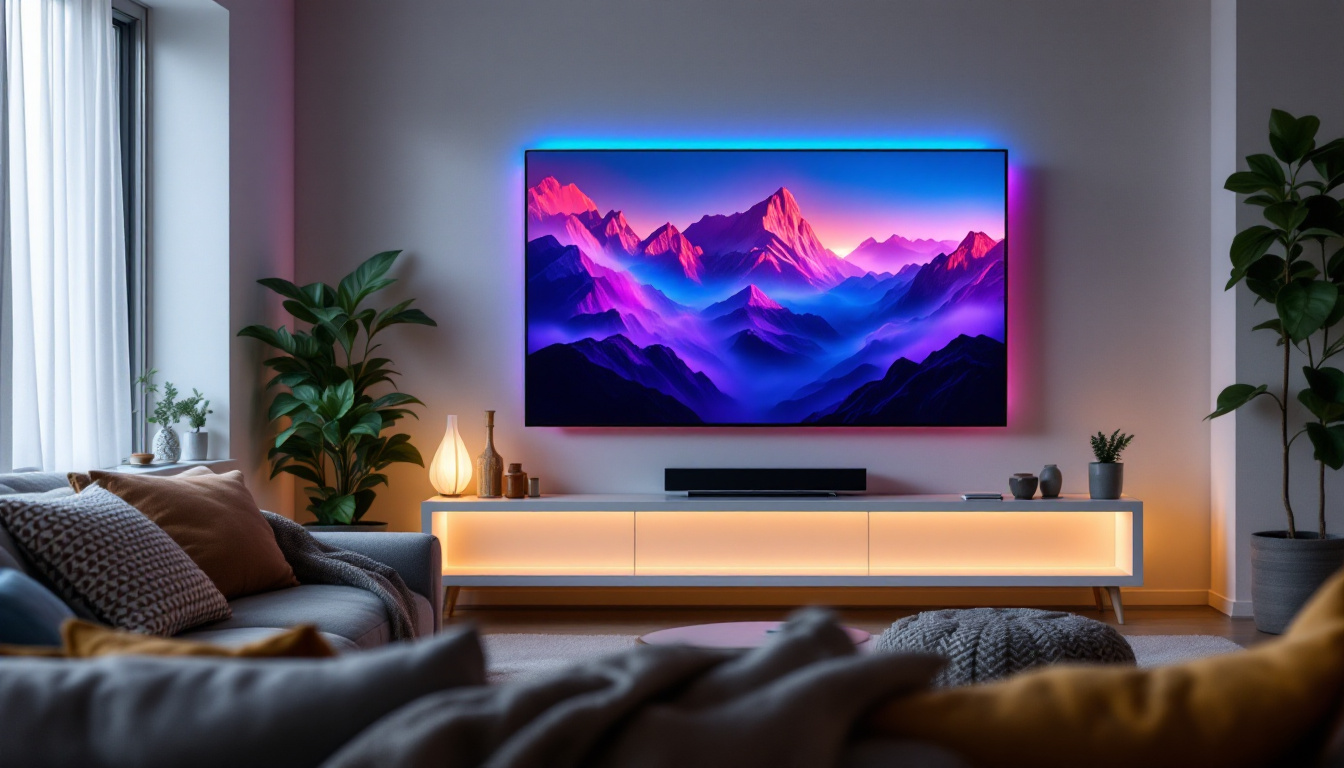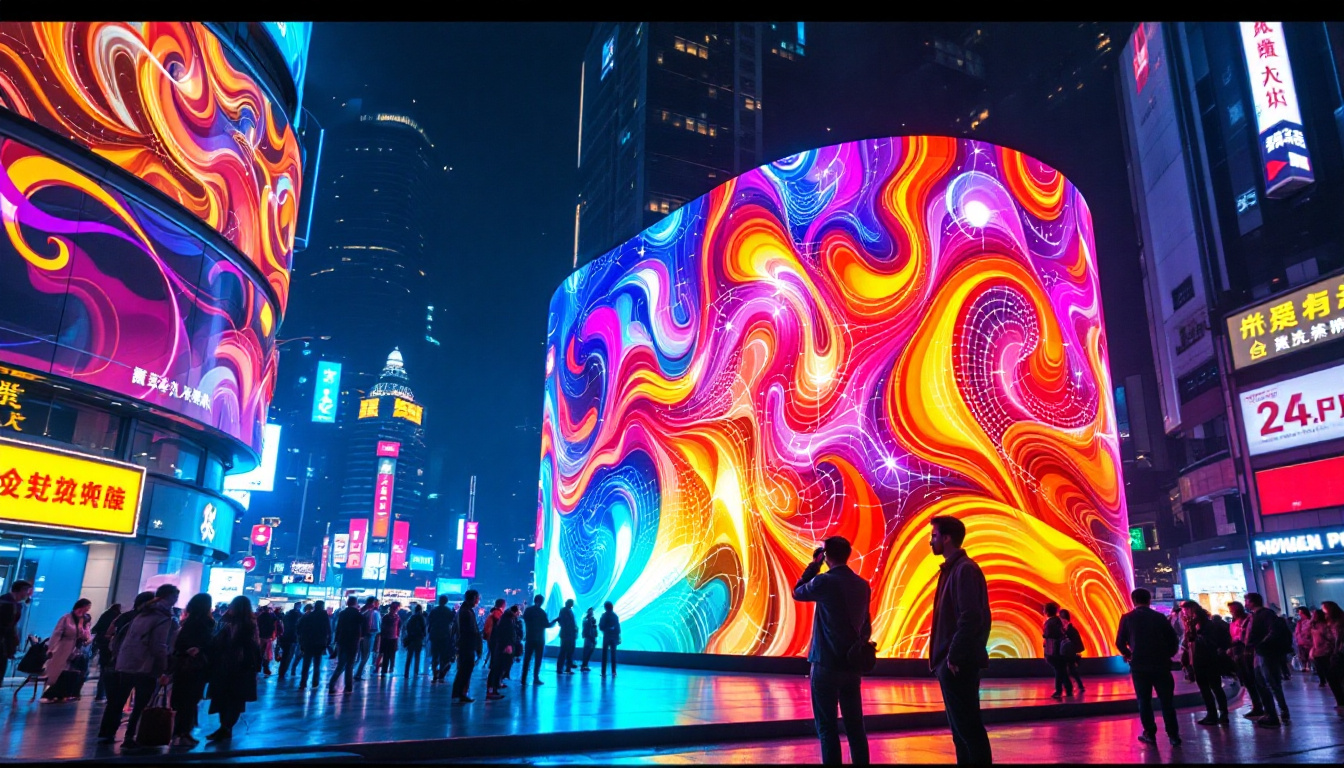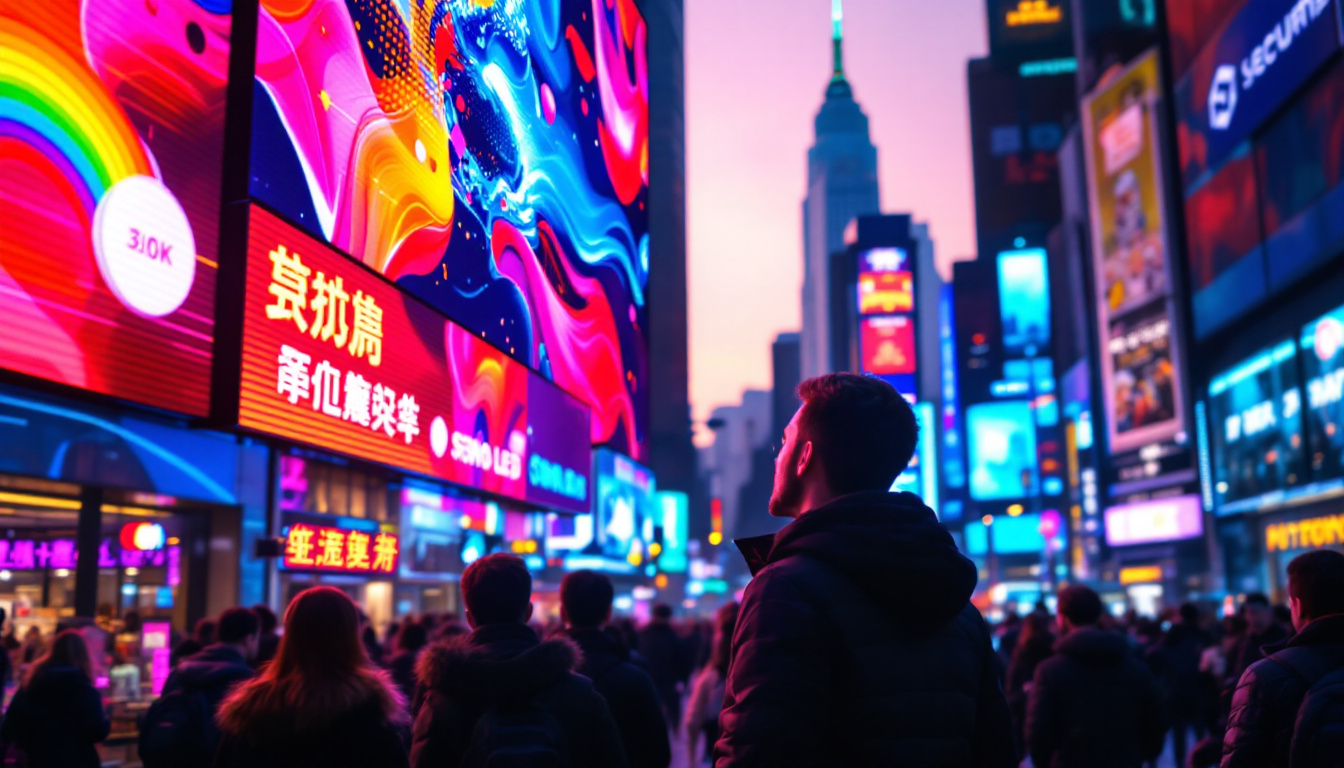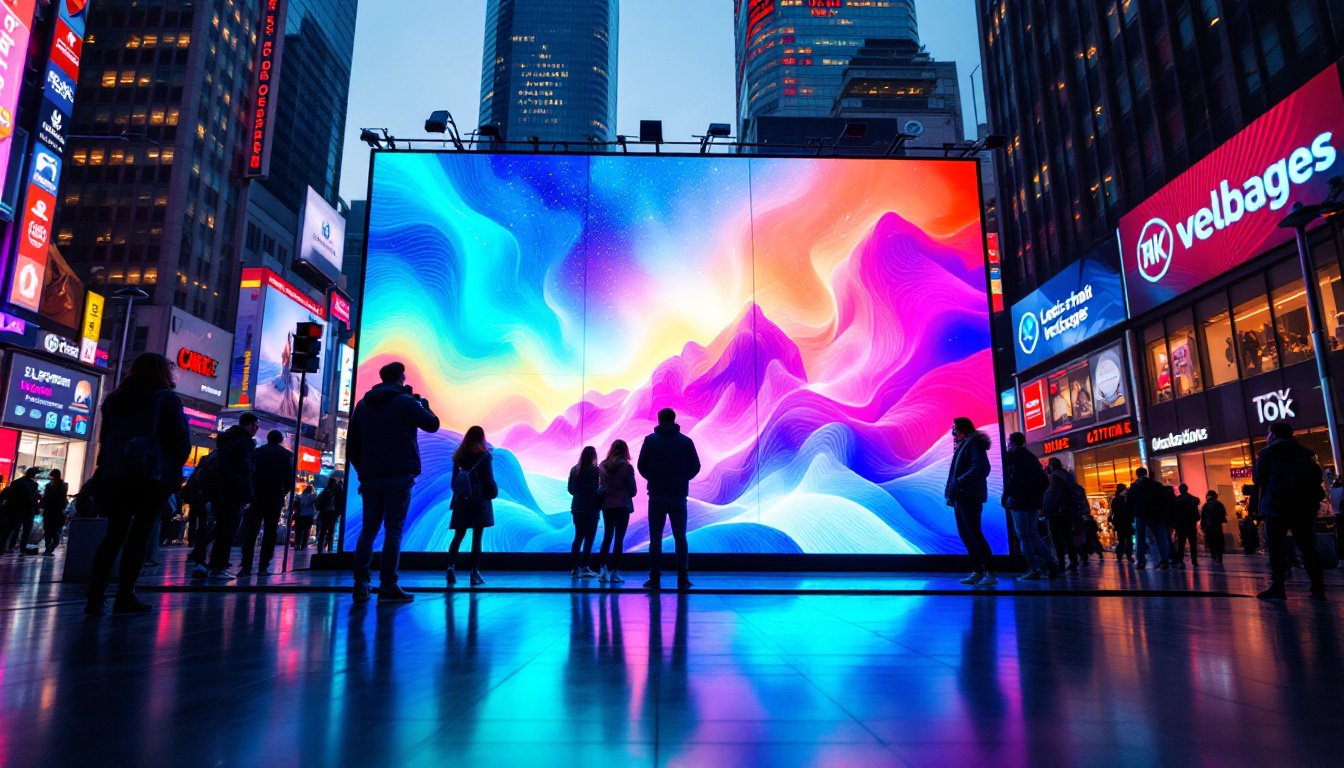
In the rapidly evolving world of digital technology, LED displays have become a cornerstone of visual communication. From vibrant billboards in bustling city centers to the sleek screens of modern smartphones, LED displays are everywhere. But what exactly is an LED display, how does it work, and why has it become the preferred choice for so many applications? This comprehensive article explores the fundamentals of LED displays, their types, advantages, and the latest trends shaping their future.
Understanding LED Displays: The Basics
What Is an LED Display?
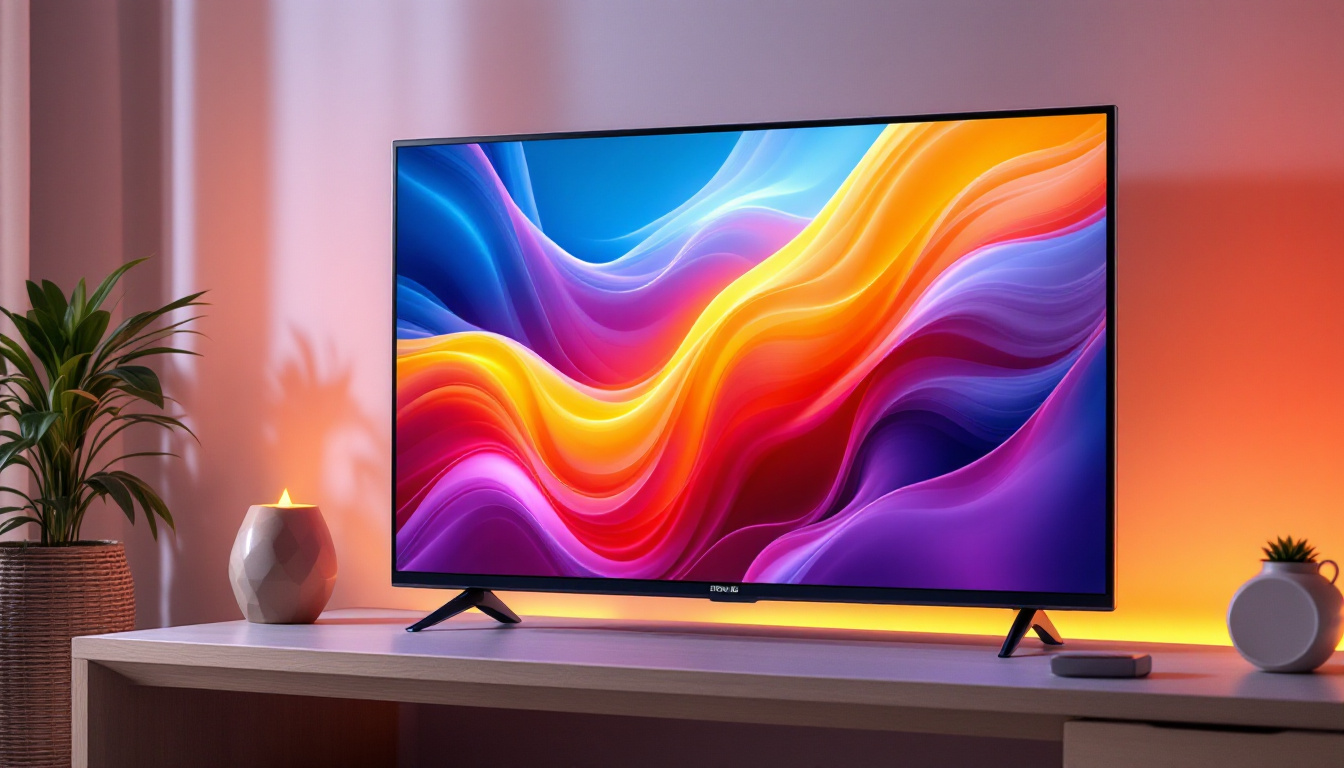
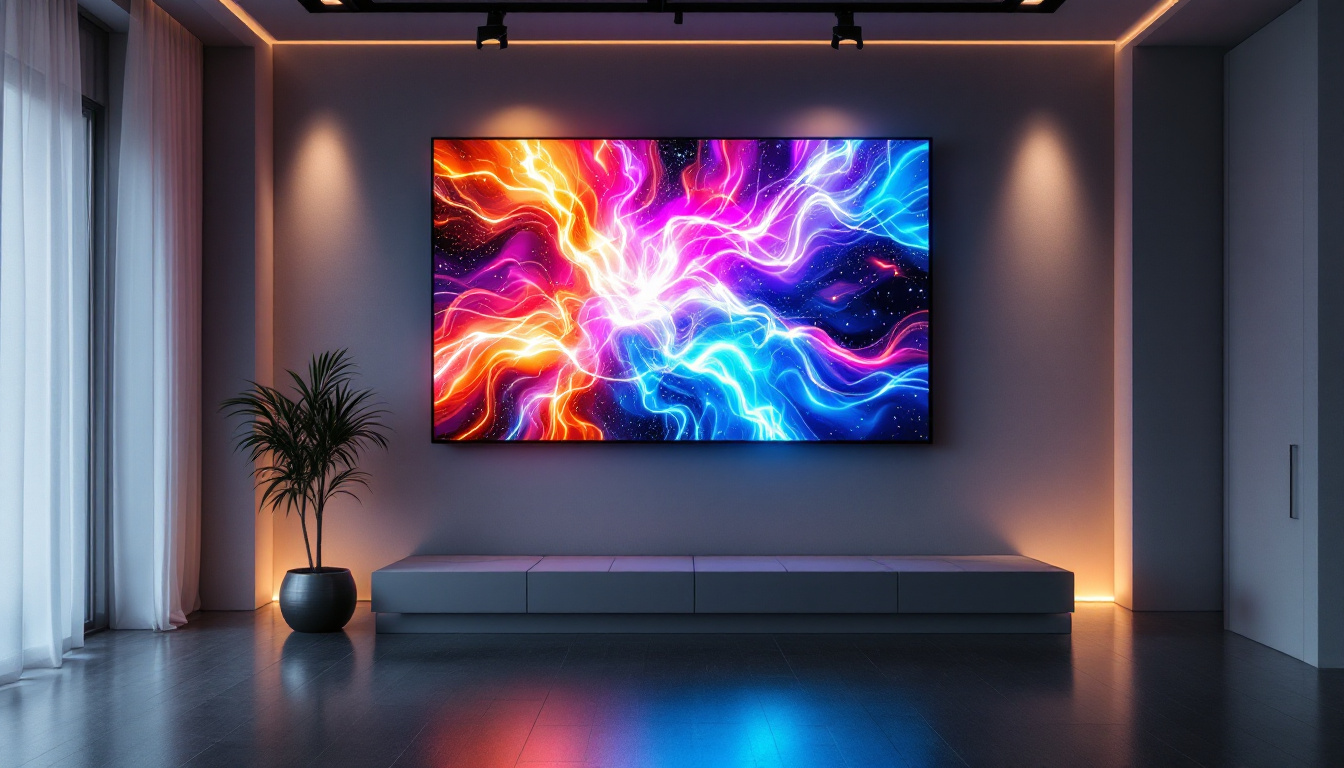
LED stands for Light Emitting Diode, a semiconductor device that emits light when an electric current passes through it. An LED display is a flat panel display that uses an array of these tiny LEDs as pixels to produce images, videos, and text. Unlike traditional display technologies such as LCD or plasma, LED displays rely on direct light emission, which results in brighter, more vibrant visuals.
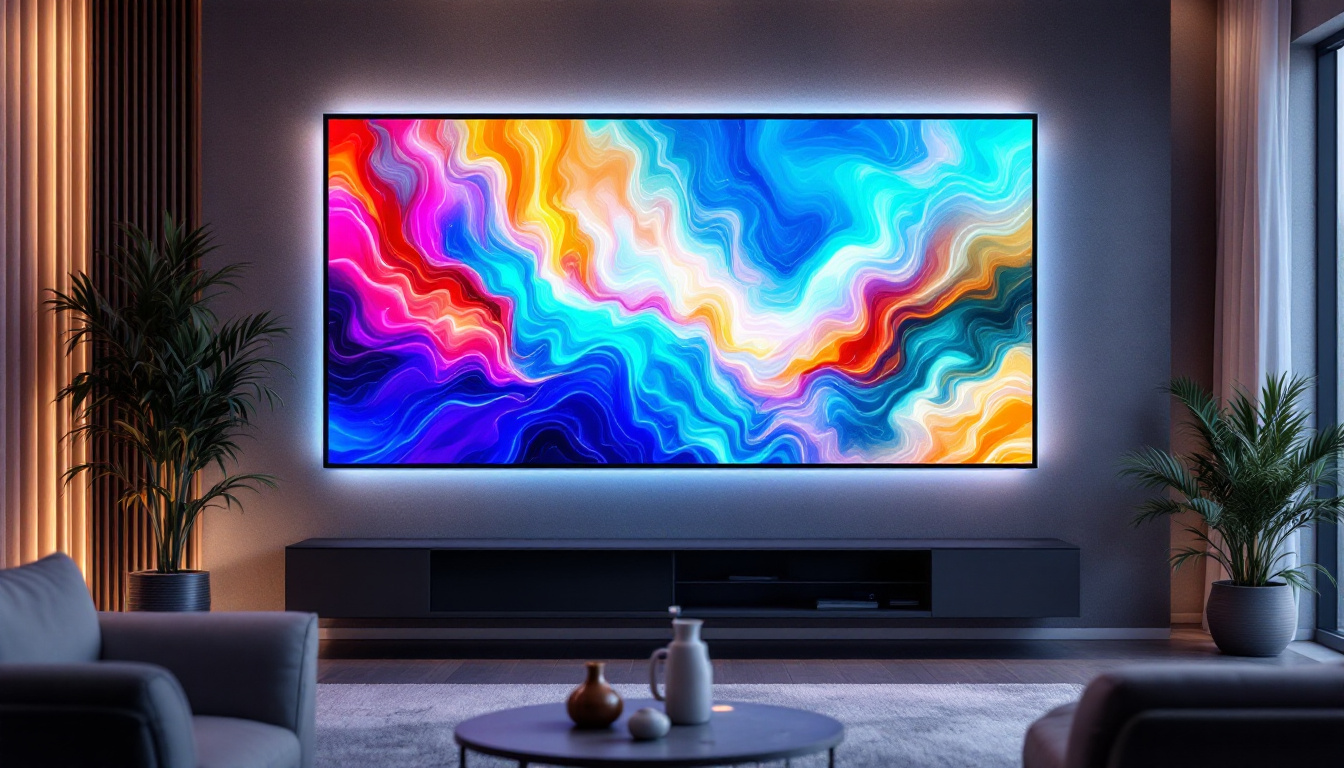
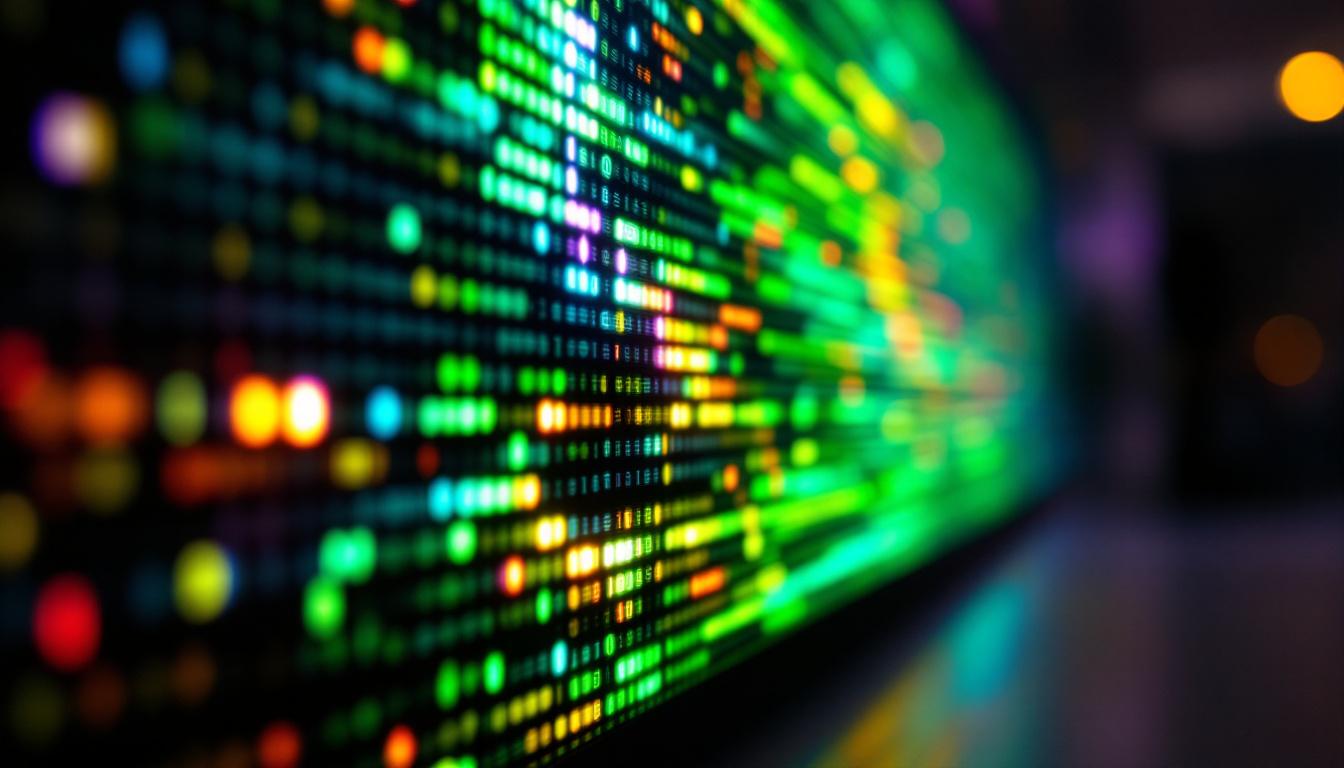
LED displays are composed of thousands or even millions of these tiny diodes arranged in a grid. Each diode can be individually controlled to emit different colors and intensities, allowing the display to render complex images with high resolution and color accuracy. This technology is widely used in various environments, from indoor digital signage to massive outdoor advertising boards. The versatility of LED displays extends beyond mere advertising; they are also employed in sports arenas, concert venues, and even in homes for high-definition television viewing, showcasing their adaptability across multiple sectors.
How Do LED Displays Work?
The core principle behind LED displays is the ability of each LED to emit light independently. These LEDs are typically grouped into clusters called pixels, with each pixel containing red, green, and blue LEDs. By varying the intensity of these three colors, a full spectrum of colors can be produced through a process called additive color mixing.
The display is controlled by a driver circuit that sends electrical signals to each LED, adjusting its brightness and color in real-time. This allows LED displays to showcase dynamic content, including videos, animations, and live feeds. The refresh rate of LED displays is generally high, ensuring smooth motion and minimal flicker, which is essential for both indoor and outdoor viewing experiences. Additionally, advancements in LED technology have led to the development of features such as high dynamic range (HDR) and wide color gamut (WCG), further enhancing the visual experience by providing deeper contrasts and a more extensive range of colors. Furthermore, with the increasing demand for energy efficiency, many modern LED displays are designed to consume less power while still delivering exceptional brightness and clarity, making them an environmentally friendly choice for consumers and businesses alike.
Types of LED Displays
Indoor vs. Outdoor LED Displays
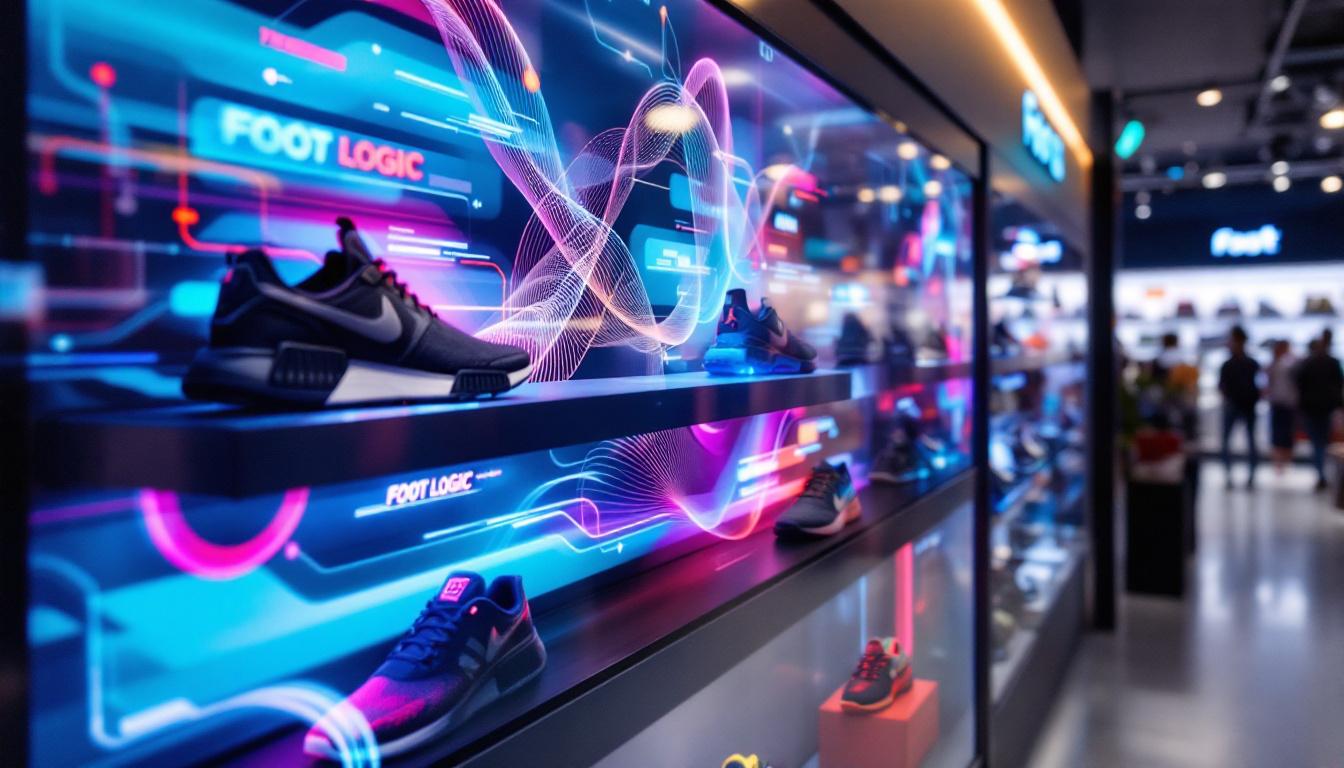
One of the primary distinctions in LED display technology is between indoor and outdoor displays. Indoor LED displays are designed for environments with controlled lighting and are typically used in retail stores, conference rooms, and entertainment venues. These displays prioritize high resolution and fine pixel pitch to deliver crisp images at close viewing distances.
Outdoor LED displays, on the other hand, must withstand harsh weather conditions and intense sunlight. They feature higher brightness levels—often exceeding 5,000 nits—to remain visible in direct sunlight. Additionally, outdoor LEDs have robust protective coatings and are built to resist dust, moisture, and temperature extremes.
Fixed vs. Rental LED Displays
LED displays can also be categorized based on their installation and usage. Fixed LED displays are permanently installed in a location, such as stadium scoreboards, building facades, or transportation hubs. These displays are optimized for long-term durability and consistent performance.
Rental or portable LED displays are designed for temporary setups, such as concerts, trade shows, and sporting events. They are modular, lightweight, and easy to assemble and disassemble, allowing for flexible deployment across different venues. The modularity also enables customization of size and shape to suit specific event requirements.
MicroLED and MiniLED: The Next Generation
Recent advancements in LED technology have introduced MicroLED and MiniLED displays, which offer significant improvements over traditional LEDs. MicroLEDs are incredibly small LEDs, often just a few micrometers in size, allowing for ultra-high resolution and exceptional brightness with low power consumption. This technology is poised to revolutionize displays in smartphones, televisions, and augmented reality devices.
MiniLEDs, while larger than MicroLEDs, are still much smaller than conventional LEDs. They are primarily used as backlighting solutions for LCD panels, providing enhanced contrast ratios and deeper blacks by enabling localized dimming zones. Both MicroLED and MiniLED technologies represent the cutting edge of display innovation, promising better image quality and energy efficiency.
Advantages of LED Displays
Superior Brightness and Visibility
One of the most significant advantages of LED displays is their superior brightness. Unlike LCD or OLED screens, which rely on backlighting or organic compounds, LEDs emit light directly. This direct emission results in displays that can reach brightness levels of up to 10,000 nits or more, making them easily visible even in bright daylight conditions.
This high brightness is critical for outdoor advertising, traffic signs, and public information displays, where visibility can directly impact safety and effectiveness. Additionally, LED displays maintain consistent brightness over time, ensuring long-term reliability.
Energy Efficiency and Longevity
LED technology is renowned for its energy efficiency. LEDs consume significantly less power than traditional lighting and display technologies, making them an environmentally friendly choice. For instance, LED displays can use up to 80% less energy than plasma displays, reducing operational costs for businesses and municipalities.
Moreover, LEDs have a long operational lifespan, often exceeding 100,000 hours before significant degradation occurs. This durability reduces maintenance costs and downtime, which is especially important for large-scale installations and critical infrastructure.
Flexibility and Customization
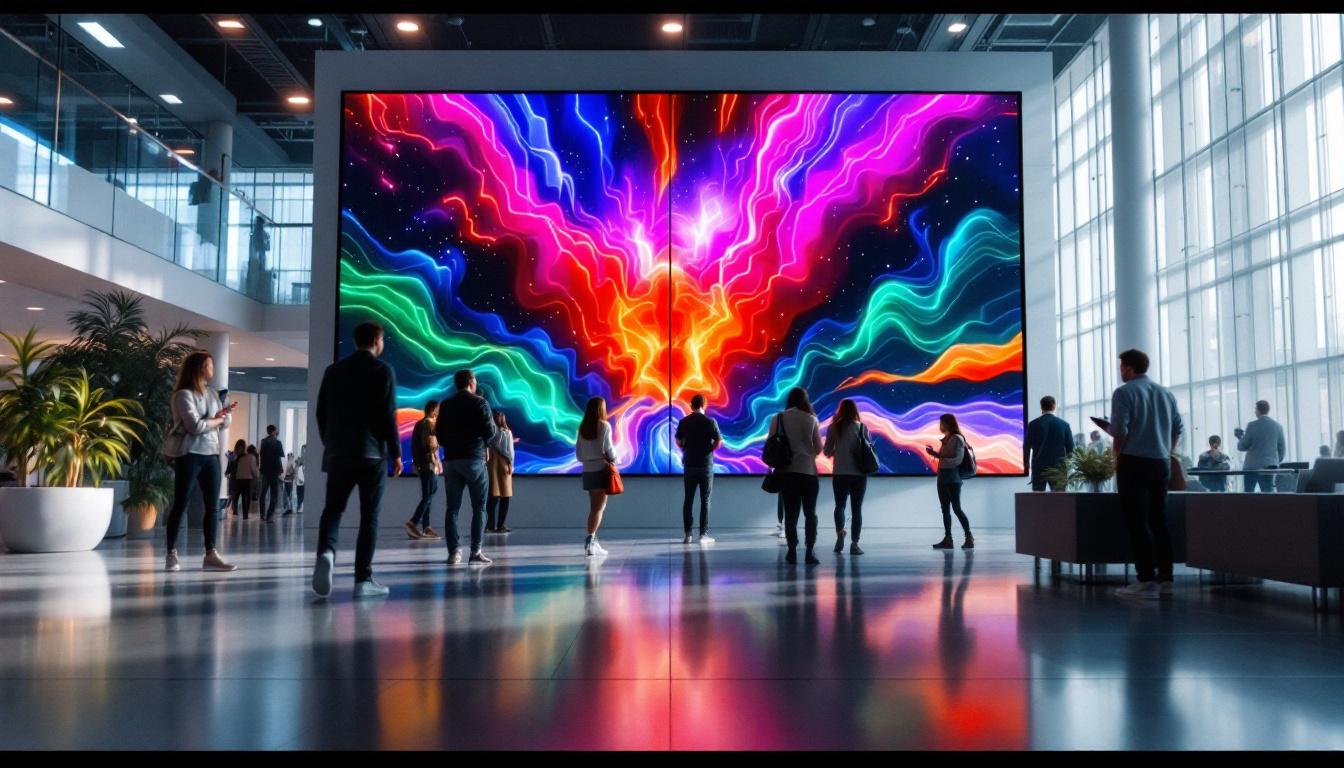
LED displays offer remarkable flexibility in terms of size, shape, and resolution. Because they are modular, LED panels can be combined to create displays of virtually any dimension—from small digital signs to massive video walls spanning entire building facades.
This adaptability extends to pixel pitch, allowing designers to tailor the display resolution to the viewing distance and application. For example, a retail store might use a fine-pitch LED display for close-up viewing, while a highway billboard would use a coarser pitch optimized for visibility from hundreds of meters away.
Applications of LED Displays
Advertising and Marketing
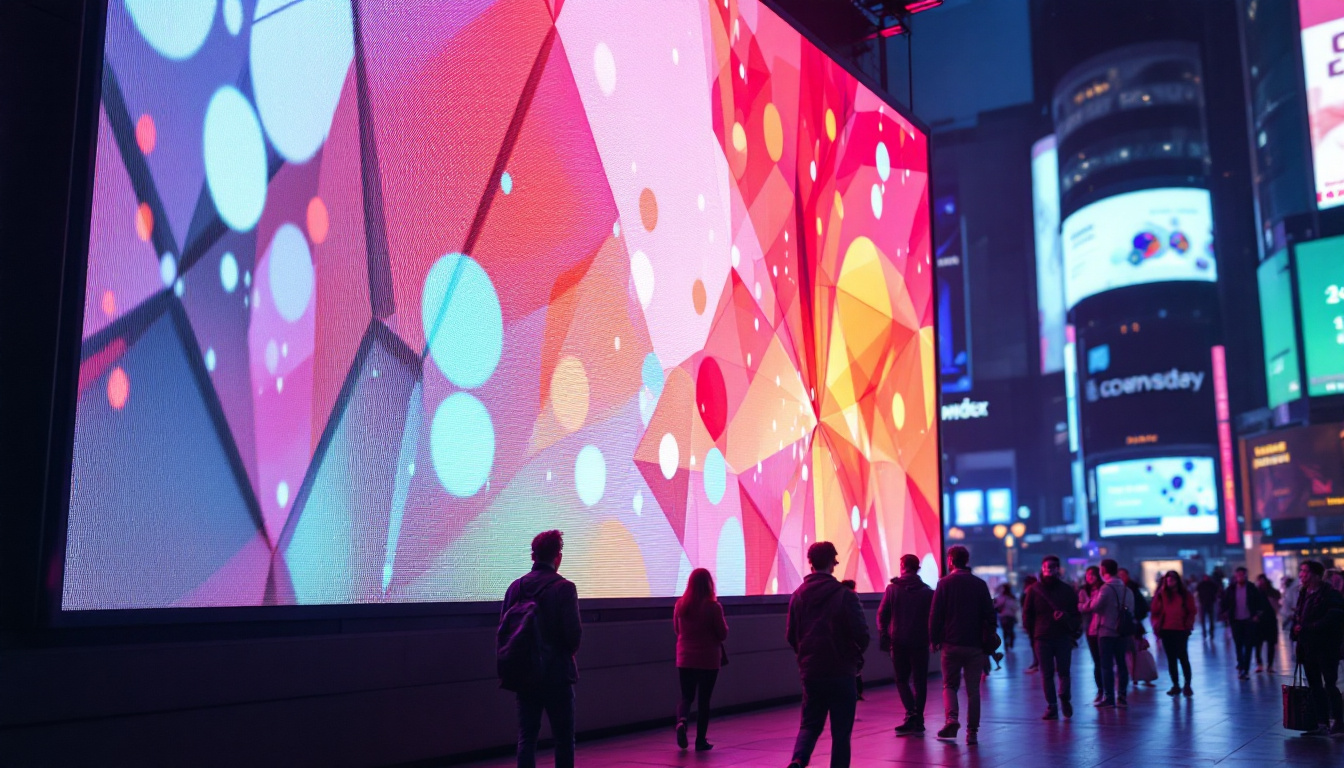
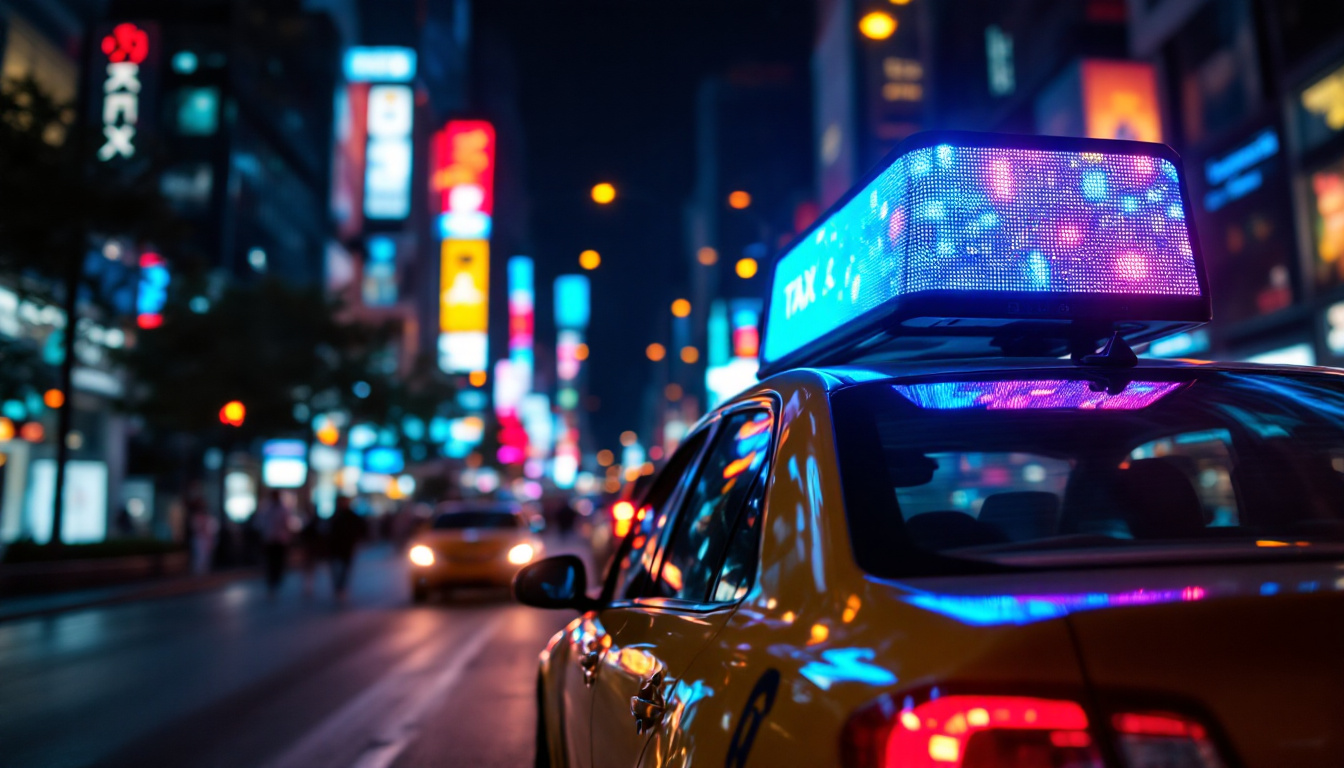
LED displays have transformed the advertising landscape by enabling dynamic, eye-catching content that can be updated in real-time. Digital billboards powered by LED technology are now common in major cities worldwide, delivering targeted messages to millions of viewers daily.
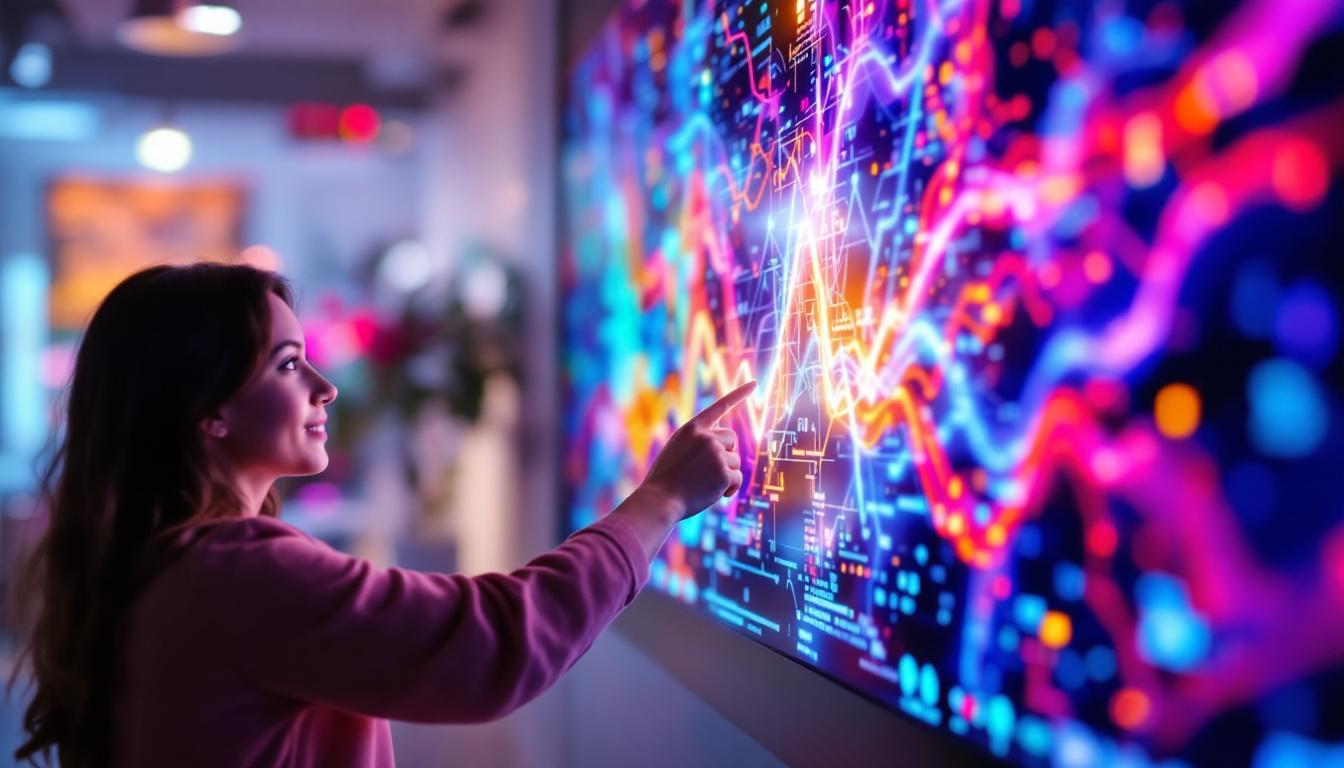
Brands leverage LED displays not only for static advertisements but also for interactive campaigns, live social media feeds, and event promotions. The ability to quickly change content allows marketers to respond to trends and maximize engagement.
Sports and Entertainment
In stadiums and arenas, LED displays enhance the spectator experience by providing clear scoreboards, instant replays, and immersive visual effects. High-resolution LED video walls surround playing fields, offering fans unparalleled views regardless of their seat location.
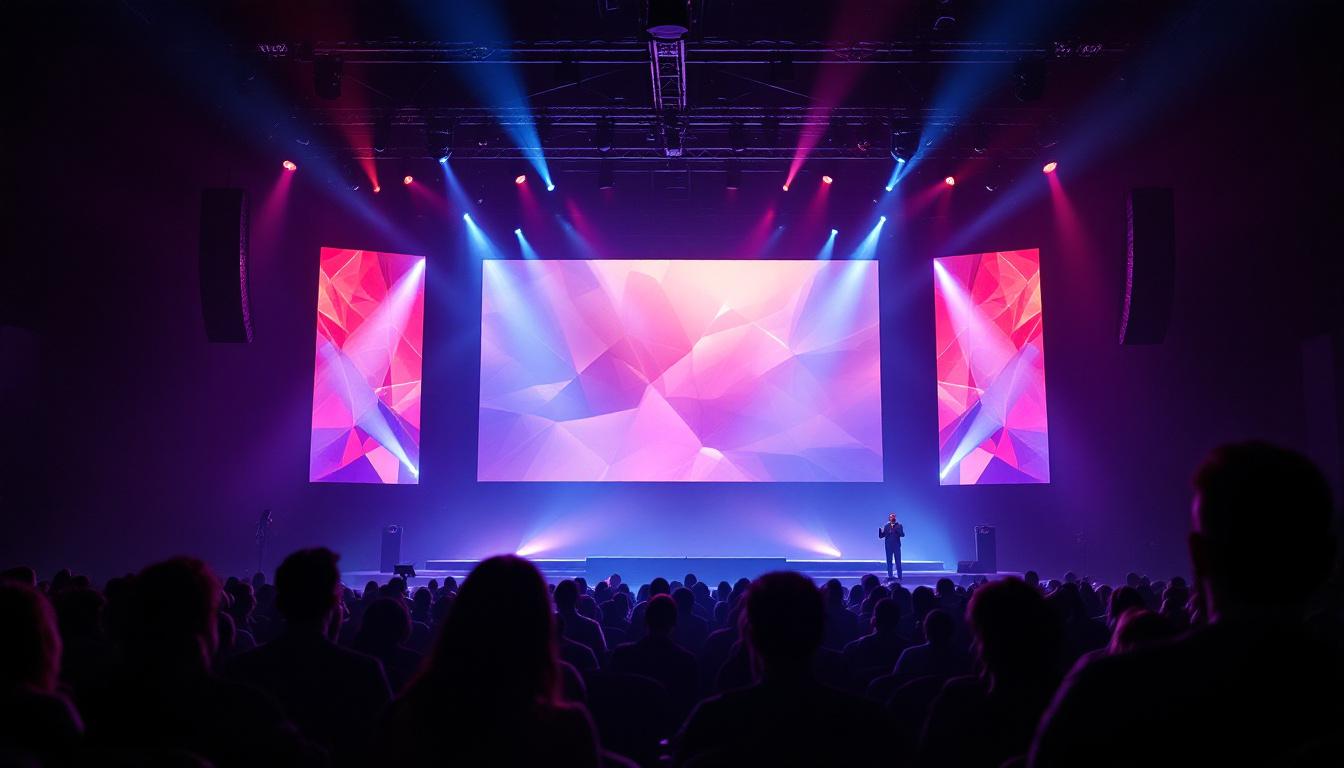
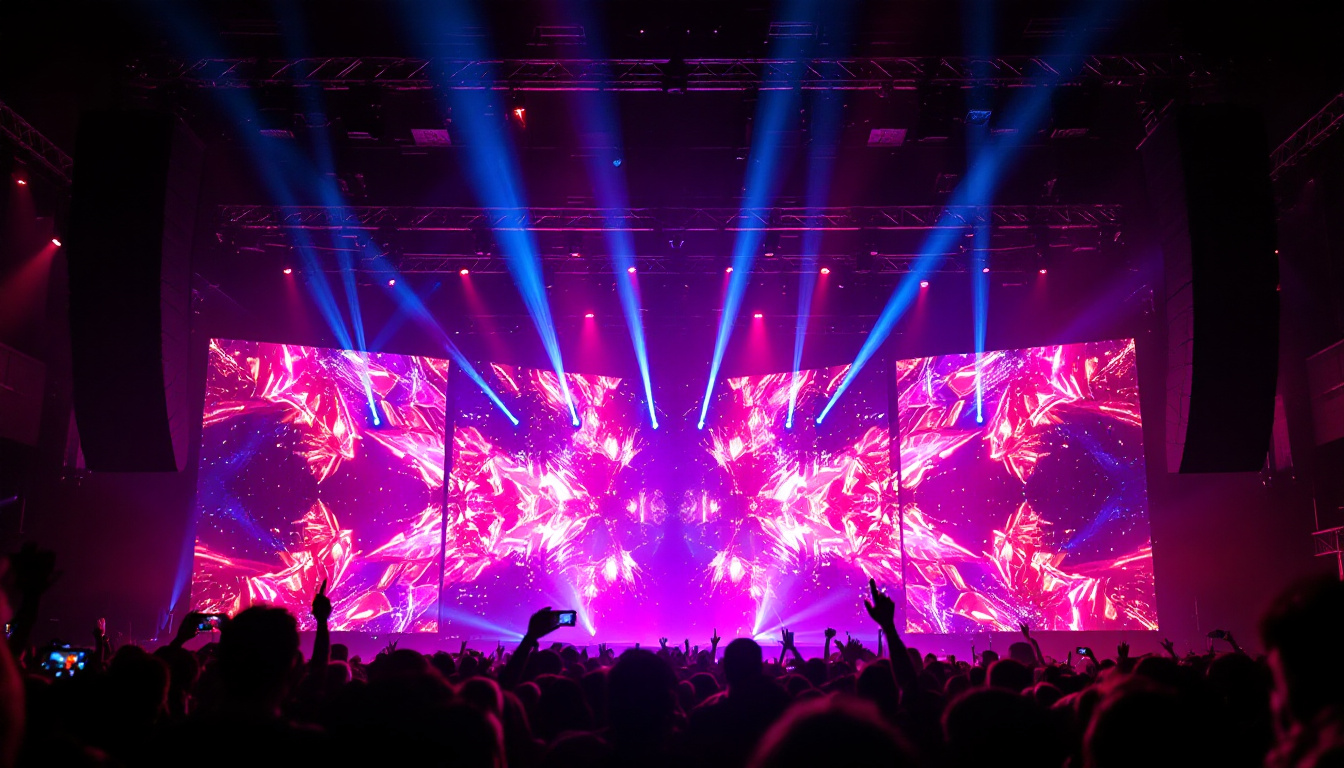
Concerts and live events also benefit from LED technology, with large-scale LED screens used for stage backdrops, lighting effects, and audience interaction. The portability of rental LED displays makes them ideal for touring productions and festivals.
Transportation and Public Information
LED displays play a crucial role in transportation hubs such as airports, train stations, and bus terminals. They provide real-time updates on schedules, delays, and safety information, helping passengers navigate complex environments efficiently.
Traffic management systems use LED signs for variable message signs (VMS) that convey warnings, speed limits, and route changes. The high visibility and reliability of LED displays make them indispensable for public safety and information dissemination.
Future Trends in LED Display Technology
Integration with Smart Technologies
The future of LED displays lies in their integration with smart technologies and the Internet of Things (IoT). Smart LED displays can adapt content based on environmental conditions, audience demographics, and real-time data analytics. For example, a digital billboard could change advertisements based on the time of day or weather conditions to maximize relevance and impact.
Additionally, AI-driven content management systems are enabling more personalized and interactive experiences. These systems analyze viewer engagement and adjust display content dynamically, creating more effective communication channels.
Advancements in Resolution and Form Factor
As MicroLED technology matures, displays will achieve unprecedented levels of resolution and color accuracy. This will open new possibilities in virtual reality, augmented reality, and ultra-high-definition television markets.
Flexible and transparent LED displays are also gaining traction, allowing screens to be integrated into unconventional surfaces such as windows, clothing, and curved architectural elements. These innovations will redefine how and where LED displays are used.
Sustainability and Energy Innovations
With growing environmental concerns, the LED display industry is focusing on sustainability. Innovations in materials and manufacturing processes aim to reduce the carbon footprint of LED production. Furthermore, advances in energy harvesting and low-power operation are making LED displays more eco-friendly.
Recycling programs and circular economy initiatives are also becoming standard practice, ensuring that LED components are reused or disposed of responsibly at the end of their lifecycle.
Conclusion
LED displays have revolutionized visual communication by combining brightness, efficiency, and flexibility in a single technology. Their widespread adoption across advertising, entertainment, transportation, and public information sectors underscores their importance in modern society.
As innovations like MicroLED and smart integration continue to evolve, LED displays will become even more versatile and impactful. Whether enhancing urban landscapes with dynamic billboards or delivering critical information in transit hubs, LED displays are shaping the future of how people see and interact with the world around them.
Understanding the technology behind LED displays and their applications is essential for businesses, designers, and technology enthusiasts aiming to leverage this powerful medium for communication and engagement.
Discover LumenMatrix’s Innovative LED Display Solutions
Ready to elevate your visual communication strategy with the latest in LED display technology? LumenMatrix is at the forefront of crafting immersive visual experiences that captivate and engage. From Indoor and Outdoor LED Wall Displays to specialized solutions like Vehicle, Sports, and Floor LED Displays, our offerings are designed to bring your brand’s message to life. Explore our Custom, All-in-One, and Transparent LED Displays to see how we can transform your space. Check out LumenMatrix LED Display Solutions and join the revolution in digital signage and visual storytelling.