In today’s fast-evolving healthcare landscape, communication plays a pivotal role in enhancing patient experience, streamlining operations, and delivering critical information efficiently. Digital signage, particularly LED displays, has emerged as a powerful tool in healthcare settings, transforming how hospitals, clinics, and medical centers interact with patients and staff. This article delves into the role of LED digital signage in healthcare, explaining its technology, benefits, and practical applications.
Understanding LED Digital Signage Technology
What is LED Digital Signage?
LED (Light Emitting Diode) digital signage refers to the use of LED technology to create vibrant, dynamic displays that convey information visually. Unlike traditional static signs, LED displays can show videos, animations, real-time updates, and interactive content. These signs are composed of numerous tiny LEDs that emit light when an electrical current passes through them, allowing for bright, high-contrast images visible even in well-lit environments.
In healthcare, LED digital signage is often used for wayfinding, patient education, appointment reminders, and emergency alerts. The technology’s flexibility and high visibility make it ideal for busy medical environments where clear communication is crucial. Moreover, the ability to update content remotely means that healthcare facilities can quickly adapt their messaging to reflect real-time changes, such as alterations in visiting hours or urgent health advisories, ensuring that patients and visitors are always informed.
Types of LED Displays in Healthcare
Healthcare facilities utilize various types of LED displays depending on their needs:
- Indoor LED Displays: These are designed for controlled lighting environments such as waiting rooms, lobbies, and corridors. They offer high resolution and vibrant colors, enhancing readability and engagement. Many indoor displays also feature touch-screen capabilities, allowing patients to interact with the content, access directories, or even check in for appointments.
- Outdoor LED Displays: Used for external signage, parking guidance, or entrance notifications. These displays are weather-resistant and have higher brightness levels to combat sunlight glare. They can also serve as a crucial communication tool during emergencies, displaying alerts and information to the public in real-time.
- Transparent LED Displays: Innovative screens that can be integrated into glass surfaces, allowing for information display without obstructing views. This is useful in reception areas or glass partitions. These displays not only provide information but also enhance the aesthetic appeal of the space, creating a modern and high-tech atmosphere that can improve patient experience.
In addition to these types, healthcare facilities are increasingly adopting LED video walls, which consist of multiple LED panels combined to create a large, cohesive display. These walls can be used for educational purposes, showcasing health campaigns, or providing entertainment in waiting areas. The immersive experience offered by video walls can significantly enhance patient engagement, making the wait times feel shorter and less stressful.
Furthermore, the integration of LED digital signage with data analytics tools allows healthcare providers to monitor the effectiveness of their messaging. By analyzing viewer engagement and response rates, facilities can tailor their content to better meet the needs of their patients and visitors, ultimately leading to improved communication and satisfaction. This data-driven approach not only optimizes the use of signage but also helps in making informed decisions about future investments in technology.
Benefits of LED Digital Signage in Healthcare Settings
Enhancing Patient Experience and Engagement
Patient satisfaction is a key metric in healthcare quality assessments. Studies show that clear communication significantly reduces patient anxiety and improves overall experience. LED digital signage provides a dynamic platform to share relevant information such as health tips, waiting times, and procedural instructions.
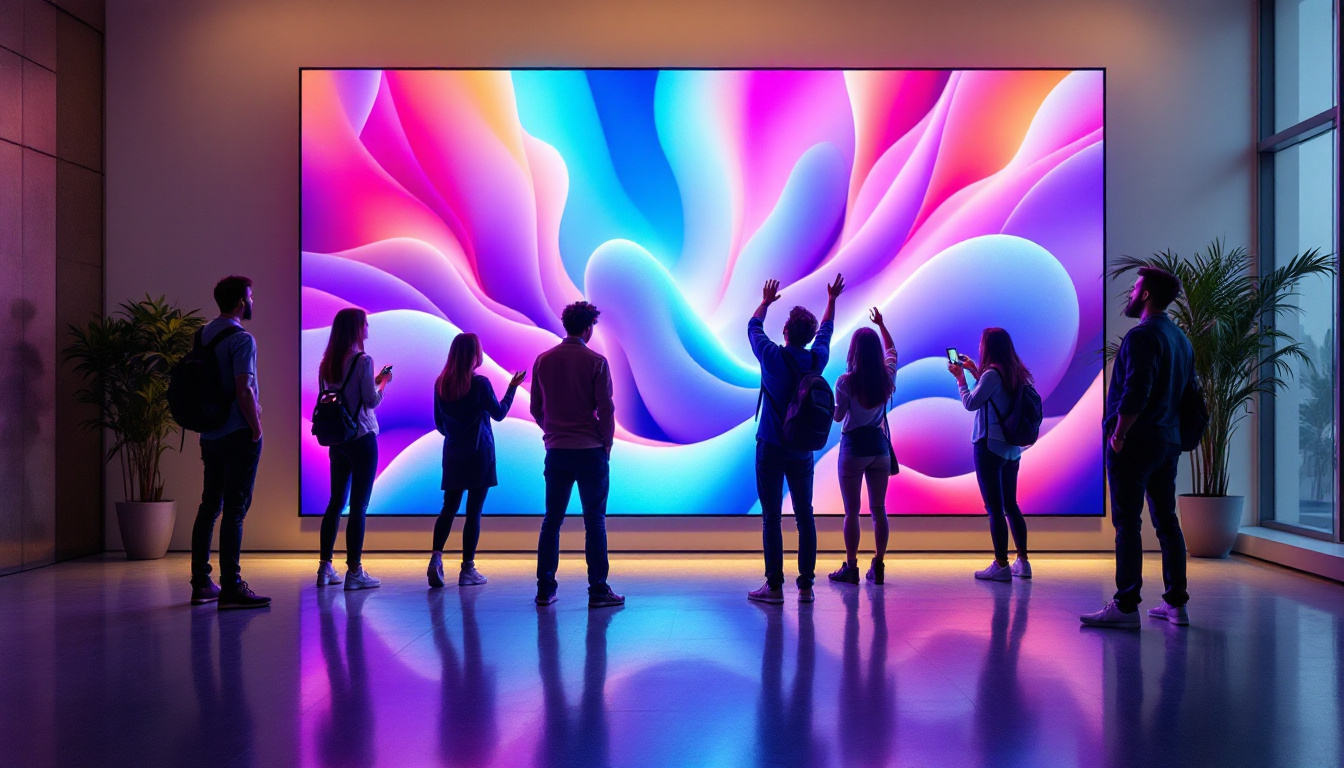
For example, a large LED display in a hospital lobby can show calming visuals, important announcements, and educational content tailored to the patient demographic. This not only keeps patients informed but also helps reduce perceived wait times, a common source of frustration.
Improving Operational Efficiency
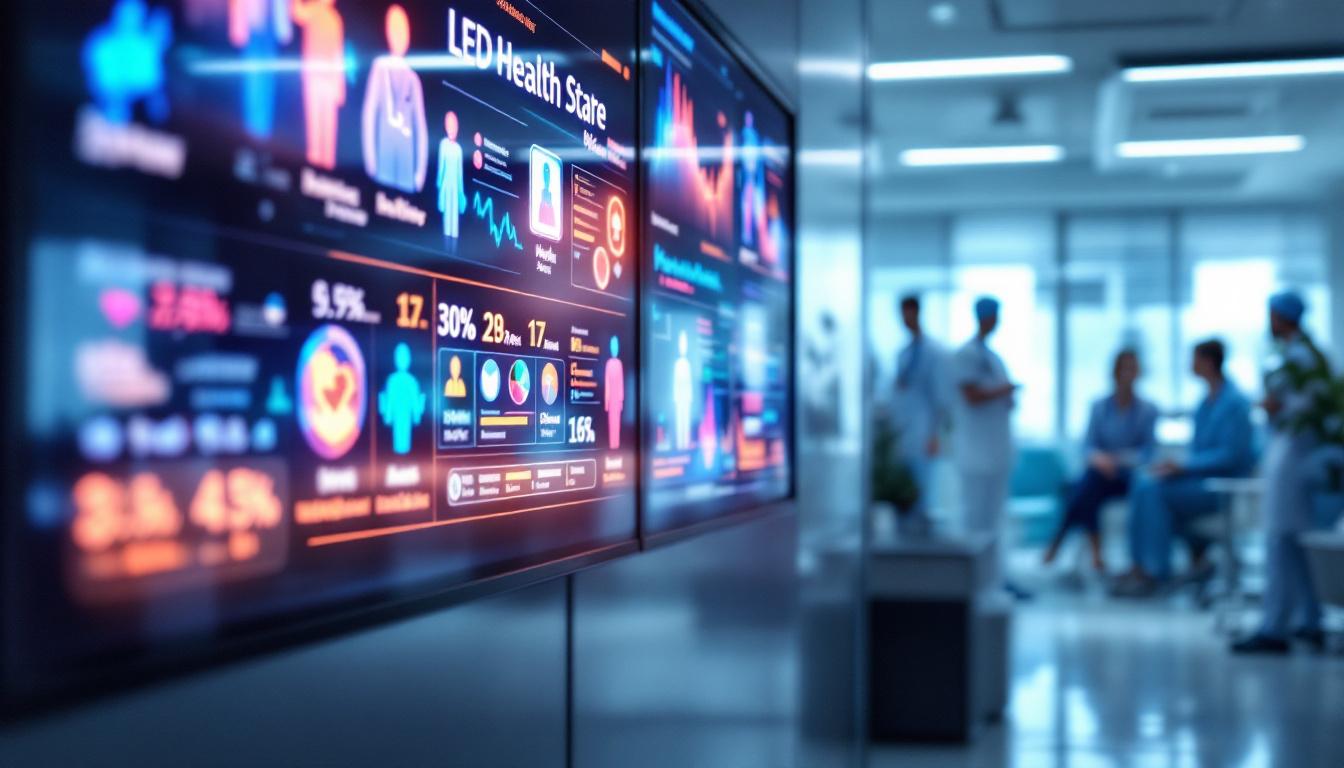
Healthcare facilities often face challenges in managing patient flow and staff coordination. LED signage can automate and streamline these processes by displaying real-time information such as appointment schedules, room availability, and emergency codes.
For instance, digital wayfinding systems using LED displays can guide patients and visitors through complex hospital layouts, reducing the need for staff intervention. This frees up personnel to focus on clinical duties rather than directions, enhancing overall operational efficiency.
Supporting Emergency Communication
In critical situations, timely communication can save lives. LED digital signage enables instant dissemination of emergency alerts, evacuation instructions, or lockdown notifications. Unlike traditional signage, digital displays can be updated remotely and instantly, ensuring that everyone in the facility receives the latest information without delay.
Practical Applications of LED Digital Signage in Healthcare
Wayfinding and Navigation
Hospitals and medical centers are often sprawling complexes with multiple departments, making navigation challenging for patients and visitors. LED digital signage serves as an interactive guide, displaying maps, directions, and department locations.
Some facilities have integrated touchscreen LED displays that allow users to input their destination and receive step-by-step guidance. This reduces confusion, minimizes late arrivals for appointments, and improves the overall patient journey.
Patient Education and Health Awareness
Healthcare providers increasingly recognize the importance of patient education in promoting preventive care and treatment adherence. LED displays offer a visually engaging medium to share health tips, vaccination reminders, nutrition advice, and information about chronic disease management.
For example, during flu season, hospitals can use LED signage to remind visitors about vaccination clinics and hygiene practices. This proactive communication supports public health goals and empowers patients to take charge of their well-being.
Appointment and Queue Management
Long wait times and disorganized queues are common pain points in healthcare settings. LED digital signage can display real-time appointment statuses, call patient names or numbers, and provide estimated wait times, creating a transparent and orderly environment.
Such systems reduce patient anxiety and improve staff workflow by minimizing interruptions and confusion. Additionally, integrating these displays with hospital management software ensures synchronization and accuracy of information.
Staff Communication and Training
Beyond patient-facing uses, LED digital signage supports internal communication among healthcare staff. Digital bulletin boards can broadcast shift changes, policy updates, training schedules, and safety protocols.
In fast-paced environments, keeping staff informed is critical for maintaining quality care and compliance. LED signage ensures that important messages reach all team members promptly, fostering a culture of awareness and continuous improvement.
Key Considerations When Implementing LED Digital Signage in Healthcare
Ensuring Accessibility and Inclusivity
Healthcare facilities serve diverse populations, including individuals with disabilities. When designing LED signage content, it’s essential to consider readability, font size, color contrast, and language options to accommodate all users.
Incorporating audio announcements or braille signage alongside LED displays can further enhance accessibility. Compliance with regulations such as the Americans with Disabilities Act (ADA) is critical to ensure equitable communication.
Security and Privacy Concerns
Healthcare environments handle sensitive patient information, so digital signage systems must be secure to prevent unauthorized access or data breaches. Content management platforms should include robust authentication and encryption protocols.
Additionally, care must be taken to avoid displaying confidential information on public screens. Content should be carefully curated to maintain patient privacy and comply with healthcare regulations like HIPAA (Health Insurance Portability and Accountability Act).
Content Management and Integration
Effective digital signage requires seamless content updates and integration with existing hospital systems. Choosing a platform that supports remote management, scheduling, and real-time data feeds is vital for maximizing the utility of LED displays.
Integration with electronic health records (EHR), appointment systems, and emergency alert networks enables automated content delivery, reducing manual workload and ensuring accuracy.
Cost and Maintenance
While LED displays offer long-term benefits, initial installation costs and ongoing maintenance should be factored into budgeting. High-quality LED panels have a longer lifespan and lower energy consumption compared to other display technologies, making them cost-effective over time.
Regular maintenance, including cleaning and software updates, ensures optimal performance and prevents downtime, which is crucial in healthcare settings where communication is continuous.
The Future of LED Digital Signage in Healthcare
Integration with Artificial Intelligence and IoT
The convergence of LED digital signage with artificial intelligence (AI) and the Internet of Things (IoT) promises to revolutionize healthcare communication. AI-powered displays can personalize content based on patient demographics, behavior, or health conditions, enhancing engagement and relevance.
IoT-enabled signage can interact with wearable devices or hospital sensors to provide context-aware information, such as alerting staff when a patient requires assistance or adjusting messages based on environmental conditions.
Interactive and Immersive Experiences
Future LED signage will likely incorporate more interactive elements such as touchscreens, gesture controls, and augmented reality (AR). These technologies can transform patient education into immersive experiences, making complex medical information easier to understand.
For example, an AR-enabled LED display could visually demonstrate surgical procedures or rehabilitation exercises, empowering patients with knowledge and confidence.
Sustainability and Energy Efficiency
As healthcare organizations prioritize sustainability, LED digital signage offers an energy-efficient alternative to traditional lighting and print materials. Advances in LED technology continue to reduce power consumption and carbon footprint, aligning with green building standards and corporate social responsibility goals.
Conclusion
LED digital signage is reshaping communication in healthcare by providing bright, flexible, and engaging platforms for information delivery. From enhancing patient experience and operational efficiency to supporting emergency communication and staff collaboration, LED displays offer multifaceted benefits.
Successful implementation requires careful consideration of accessibility, security, content management, and cost. As technology advances, the integration of AI, IoT, and interactive features will further elevate the role of LED signage in creating smarter, more patient-centric healthcare environments.
Healthcare providers looking to invest in digital signage should prioritize solutions tailored to their unique needs, ensuring that technology serves as a bridge between medical expertise and patient engagement.
Discover LumenMatrix LED Display Solutions for Healthcare
Ready to transform your healthcare facility with the latest in LED display technology? LumenMatrix is at the forefront of creating immersive and interactive visual experiences that can significantly enhance patient engagement and improve operational workflows. Explore our comprehensive range of LED display solutions, including Indoor and Outdoor LED Wall Displays, Vehicle LED Displays, and innovative Transparent LED Displays, all designed to meet the specific needs of the healthcare industry. Elevate your patient communication and staff coordination today by visiting LumenMatrix LED Display Solutions.