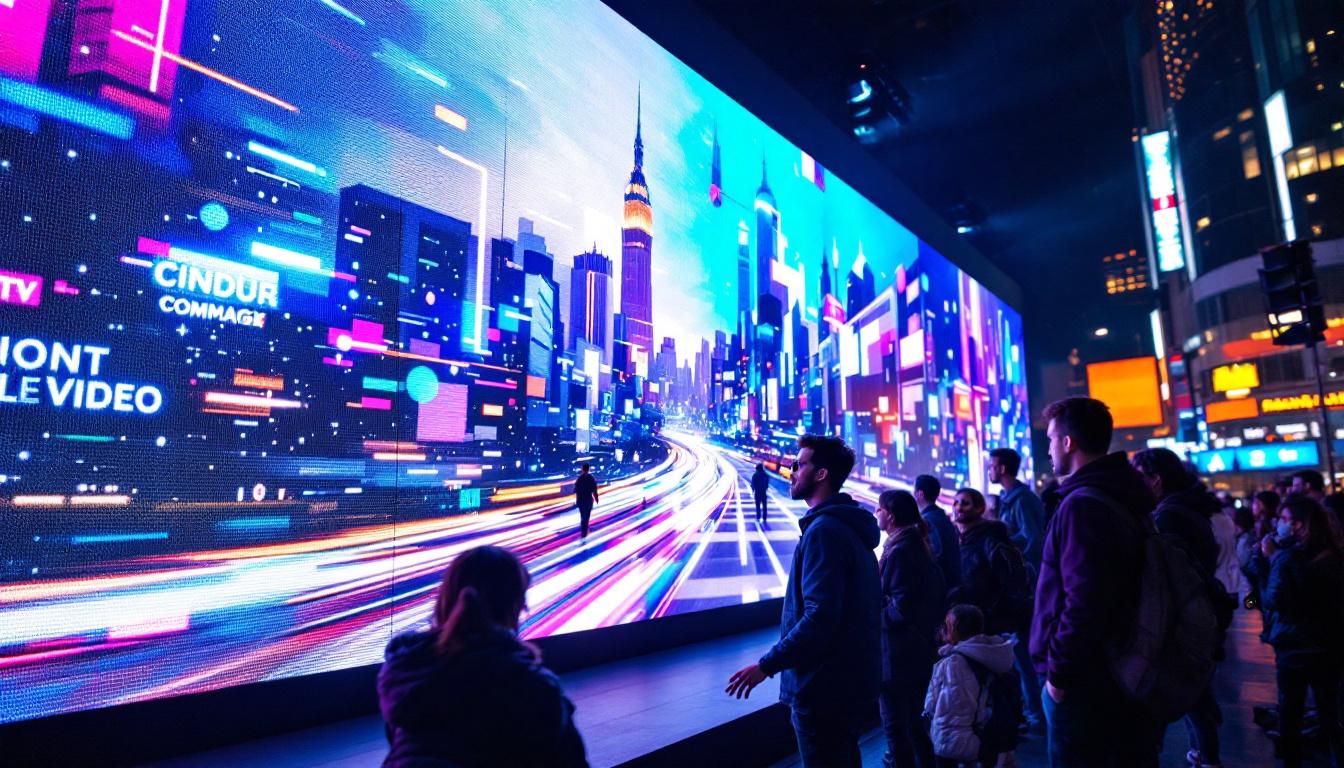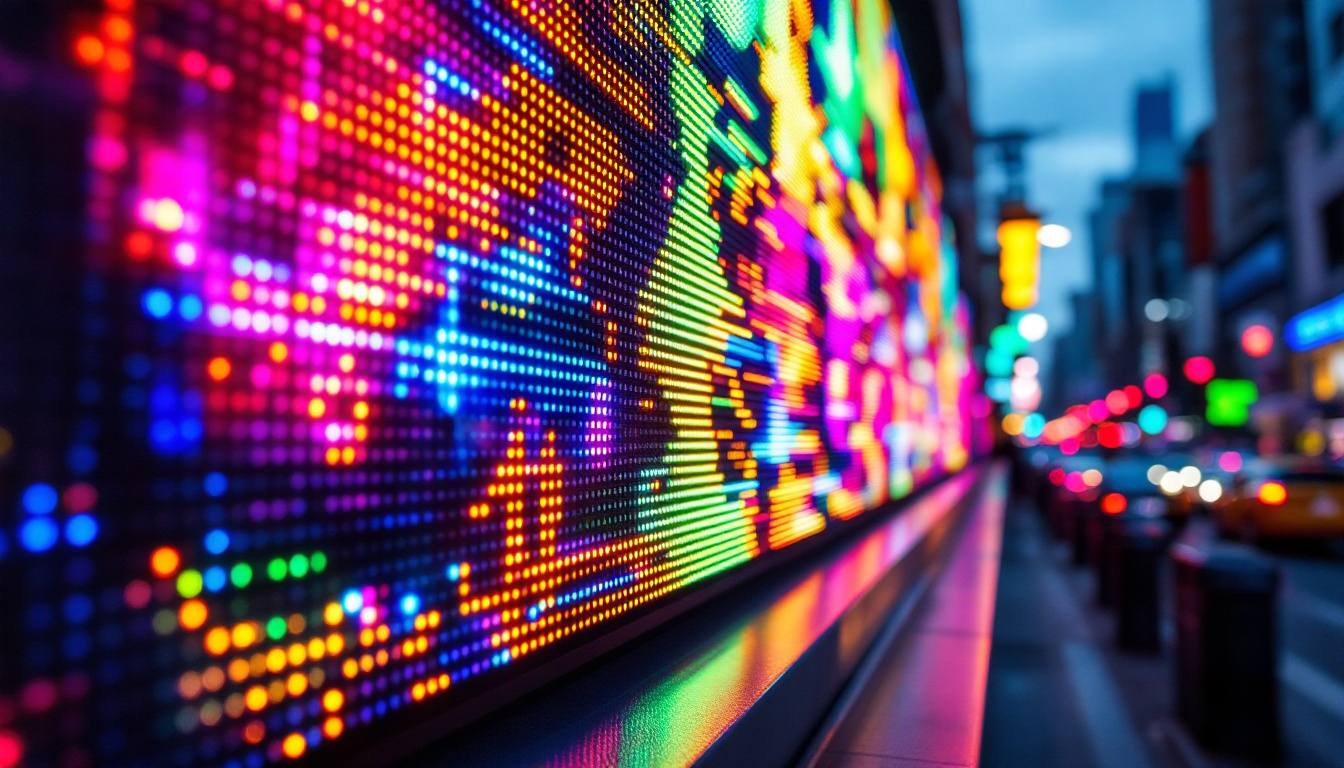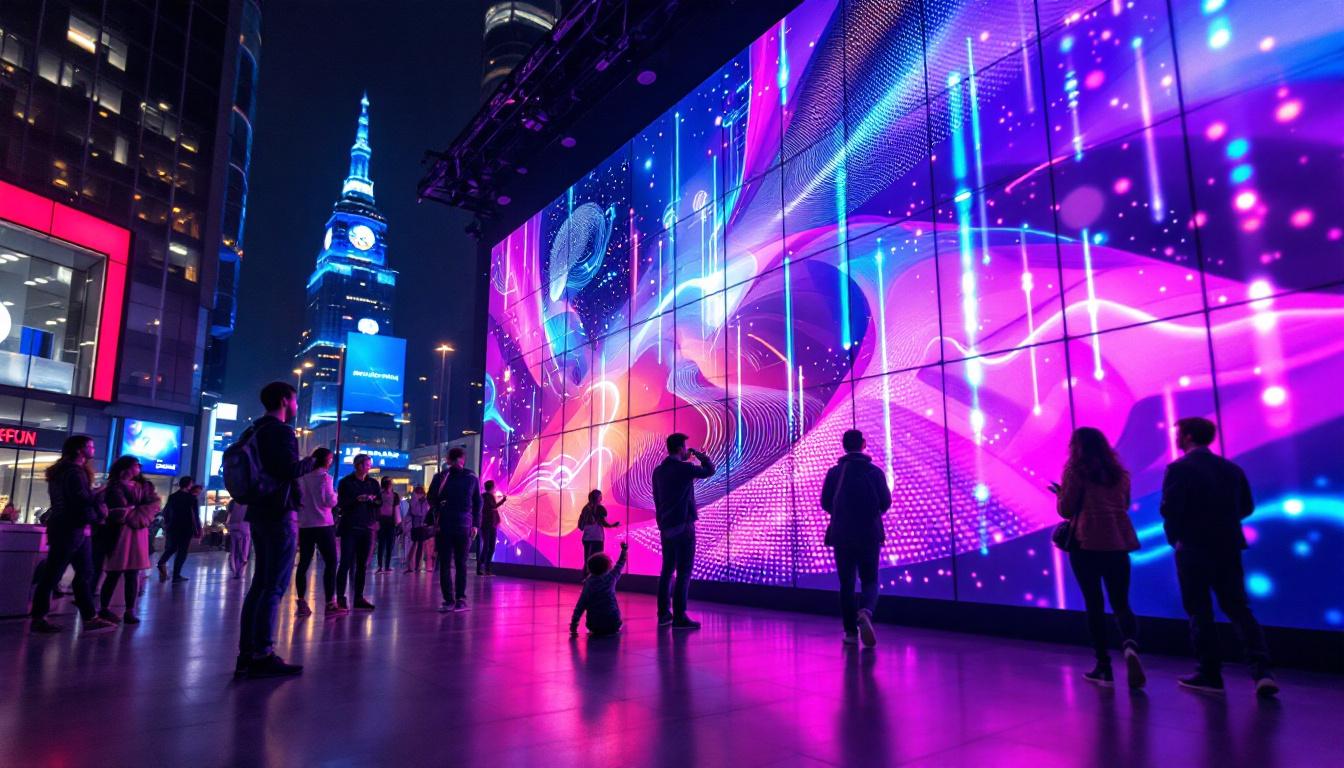
In the world of visual communication, the use of wall background photos has evolved dramatically with the advent of LED display technology. From corporate lobbies and retail environments to concerts and public installations, LED displays have revolutionized how images and videos are presented on large surfaces. This article delves into the technology behind LED displays, their advantages over traditional wall backgrounds, and practical considerations for their use.
Understanding LED Display Technology
What is an LED Display?
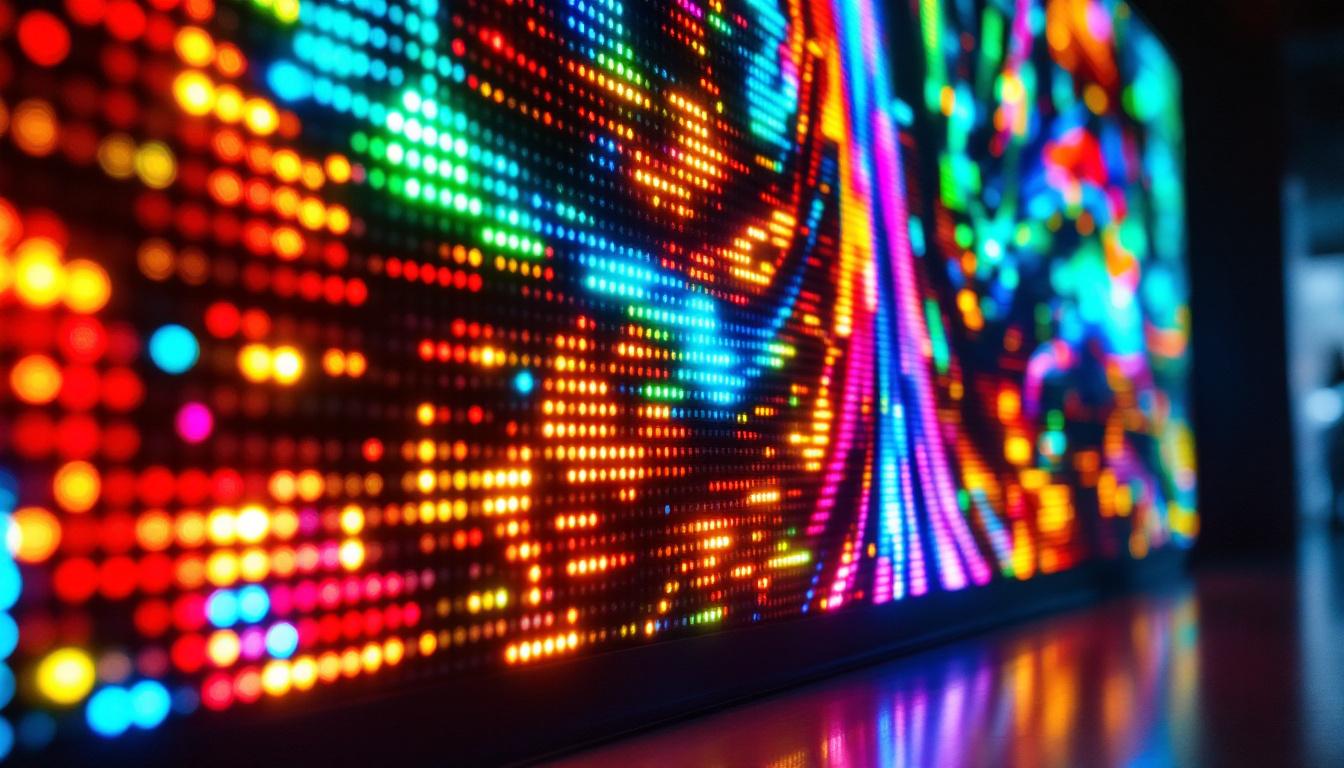
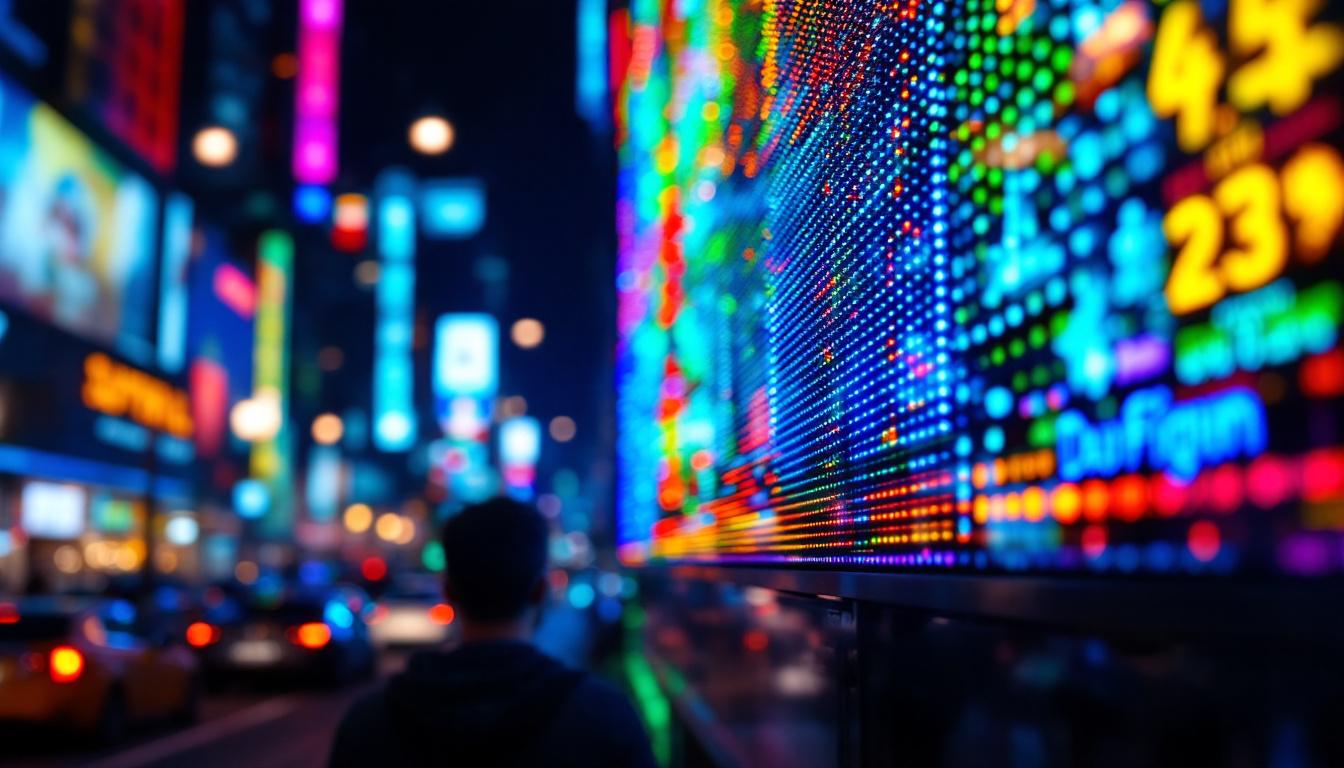
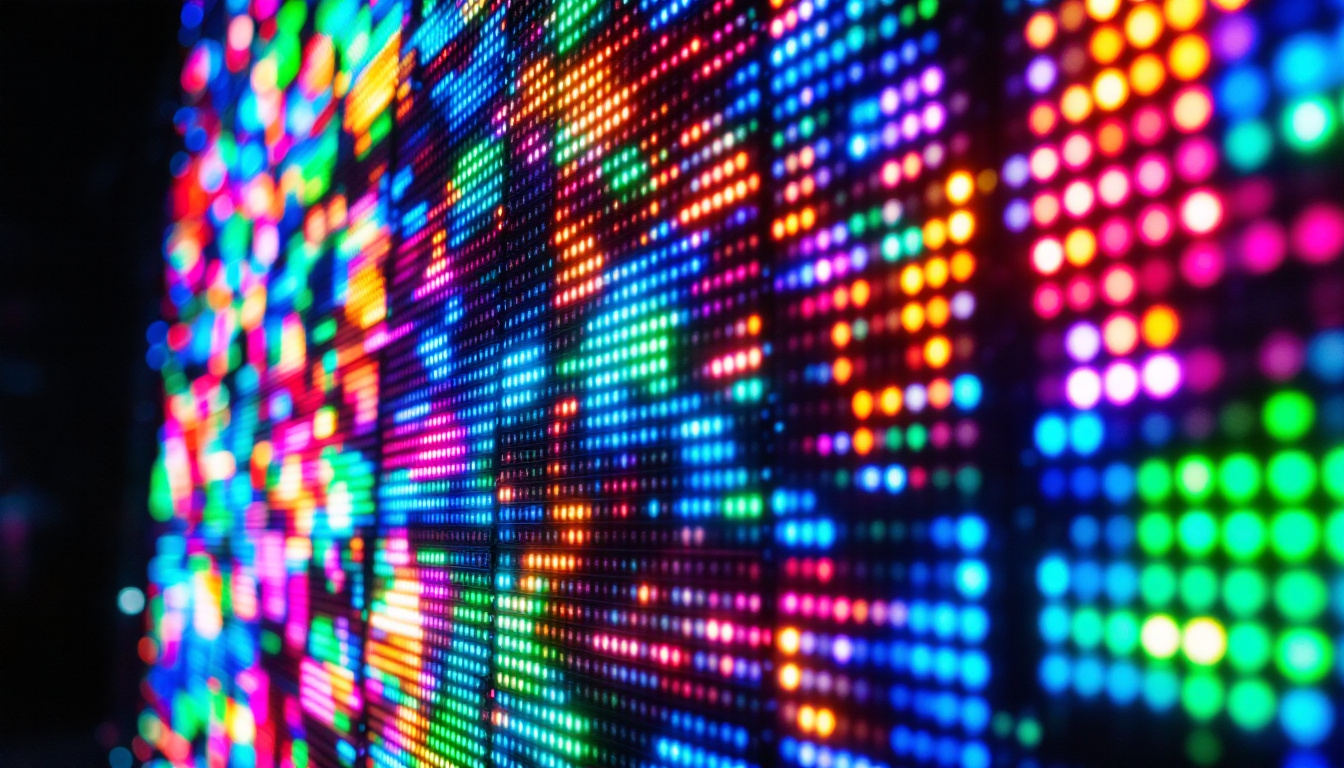
LED stands for Light Emitting Diode, a semiconductor device that emits light when an electric current passes through it. An LED display is essentially a large panel made up of thousands—or even millions—of these tiny diodes arranged in a grid. Each diode acts as a pixel, capable of producing light in various colors, which together form images or videos.
Unlike traditional printed wall backgrounds or static murals, LED displays are dynamic and can change content instantly. This flexibility has made them a popular choice for environments that require frequent updates or interactive visual elements. They are commonly used in advertising, entertainment, and information dissemination, allowing businesses to engage their audience with vibrant visuals and timely messages. The ability to display real-time data, such as news updates or social media feeds, further enhances their utility in modern communication.
Types of LED Displays
LED displays come in several forms, primarily differentiated by their pixel pitch—the distance between the centers of two adjacent LEDs. Smaller pixel pitches mean higher resolution and sharper images, which is essential for close viewing distances. This characteristic is particularly important in settings where clarity is paramount, such as in medical imaging or high-definition video presentations.
- Indoor LED Displays: Designed for close-range viewing, these have pixel pitches ranging from 0.9mm to 4mm. They are commonly used in conference rooms, retail stores, and control centers. In retail environments, for example, indoor LED displays can showcase promotions or product highlights, drawing customers’ attention with bright colors and engaging animations.
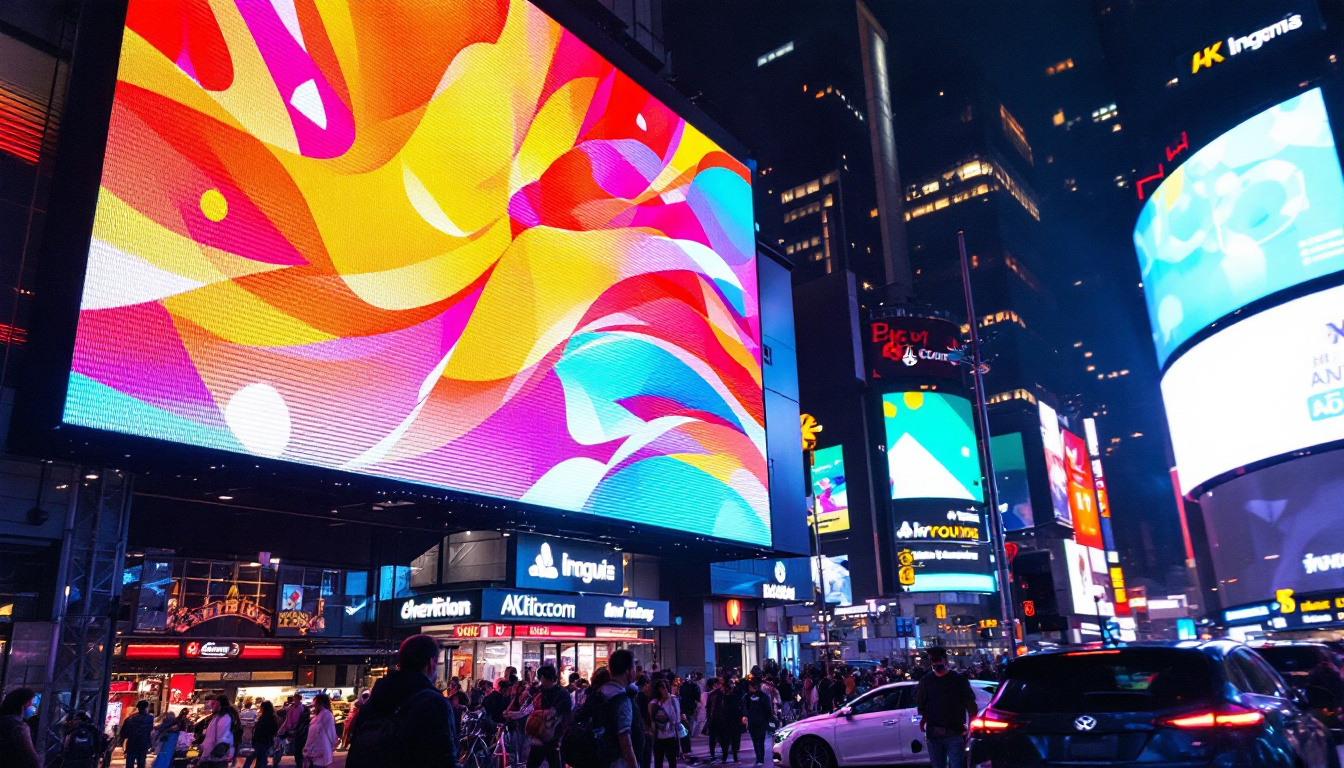
- Outdoor LED Displays: Built to withstand weather elements, these have larger pixel pitches, typically 8mm to 20mm, as they are viewed from greater distances, such as billboards and stadium screens. Outdoor displays are often used for advertising campaigns, public service announcements, and event promotions, making them a vital part of urban landscapes.
- Flexible and Transparent LED Displays: Innovations in LED technology have led to flexible panels that can curve around surfaces and transparent displays that allow light to pass through, expanding creative possibilities for wall backgrounds. These types of displays are particularly popular in modern architecture and interior design, where they can be integrated into windows or walls without obstructing the view, creating a seamless blend of technology and aesthetics.
Moreover, the advancements in LED technology have led to improved energy efficiency and longer lifespans for these displays. Many modern LED panels are designed to consume less power while providing brighter images, making them an environmentally friendly choice for businesses looking to reduce their carbon footprint. Additionally, with the rise of smart technology, many LED displays can now be controlled remotely, allowing for easy updates and maintenance, which is particularly beneficial for large installations that require constant content management.
Advantages of LED Displays over Traditional Wall Backgrounds
Dynamic Content and Versatility
One of the most significant advantages of LED displays is their ability to show dynamic content. Unlike printed photos or murals, LED backgrounds can cycle through multiple images, play videos, or even display real-time data such as social media feeds, weather updates, or event schedules.
This versatility allows businesses and event organizers to tailor the visual experience to different audiences and occasions without the need for physical replacements or renovations. For instance, a corporate event can seamlessly transition from showcasing a company’s achievements to highlighting upcoming projects, all through a simple change in the content displayed. Moreover, LED displays can be programmed to respond to audience interactions, offering a more engaging experience that traditional static backgrounds simply cannot provide.
Brightness and Visibility
LED displays are renowned for their brightness, which can reach up to several thousand nits. This makes them highly visible even in brightly lit environments or direct sunlight, a feat that traditional printed backgrounds cannot achieve.
For example, retail stores using LED wall backgrounds can attract customers with vivid, eye-catching visuals that stand out from conventional signage. Similarly, in outdoor settings, LED displays maintain clarity and impact regardless of ambient lighting conditions. The ability to adjust brightness levels automatically based on surrounding light ensures that the content remains vibrant and easily readable at all times, making it an ideal choice for advertising in busy urban environments or during outdoor festivals where competition for attention is fierce.
Energy Efficiency and Longevity
Modern LED technology is energy-efficient compared to older display technologies like LCD or plasma screens. LEDs consume less power while providing superior brightness and color accuracy. Additionally, LED panels have long lifespans, often exceeding 100,000 hours of operation, reducing maintenance and replacement costs over time.
This energy efficiency not only translates to lower electricity bills for businesses but also aligns with growing environmental concerns. By opting for LED displays, companies can significantly reduce their carbon footprint, contributing to sustainability efforts. Furthermore, many LED displays are designed with recyclable materials, ensuring that when they do reach the end of their lifespan, they can be disposed of responsibly. This combination of longevity and eco-friendliness makes LED technology a forward-thinking choice for businesses looking to innovate while being mindful of their environmental impact.
Applications of LED Wall Background Photos
Corporate and Commercial Spaces
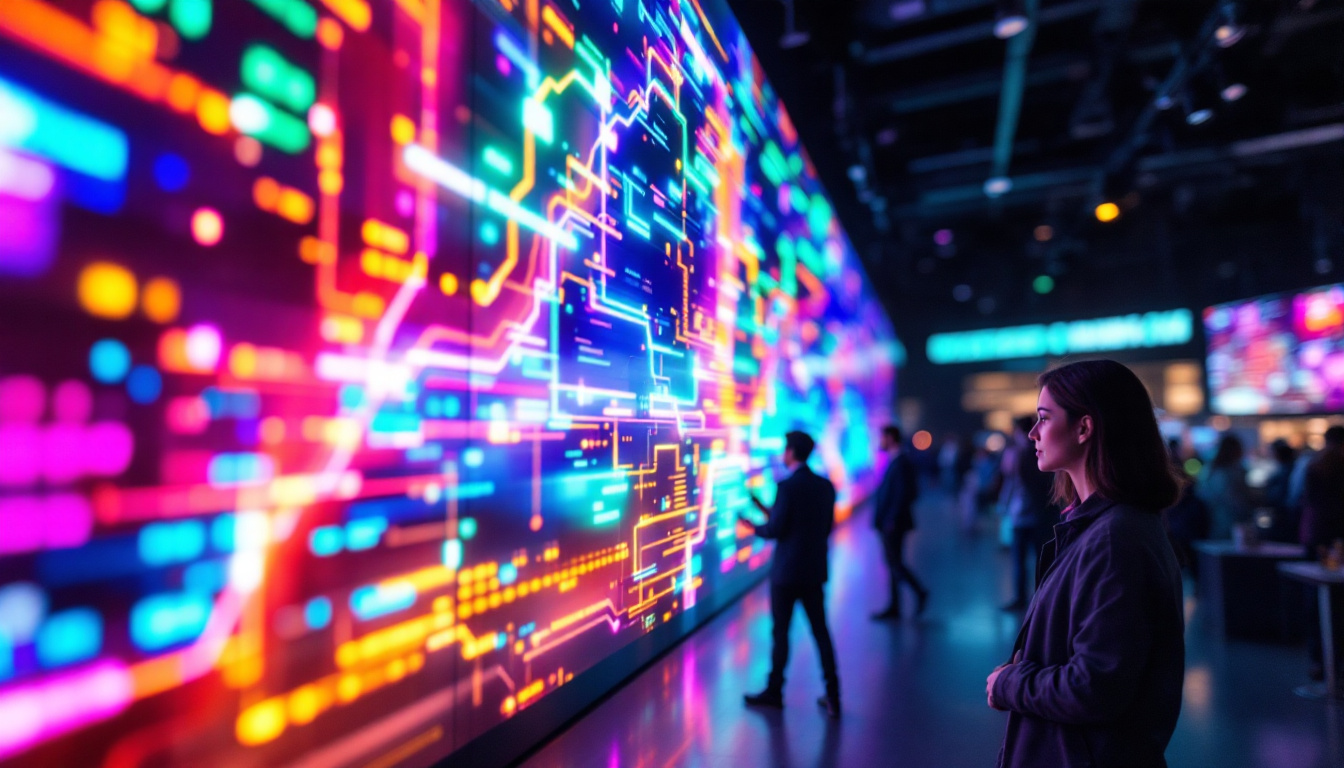
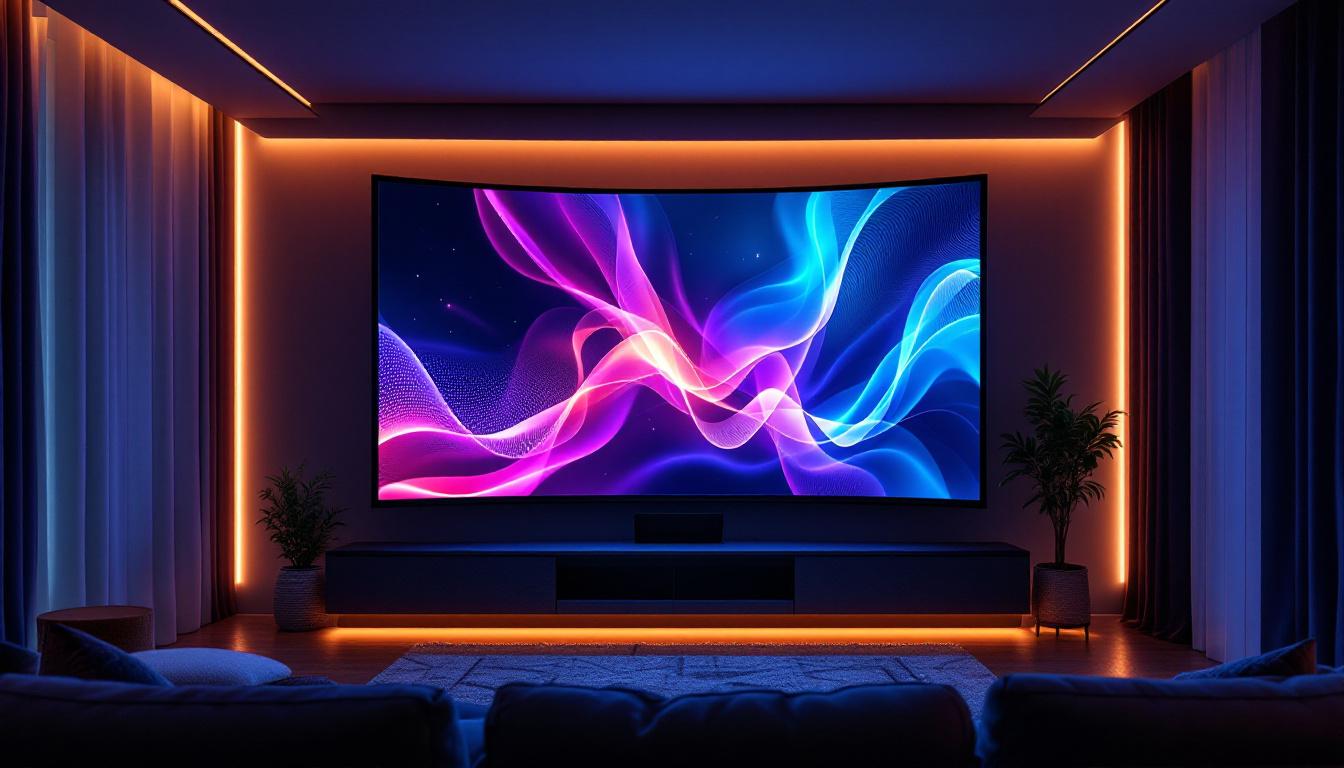
In corporate environments, LED wall backgrounds serve multiple purposes—from branding and advertising to enhancing interior aesthetics. Companies use these displays in lobbies to welcome visitors with dynamic logos and promotional content, or in conference rooms to facilitate presentations and video conferencing. The versatility of LED technology allows for high-resolution images and videos that can be updated in real-time, ensuring that the content remains fresh and relevant. This adaptability not only reinforces brand identity but also fosters a modern atmosphere that can impress clients and motivate employees.
Retailers also benefit from LED backgrounds by showcasing product launches, seasonal promotions, and interactive content that engages shoppers, thereby increasing foot traffic and sales. For instance, during holiday seasons, stores can utilize LED displays to create festive themes that attract customers. Interactive elements, such as touch screens integrated with the LED walls, allow shoppers to explore products in-depth, access promotions, or even participate in social media campaigns, thus enhancing the overall shopping experience.
Entertainment and Events
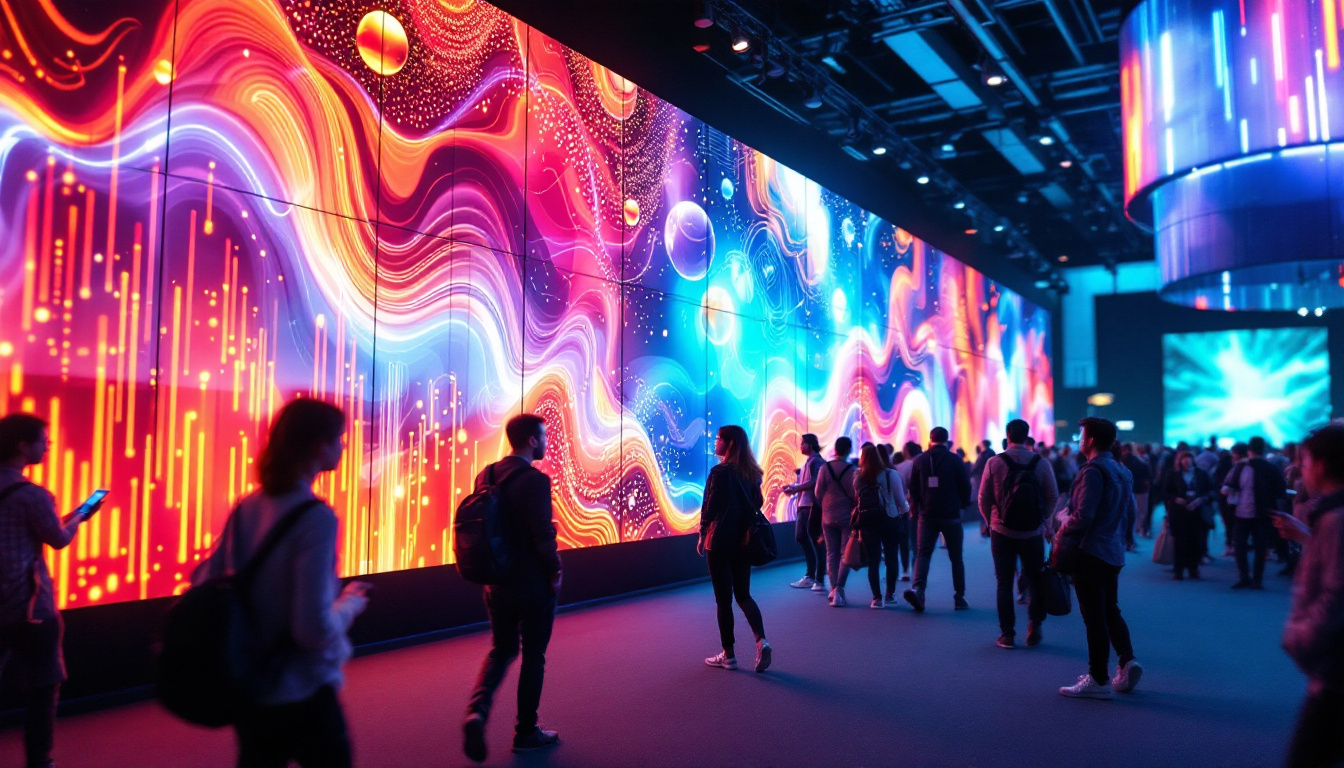
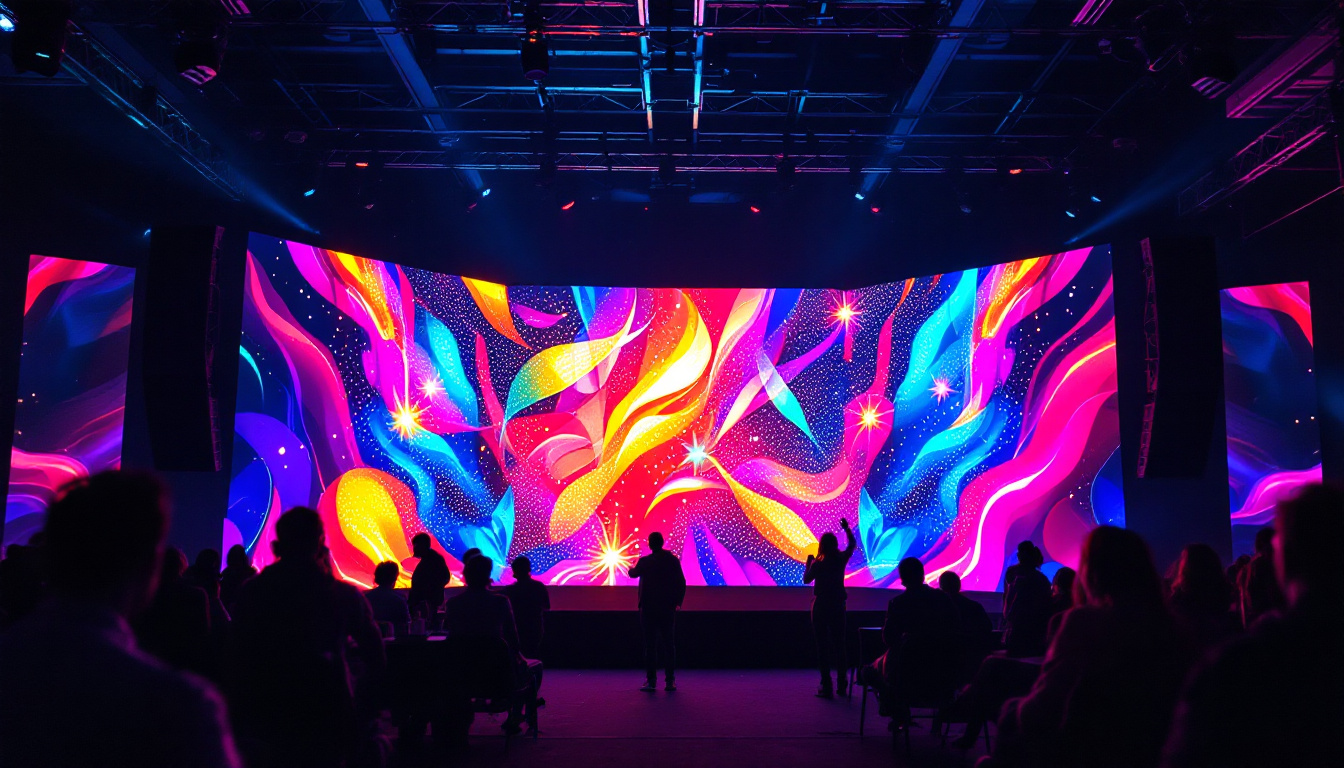
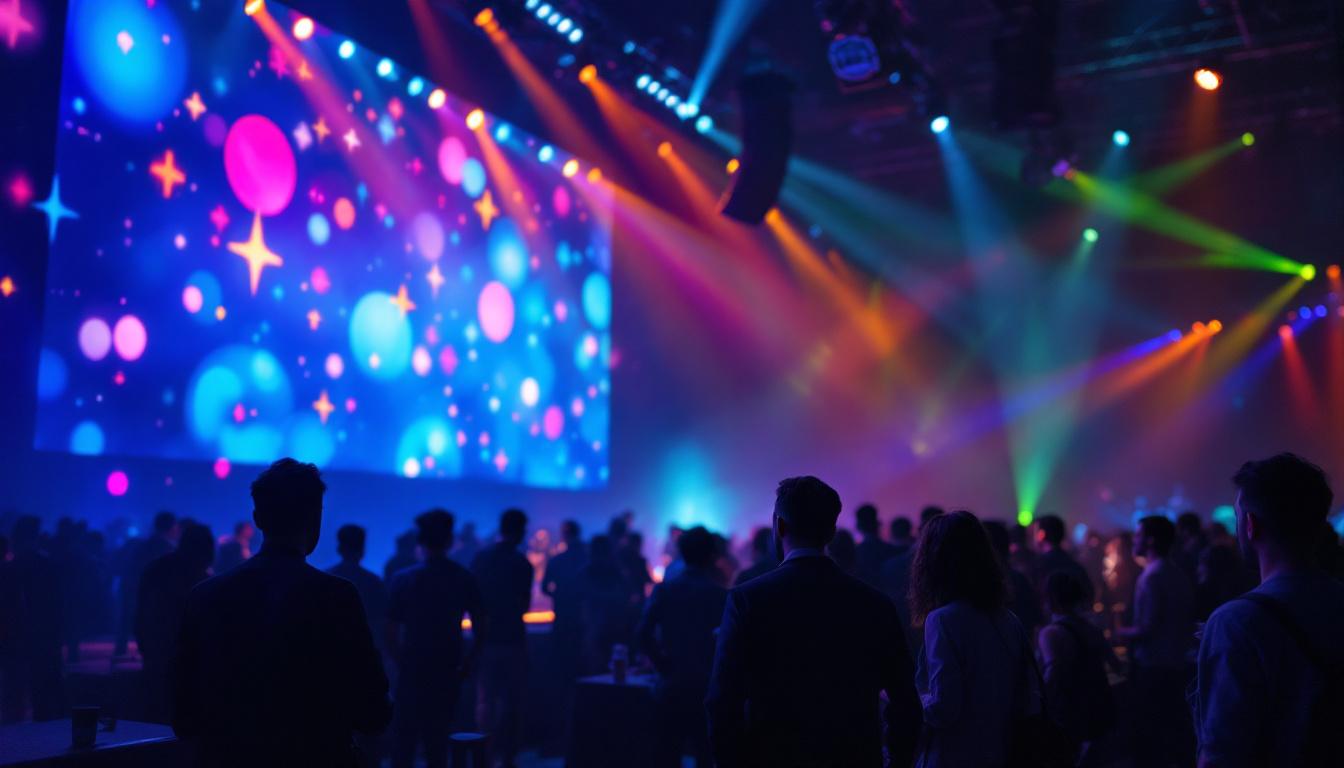
Concerts, theaters, and live events have embraced LED displays for their ability to create immersive visual experiences. Large LED walls can transform stages with vibrant backdrops, synchronized lighting effects, and live video feeds, enhancing audience engagement. These displays can be programmed to change in real-time, responding to the music or performance, which creates a more captivating atmosphere for attendees. Additionally, the ability to incorporate augmented reality elements into LED backgrounds opens up new avenues for storytelling and artistic expression, making performances even more memorable.
Sports arenas use LED displays not only for advertising but also to show scores, replays, and fan interactions, contributing to a dynamic atmosphere. These screens can display live social media feeds, allowing fans to see their posts featured during games, which fosters a sense of community and excitement. Furthermore, the integration of LED technology in stadiums enhances the viewing experience by providing multiple angles of action and instant replays, ensuring that fans don’t miss any critical moments, whether they are in the stands or watching from home.
Public and Urban Installations
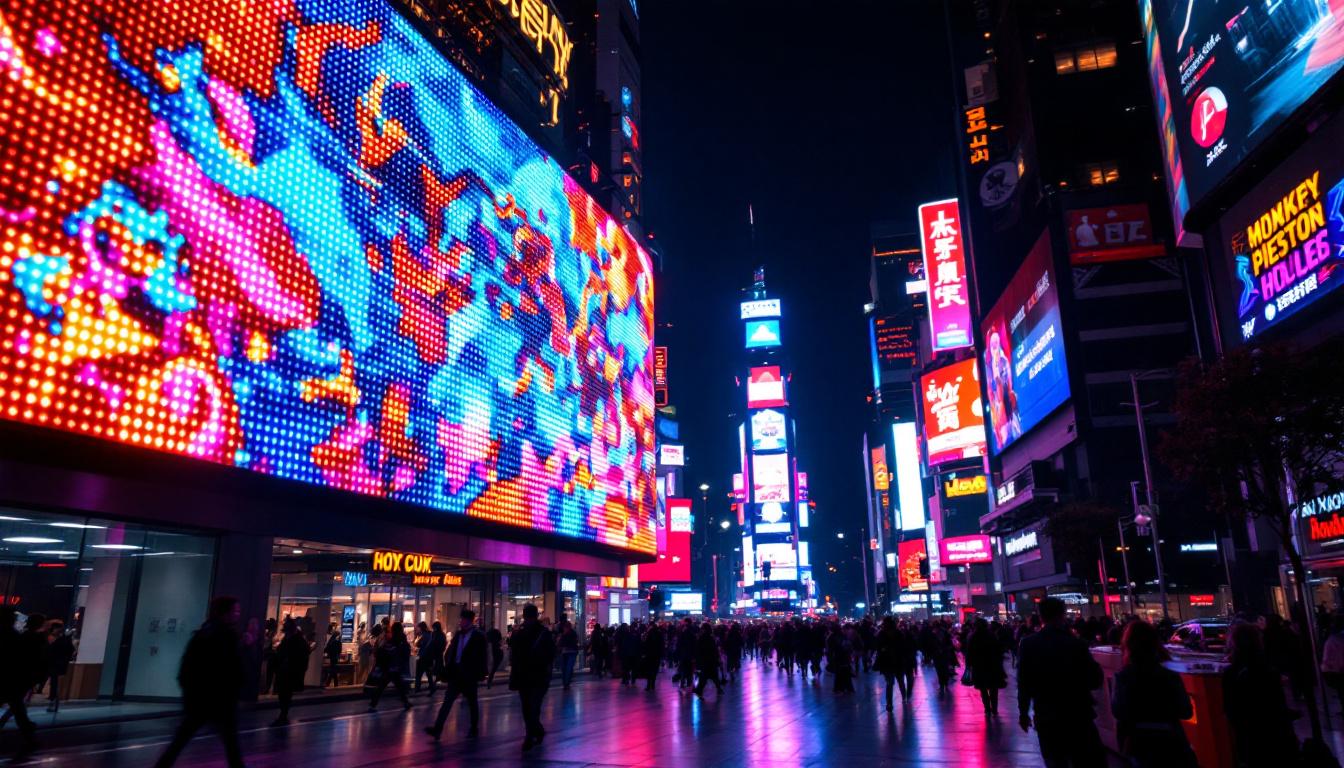
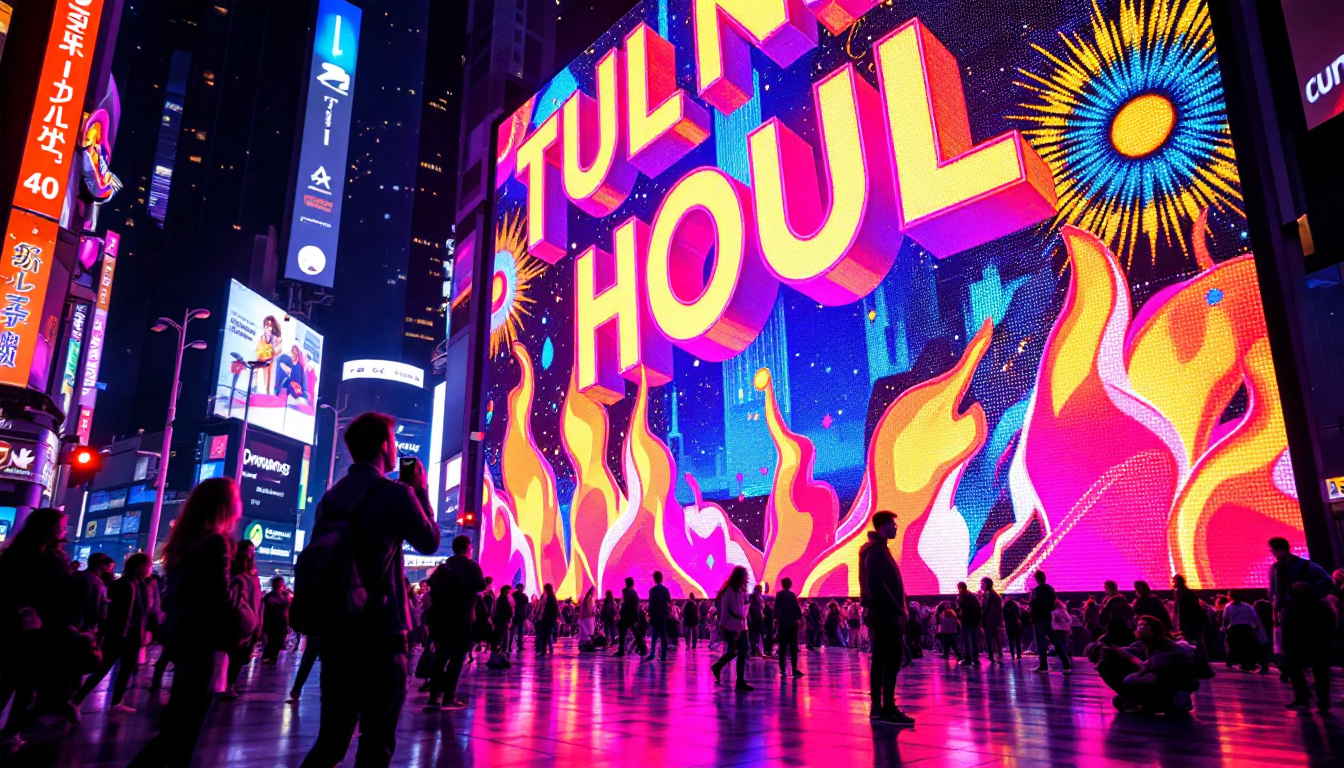
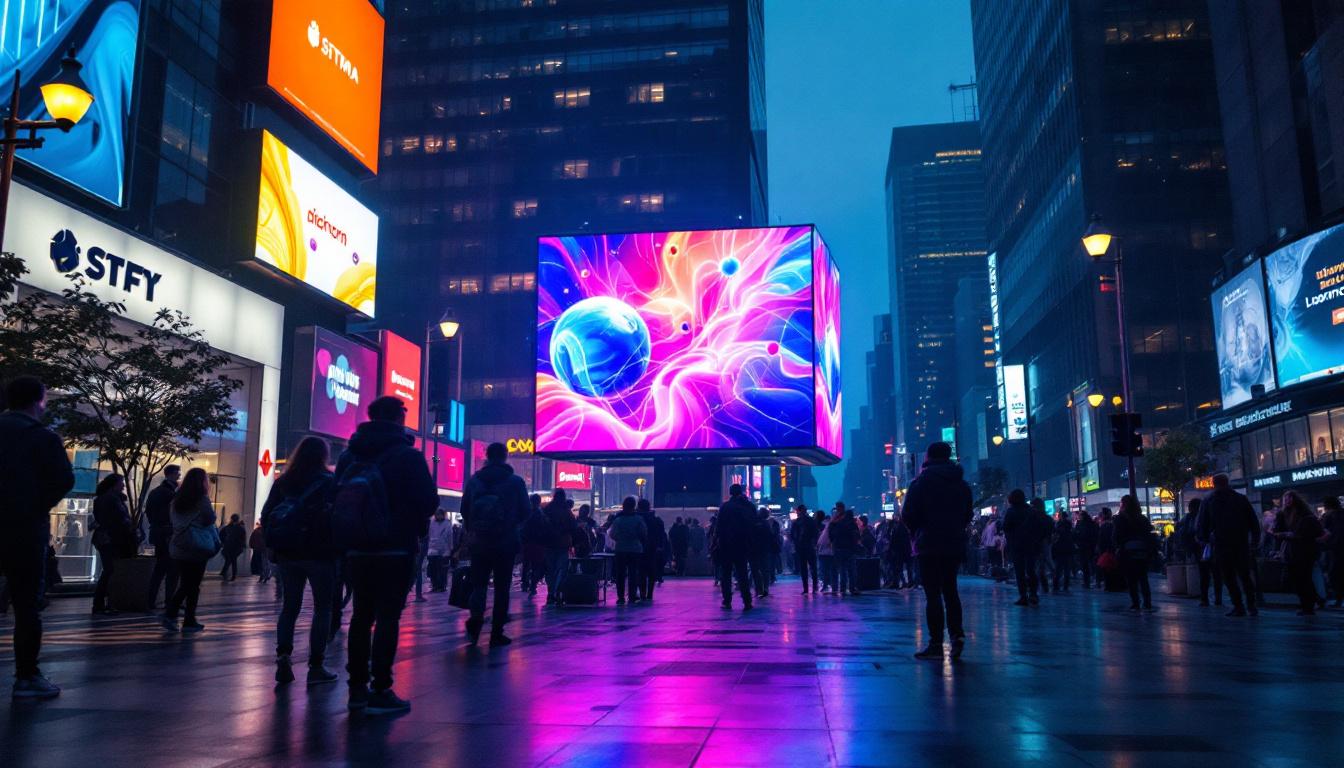
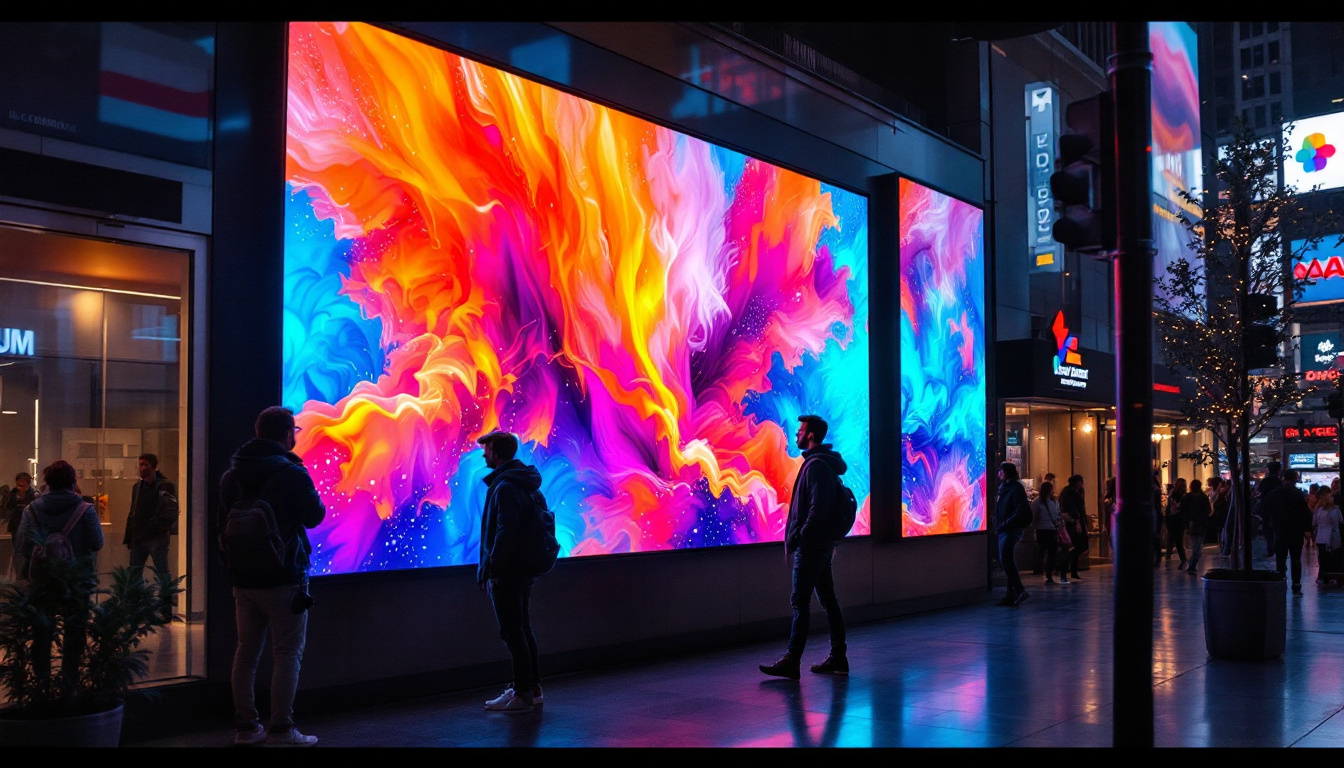
City planners and advertisers utilize LED wall backgrounds in public spaces to deliver information, art, and advertising. Digital billboards and interactive walls in urban centers provide real-time updates on traffic, weather, and public services, improving communication with residents and visitors. These installations can also serve as platforms for public announcements, community events, and emergency alerts, making them vital tools for urban management. The ability to change content quickly allows cities to respond to current events and engage citizens effectively.
Moreover, LED displays are increasingly used for digital art installations, offering artists a new medium to express creativity on a large scale. These installations can transform public spaces into vibrant galleries, showcasing the works of local artists or themed exhibitions that reflect cultural narratives. The interplay of light and motion in LED art captivates passersby, encouraging them to pause and engage with their surroundings in a way that traditional art forms may not. This fusion of technology and creativity not only beautifies urban landscapes but also stimulates dialogue about art and innovation in public spaces.
Key Considerations When Choosing an LED Wall Background
Resolution and Viewing Distance
The resolution of an LED display is critical to image quality. Higher resolution with smaller pixel pitch is necessary for close viewing, while larger pixel pitches suffice for distant viewing. Understanding the typical viewing distance helps in selecting the appropriate display to ensure crisp and clear visuals.
Installation and Maintenance
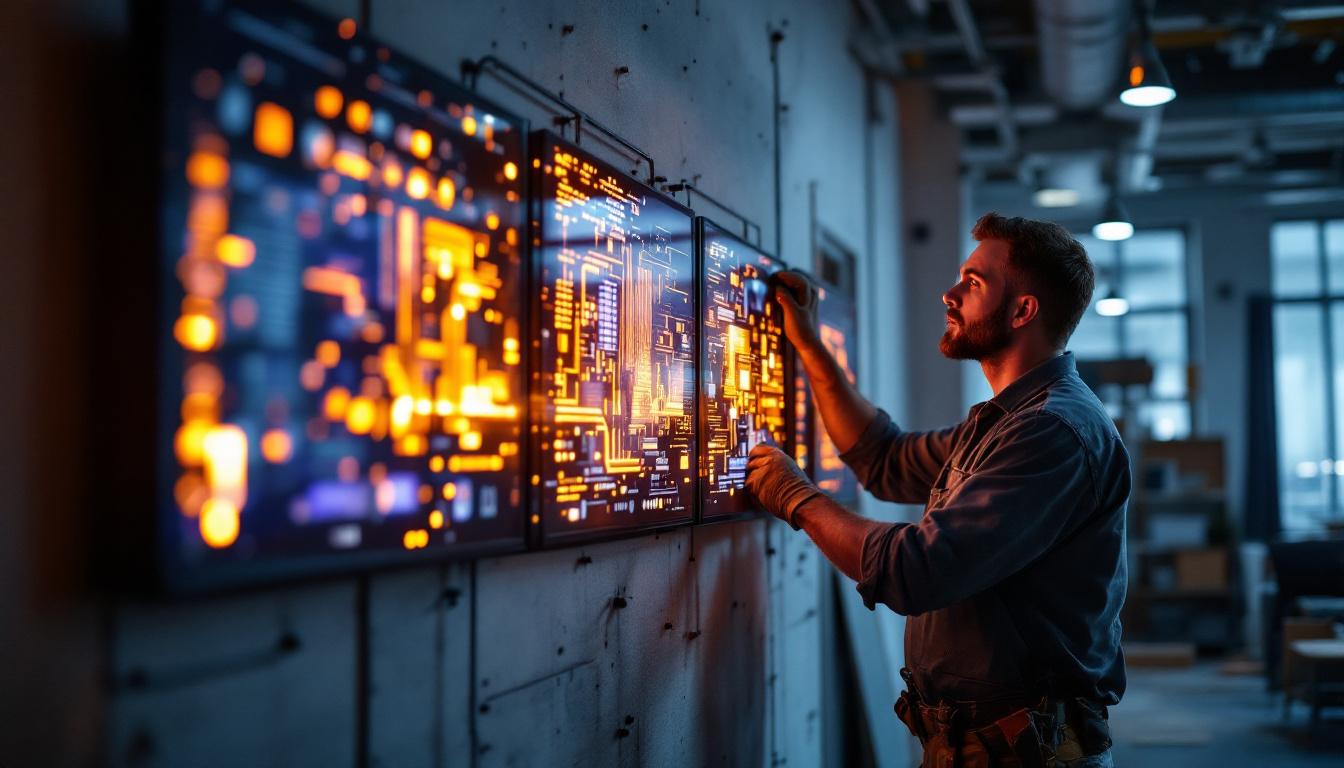
LED wall backgrounds require professional installation to ensure safety, optimal performance, and longevity. Factors such as wall structure, weight support, and electrical requirements must be assessed.
Maintenance considerations include accessibility for repairs, cleaning protocols to prevent dust buildup, and software updates for content management systems.
Content Management Systems (CMS)
Effective use of LED displays depends on robust CMS that allow users to schedule, update, and customize content easily. Modern CMS platforms support remote management, multi-zone displays, and integration with external data sources, enabling seamless content delivery.
Future Trends in LED Wall Background Technology
MicroLED and MiniLED Innovations
Emerging technologies like MicroLED and MiniLED promise even higher resolution, improved color accuracy, and greater energy efficiency. MicroLEDs, in particular, offer the potential for thinner, brighter, and more flexible displays, pushing the boundaries of wall background applications.
Interactive and Augmented Reality Integration
Integration of touch sensors and augmented reality (AR) features with LED wall backgrounds is gaining traction. This allows users to interact directly with the display, creating engaging and personalized experiences in retail, education, and entertainment sectors.
Sustainability and Eco-Friendly Solutions
As environmental concerns grow, manufacturers are focusing on sustainable materials, recyclable components, and energy-saving designs. LED displays are becoming part of green building strategies, contributing to reduced carbon footprints.
Conclusion
LED wall background photos represent a significant advancement in visual display technology, offering unmatched flexibility, brightness, and interactivity compared to traditional static backgrounds. Their applications span diverse sectors, from corporate branding and retail marketing to entertainment and urban communication.
When selecting an LED display, understanding the technical aspects such as resolution, pixel pitch, and installation requirements is essential to maximize impact and return on investment. As technology continues to evolve, LED displays will become even more integrated into everyday environments, transforming walls into dynamic canvases that communicate, engage, and inspire.
Illuminate Your Space with LumenMatrix
Ready to elevate your visual display capabilities? Discover LumenMatrix’s innovative LED display solutions and transform your environment into a dynamic, engaging space. Whether you’re looking to enhance your corporate branding, captivate retail customers, or create unforgettable event experiences, LumenMatrix has you covered. From Indoor and Outdoor LED Wall Displays to specialized solutions like Vehicle, Sports, and Floor LED Displays, our offerings are designed to make your message shine. Experience the future of visual communication with our Custom, All-in-One, and Transparent LED Displays. Check out LumenMatrix LED Display Solutions today and start creating captivating visual experiences that resonate with your audience.