In recent years, LED walls have transformed the way businesses, event organizers, and advertisers communicate visually. From dazzling outdoor billboards to immersive indoor event backdrops, LED display technology offers unparalleled brightness, flexibility, and impact. If you’re considering investing in LED walls for sale, understanding the technology, the key features, and the practical applications is essential to making an informed decision. This article delves deep into the world of LED displays, explaining how they work, their advantages, and what to look for when purchasing.
What Is an LED Wall?
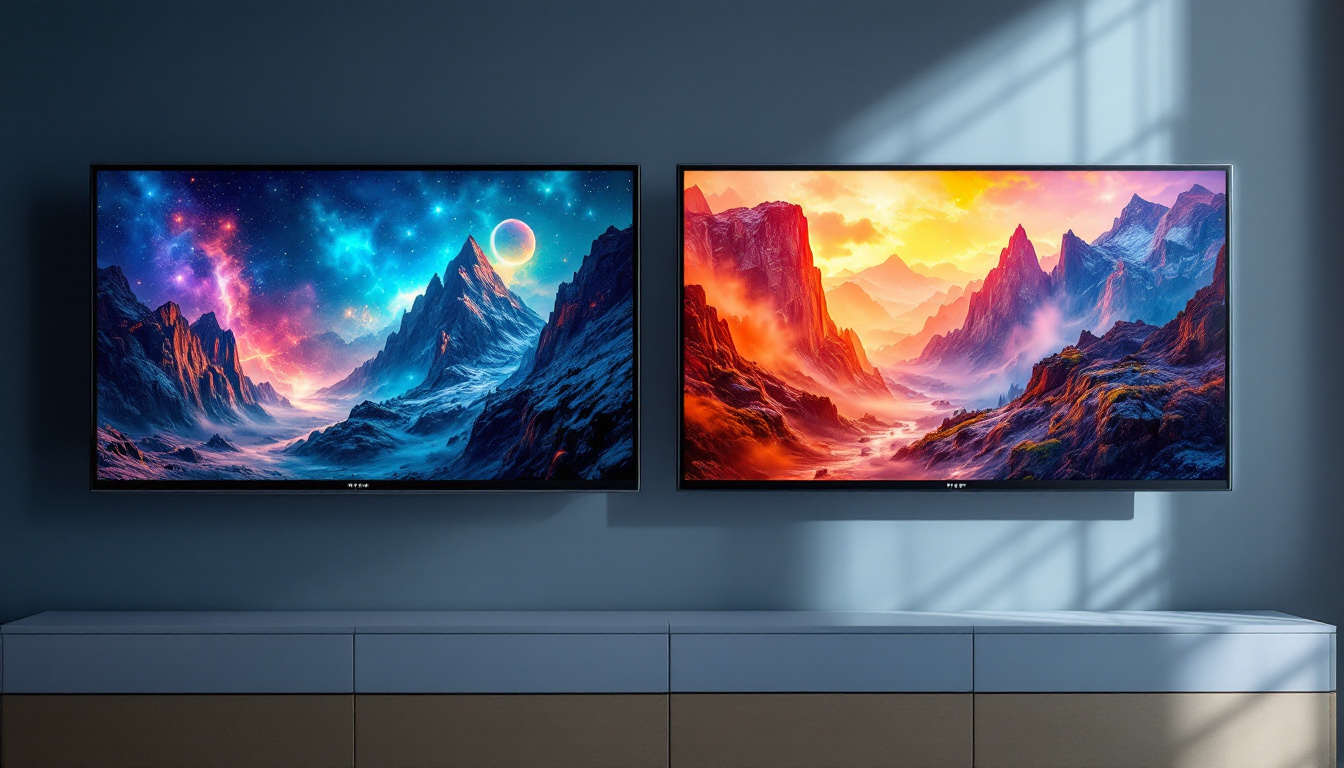
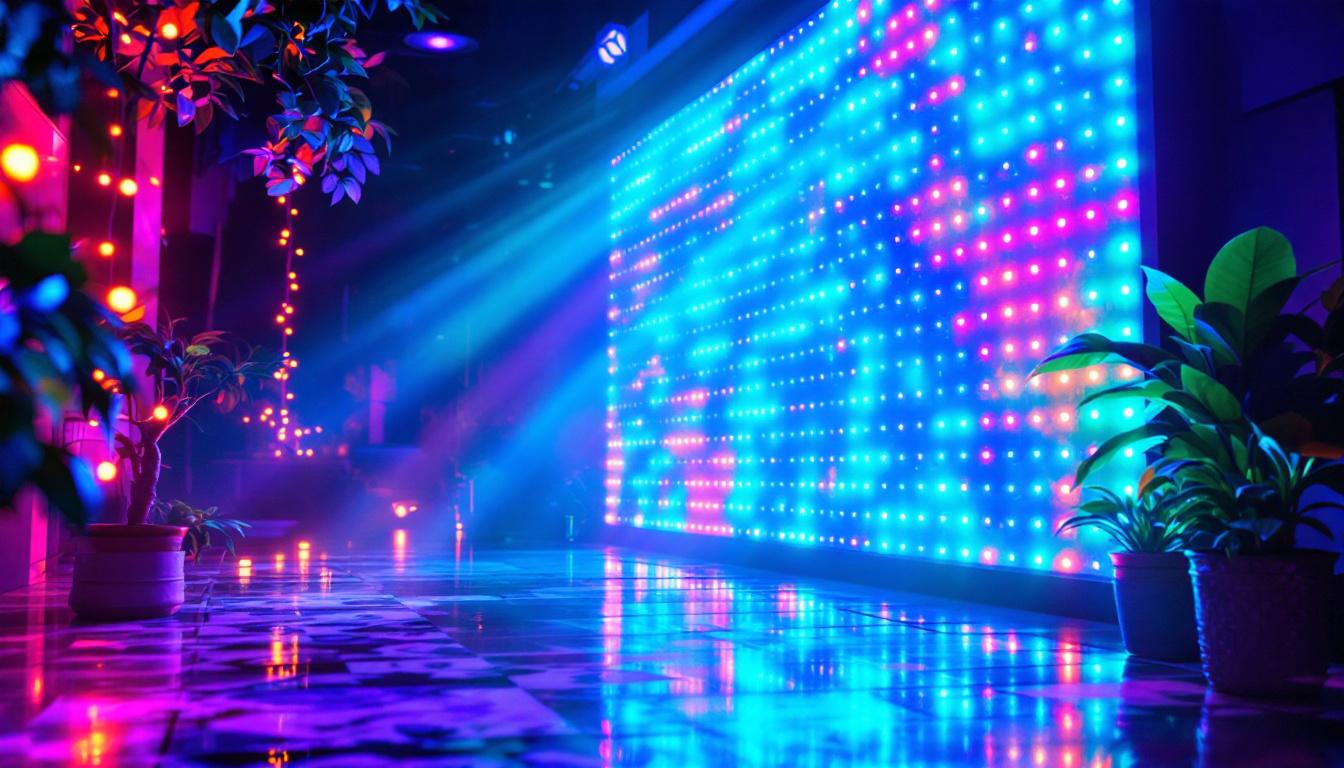
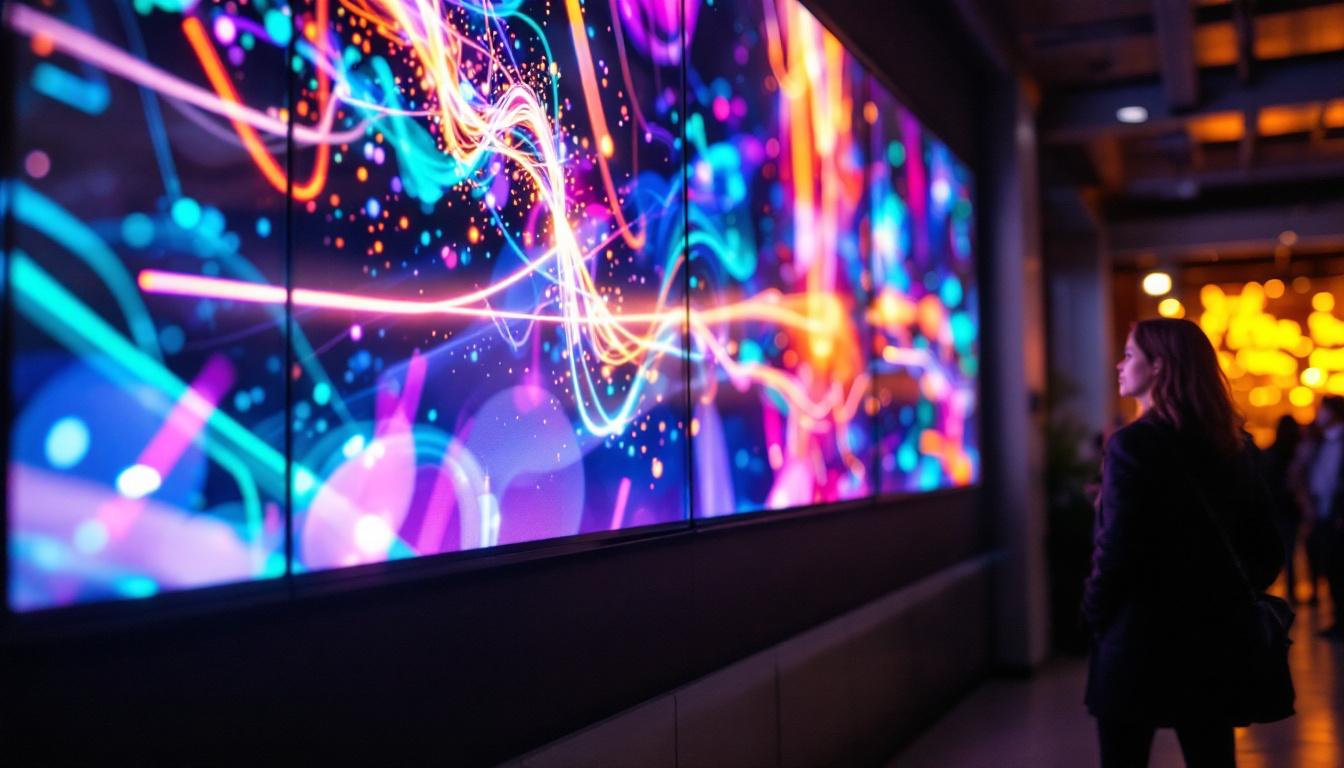
An LED wall, often referred to as an LED video wall or LED display, is a large surface made up of multiple LED panels seamlessly combined to create one expansive screen. Unlike traditional LCD or projection screens, LED walls use light-emitting diodes (LEDs) as pixels to display images and videos. This technology enables vibrant colors, high brightness levels, and excellent visibility even under direct sunlight.
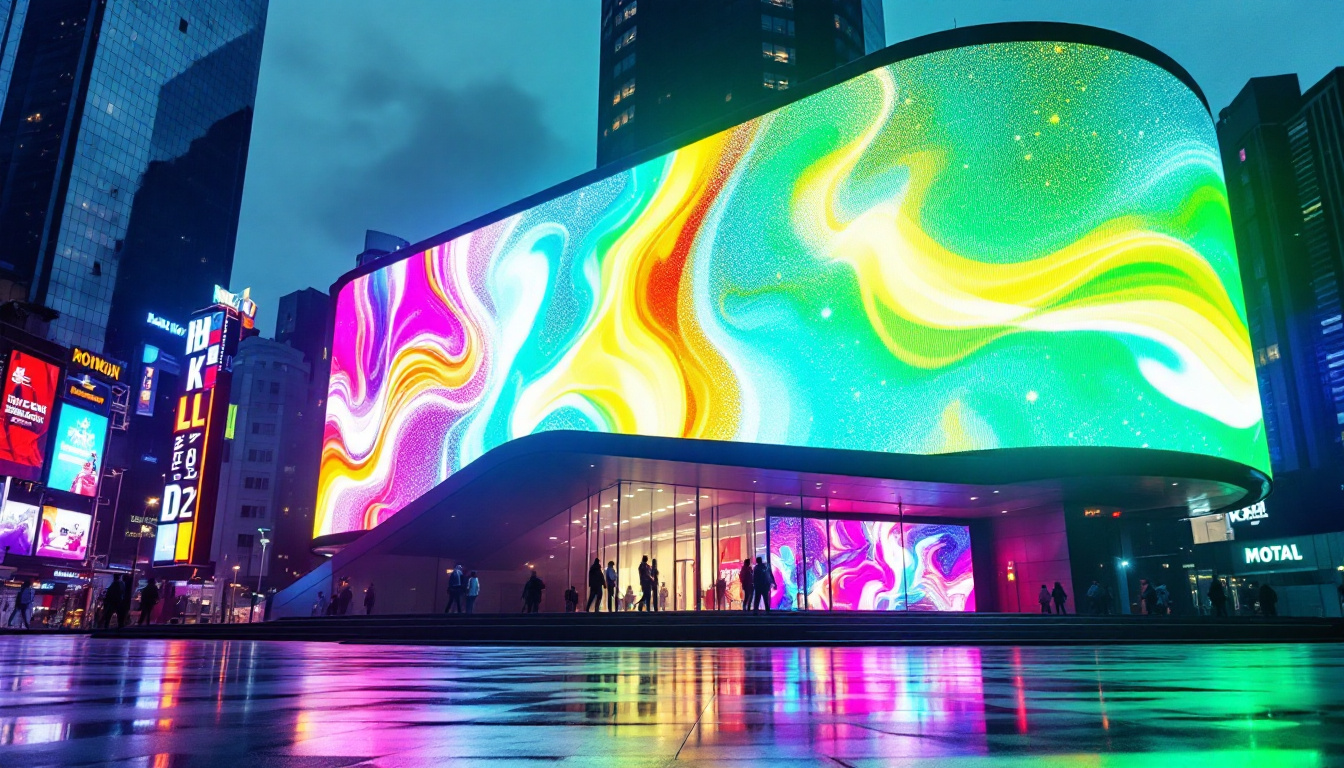
LED walls can vary in size from small indoor panels to massive outdoor installations covering entire building facades. They are modular, meaning individual panels can be assembled and disassembled quickly, offering scalability and flexibility for different venues and purposes.
One of the key advantages of LED walls is their ability to deliver high-resolution images with remarkable clarity. This makes them ideal for a variety of applications, from live events and concerts to advertising and public information displays. The pixel pitch, which refers to the distance between the centers of two adjacent pixels, can be adjusted to cater to different viewing distances; a smaller pixel pitch is suitable for close-up viewing, while a larger one is more appropriate for farther distances. This adaptability ensures that LED walls can meet the specific needs of any environment, whether it’s a small conference room or a large stadium.
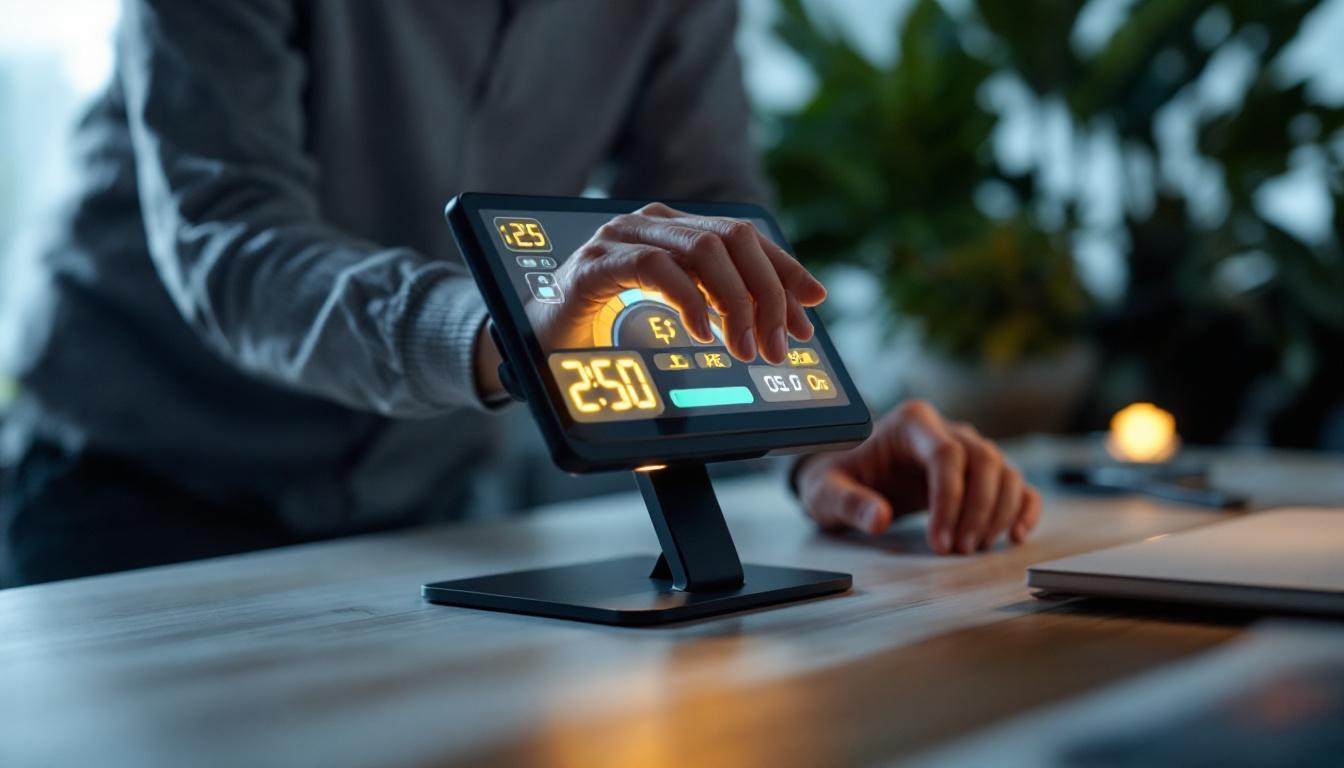
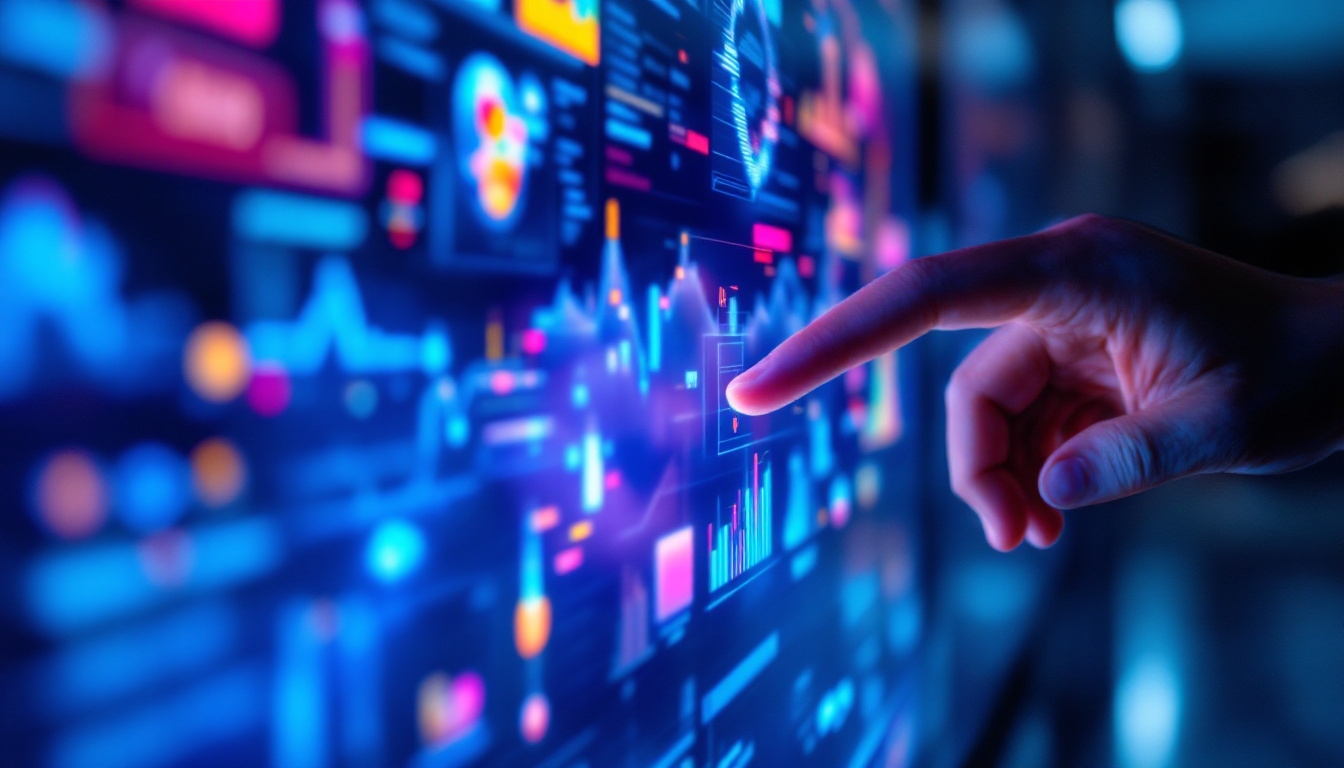
Furthermore, LED walls are increasingly being integrated with advanced technologies such as interactive touch capabilities and augmented reality features. This not only enhances user engagement but also opens up new avenues for creative presentations and immersive experiences. For instance, businesses can utilize LED walls for interactive product showcases, allowing customers to engage with the content in real time. As the technology continues to evolve, we can expect to see even more innovative uses for LED walls across various industries, enhancing communication and visual storytelling in ways previously unimaginable.
How Does LED Display Technology Work?
LED Pixels and Modules
At the core of an LED wall are the LEDs themselves, which act as individual pixels. Each pixel consists of red, green, and blue LEDs that combine to produce a wide color spectrum through varying intensities. These pixels are arranged in modules or panels, which are then connected to form the complete display.
The density of these pixels, known as pixel pitch, is a critical factor in determining the display’s resolution and clarity. Pixel pitch is measured in millimeters and represents the distance between the centers of two adjacent pixels. A smaller pixel pitch means more pixels per square meter, resulting in sharper images, especially at close viewing distances.
Brightness and Contrast
One of the defining advantages of LED walls is their exceptional brightness, often reaching 1,000 to 5,000 nits or more. This makes LED displays ideal for outdoor environments where sunlight can wash out other types of screens. The high contrast ratio, achieved by the ability of LEDs to turn off completely, provides deep blacks and vivid colors, enhancing image quality.
Refresh Rate and Viewing Angle
LED walls typically have high refresh rates, commonly 1920 Hz or higher, which reduces flickering and ensures smooth motion, especially important for video content and live broadcasts. Additionally, LED displays offer wide viewing angles, often up to 160 degrees horizontally and vertically, allowing audiences to see clear images from various positions without color distortion.
Types of LED Walls
Indoor LED Walls
Indoor LED walls are designed for environments such as conference rooms, retail stores, museums, and entertainment venues. They usually have a smaller pixel pitch, ranging from 0.9mm to 4mm, to provide high-resolution images at close viewing distances. Indoor models prioritize color accuracy, brightness suitable for controlled lighting, and sleek designs to blend with interior aesthetics.
Outdoor LED Walls
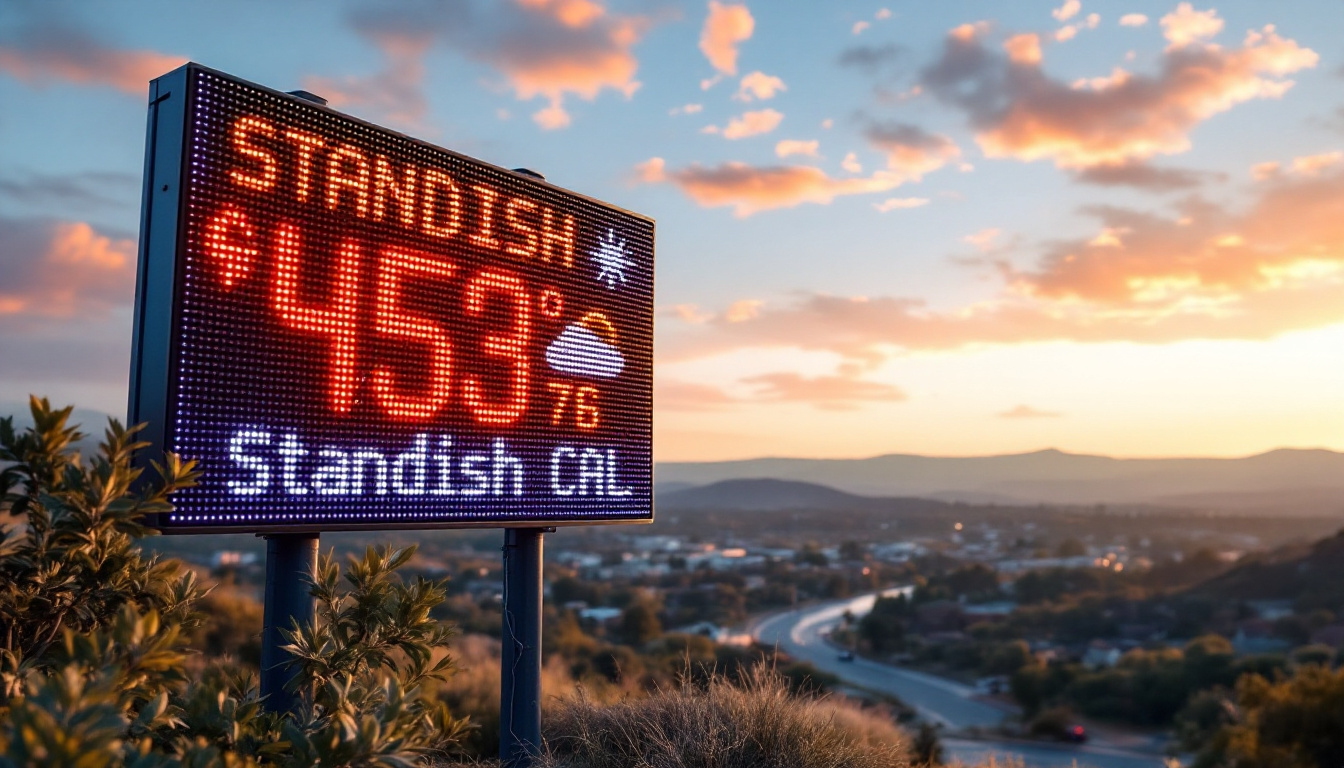
Outdoor LED walls are built to withstand weather conditions like rain, wind, and extreme temperatures. They feature higher brightness levels, often exceeding 5,000 nits, to remain visible in direct sunlight. The pixel pitch is generally larger, between 4mm and 20mm, since viewers tend to be farther away. Outdoor displays are commonly used for advertising billboards, sports stadiums, and public information boards.
Transparent LED Walls
Transparent LED walls are an innovative variation that integrates LEDs into glass panels, allowing light and visibility through the display. These are popular for retail storefronts and architectural applications where maintaining natural light and visibility is important. While they offer slightly lower brightness and pixel density than traditional LED walls, their unique design opens new creative possibilities.
Benefits of LED Walls
Superior Visual Impact
LED walls deliver bright, vivid images with excellent color accuracy and contrast, making content more engaging and memorable. Their ability to display dynamic video, animations, and live feeds creates an immersive experience that static signage cannot match.
Scalability and Flexibility
The modular nature of LED panels allows for custom sizes and shapes, accommodating various spaces and creative designs. Whether it’s a small indoor screen or a massive outdoor billboard, LED walls can be tailored to specific needs. Additionally, they can be reconfigured or relocated as required, offering long-term versatility.
Energy Efficiency and Longevity
Modern LED technology is energy-efficient compared to traditional lighting and projection methods. LED walls consume less power while providing higher brightness, reducing operational costs. Furthermore, LEDs have a long lifespan, often exceeding 100,000 hours, minimizing maintenance and replacement expenses.
Enhanced Durability
LED walls are designed to be robust and durable. Outdoor models come with weatherproof casings, and indoor panels are built to withstand frequent assembly and disassembly. This durability ensures reliable performance in demanding environments.
Applications of LED Walls
Advertising and Digital Signage
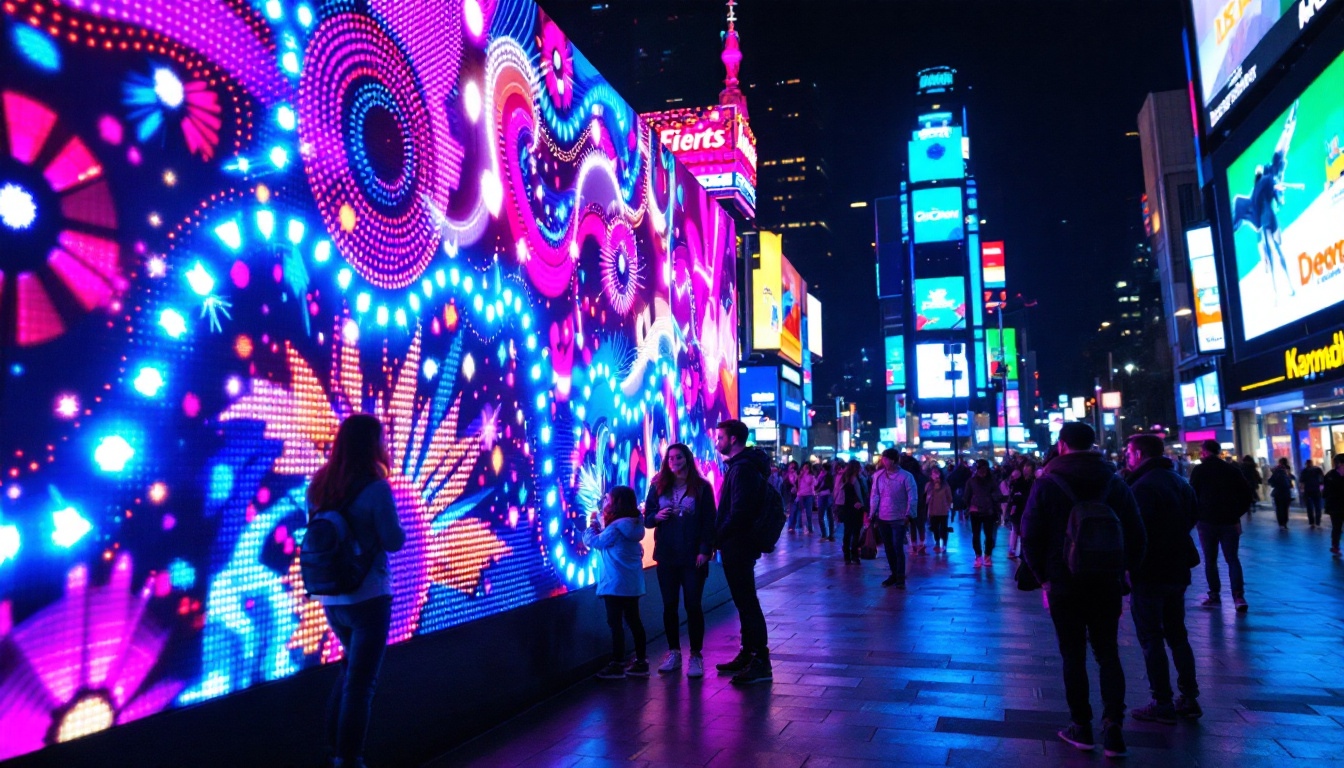
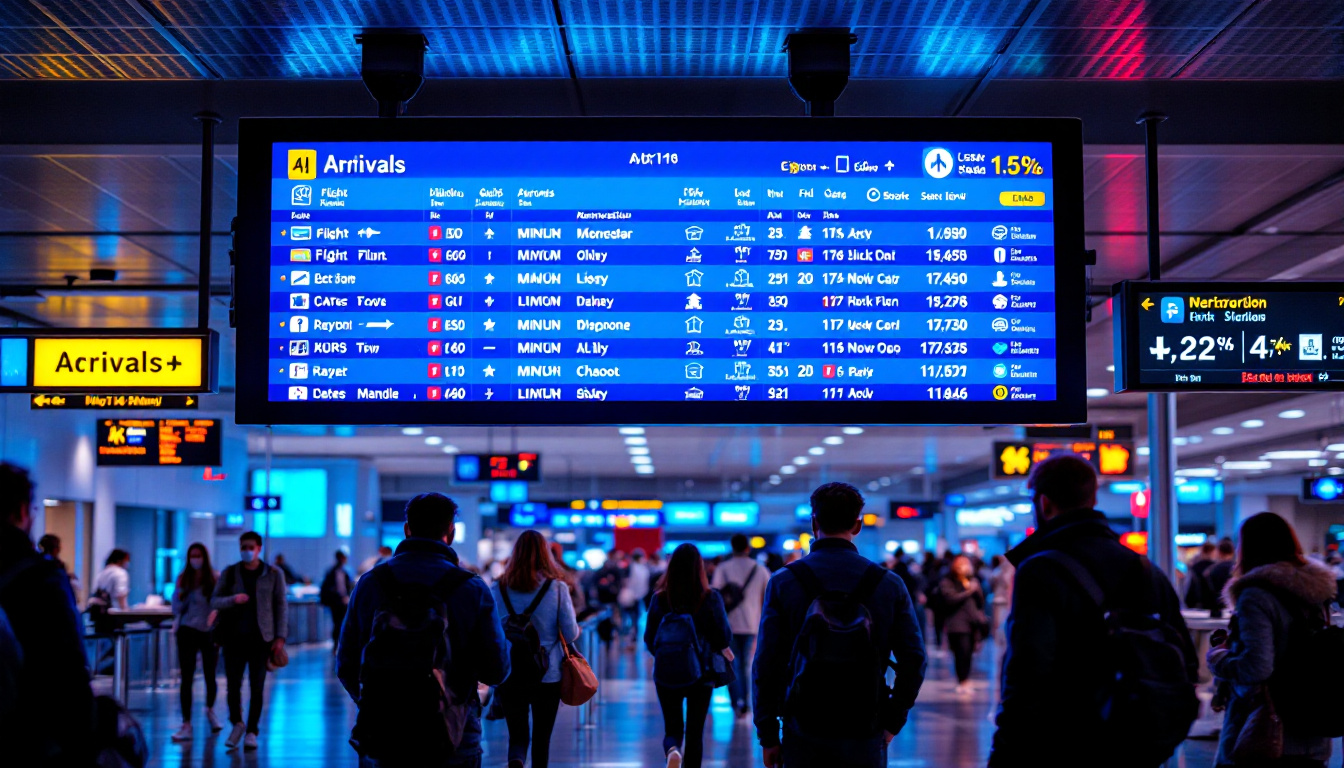
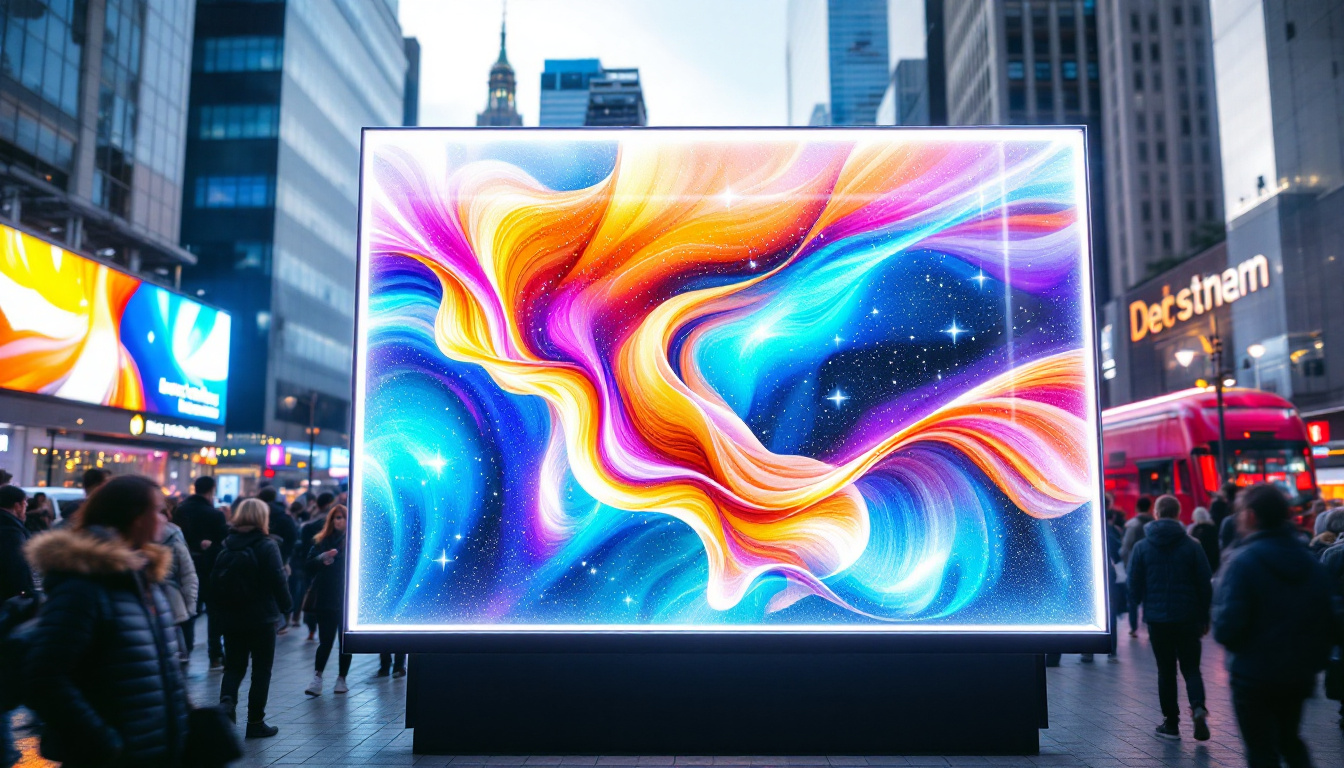
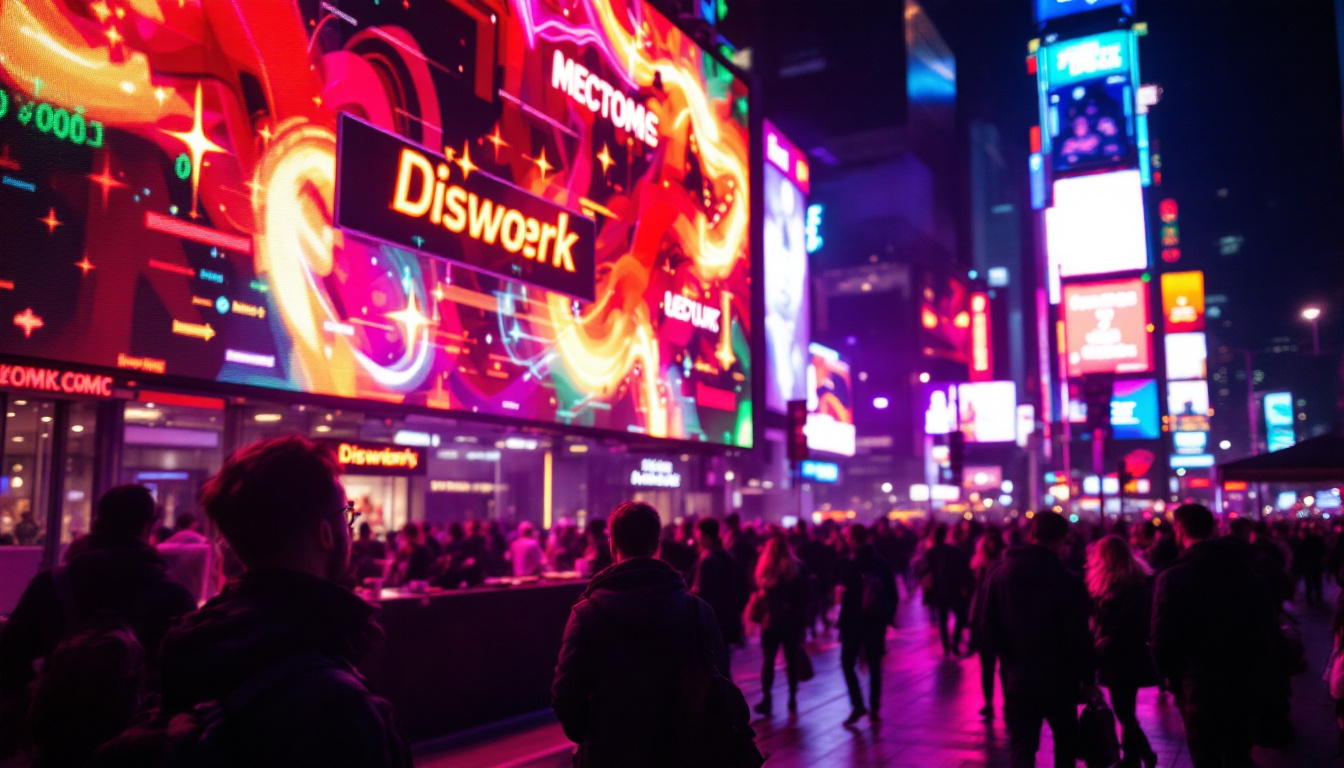
One of the most widespread uses of LED walls is in advertising. Digital billboards and signage attract more attention than static posters due to their brightness and motion capabilities. Brands use LED walls to display promotions, events, and interactive content, often updating in real-time to maximize relevance.
Events and Entertainment
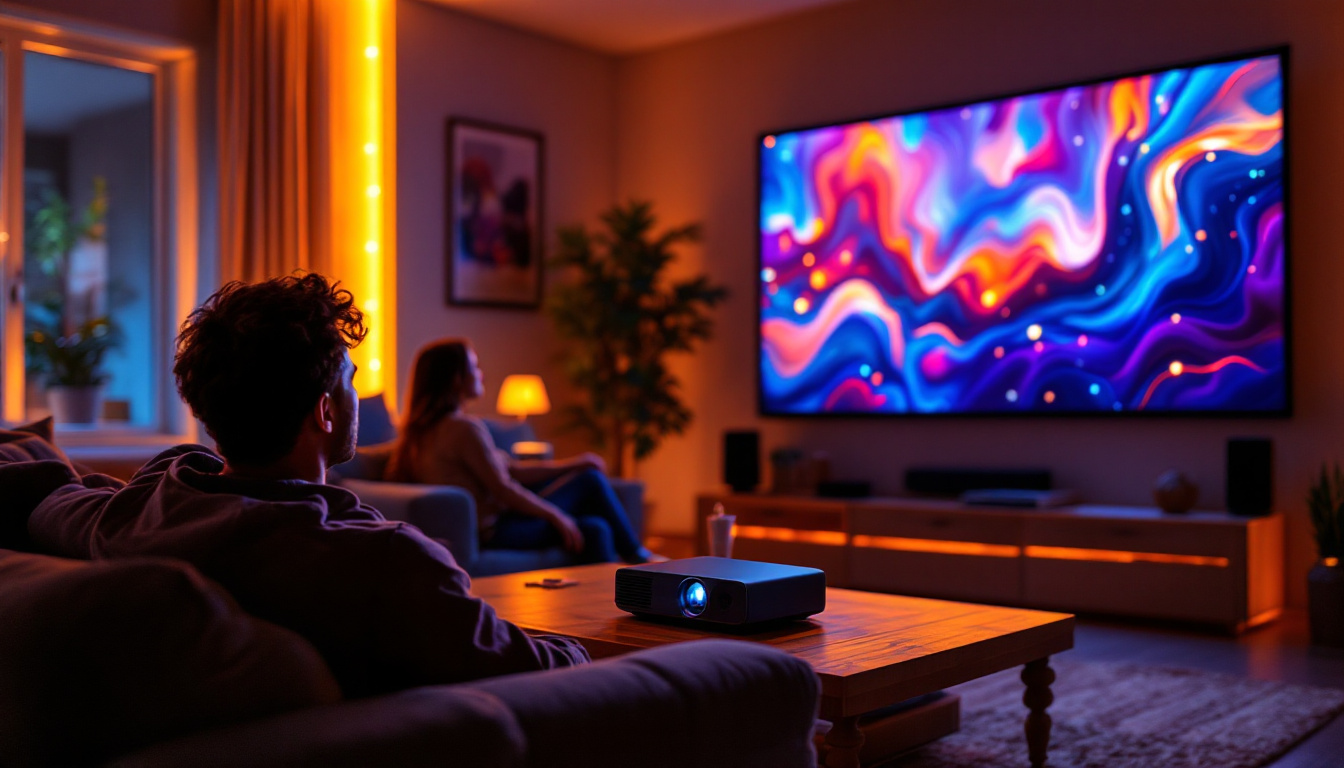
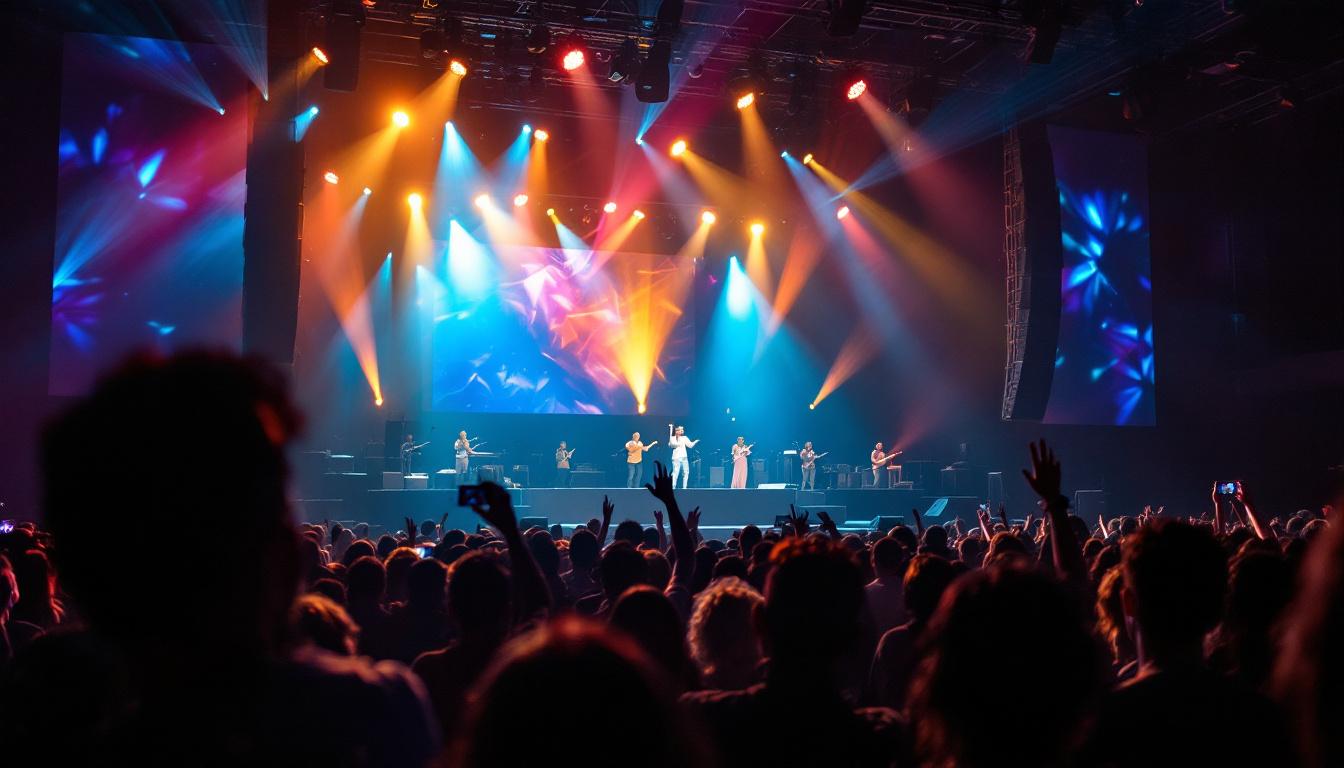
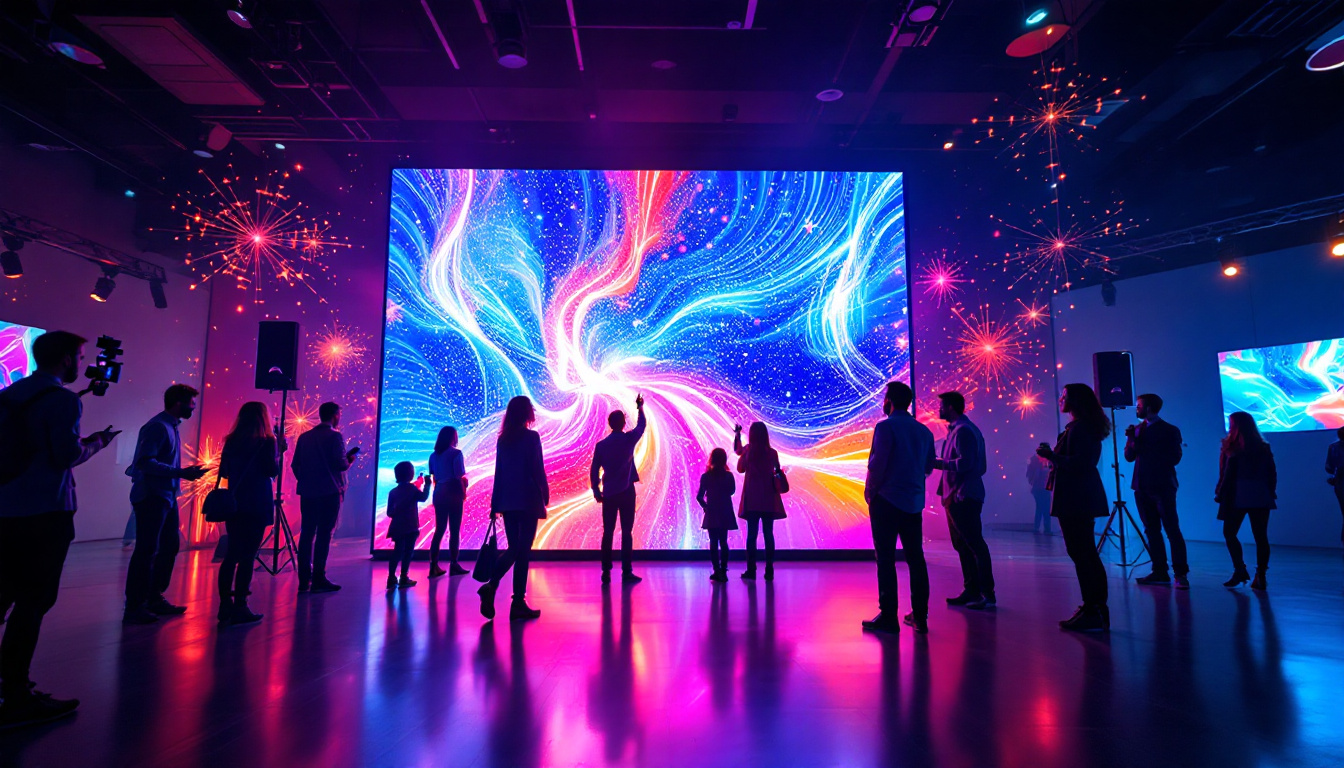
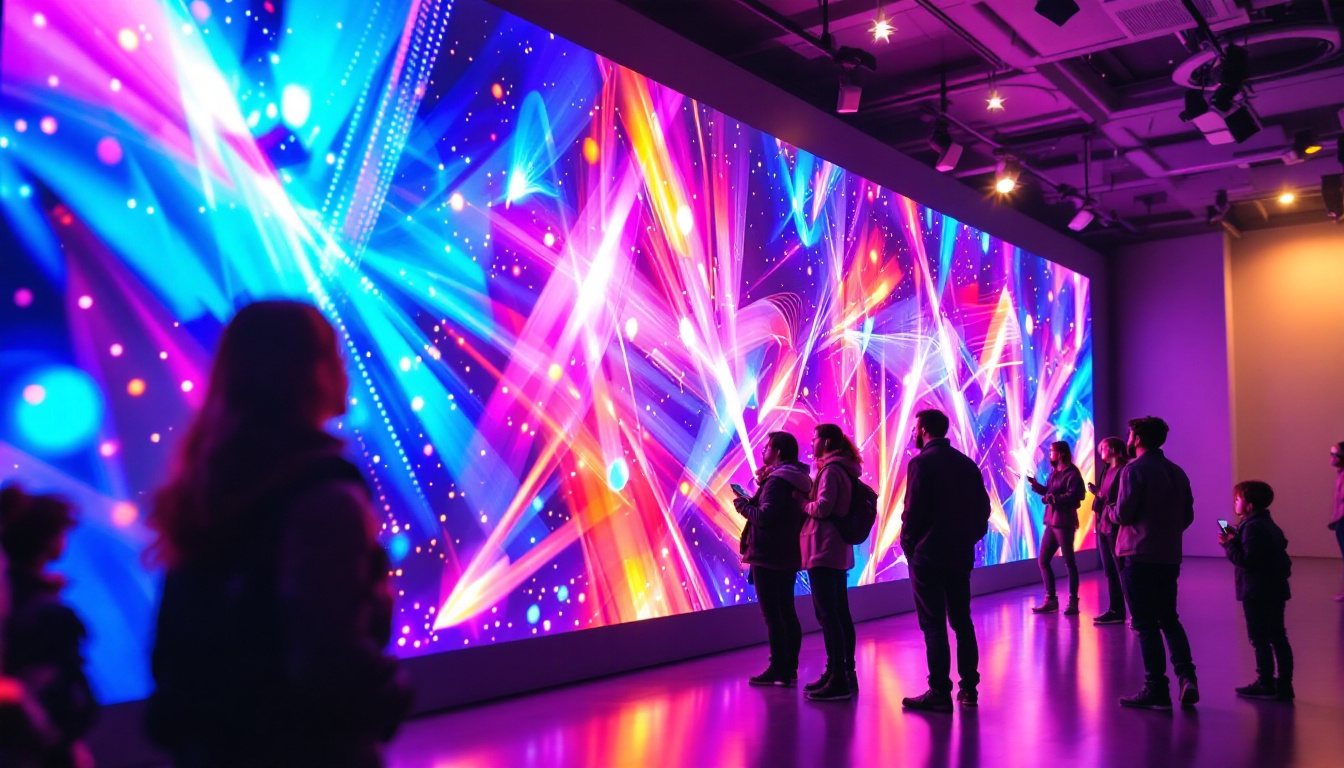
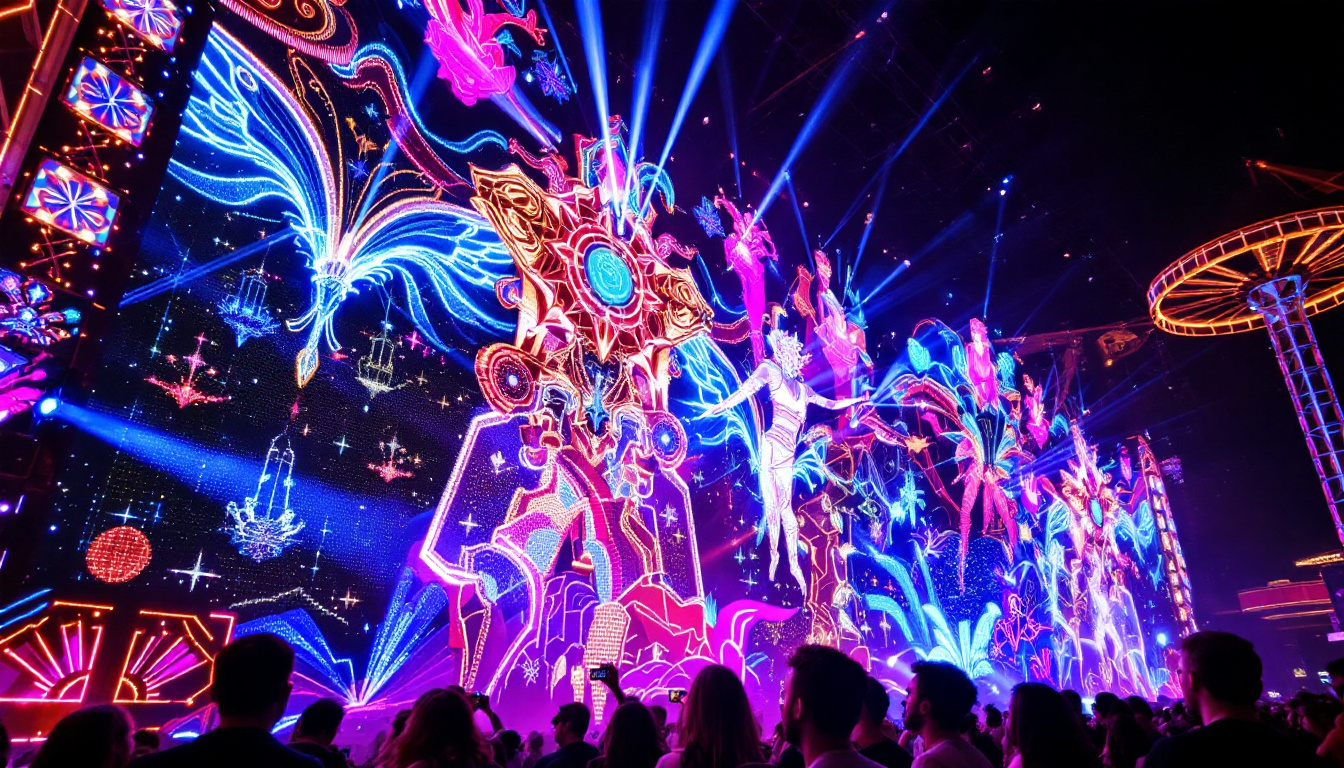
Concerts, trade shows, and corporate events utilize LED walls to create immersive backdrops and engaging visual effects. The ability to display live video feeds, graphics, and animations enhances audience experience and supports event branding.
Sports Venues
Stadiums and arenas employ large LED walls for scoreboards, instant replays, and advertisements. The high brightness and wide viewing angles ensure visibility for thousands of spectators, even in bright daylight.
Retail and Hospitality
Retail stores and hotels use LED walls to create dynamic displays that attract customers and enhance ambiance. From showcasing products to delivering interactive experiences, LED walls help differentiate businesses in competitive markets.
What to Consider When Buying LED Walls For Sale
Pixel Pitch and Resolution
Choosing the right pixel pitch depends on the typical viewing distance. For indoor use where viewers are close, a smaller pixel pitch (1-3mm) is ideal for sharp images. For outdoor or large-scale displays viewed from a distance, a larger pixel pitch (4mm and above) balances resolution with cost.
Brightness and Environment
Assess the lighting conditions where the LED wall will be installed. Outdoor displays require higher brightness levels to combat sunlight, while indoor walls need moderate brightness to avoid glare. Some LED walls offer adjustable brightness settings for versatility.
Durability and Weatherproofing
For outdoor installations, ensure the LED panels have appropriate IP ratings (Ingress Protection) to resist dust and water. A rating of IP65 or higher is typically recommended for reliable outdoor performance.
Control Systems and Software
Modern LED walls come with sophisticated control systems that allow content management, scheduling, and remote operation. Look for user-friendly software that supports various media formats and integrates with existing digital infrastructure.
Installation and Maintenance
Consider the ease of installation and the availability of technical support. Modular panels should be easy to assemble and service. Additionally, inquire about warranties and maintenance plans to protect your investment.
Budget and Total Cost of Ownership
While LED walls can be a significant upfront investment, evaluating the total cost of ownership—including energy consumption, maintenance, and potential revenue generation—is crucial. High-quality LED walls often provide better long-term value through durability and performance.
Current Trends in LED Wall Technology
Mini-LED and Micro-LED Innovations
Emerging technologies like Mini-LED and Micro-LED are pushing the boundaries of LED display performance. These smaller LEDs enable even finer pixel pitches, higher contrast ratios, and improved energy efficiency. Although currently more expensive, they represent the future of ultra-high-resolution LED walls.
Interactive LED Walls
Touch-sensitive and gesture-controlled LED walls are gaining popularity, especially in retail and event environments. These interactive displays engage audiences more deeply by allowing users to manipulate content directly on the screen.
Curved and Flexible LED Displays
Advances in panel design have made curved and flexible LED walls more accessible. These displays enable creative architectural integrations and immersive experiences that were previously difficult to achieve.
Conclusion
LED walls have revolutionized visual communication by combining brightness, flexibility, and durability in a single technology. Whether for advertising, entertainment, or informational purposes, LED displays offer unmatched impact and versatility. When considering LED walls for sale, understanding the technical specifications, environmental requirements, and application needs is essential to selecting the right solution.
By carefully evaluating pixel pitch, brightness, durability, and control options, businesses can invest in LED walls that not only meet their current demands but also adapt to future opportunities. As LED technology continues to evolve, the possibilities for creative and effective visual displays will only expand, making LED walls a smart and forward-thinking choice for any organization.
Discover LumenMatrix LED Display Solutions
Ready to elevate your visual communication and create unforgettable experiences? LumenMatrix is at the forefront of LED display innovation, offering a diverse range of solutions tailored to your unique needs. From Indoor and Outdoor LED Walls to specialized displays for vehicles, sports, and custom installations, our products are designed to captivate and engage. Embrace the future of digital signage with LumenMatrix and transform your space into a dynamic visual showcase. Check out LumenMatrix LED Display Solutions today and see the difference cutting-edge technology can make for your brand.