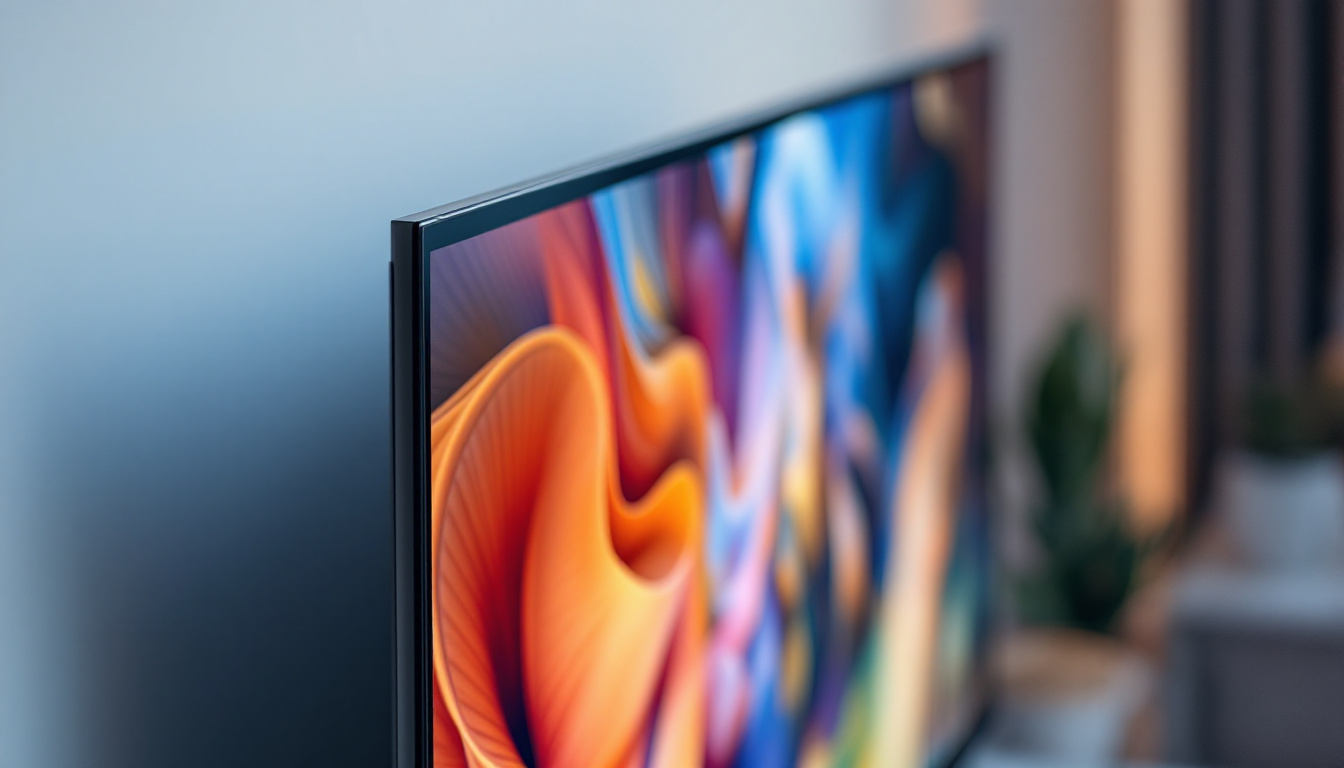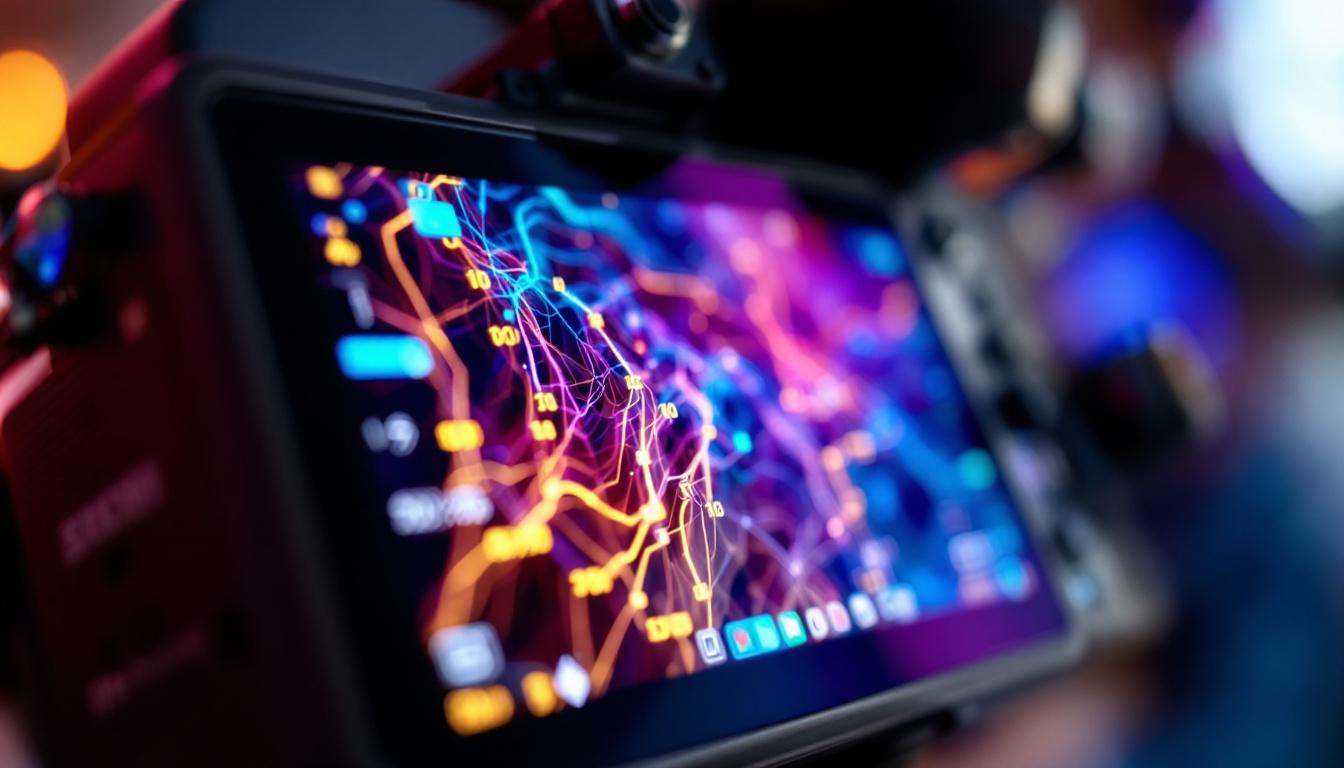
In today’s digital age, the quality and technology of camera displays play a crucial role in photography and videography. Among the various display types, LCD (Liquid Crystal Display) and LED (Light Emitting Diode) displays are often discussed, sometimes interchangeably, yet they have distinct characteristics and applications. This article explores the technology behind LCD camera displays, the role of LED backlighting, and how these components work together to deliver the visual experience users expect from modern cameras.
Understanding LCD Technology in Camera Displays
LCD technology has been a staple in electronic displays for decades, including in cameras. At its core, an LCD consists of liquid crystals sandwiched between two layers of glass or plastic. These crystals do not emit light themselves but manipulate light passing through them to create images.
In camera displays, LCD panels serve as the primary interface for photographers to preview shots, navigate menus, and review images. The liquid crystals align in response to electrical currents, controlling the amount of light that passes through colored filters to form pixels. This process enables the display of detailed images with relatively low power consumption.
One of the key advantages of LCDs is their ability to produce sharp, high-resolution images, which is essential for photographers who rely on accurate previews. However, because LCDs do not emit light, they require a backlight to illuminate the screen, which brings us to the role of LED technology.
LED backlighting has revolutionized the way LCD displays function, providing brighter and more vibrant images than traditional fluorescent backlights. This enhancement is particularly beneficial in outdoor shooting conditions where ambient light can wash out the display. Additionally, advancements in LED technology have led to the development of edge-lit and full-array backlighting, allowing for improved contrast ratios and color accuracy. Photographers can now enjoy a more immersive viewing experience, making it easier to assess exposure, color balance, and composition in real-time.
Another significant aspect of LCD technology in cameras is the evolution of touchscreen interfaces. Many modern cameras incorporate touch-sensitive LCD screens, enabling intuitive navigation and interaction. This feature allows users to tap to focus, swipe through images, and adjust settings with a simple touch, streamlining the photographic process. As touchscreen technology continues to advance, we can expect even more innovative features, such as customizable interfaces and gesture controls, enhancing the overall user experience for both amateur and professional photographers alike.
The Role of LED Backlighting in LCD Camera Displays
While the term “LED display” is often used broadly, many so-called LED displays are actually LCD panels illuminated by LED backlights. In camera LCDs, LEDs serve as the light source behind the liquid crystal layer, providing brightness and enhancing visibility.
LED backlighting offers several benefits over older technologies like CCFL (Cold Cathode Fluorescent Lamp) backlights. LEDs are more energy-efficient, which helps extend battery life in portable devices such as cameras. They also allow for thinner and lighter display designs, contributing to more compact camera bodies.
Another significant advantage is the improved brightness and contrast ratios achievable with LED backlighting. This enhancement is particularly valuable for outdoor photography, where glare and ambient light can make screen visibility challenging. Some advanced camera displays use localized dimming or edge-lit LED arrays to further improve contrast and color accuracy.
Moreover, the color reproduction capabilities of LED backlit displays have significantly advanced, allowing photographers to see more accurate colors when composing their shots. This is especially important for tasks such as color grading and editing, where precision is key. The wider color gamut offered by LED technology means that photographers can trust their displays to reflect true-to-life colors, which is essential for ensuring that the final images match their creative vision.
Types of LED Backlighting in Camera LCDs
There are two primary types of LED backlighting used in LCD camera displays: edge-lit and direct-lit. Edge-lit LEDs are positioned along the edges of the screen, with light guided across the panel using light guides. This method allows for thinner displays but can sometimes lead to uneven brightness.
Direct-lit LED backlighting places LEDs directly behind the LCD panel, providing more uniform illumination and better control over brightness. While this approach typically results in a slightly thicker display, it can offer superior image quality, which is crucial for professional photography equipment. Additionally, some manufacturers have developed hybrid systems that combine both edge-lit and direct-lit technologies, aiming to balance the benefits of thinness with the need for uniform brightness and color accuracy. This innovation reflects the ongoing evolution in display technology, as manufacturers strive to meet the diverse needs of photographers and videographers alike.
Comparing LCD with OLED and Other Display Technologies
In recent years, OLED (Organic Light Emitting Diode) displays have gained popularity in various devices, including smartphones and high-end cameras. Unlike LCDs, OLED panels emit light directly from each pixel, eliminating the need for a backlight. This technology provides deeper blacks, higher contrast ratios, and more vibrant colors. The ability of OLED displays to turn off individual pixels allows for true black levels, which enhances the overall viewing experience, especially in low-light conditions.
However, OLED displays also have some drawbacks, such as higher power consumption when displaying bright images and potential issues with screen burn-in over prolonged use. For camera manufacturers, the choice between LCD with LED backlighting and OLED depends on factors like cost, durability, and the intended use case. Additionally, the longevity of OLED displays can be a concern, as the organic materials used can degrade over time, leading to color shifts and reduced brightness.
Many mid-range and entry-level cameras continue to use LCDs with LED backlighting due to their balance of performance, cost-efficiency, and battery life. These LCDs are often more resistant to burn-in and can provide adequate performance for casual photographers. Professional-grade cameras sometimes incorporate OLED displays for their superior image quality, especially in electronic viewfinders. The choice of display technology can also influence the ergonomics of the camera, as OLED screens tend to be thinner and lighter, allowing for sleeker designs.
Moreover, the advancements in display technology have led to the emergence of other options, such as Mini-LED and MicroLED. Mini-LED technology uses thousands of tiny LEDs for backlighting, providing improved contrast and brightness over traditional LCDs, while MicroLED offers the benefits of OLED without the burn-in risk, as it utilizes inorganic materials. As these technologies evolve, they may further blur the lines between LCD and OLED, offering consumers even more choices tailored to their specific needs and preferences.
Key Factors Affecting LCD Camera Display Performance
Several technical aspects influence the performance and user experience of LCD camera displays. Understanding these factors can help photographers make informed decisions when selecting equipment.
Resolution and Pixel Density
The resolution of an LCD display determines how many pixels it contains, directly impacting image sharpness. Higher pixel density allows for more detailed previews, which is vital when focusing and composing shots. Modern camera LCDs often feature resolutions ranging from 1 million to over 2 million dots, providing clear and crisp imagery.
Brightness and Contrast Ratio
Brightness, measured in nits, affects how well the display is visible under various lighting conditions. Cameras used outdoors benefit from LCDs with high brightness levels (often 600 nits or more) to combat sunlight glare. Contrast ratio, the difference between the darkest and brightest parts of the display, influences image depth and color accuracy.
Color Accuracy and Gamut
Accurate color reproduction is essential for photographers who rely on the LCD for critical image assessment. Displays with wide color gamuts, such as those covering 100% of the sRGB or Adobe RGB spectrum, provide more faithful color representation. Calibration and quality of the LCD panel also play significant roles in color fidelity.
Viewing Angles
Since photographers often view their camera displays from various angles, wide viewing angles are important to maintain consistent image quality. IPS (In-Plane Switching) LCD panels are commonly used in cameras to provide better viewing angles and color consistency compared to older TN (Twisted Nematic) panels.
Practical Implications for Photographers and Videographers
Understanding the nuances of LCD and LED display technology can significantly impact the workflow and satisfaction of photographers and videographers. A high-quality LCD display with efficient LED backlighting enhances the ability to compose shots accurately, check focus, and evaluate exposure settings in real time.
For professionals working in challenging lighting environments, such as bright outdoor scenes or dim indoor settings, the display’s brightness and contrast capabilities can make the difference between a successful shoot and missed opportunities. Additionally, accurate color representation on the LCD helps reduce reliance on external monitors during post-processing.
Battery life is another practical consideration. Cameras with energy-efficient LED-backlit LCDs allow longer shooting sessions without frequent recharging, which is particularly beneficial for travel and event photography.
Future Trends in Camera Display Technology
As display technology continues to evolve, camera manufacturers are exploring innovations to enhance user experience. Mini-LED and Micro-LED backlighting technologies promise even greater brightness, contrast, and energy efficiency, potentially surpassing current LED-backlit LCDs.
Flexible and foldable displays are also emerging, offering new form factors for cameras, such as adjustable touchscreens that improve ergonomics and usability. Integration of touch sensitivity and higher refresh rates further enhances interaction and responsiveness.
Moreover, advancements in OLED technology, including improved longevity and reduced burn-in risks, may lead to broader adoption in camera displays, especially in professional models where image quality is paramount.
Conclusion
The LCD camera display, illuminated by LED backlighting, remains a foundational technology in modern photography equipment. Its ability to deliver sharp, bright, and color-accurate images in a compact and energy-efficient package makes it well-suited for a wide range of users, from hobbyists to professionals.
While alternative technologies like OLED offer compelling advantages, LCDs with LED backlighting continue to evolve, incorporating improvements in resolution, brightness, and color fidelity. Understanding these technologies helps photographers select the right equipment and optimize their shooting experience.
As the industry progresses, emerging display innovations promise to further enhance camera usability and image preview quality, ensuring that photographers have the tools they need to capture their creative vision with precision and confidence.
Discover LumenMatrix’s Advanced LED Display Solutions
As you seek to elevate your photography and videography with the best display technology, consider the innovative solutions from LumenMatrix. With a commitment to enhancing visual experiences, LumenMatrix offers a range of LED display modules, from Indoor and Outdoor LED Walls to specialized options like Vehicle, Sports, and Floor LED Displays. Whether you’re looking to create dynamic visual content or showcase your work with unparalleled clarity, LumenMatrix’s cutting-edge displays are designed to captivate and engage. Check out LumenMatrix LED Display Solutions today and see how they can transform your visual storytelling.