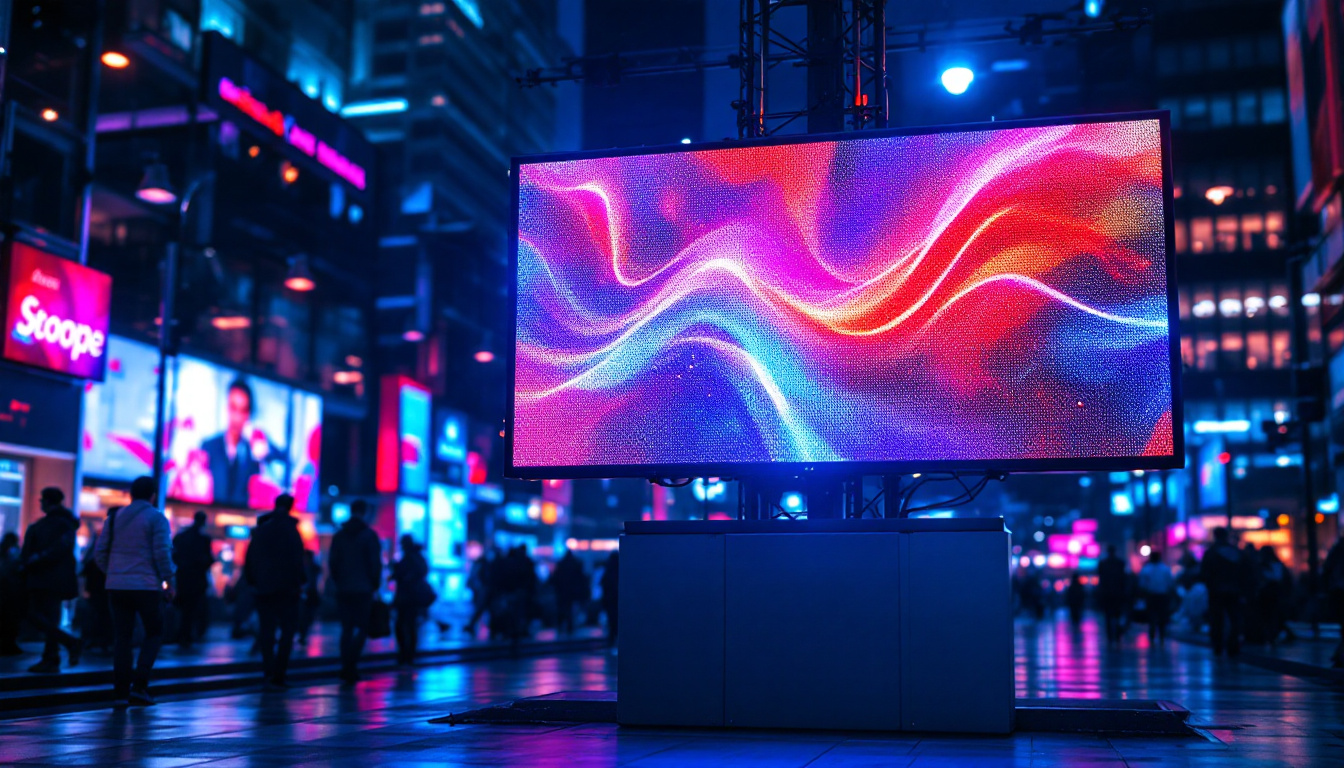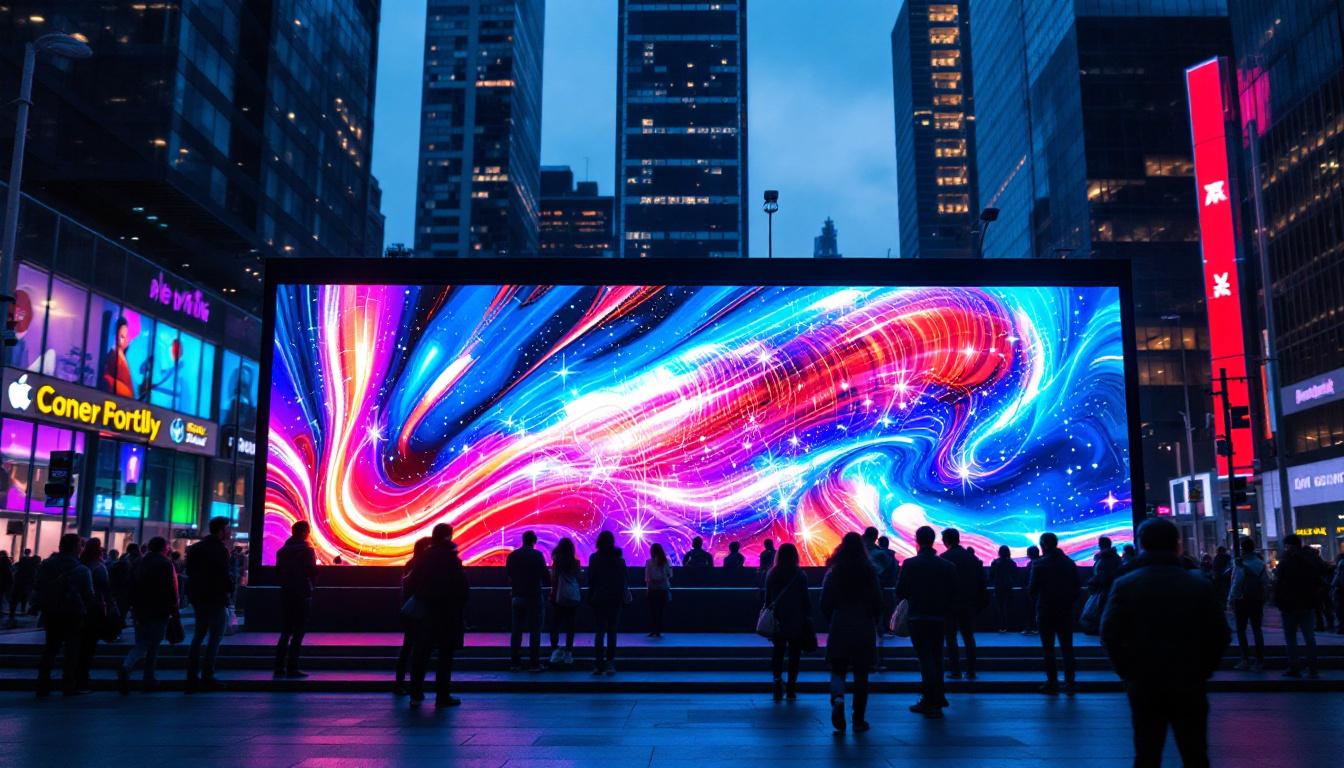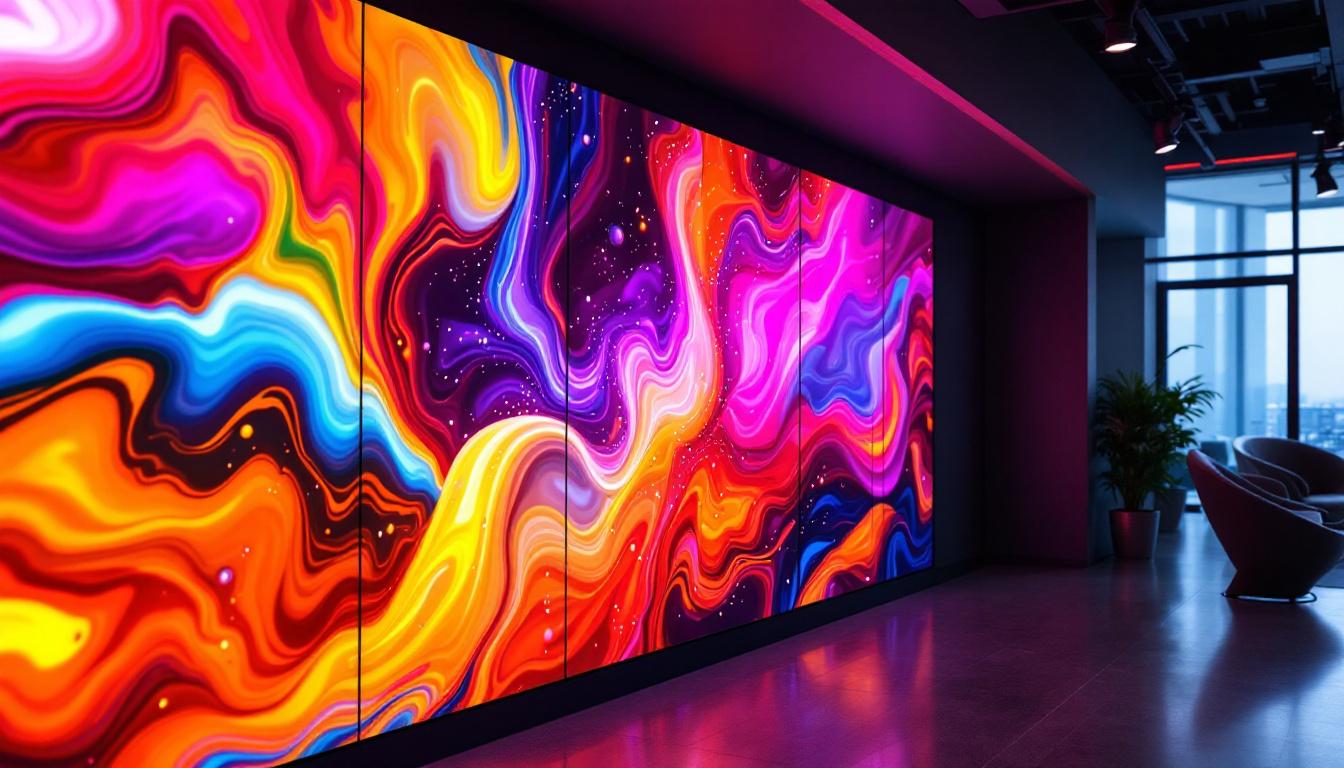
In today’s digital age, visual communication plays a pivotal role in capturing attention and conveying messages effectively. Among the most striking and impactful display technologies available, seamless video walls utilizing LED displays stand out for their brilliance, versatility, and scalability. From corporate lobbies and control rooms to retail environments and entertainment venues, these video walls transform spaces and experiences by delivering immersive, high-resolution visuals without interruption.
Understanding Seamless Video Walls
At its core, a seamless video wall is a large-scale display composed of multiple smaller screens or panels arranged to function as one continuous screen. The term “seamless” refers to the minimal or nearly invisible bezels—the borders around each individual panel—allowing the entire display to appear as a single, unified image. This uninterrupted visual surface is essential for applications requiring detailed, expansive content presentation. Whether used in retail environments to showcase products, in control rooms for monitoring critical data, or in entertainment venues for immersive experiences, seamless video walls create a striking visual impact that captivates audiences.
Traditional video walls often suffered from visible seams or gaps between panels, which could distract viewers and degrade the overall image quality. Advances in LED technology have largely overcome these limitations, enabling ultra-thin bezels and precise calibration to create truly seamless experiences. The evolution of video wall technology has also led to enhanced image processing capabilities, allowing for dynamic content that can adapt in real-time to various viewing conditions and audience needs. This flexibility is crucial in environments where information is constantly changing, such as newsrooms or live event venues.
What Makes LED Ideal for Video Walls?
Light Emitting Diode (LED) technology has become the preferred choice for video walls due to several key advantages. LEDs are self-emissive, meaning each pixel produces its own light, eliminating the need for backlighting found in LCD screens. This results in higher contrast ratios, deeper blacks, and vibrant colors that remain consistent even in bright ambient lighting conditions. The ability to maintain color accuracy and brightness across the entire display is particularly important for applications such as digital signage, where brand consistency and visual appeal are paramount.
Additionally, LED panels offer superior brightness levels, often exceeding 1,000 nits, making them suitable for both indoor and outdoor environments. Their modular design allows for flexible configurations, from small-scale installations to massive displays spanning hundreds of square feet. Furthermore, LEDs have a longer lifespan and lower power consumption compared to other display technologies, contributing to reduced operational costs. The durability of LED panels also means they can withstand harsh conditions, making them ideal for outdoor advertising or events. As technology continues to advance, features such as enhanced color calibration and integrated software solutions are further improving the functionality and versatility of LED video walls, ensuring they remain at the forefront of visual display innovation.
Technical Components of Seamless LED Video Walls
To appreciate the sophistication behind seamless LED video walls, it’s important to understand the key technical components that make them function effectively.
1. LED Modules and Pixel Pitch
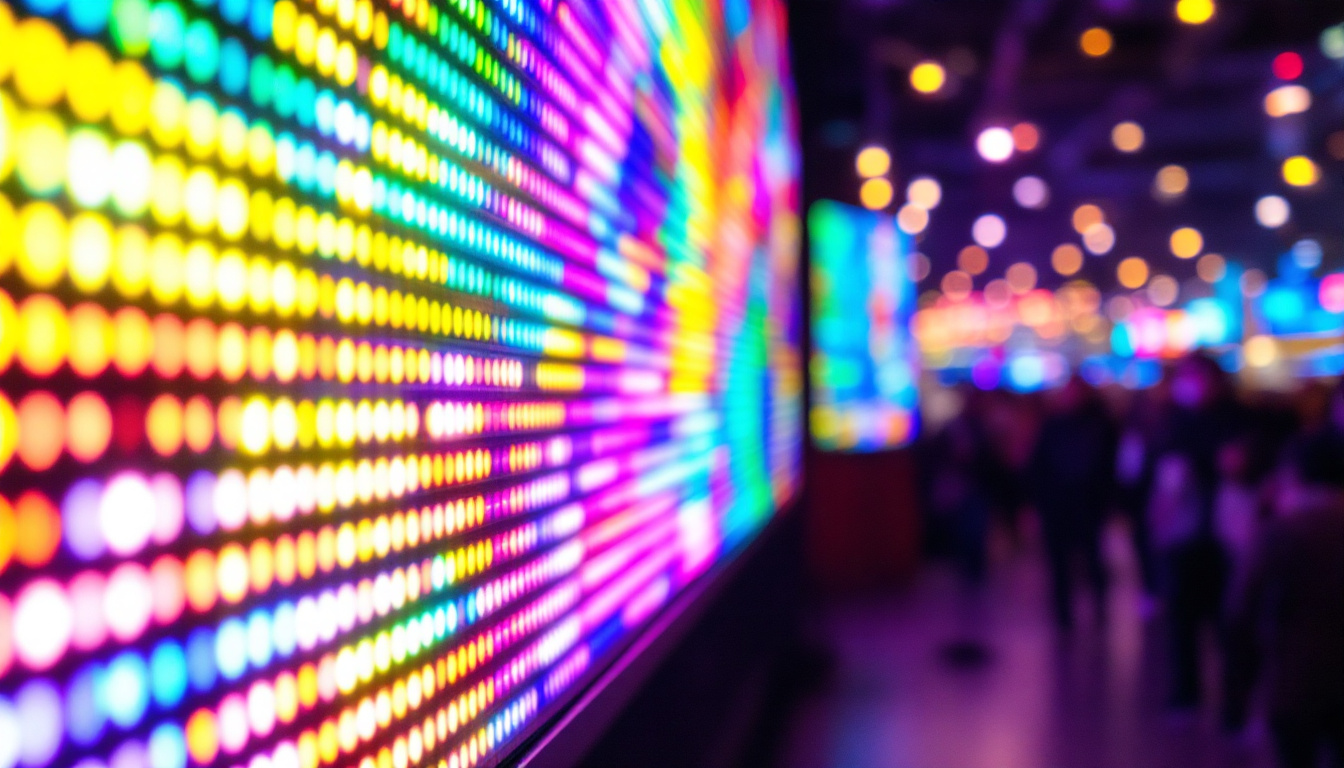
LED modules are the fundamental building blocks of a video wall. Each module contains an array of LEDs arranged in a grid pattern, representing individual pixels. The pixel pitch, measured in millimeters, indicates the distance between the centers of two adjacent pixels. A smaller pixel pitch means higher pixel density, resulting in sharper images and finer detail.
For example, a pixel pitch of 1.2mm is typical for close viewing distances such as control rooms or broadcast studios, whereas a pitch of 4mm or higher is suitable for larger venues where viewers are farther away. Selecting the appropriate pixel pitch is critical to balancing image quality with cost and installation requirements. Additionally, advancements in LED technology have led to the development of micro-LEDs, which can further enhance image quality by providing better contrast ratios and color accuracy, making them an exciting option for future installations.
2. Cabinet Design and Bezel Width
LED cabinets house the modules and provide structural support. The design of these cabinets influences the overall bezel width—the physical gap between adjacent modules. Manufacturers have made significant strides in reducing bezel size, with some high-end models achieving bezel widths as narrow as 0.9mm. This ultra-thin bezel is essential for creating a seamless visual experience.
Moreover, cabinet rigidity and alignment mechanisms ensure that modules fit together precisely, preventing misalignment that could disrupt the image continuity. The materials used in cabinet construction also play a crucial role; lightweight yet durable materials help in reducing the overall weight of the installation, making it easier to mount and maintain. Furthermore, some cabinets are designed with ventilation systems to manage heat dissipation, which is vital for maintaining optimal performance and longevity of the LED modules.
3. Processing and Calibration Systems
Video walls require advanced processing hardware and software to manage the input signals, scale content appropriately, and synchronize the display across all modules. Video processors handle tasks such as image scaling, color correction, and edge blending to maintain uniformity.
Calibration tools are used during installation and maintenance to adjust brightness, color temperature, and gamma levels across the entire video wall, ensuring consistent image quality. Regular calibration is especially important for large installations to compensate for LED aging and environmental factors. In addition to standard calibration, some systems now incorporate artificial intelligence to optimize image quality dynamically based on real-time analysis of the displayed content. This innovation allows for an even more immersive viewing experience, as the video wall can adapt to varying lighting conditions and content types, ensuring that the visuals remain striking and engaging at all times.
Applications and Benefits of Seamless LED Video Walls
The versatility and visual impact of seamless LED video walls have led to widespread adoption across various industries. Their ability to deliver dynamic, high-quality content makes them invaluable tools for communication, advertising, entertainment, and operational monitoring.
Corporate and Public Spaces
In corporate environments, LED video walls are often installed in lobbies, conference rooms, and auditoriums to showcase branding, presentations, and live data feeds. Their impressive scale and clarity create memorable first impressions and facilitate effective communication.
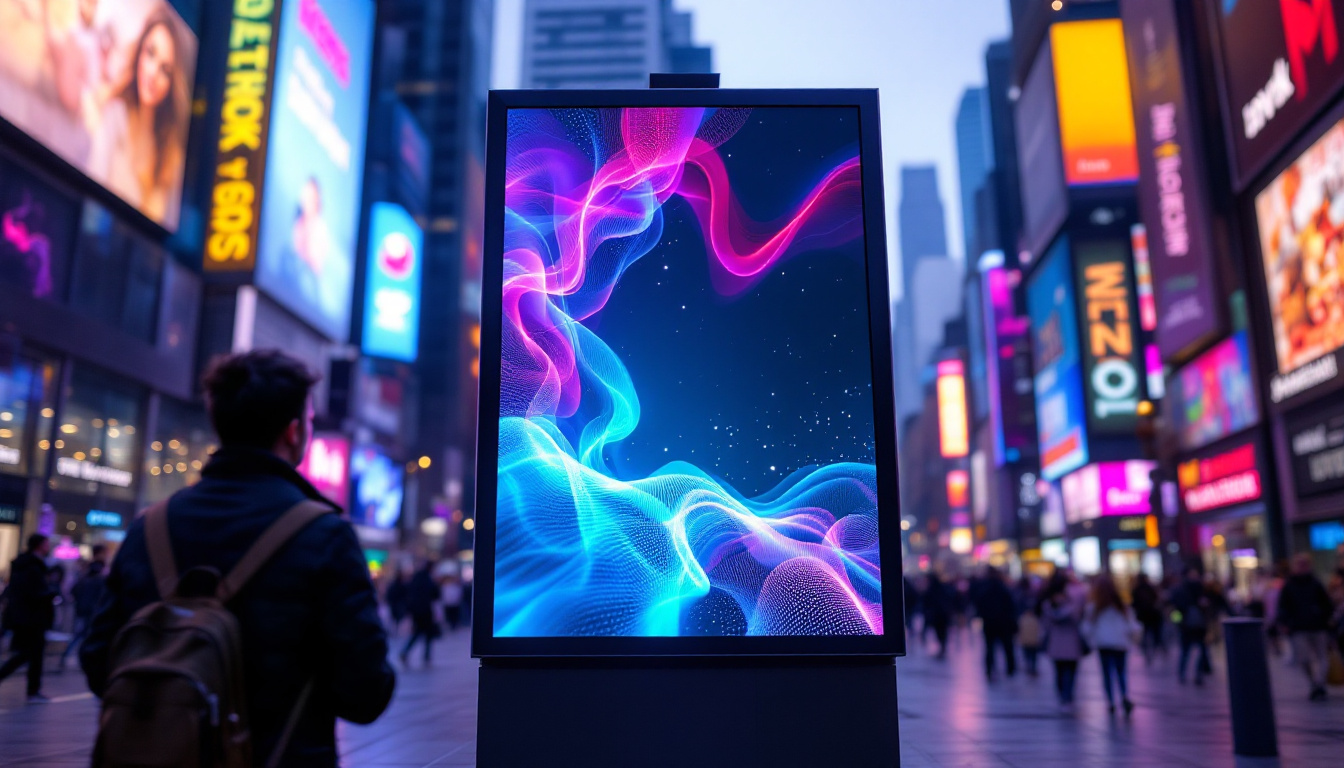
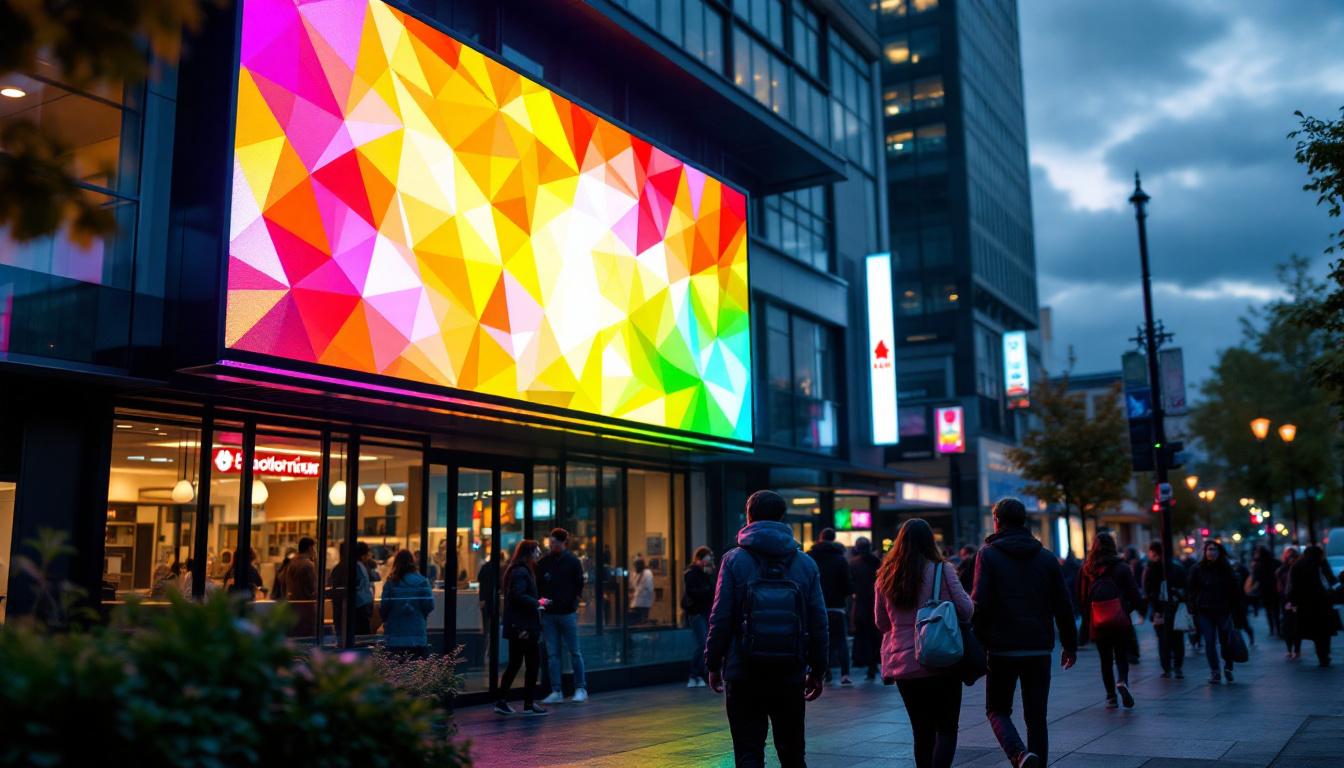
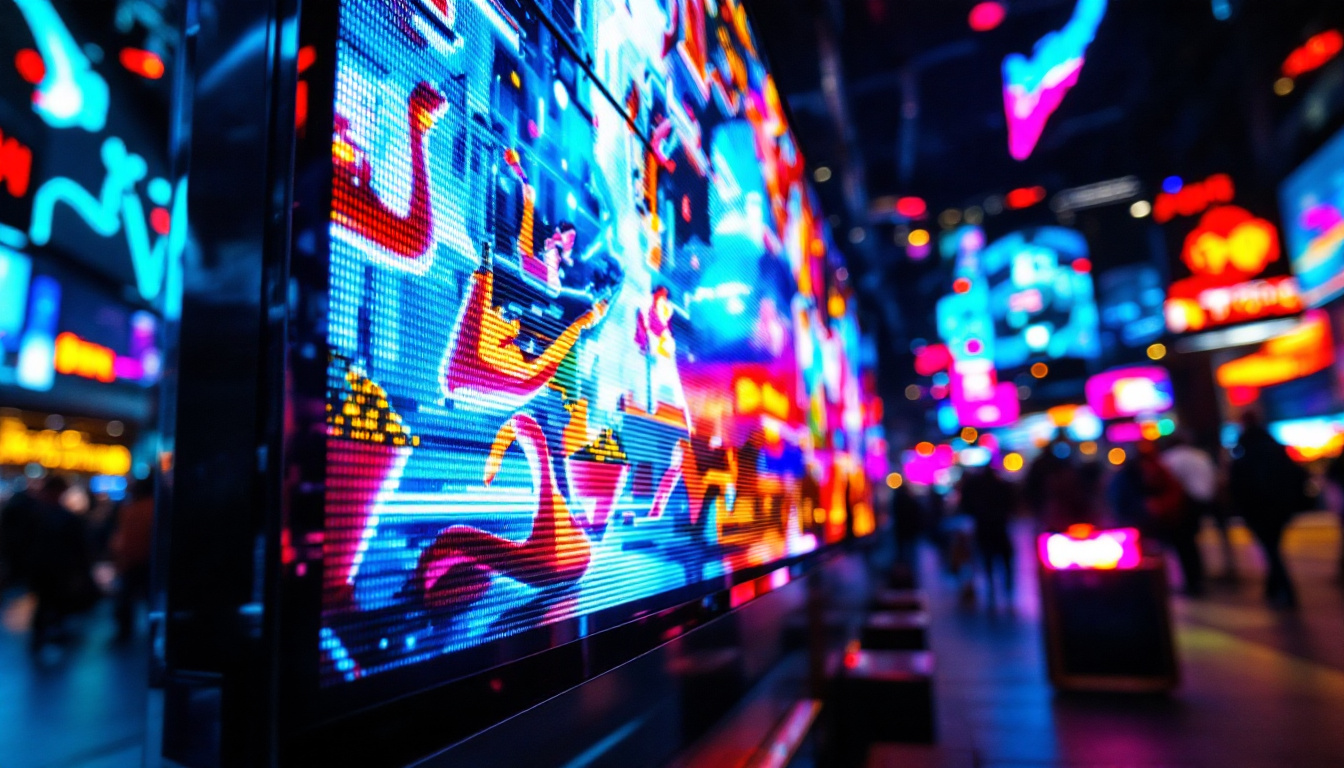
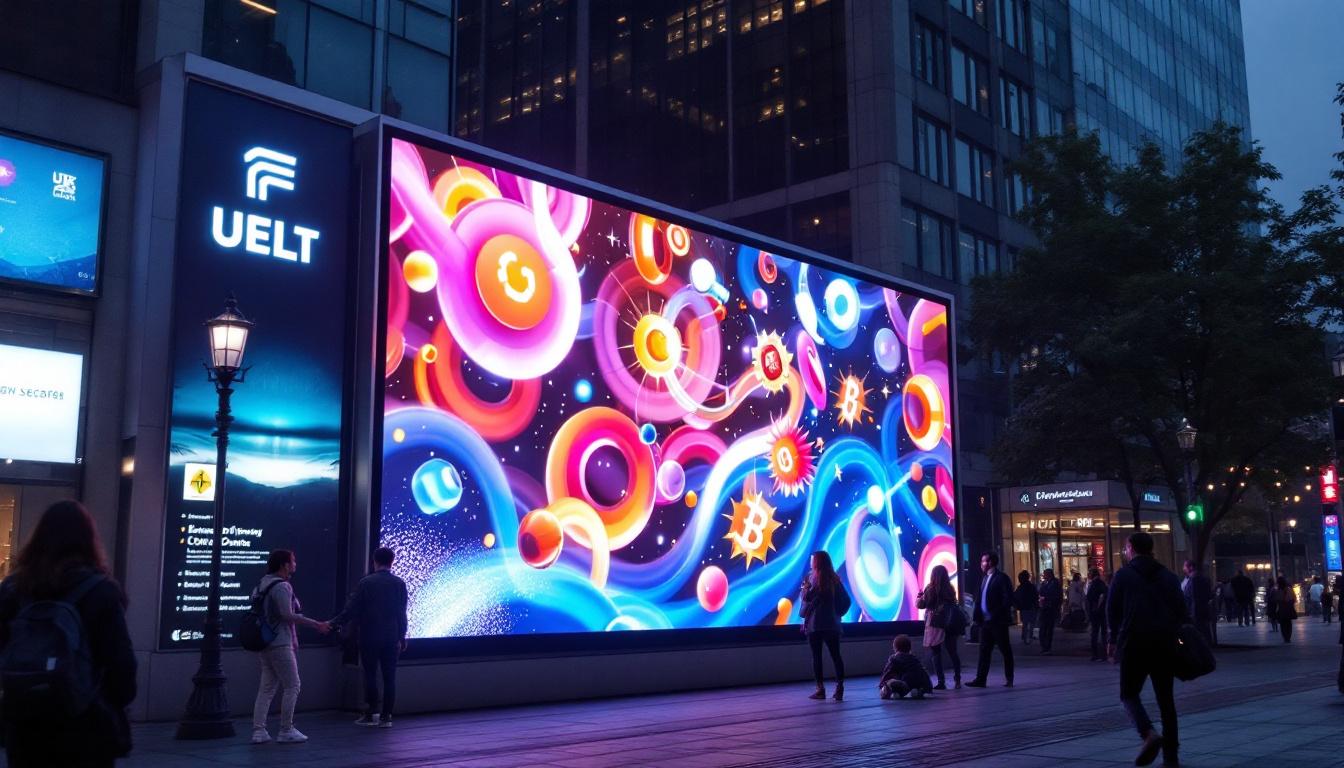
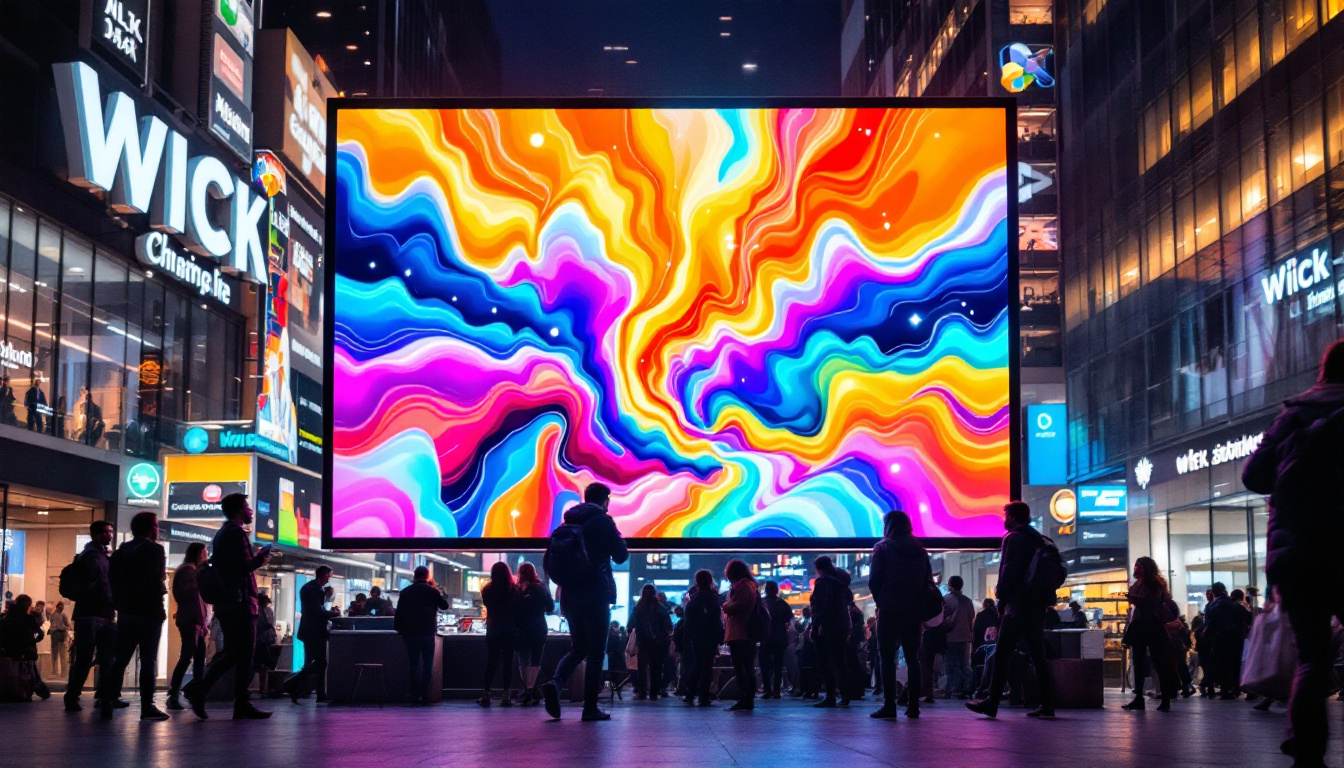
Public spaces such as airports, train stations, and shopping malls use these displays for wayfinding, real-time information, and advertising. The high brightness and seamless design ensure visibility even in challenging lighting conditions.
Broadcast and Control Rooms
Broadcast studios rely on seamless LED video walls to create visually engaging backgrounds and dynamic sets. The ability to display multiple content sources simultaneously with perfect image uniformity enhances production quality.
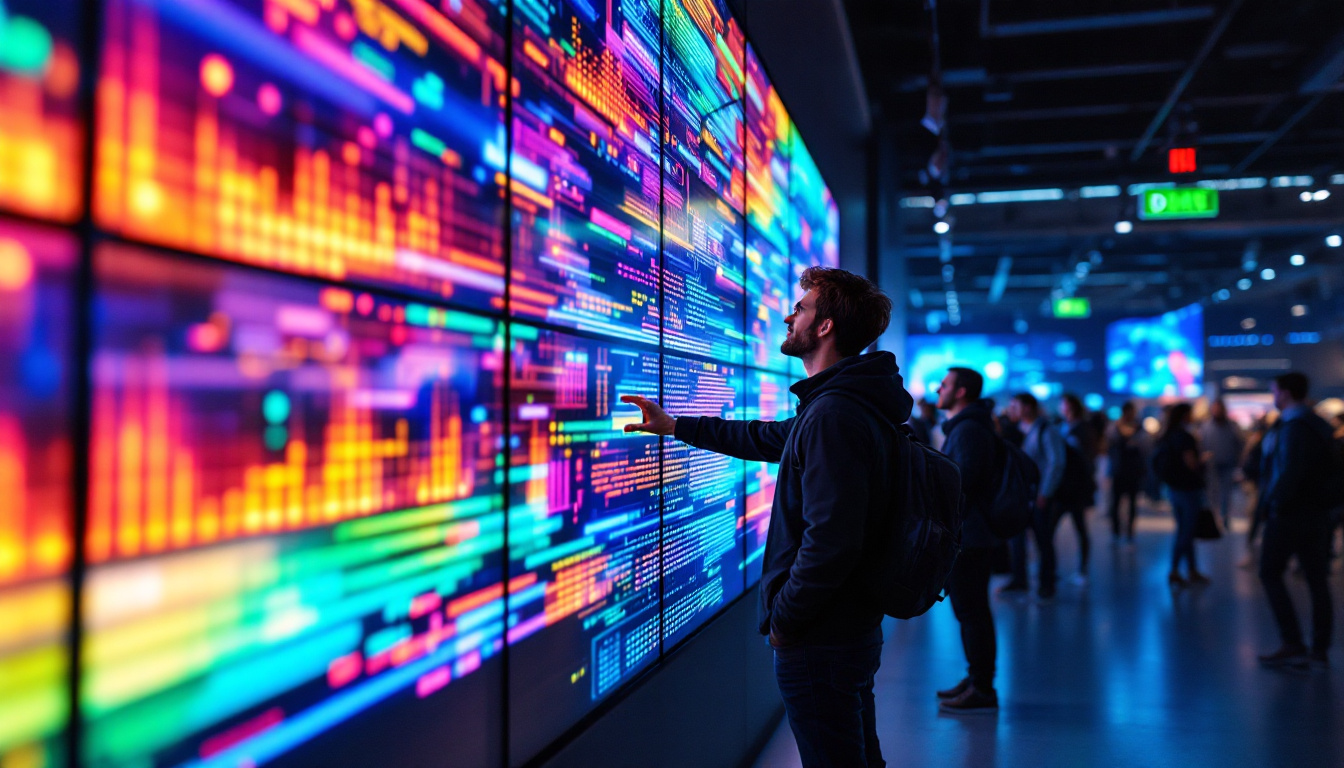
Control rooms in sectors like transportation, utilities, and security benefit from video walls for real-time monitoring of critical systems. The large, uninterrupted display area allows operators to view complex data streams and respond quickly to events.
Entertainment and Events
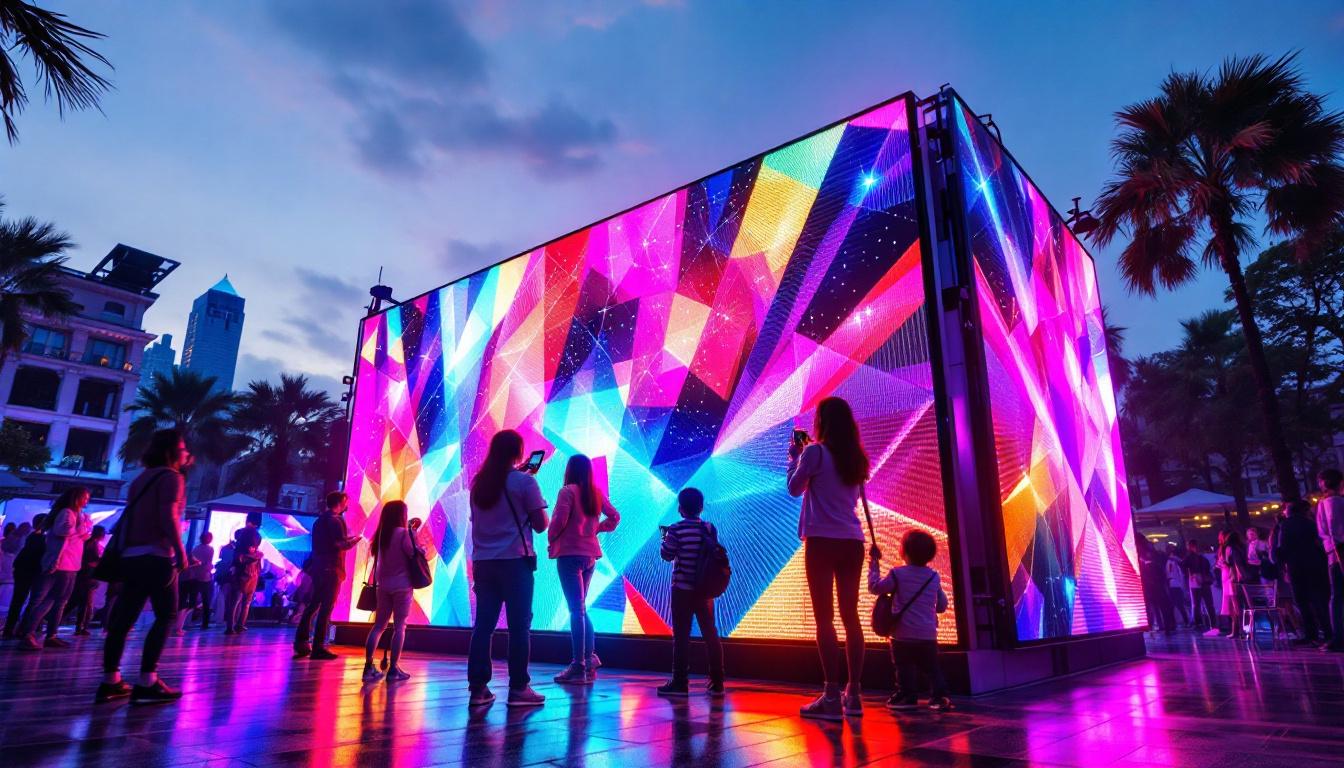
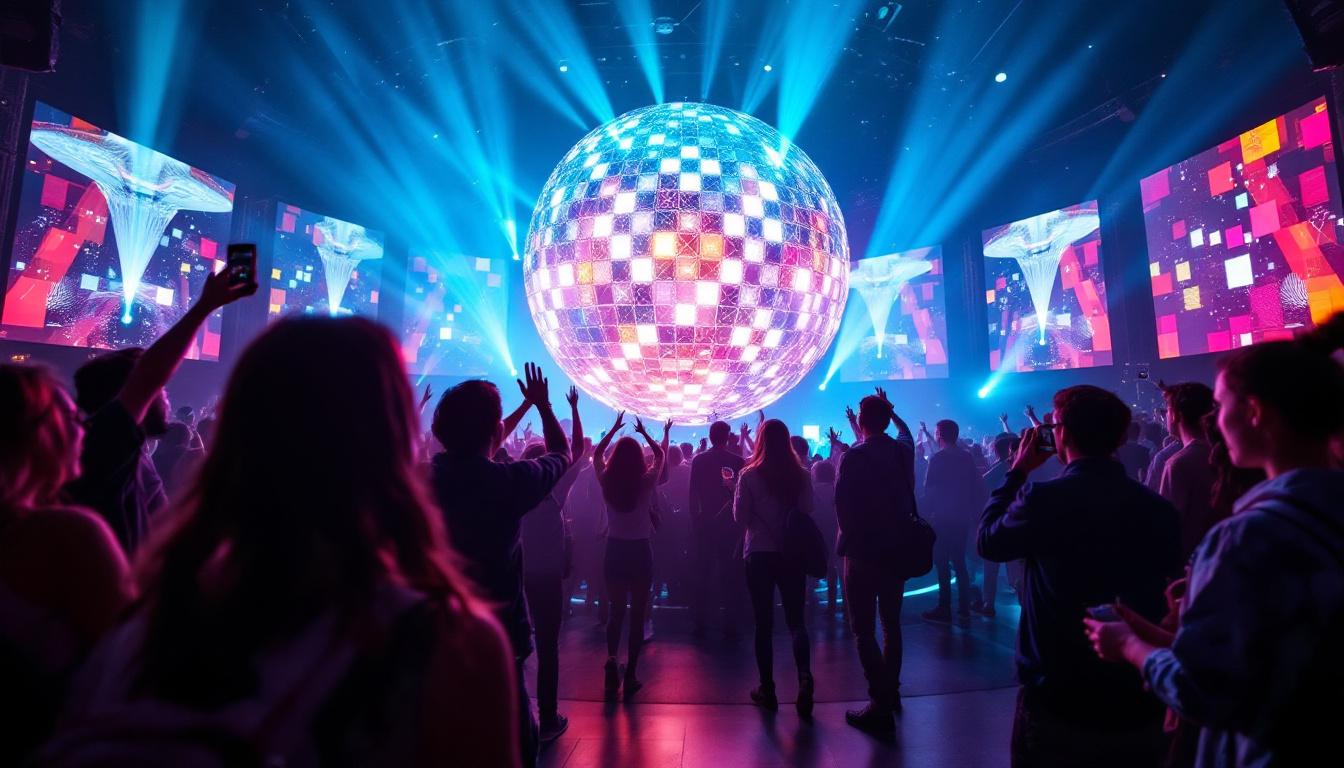
Concerts, sports arenas, and theaters leverage LED video walls to deliver immersive experiences to audiences. The flexibility to customize shapes and sizes enables creative stage designs and spectacular visual effects.
Event organizers appreciate the portability and scalability of LED video walls, which can be assembled and disassembled rapidly for touring shows and exhibitions.
Installation Considerations and Challenges
While seamless LED video walls offer numerous advantages, their installation and maintenance require careful planning and expertise.
Structural and Environmental Factors
Video walls, especially large-scale installations, demand robust structural support to bear the weight of cabinets and associated hardware. Wall mounting, rigging, or freestanding frameworks must comply with safety standards and building codes.
Environmental conditions such as temperature, humidity, and exposure to sunlight influence the choice of LED modules and protective measures. Outdoor installations require weatherproof enclosures and anti-glare coatings to maintain performance and longevity.
Power and Connectivity
LED video walls consume significant power, necessitating appropriate electrical infrastructure and backup solutions to ensure uninterrupted operation. Efficient cable management and signal distribution systems are also critical to maintain signal integrity and reduce downtime.
Cost Implications
Initial investment in seamless LED video walls can be substantial, factoring in hardware, installation, and calibration. However, the long-term benefits such as durability, energy efficiency, and enhanced engagement often justify the expenditure. Leasing and financing options are increasingly available to mitigate upfront costs.
Future Trends in Seamless LED Video Walls
The LED video wall industry continues to evolve rapidly, driven by technological innovation and growing demand for immersive visual solutions.
MicroLED and MiniLED Technologies
Emerging MicroLED and MiniLED technologies promise even finer pixel pitches and improved energy efficiency. MicroLEDs, in particular, offer the potential for displays with unmatched brightness, contrast, and lifespan, pushing the boundaries of seamless video wall performance.
Flexible and Curved Displays
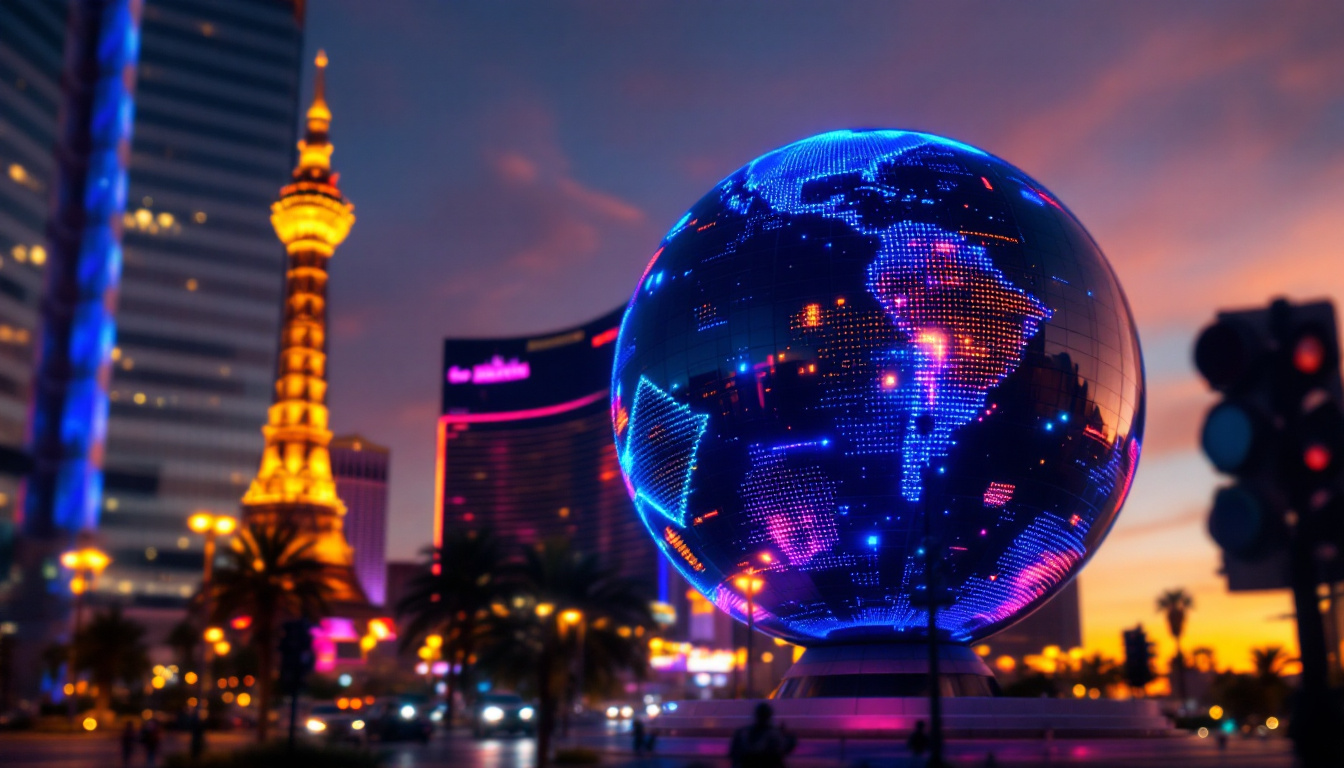
Advancements in flexible LED panels enable curved and irregularly shaped video walls that conform to architectural features. This opens new creative possibilities for designers and architects seeking to integrate displays seamlessly into environments.
AI-Driven Content and Management
Artificial intelligence is being integrated into video wall management systems to optimize content delivery, automate calibration, and analyze viewer engagement. These smart capabilities enhance operational efficiency and tailor visual experiences in real-time.
Conclusion
Seamless LED video walls represent a pinnacle of modern display technology, combining technical sophistication with aesthetic appeal. Their ability to deliver uninterrupted, vibrant visuals across vast surfaces makes them indispensable in a wide range of applications—from corporate branding and public information to entertainment and control operations.
Understanding the components, benefits, and installation considerations of LED video walls empowers businesses and organizations to make informed decisions that maximize impact and return on investment. As technology advances, seamless video walls will continue to redefine how visual content is experienced, captivating audiences with clarity and scale like never before.
Discover the Future of Visual Display with LumenMatrix
Ready to elevate your space with the unparalleled clarity and scale of seamless LED video walls? LumenMatrix is at the forefront of LED display innovation, offering a diverse range of solutions tailored to your unique needs. From Indoor and Outdoor LED Wall Displays to specialized options like Vehicle, Sports, and Floor LED Displays, our products are designed to captivate and engage. Experience the revolution in visual communication with our Custom, All-in-One, and Transparent LED Displays. Check out LumenMatrix LED Display Solutions today and transform your message into an unforgettable visual journey.