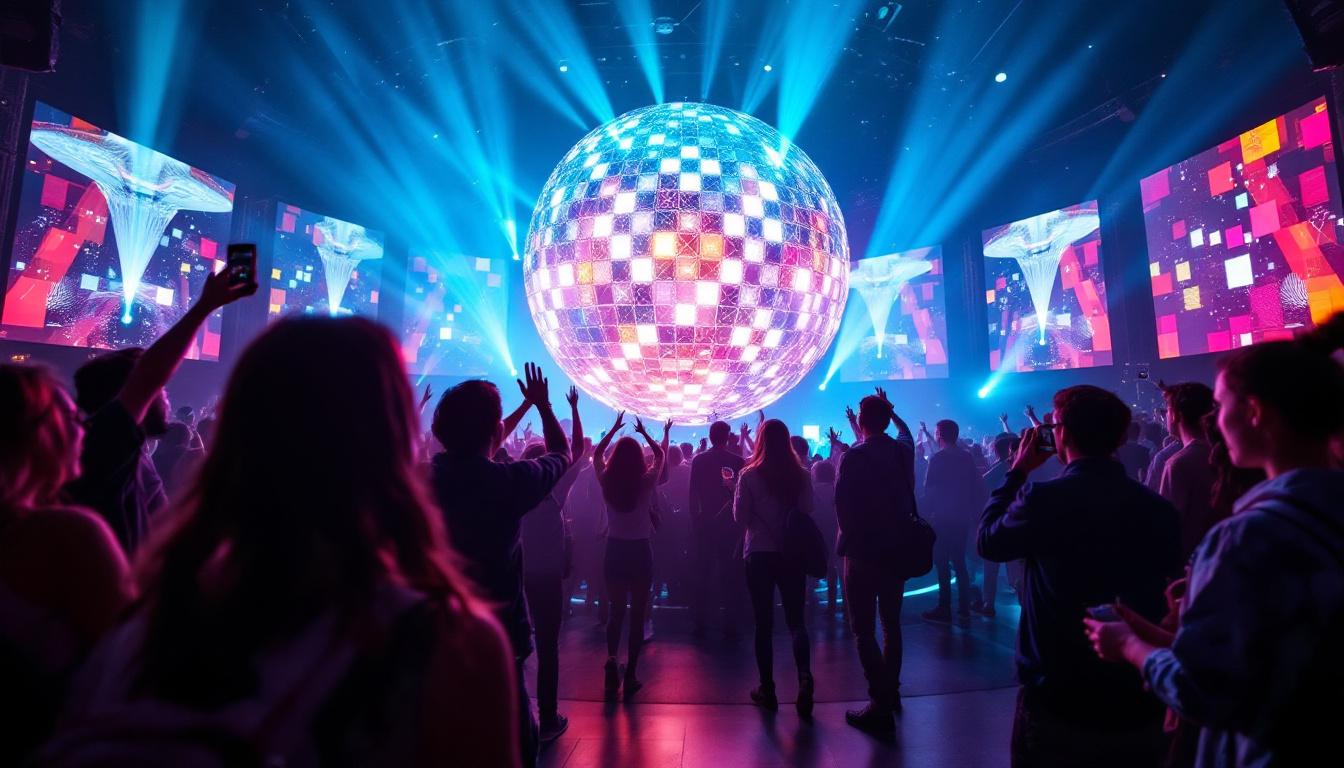
In the realm of modern display technology, spherical LED screens stand out as a fascinating innovation that combines cutting-edge engineering with immersive visual experiences. Unlike traditional flat or curved LED displays, spherical screens offer a 360-degree viewing surface, captivating audiences in ways previously unimaginable. This article delves into the technology behind spherical LED displays, their applications, advantages, and the future potential of this emerging medium.
Understanding Spherical LED Display Technology
What Is a Spherical LED Screen?
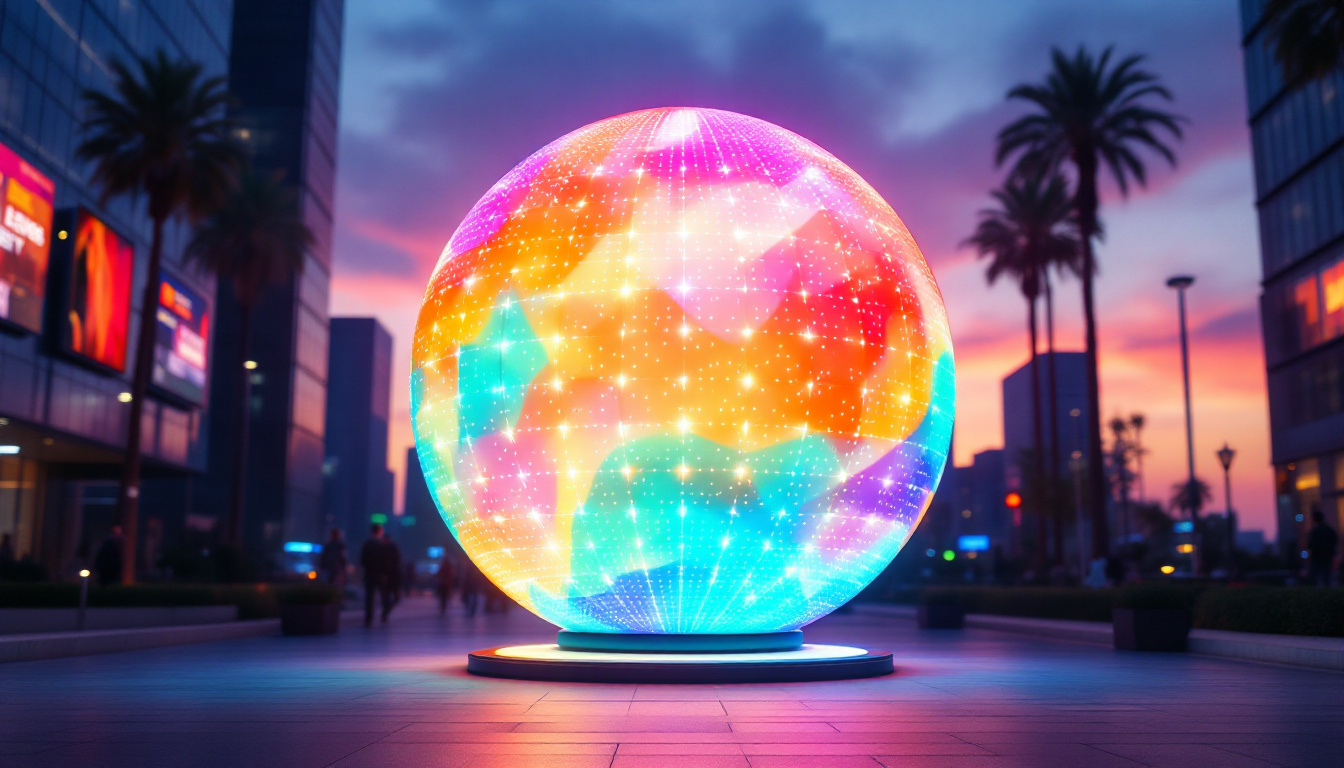
A spherical LED screen is a type of display that wraps LED modules around a spherical frame, creating a globe-like digital canvas. This design allows visuals to be viewed from virtually any angle, providing a fully immersive experience. Unlike conventional flat screens, which limit viewing to a single plane, spherical LED displays offer a panoramic perspective that can engage audiences in public spaces, exhibitions, and entertainment venues.
These displays are composed of numerous small LED modules, each containing multiple light-emitting diodes arranged in a matrix. The modules are carefully engineered and mounted to conform to the curvature of the sphere, ensuring seamless image continuity without distortion. The result is a high-resolution, vibrant display capable of rendering dynamic content that wraps around the entire sphere. The versatility of spherical LED screens makes them ideal for a variety of applications, from art installations to advertising, where capturing the viewer’s attention is paramount.
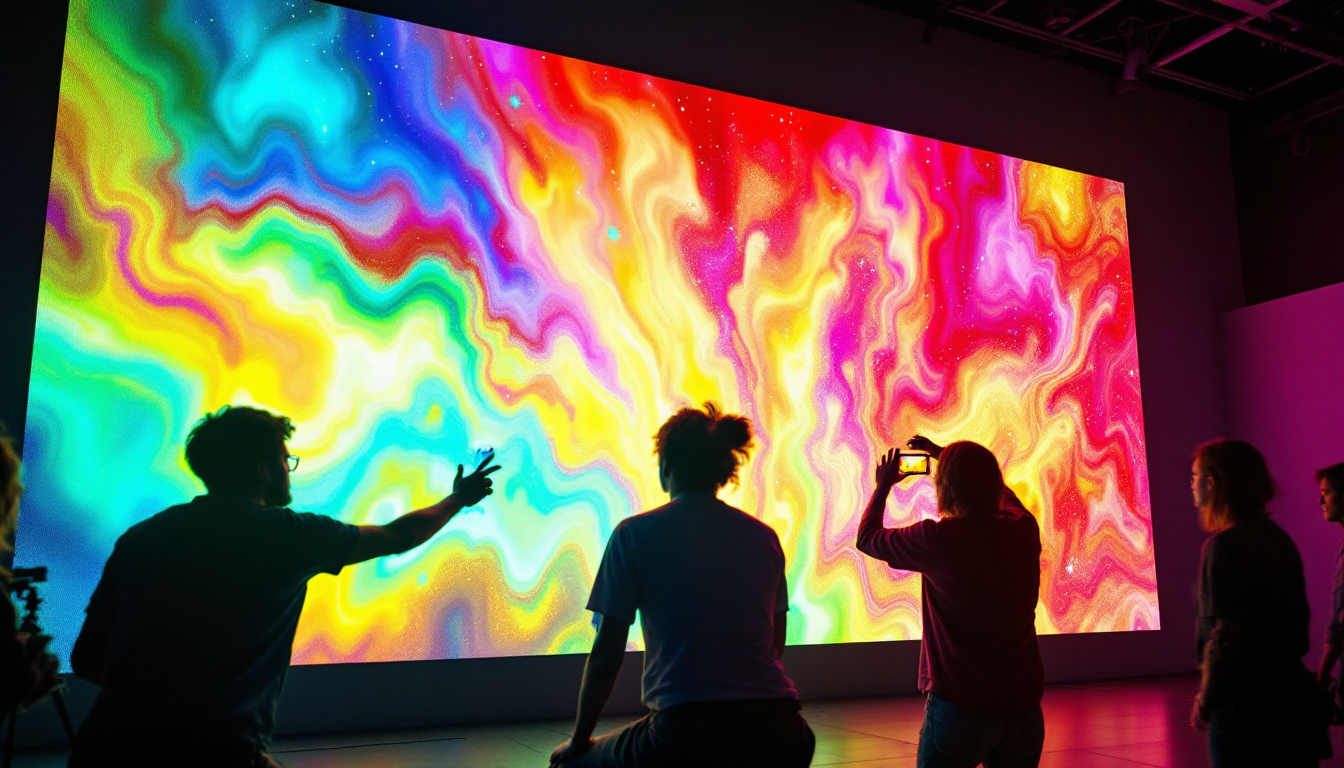
In addition to their aesthetic appeal, spherical LED displays can be programmed to create interactive experiences. By integrating sensors and touch technology, these displays can respond to viewer movements or inputs, allowing for a personalized interaction that enhances engagement. This capability is particularly effective in museums or trade shows, where visitors can explore content in a more meaningful way, making the experience memorable and informative.
Technical Components and Challenges
Creating a spherical LED display involves overcoming several technical challenges. The primary components include LED modules, a spherical frame, control systems, and software for content management and image mapping.
One of the key challenges is pixel mapping. Since the display surface is curved, traditional rectangular pixel grids must be transformed to fit the spherical geometry. Advanced software algorithms handle this by warping and adjusting the content so that images appear natural and undistorted when viewed on the sphere. This process, known as spherical mapping or UV mapping, is crucial for maintaining image fidelity. The complexity of this mapping increases with the resolution of the display, as higher pixel density demands more precise adjustments to ensure that every detail is accurately represented.
Another consideration is the physical assembly. The spherical frame must be lightweight yet sturdy enough to support the LED modules while allowing for ventilation to prevent overheating. Manufacturers often use materials like aluminum or carbon fiber composites to balance strength and weight. Additionally, ensuring uniform brightness and color calibration across the curved surface requires meticulous engineering and quality control. This involves not only the initial setup but also ongoing maintenance to address any discrepancies that may arise over time, ensuring that the display continues to perform at its best. Furthermore, the integration of advanced cooling systems may be necessary to manage heat generated by the densely packed LED modules, especially in larger installations where thermal management becomes a critical factor in maintaining performance and longevity.
Applications of Spherical LED Displays
Public Art and Advertising
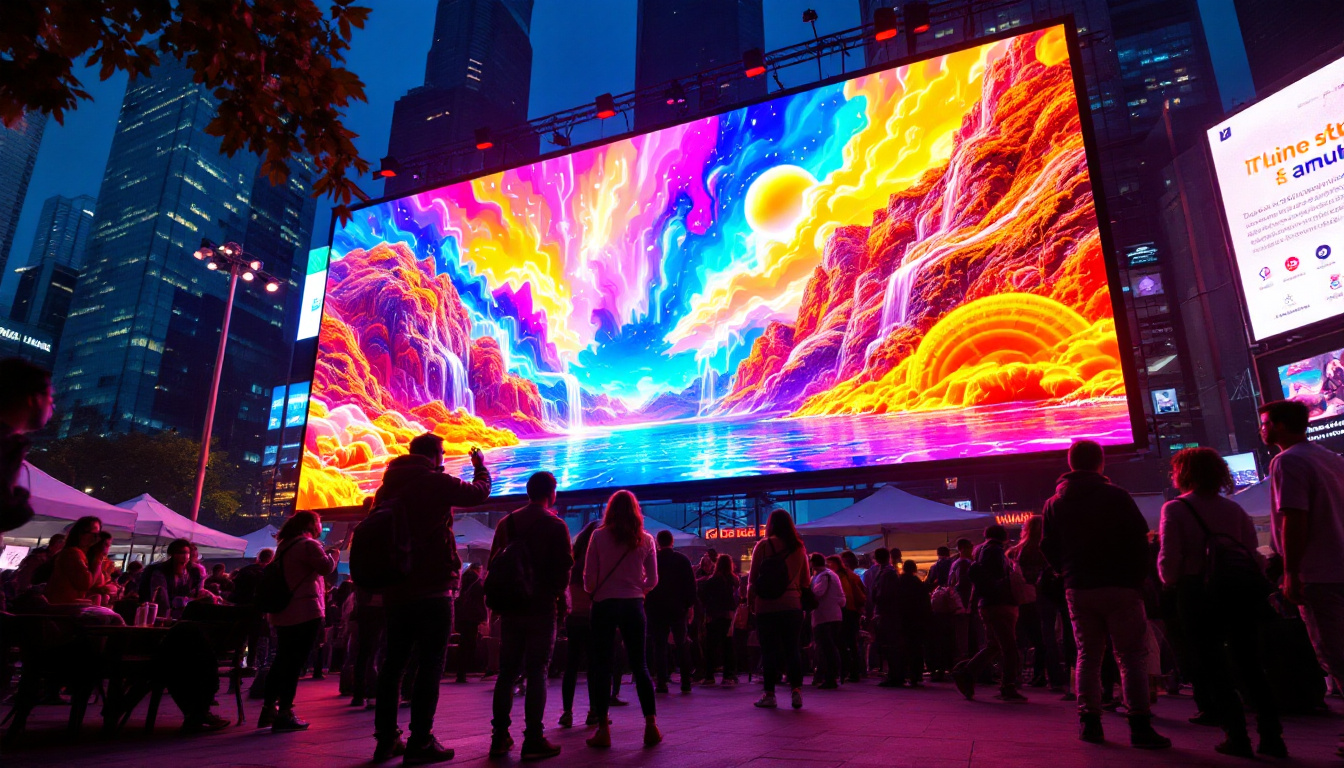
Spherical LED displays have found a niche in public art installations and advertising campaigns. Their eye-catching shape and dynamic visuals make them ideal for grabbing attention in busy urban environments such as shopping malls, airports, and city squares.
For example, in 2022, a major retail center in Tokyo installed a 3-meter diameter spherical LED display suspended in its central atrium. The display showcased interactive advertisements and artistic visuals, increasing foot traffic by 18% within the first three months. The sphere’s ability to display content visible from all angles made it a focal point for visitors, enhancing brand engagement.
In addition to retail spaces, spherical LED displays have also been embraced by public art initiatives. Artists are experimenting with these installations to create immersive experiences that invite viewer interaction. One notable project involved a spherical display that transformed a city park into a canvas for digital art, where local artists could project their work, allowing for a rotating exhibition that changed weekly. This innovative use of technology not only beautified the space but also fostered community involvement and appreciation for local talent.
Entertainment and Events
In the entertainment industry, spherical LED screens are used in concerts, exhibitions, and immersive theater productions. They provide a unique way to envelop audiences in visual storytelling. For instance, music festivals have incorporated spherical LED displays as stage elements, projecting live visuals that synchronize with performances, creating a multi-sensory experience.
Moreover, museums and science centers utilize spherical displays to present astronomical data, globe simulations, and interactive educational content. The spherical form naturally complements globes and planetary models, making complex information more accessible and engaging.
Additionally, the versatility of spherical LED displays allows for innovative applications in virtual reality experiences. For example, a recent exhibition featured a spherical display that transported visitors into a 360-degree simulation of outer space, complete with soundscapes and interactive elements. This not only captivated audiences but also provided a platform for educational outreach, sparking interest in STEM fields among younger visitors.
Corporate and Trade Shows
At corporate events and trade shows, spherical LED displays serve as innovative branding tools. Companies use them to showcase products, data visualizations, and interactive presentations that stand out from traditional booth designs.
In 2023, a leading tech company unveiled a spherical LED display at a major international trade fair to demonstrate its global network infrastructure. The sphere displayed real-time data flows and geographic analytics, impressing attendees and generating significant media coverage.
Furthermore, the interactive capabilities of these displays allow for engaging presentations that can adapt in real-time based on audience interaction. For instance, during a recent product launch, attendees were invited to use their smartphones to influence the visuals displayed on the sphere, creating a personalized experience that resonated with potential clients. This level of engagement not only showcases the company’s innovative spirit but also fosters a deeper connection with the audience, making the event memorable and impactful.
Advantages of Spherical LED Displays
Immersive Viewing Experience
The most compelling advantage of spherical LED displays is their immersive nature. By offering a 360-degree viewing angle, they engage audiences more deeply than flat screens. This makes them ideal for environments where viewers move around the display or where visibility from multiple perspectives is essential.
Innovative Design and Aesthetic Appeal
Spherical screens break the monotony of rectangular displays, adding a futuristic and artistic element to any space. Their unique shape can serve as a centerpiece, attracting attention and elevating the overall ambiance.
Enhanced Content Versatility
Content creators can leverage the spherical format to design innovative visuals that wrap around the display. This opens new creative possibilities, from immersive storytelling to interactive data visualization, that are not feasible on traditional screens.
Durability and Energy Efficiency
Modern spherical LED displays utilize energy-efficient LEDs that consume less power than older display technologies like LCD or projection systems. Additionally, the modular design allows for easy maintenance and replacement of individual LED modules, reducing downtime and operational costs.
Considerations Before Investing in a Spherical LED Display
Cost and Installation Complexity
Spherical LED displays are generally more expensive than traditional flat panels due to their complex design and manufacturing processes. Installation also requires specialized expertise to ensure proper assembly, calibration, and content mapping.
Potential buyers should budget not only for the initial purchase but also for ongoing maintenance, software updates, and content creation. Partnering with experienced vendors who offer comprehensive support is crucial for maximizing the value of the investment.
Content Creation Challenges
Designing content for a spherical display demands specialized skills and software. Creators must understand spherical mapping techniques and consider how visuals will appear from different viewing angles. This can increase production time and costs compared to conventional content development.
Environmental and Space Requirements
Due to their size and shape, spherical LED displays require adequate space for installation and viewing. Environmental factors such as lighting, temperature, and humidity must also be considered to ensure optimal performance and longevity.
The Future of Spherical LED Displays
Technological Advancements
As LED technology continues to evolve, spherical displays are expected to become more affordable, higher in resolution, and more energy-efficient. Innovations in flexible LED panels and micro-LED technology could enable even more seamless and lightweight spherical designs.
Artificial intelligence and augmented reality integration may also enhance the interactivity and personalization of content displayed on spherical screens, creating new opportunities for engagement in retail, education, and entertainment.
Expanding Use Cases
Beyond current applications, spherical LED displays have potential in emerging fields such as virtual reality environments, immersive advertising, and smart city infrastructure. For instance, spherical displays could be integrated into urban landmarks to provide real-time information, weather updates, or cultural programming.
Furthermore, as remote collaboration and virtual meetings become more prevalent, spherical displays might serve as futuristic communication hubs, offering a shared 3D visual space that enhances presence and interaction.
Conclusion
Spherical LED displays represent a remarkable convergence of technology, design, and creativity. Their ability to deliver immersive, 360-degree visuals opens new horizons for advertising, entertainment, education, and corporate communication. While challenges related to cost, content creation, and installation remain, ongoing technological advancements promise to make spherical LED screens more accessible and versatile.
For organizations seeking to differentiate themselves and captivate audiences in innovative ways, investing in spherical LED display technology offers a compelling path forward. As this technology matures, it will undoubtedly play a pivotal role in shaping the future of visual communication and experiential design.
Discover the Future of LED Displays with LumenMatrix
Ready to elevate your visual experience and stand out in the digital age? Explore LumenMatrix’s innovative LED display solutions, where cutting-edge technology meets creative design. From immersive Indoor and Outdoor LED Wall Displays to dynamic Vehicle and Sports LED Displays, LumenMatrix offers a wide range of products tailored to your needs. Embrace the revolution in visual communication with our Custom, All-in-One, and Transparent LED Displays, designed to captivate your audience and amplify your message. Check out LumenMatrix LED Display Solutions today and transform your space into a beacon of engagement and inspiration.