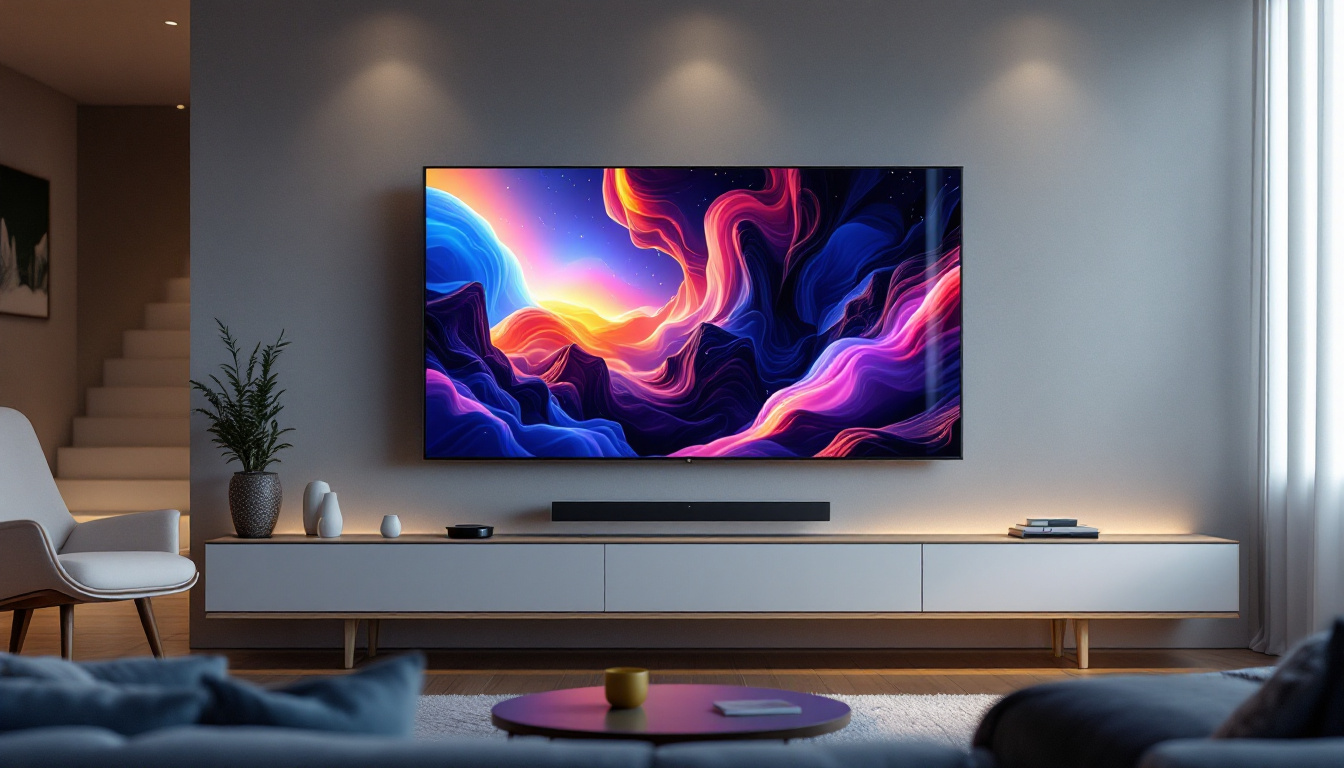
In today’s rapidly evolving television market, the term “LED display” is often encountered, but what does it truly mean? Understanding the technology behind LED panels can empower consumers to make informed decisions when selecting their next TV. This article delves deep into the world of LED displays, exploring their construction, advantages, limitations, and how they compare to other display technologies.
Understanding LED Display Technology
What is an LED Display?
LED stands for Light Emitting Diode, a semiconductor device that emits light when an electric current passes through it. In the context of televisions, an LED display refers to an LCD (Liquid Crystal Display) panel that uses LED backlighting instead of the older cold cathode fluorescent lamps (CCFLs). This subtle but important distinction means that the screen itself is still an LCD panel, but the light source behind it is composed of LEDs.
The use of LEDs for backlighting has revolutionized the TV industry by enabling thinner panels, improved energy efficiency, and better picture quality compared to CCFL-backlit LCDs. It’s important to note that the term “LED TV” is somewhat of a marketing shorthand, as the actual image is created by liquid crystals modulating the LED light rather than the LEDs themselves forming the image. Additionally, the advancements in LED technology have led to innovations such as HDR (High Dynamic Range), which allows for a wider range of colors and brightness levels, providing a more immersive viewing experience. This means that viewers can enjoy more vibrant colors and deeper blacks, making movies and shows look more lifelike than ever before.
Types of LED Backlighting
LED backlighting can be implemented in two primary ways: edge-lit and full-array. Each has unique characteristics affecting picture quality and cost.
- Edge-Lit LED: In this design, LEDs are positioned along the edges of the screen, usually the top and sides. Light is then diffused across the panel using light guides. This allows manufacturers to create ultra-thin TVs, but it can lead to uneven brightness and less precise local dimming.
- Full-Array LED: Here, LEDs are distributed uniformly behind the entire panel. This setup supports local dimming zones, where specific areas of the screen can be dimmed or brightened independently, enhancing contrast and black levels significantly.
Full-array LED TVs typically offer superior picture quality but are more expensive due to the complexity of the backlighting system. Furthermore, the choice between edge-lit and full-array LED can also influence the viewing angle. Full-array displays often maintain color accuracy and brightness even when viewed from the side, making them a better choice for larger rooms or group viewings. As technology continues to evolve, we are also seeing the emergence of mini-LED and micro-LED technologies, which promise even greater control over light and color, pushing the boundaries of what is possible in display technology. These advancements are paving the way for next-generation displays that could redefine our viewing experiences.
Advantages of LED Displays in TVs
Energy Efficiency and Longevity
One of the most significant benefits of LED displays is their energy efficiency. Compared to CCFL-backlit LCDs and plasma TVs, LED-backlit TVs consume less power. According to the U.S. Department of Energy, LED TVs can use up to 40% less energy than older LCD models, which translates to lower electricity bills and a reduced environmental footprint.
LEDs also have a longer lifespan, often exceeding 50,000 hours of use. This durability means that TVs with LED panels tend to maintain brightness and color consistency over many years, offering better long-term value for consumers.
Improved Picture Quality
LED backlighting enables brighter displays with better color accuracy. Full-array LED TVs with local dimming can achieve higher contrast ratios by dimming dark areas without affecting bright parts of the screen. This results in deeper blacks and more vibrant images, enhancing the overall viewing experience.
Modern LED TVs often support High Dynamic Range (HDR) standards such as HDR10 and Dolby Vision. HDR enhances the contrast and color range further, making scenes appear more lifelike and immersive.
Design Flexibility
The thinness and light weight of LED panels have allowed manufacturers to create sleek, stylish TVs that fit easily into modern living spaces. Edge-lit LED TVs can be incredibly slim, sometimes just a few millimeters thick, which appeals to consumers looking for minimalist aesthetics.
Limitations and Challenges of LED Displays
Black Levels and Contrast Compared to OLED
Despite advances in LED technology, LED-backlit LCD TVs generally cannot match the perfect blacks and infinite contrast ratios offered by OLED (Organic Light Emitting Diode) displays. OLED pixels emit their own light and can be turned off individually, resulting in true black levels. In contrast, LED TVs rely on backlighting, which can cause light bleed and reduce the depth of blacks, especially in edge-lit models.
For viewers who prioritize cinematic picture quality and deep blacks, OLED TVs remain the gold standard, although they come at a higher price point.
Viewing Angles
LED TVs, particularly those using VA (Vertical Alignment) LCD panels, can suffer from limited viewing angles. Colors and contrast may shift or wash out when viewed from the side, which can be a drawback in wider seating arrangements. IPS (In-Plane Switching) panels offer better viewing angles but sometimes at the expense of contrast.
Local Dimming Limitations
While local dimming improves contrast, it is not perfect. On full-array LED TVs, the number of dimming zones is limited, so blooming or halo effects can occur around bright objects on dark backgrounds. Edge-lit TVs with local dimming tend to have fewer zones and less precise control, which can affect picture quality in scenes with mixed lighting.
Comparing LED Displays with Other TV Technologies
LED vs. OLED
OLED technology offers self-emissive pixels that can switch off individually, providing perfect black levels, excellent contrast, and wide viewing angles. However, OLED TVs are generally more expensive and may be susceptible to burn-in with static images over long periods.
LED TVs, especially full-array models, offer bright displays and are often better suited for well-lit rooms. They also tend to be more affordable and have no risk of burn-in, making them a practical choice for many households.
LED vs. QLED
QLED (Quantum Dot LED) is a marketing term used by some manufacturers to describe LED TVs enhanced with quantum dot technology. Quantum dots are nanocrystals that improve color accuracy and brightness by converting backlight into pure colors more efficiently.
QLED TVs are essentially LED TVs with advanced color performance and often higher peak brightness, making them excellent for HDR content. They maintain the advantages of LED technology while pushing color and brightness capabilities closer to OLED levels.
LED vs. Plasma
Plasma TVs, once popular for their excellent black levels and smooth motion handling, have largely been phased out. LED TVs offer better energy efficiency, thinner designs, and higher brightness levels. Additionally, LED TVs support modern features such as 4K resolution and HDR, which plasma technology never fully embraced.
Key Features to Consider When Choosing an LED TV Panel
Resolution and Screen Size
Most LED TVs today come in 4K resolution (3840 x 2160 pixels), offering four times the detail of Full HD. Larger screen sizes benefit more from higher resolutions to maintain sharpness at typical viewing distances. For smaller TVs (under 43 inches), Full HD may still be adequate, but 4K is becoming the standard.
Refresh Rate and Motion Handling
The refresh rate, measured in Hertz (Hz), indicates how many times the image updates per second. Higher refresh rates (120Hz or more) reduce motion blur and improve the clarity of fast-moving scenes, which is crucial for sports and gaming.
Some LED TVs use motion interpolation technology to simulate higher refresh rates, but this can introduce artifacts or the “soap opera effect.” It’s important to balance smooth motion with natural picture quality.
Smart TV Capabilities
Most modern LED TVs come equipped with smart platforms that provide access to streaming services, apps, and voice control. The quality of the user interface, app availability, and software updates can vary significantly between brands, so it’s worth researching the ecosystem before purchasing.
HDR Support
HDR dramatically enhances picture quality by increasing the dynamic range of brightness and colors. When shopping for an LED TV, look for support of HDR formats like HDR10, HDR10+, Dolby Vision, or HLG to ensure compatibility with the latest content.
Future Trends in LED Display Technology
Mini-LED and Micro-LED Innovations
Mini-LED technology uses thousands of tiny LEDs for backlighting, allowing for more precise local dimming zones and improved contrast. This advancement narrows the performance gap between LED and OLED TVs, offering deeper blacks and brighter highlights without the risk of burn-in.
Micro-LED, still emerging, takes this concept further by using microscopic LEDs as individual pixels, combining the benefits of OLED with the brightness and longevity of LEDs. Though currently expensive and limited in availability, Micro-LED promises to be a game-changer in the coming years.
Improved Quantum Dot and Color Accuracy
Quantum dot technology continues to evolve, enhancing color volume and brightness. Future LED TVs will likely feature even wider color gamuts and more accurate color reproduction, making HDR content more vivid and true to life.
Conclusion
LED display technology remains the backbone of the television industry, offering a compelling balance of picture quality, energy efficiency, and affordability. Understanding the nuances of LED panels—from backlighting types to HDR support—can help consumers select the right TV for their needs.
While OLED and emerging technologies like Mini-LED and Micro-LED push the boundaries of image quality, LED TVs continue to improve and dominate the market due to their versatility and value. Whether for casual viewing, gaming, or home cinema, LED displays provide a reliable and high-quality viewing experience that meets the demands of modern entertainment.
Explore Cutting-Edge LED Display Solutions with LumenMatrix
Ready to elevate your viewing experience with the latest advancements in LED display technology? LumenMatrix is at the forefront of innovation, offering a diverse range of LED display modules tailored to your unique needs. From captivating Indoor and Outdoor LED Wall Displays to dynamic Vehicle and Sports LED Displays, our solutions are designed to enhance engagement and brand visibility. Discover the transformative power of our Custom, All-in-One, and Transparent LED Displays, and see how LumenMatrix is redefining visual communication. Check out LumenMatrix LED Display Solutions today and step into the future of digital signage.