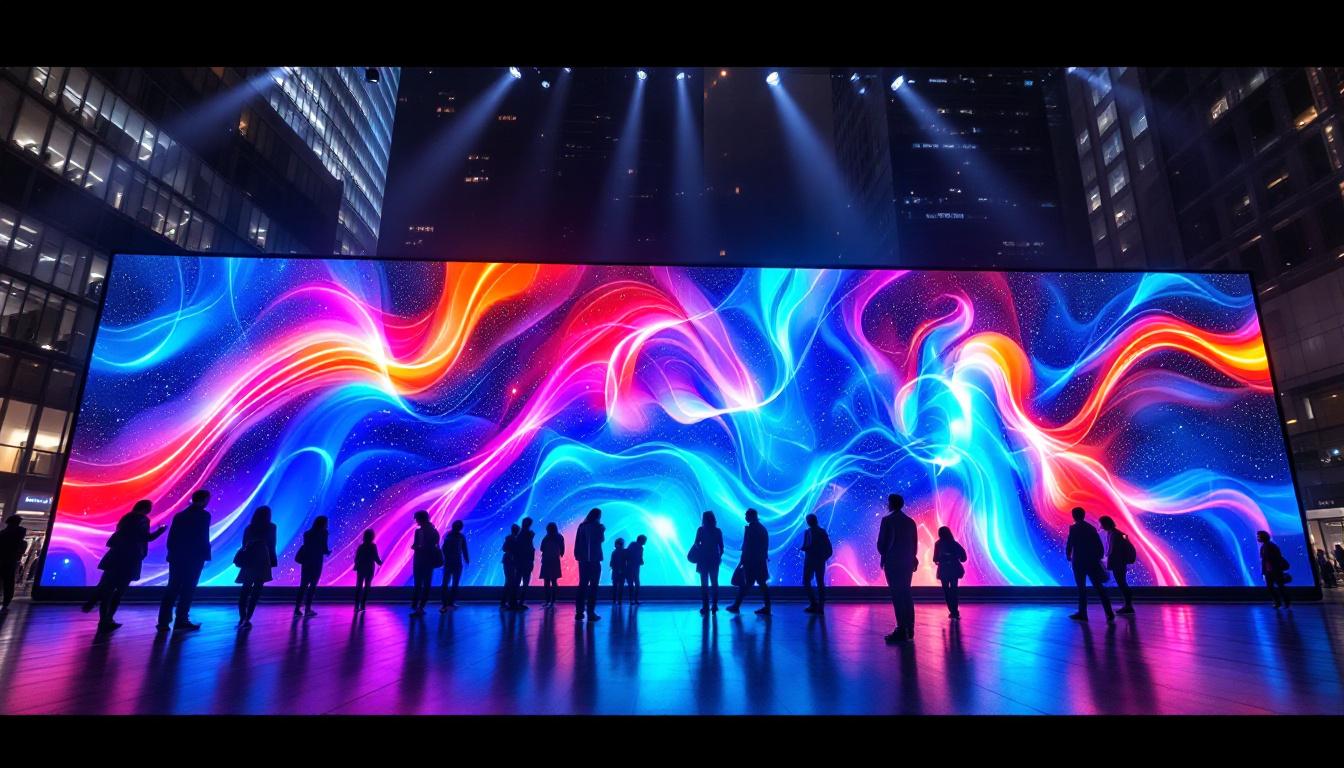
In the rapidly evolving world of digital signage and large-scale displays, LED technology has become the cornerstone for delivering vibrant, high-definition visuals. Whether it’s a massive billboard in Times Square, a dynamic scoreboard in a stadium, or an immersive video wall in a corporate lobby, LED displays—often referred to as HD walls—are redefining how audiences engage with content. This article delves into the fundamentals of HD walls, exploring what LED displays are, how they work, their advantages, and why they have become the preferred choice for high-impact visual communication.
Understanding LED Displays: The Basics
LED stands for Light Emitting Diode, a semiconductor device that emits light when an electric current passes through it. Unlike traditional display technologies such as LCD or plasma, LED displays use an array of tiny light sources to create images. These light sources are arranged in a grid, and by controlling their brightness and color, the display produces vivid, high-resolution visuals.
HD walls, or high-definition LED walls, are essentially large-scale LED displays composed of multiple LED panels seamlessly tiled together. This modular design allows for customization in size and shape, making them suitable for everything from small indoor installations to sprawling outdoor screens. The versatility of HD walls makes them a popular choice for various applications, including concerts, sporting events, advertising, and even art installations, where dynamic visuals can enhance the viewer’s experience.
How LED Displays Work
Each pixel on an LED display consists of three sub-pixels: red, green, and blue LEDs. By varying the intensity of these sub-pixels, the display can produce a full spectrum of colors. The control system manages these pixels to render images, videos, and animations in real-time. This capability allows for not only static images but also dynamic content that can change based on the environment or audience interaction, making LED displays highly engaging.
One key metric in LED displays is the pixel pitch—the distance between the centers of two adjacent pixels. A smaller pixel pitch means higher pixel density, resulting in sharper images and finer detail, which is crucial for HD walls viewed up close. Additionally, advancements in LED technology have led to improved brightness and contrast ratios, allowing displays to maintain visibility even in direct sunlight, which is particularly beneficial for outdoor applications. Furthermore, the energy efficiency of LED displays contributes to their growing popularity, as they consume significantly less power compared to traditional lighting solutions, making them a more sustainable choice in the long run.
Advantages of HD LED Walls Over Traditional Displays
LED walls offer several significant benefits compared to older display technologies, making them the go-to solution for many applications.
Superior Brightness and Visibility
LED displays can achieve brightness levels exceeding 5,000 nits, far surpassing the typical 300-500 nits of LCD screens. This makes them highly visible even in direct sunlight, which is essential for outdoor advertising and events. Their high contrast ratios also enhance image clarity and depth. Furthermore, the ability to adjust brightness dynamically ensures that the display can adapt to varying lighting conditions, providing optimal visibility at all times. This adaptability is crucial for events that transition from day to night, as it allows for a seamless viewing experience without the need for constant adjustments.
Energy Efficiency and Longevity
Modern LEDs are remarkably energy-efficient, consuming less power than comparable display technologies while delivering brighter images. Additionally, LED walls have a long operational lifespan, often exceeding 100,000 hours, which reduces maintenance and replacement costs. The reduced energy consumption not only translates to lower electricity bills but also contributes to a smaller carbon footprint, making LED walls a more environmentally friendly choice. This sustainability aspect is increasingly important for businesses looking to enhance their corporate responsibility and appeal to eco-conscious consumers.
Flexibility and Scalability
Because LED walls are modular, they can be scaled to virtually any size and shaped to fit unique spaces. This flexibility allows for creative installations, including curved or irregularly shaped displays, which are difficult to achieve with traditional screens. The modular design also facilitates easy upgrades and repairs, as individual panels can be replaced without the need to dismantle the entire display. This adaptability is particularly beneficial for venues that host a variety of events, as it allows for quick reconfiguration to suit different themes and layouts.
Wide Viewing Angles and Color Accuracy
LED displays maintain consistent color and brightness across wide viewing angles, ensuring that audiences see the intended image quality regardless of their position relative to the screen. This is particularly important for large venues and public spaces. In addition, advancements in color calibration technology have made it possible for LED walls to reproduce a broader spectrum of colors with greater precision. This results in vibrant, lifelike images that captivate viewers and enhance the overall experience, whether it’s for a concert, sporting event, or corporate presentation. The ability to deliver stunning visuals consistently helps brands create memorable impressions and engage their audience more effectively.
Applications of HD LED Walls
HD LED walls have transformed numerous industries by providing dynamic, eye-catching visual solutions. Their versatility and impact are evident across various sectors.
Advertising and Outdoor Signage
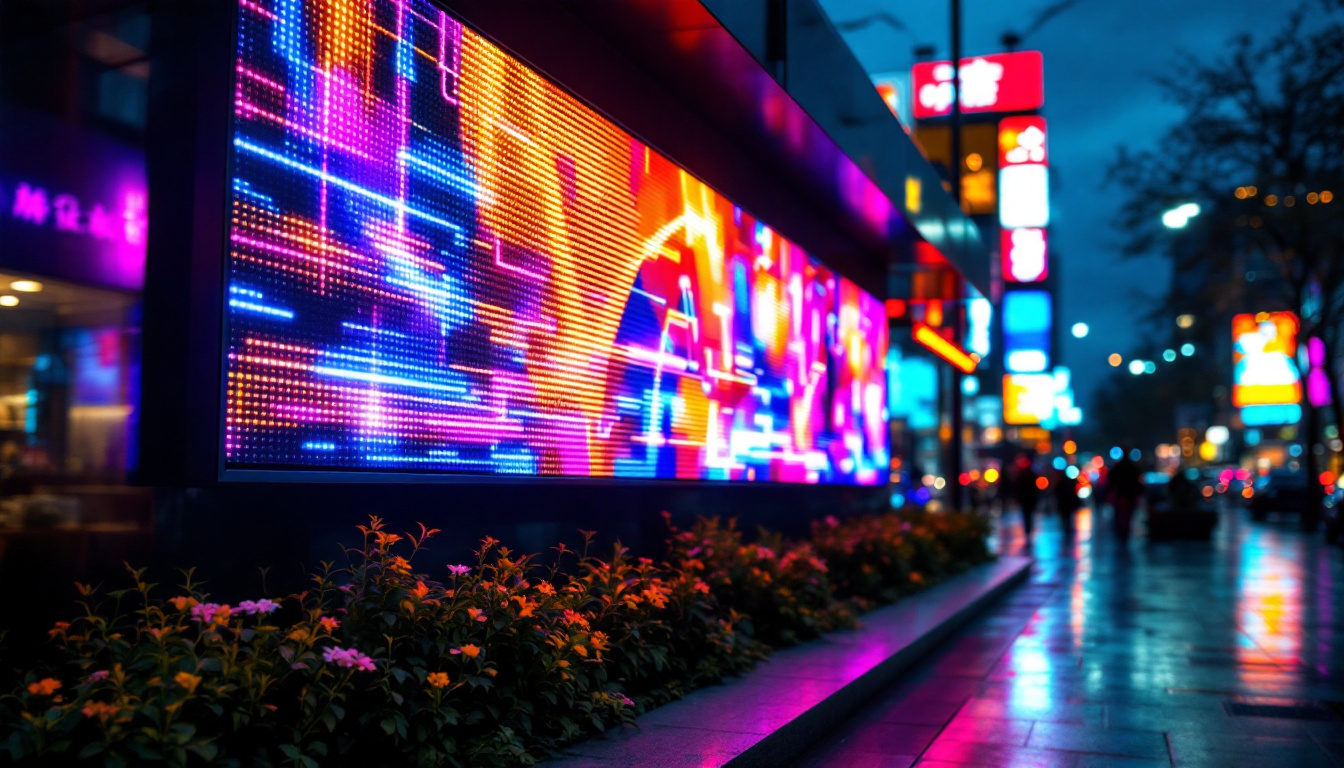
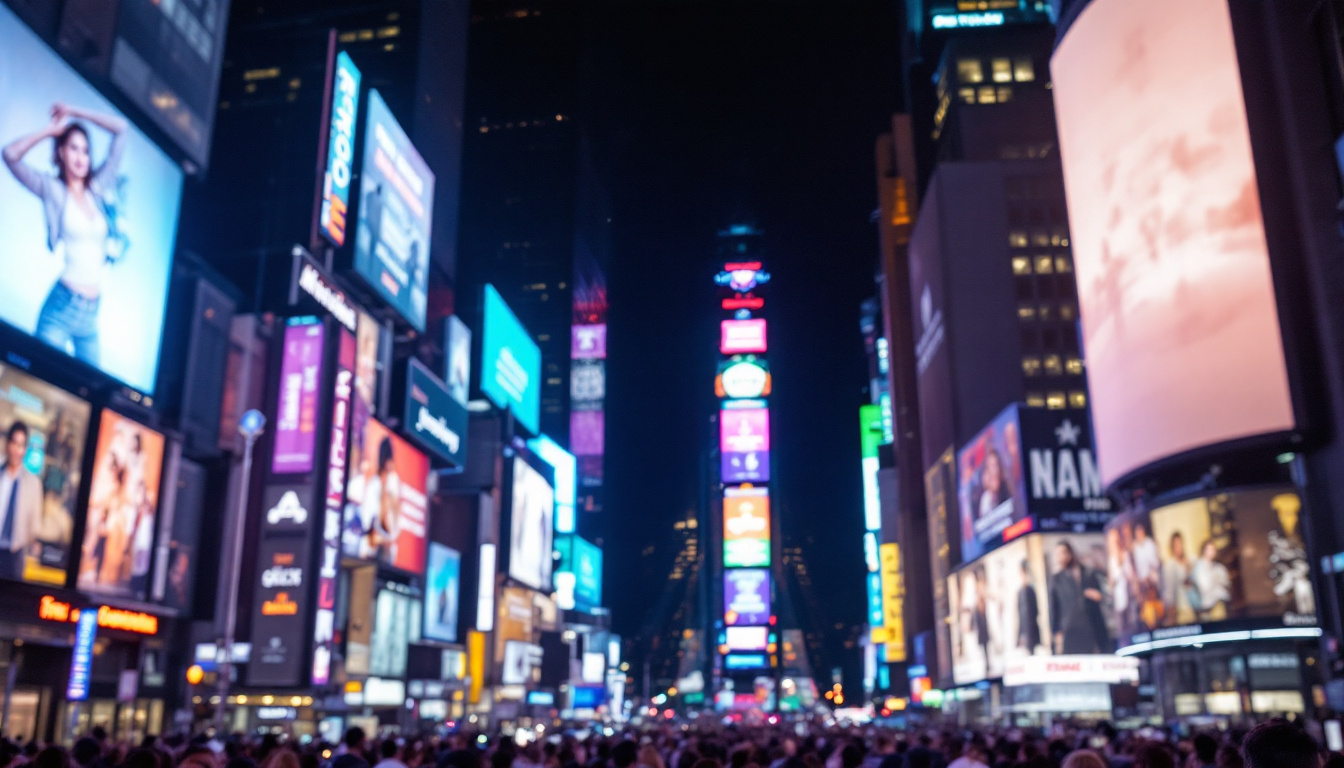
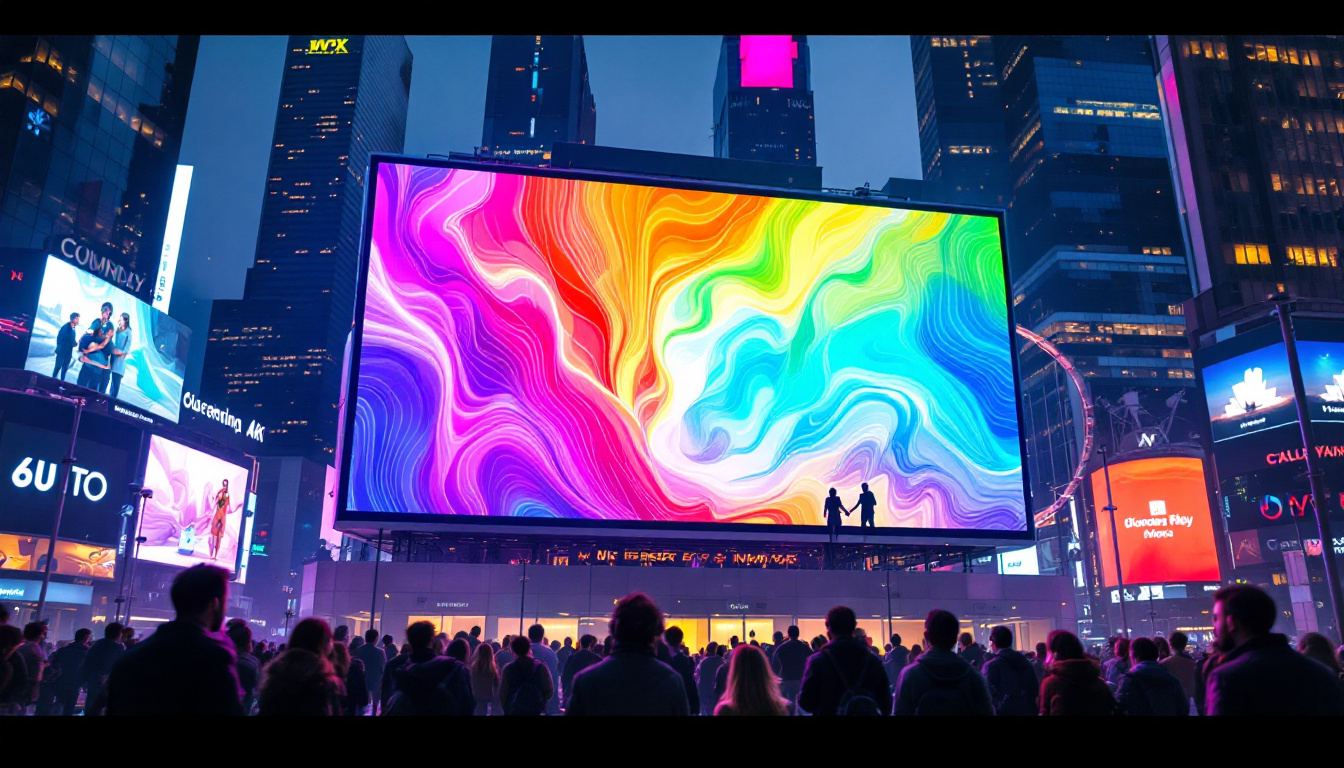
One of the most visible uses of LED walls is in outdoor advertising. Billboards equipped with LED technology can display changing content, animations, and even live feeds, capturing attention more effectively than static signs. For example, the iconic LED billboards in New York’s Times Square are a testament to the power of this technology, delivering vibrant messages to millions daily.
Sports and Entertainment Venues
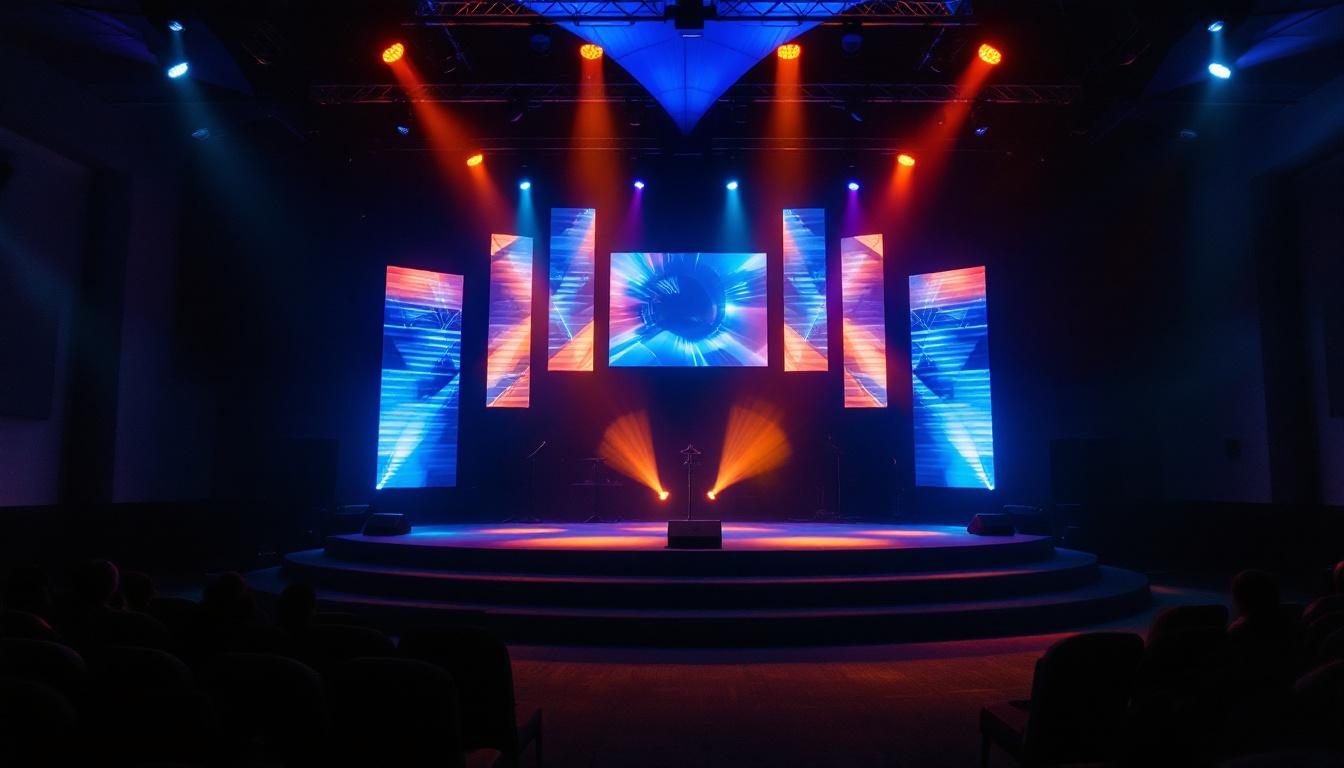
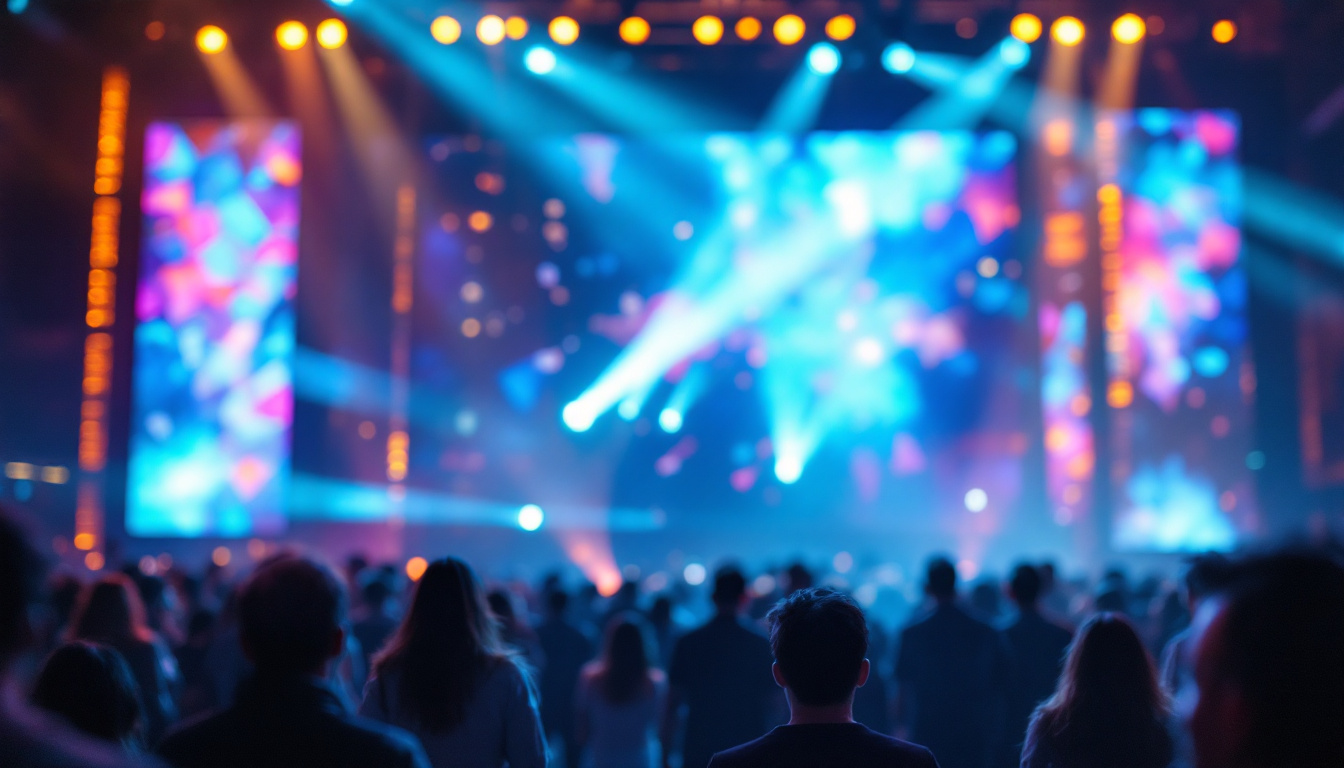
Stadiums and arenas utilize LED walls for scoreboards, instant replays, and immersive fan experiences. The ability to display crisp, bright images visible from any seat enhances engagement and excitement during events. Additionally, concert stages often feature massive LED backdrops that synchronize with performances, creating unforgettable visual spectacles.
Corporate and Retail Environments
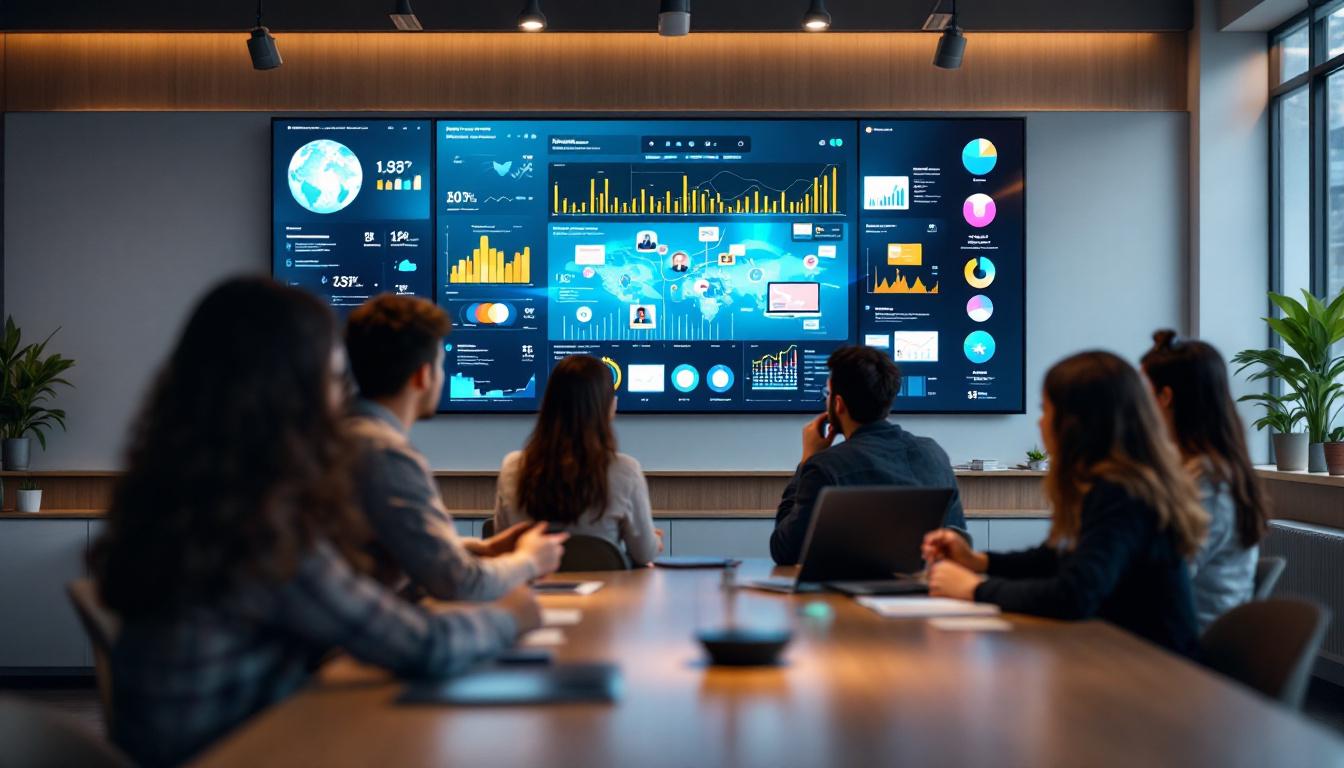
In corporate settings, LED walls serve as impressive digital canvases for presentations, branding, and interactive experiences. Retailers use LED displays to showcase products, promotions, and immersive content that draws customers into stores. The adaptability of LED walls allows businesses to tailor their messaging dynamically.
Broadcast and Control Rooms
Broadcast studios and control centers rely on HD LED walls for real-time monitoring and content display. The high resolution and reliability of LED technology ensure critical information is presented clearly and without interruption.
Technical Considerations When Choosing an HD LED Wall
Selecting the right LED wall involves understanding several technical factors to ensure the display meets the intended purpose and environment.
Pixel Pitch and Resolution
As mentioned earlier, pixel pitch directly impacts image clarity. For indoor environments where viewers are close, a pixel pitch of 1.2mm to 2.5mm is common, providing sharp HD quality. Outdoor displays typically have larger pixel pitches, ranging from 4mm to 10mm, balancing visibility from a distance with cost-effectiveness.
Brightness and Contrast Ratio
Brightness must be sufficient to overcome ambient light conditions. Outdoor LED walls often require brightness levels above 5,000 nits, while indoor installations may operate effectively at 800-1,500 nits. Contrast ratio affects how well the display can render dark and light areas, contributing to overall image quality.
Refresh Rate and Color Depth
A high refresh rate (usually 3,000 Hz or higher) is essential to prevent flickering, especially for video content and live broadcasts. Color depth, typically 16-bit or higher, ensures smooth gradients and accurate color reproduction.
Durability and Weather Resistance
For outdoor LED walls, IP-rated enclosures protect against dust and moisture. Ratings like IP65 or higher are common, ensuring the display withstands harsh weather conditions without performance degradation.
Installation and Maintenance of LED Walls
Proper installation and ongoing maintenance are critical to maximizing the lifespan and performance of an HD LED wall.
Installation Best Practices
LED walls require precise alignment of panels to create a seamless image. Professional installation teams use specialized mounting systems and calibration tools to ensure uniform brightness and color consistency across the entire display. Structural considerations, such as load-bearing capacity and ventilation, must also be addressed.
Routine Maintenance and Troubleshooting
Regular cleaning is necessary to remove dust and debris that can affect brightness and image quality. LED modules may occasionally require replacement if individual diodes fail. Advanced LED walls feature built-in diagnostics to detect and alert operators to issues, facilitating quick repairs.
The Future of HD LED Walls
As LED technology continues to advance, HD walls are becoming even more sophisticated and accessible.
MicroLED and MiniLED Innovations
Emerging technologies like MicroLED and MiniLED offer even higher resolution and improved energy efficiency by using smaller diodes. These innovations promise to push the boundaries of image quality and design flexibility.
Integration with Smart Technologies
Smart LED walls integrated with AI and IoT can adapt content dynamically based on audience demographics, environmental conditions, or real-time data. This level of interactivity enhances engagement and opens new possibilities for personalized advertising and information delivery.
Environmental Sustainability
Manufacturers are increasingly focusing on eco-friendly materials and energy-saving designs. LED walls already consume less power than many alternatives, and ongoing improvements aim to reduce their carbon footprint further, aligning with global sustainability goals.
Conclusion
HD walls powered by LED technology have revolutionized the way visual content is displayed across multiple industries. Their unparalleled brightness, flexibility, and durability make them ideal for creating impactful, high-definition experiences in both indoor and outdoor environments. Understanding the technical aspects, advantages, and applications of LED displays enables businesses and organizations to make informed decisions when investing in this transformative technology. As LED innovations continue to evolve, the future promises even more stunning and sustainable visual solutions.
Discover LumenMatrix’s Innovative LED Solutions
Ready to elevate your visual displays with unparalleled clarity and vibrancy? Look no further than LumenMatrix, a pioneer in LED display technology. Our extensive range of solutions, from Indoor and Outdoor LED Walls to specialized displays for vehicles, sports, and custom applications, is designed to transform your space and captivate your audience. Experience the future of digital signage with our cutting-edge displays that promise to bring your brand’s message to life. Check out LumenMatrix LED Display Solutions today and join the visual revolution.