The world of digital displays has rapidly evolved over the past few decades, transforming the way information is presented and consumed. Among the most dynamic and versatile technologies powering this transformation is the LED display. From massive outdoor billboards to sleek indoor screens, LED displays have become ubiquitous, captivating audiences with their brightness, clarity, and energy efficiency. This article delves into the core of LED display technology, exploring how it works, its various types, applications, and future trends shaping the visual landscape.
Understanding LED Display Technology
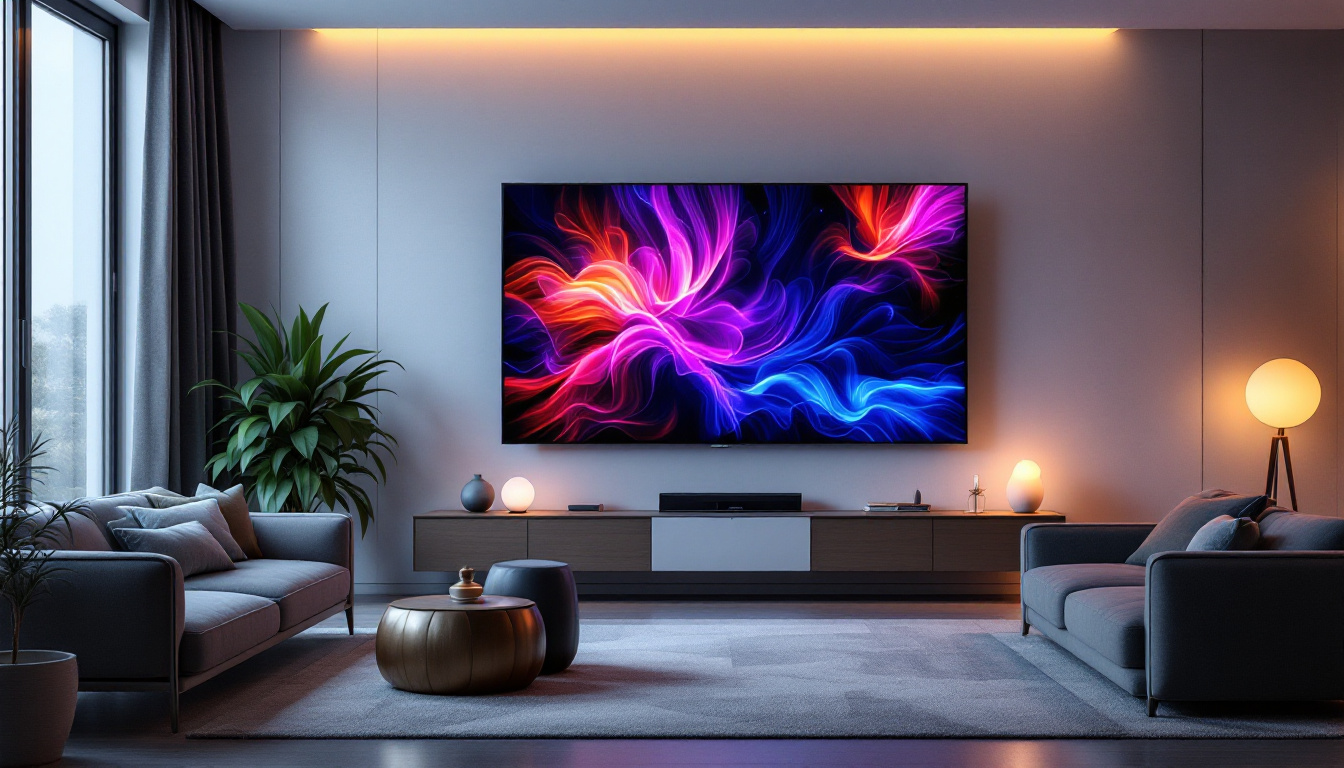
At its core, an LED display is a flat panel that uses light-emitting diodes (LEDs) as pixels to produce images, videos, and text. Unlike traditional LCD or plasma screens, LED displays rely on tiny semiconductor devices that emit light when an electric current passes through them. This fundamental difference allows LED displays to offer superior brightness, contrast, and color accuracy. The ability to achieve deeper blacks and brighter whites enhances the viewing experience, making LED displays particularly popular for both professional and personal use.
How Do LED Displays Work?
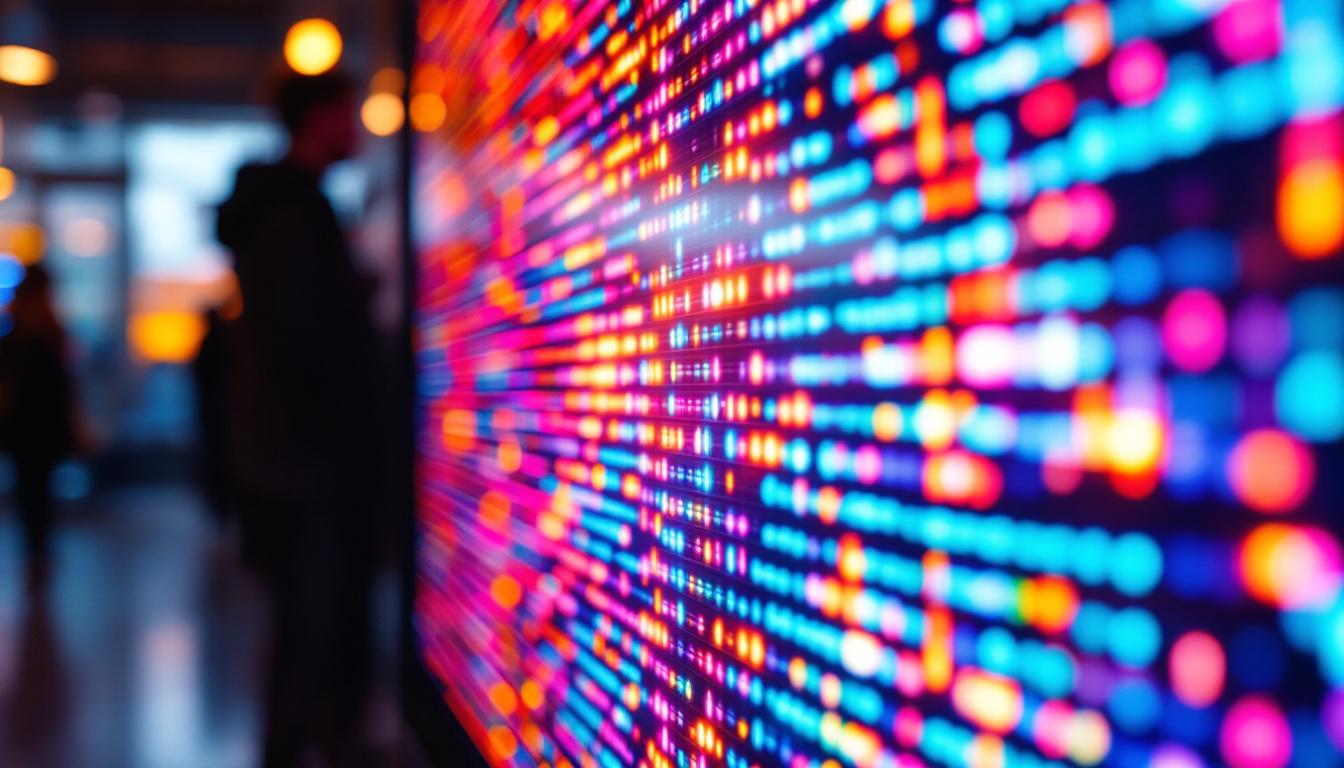
Each LED in a display acts as a single pixel or part of a pixel. These diodes are arranged in a grid, and by controlling the intensity and color of each LED, the display can render complex images. The LEDs themselves can be red, green, or blue, and by combining these primary colors at varying intensities, the display produces a full spectrum of colors. This color mixing capability is crucial for applications ranging from digital signage to high-definition televisions, where vibrant visuals are essential.
The control system behind an LED display includes a driver circuit and a controller board that manage the timing and brightness of each LED. This precise control enables the display to render high-resolution images and smooth video playback. Furthermore, the integration of advanced algorithms allows for dynamic adjustments based on ambient light conditions, ensuring optimal visibility in various environments, whether it be a dimly lit room or a bright outdoor setting.
Types of LEDs Used in Displays
LED displays primarily use two types of LEDs: surface-mounted device (SMD) LEDs and through-hole LEDs. SMD LEDs are compact and capable of producing high pixel density, making them ideal for indoor displays where viewers are closer to the screen. Through-hole LEDs, on the other hand, are larger and more robust, often used in outdoor settings where durability and brightness are critical. The choice between these types depends on the specific application, with SMDs favored for their sleek design and through-holes preferred for their resilience against harsh weather conditions.
Additionally, advances in micro-LED technology are pushing the boundaries further, offering even higher resolution and energy efficiency, though these are currently more common in premium consumer electronics. Micro-LEDs consist of tiny individual LEDs that can be arranged in virtually any configuration, allowing for flexibility in design and installation. This technology not only enhances image quality but also reduces power consumption, making it an attractive option for manufacturers looking to create eco-friendly display solutions. As research continues, we may see micro-LEDs become more accessible, revolutionizing the way we experience visual content across various platforms.
Key Characteristics and Advantages of LED Displays
LED displays have several attributes that make them the preferred choice across various industries. Understanding these characteristics helps explain their widespread adoption and continued innovation.
Brightness and Visibility
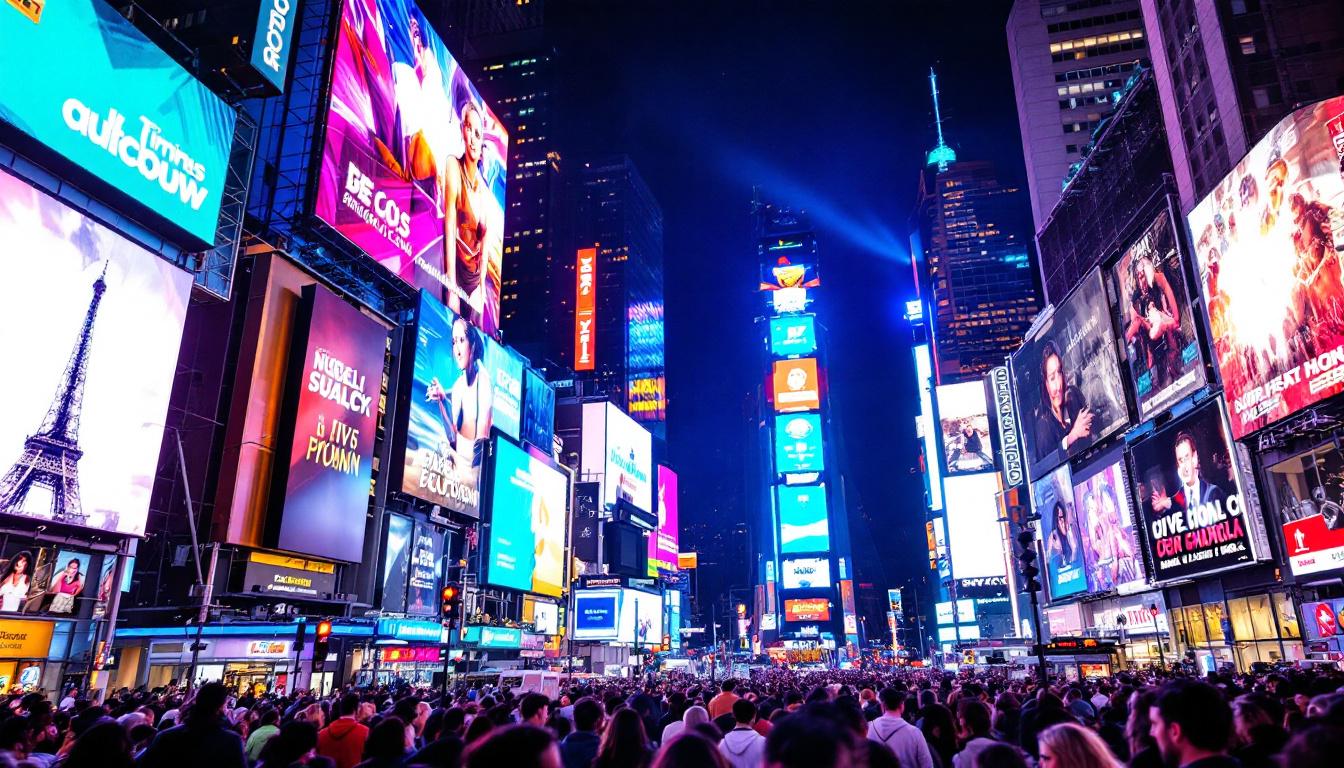
One of the standout features of LED displays is their exceptional brightness. Unlike LCDs that rely on backlighting, LEDs emit their own light, allowing for vivid images even in direct sunlight. Outdoor LED billboards, for example, can reach brightness levels of 5,000 to 8,000 nits, ensuring clear visibility in all lighting conditions.
This high brightness is crucial for applications such as traffic signage, sports arenas, and public information displays, where messages must be legible from long distances and under varying weather conditions.
Energy Efficiency and Longevity
LEDs are known for their energy efficiency, consuming significantly less power than traditional display technologies. This efficiency translates into lower operating costs, especially for large-scale installations that run continuously.
Moreover, LEDs have a long lifespan, often exceeding 100,000 hours of operation. This durability reduces maintenance needs and replacement costs, making LED displays a cost-effective solution over time.
Color Accuracy and Contrast
LED displays offer superior color reproduction and contrast ratios. Because each LED emits light individually, the displays can achieve true blacks by turning off specific LEDs, unlike LCDs that rely on backlighting and cannot completely block light.
This capability results in sharper images, richer colors, and an overall enhanced viewing experience, which is especially important for applications like digital advertising, broadcasting, and immersive environments.
Common Types of LED Displays and Their Applications
LED display technology is incredibly versatile, with various configurations tailored to specific environments and uses. Below are some of the most common types and where they excel.
Indoor LED Displays
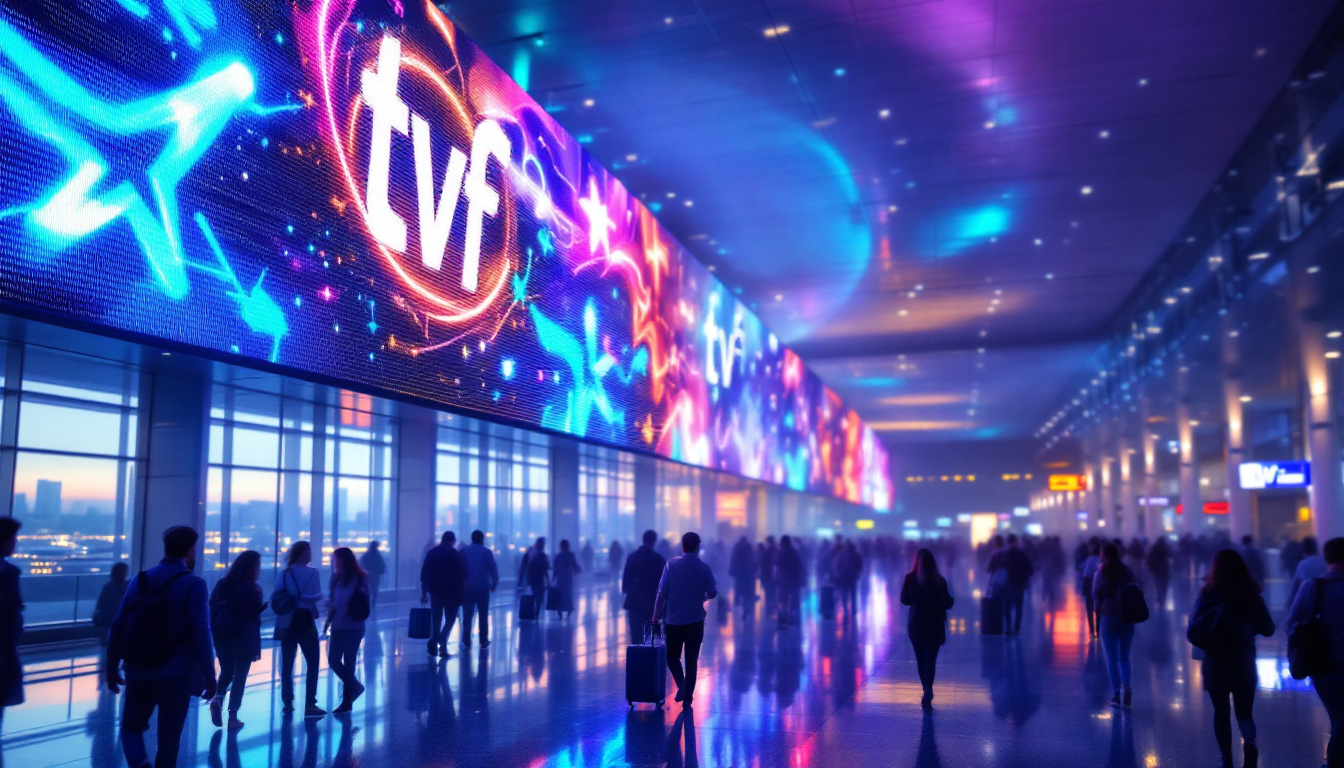
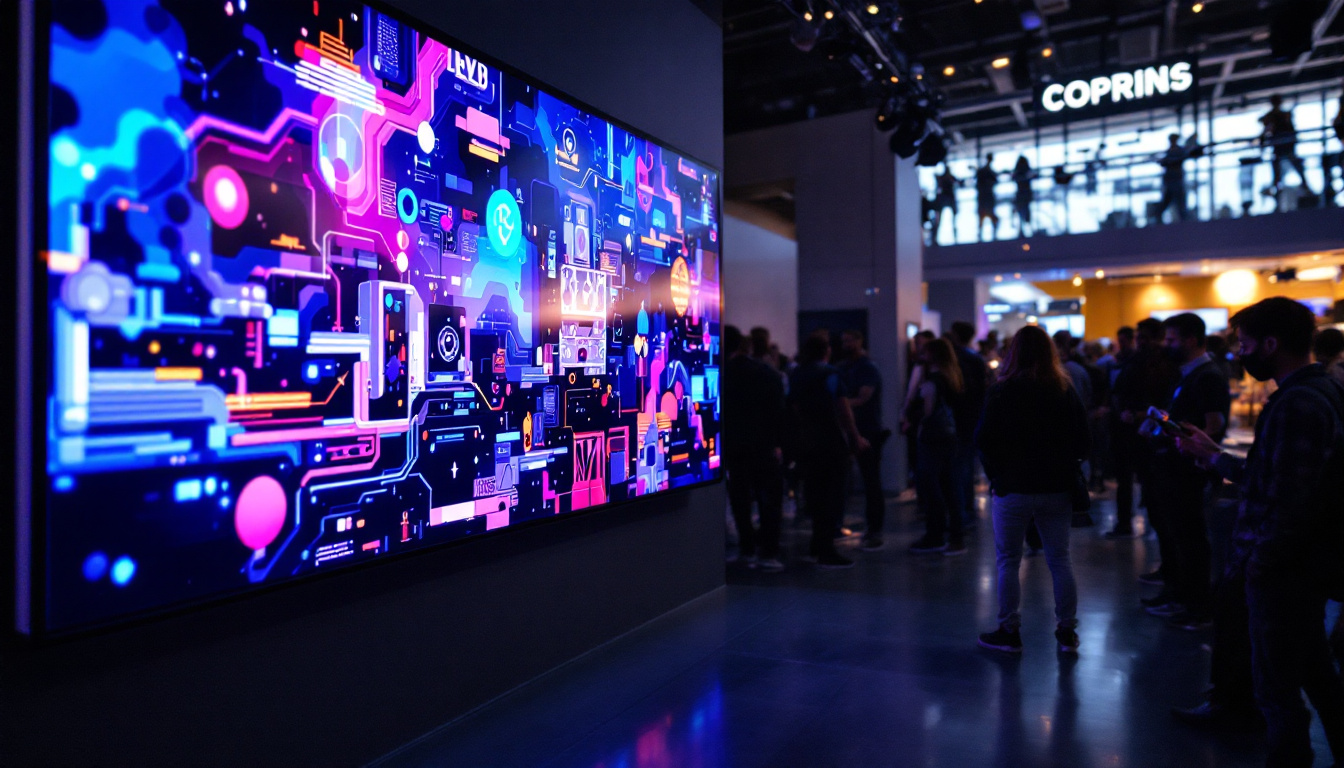
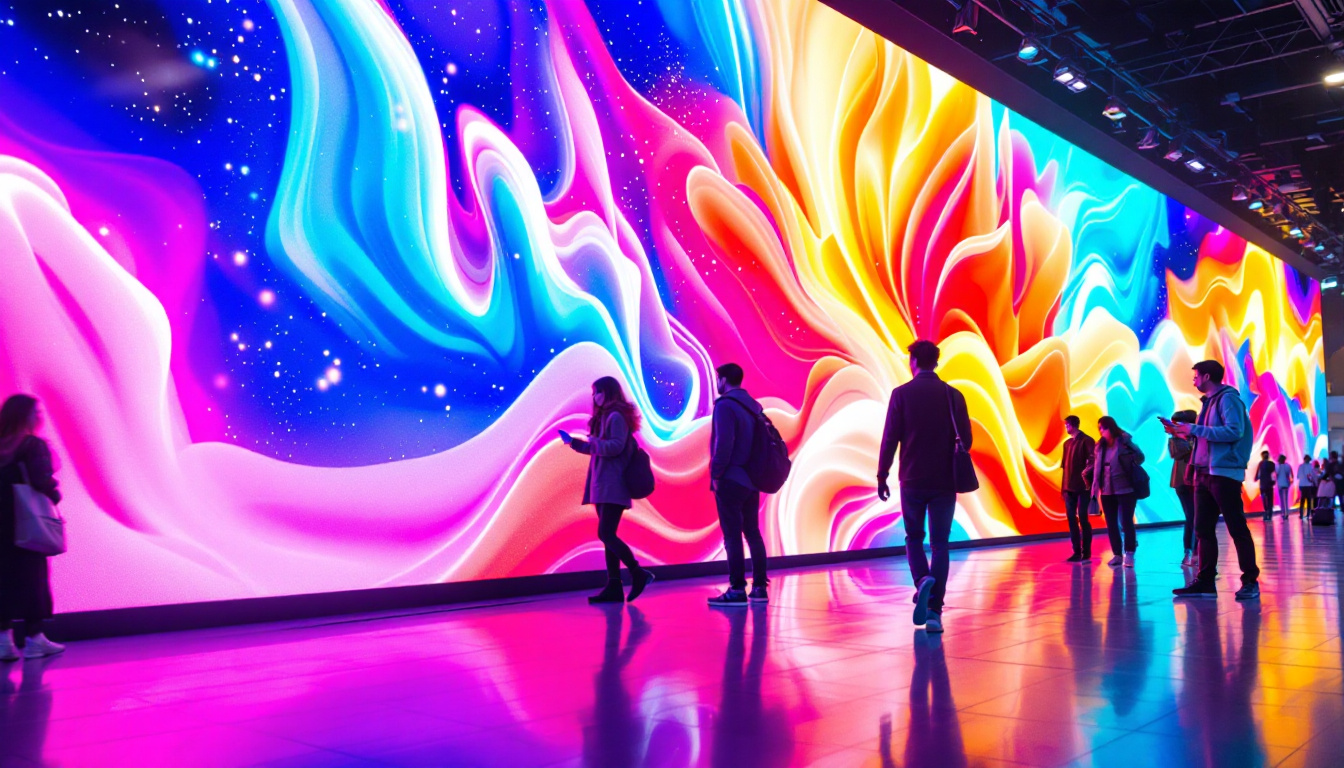
Indoor LED displays are designed for environments such as retail stores, corporate offices, conference centers, and entertainment venues. These displays typically have a pixel pitch ranging from 1mm to 4mm, allowing for high-resolution images that look crisp even at close viewing distances.
Retailers use indoor LED screens for dynamic advertising and promotional content, while event organizers rely on them for live video feeds and interactive presentations. Their slim profiles and low heat emission also make them suitable for architectural integration.
Outdoor LED Displays
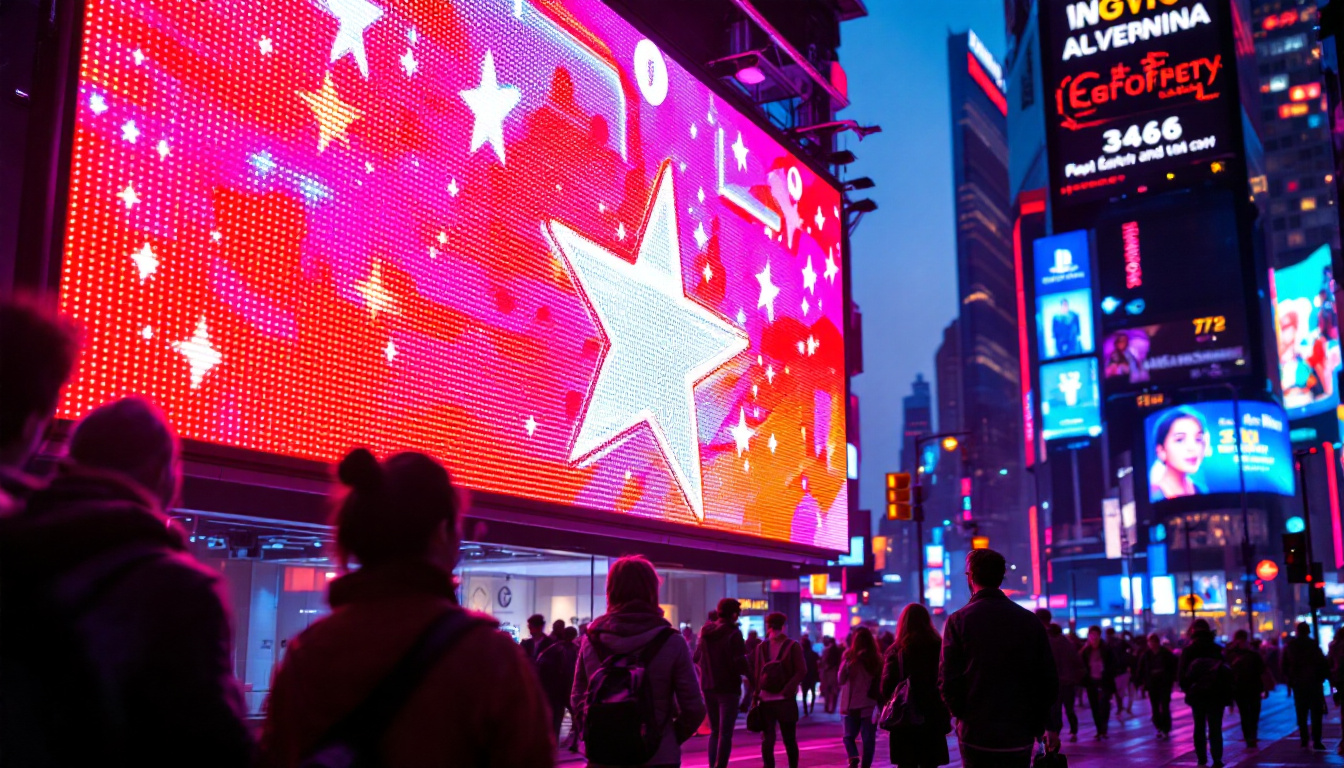
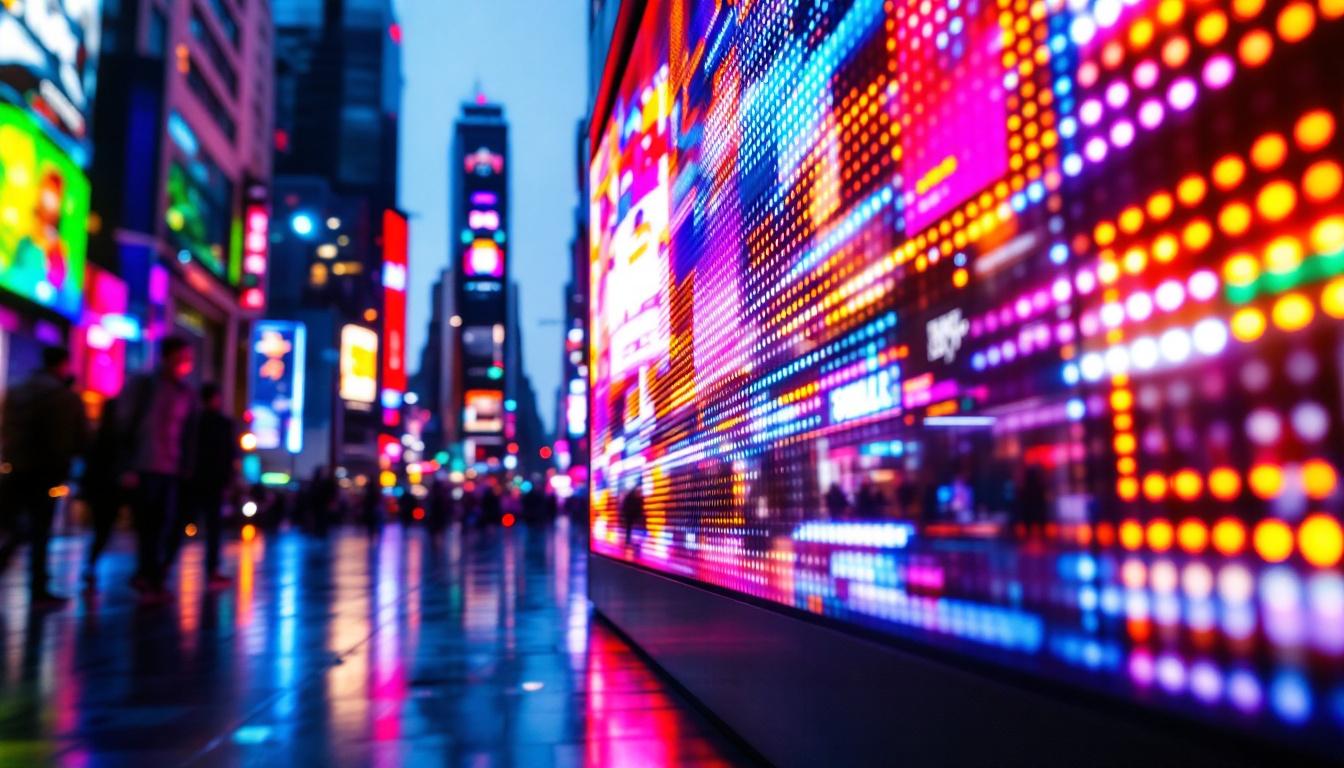
Outdoor LED displays are built to withstand harsh weather conditions and provide high brightness to combat sunlight glare. They often feature a larger pixel pitch, typically between 4mm and 20mm, since viewers are usually farther away.
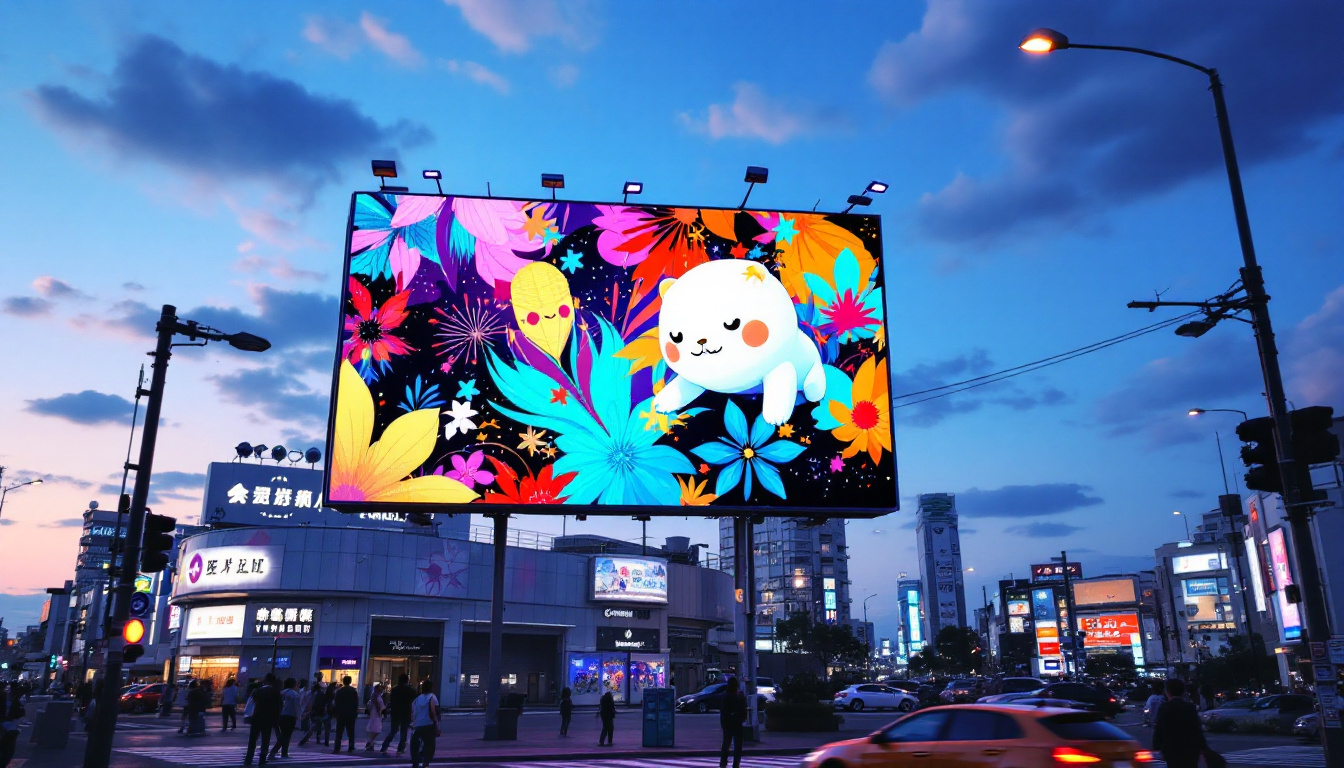
Common applications include digital billboards, sports stadium screens, transportation signage, and public safety alerts. Their robust construction ensures durability, while advanced weatherproofing protects the electronics from moisture, dust, and temperature extremes.
Transparent LED Displays
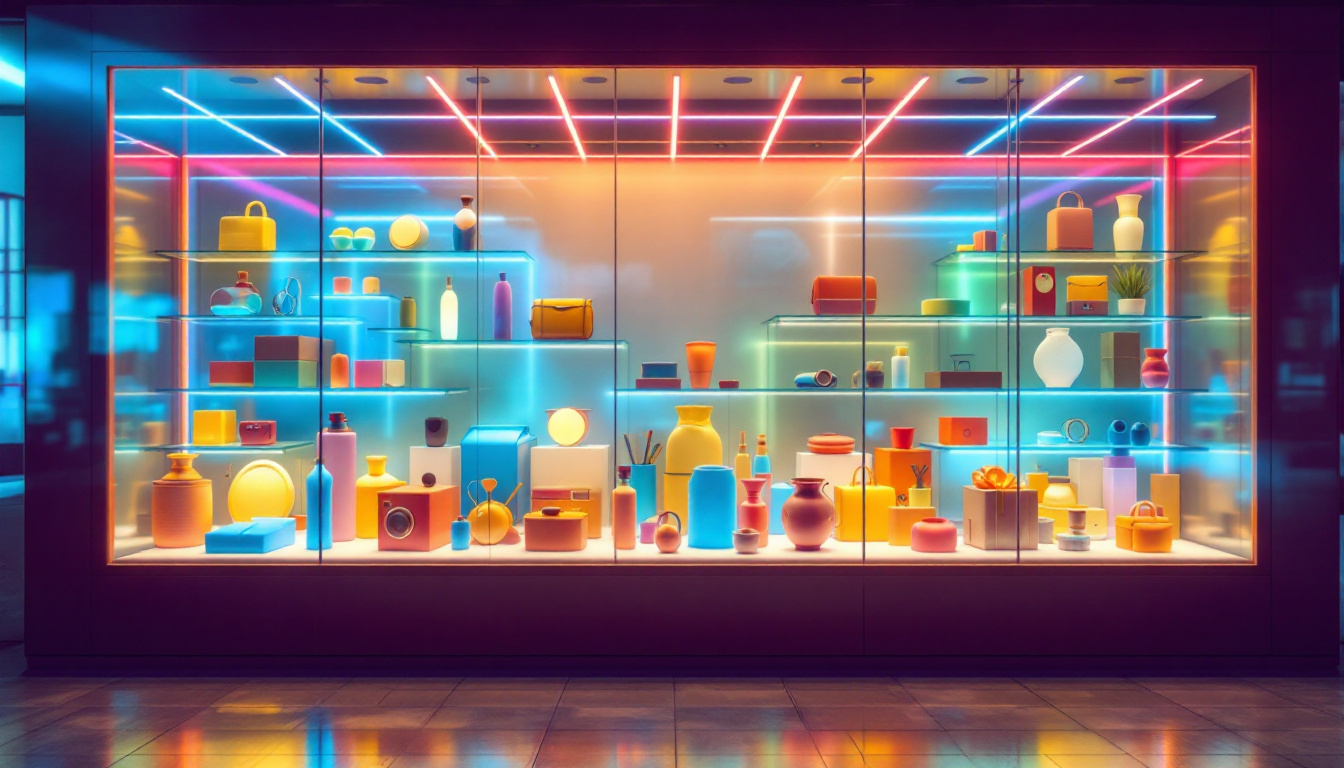
Transparent LED displays are an innovative solution that combines visibility with display functionality. These screens allow light to pass through, making them ideal for storefront windows, glass facades, and exhibition booths.
The transparency ranges from 30% to 80%, depending on the design, enabling businesses to maintain natural lighting and visibility while displaying vibrant digital content. This technology is gaining popularity in retail and architectural applications for its aesthetic appeal and versatility.
Flexible and Curved LED Displays
Flexible LED displays use bendable substrates that enable screens to curve or wrap around surfaces. This flexibility opens up creative possibilities for designers and advertisers, allowing for immersive and eye-catching installations.
These displays are often used in art installations, stage backdrops, and innovative retail displays. Their ability to conform to unique shapes enhances engagement and creates memorable visual experiences.
Choosing the Right LED Display: Factors to Consider
Selecting an LED display involves more than just picking the brightest or largest screen. Several factors influence the effectiveness and suitability of a display for a given application.
Pixel Pitch and Resolution
Pixel pitch refers to the distance between the centers of two adjacent LEDs, measured in millimeters. It directly affects the display’s resolution and viewing distance. Smaller pixel pitches yield higher resolution and are better for close-range viewing, while larger pitches are suitable for long-distance visibility.
For example, a retail store’s indoor display might use a 1.5mm pixel pitch for crisp images up close, whereas a highway billboard might use a 10mm pitch to ensure readability from hundreds of feet away.
Brightness and Environmental Conditions
Understanding the ambient light conditions where the display will be installed is crucial. Outdoor displays require much higher brightness levels to remain visible in daylight, while indoor displays can operate at lower brightness, saving energy and reducing glare.
Additionally, factors like humidity, temperature fluctuations, and exposure to dust or chemicals impact the choice of materials and protective features.
Viewing Angle and Placement
LED displays have varying viewing angles depending on the LED type and design. Wide viewing angles ensure that content is visible from multiple directions, which is important in public spaces and retail environments.
Placement considerations also include the distance between the display and the audience, mounting options, and accessibility for maintenance.
Content Management and Integration
Modern LED displays often integrate with content management systems (CMS) that allow users to schedule, update, and customize content remotely. Compatibility with existing software, ease of use, and support for various media formats are important factors for businesses looking to maximize their investment.
Some advanced displays also support interactive features, such as touch capability or integration with sensors, enhancing user engagement.
Emerging Trends and the Future of LED Displays
The LED display industry continues to innovate rapidly, driven by advances in materials science, electronics, and digital content delivery. Several trends are shaping the future landscape.
Micro-LED and Mini-LED Technologies
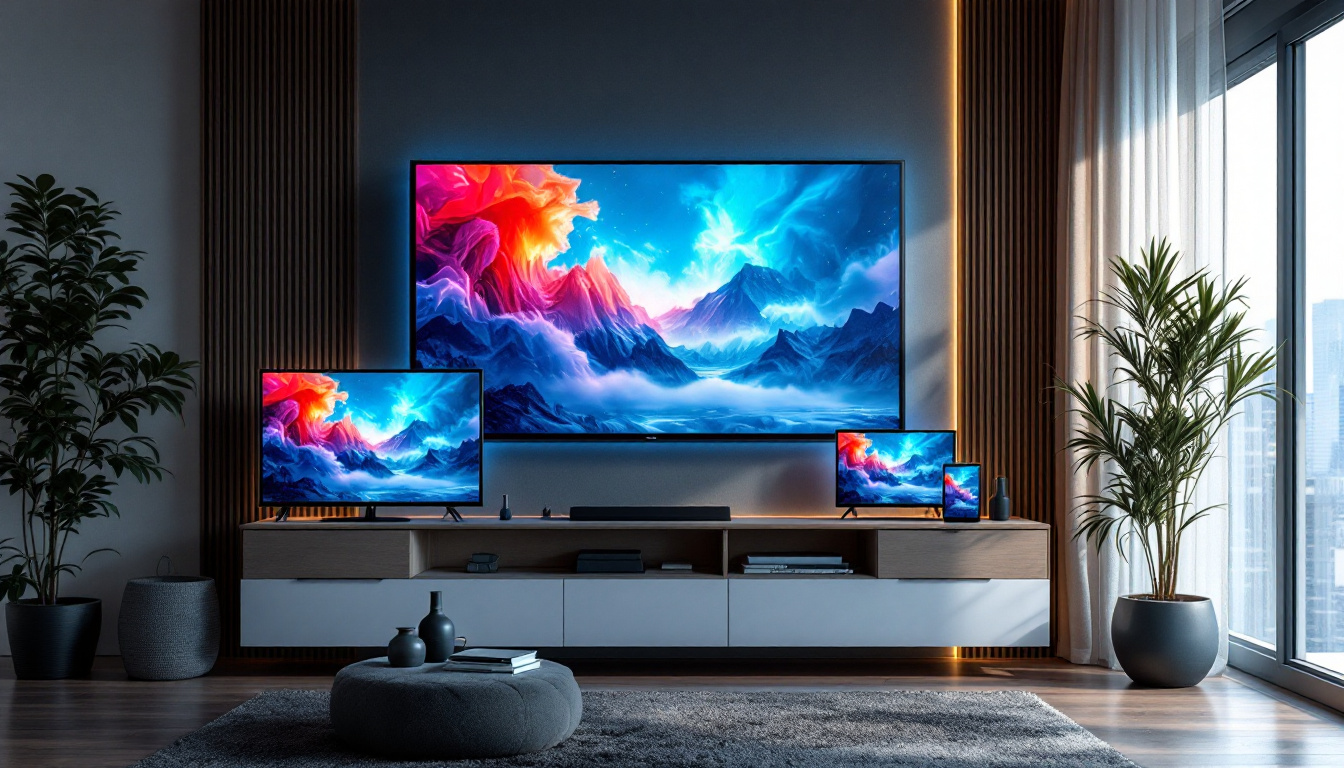
Micro-LED technology uses microscopic LEDs to create displays with unparalleled brightness, contrast, and energy efficiency. These displays promise ultra-high resolution and are poised to revolutionize consumer electronics, including TVs, smartphones, and augmented reality devices.
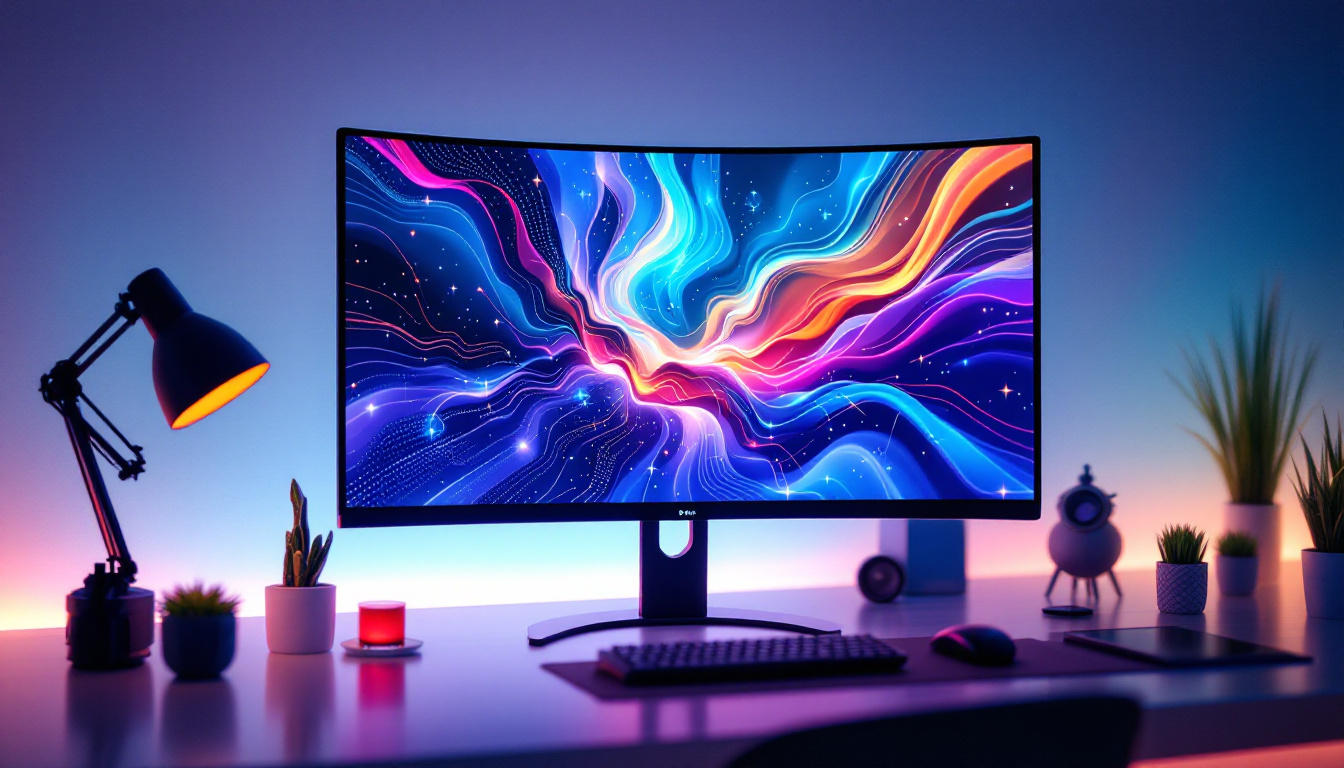
Mini-LEDs, slightly larger than micro-LEDs, are already making their way into premium laptops and monitors, offering improved HDR performance and deeper blacks compared to traditional LCDs.
Increased Interactivity and Smart Integration
Interactive LED displays are becoming more prevalent, incorporating touch sensors, gesture recognition, and integration with IoT devices. This interactivity enhances user engagement in retail, education, and entertainment sectors.
Smart LED displays can adapt content dynamically based on audience demographics, environmental conditions, or real-time data, creating personalized and context-aware experiences.
Sustainability and Eco-Friendly Innovations
As environmental concerns grow, manufacturers are focusing on sustainable materials, energy-saving designs, and recyclability. LED displays already consume less power than many alternatives, but ongoing improvements aim to reduce their carbon footprint further.
Recycling programs for electronic components and the use of non-toxic materials are becoming standard practices in the industry.
Conclusion
LED displays have transformed the way visual information is communicated across industries, offering unmatched brightness, versatility, and efficiency. Whether illuminating a bustling cityscape with vibrant billboards or enhancing corporate presentations with crisp indoor screens, LED technology continues to push the boundaries of what is possible.
Understanding the fundamentals of LED displays, their types, and key considerations helps businesses and organizations make informed decisions that maximize impact and return on investment. With exciting innovations on the horizon, LED displays are set to remain at the forefront of digital visual communication for years to come.
Discover LumenMatrix’s Innovative LED Solutions
Ready to elevate your visual communication with the latest in LED technology? LumenMatrix offers a comprehensive range of LED display modules tailored to your needs. From the immersive Indoor LED Wall Display to the dynamic Outdoor LED Wall Display, and from the mobile flexibility of Vehicle LED Displays to the sleek LED Poster Displays, our solutions are designed to captivate and engage. Experience the future of digital signage with our LED Sports Displays, interactive Floor LED Displays, and the stunning clarity of our Custom and All-in-One LED Displays, including the cutting-edge LED Transparent Display. Embrace the revolution in visual storytelling with LumenMatrix. Check out LumenMatrix LED Display Solutions today and transform your space into a vibrant canvas of communication.