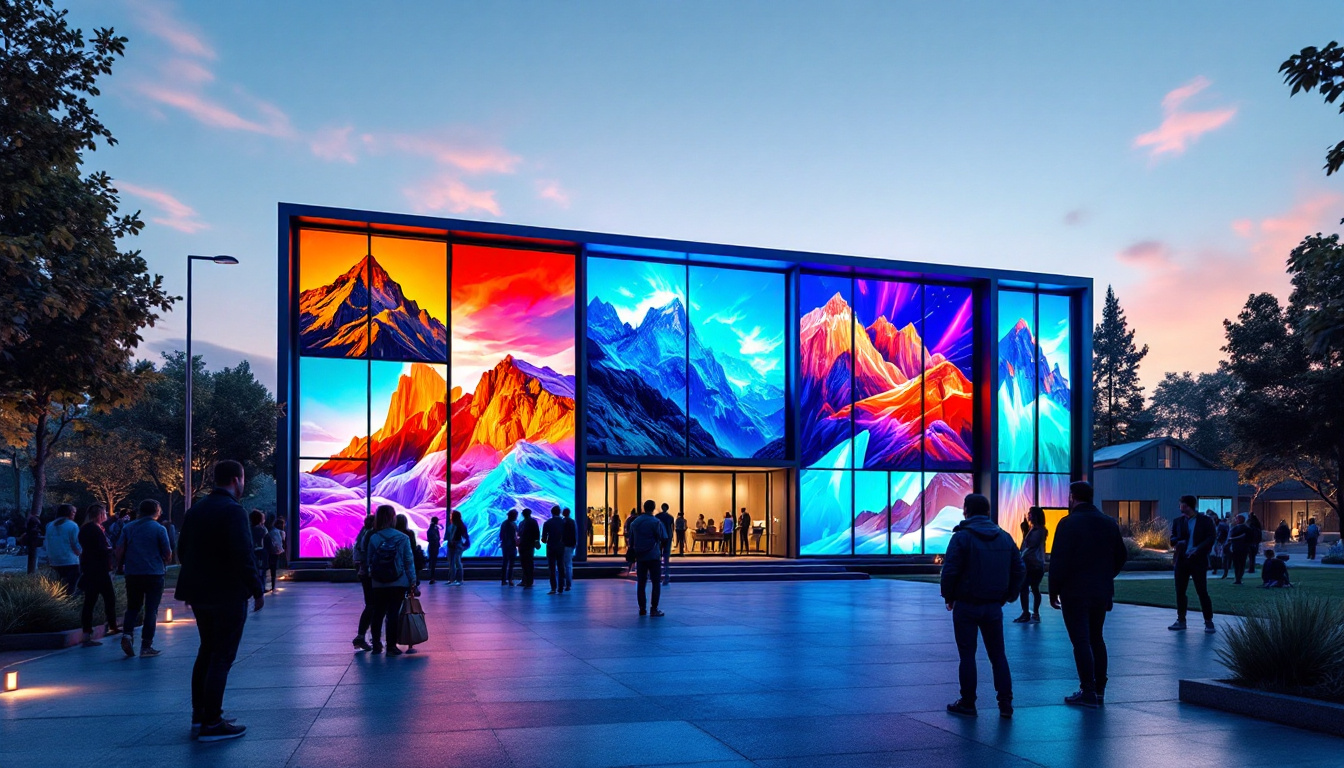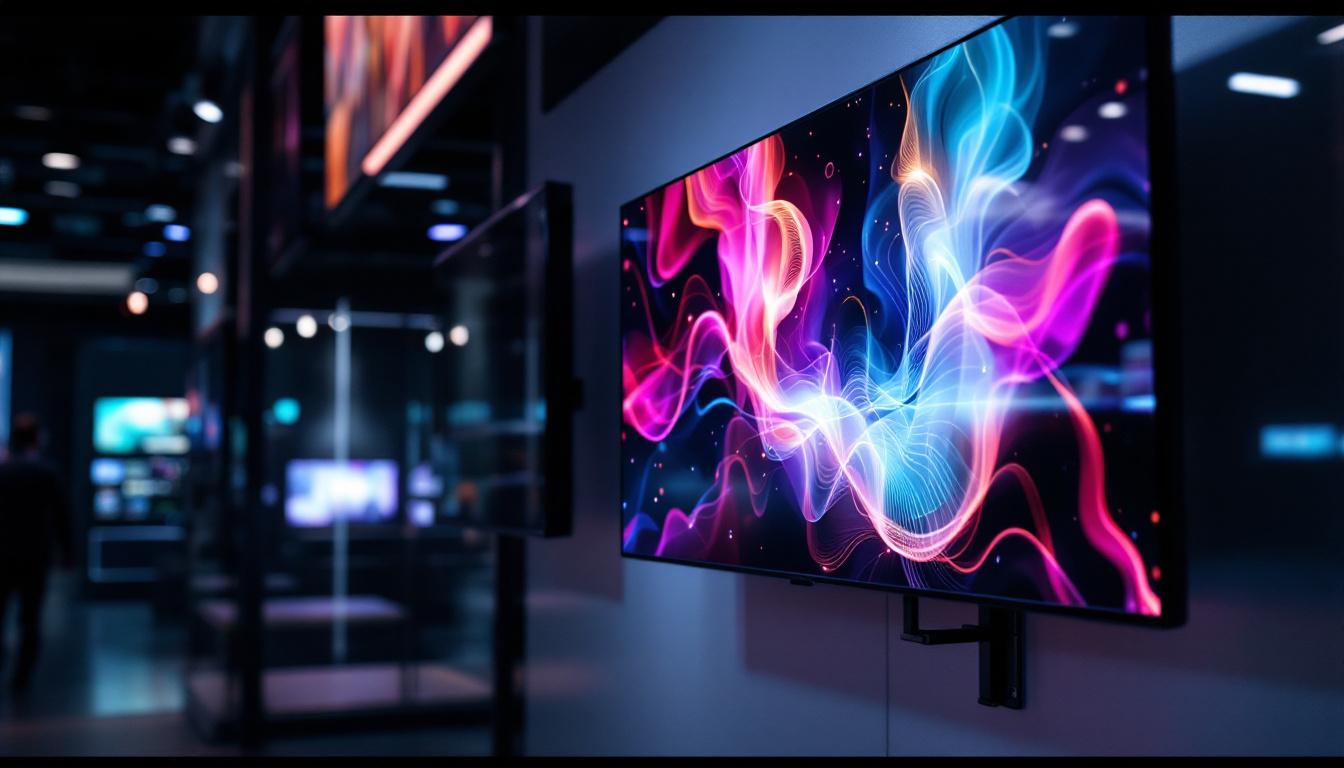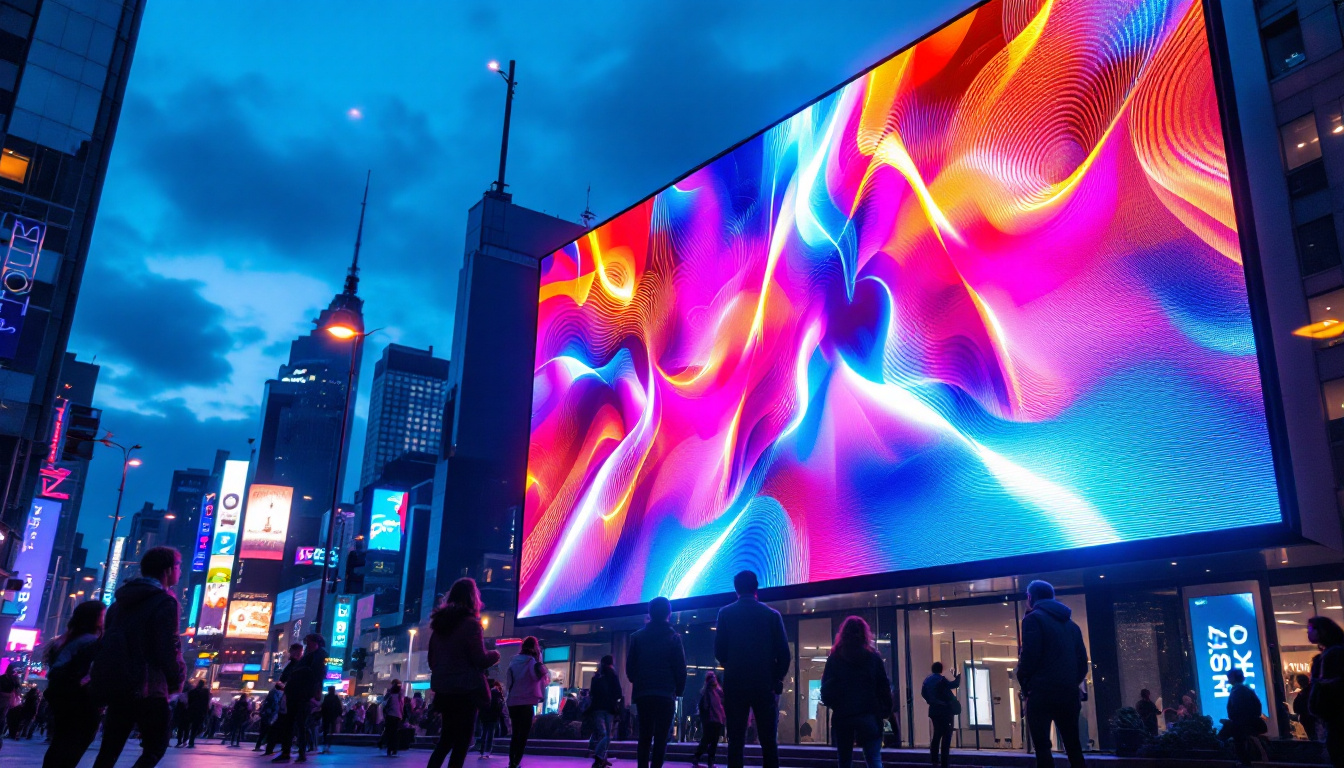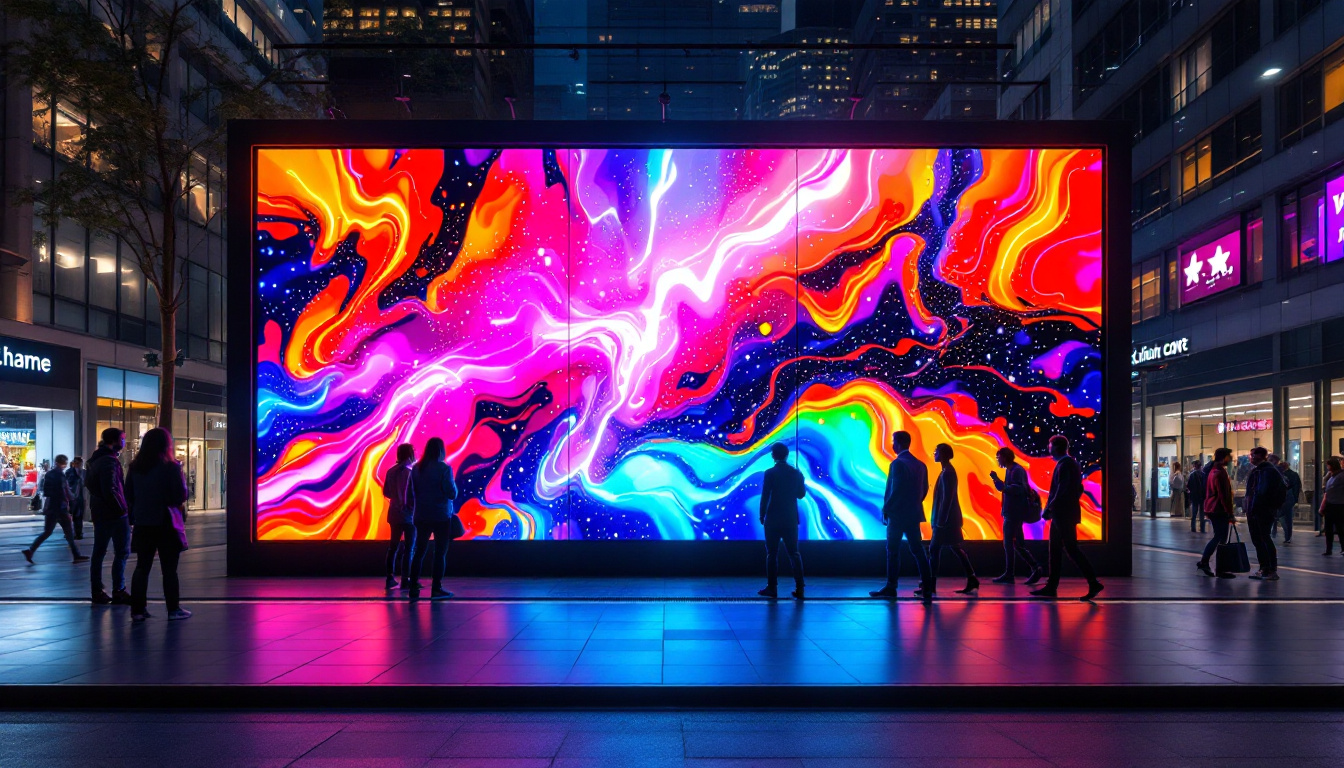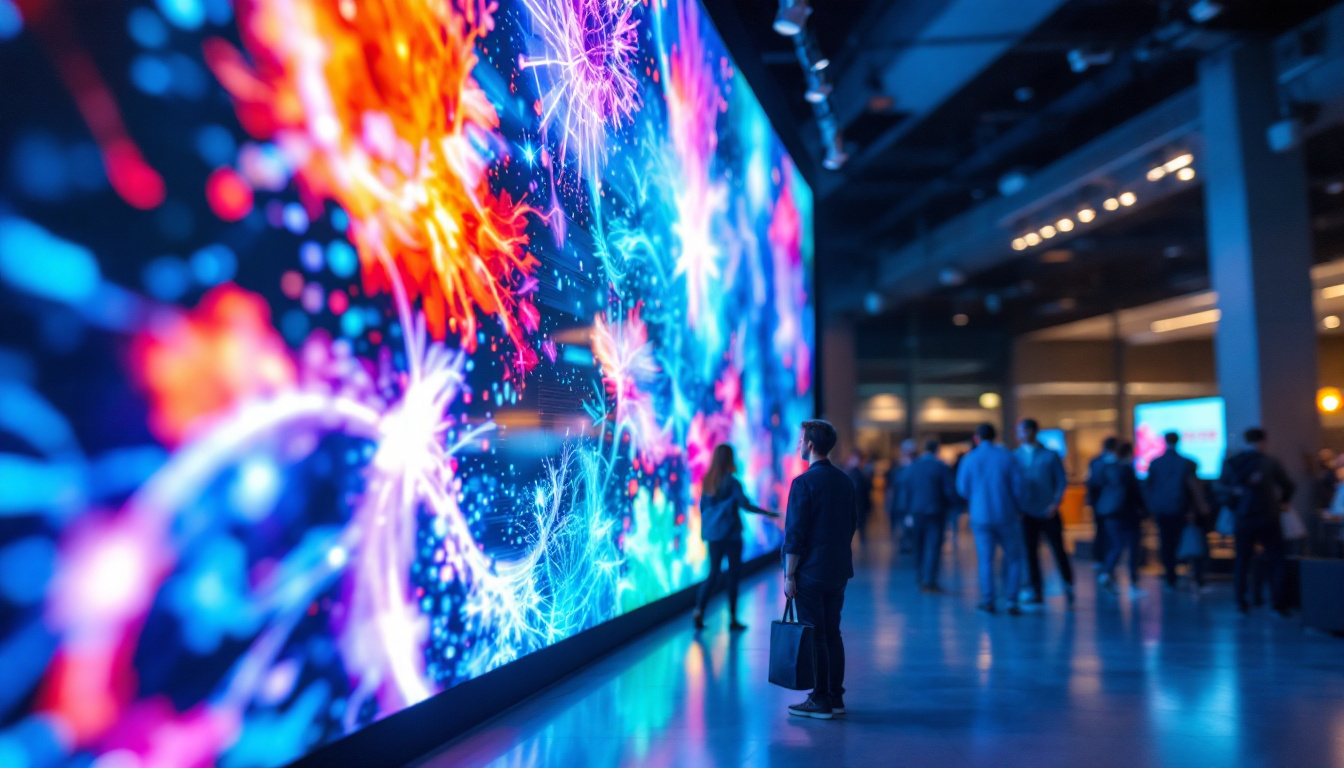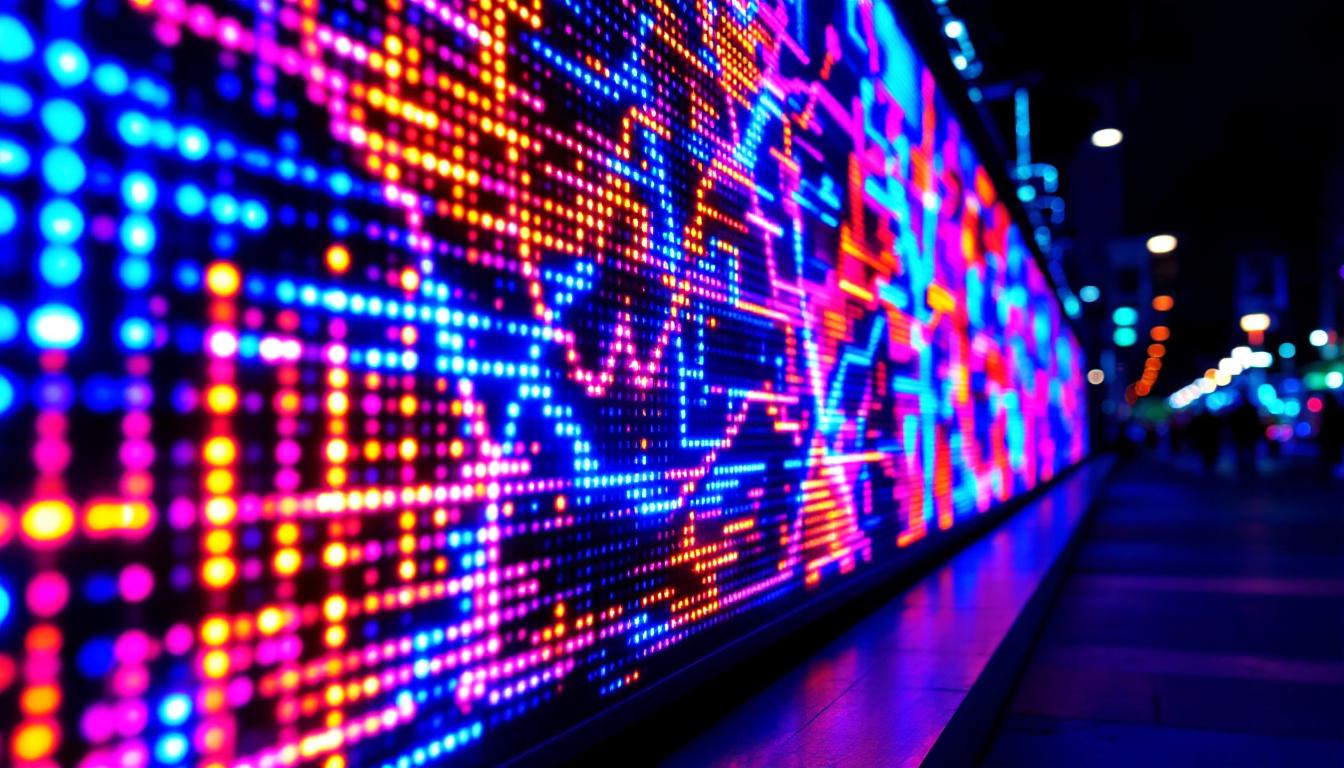
In the vibrant city of Miami, Florida, where innovation meets culture and business thrives, LED displays have become an essential medium for communication and advertising. From Times Square-style billboards to dynamic storefront signage, LED technology offers unmatched visibility and versatility. This article explores the fundamentals of LED displays, their applications in Miami, and why they have become a preferred choice for businesses and public spaces alike.
Understanding LED Display Technology
What is an LED Display?
LED stands for Light Emitting Diode, a semiconductor device that emits light when an electric current passes through it. An LED display is a flat panel display that uses an array of LEDs as pixels to create images, videos, or text. Unlike traditional LCD or plasma screens, LED displays use direct light emission, which results in higher brightness, better contrast, and improved energy efficiency.
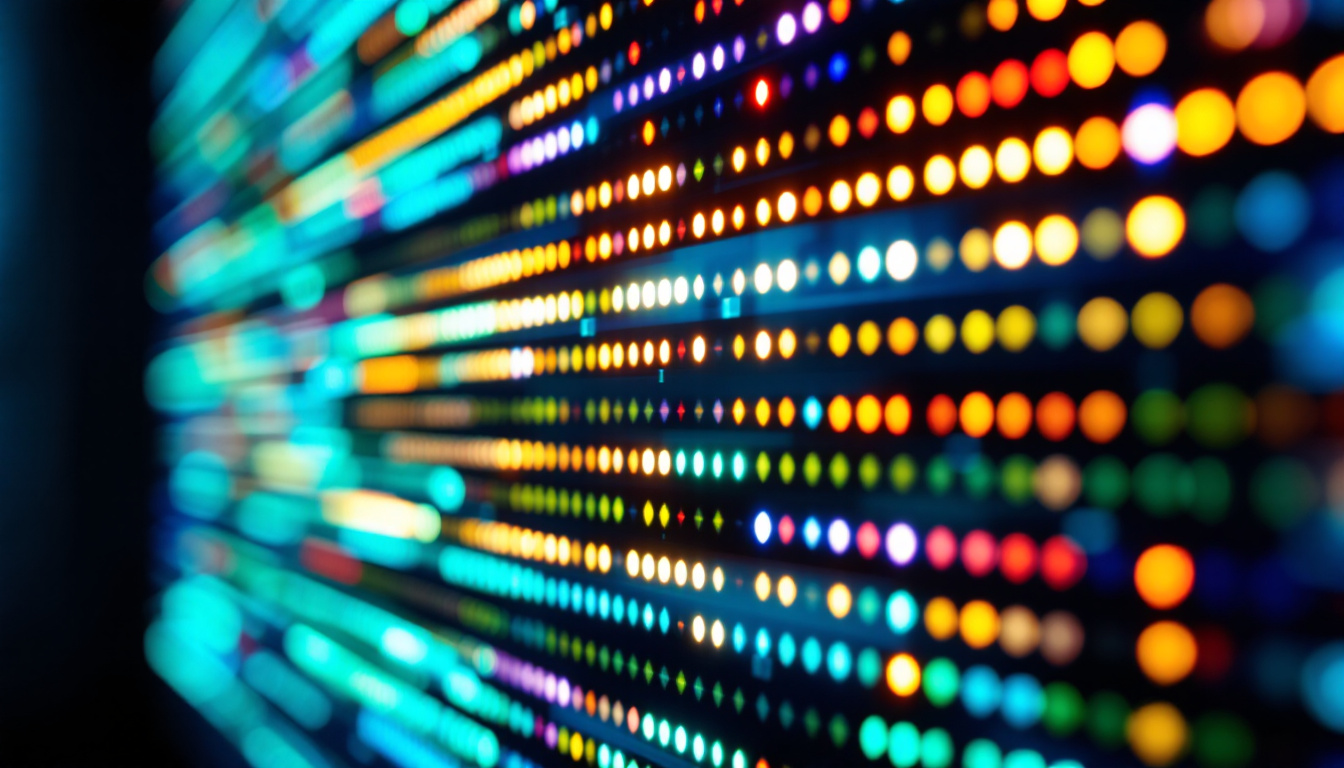
In practical terms, LED displays are composed of thousands of small LED modules arranged in grids. These modules can be customized in size and resolution, allowing for a wide range of display dimensions—from small indoor screens to massive outdoor billboards. The modular design not only facilitates easy repairs and upgrades but also allows for seamless integration into various environments, enhancing the overall aesthetic appeal of the installation.
Types of LED Displays
There are several types of LED displays, each suited to different environments and purposes:
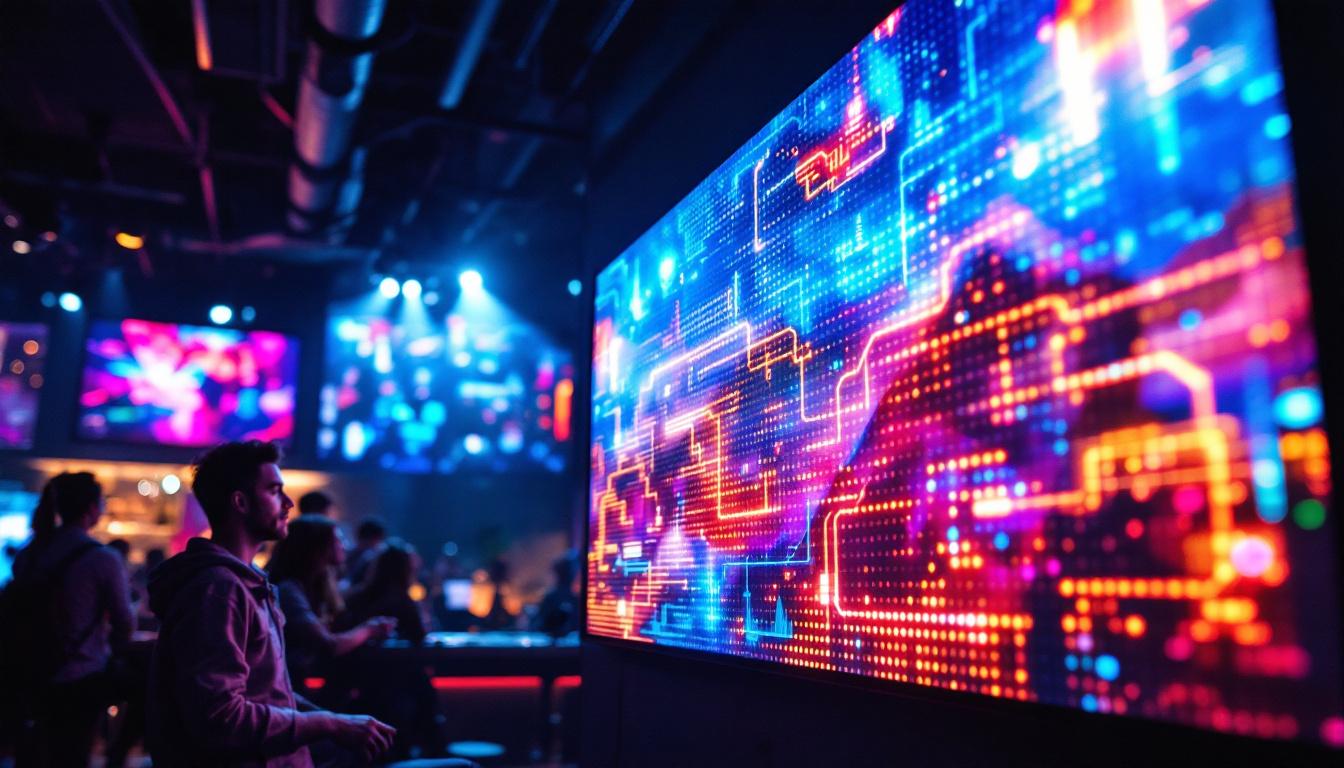
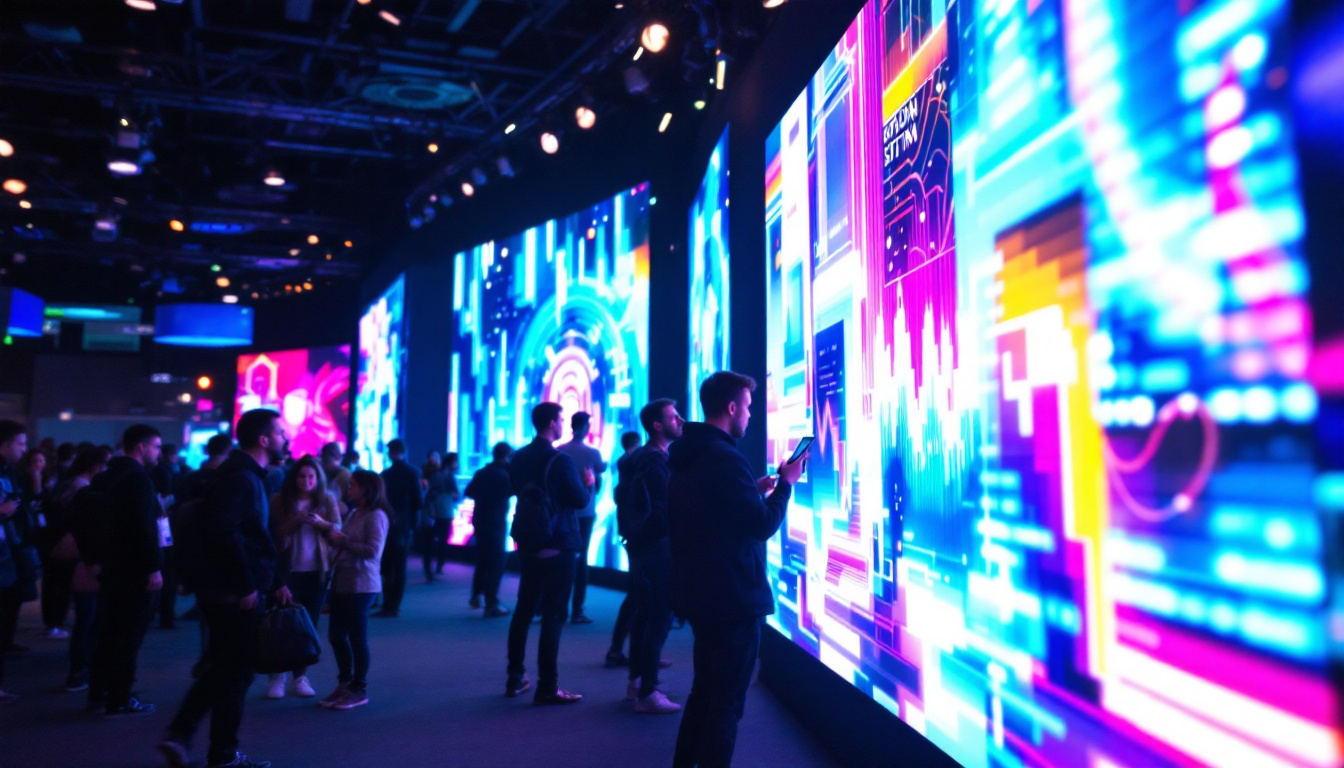
- Indoor LED Displays: Designed for controlled lighting environments, these displays offer high resolution and fine pixel pitch, making them ideal for retail stores, conference rooms, and event venues. Their vibrant colors and sharp images captivate audiences, making them a popular choice for digital signage and presentations.
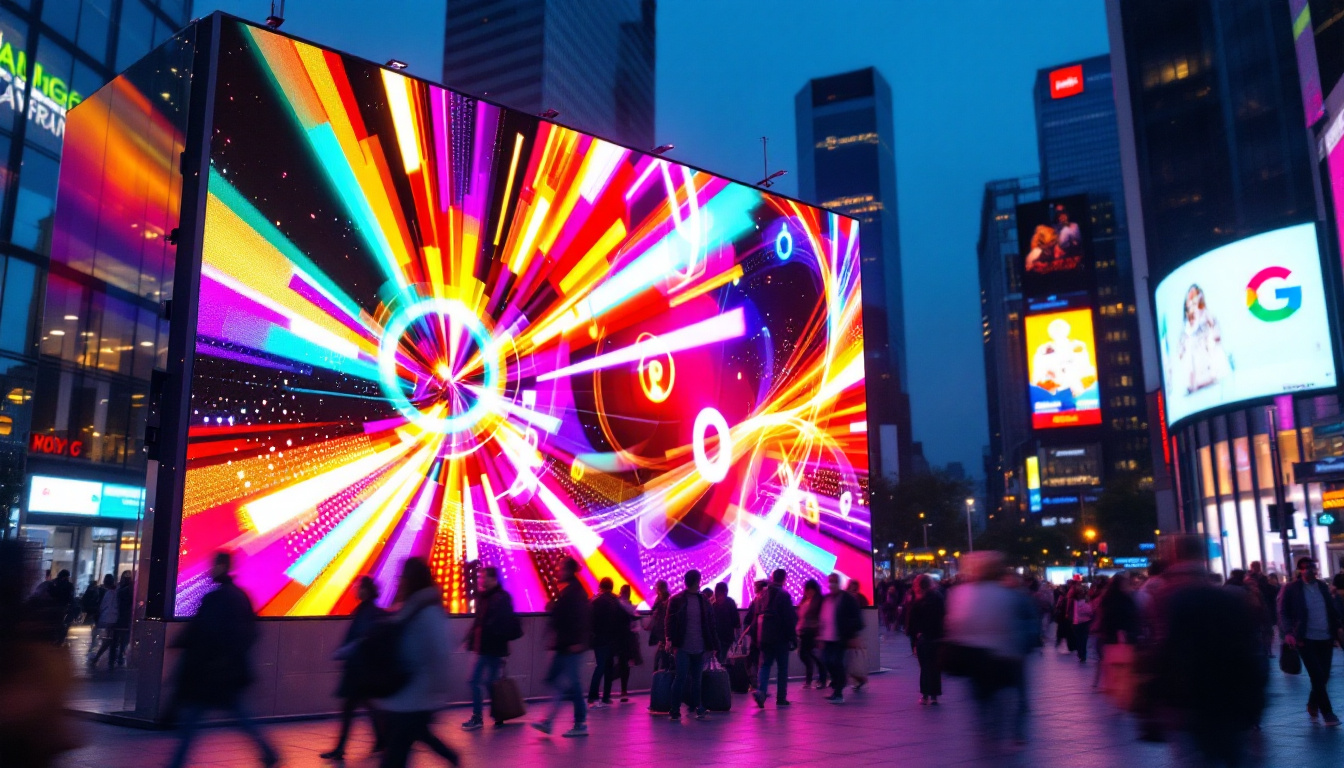
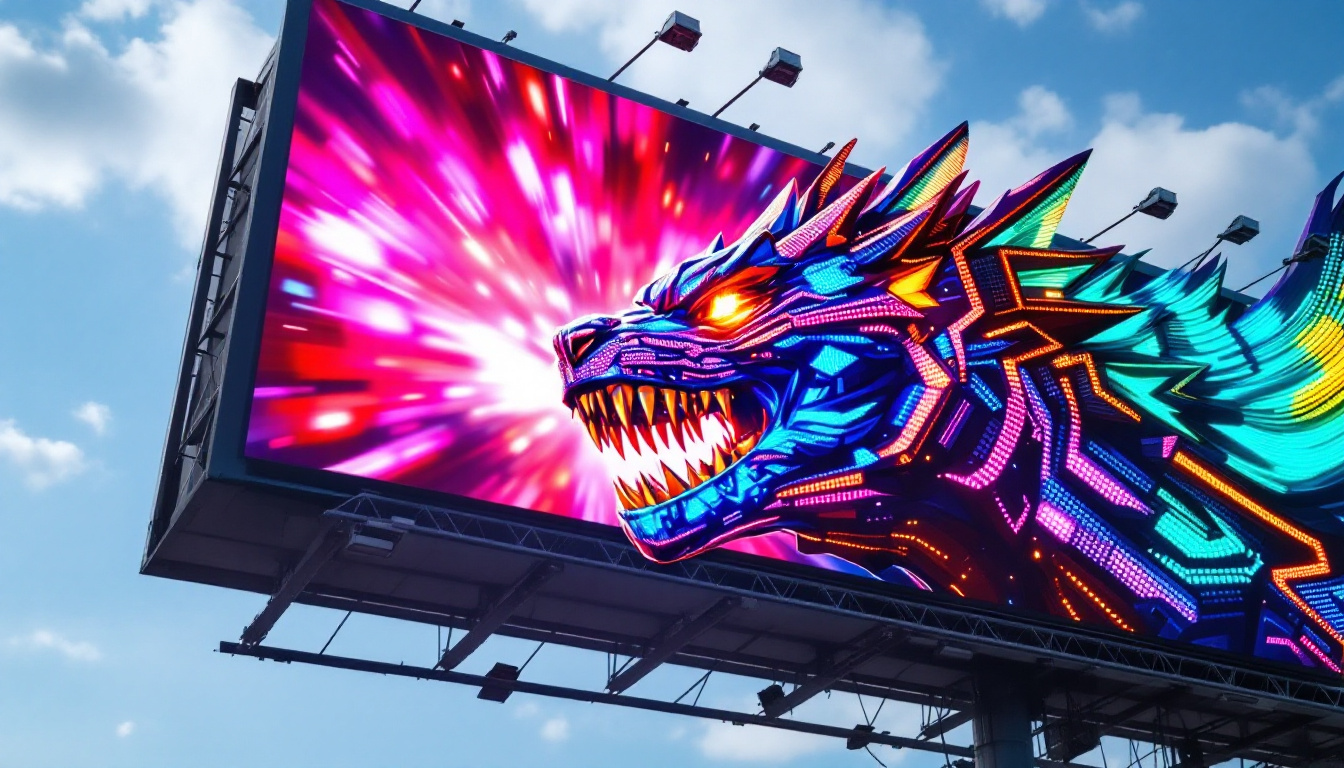
- Outdoor LED Displays: Built to withstand weather conditions, these displays feature higher brightness levels (often exceeding 5,000 nits) to remain visible in direct sunlight. They are commonly used for billboards, stadium screens, and public information boards. The durability of outdoor LED displays ensures they can endure harsh elements, including rain, snow, and extreme temperatures, while maintaining optimal performance.
- Transparent LED Displays: These innovative screens allow light to pass through, enabling their installation on glass surfaces without obstructing views. They are popular in storefront windows and architectural applications. By blending seamlessly with their surroundings, transparent LED displays provide an engaging way to showcase products and advertisements without compromising the natural light and visibility of the space.
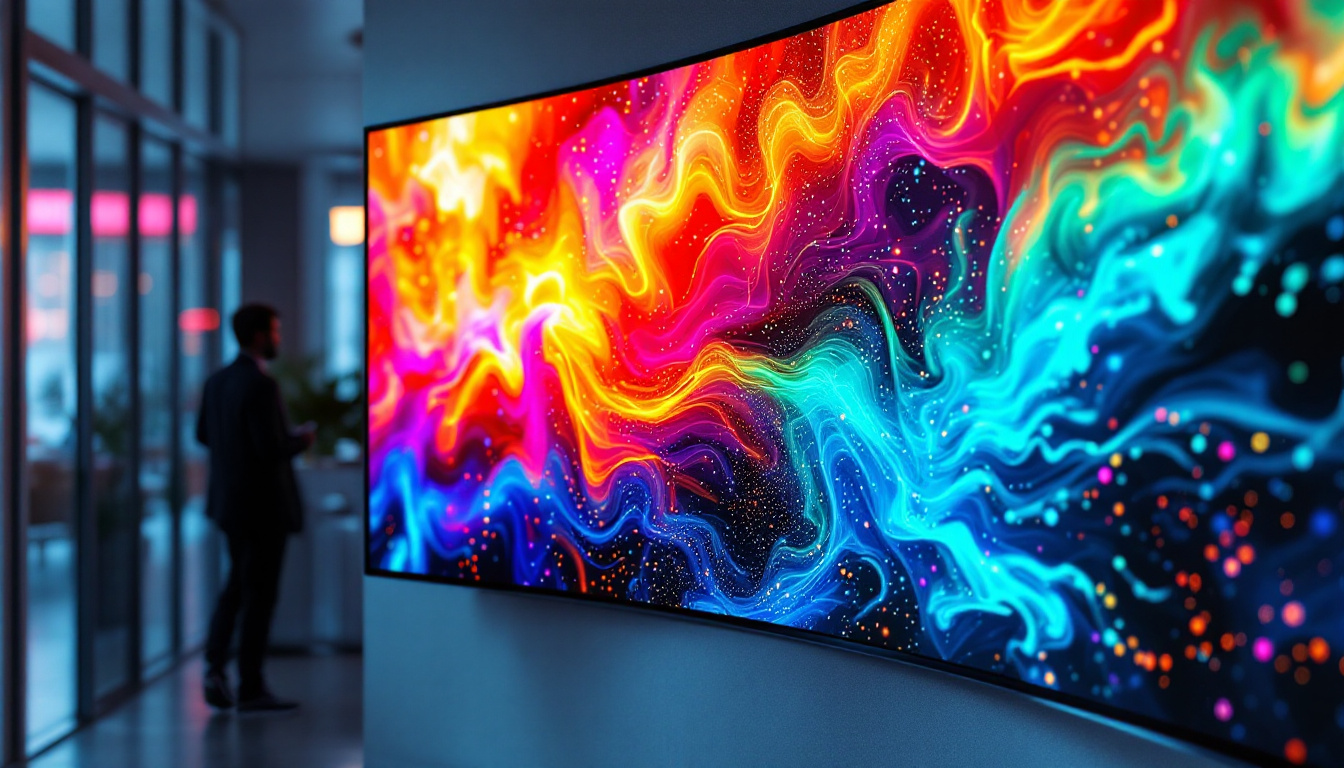
- Flexible LED Displays: Made with bendable materials, these displays can wrap around curved surfaces, offering creative design possibilities for advertising and art installations. Their versatility allows for unique configurations that can enhance the viewer’s experience, making them a favored choice for modern art exhibitions and immersive advertising campaigns.
As LED technology continues to evolve, new advancements are being made to improve the quality and functionality of these displays. For instance, the introduction of microLED technology promises even finer pixel densities and enhanced color accuracy, which could revolutionize the way we experience visual media. Additionally, the integration of smart technology into LED displays allows for dynamic content management, enabling businesses to update their messaging in real-time based on audience engagement and environmental factors.
Moreover, the environmental impact of LED displays is becoming an increasingly important consideration. With their energy-efficient design, LED displays consume significantly less power compared to traditional display technologies, contributing to reduced carbon footprints. Many manufacturers are also focusing on sustainable production practices and recyclable materials, ensuring that the benefits of LED technology extend beyond just visual appeal and functionality.
The Rise of LED Displays in Miami
Miami’s Unique Market and Environment
Miami’s tropical climate, bustling tourism industry, and diverse business landscape create a unique demand for effective visual communication tools. LED displays excel in this environment due to their brightness, durability, and adaptability. Whether it’s a luxury hotel promoting its amenities, a nightclub advertising upcoming events, or a public transit authority sharing real-time information, LED displays deliver messages with clarity and impact.
Additionally, Miami’s reputation as a cultural and entertainment hub encourages businesses to invest in eye-catching digital signage to stand out in a crowded market. The city’s vibrant nightlife and outdoor festivals also benefit from portable and large-scale LED installations that enhance the visitor experience.
Statistics Highlighting LED Display Growth
The global LED display market was valued at approximately $9.5 billion in 2023 and is projected to grow at a compound annual growth rate (CAGR) of about 12% through 2030. Miami, as a major metropolitan area in the United States, reflects this trend with increasing adoption across commercial, public, and entertainment sectors.
Local businesses report up to a 30% increase in customer engagement after installing LED displays, thanks to their dynamic content capabilities and superior visibility compared to static signage. Moreover, the energy efficiency of LED technology aligns with Miami’s growing emphasis on sustainability and green building practices.
Applications of LED Displays in Miami
Advertising and Marketing
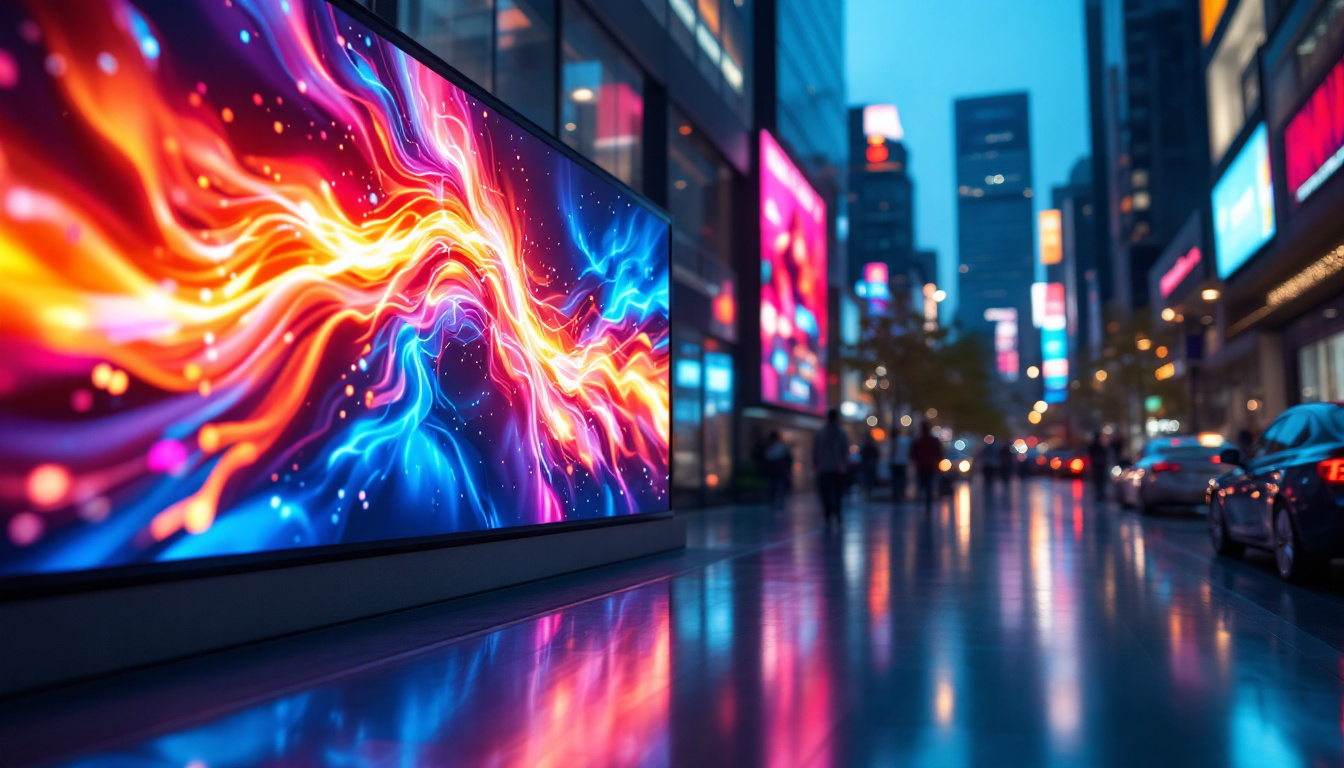
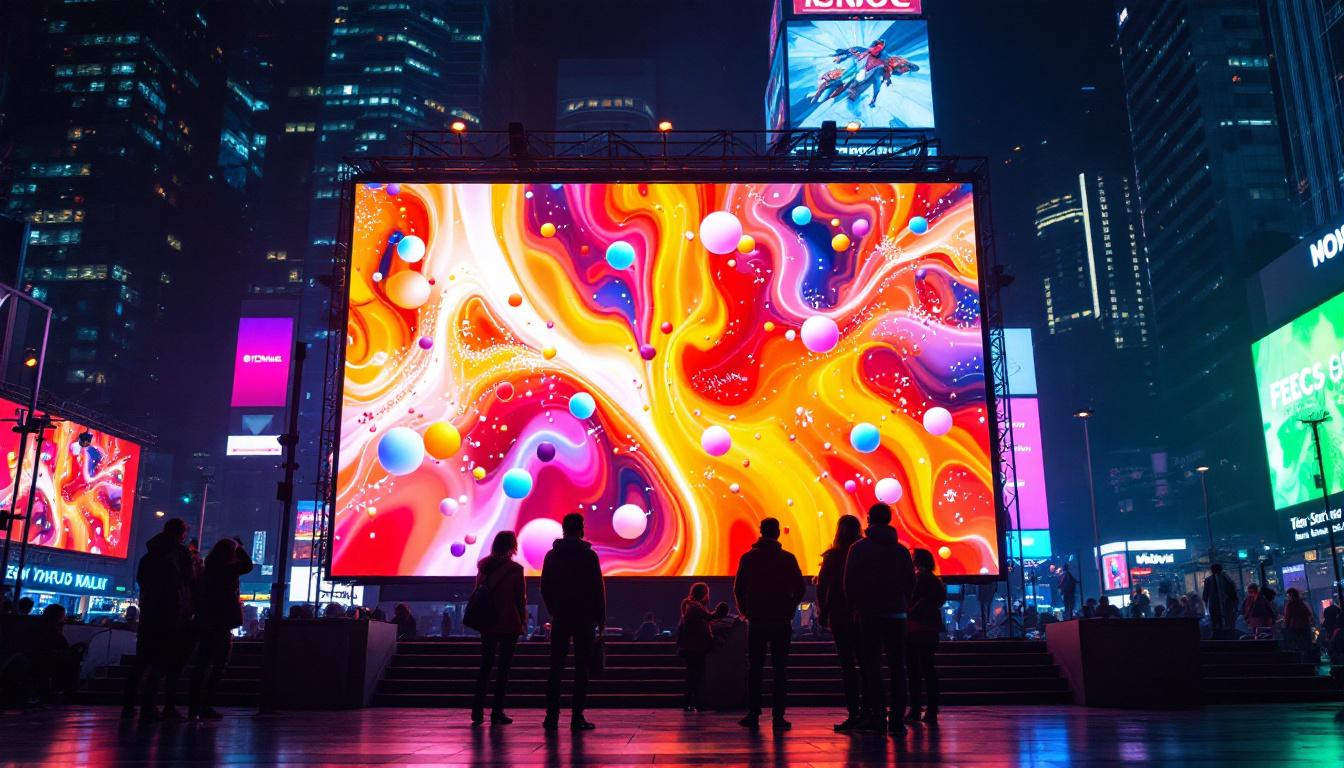
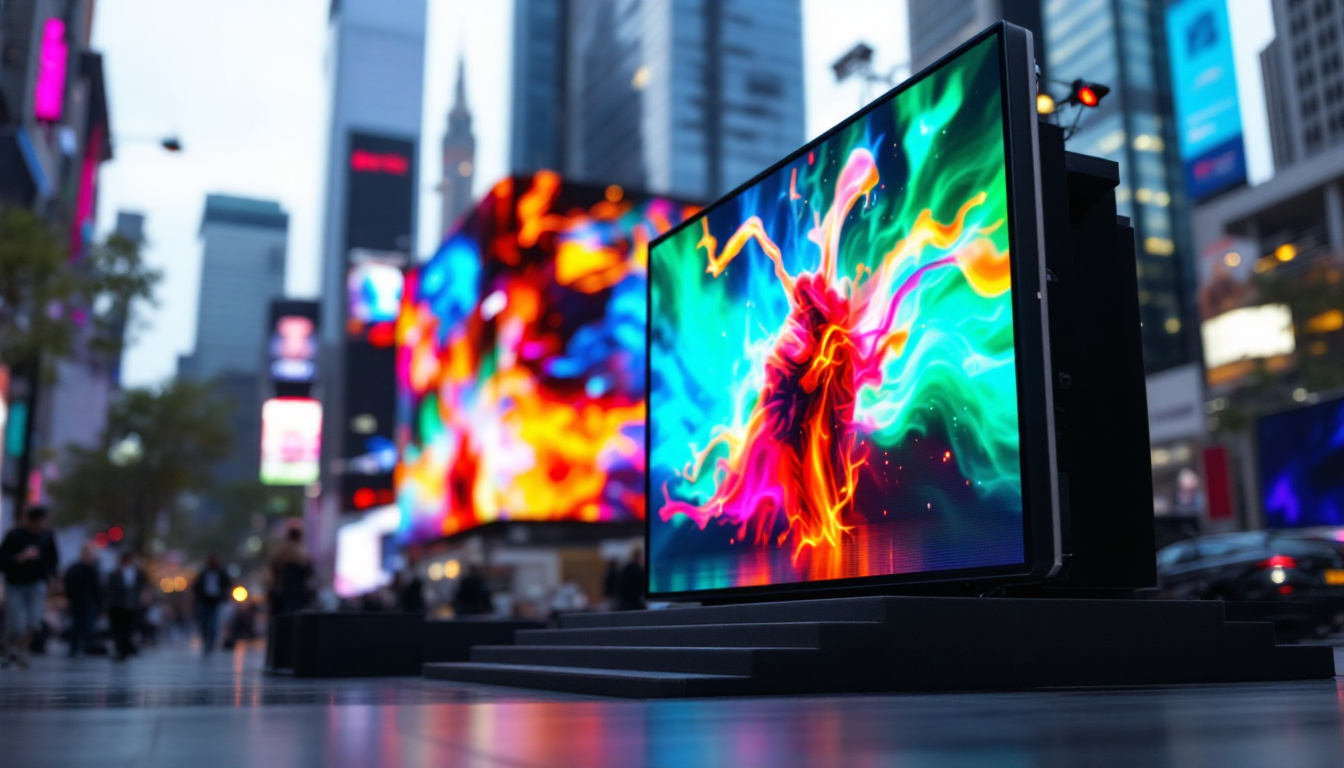
One of the most common uses of LED displays in Miami is outdoor advertising. The city’s high-traffic areas—such as Miami Beach, Downtown Miami, and Wynwood—feature numerous LED billboards that capture the attention of residents and tourists alike. These displays allow advertisers to run multiple campaigns, update content in real-time, and use motion graphics to increase engagement.
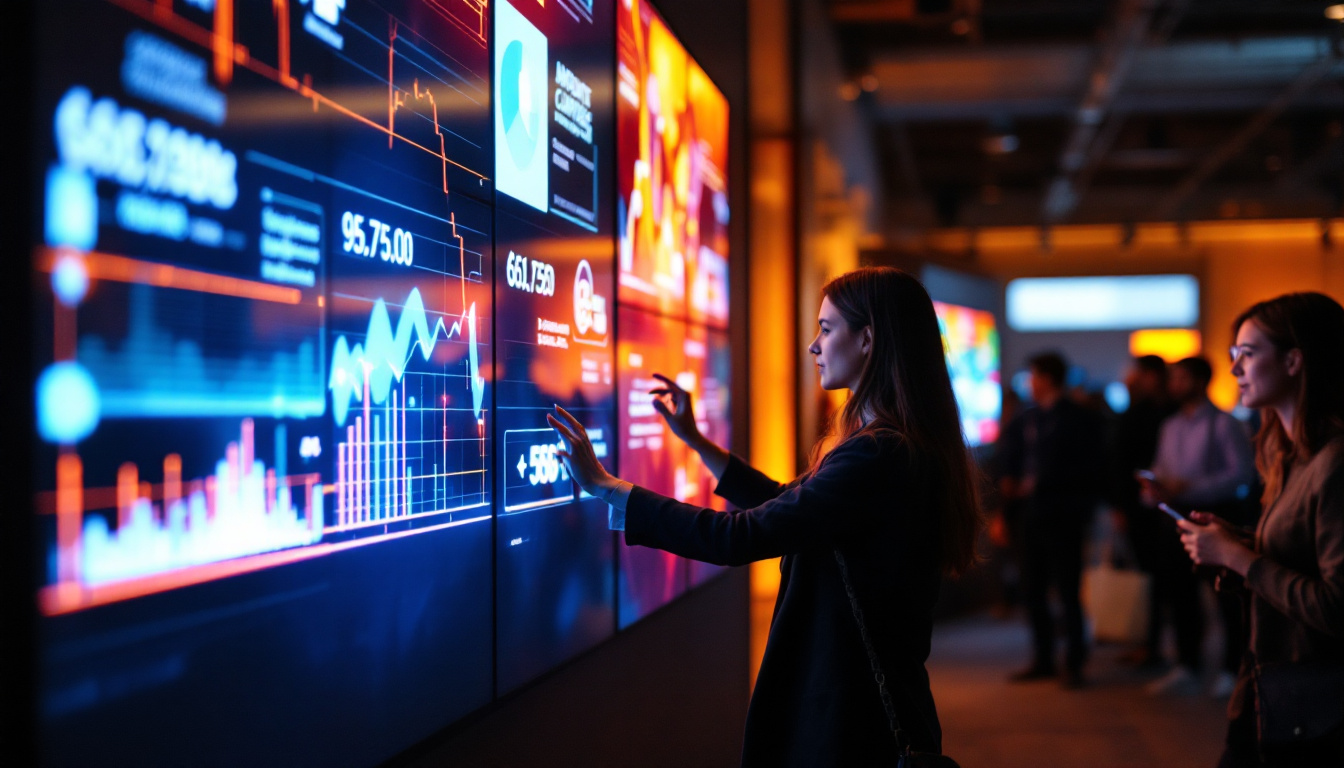
Indoor LED screens are also prevalent in shopping malls, airports, and hotels, where they provide targeted promotions and interactive experiences. For example, Miami International Airport uses LED displays to guide passengers, promote local attractions, and display flight information with exceptional clarity.
Public Information and Safety
LED displays play a critical role in disseminating public information in Miami. From emergency alerts and weather updates to traffic advisories, these screens provide timely and visible communication to residents and visitors. The city’s transportation authorities utilize LED panels at bus stops and transit stations to share schedules and service changes.
During events such as hurricanes or public health emergencies, LED displays become vital tools for broadcasting urgent messages quickly and effectively, helping to enhance public safety and preparedness.
Entertainment and Events
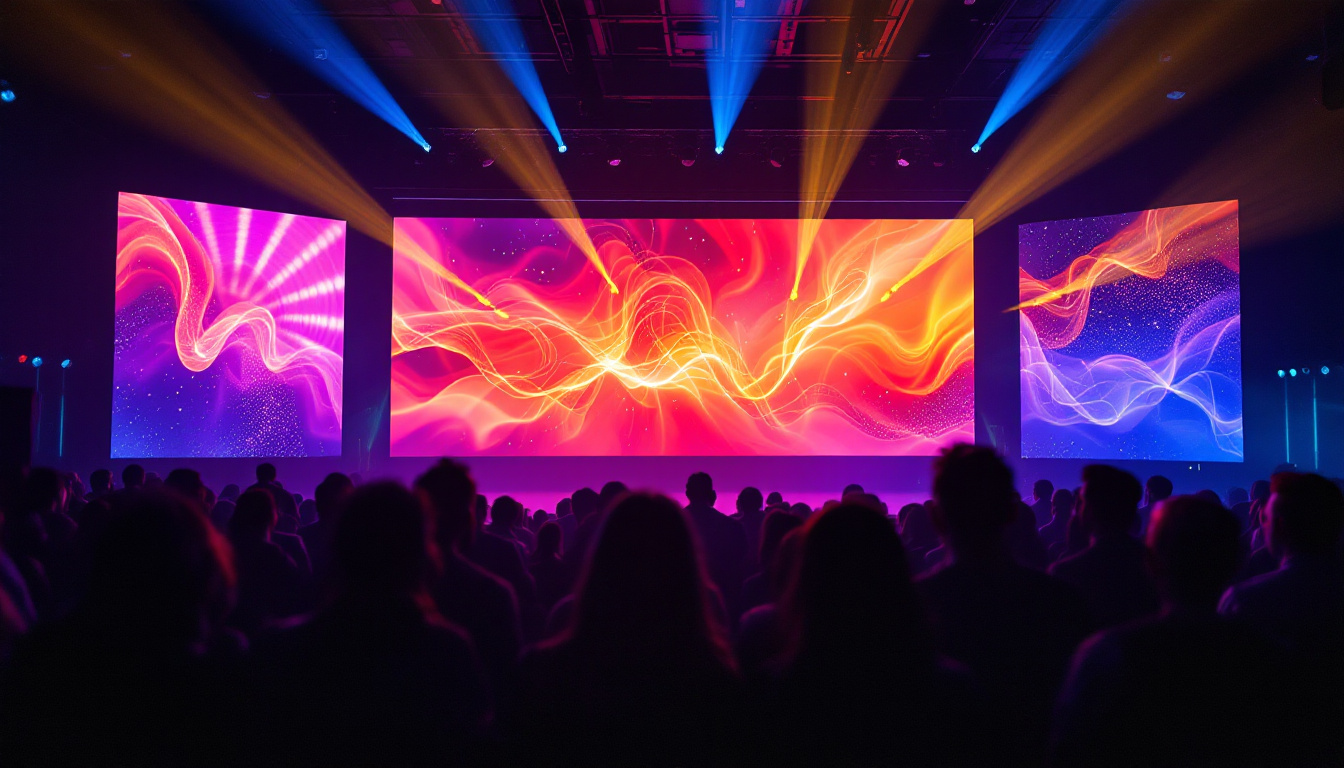
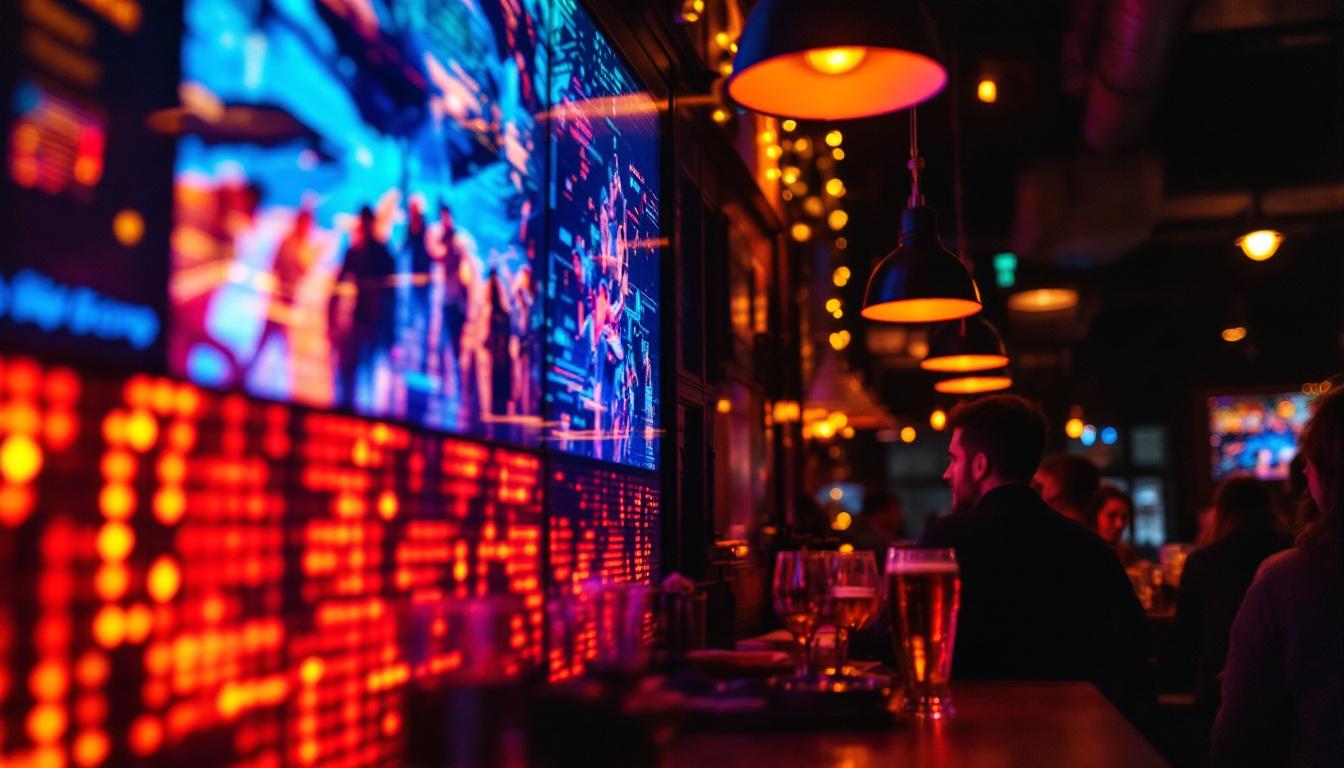
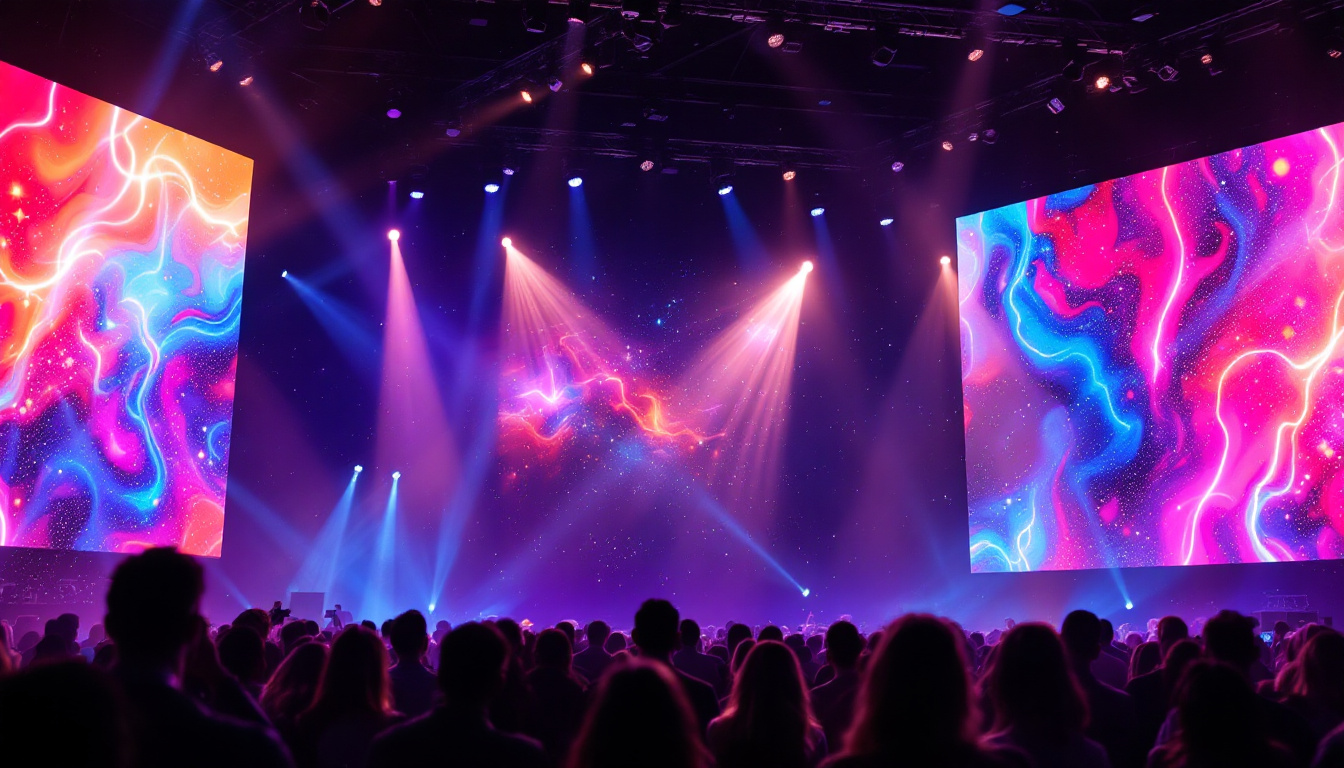
Miami’s entertainment industry leverages LED technology extensively. Concert venues, sports arenas, and nightclubs deploy large LED screens to create immersive visual experiences. The annual Art Basel Miami Beach festival often features LED installations as part of its contemporary art exhibits, showcasing the technology’s artistic potential.
Temporary LED displays are also popular for festivals, parades, and outdoor markets, offering flexible and high-impact visual solutions that can be tailored to event themes and branding.
Benefits of LED Displays for Miami Businesses
Enhanced Visibility and Engagement
LED displays offer superior brightness and contrast, making messages visible even in Miami’s intense sunlight. This ensures that advertisements and information reach audiences effectively throughout the day and night. The ability to display dynamic content, including videos and animations, significantly increases viewer engagement compared to traditional static signs.
Cost Efficiency and Sustainability
While the initial investment in LED displays can be higher than conventional signage, the long-term benefits often outweigh the costs. LEDs consume less power, reducing electricity bills, and have longer lifespans, minimizing maintenance expenses. This aligns well with Miami’s increasing focus on energy conservation and environmental responsibility.
Flexibility and Real-Time Updates
LED displays can be remotely controlled and updated instantly, enabling businesses to tailor their messaging based on time of day, audience demographics, or special promotions. This flexibility is invaluable in Miami’s fast-paced market, where timely communication can drive sales and brand loyalty.
Choosing the Right LED Display in Miami
Assessing Location and Purpose
Before investing in an LED display, it’s essential to consider the installation environment. Outdoor displays require weatherproofing and high brightness, while indoor screens prioritize resolution and viewing angles. The intended use—advertising, information, or entertainment—also influences the choice of display type and size.
Understanding Pixel Pitch and Resolution
Pixel pitch refers to the distance between individual LEDs on a display. A smaller pixel pitch means higher resolution and sharper images, which is crucial for close-up viewing indoors. Conversely, larger pixel pitches are suitable for outdoor displays viewed from a distance, where ultra-high resolution is less critical.
Compliance with Local Regulations
Miami has specific ordinances regarding digital signage, including brightness limits, operating hours, and content restrictions. Consulting with local authorities and experienced LED display providers ensures compliance and avoids potential fines or operational disruptions.
Future Trends in LED Displays in Miami
Integration with Smart City Initiatives
As Miami advances its smart city agenda, LED displays are expected to integrate with IoT (Internet of Things) technologies to provide interactive and data-driven services. For example, LED panels could display personalized transit information, environmental data, or targeted advertisements based on real-time analytics.
Advancements in Display Technology
Emerging technologies such as MicroLED and MiniLED promise even higher brightness, better color accuracy, and thinner form factors. These innovations will further expand the applications and appeal of LED displays in Miami’s competitive market.
Increased Use of Sustainable Materials
Environmental concerns are driving the development of LED displays made from recyclable and eco-friendly materials. Miami businesses are likely to adopt these greener options to align with sustainability goals and consumer preferences.
Conclusion
LED displays have transformed the way Miami businesses and public entities communicate with their audiences. Their brightness, versatility, and cost-effectiveness make them ideal for the city’s dynamic environment. Whether enhancing advertising campaigns, improving public safety, or enriching entertainment experiences, LED technology continues to illuminate Miami’s streets and venues with vibrant, impactful visuals.
For businesses considering an investment in LED displays, understanding the technology, local market demands, and regulatory landscape is key to maximizing benefits. As Miami embraces future innovations, LED displays will remain a cornerstone of the city’s visual and digital landscape.
Illuminate Your Brand with LumenMatrix
Ready to elevate your visual presence in Miami’s bustling landscape? Discover LumenMatrix’s comprehensive range of LED display solutions, from vibrant Indoor LED Walls to robust Outdoor LED Displays, and innovative options like Vehicle LED Displays and Transparent LED Displays. Embrace the future of visual communication with our cutting-edge technology designed to captivate and engage. Check out LumenMatrix LED Display Solutions today and transform your message into an unforgettable visual experience.