In today’s fast-evolving digital landscape, LED displays have become ubiquitous, from towering billboards in city centers to sleek screens in retail stores and event venues. Understanding what LED displays are, how they function, and their various applications is essential for businesses, marketers, and technology enthusiasts alike. This article delves deep into the world of LED displays, explaining their technology, advantages, types, and future trends.
What is an LED Display?
LED stands for Light Emitting Diode, a semiconductor device that emits light when an electric current passes through it. An LED display is a flat panel display that uses an array of light-emitting diodes as pixels to create images, videos, and text. Unlike traditional LCD or plasma screens, LED displays rely on these tiny diodes to produce bright, vivid visuals with superior energy efficiency.
The technology behind LED displays is rooted in the ability of diodes to emit light in various colors, primarily red, green, and blue (RGB). By combining these three colors at different intensities, LED displays can reproduce a wide spectrum of colors, enabling high-definition and dynamic content presentation. This capability has made LED displays the preferred choice for a variety of applications, from large-scale outdoor billboards to sleek indoor televisions, as they can deliver stunning visuals that captivate audiences.
How LED Displays Work
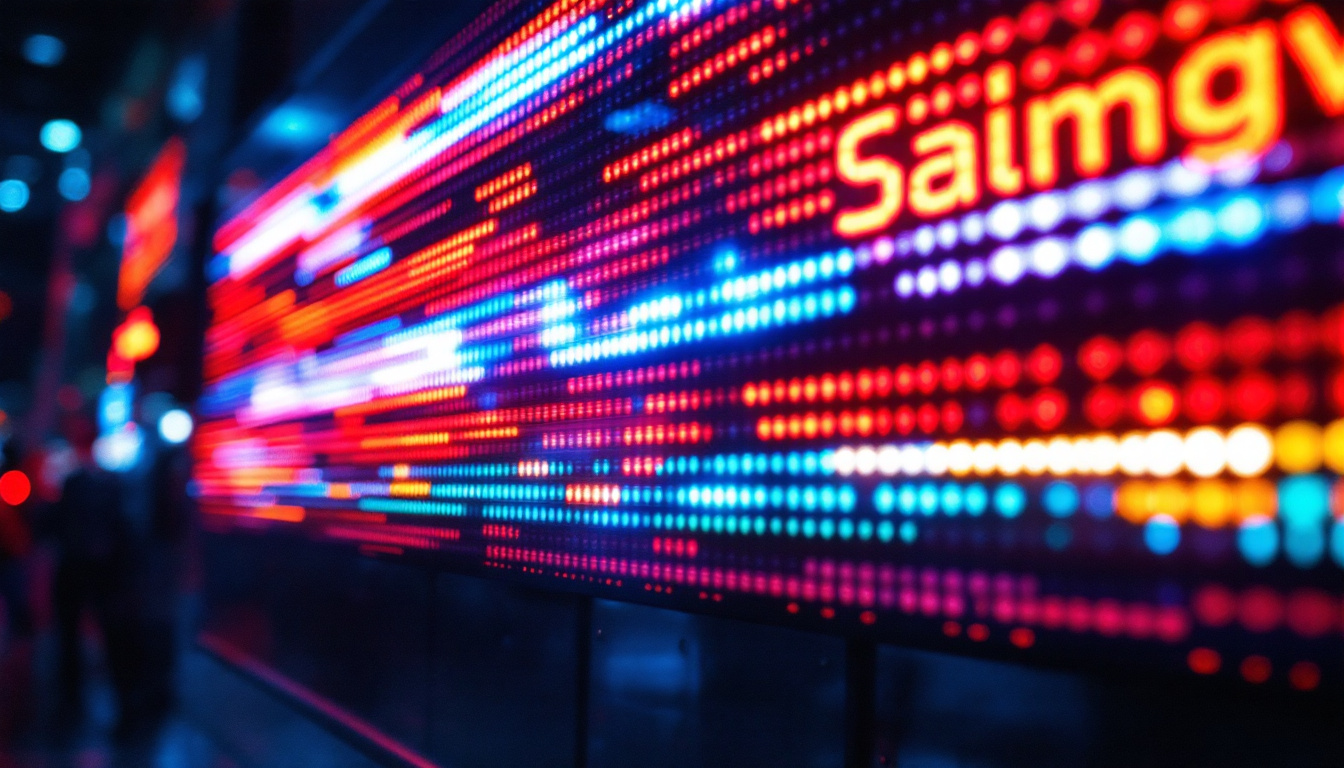
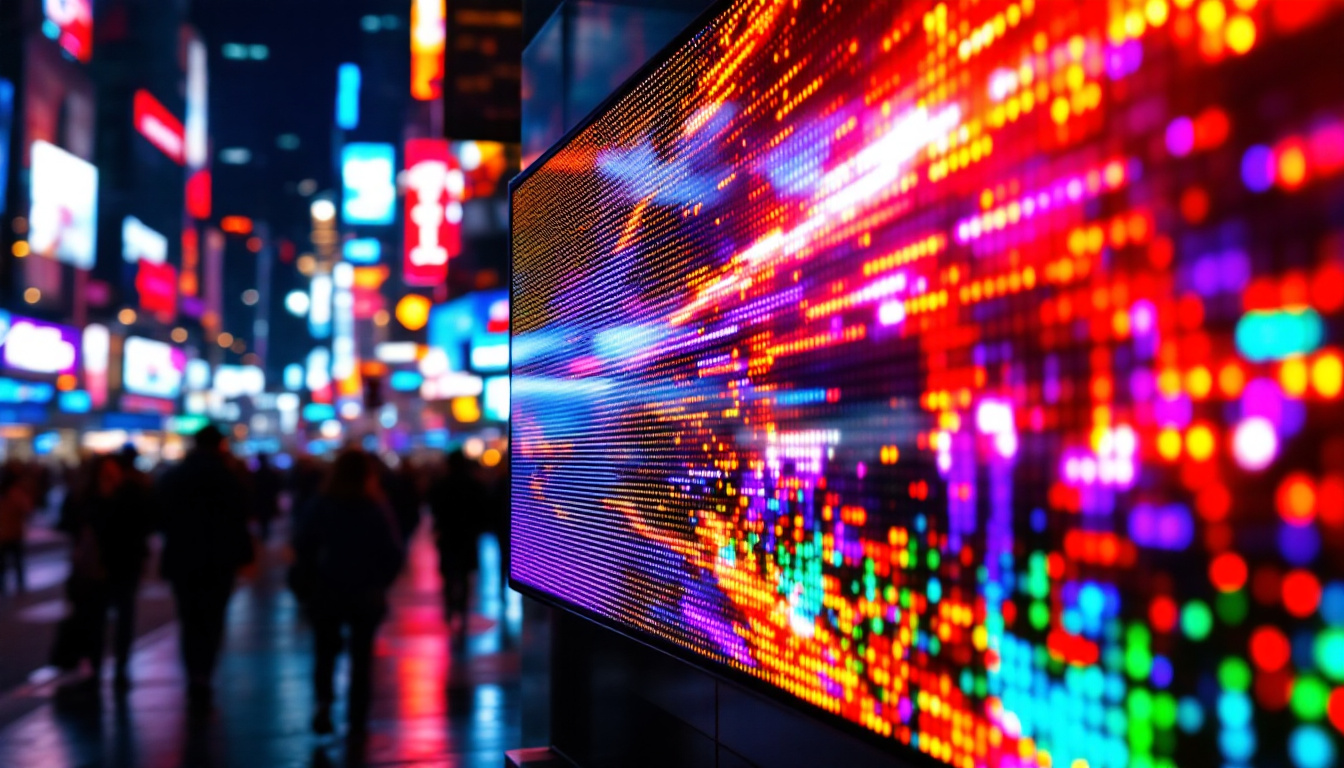
Each pixel on an LED display consists of multiple diodes—typically one red, one green, and one blue. By adjusting the brightness of each diode, the pixel can display millions of colors. These pixels are arranged in a grid pattern, and the display controller manages the illumination of each pixel to render images or videos. This precise control allows for smooth transitions and lifelike images, making LED displays ideal for everything from digital signage to gaming.
Modern LED displays often use surface-mounted device (SMD) technology, where the LED diodes are mounted directly onto the circuit board, allowing for higher pixel density and improved image resolution. This technology also enables thinner, lighter, and more flexible displays compared to older LED models. Furthermore, advancements in LED technology, such as the introduction of microLED and miniLED, are pushing the boundaries of display quality even further. MicroLED displays, for instance, consist of microscopic LEDs that can be individually controlled, resulting in unparalleled contrast ratios and brightness levels. As a result, these innovations are setting new standards for visual experiences in both consumer electronics and professional applications, paving the way for even more immersive viewing experiences.
Types of LED Displays
LED displays come in various forms, each suited to different environments and purposes. Understanding these types helps businesses and consumers choose the right display for their needs.
Indoor LED Displays
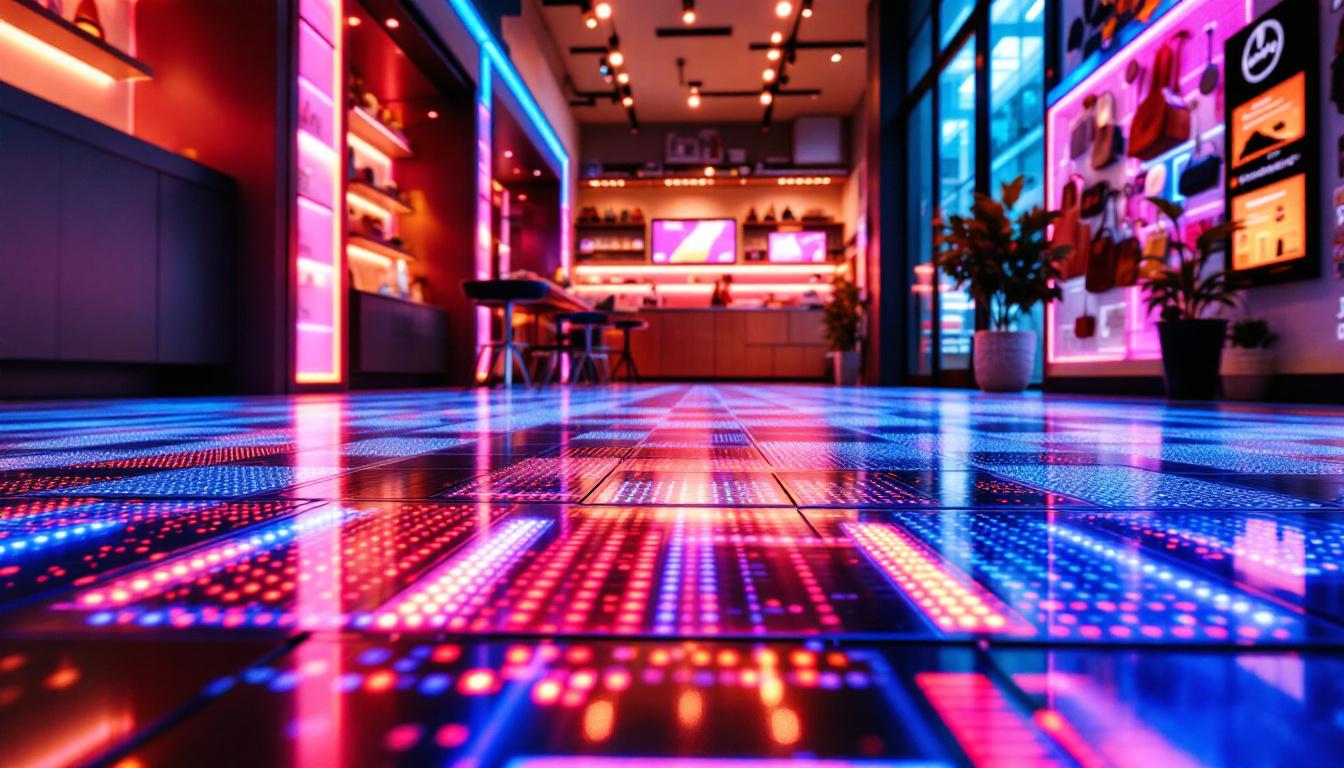
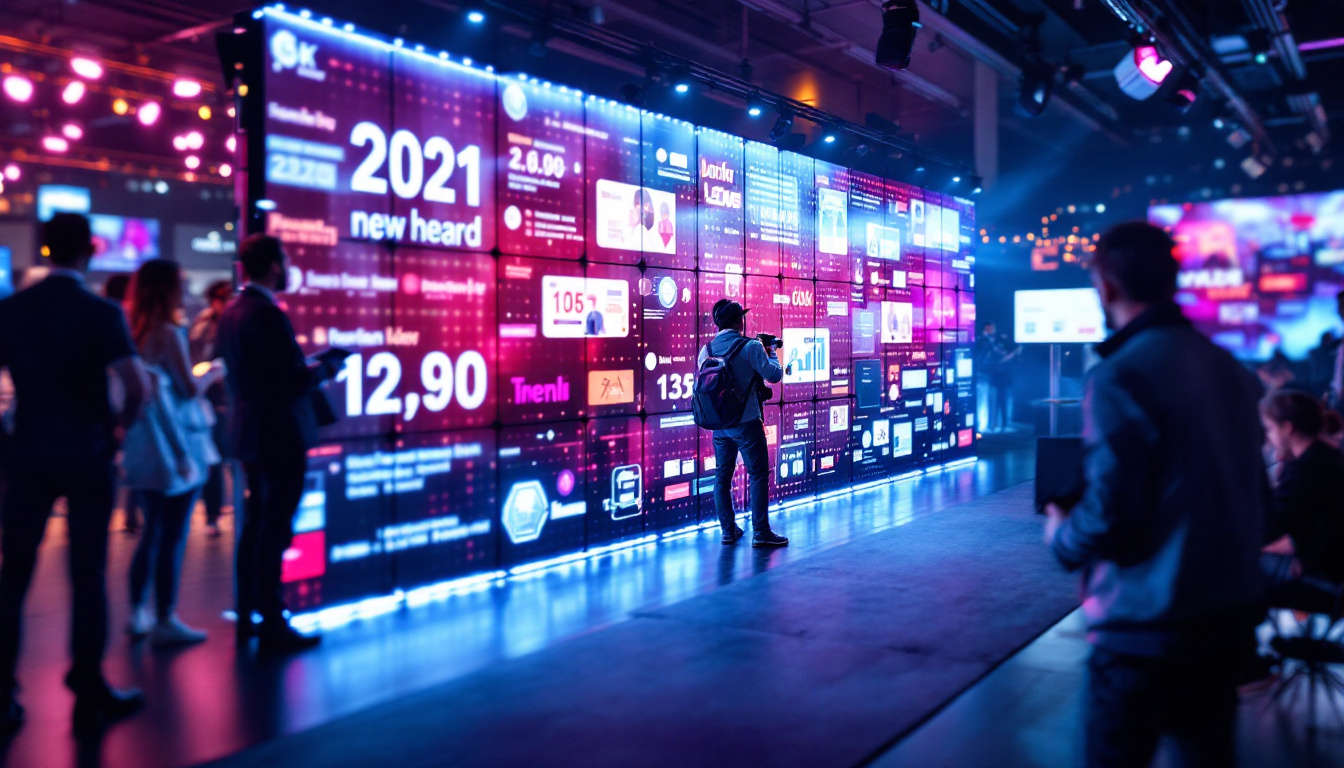
Indoor LED displays are designed for use inside buildings, such as shopping malls, conference rooms, airports, and retail stores. They typically have a higher pixel density, meaning the diodes are packed closer together to provide sharper images when viewed from a short distance.
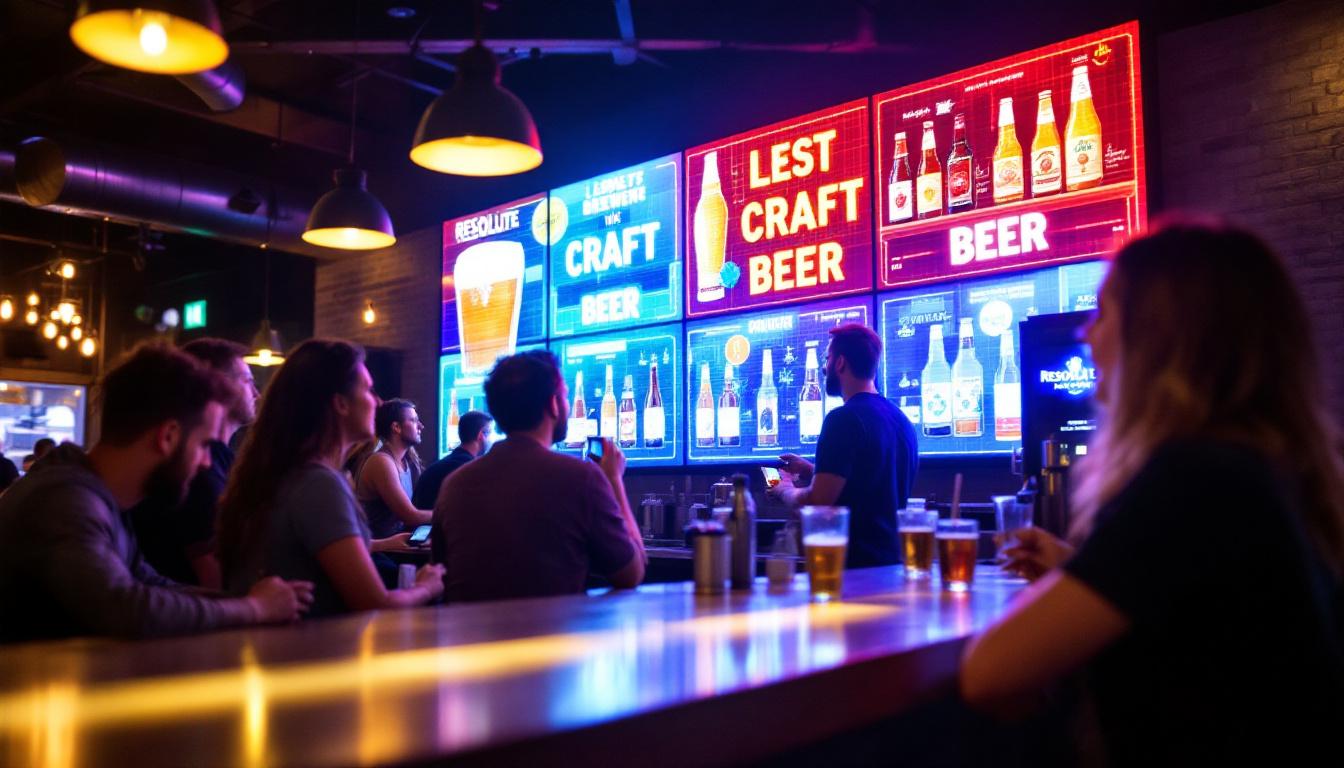
These displays are optimized for controlled lighting environments and offer excellent color accuracy and brightness levels suitable for indoor settings. For example, a retail store might use an indoor LED display to showcase promotional videos and advertisements, attracting customers with vibrant visuals.
Outdoor LED Displays
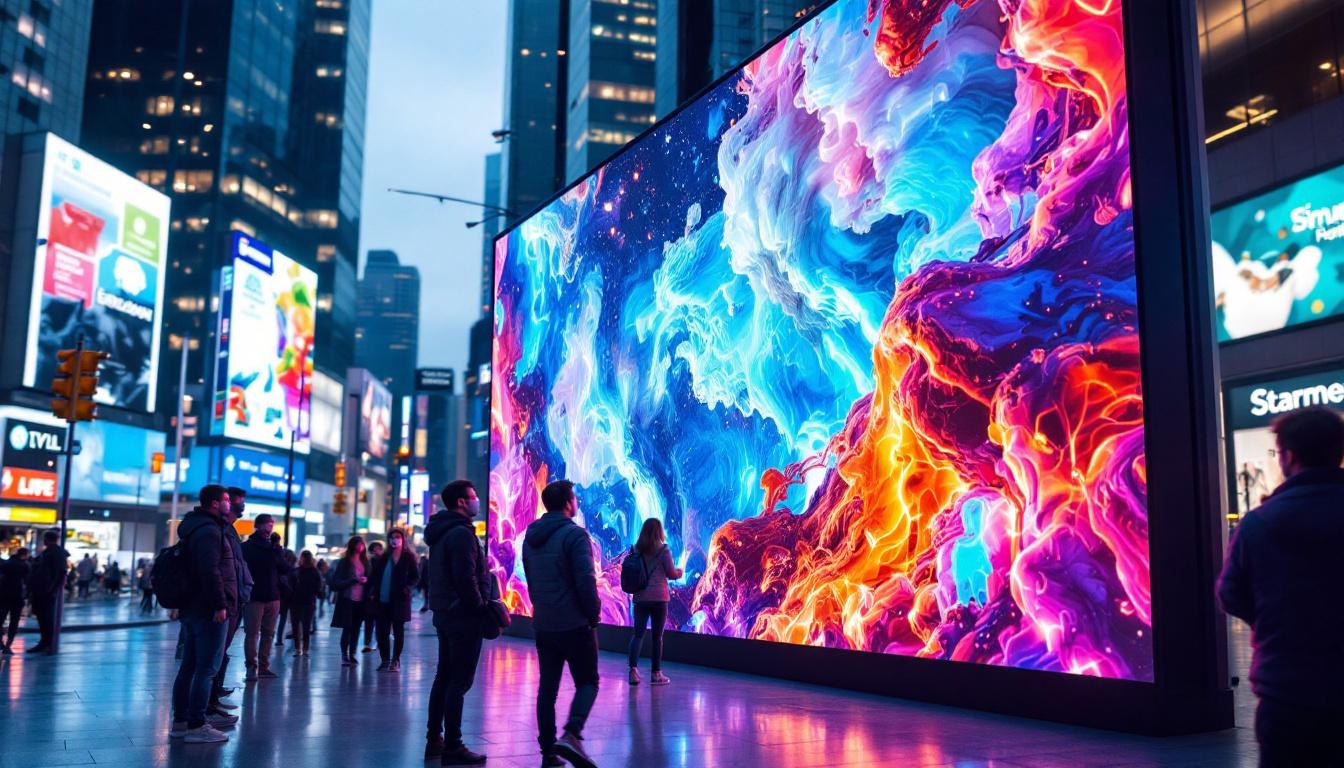
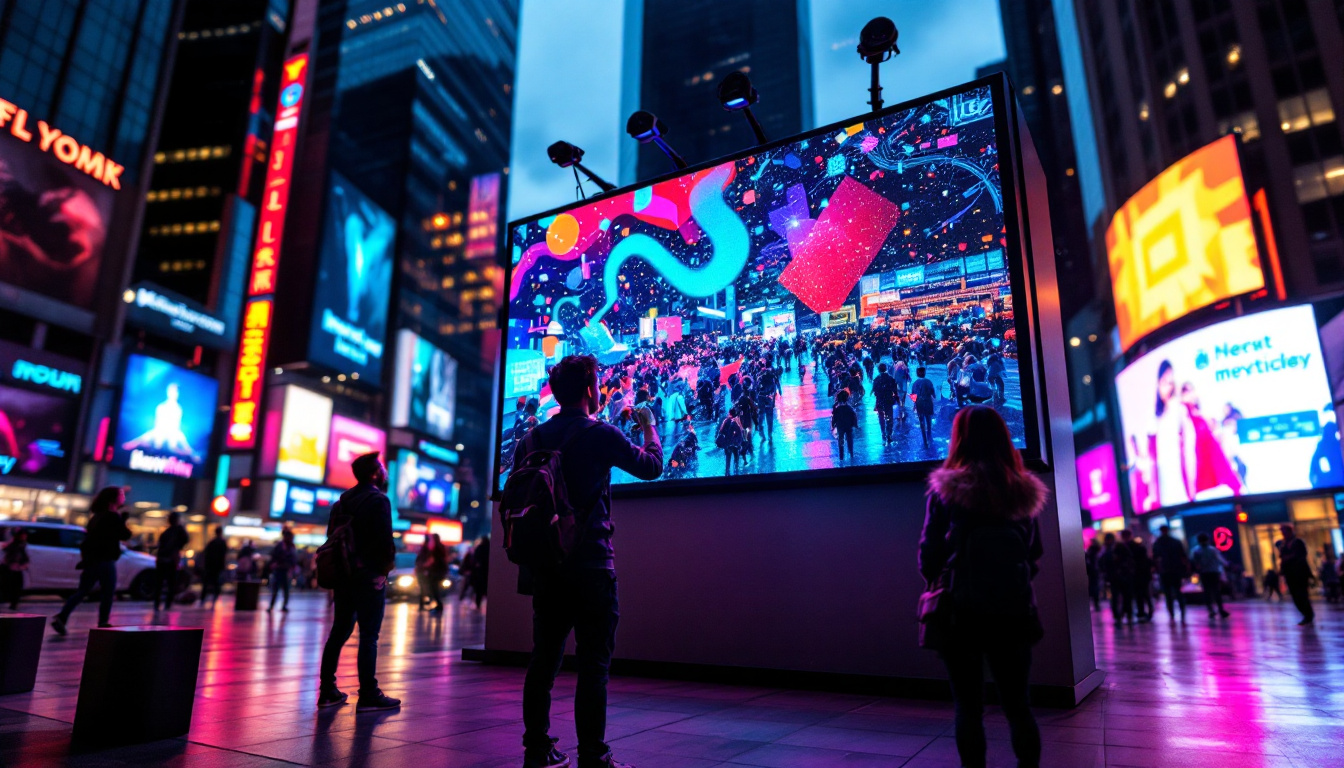
Outdoor LED displays are built to withstand harsh weather conditions, including rain, wind, and extreme temperatures. They feature higher brightness levels—often exceeding 5,000 nits—to remain visible even under direct sunlight.
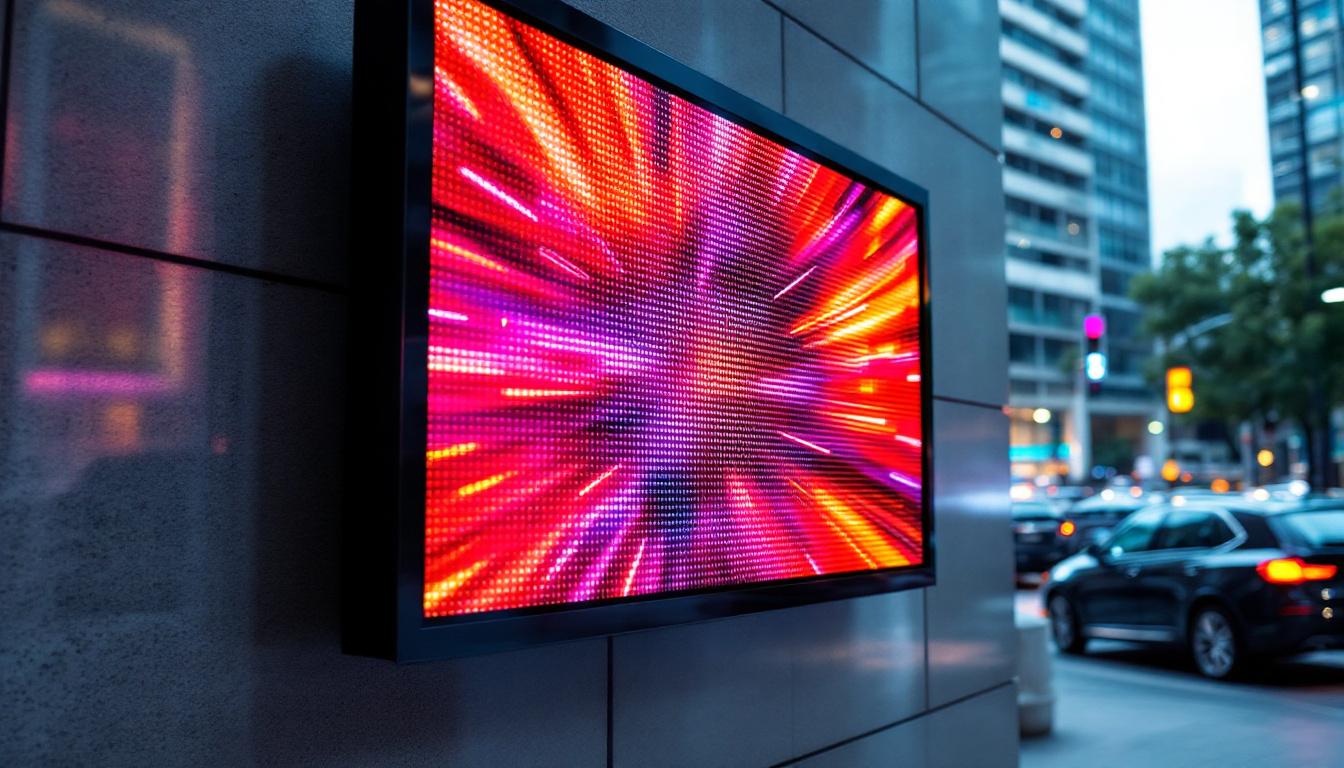
Common applications include digital billboards, stadium screens, and public information displays. The pixel pitch (distance between pixels) is usually larger than indoor displays because these screens are viewed from greater distances. This allows for cost-effective manufacturing without compromising visibility.
Transparent LED Displays
Transparent LED displays are an innovative solution that integrates LED technology into glass panels. These displays allow light to pass through, maintaining transparency while displaying dynamic content. They are popular in retail windows, museums, and architectural installations where preserving natural light and visibility is important.
By combining aesthetics with functionality, transparent LED displays create immersive experiences without obstructing views, making them a favorite for cutting-edge marketing campaigns.
Advantages of LED Displays
LED displays offer numerous benefits over traditional display technologies, making them a preferred choice for many applications.
Superior Brightness and Visibility
One of the standout features of LED displays is their exceptional brightness. With brightness levels ranging from 800 nits for indoor screens to over 10,000 nits for outdoor displays, LED screens remain clear and visible under various lighting conditions, including direct sunlight.
This high visibility ensures that messages and advertisements reach audiences effectively, increasing engagement and impact.
Energy Efficiency and Longevity
LED technology is known for its energy efficiency. Compared to LCD and plasma screens, LED displays consume significantly less power, reducing operational costs and environmental impact. For instance, an LED billboard can consume up to 50% less energy than traditional neon or fluorescent signage.
Additionally, LEDs have a longer lifespan, often exceeding 100,000 hours of operation. This durability translates into lower maintenance costs and less frequent replacements, making LED displays a cost-effective investment over time.
Flexible and Scalable Design
LED displays are highly modular, allowing for flexible configurations and scalability. Panels can be combined seamlessly to create screens of various sizes and shapes, from small indoor monitors to massive outdoor billboards spanning thousands of square feet.
This adaptability enables designers and marketers to tailor displays to specific spaces and creative visions, enhancing the overall user experience.
Vibrant Color and High Contrast
LED displays deliver rich colors and deep contrast ratios, resulting in sharp and vivid images. The ability to control each pixel’s brightness individually allows for true blacks and bright whites, enhancing image quality and making content more engaging.
Such visual excellence is particularly important for advertising, entertainment, and informational displays where capturing attention is crucial.
Applications of LED Displays
The versatility of LED displays has led to their widespread adoption across various industries and use cases.
Advertising and Marketing
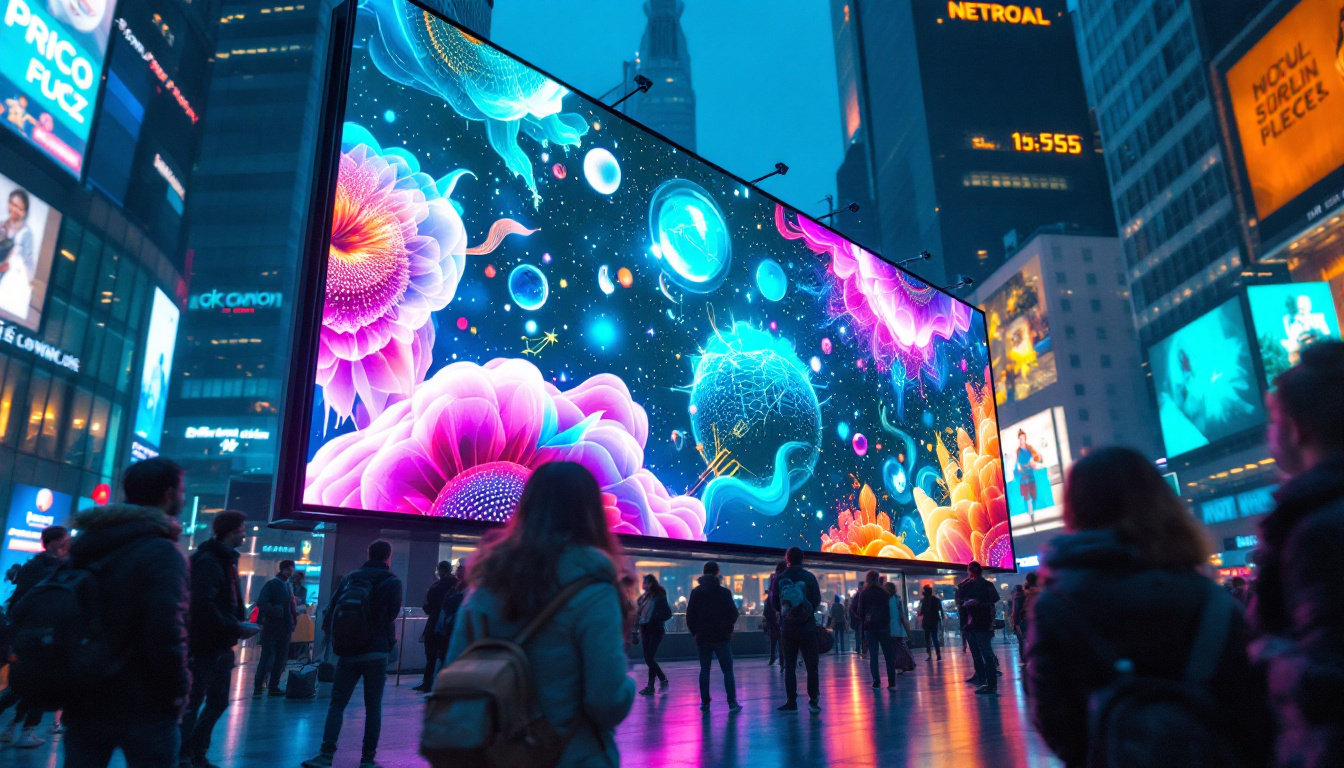
Digital billboards and signage have revolutionized outdoor advertising. LED displays enable dynamic content that can be updated in real-time, allowing advertisers to tailor messages based on time of day, weather, or audience demographics.
For example, a fast-food chain may display breakfast promotions in the morning and switch to lunch offers in the afternoon, maximizing relevance and customer engagement.
Sports and Entertainment Venues
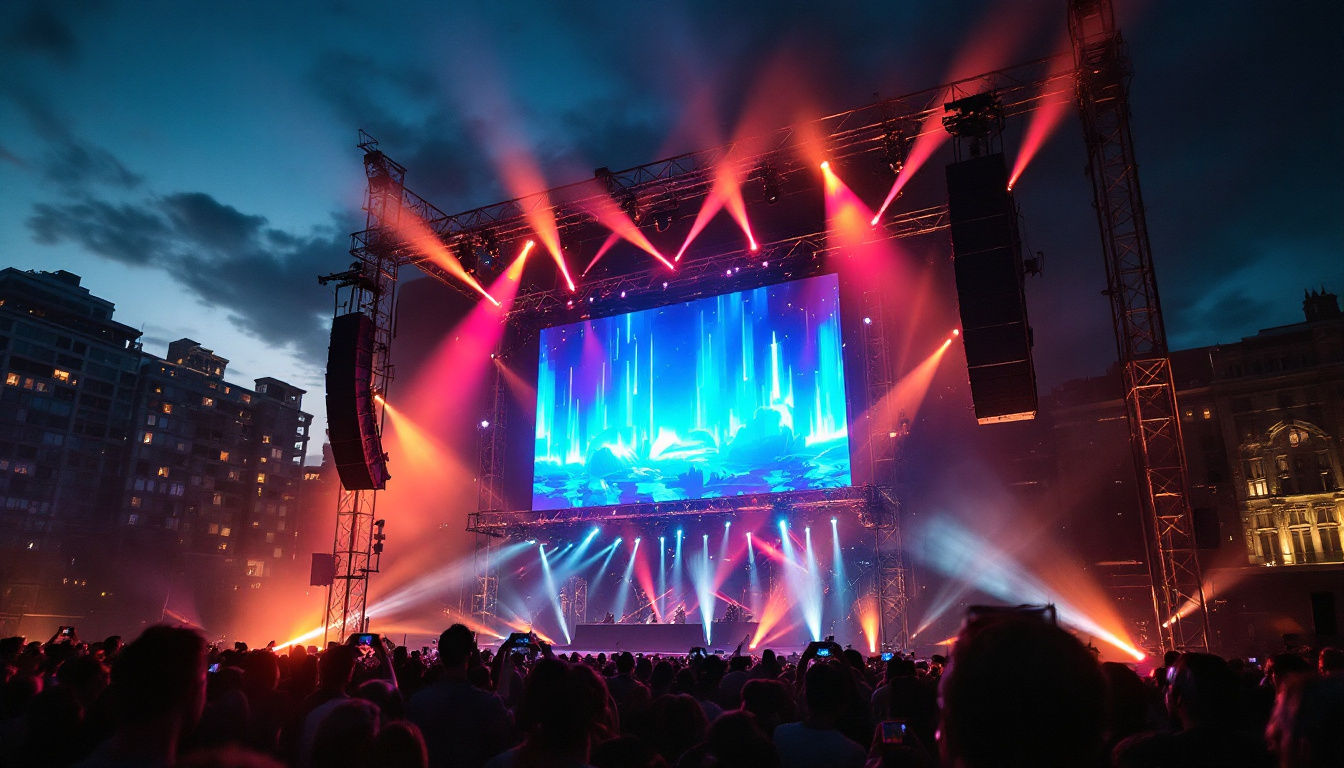
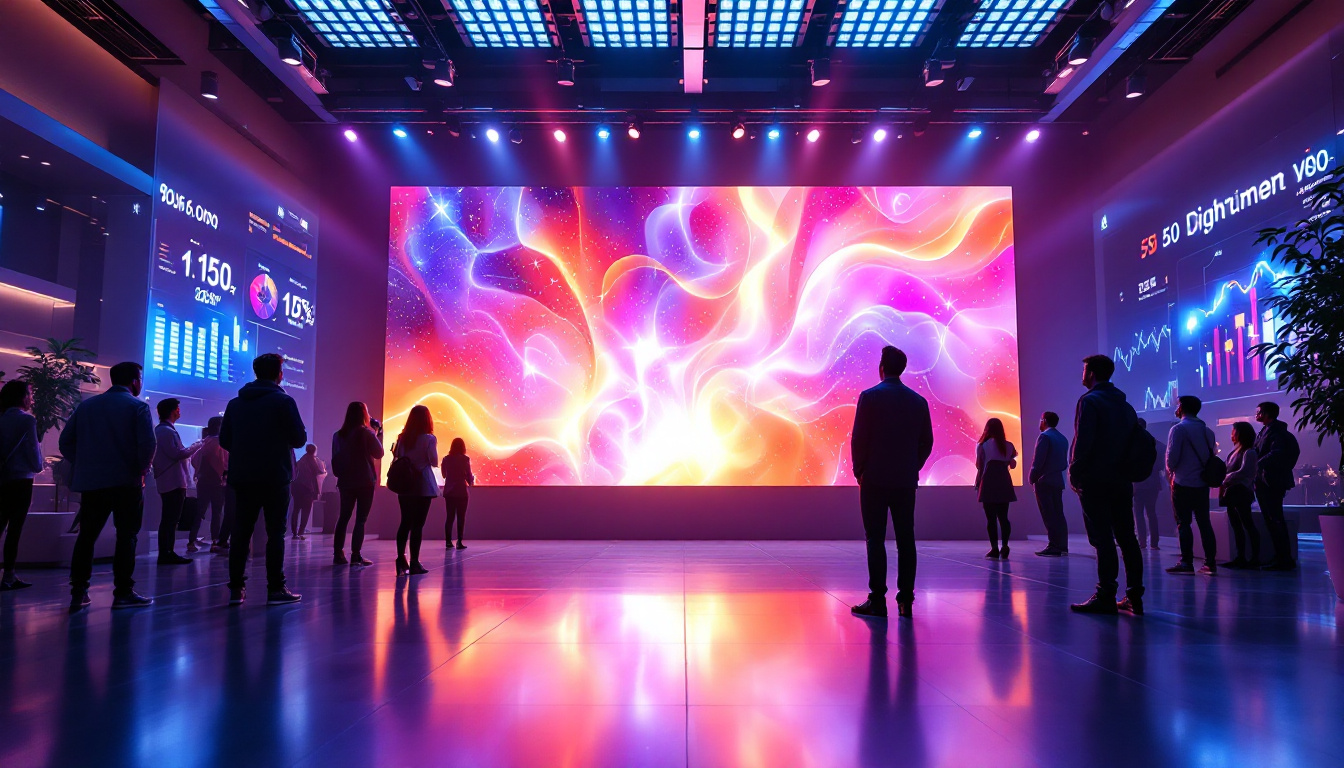
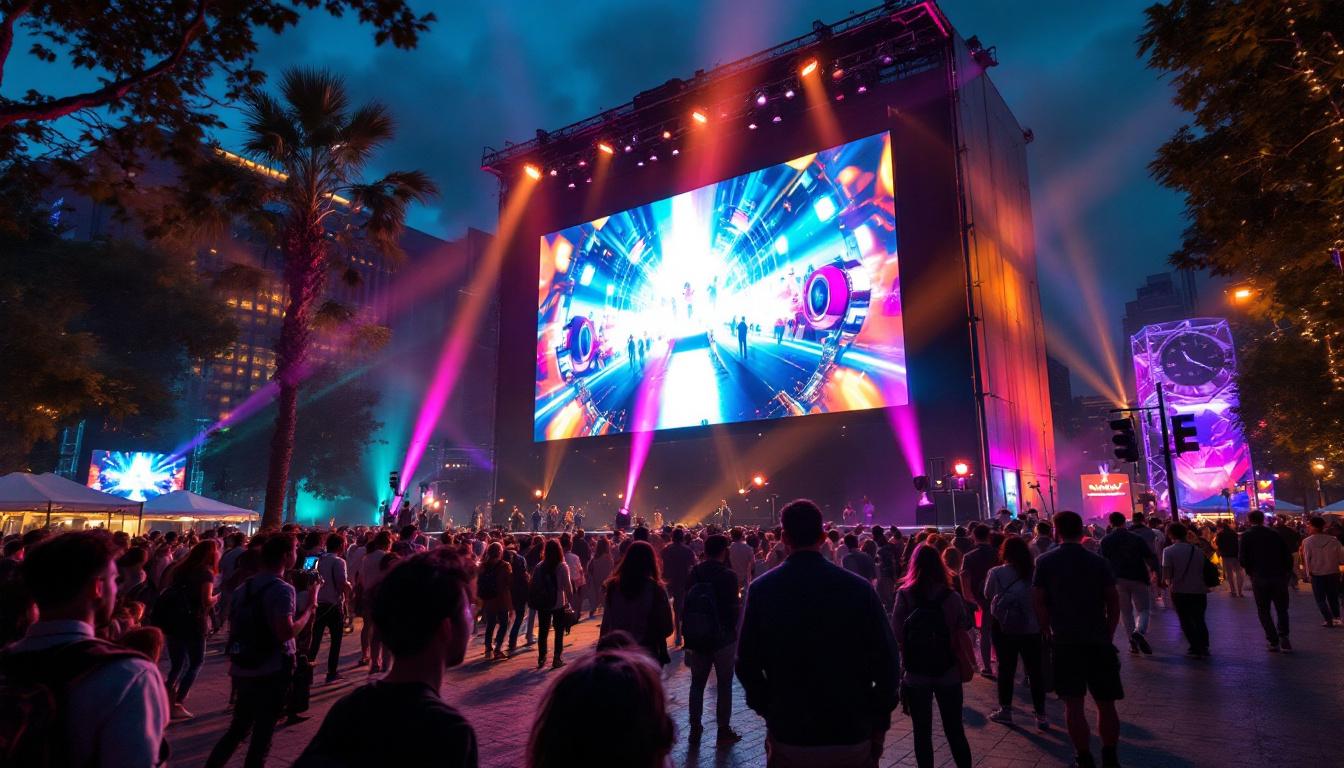
Stadiums and concert halls use large LED screens to enhance the spectator experience. These displays provide live video feeds, instant replays, and interactive content, ensuring that every attendee has a clear view regardless of their seat location.
LED displays also enable creative stage designs and immersive visual effects, elevating performances and events to new levels.
Retail and Hospitality
In retail environments, LED displays serve as eye-catching digital signage that promotes products, sales, and brand messaging. Hotels and restaurants use LED screens for menus, event announcements, and ambient displays, improving customer engagement and operational efficiency.
Transportation and Public Spaces
Airports, train stations, and bus terminals utilize LED displays for real-time information such as schedules, delays, and safety messages. Their high visibility and reliability make them ideal for critical communication in busy environments.
Choosing the Right LED Display
Selecting the appropriate LED display involves considering several factors to ensure optimal performance and return on investment.
Pixel Pitch and Resolution
Pixel pitch, measured in millimeters, indicates the distance between the centers of two adjacent pixels. A smaller pixel pitch means higher resolution and sharper images, suitable for close viewing distances. Conversely, larger pixel pitches are acceptable for displays viewed from afar.
For indoor applications where viewers are close, pixel pitches between 1.2mm and 2.5mm are common. Outdoor displays often have pixel pitches ranging from 6mm to 20mm or more.
Brightness and Viewing Angle
Brightness levels should align with the ambient lighting conditions of the installation site. Outdoor displays require higher brightness to combat sunlight glare, while indoor screens need moderate brightness to avoid eye strain.
The viewing angle, or the maximum angle at which the display can be viewed clearly, is also critical. Wider viewing angles ensure that content is visible from various positions, enhancing audience reach.
Durability and Weather Resistance
For outdoor installations, displays must be weatherproof and resistant to dust, moisture, and temperature fluctuations. Look for certifications such as IP65 or higher, which indicate protection against water jets and dust ingress.
Control Systems and Connectivity
Modern LED displays come with sophisticated control systems that allow remote content management, scheduling, and diagnostics. Connectivity options include wired Ethernet, Wi-Fi, and even cellular networks, enabling seamless integration into digital ecosystems.
Future Trends in LED Display Technology
The LED display industry continues to innovate, driven by advancements in materials, manufacturing, and software.
MicroLED and MiniLED Technologies
MicroLED and MiniLED represent the next generation of LED displays, offering even higher resolution, better contrast, and improved energy efficiency. MicroLEDs are tiny LEDs that can be individually controlled, enabling displays with exceptional brightness and color accuracy.
These technologies are expected to revolutionize consumer electronics, including televisions, smartphones, and augmented reality devices, by delivering unparalleled visual experiences.
Flexible and Curved Displays
Advances in flexible LED panels allow for curved, bendable, and even foldable displays. This opens up new possibilities for creative installations, wearable technology, and adaptive signage that can conform to unique architectural features.
Integration with AI and IoT
Artificial intelligence and the Internet of Things (IoT) are enhancing LED display functionality. Smart displays can analyze audience behavior, adjust content dynamically, and integrate with other digital systems to provide personalized and context-aware messaging.
Conclusion
LED displays have transformed the way information and advertising are presented in public and private spaces. Their superior brightness, energy efficiency, and versatility make them a powerful tool for communication across industries. As technology continues to advance, LED displays will become even more immersive, interactive, and integrated into daily life.
Whether for a business seeking to captivate customers or a city aiming to modernize public spaces, understanding the fundamentals of LED display technology is key to making informed decisions and harnessing its full potential.
Discover LumenMatrix’s Innovative LED Solutions
Ready to elevate your visual communication with the latest in LED technology? Explore LumenMatrix’s comprehensive range of LED display solutions, from vibrant Indoor and Outdoor LED Wall Displays to dynamic Vehicle and Sports LED Displays. Our cutting-edge products, including the sleek LED Poster Display, interactive Floor LED Display, and the versatile All-in-One and Transparent LED Displays, are designed to captivate your audience and amplify your brand’s message. Experience the future of digital signage with LumenMatrix and check out our LED Display Solutions today.