In the world of event production, advertising, and live entertainment, LED displays have become a cornerstone technology for delivering vibrant, dynamic visual content. Among the many components that support these displays, the truss system plays a critical role in ensuring both the safety and aesthetics of the setup. This article delves into the specifics of a 10-foot truss system used for LED displays, explaining its design, applications, and why it is a preferred choice for many professionals.
Understanding the Basics of Truss Systems
Truss systems are structural frameworks designed to support lighting, audio, and video equipment at events and installations. Typically made from aluminum or steel, trusses are engineered to be lightweight yet incredibly strong, allowing for versatile configurations and easy transport.
The 10-foot truss segment is a common modular unit that can be combined to create larger structures or used independently for smaller setups. Its length strikes a balance between manageability and coverage, making it a popular choice in many scenarios.
Materials and Construction
Most 10-foot trusses are constructed from high-grade aluminum alloys. Aluminum is favored because it offers an excellent strength-to-weight ratio, corrosion resistance, and ease of fabrication. The truss typically features a triangular or square cross-section, with welded or bolted joints ensuring structural integrity.
For LED display applications, the truss must support not only the weight of the screen panels but also the dynamic loads from wind or movement, especially in outdoor settings. Therefore, the design often includes reinforced nodes and gussets to enhance durability.
Types of Truss Designs
There are several common truss designs used in the industry:
- Triangular Truss: Known for its high strength and rigidity, this design is often used when weight savings are critical.
- Square or Box Truss: Offers greater torsional resistance, ideal for supporting heavier loads like large LED walls.
- Flat Truss: Used primarily for lighting grids but can also support LED displays in specific configurations.
For a 10-foot truss dedicated to LED displays, the square truss is frequently preferred due to its ability to evenly distribute the weight of the panels and resist twisting forces.
The Role of 10Ft Truss in LED Display Installations
LED displays require a stable and secure framework to maintain image quality and ensure safety. The 10-foot truss serves as a fundamental building block in creating these frameworks, whether for temporary events or semi-permanent installations.
Modularity and Scalability
One of the key advantages of using 10-foot trusses is their modularity. Event producers and installation teams can connect multiple truss segments using standardized couplers and pins, creating structures that fit specific spatial requirements. This flexibility allows for quick assembly and disassembly, which is crucial for touring shows or temporary exhibitions.
For example, a concert stage might use several 10-foot trusses to build a large overhead grid to hang LED panels, lighting, and speakers. The same trusses can be reconfigured for a trade show booth or a corporate event, demonstrating their adaptability.
Load-Bearing Capacity and Safety Considerations
LED panels can be surprisingly heavy, with some models weighing upwards of 30 pounds per square foot. When combined into large video walls, the cumulative weight becomes substantial. The 10-foot truss must be rated to handle these loads safely, including additional factors like wind pressure if used outdoors.
Professional truss manufacturers provide detailed load charts that specify maximum weight limits for various configurations. Rigging professionals use these charts to design safe structures that comply with industry standards such as those from the Entertainment Services and Technology Association (ESTA) or local building codes.
Integration with LED Display Systems
The truss not only supports the physical weight of the LED panels but also facilitates cable management, power distribution, and maintenance access. Many truss systems incorporate features like built-in cable trays or attachment points for clamps and brackets, streamlining the installation process.
Additionally, the height and positioning of the truss directly impact the viewing angles and visibility of the LED display. A well-planned truss layout ensures that the screen is optimally placed for the audience, enhancing the overall experience.
Applications of 10Ft Truss with LED Displays
The versatility of 10-foot truss systems makes them suitable for a wide range of applications involving LED displays. Understanding these use cases helps event planners, AV professionals, and venue operators select the right equipment for their needs.
Concerts and Live Events
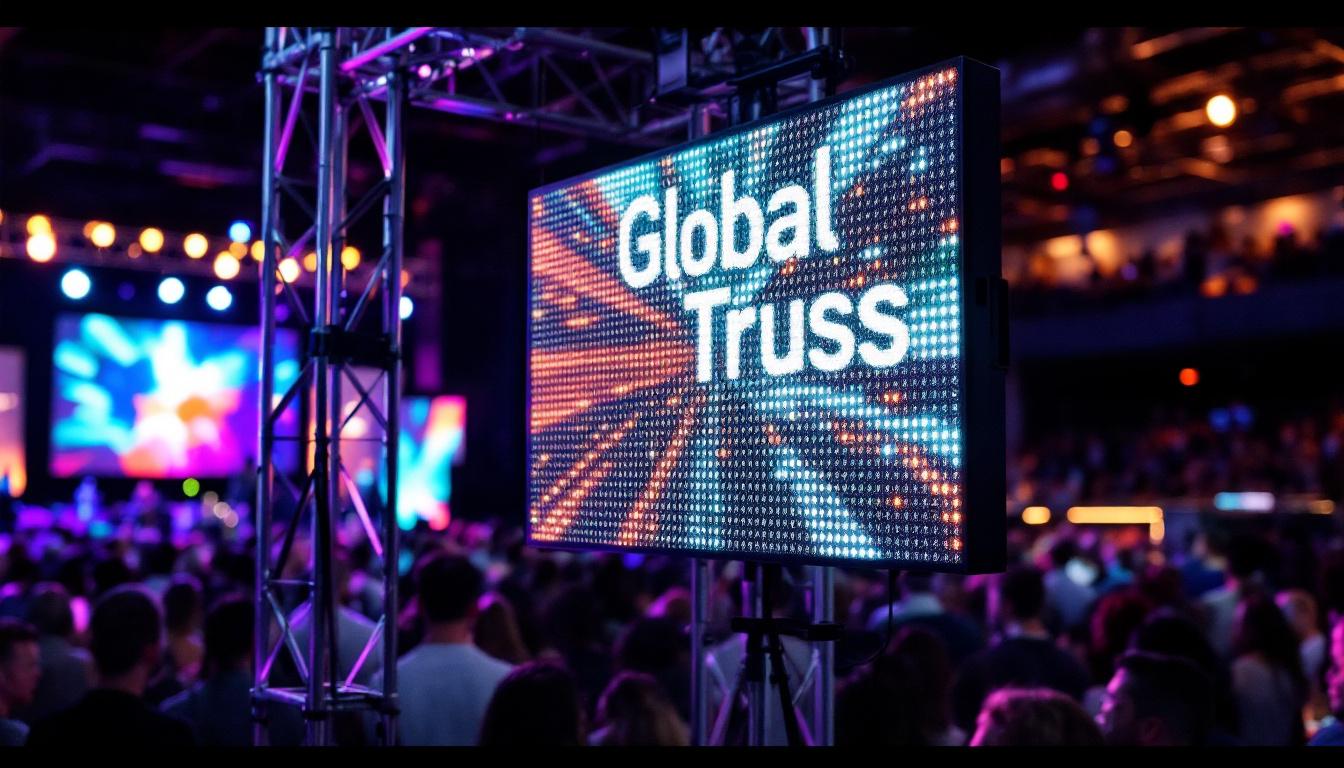
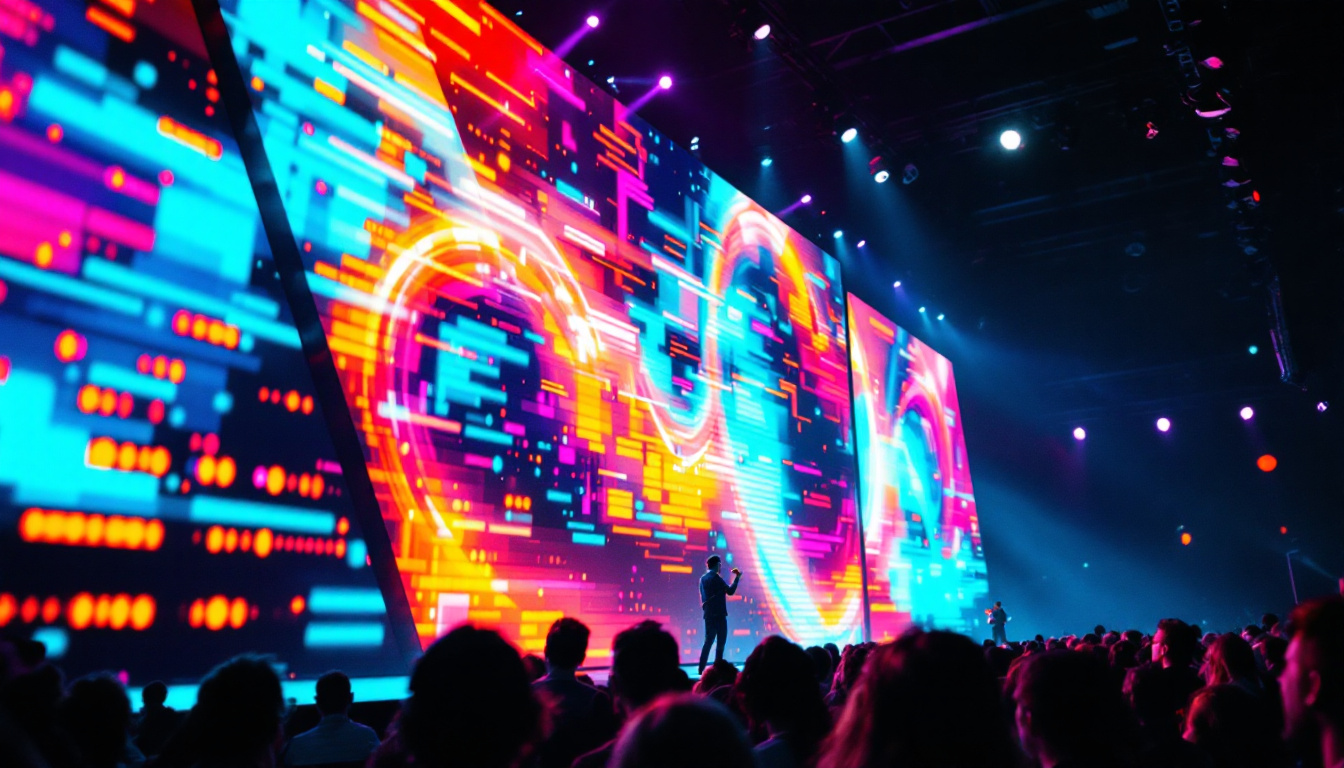
In the live entertainment industry, LED displays are used to create immersive visuals that complement performances. The 10-foot truss is often used to build overhead structures or side wings that hold LED panels, lighting fixtures, and other equipment.
For instance, major music festivals deploy extensive truss networks to support massive LED walls that provide real-time video feeds, graphics, and lighting effects. The modular nature of 10-foot trusses allows crews to adapt quickly to different stage designs and venue constraints.
Trade Shows and Exhibitions
Trade shows frequently utilize LED displays to attract visitors and showcase products. The 10-foot truss is ideal for constructing booth frameworks that support video walls, signage, and lighting, creating visually striking presentations.
Because trade show setups often change from event to event, the ease of assembly and disassembly of 10-foot trusses is a significant advantage. Their lightweight construction also reduces shipping and labor costs.
Corporate Events and Conferences
Corporate events use LED displays for presentations, branding, and live streaming. The 10-foot truss serves as a reliable support system for these displays, ensuring they are securely mounted and positioned for optimal visibility.
In conference centers and ballrooms, trusses can be used to create overhead grids or freestanding structures that integrate LED screens with lighting and audio equipment, enhancing the professionalism and impact of the event.
Outdoor Advertising and Digital Signage
Outdoor LED billboards and digital signage rely heavily on robust truss systems to withstand environmental conditions. The 10-foot truss is often part of the framework that holds these screens in place, especially for temporary or semi-permanent installations.
Its strength and stability are crucial for safety, particularly in areas prone to wind or vibration. Additionally, the aluminum construction resists corrosion, extending the lifespan of the installation.
Choosing the Right 10Ft Truss for Your LED Display
Selecting the appropriate truss system is essential for the success and safety of any LED display project. Several factors should be considered to ensure the truss meets the specific requirements of the installation.
Load Requirements and Safety Margins
Calculate the total weight of the LED panels, including any additional equipment like lighting or speakers that will be mounted on the truss. Always include a safety margin—industry best practices recommend designing for at least 1.5 times the expected load.
Consult manufacturer load charts and, if necessary, engage a structural engineer or certified rigger to verify the design. Safety should never be compromised, especially in public or high-traffic environments.
Environmental Considerations
For outdoor installations, consider factors like wind load, rain, and temperature fluctuations. Aluminum trusses are generally corrosion-resistant, but additional protective coatings or treatments may be advisable in harsh environments.
Ensure that the truss connections and rigging hardware are rated for outdoor use and that the entire system complies with local regulations regarding temporary structures.
Compatibility and Accessories
Verify that the 10-foot truss segments are compatible with your existing rigging hardware, LED panel mounting brackets, and other accessories. Standardized connection points and hardware simplify assembly and reduce the risk of errors.
Look for truss systems that offer integrated features such as cable management channels, attachment points for safety cables, and modular accessories that can enhance functionality and ease of use.
Budget and Logistics
While aluminum trusses provide a good balance between cost and performance, prices can vary based on design complexity, brand, and included features. Factor in shipping, handling, and labor costs when budgeting for your project.
Modular 10-foot trusses can reduce transportation costs due to their manageable size and weight, but consider storage and maintenance needs as well.
Installation Best Practices for 10Ft Truss LED Displays
Proper installation is critical to ensure the safety and performance of LED displays supported by 10-foot truss systems. Following industry best practices helps avoid accidents and equipment damage.
Pre-Installation Planning
Begin with a thorough site survey to assess space constraints, power availability, and environmental factors. Develop a detailed rigging plan that includes load calculations, truss layout, and assembly sequence.
Coordinate with all stakeholders, including venue management, rigging crews, and technical teams, to ensure smooth execution.
Assembly and Rigging
Use certified rigging hardware and follow manufacturer instructions for connecting truss segments. Employ trained riggers who understand load distribution and safety protocols.
Ensure that all connections are secure, pins are properly locked, and safety cables are installed where required. Use appropriate lifting equipment to position trusses safely, avoiding manual handling risks.
Mounting LED Panels
Attach LED panels using manufacturer-recommended brackets and fasteners. Verify that each panel is securely fixed and aligned to maintain a seamless display surface.
Manage cables carefully to prevent strain or damage, and allow access for maintenance and troubleshooting.
Safety Inspections and Testing
Conduct thorough inspections before powering up the display. Check for any signs of structural weakness, loose connections, or electrical issues.
Perform load tests if necessary and ensure that all safety equipment, such as harnesses and barriers, is in place. Regular inspections during the event help maintain safety and performance.
Future Trends in Truss and LED Display Technology
As LED technology advances, the demands on truss systems continue to evolve. Innovations in materials, design, and integration are shaping the future of event production and digital signage.
Lighter and Stronger Materials
Research into composite materials and advanced alloys promises trusses that are lighter yet stronger than current aluminum options. This will enable larger, more complex structures with easier handling and reduced transportation costs.
Smart Truss Systems
Integration of sensors and IoT technology into truss systems can provide real-time monitoring of load, stress, and environmental conditions. This data enhances safety and allows proactive maintenance, reducing downtime and risk.
Modular and Rapid Assembly Designs
New connection mechanisms and modular designs aim to reduce assembly time and increase flexibility. Quick-lock systems and tool-less connections are becoming more common, streamlining event setup and teardown.
Enhanced Integration with LED Displays
Future truss designs may incorporate built-in power distribution, cable management, and mounting solutions tailored specifically for emerging LED panel technologies, simplifying installation and improving aesthetics.
Conclusion
The 10-foot truss is a vital component in the deployment of LED displays across a wide range of industries and applications. Its balance of strength, modularity, and ease of use makes it an indispensable tool for event professionals and installation teams.
Understanding the design, applications, and best practices associated with 10-foot truss systems ensures that LED displays are not only visually impressive but also safe and reliable. As technology progresses, these trusses will continue to evolve, supporting ever more ambitious and innovative visual experiences.
Explore Cutting-Edge LED Display Solutions with LumenMatrix
Ready to elevate your event production or advertising campaign with the latest in LED display technology? LumenMatrix is at the forefront of creating immersive and dynamic visual experiences. From Indoor and Outdoor LED Wall Displays to innovative solutions like Vehicle LED Displays and LED Sports Displays, our extensive range caters to every need. Embrace the future of visual communication with our Custom, All-in-One, and Transparent LED Displays, designed to captivate your audience and amplify your message. Check out LumenMatrix LED Display Solutions today and transform the way you connect with your audience.