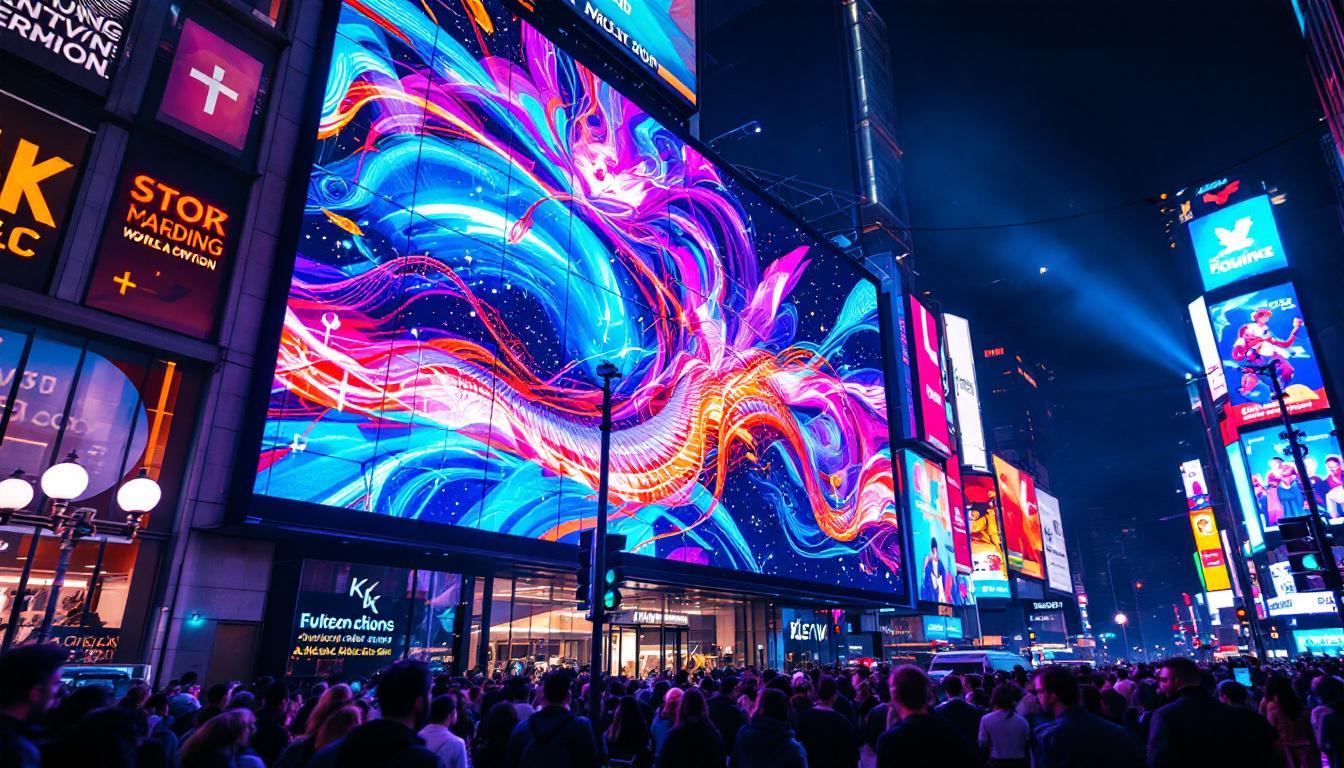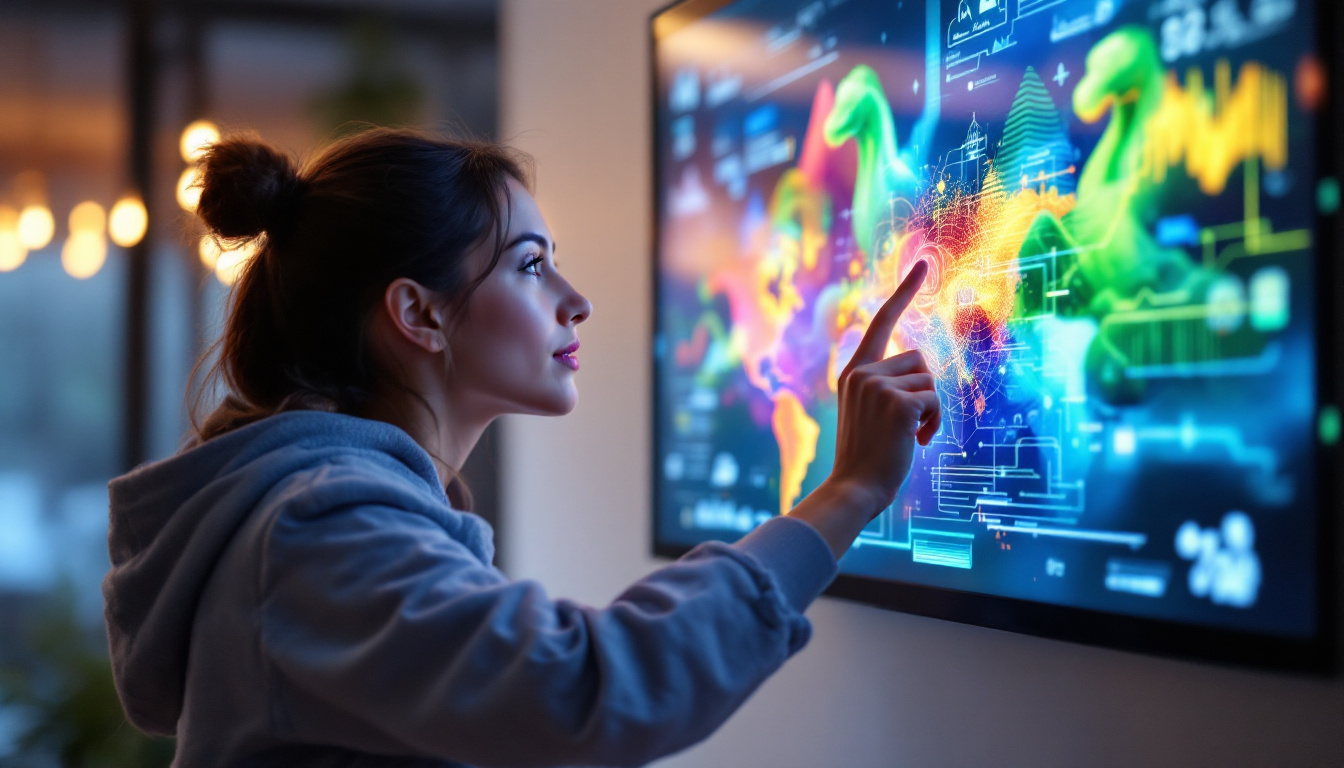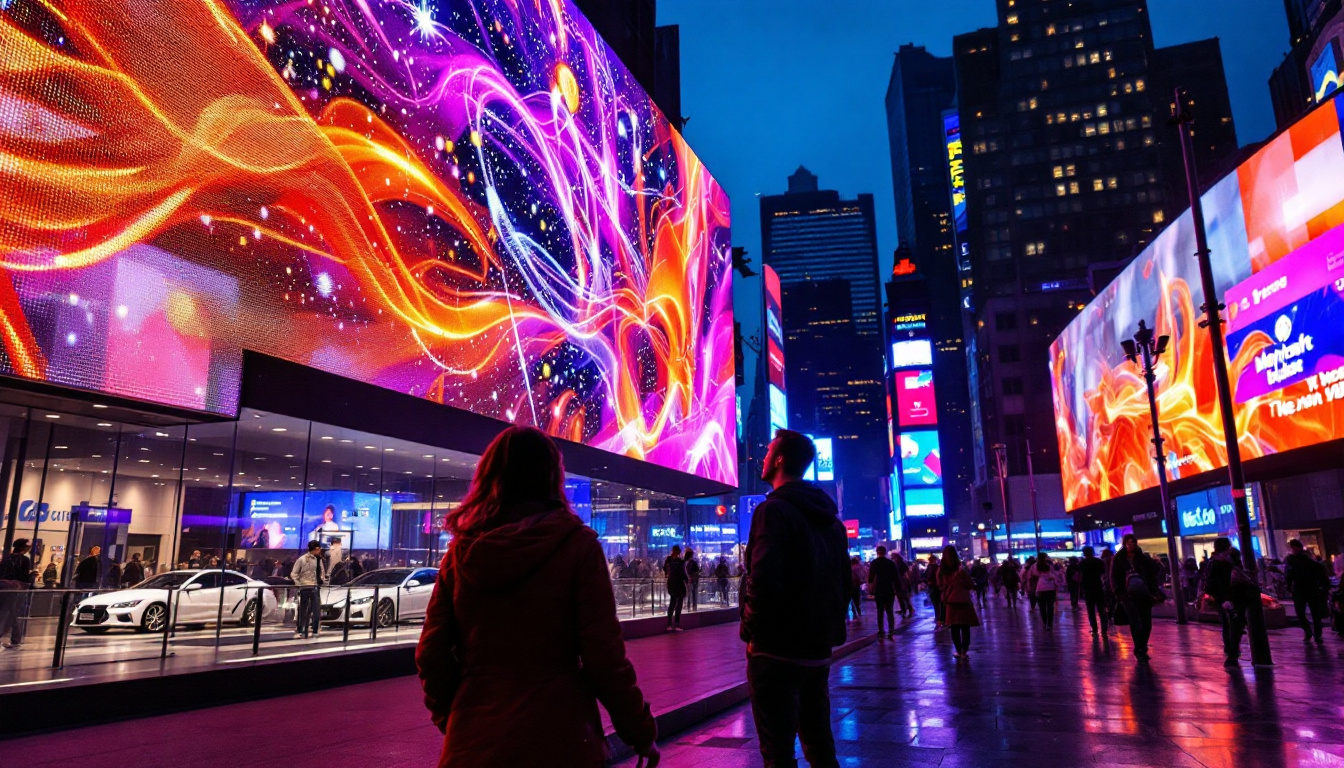
In an era where digital interaction is becoming increasingly immersive, the size and technology behind touch screens are evolving rapidly. Among the most impressive advancements is the emergence of massive LED touch screen displays that redefine how audiences engage with content in public spaces, corporate environments, and entertainment venues. This article explores the technology behind the biggest touch screens, focusing on LED displays, their applications, benefits, and future potential.
Understanding LED Display Technology
LED, or Light Emitting Diode, technology has revolutionized the display industry by offering vibrant colors, high brightness, and excellent energy efficiency. Unlike traditional LCD screens that rely on backlighting, LED displays use tiny diodes that emit light individually, allowing for deeper blacks and more vivid images. This capability not only enhances the viewing experience but also contributes to a broader color gamut, making LED displays particularly popular in settings where color accuracy is paramount, such as graphic design and photography studios.
LED displays are composed of numerous modules, each containing thousands of LEDs arranged in a grid. This modular design enables manufacturers to create displays of virtually any size, from small digital billboards to colossal video walls spanning hundreds of square meters. The flexibility in size and shape allows for innovative installations in various environments, from stadiums and concert venues to retail spaces and corporate lobbies, where eye-catching visuals can significantly enhance engagement and brand visibility.
How LED Touch Screens Work
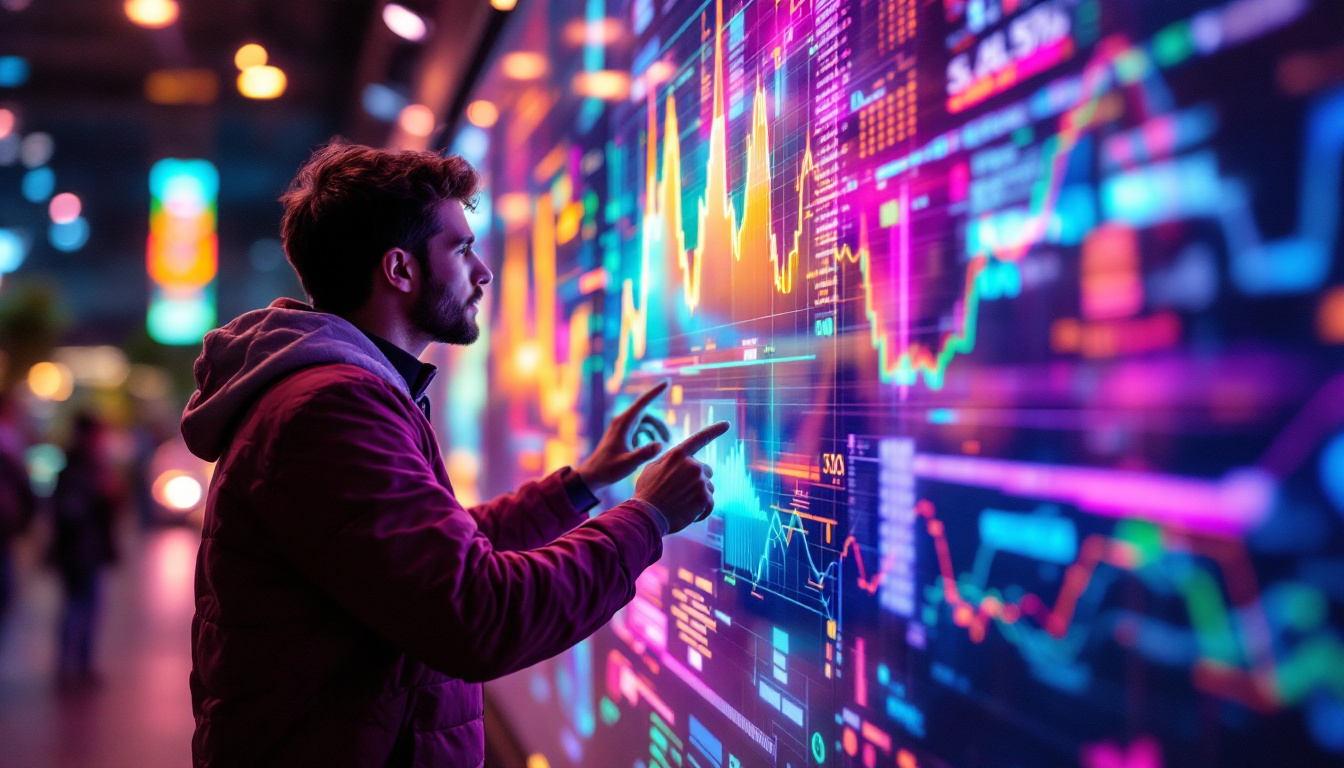
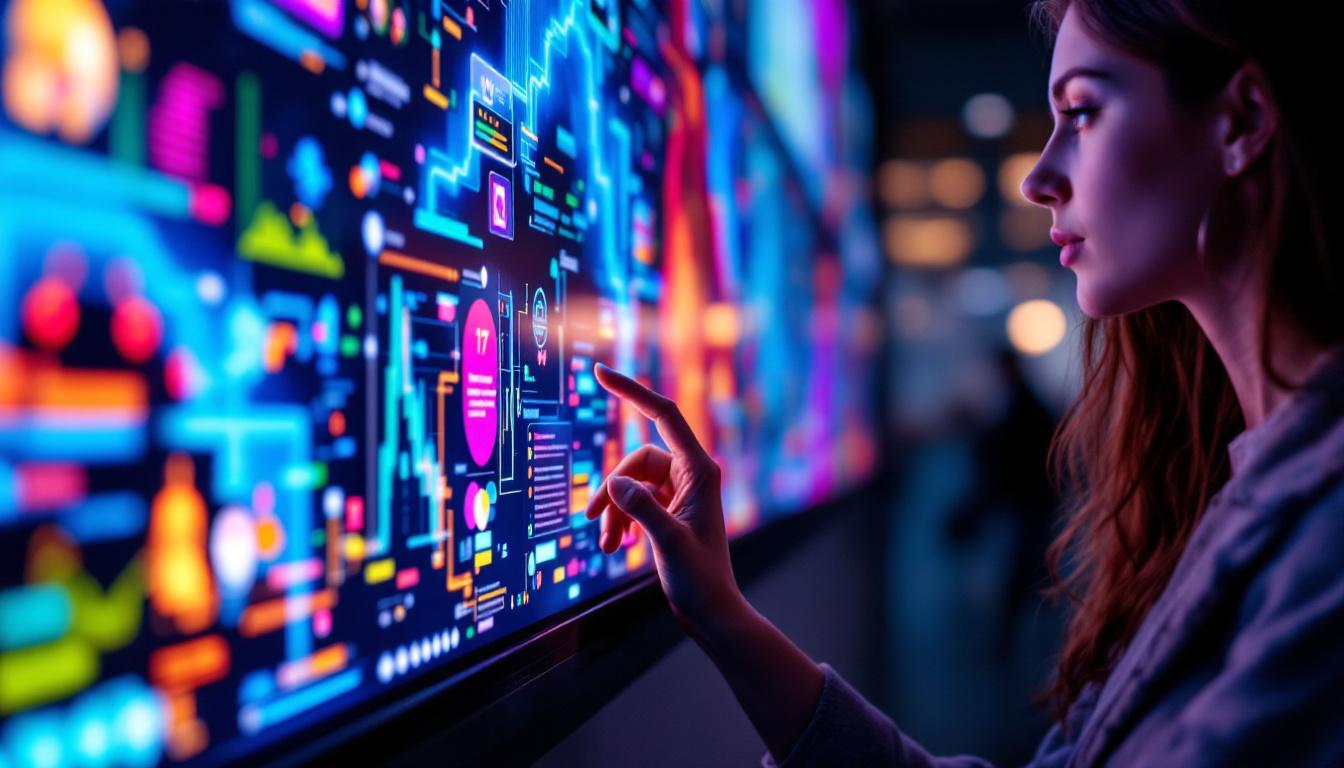
Integrating touch capability into large LED displays involves combining the LED panel with a touch-sensitive layer. Capacitive touch technology is commonly used, where an electrostatic field detects the presence and movement of a finger or stylus. For massive displays, infrared touch frames or optical sensors are often employed to maintain accuracy and responsiveness across the entire surface. These technologies ensure that even in high-traffic areas, users can interact seamlessly with the content displayed, whether it’s for wayfinding, information sharing, or interactive advertising.
These touch layers must be carefully engineered to preserve the image quality and brightness of the LED display while providing reliable multi-touch functionality. Advances in sensor technology have enabled touch screens that can support dozens of simultaneous touch points, making them ideal for collaborative environments. In educational settings, for example, large LED touch screens facilitate group activities and presentations, allowing multiple students to engage with the material simultaneously. Furthermore, the durability of these screens is designed to withstand frequent use, ensuring that they remain functional and visually stunning over time, even in high-demand scenarios.
The Rise of the Biggest Touch Screens
In recent years, the demand for larger interactive displays has surged, driven by sectors such as retail, education, corporate communication, and public installations. The biggest touch screens today can measure tens of meters diagonally, offering unprecedented scale for immersive experiences. These colossal screens not only serve functional purposes but also act as focal points that draw attention and create a sense of wonder among viewers. As technology continues to advance, the possibilities for these displays are expanding, making them essential tools for storytelling and engagement in various environments.
Record-Breaking Examples
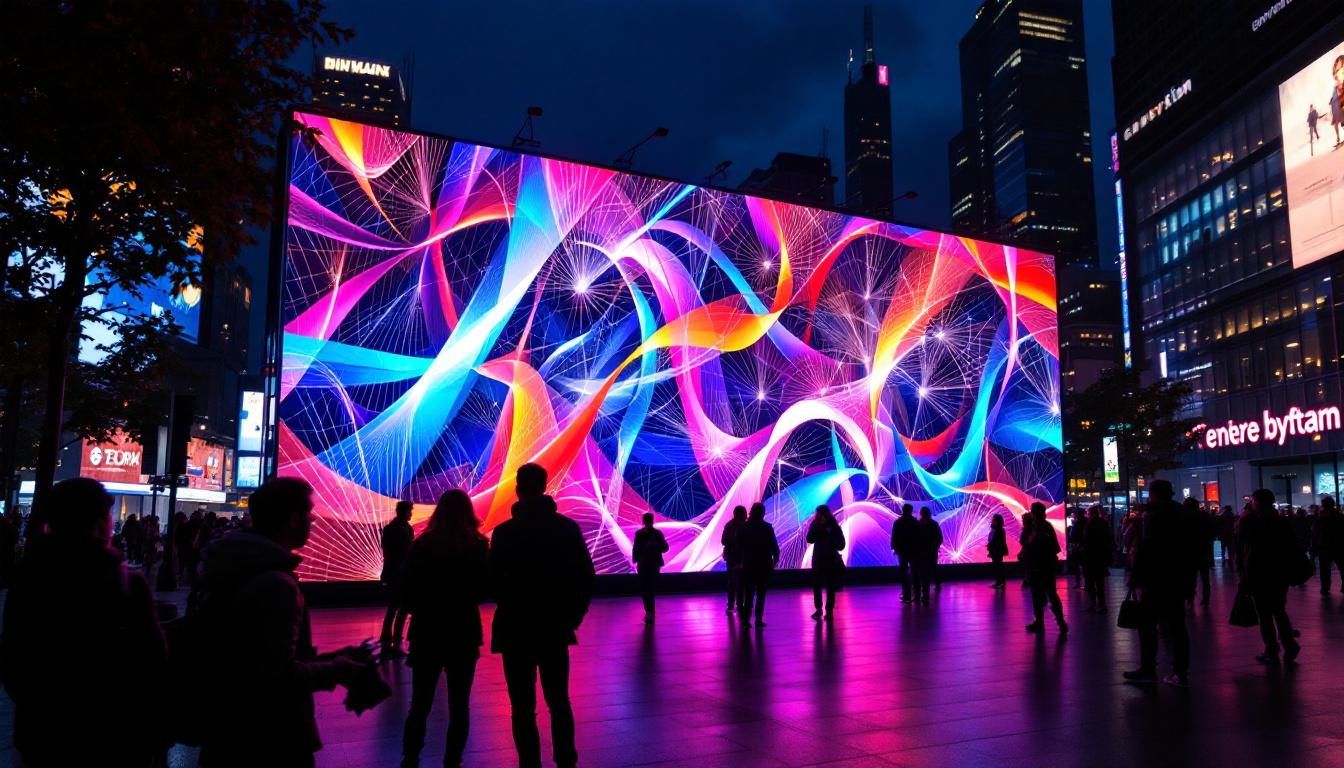
One notable example is the massive LED touch screen installed at the Dubai Mall, which measures over 70 meters wide and 15 meters tall. This display not only captivates visitors with its sheer size but also allows interactive content that engages thousands of people simultaneously. The screen showcases a blend of artistic visuals and real-time data, creating a dynamic atmosphere that enhances the shopping experience. Furthermore, the integration of augmented reality features allows users to interact with the content in innovative ways, making it a landmark attraction in one of the world’s largest malls.
Another impressive installation is the interactive LED wall at the Las Vegas Convention Center, spanning more than 20 meters in height and 60 meters in width. This display integrates touch technology to facilitate dynamic presentations and interactive advertising, transforming the visitor experience. It serves as a platform for exhibitors to showcase their products in an engaging manner, allowing attendees to explore features through touch and gesture controls. The wall’s ability to adapt content in real-time based on audience interaction not only enhances engagement but also provides valuable insights into viewer preferences, making it a powerful tool for marketers and event organizers alike. As these large-scale touch screens become more prevalent, they are likely to redefine how we interact with digital content in public spaces.
Applications of Large LED Touch Screens
The versatility of large LED touch screens makes them suitable for a wide range of applications. Their ability to combine scale with interactivity opens new possibilities across various industries.
Retail and Advertising
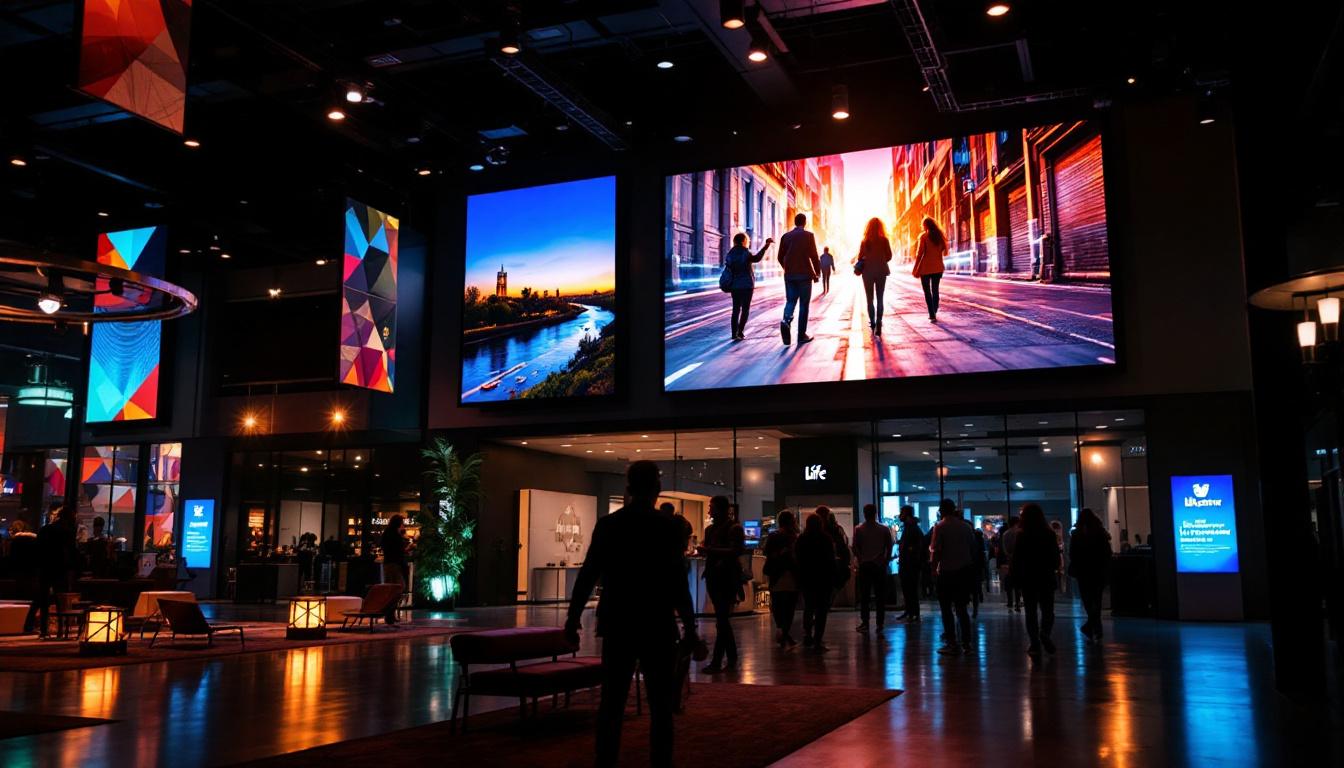
Retailers leverage giant LED touch screens to create immersive shopping experiences. Interactive product catalogs, virtual try-ons, and personalized promotions can be displayed on these screens, attracting customers and increasing engagement. The high brightness of LED displays ensures visibility even in brightly lit environments like shopping malls. Moreover, these screens can be programmed to showcase real-time inventory updates, allowing customers to see what products are available at a glance. This not only enhances customer satisfaction but also streamlines the shopping process, making it more efficient and enjoyable.
Corporate and Educational Use
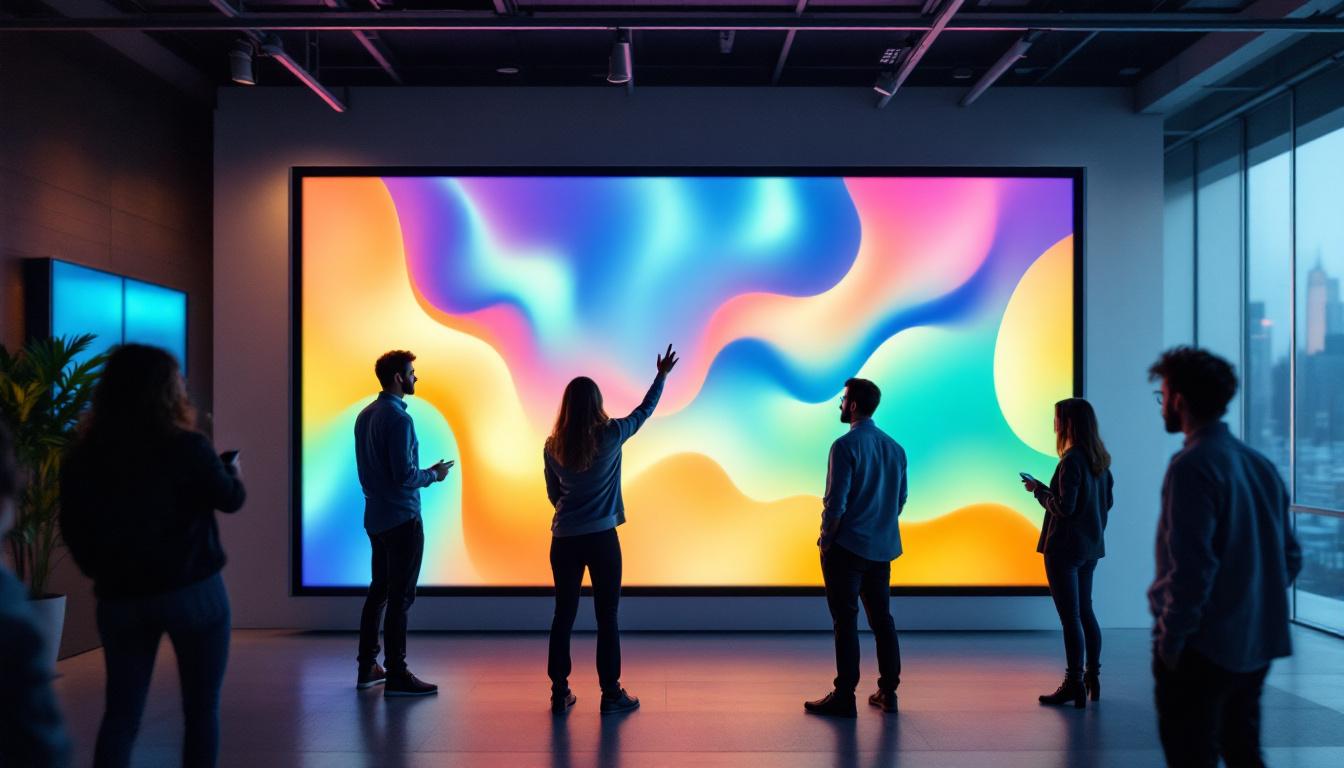
In corporate settings, large LED touch screens facilitate collaborative meetings, presentations, and brainstorming sessions. Their size allows multiple participants to interact simultaneously, enhancing productivity and communication. Educational institutions use these displays for interactive lessons, virtual labs, and large-scale demonstrations that captivate students. Additionally, the integration of software tools with these screens enables educators to create quizzes and polls in real time, fostering an engaging learning environment where students can actively participate. This interactive approach not only aids in knowledge retention but also encourages teamwork and critical thinking among students.
Entertainment and Public Spaces
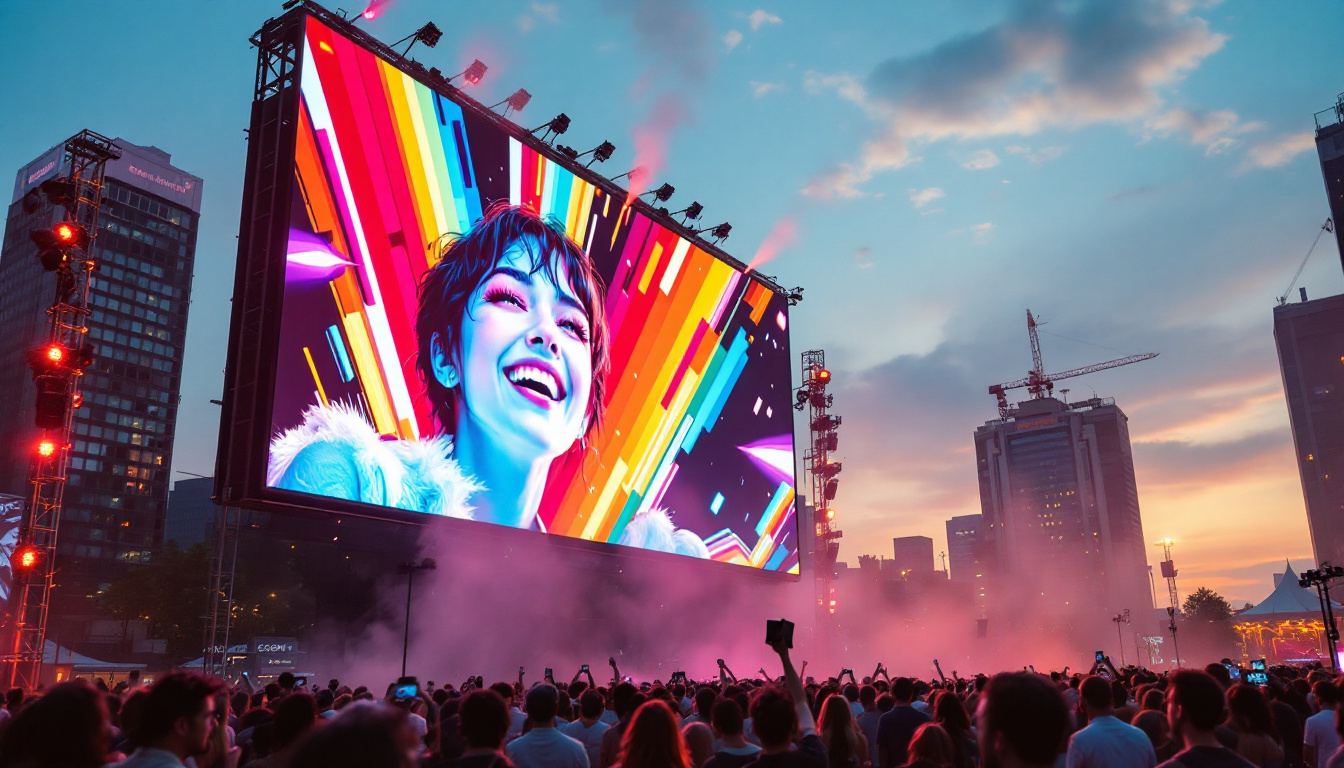
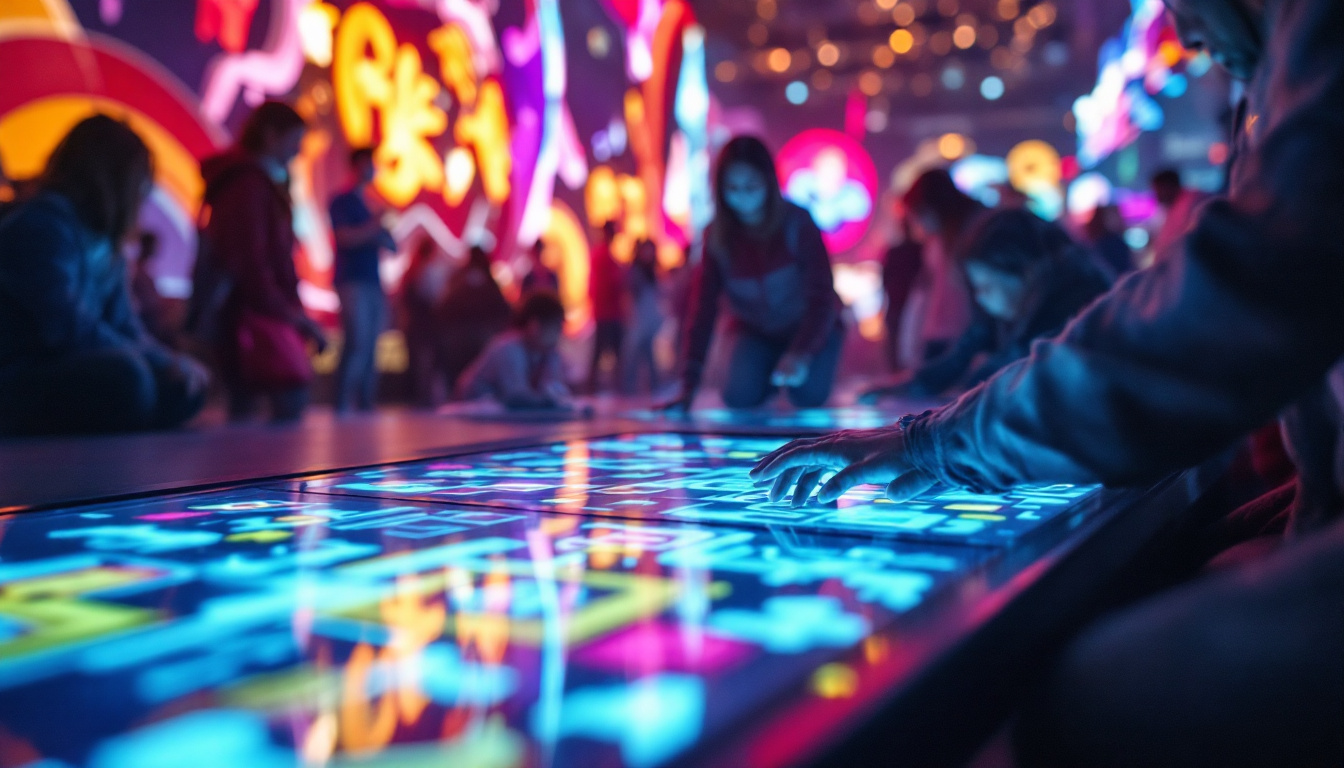
Concerts, museums, and public squares utilize massive LED touch screens to deliver engaging content and interactive experiences. From live event backdrops to interactive art installations, these displays transform spaces into dynamic environments that invite participation. In theme parks, for example, large LED screens can provide visitors with interactive maps and schedules, enhancing their overall experience by helping them navigate the attractions more easily. Furthermore, during festivals and public gatherings, these screens can be used to broadcast live performances or important announcements, ensuring that everyone in attendance remains informed and entertained. The potential for storytelling through visuals on these screens is limitless, allowing artists and event organizers to create memorable experiences that resonate with audiences long after the event has concluded.
Benefits of Using LED Technology for Large Touch Screens
Choosing LED technology for large touch screens offers several distinct advantages over other display types, such as LCD or projection-based systems.
Superior Brightness and Visibility
LED displays can achieve brightness levels exceeding 5,000 nits, making them highly visible even under direct sunlight. This is crucial for outdoor installations and well-lit indoor environments where traditional screens would struggle.
Energy Efficiency and Longevity
LEDs consume less power compared to other display technologies, reducing operational costs for large installations. Additionally, LEDs have a longer lifespan, often exceeding 100,000 hours, which minimizes maintenance and replacement expenses.
Scalability and Customization
The modular nature of LED panels allows for flexible sizing and aspect ratios. Whether a company needs a panoramic display or a towering vertical screen, LED technology can accommodate these requirements without compromising image quality.
Enhanced Durability
LED displays are robust and resistant to environmental factors such as temperature fluctuations, humidity, and physical impact. This durability makes them suitable for both indoor and outdoor use in diverse conditions.
Challenges in Building and Operating the Biggest Touch Screens
While large LED touch screens offer remarkable benefits, they also present unique challenges that must be addressed to ensure optimal performance and user experience.
Technical Complexity
Integrating touch functionality into massive LED displays requires sophisticated hardware and software. Ensuring uniform touch sensitivity across a large surface, managing latency, and calibrating sensors are complex tasks that demand expert engineering.
Installation and Maintenance
Installing massive LED touch screens involves logistical challenges such as structural support, power supply, and data connectivity. Regular maintenance is essential to address dead pixels, sensor calibration, and cleaning, which can be labor-intensive for large installations.
Cost Considerations
The initial investment for the biggest LED touch screens can be substantial, encompassing hardware, installation, and software development. However, the long-term benefits in engagement and functionality often justify the expense for organizations with high-impact needs.
The Future of Large LED Touch Screens
As technology advances, the capabilities and applications of large LED touch screens are expected to expand significantly.
Higher Resolution and Pixel Density
Future LED displays will feature higher pixel densities, enabling ultra-high-definition visuals even on massive screens. This will enhance the clarity and detail of interactive content, making it more immersive and realistic.
Improved Touch Technologies
Emerging touch technologies, such as haptic feedback and gesture recognition, will enhance user interaction with large displays. These innovations will allow more natural and intuitive control, expanding the possibilities for interactive applications.
Integration with AI and IoT
Combining LED touch screens with artificial intelligence and the Internet of Things will enable personalized and context-aware experiences. For example, displays could adapt content based on audience demographics or environmental conditions, providing more relevant and engaging interactions.
Environmental Sustainability
Manufacturers are increasingly focusing on eco-friendly materials and energy-efficient designs. Future large LED touch screens will likely incorporate sustainable practices, reducing their environmental footprint while maintaining performance.
Conclusion
The biggest touch screens powered by LED technology represent a remarkable fusion of scale, interactivity, and visual brilliance. Their ability to transform spaces and engage audiences across industries is driving widespread adoption and innovation. While challenges remain in engineering and cost, the benefits of large LED touch screens—brightness, durability, scalability, and immersive interaction—make them a compelling choice for forward-thinking organizations. As technology continues to evolve, these displays will become even more sophisticated, unlocking new possibilities for communication, collaboration, and entertainment on an unprecedented scale.
Discover the Future of Visual Engagement with LumenMatrix
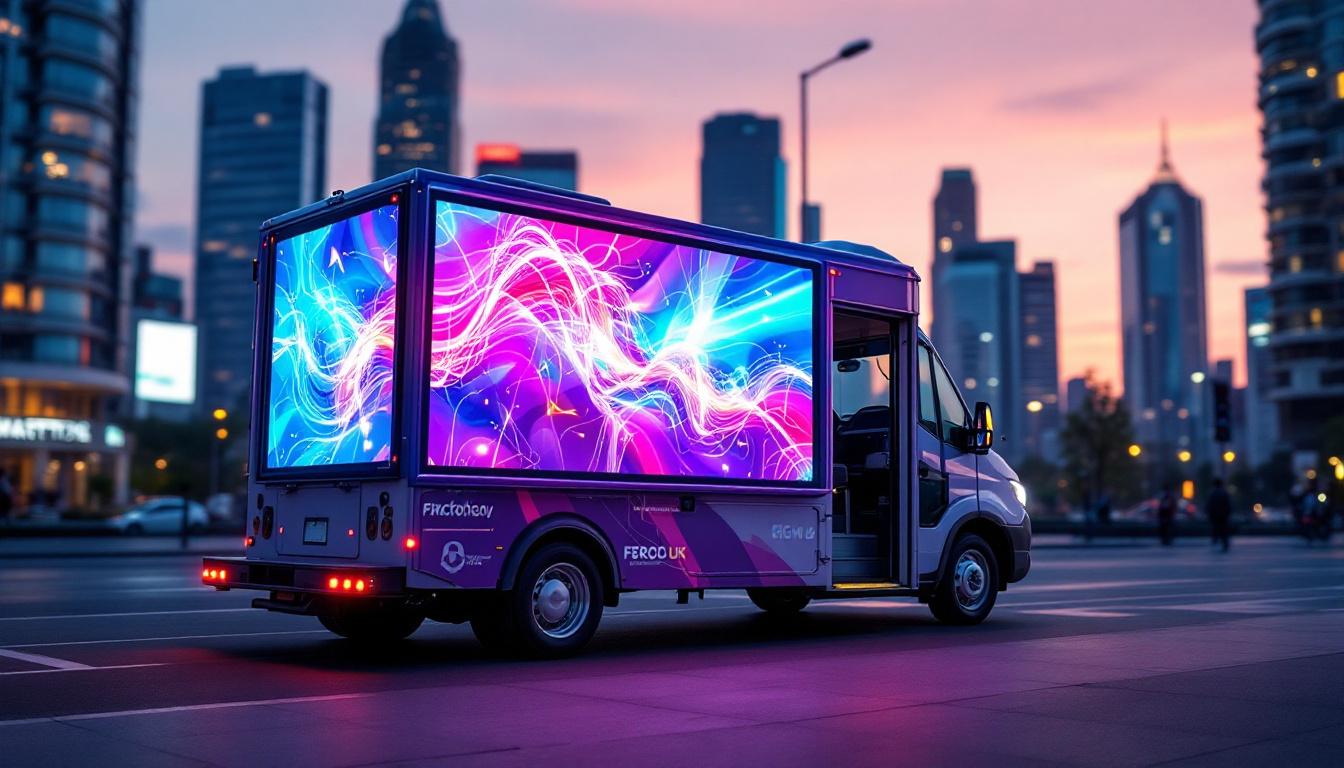
Ready to elevate your space with the most advanced LED display technology? LumenMatrix is at the forefront of creating immersive visual experiences that captivate and engage. From vibrant Indoor and Outdoor LED Wall Displays to innovative solutions like Vehicle LED Displays, LED Posters, and even Custom LED Displays, our mission is to transform your visual communication. Whether it’s for advertising, entertainment, or dynamic public installations, our LED solutions are designed to make an impact. Check out LumenMatrix LED Display Solutions today and step into the future of interactive digital signage.