In the ever-evolving world of display technology, LED backlit LCD panels have become a cornerstone for everything from smartphones to large-scale televisions and monitors. Understanding how these displays work, their advantages, and their applications can empower consumers and professionals alike to make informed decisions when selecting display devices. This article delves deep into the technology behind LED backlit LCD panels, explaining their structure, benefits, and the future trends shaping this essential component of modern visual technology.
Understanding the Basics: What is an LED Backlit LCD Panel?
To appreciate the nuances of LED backlit LCD panels, it’s important to first understand the two key components involved: LCD (Liquid Crystal Display) and LED (Light Emitting Diode) backlighting.
The LCD Component
LCD technology relies on liquid crystals that modulate light to produce images. These crystals do not emit light themselves; instead, they control the passage of light from a backlight source through color filters and polarizers to create the image seen on the screen. The liquid crystals twist and align in response to electrical currents, allowing varying amounts of light to pass through and thus forming pixels of different colors and brightness.
The precision of this modulation is crucial, as it directly impacts the clarity and quality of the images displayed. LCD panels can achieve high resolutions, making them ideal for everything from televisions to computer monitors. Additionally, advancements in LCD technology have led to the development of various types, such as IPS (In-Plane Switching) and TN (Twisted Nematic), each with its own strengths in color accuracy and response time, catering to different user needs and preferences.
The Role of LED Backlighting
LED backlighting refers to the use of light-emitting diodes as the light source behind the LCD panel. Before LED backlighting became widespread, cold cathode fluorescent lamps (CCFLs) were the standard for illuminating LCDs. LEDs offer several advantages over CCFLs, including improved energy efficiency, thinner panel designs, better brightness control, and longer lifespan.
Moreover, the incorporation of LED technology has enabled features such as local dimming, which enhances contrast by adjusting the brightness of specific areas of the screen based on the content being displayed. This results in deeper blacks and more vibrant colors, significantly improving the viewing experience. Additionally, the versatility of LEDs allows for various configurations, such as edge-lit and full-array backlighting, each providing unique benefits in terms of design and performance. In essence, an LED backlit LCD panel combines the image modulation capabilities of liquid crystals with the energy-efficient and dynamic lighting of LEDs, resulting in a display that is both vibrant and power-conscious.
Types of LED Backlighting: Edge-Lit vs. Full-Array
Not all LED backlit LCD panels are created equal. The arrangement of LEDs behind the LCD layer significantly affects the display’s performance, including brightness uniformity, contrast, and thickness.
Edge-Lit LED Backlighting
In edge-lit panels, LEDs are positioned along the edges of the screen, typically at the top and bottom or on the sides. Light is then guided across the display through a light guide plate, which distributes the illumination evenly across the screen.
This design allows for extremely thin displays, making it popular in ultra-slim TVs and monitors. However, edge-lit displays can sometimes suffer from uneven brightness and less precise local dimming, which can affect contrast and black levels. Additionally, the placement of the LEDs can lead to a phenomenon known as “blooming,” where bright areas bleed into darker regions, diminishing the overall viewing experience, particularly in dark scenes. Despite these drawbacks, edge-lit technology remains a favored choice for consumers looking for sleek designs that fit seamlessly into modern decor.
Full-Array LED Backlighting
Full-array backlighting places LEDs directly behind the entire LCD panel in a grid-like pattern. This setup allows for more uniform brightness and enables advanced local dimming techniques, where specific zones of LEDs can be dimmed or brightened independently to enhance contrast and black levels.
While full-array LED backlighting typically results in thicker panels and higher production costs, it delivers superior picture quality, especially in terms of contrast and HDR (High Dynamic Range) performance. The ability to control individual zones means that viewers can enjoy deeper blacks and more vibrant colors, making it particularly appealing for movie enthusiasts and gamers who seek an immersive experience. Furthermore, many full-array displays now incorporate technologies such as quantum dots or advanced color filters, further enhancing color accuracy and expanding the color gamut, which can be a game-changer for professional content creators and photographers who require precise color reproduction.
Advantages of LED Backlit LCD Panels
LED backlit LCD panels have become the dominant display technology in consumer electronics for several compelling reasons. Here are some of the key advantages that make them preferable over older technologies like CCFL backlighting or plasma displays.
Energy Efficiency and Environmental Impact
LEDs consume significantly less power than CCFLs, contributing to lower energy bills and longer battery life in portable devices. According to the U.S. Department of Energy, LED backlit displays can reduce energy consumption by up to 40% compared to CCFL-lit LCDs.
Additionally, LEDs do not contain mercury, unlike CCFLs, making LED backlit panels more environmentally friendly and easier to recycle safely.
Improved Display Quality
LED backlighting enables higher brightness levels and better color accuracy. Modern LED backlit LCDs can achieve peak brightness levels of 600 nits or more, which is essential for HDR content. The ability to implement local dimming zones in full-array LED backlit displays also enhances contrast ratios, delivering deeper blacks and more vivid colors.
Design Flexibility
The compact size of LEDs allows manufacturers to produce thinner and lighter displays. Edge-lit LED panels, in particular, have enabled the creation of ultra-slim televisions and monitors that fit seamlessly into modern living spaces and work environments.
Longevity and Reliability
LEDs have a longer operational life compared to CCFLs, often exceeding 50,000 hours of use. This reliability reduces the need for repairs or replacements, making LED backlit LCD panels a cost-effective choice over time.
Applications of LED Backlit LCD Panels
The versatility and performance of LED backlit LCD panels have led to their widespread adoption across various fields and device categories.
Consumer Electronics
From smartphones and tablets to laptops and televisions, LED backlit LCDs dominate the consumer electronics market. Their ability to deliver bright, sharp images with low power consumption makes them ideal for portable devices and home entertainment systems alike.
Professional and Industrial Use
In professional settings such as graphic design, video editing, and medical imaging, LED backlit LCD monitors offer the color accuracy and brightness necessary for critical work. Industrial applications benefit from ruggedized LED backlit displays that can operate reliably in harsh environments.
Digital Signage and Advertising
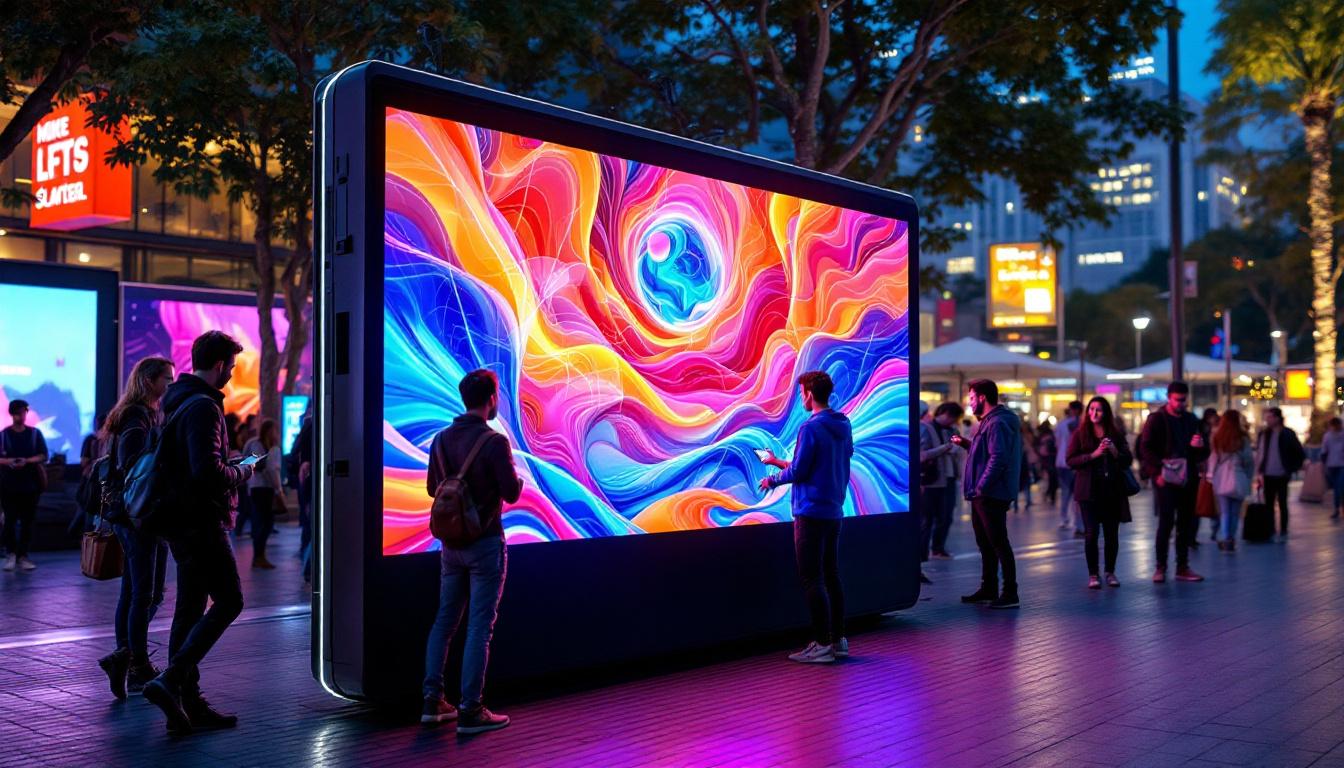
Large-format LED backlit LCD panels are commonly used in digital signage due to their high visibility and energy efficiency. Retail stores, airports, and public spaces utilize these displays to attract attention and convey information effectively.
Automotive and Aviation Displays
Modern vehicles increasingly incorporate LED backlit LCD panels in dashboards, infotainment systems, and instrument clusters. Their brightness and clarity ensure visibility under varying lighting conditions, enhancing safety and user experience.
Challenges and Limitations of LED Backlit LCD Panels
Despite their numerous advantages, LED backlit LCD panels are not without limitations. Understanding these challenges helps in setting realistic expectations and identifying scenarios where alternative technologies might be preferable.
Viewing Angles
LCD technology inherently suffers from limited viewing angles compared to OLED displays. While LED backlighting improves brightness and contrast, the liquid crystal layer can cause color shifting and reduced contrast when viewed from extreme angles.
Black Levels and Contrast
Although local dimming in full-array LED backlit panels improves black levels, it still cannot match the perfect blacks produced by OLED displays, where each pixel emits its own light and can be turned off completely.
Backlight Bleeding and Uniformity Issues
Edge-lit LED panels, in particular, may experience backlight bleeding, where light leaks around the edges or corners, reducing overall image uniformity. This can be distracting, especially in dark scenes.
Cost Considerations
Full-array LED backlit panels with advanced local dimming are generally more expensive to produce than edge-lit models. For budget-conscious consumers, this cost difference can be a significant factor.
The Future of LED Backlit LCD Technology
As display technology continues to advance, LED backlit LCD panels are evolving to meet new demands for higher resolution, better color reproduction, and energy efficiency.
Mini-LED and Micro-LED Innovations
One of the most exciting developments is the advent of mini-LED and micro-LED backlighting. Mini-LEDs are thousands of tiny LEDs used in full-array backlighting, allowing for even more precise local dimming and improved contrast. This technology bridges the gap between traditional LED backlit LCDs and OLEDs in terms of picture quality.
Micro-LED technology goes a step further by using microscopic LEDs as individual pixels, combining the benefits of self-emissive displays with the durability and brightness of LEDs. While still emerging, micro-LED displays promise exceptional brightness, color accuracy, and lifespan.
Quantum Dot Enhancement
Quantum dot technology is increasingly integrated with LED backlit LCDs to enhance color performance. Quantum dots are semiconductor nanocrystals that emit pure, saturated colors when illuminated by LEDs, resulting in wider color gamuts and more vivid images.
Energy Efficiency and Sustainability
Manufacturers are focusing on reducing the environmental impact of displays by improving LED efficiency and using sustainable materials. Innovations in backlight design and power management continue to reduce energy consumption without compromising image quality.
Conclusion
LED backlit LCD panels represent a mature and versatile display technology that balances performance, efficiency, and cost. Their widespread adoption across consumer electronics, professional applications, and industrial uses underscores their importance in today’s digital landscape.
While challenges such as viewing angles and black level limitations exist, ongoing innovations like mini-LED backlighting and quantum dot enhancements are pushing the boundaries of what LED backlit LCDs can achieve. For consumers and professionals seeking bright, energy-efficient displays with excellent color accuracy, LED backlit LCD panels remain a compelling choice.
As technology advances, staying informed about the capabilities and limitations of LED backlit LCD panels will help users select the right display solutions for their needs, ensuring an optimal viewing experience now and in the future.
Discover Cutting-Edge LED Displays with LumenMatrix
Ready to experience the pinnacle of LED display technology? LumenMatrix is at the forefront of innovation, offering a wide array of LED display solutions tailored to your needs. Whether you’re looking for an Indoor LED Wall Display, an Outdoor LED Wall Display, or specialized options like Vehicle LED Displays and LED Sports Displays, LumenMatrix has you covered. Elevate your visual communication and captivate your audience with our state-of-the-art LED display modules. Check out LumenMatrix LED Display Solutions today and transform your space into a dynamic visual experience.