In the rapidly evolving world of display technology, MicroLED panels have emerged as a groundbreaking innovation poised to redefine visual experiences across various industries. From smartphones and televisions to digital signage and augmented reality devices, MicroLED technology promises unparalleled brightness, color accuracy, and energy efficiency. This article delves into the fundamentals of MicroLED displays, exploring how they work, their advantages over existing technologies, and the challenges that lie ahead for widespread adoption.
Understanding MicroLED Technology
What Are MicroLEDs?
MicroLEDs are microscopic light-emitting diodes, each measuring less than 100 micrometers in size, that serve as individual pixels in a display panel. Unlike traditional LED displays, which use larger LEDs as backlighting sources for LCD panels, MicroLED technology integrates these tiny LEDs directly onto the display substrate. Each MicroLED emits its own light, enabling self-emissive displays that do not require backlighting or color filters.
This self-emissive nature is a key differentiator from LCD and OLED technologies. While OLEDs also offer self-emission, MicroLEDs use inorganic materials, typically gallium nitride (GaN), which provide higher durability and brightness. The ability to control each MicroLED pixel independently allows for exceptional contrast ratios and vibrant color reproduction. Furthermore, MicroLED displays are less susceptible to burn-in, a common issue with OLED technology, making them a more reliable choice for varied content consumption over time.
Additionally, MicroLEDs boast impressive energy efficiency, consuming less power than their OLED counterparts while delivering superior brightness levels. This efficiency not only contributes to longer battery life in portable devices but also reduces the overall environmental impact of display technology. As manufacturers continue to innovate, the potential applications for MicroLEDs expand, paving the way for their integration into everything from smartphones and televisions to large-scale digital signage and augmented reality devices.
How Do MicroLED Panels Work?
At the core of a MicroLED panel is an array of millions of microscopic LEDs arranged precisely to form the display. Each MicroLED can emit red, green, or blue light, or combine these to produce a full spectrum of colors. The display controller regulates the intensity of each MicroLED, enabling the rendering of complex images with high resolution and color fidelity.
The manufacturing process involves transferring MicroLED chips onto a substrate, often glass or silicon, using advanced pick-and-place techniques. This step is critical and challenging due to the tiny size of the LEDs and the need for precise alignment. Once assembled, the panel operates by energizing individual MicroLEDs to create the desired image, resulting in displays that are bright, energy-efficient, and capable of deep blacks. The scalability of MicroLED technology also allows for the creation of modular displays, where multiple panels can be seamlessly combined to form larger screens without compromising image quality.
Moreover, the flexibility of MicroLEDs extends beyond just size and resolution. Their compact nature allows for innovative designs, such as curved or even foldable displays, which can enhance user experience in various applications. As research progresses, the potential for MicroLEDs to be used in wearable technology and flexible electronics is becoming increasingly viable, promising a future where high-quality displays can adapt to any form factor or environment.
Advantages of MicroLED Displays Over Traditional Technologies
Superior Brightness and Contrast
One of the most significant advantages of MicroLED panels is their exceptional brightness levels. MicroLEDs can achieve peak brightness exceeding 1,000 nits, with some prototypes reaching beyond 5,000 nits. This far surpasses the typical brightness of OLED displays, which usually max out around 600 nits. Higher brightness enables better visibility in bright environments, such as outdoor digital signage or daylight viewing on smartphones and TVs.
Moreover, because each MicroLED can be turned off completely, MicroLED displays offer perfect black levels and infinite contrast ratios. This results in more vivid and lifelike images, enhancing the viewing experience for content ranging from high-definition videos to detailed graphical interfaces. The ability to display true blacks not only improves the overall aesthetic of the content but also contributes to a more immersive viewing experience, particularly in cinematic and gaming applications where detail in shadows is crucial.
Furthermore, the high contrast ratios of MicroLEDs can significantly enhance HDR (High Dynamic Range) content. By accurately reproducing both bright highlights and deep shadows, MicroLED technology allows viewers to experience a broader spectrum of colors and luminosity, making scenes appear more dynamic and engaging. This capability is particularly beneficial for filmmakers and content creators who strive for precision in their visual storytelling.
Energy Efficiency and Longevity
MicroLED panels consume less power compared to LCDs and OLEDs, primarily because they do not require backlighting or color filters. The direct emission of light from each pixel reduces energy waste, especially when displaying darker images where many pixels can be turned off.
In addition to energy savings, MicroLEDs boast superior longevity. Unlike OLEDs, which suffer from organic material degradation leading to burn-in and reduced lifespan, MicroLEDs use inorganic materials that are more stable and resistant to aging. This makes MicroLED displays ideal for applications requiring long-term reliability, such as commercial displays and automotive dashboards. The durability of MicroLED technology also translates to lower maintenance costs over time, as businesses can rely on these displays without the frequent need for replacement or repair.
Moreover, the energy efficiency of MicroLEDs contributes to a reduced carbon footprint, making them a more environmentally friendly option in the long run. As the world increasingly prioritizes sustainability, the adoption of MicroLED technology could play a pivotal role in the transition toward greener display solutions, benefiting both consumers and the planet alike.
Faster Response Times and Wider Viewing Angles
MicroLED technology enables faster pixel response times, often in the microsecond range, which is significantly quicker than LCD and OLED displays. This rapid response reduces motion blur, making MicroLEDs well-suited for gaming, virtual reality, and other high-motion content.
Additionally, MicroLED panels maintain consistent color and brightness across wide viewing angles. Unlike LCDs, which can suffer from color shifting and brightness loss when viewed off-axis, MicroLED displays provide uniform image quality regardless of the viewer’s position. This feature is particularly advantageous in settings where multiple viewers are watching from different angles, such as in home theaters or during presentations. The ability to deliver a consistent viewing experience enhances social interactions around shared content, making MicroLEDs ideal for collaborative environments.
Furthermore, the wide viewing angles of MicroLED displays can enhance the experience of immersive media, such as augmented and virtual reality applications. As these technologies continue to evolve, the need for displays that can maintain visual integrity from various perspectives becomes increasingly important, positioning MicroLEDs as a leading choice for future innovations in visual technology.
Applications of MicroLED Technology
Consumer Electronics: TVs and Smartphones
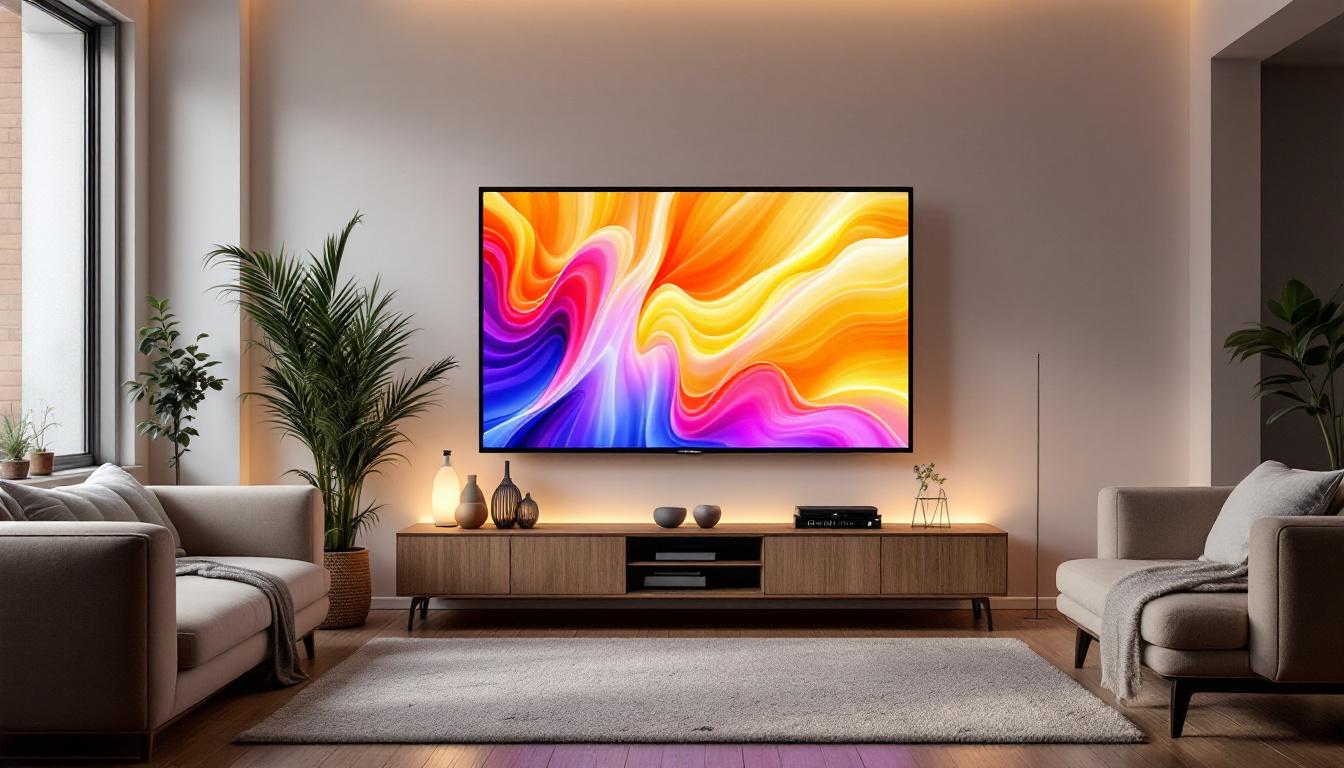
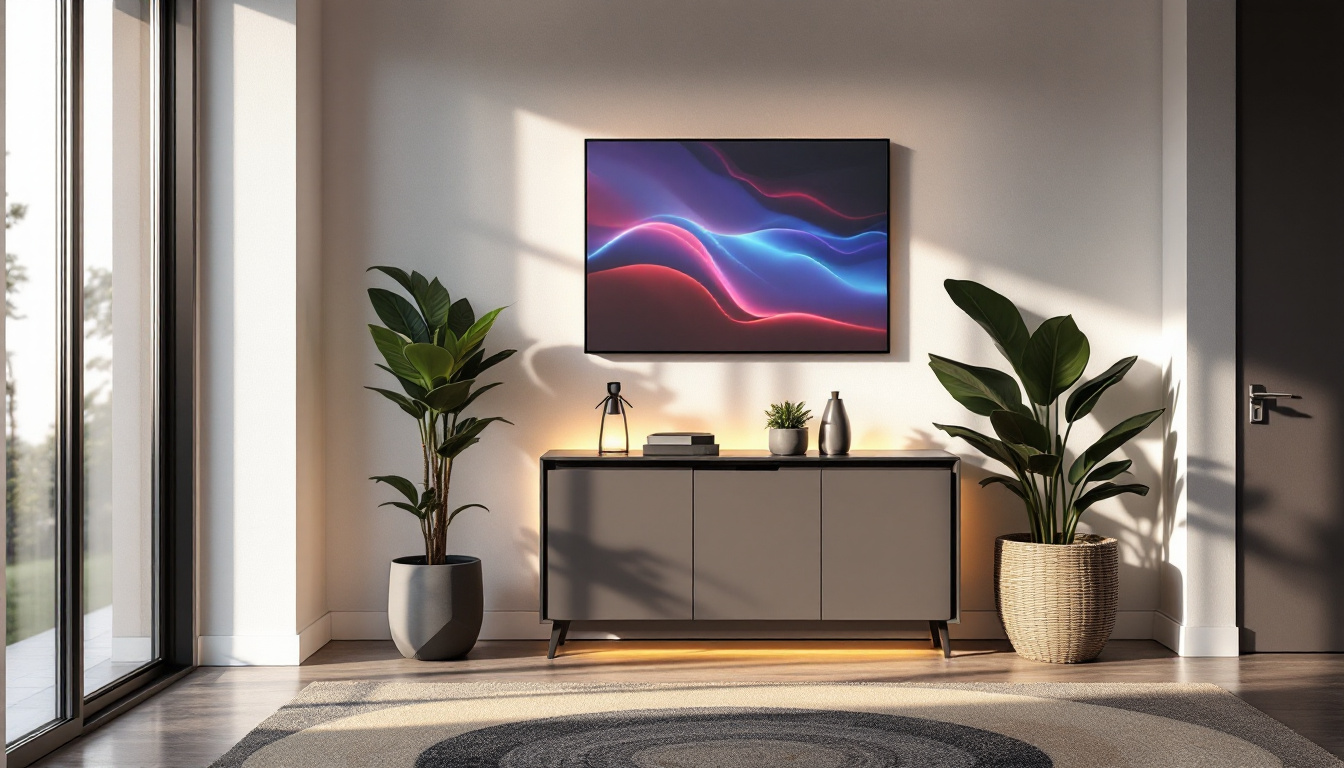
MicroLED technology is increasingly being integrated into consumer electronics, particularly in premium televisions and smartphones. Leading manufacturers have showcased MicroLED TVs with impressive screen sizes, often modular in design, allowing users to customize display dimensions. These TVs deliver superior picture quality with vivid colors, deep blacks, and high brightness, elevating home entertainment experiences.
In smartphones, MicroLED offers the potential for brighter, more energy-efficient displays that improve outdoor readability and battery life. Although mass production challenges have delayed widespread adoption, several prototypes and limited-release devices demonstrate the promise of MicroLED in mobile displays.
Commercial and Industrial Displays
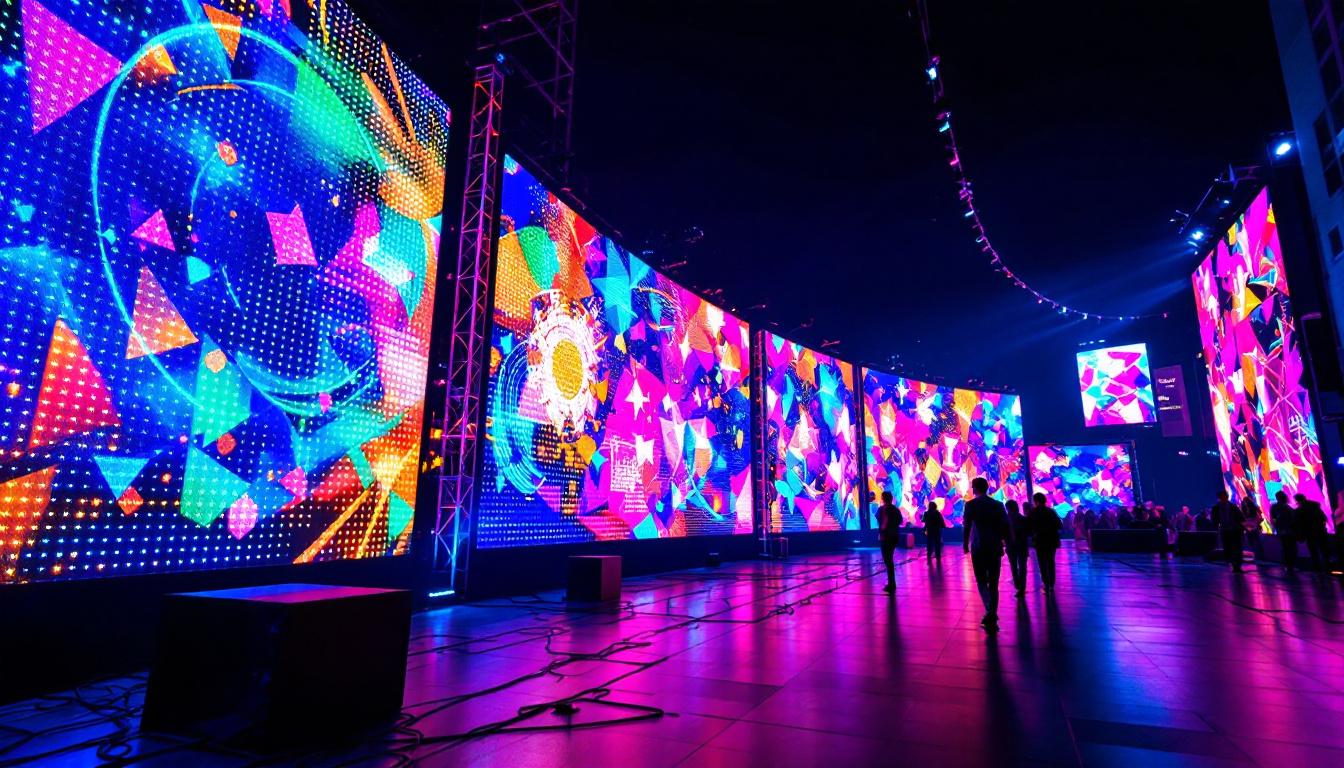
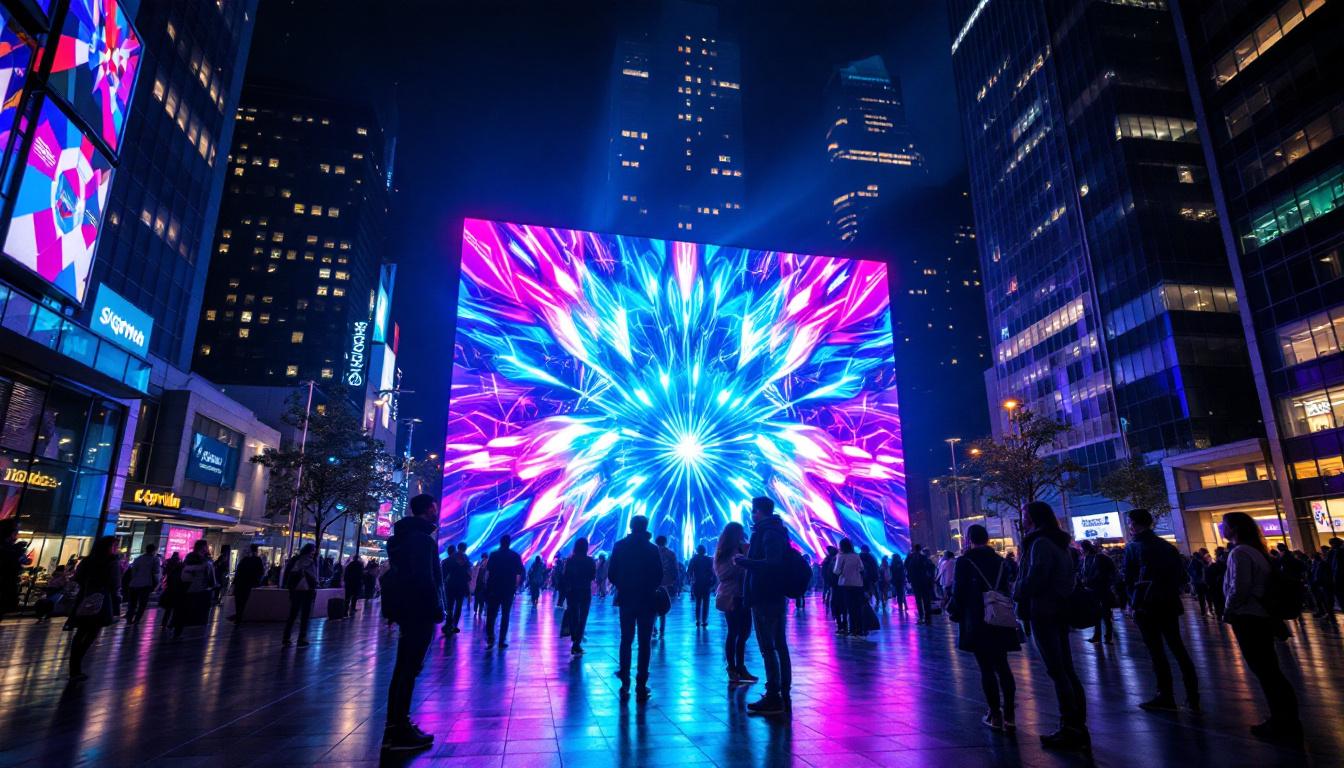
MicroLED’s robustness and high brightness make it ideal for commercial applications such as digital billboards, retail signage, and information displays in transportation hubs. The technology’s scalability allows for the creation of large-format displays with seamless image quality, attracting advertisers and businesses seeking impactful visual communications.
Industrial environments also benefit from MicroLED’s durability and visibility under harsh lighting. For example, control room monitors and medical imaging devices can leverage MicroLED’s precision and clarity to enhance operational effectiveness.
Emerging Uses: Wearables and Augmented Reality
The compact size and high efficiency of MicroLEDs open new possibilities in wearable technology and augmented reality (AR) devices. Smartwatches and AR glasses require displays that are lightweight, bright, and power-efficient, characteristics that MicroLED panels inherently provide.
Companies developing AR headsets are exploring MicroLEDs to deliver immersive visuals with minimal latency and high brightness, crucial for outdoor use and mixed-reality applications. As manufacturing techniques improve, MicroLED is expected to become a key enabler of next-generation wearable displays.
Challenges and Future Outlook
Manufacturing Complexity and Costs
Despite its advantages, MicroLED technology faces significant manufacturing hurdles. The process of transferring millions of tiny LEDs onto a substrate with high precision is complex and costly. Yield rates can be low due to defects during assembly, leading to increased production expenses.
Efforts to automate and refine pick-and-place techniques, as well as innovations in mass transfer and repair processes, are underway to address these challenges. However, until these manufacturing efficiencies are realized, MicroLED displays are likely to remain in the premium segment of the market.
Scaling Up Production
Scaling MicroLED production to meet consumer demand involves not only improving manufacturing yield but also developing supply chains for raw materials and components. The industry must also establish standards for MicroLED integration with existing electronics and software ecosystems.
Collaborations between semiconductor manufacturers, display makers, and device companies are critical to accelerating commercialization. As these partnerships mature, MicroLED technology is expected to become more accessible and affordable.
Competition with OLED and Emerging Technologies
MicroLED competes with OLED, which currently dominates the high-end display market due to its mature manufacturing processes and excellent image quality. OLED’s flexibility and thinness also make it attractive for foldable devices and curved screens.
Meanwhile, other emerging technologies such as MiniLED backlighting, quantum dot displays, and even micro-LED hybrids offer incremental improvements at lower costs. MicroLED’s success will depend on its ability to deliver distinct value propositions that justify its higher price point.
Conclusion
MicroLED panels represent a significant leap forward in display technology, combining the best attributes of brightness, color accuracy, energy efficiency, and durability. While challenges related to manufacturing and cost remain, ongoing advancements suggest that MicroLED will play a pivotal role in the future of visual displays across consumer, commercial, and industrial sectors.
As the technology matures, consumers can look forward to displays that offer richer, more immersive experiences, whether watching a movie on a giant MicroLED TV, navigating with a bright smartphone screen in sunlight, or interacting with augmented reality devices. Understanding the fundamentals and potential of MicroLED technology provides valuable insight into the next generation of display innovation.
Discover the Future of LED Displays with LumenMatrix
Ready to experience the next wave of display innovation? LumenMatrix is at the forefront, offering a diverse range of LED display solutions that bring your visual communications to life. Whether you’re looking to captivate passersby with an Outdoor LED Wall Display, engage fans with a dynamic LED Sports Display, or make a statement with a Custom LED Display, LumenMatrix has the technology to elevate your brand’s presence. Check out LumenMatrix LED Display Solutions today and join the revolution in high-impact, energy-efficient, and durable visual storytelling.