In today’s visually driven world, LED displays have become an integral part of our daily lives—from smartphones and televisions to massive outdoor billboards. One critical factor that influences the quality of these displays is the refresh rate. Understanding LED refresh rates is essential not only for consumers seeking the best viewing experience but also for professionals in design, broadcasting, and digital signage industries. This article delves into the concept of LED refresh rates, their importance, how they work, and their impact on display performance.
What is LED Refresh Rate?
The refresh rate of an LED display refers to how many times per second the image on the screen is updated or “refreshed.” It is measured in Hertz (Hz). For example, a refresh rate of 60 Hz means the display updates 60 times every second. This rapid updating process is crucial for ensuring smooth motion and reducing flicker, which can affect the viewer’s comfort and perception of image quality.
Unlike traditional CRT monitors, which rely on electron beams scanning the screen, LED displays use arrays of light-emitting diodes to produce images. The refresh rate in LED displays is closely tied to how the LEDs are driven and controlled electronically.
Why Refresh Rate Matters
A higher refresh rate generally results in smoother motion rendering, which is particularly important for fast-moving content such as sports broadcasts, video games, or action films. Lower refresh rates can cause motion blur or noticeable flicker, leading to eye strain and a less immersive experience.
For digital signage and outdoor LED displays, refresh rate also impacts visibility and clarity, especially under varying lighting conditions. A higher refresh rate helps maintain image stability and reduces flicker that can be distracting to viewers.
How LED Refresh Rate Works
To understand LED refresh rate, it’s helpful to explore the technology behind LED displays. LED screens are made up of thousands or even millions of tiny LEDs arranged in a grid. Each LED can be individually controlled to emit light at different intensities and colors, forming the pixels of the image.
Scanning and Driving Methods
LED displays use either static or dynamic driving methods. In static driving, each LED is continuously powered, which allows for high refresh rates but requires more power and complex circuitry. Dynamic driving, also known as multiplexing, powers LEDs in groups sequentially. This method reduces power consumption but can limit the refresh rate.
The refresh rate is influenced by how quickly the display controller can cycle through all the LEDs to update their states. For example, in a large outdoor LED billboard, the controller must rapidly scan through each row or column of LEDs multiple times per second to maintain a stable image.
Pulse Width Modulation (PWM)
Another key technique related to refresh rate is Pulse Width Modulation (PWM), which controls the brightness of LEDs by varying the duration of on/off pulses within each refresh cycle. PWM frequency must be high enough to avoid visible flicker. If the PWM frequency is too low, viewers may perceive flickering, especially in peripheral vision or during camera recordings.
Common Refresh Rates in LED Displays
Refresh rates vary widely depending on the type of LED display and its intended use. Here are some typical values:
- 60 Hz: Standard for many consumer-grade LED TVs and monitors. Provides smooth motion for most everyday content.
- 120 Hz and above: Increasingly common in high-end TVs, gaming monitors, and professional displays. Enhances motion clarity and reduces blur.
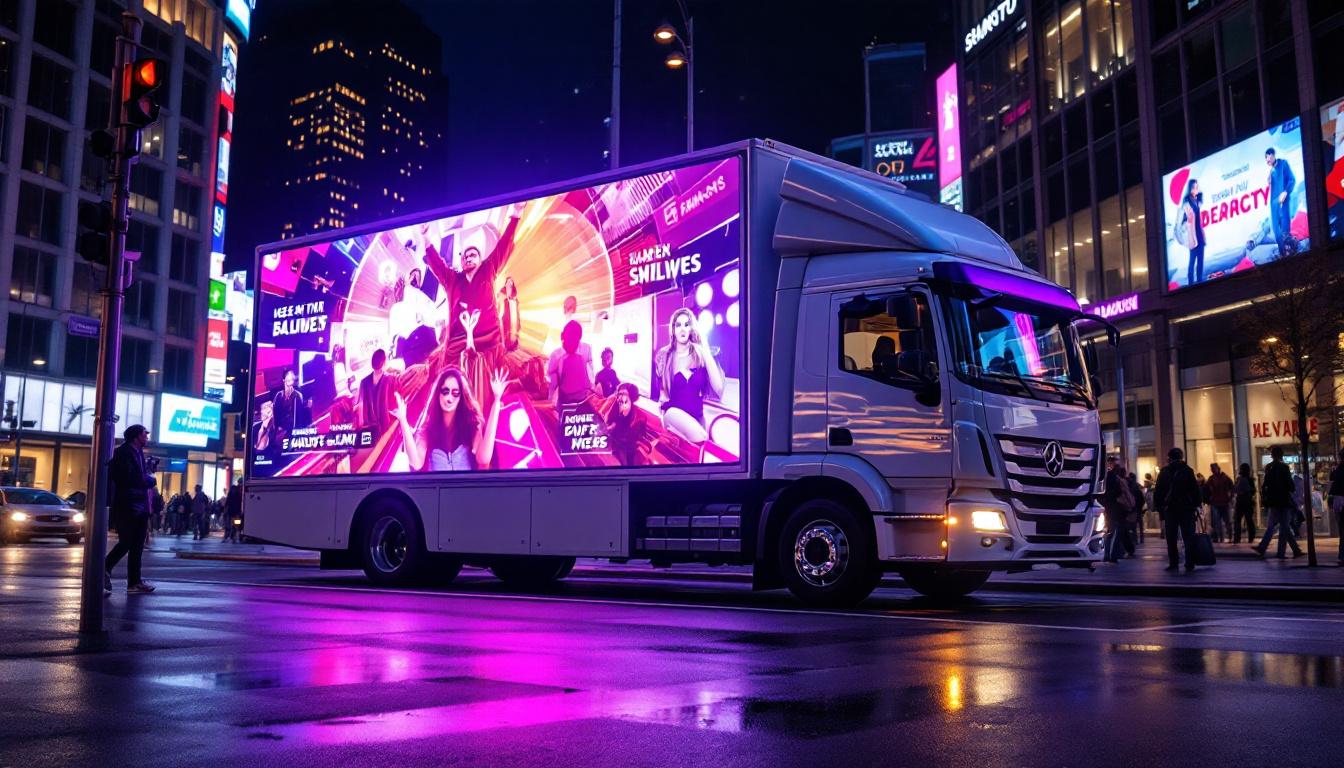
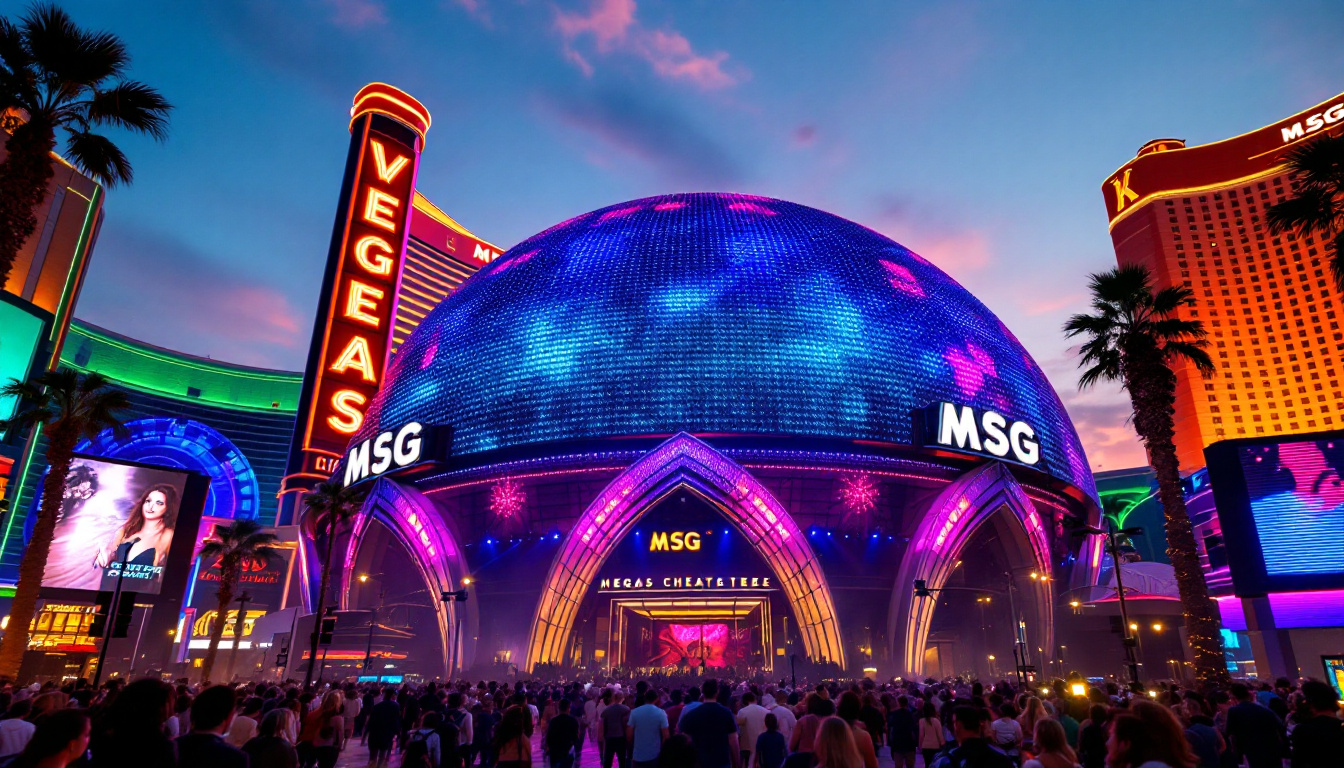
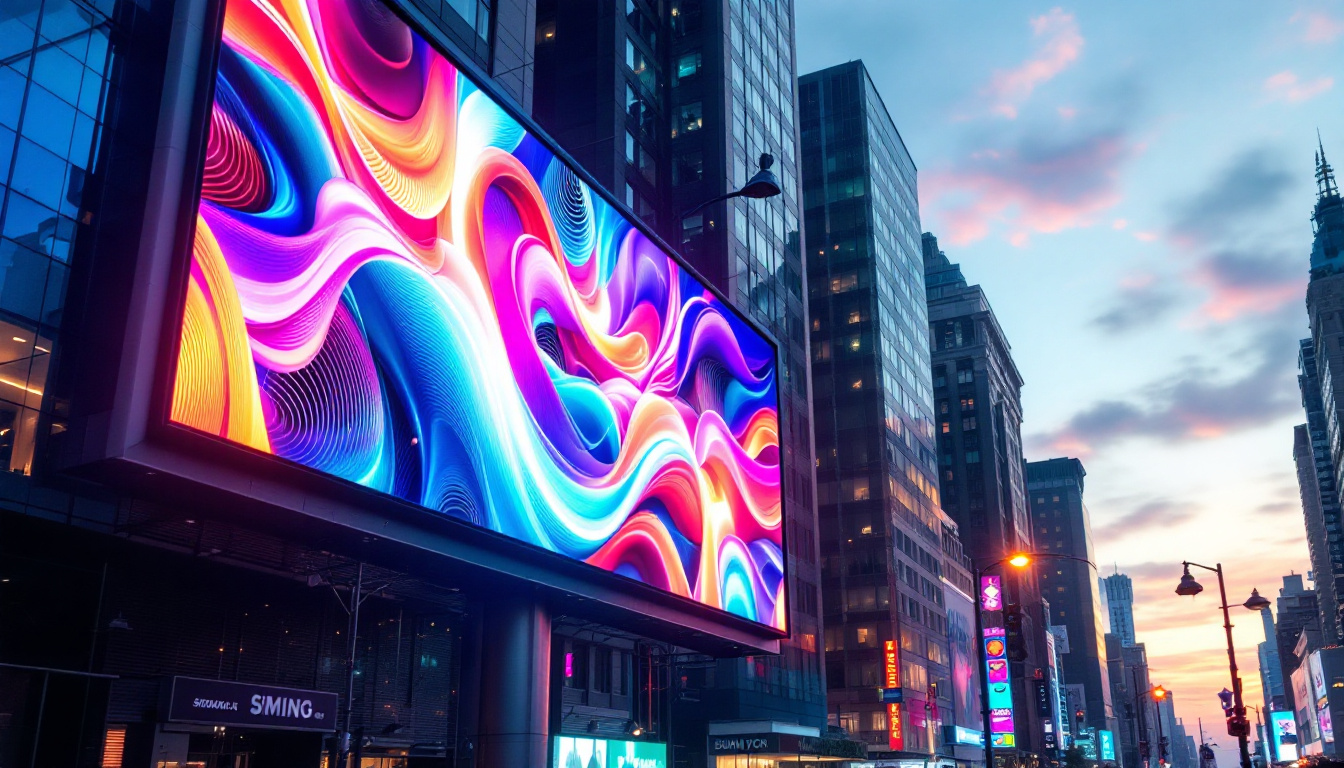
- 500 Hz to 3840 Hz: Typical range for large outdoor LED billboards and digital signage. High refresh rates minimize flicker and improve visibility under bright sunlight.
For example, a 4K LED TV with a 120 Hz refresh rate can display up to 120 frames per second, which is beneficial for fast-paced video games and sports broadcasts. On the other hand, an outdoor LED billboard may operate at a refresh rate of 3000 Hz or higher to ensure flicker-free images even when viewed through cameras or smartphones.
Impact of Refresh Rate on Viewing Experience
The refresh rate directly affects how the human eye perceives motion and image stability. Understanding these effects helps consumers and professionals make informed decisions about display technologies.
Motion Smoothness and Blur Reduction
Higher refresh rates reduce motion blur by updating the image more frequently. This is especially important for content with rapid movement. For instance, in competitive gaming, displays with refresh rates of 120 Hz or higher are preferred because they provide smoother animations and quicker response times.
Conversely, lower refresh rates can cause “judder,” where fast-moving objects appear to stutter or jump between frames. This can detract from the viewing experience and cause discomfort during prolonged use.
Flicker and Eye Strain
Flicker occurs when the display’s refresh rate is too low or when PWM frequencies are insufficiently high. Flicker can be subtle and not consciously noticeable but still contribute to eye fatigue, headaches, and discomfort, especially for users who spend long hours in front of screens.
Studies have shown that flicker above 90 Hz is generally imperceptible to most people, which is why many modern displays aim for refresh rates well above this threshold.
Camera Compatibility and Broadcast Quality
High refresh rates are essential for LED displays used in broadcasting and live events. Cameras recording LED screens can pick up flicker if the refresh rate does not synchronize with the camera’s frame rate, resulting in visible banding or flickering in the footage.
For this reason, professional LED displays often operate at refresh rates of several thousand Hertz to ensure compatibility with various recording equipment and to maintain image integrity on broadcast streams.
Factors Influencing LED Refresh Rate
Several technical and practical factors determine the achievable refresh rate in LED displays. Understanding these helps manufacturers optimize performance and users select appropriate products.
Display Resolution and Size
Higher resolution displays have more pixels to update each cycle, which can limit the maximum refresh rate due to increased data processing requirements. Similarly, larger displays with more LEDs require faster scanning and driving electronics to maintain high refresh rates.
Controller Technology
The sophistication of the display controller and driver ICs (integrated circuits) plays a crucial role. Advanced controllers can handle higher refresh rates by efficiently managing data throughput and LED driving sequences.
Power Consumption and Heat Management
Higher refresh rates often mean increased power consumption and heat generation. Efficient thermal management and power design are necessary to maintain performance without compromising the lifespan of the LEDs or the overall display system.
Environmental Conditions
Outdoor LED displays must maintain high refresh rates despite varying ambient light and weather conditions. Bright sunlight, rain, or dust can affect LED performance, so displays are designed with robust electronics to sustain refresh rates and image quality under these challenges.
Choosing the Right Refresh Rate for Your LED Display
Selecting an LED display with the appropriate refresh rate depends on the specific application, viewing environment, and user expectations.
For Consumer Electronics
For TVs, monitors, and smartphones, a refresh rate of 60 Hz is often sufficient for casual viewing. However, users who prioritize gaming or high-motion content should consider displays with 120 Hz or higher refresh rates. Many modern smartphones now feature refresh rates of 90 Hz, 120 Hz, or even 144 Hz to enhance user experience.
For Digital Signage and Outdoor Displays
High refresh rates (often above 1000 Hz) are critical for outdoor LED billboards and digital signage to prevent flicker and ensure clear visibility. This is especially important in urban environments where viewers may see the display through various devices or at different angles.
For Professional and Broadcast Use
LED displays used in studios, live events, and broadcast environments require very high refresh rates—often several thousand Hertz—to synchronize with cameras and avoid flicker artifacts. These displays also incorporate advanced calibration and control systems to maintain consistent image quality.
Future Trends in LED Refresh Rate Technology
As LED technology continues to evolve, refresh rates are expected to improve alongside other performance metrics like resolution, brightness, and color accuracy.
MicroLED and MiniLED Innovations
Emerging technologies such as MicroLED and MiniLED promise faster response times and higher refresh rates due to smaller, more efficient LED elements. These advances could lead to displays capable of refresh rates exceeding 240 Hz in consumer devices without compromising power efficiency.
Adaptive and Variable Refresh Rates
Adaptive refresh rate technologies, which dynamically adjust the refresh rate based on content, are becoming more prevalent. This approach balances smooth motion with power savings, extending battery life in portable devices while maintaining high-quality visuals.
Integration with Augmented and Virtual Reality
High refresh rates are crucial for immersive AR and VR experiences to reduce motion sickness and enhance realism. LED display technologies optimized for these applications are pushing refresh rates to 90 Hz and beyond, with ongoing research targeting even higher values.
Conclusion
The refresh rate is a fundamental characteristic of LED displays that significantly influences image quality, motion smoothness, and viewer comfort. Whether for consumer electronics, outdoor signage, or professional broadcast applications, understanding LED refresh rates helps in choosing the right display technology and optimizing performance.
Advancements in LED driving methods, controller technology, and display materials continue to push the boundaries of refresh rates, promising richer and more immersive visual experiences in the near future. As the demand for high-quality displays grows, refresh rate will remain a key factor in the evolution of LED display technology.
Explore High-Performance LED Displays with LumenMatrix
Ready to experience the pinnacle of LED display technology? LumenMatrix is at the forefront of innovation, offering a diverse range of LED display solutions tailored to your needs. From captivating Indoor LED Walls to dynamic Outdoor LED Displays, and from versatile Vehicle LED Displays to sleek LED Poster Displays, our products are designed to elevate your visual communication. Discover how our LED Sports Displays, interactive Floor LED Displays, and Custom LED solutions can transform your space. Embrace the future with our All-in-One and Transparent LED Displays. Don’t just take our word for it—check out LumenMatrix LED Display Solutions today and see how we can help you make a lasting impression with clarity and impact.