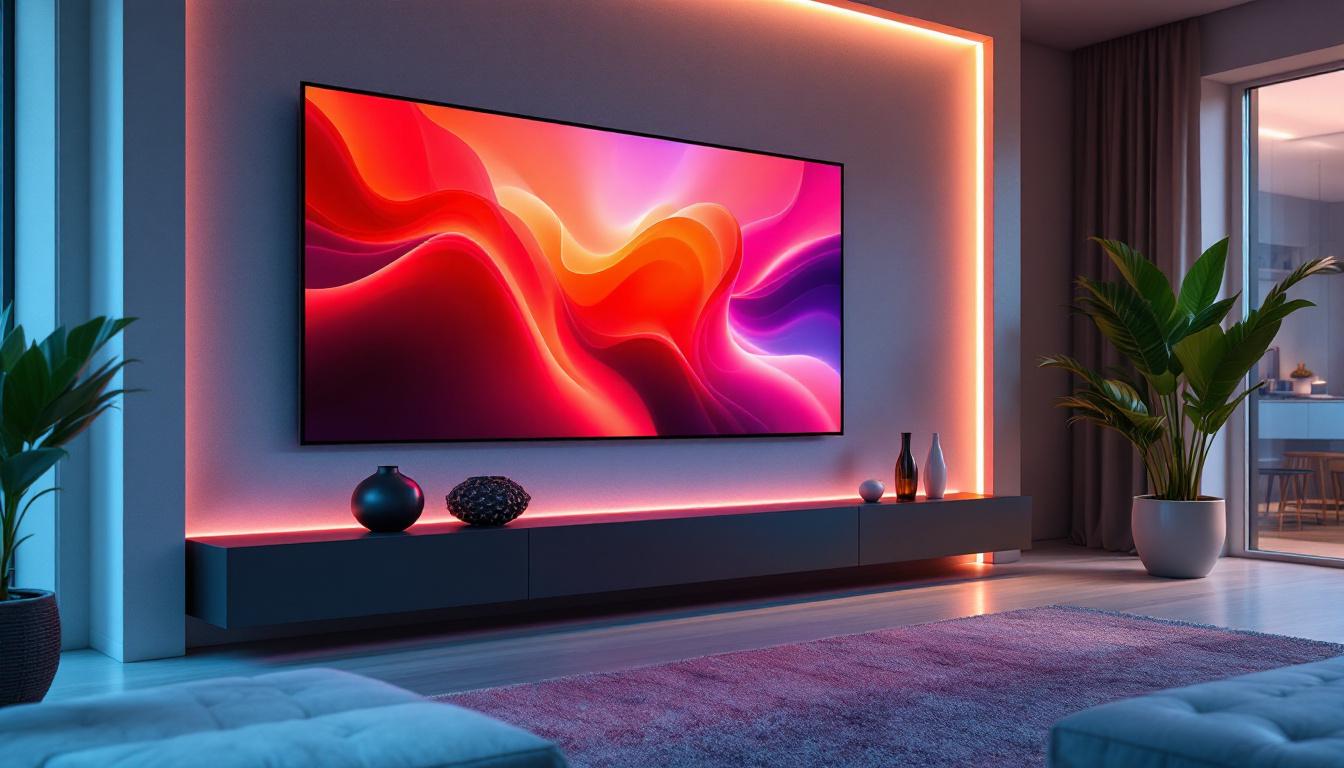
In the rapidly evolving world of digital signage and display technology, LED walls have emerged as a dominant solution, transforming how content is presented in public spaces, corporate environments, entertainment venues, and retail settings. Walls TV, a term often used to describe large-scale LED video walls, has become synonymous with high-impact visual communication. This comprehensive article explores the fundamentals of LED display technology, the advantages of Walls TV, and the key considerations for selecting and deploying these impressive digital canvases.
Understanding LED Display Technology
LED, or Light Emitting Diode, technology forms the backbone of modern digital displays. Unlike traditional LCD or projection systems, LED displays use an array of tiny diodes that emit light directly, creating bright, vibrant images visible even in challenging lighting conditions. This capability makes LED displays particularly popular for a variety of applications, from large-scale advertising to intricate artistic installations, where visual impact is paramount.
How LED Displays Work
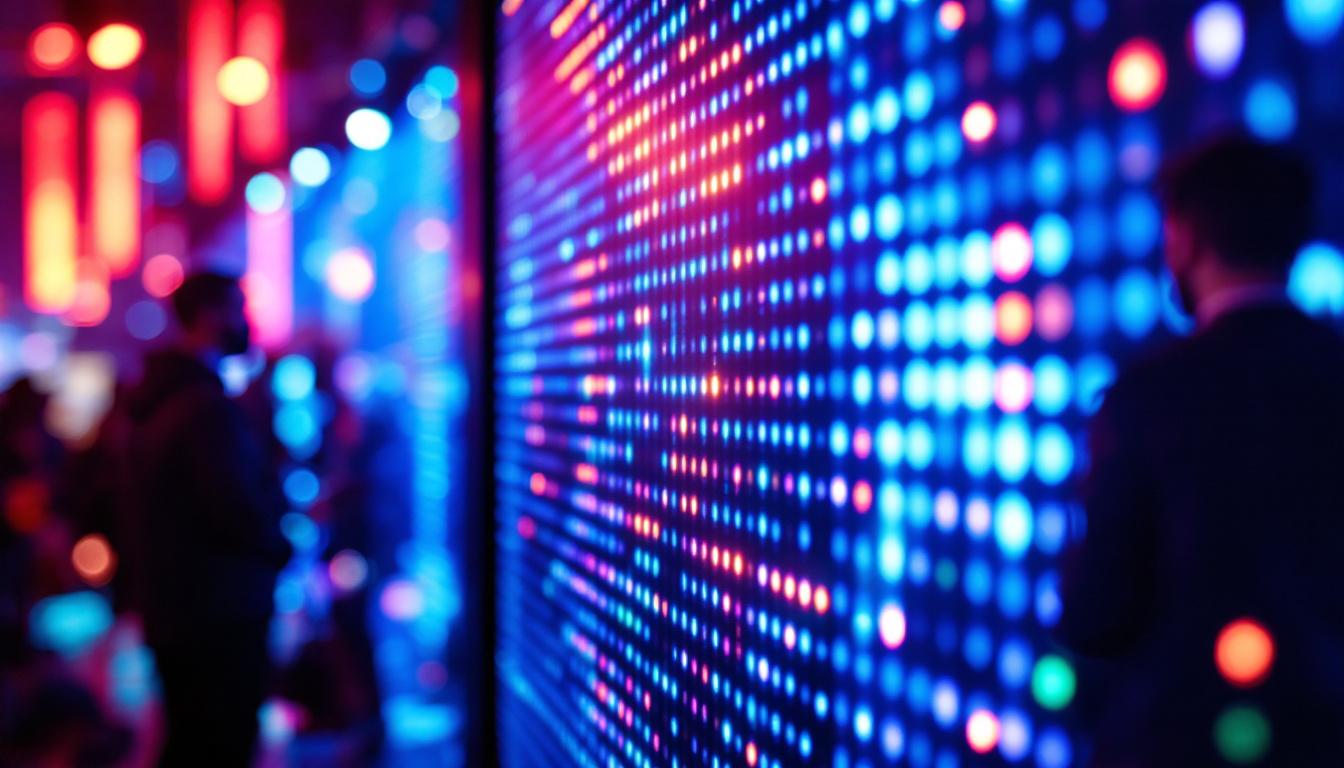
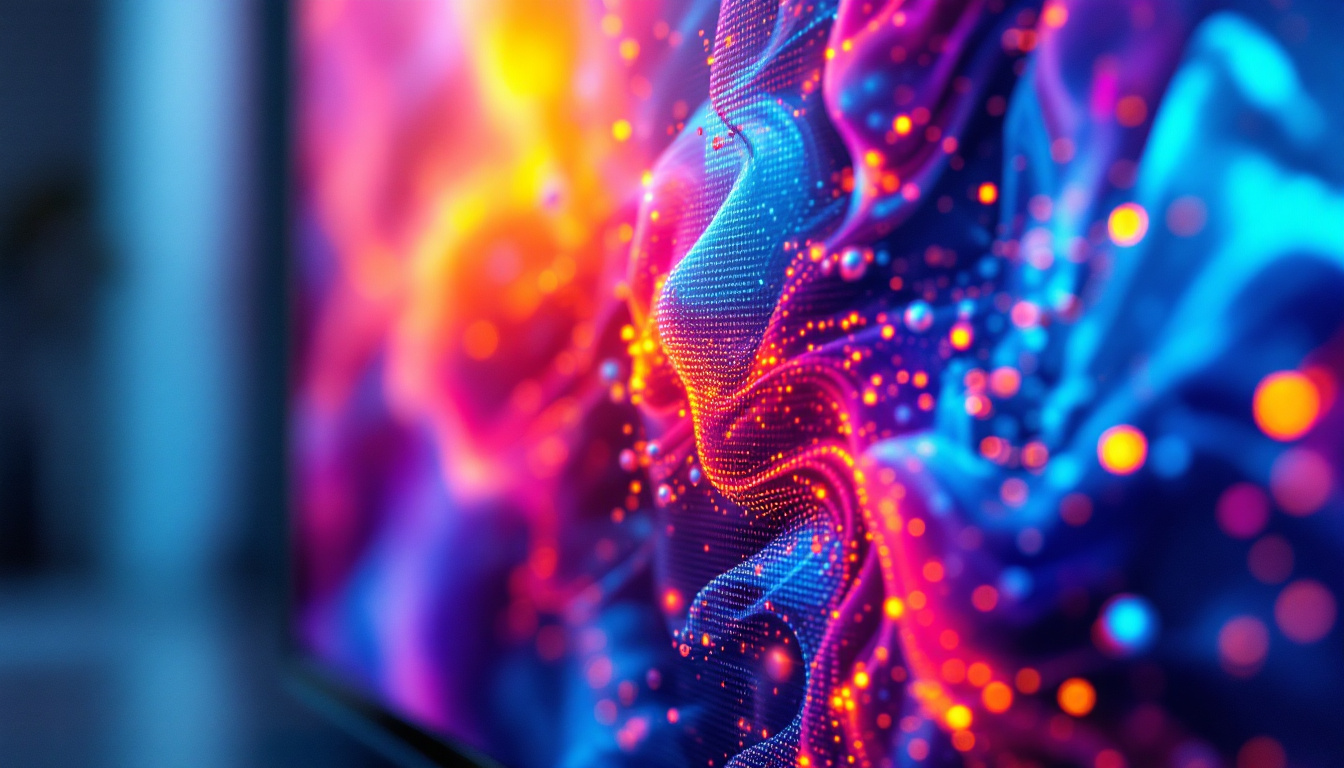
At its core, an LED display consists of thousands to millions of individual LEDs arranged in a grid. Each LED acts as a pixel or part of a pixel, emitting red, green, or blue light. By varying the intensity of these colors, the display produces a full spectrum of colors, rendering images and videos with remarkable clarity and brightness. Additionally, the modular design of LED displays allows for flexible configurations, enabling designers to create screens of virtually any shape or size, catering to specific spatial requirements and aesthetic preferences.
LED displays can be categorized into two main types: direct view LED and LED-backlit LCD. Walls TV typically refers to direct view LED displays, where the LEDs themselves form the image without the need for a backlight, resulting in superior contrast ratios and color accuracy. This technology not only enhances the viewing experience but also significantly reduces the energy consumption compared to older display technologies, making it a more sustainable choice for both consumers and businesses alike.
Pixel Pitch and Resolution
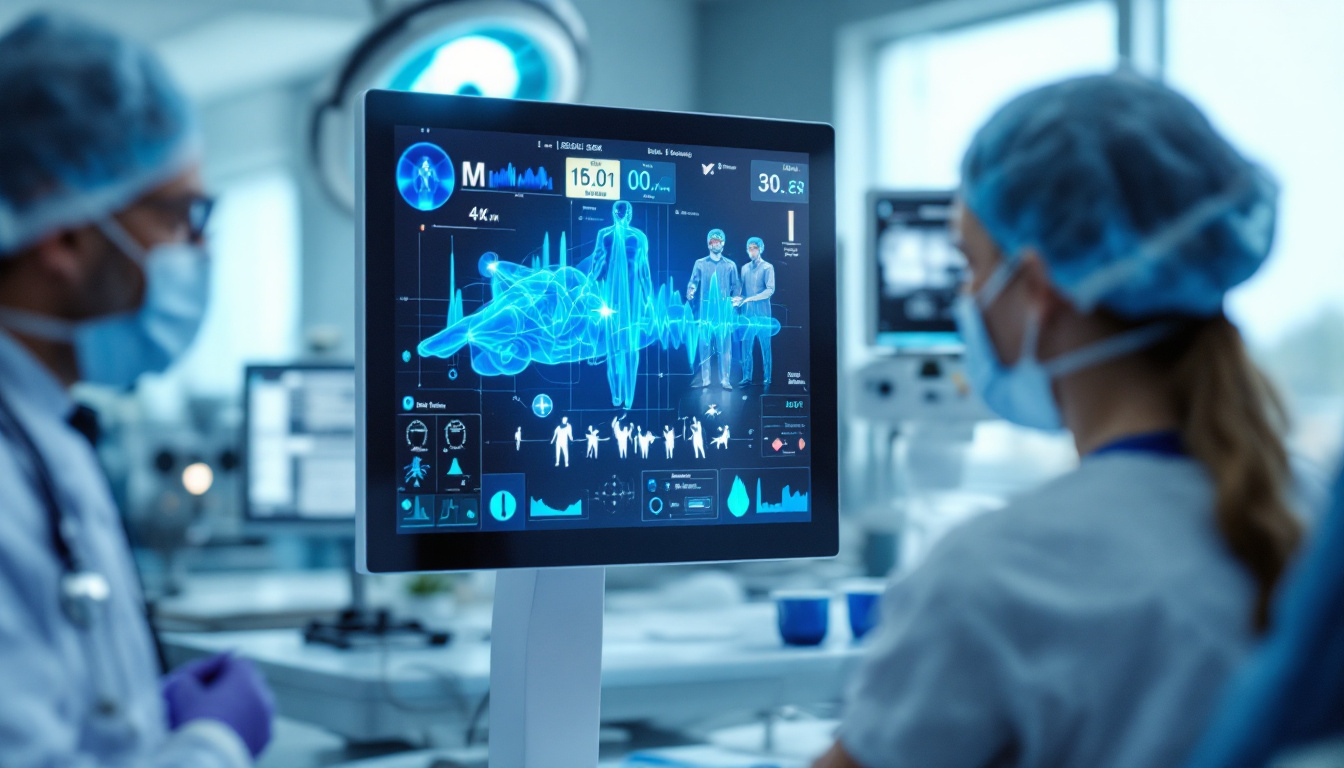
One of the most critical technical specifications for LED walls is pixel pitch, which is the distance between the centers of two adjacent pixels, measured in millimeters. A smaller pixel pitch means more pixels per unit area, leading to higher resolution and sharper images, especially important for close viewing distances. This precision is essential in environments where detail is crucial, such as in medical imaging displays or high-end gaming setups, where every pixel contributes to the overall experience.
For example, a pixel pitch of 1.5mm is suitable for indoor environments where viewers are close to the screen, such as control rooms or retail displays. Larger pixel pitches, such as 6mm or 10mm, are often used for outdoor billboards or stadium screens where viewers are farther away. Furthermore, advancements in technology are continually pushing the boundaries of pixel pitch, with manufacturers now producing displays with pitches as small as 0.5mm, which opens up new possibilities for ultra-high-definition content and immersive viewing experiences in compact spaces.
The Advantages of Walls TV LED Displays
LED walls offer a range of benefits that make them the preferred choice for many applications. Their versatility, brightness, and durability set them apart from other display technologies.
Exceptional Brightness and Visibility
One of the standout features of LED walls is their high brightness levels. Typical LED displays can achieve brightness levels of 1,000 to 5,000 nits or more, making them easily visible even in direct sunlight. This makes Walls TV ideal for outdoor advertising, sports arenas, and public information displays where ambient light conditions are challenging.
In addition to their impressive brightness, LED walls also provide vibrant color reproduction, ensuring that images and videos appear sharp and engaging. This quality is particularly beneficial for live events, concerts, and festivals, where captivating visuals can significantly enhance the audience’s experience. The ability to adjust brightness and color settings dynamically allows for optimal performance across different environments, ensuring that content remains striking regardless of the time of day or weather conditions.
Seamless Scalability and Customization
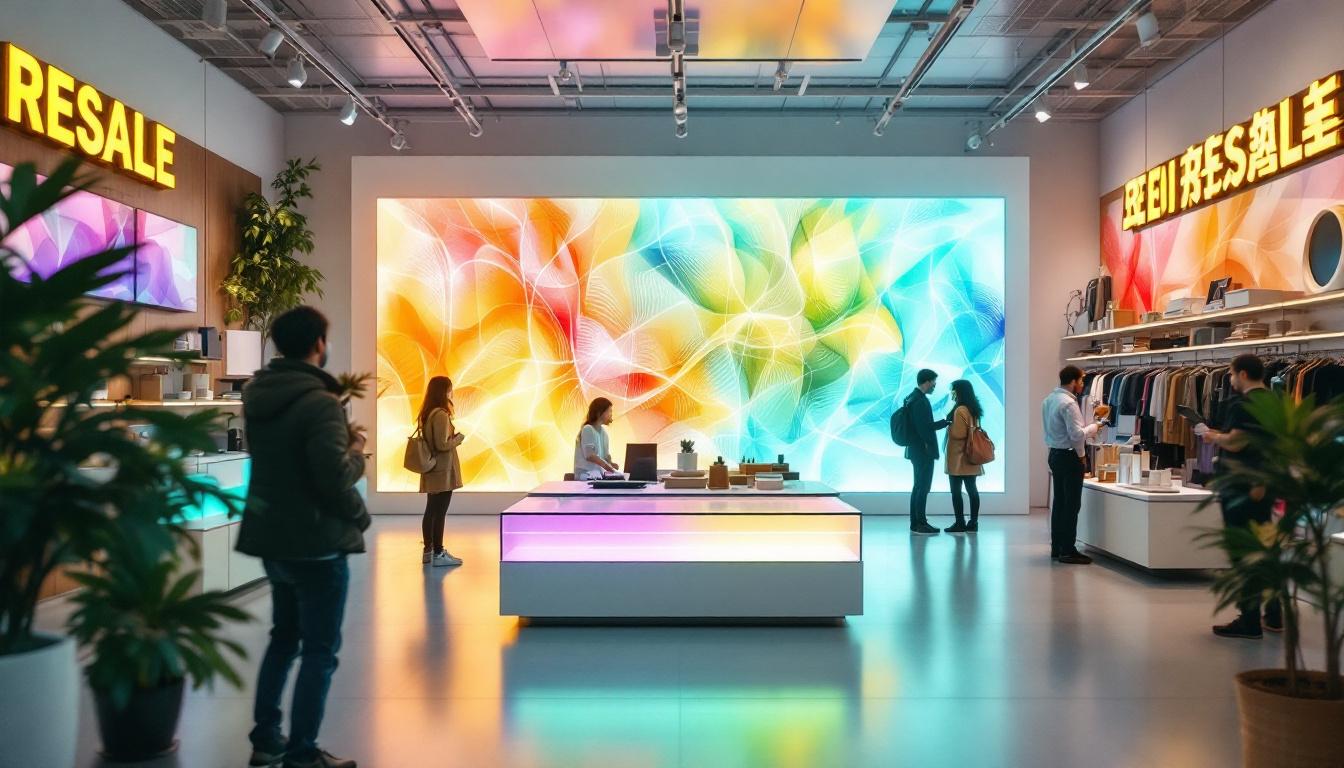
LED walls are modular by design, allowing multiple panels to be combined seamlessly to create displays of virtually any size or shape. This scalability is a significant advantage for architects, designers, and event planners who require flexible solutions tailored to specific spaces.
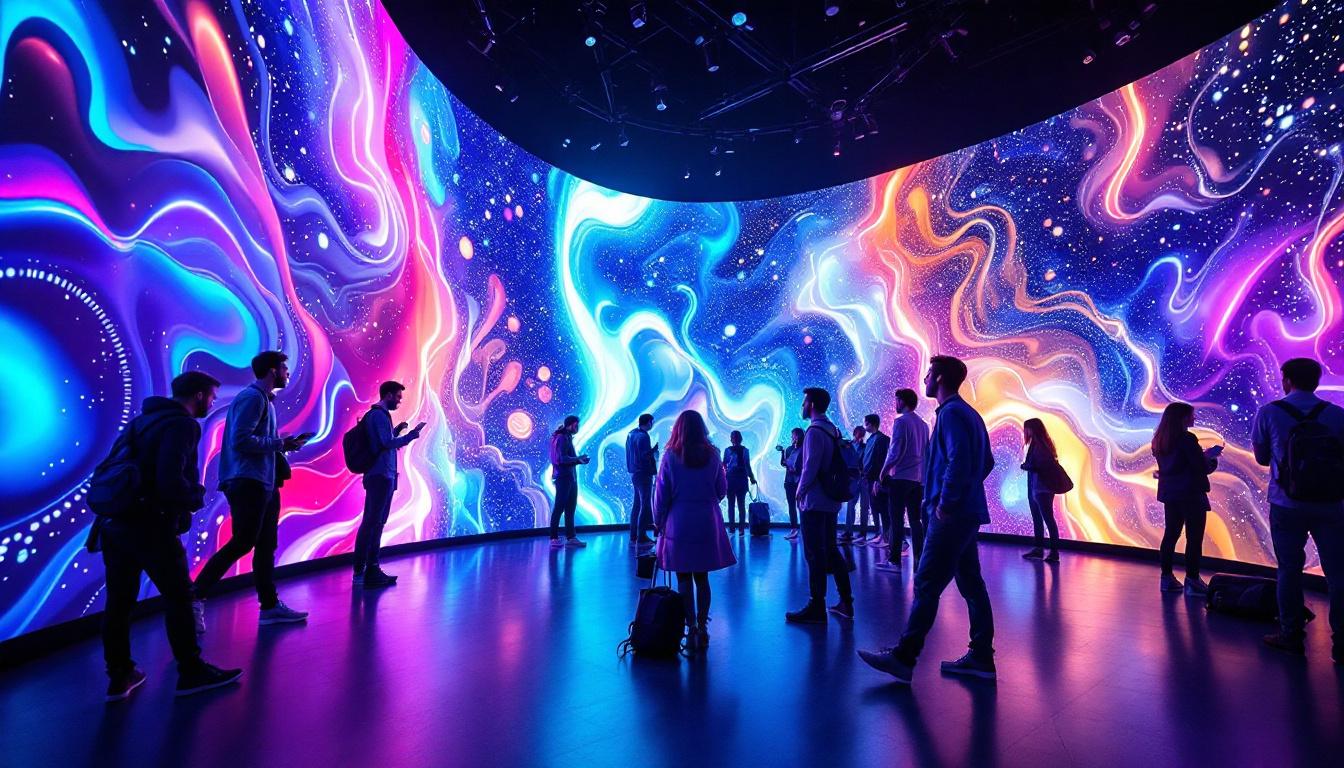
Additionally, LED walls can be curved, concave, or convex, enabling creative installations that enhance the viewer experience. This flexibility supports innovative branding and immersive environments in retail stores, museums, and entertainment venues. For instance, a retail space can utilize a curved LED wall to create an engaging product showcase that draws customers in, while museums can employ dynamic displays that adapt to different exhibitions, enhancing storytelling through visual elements that captivate visitors of all ages.
Durability and Longevity
LED displays are built to withstand harsh conditions, especially outdoor models that resist moisture, dust, and temperature extremes. The lifespan of high-quality LEDs often exceeds 100,000 hours, translating to over a decade of continuous use under typical operating conditions.
Moreover, LED walls require relatively low maintenance compared to projection systems or LCD video walls, reducing total cost of ownership over time. This reliability is crucial for businesses and organizations that depend on consistent performance for advertising or information dissemination. With advancements in technology, many LED displays now come equipped with smart features that monitor performance and alert users to potential issues before they become significant problems, ensuring that displays remain operational and effective without frequent manual checks.
Applications of Walls TV LED Displays
The versatility of LED walls has led to their widespread adoption across various sectors. Understanding these applications highlights why Walls TV has become a cornerstone of modern visual communication.
Advertising and Outdoor Digital Billboards
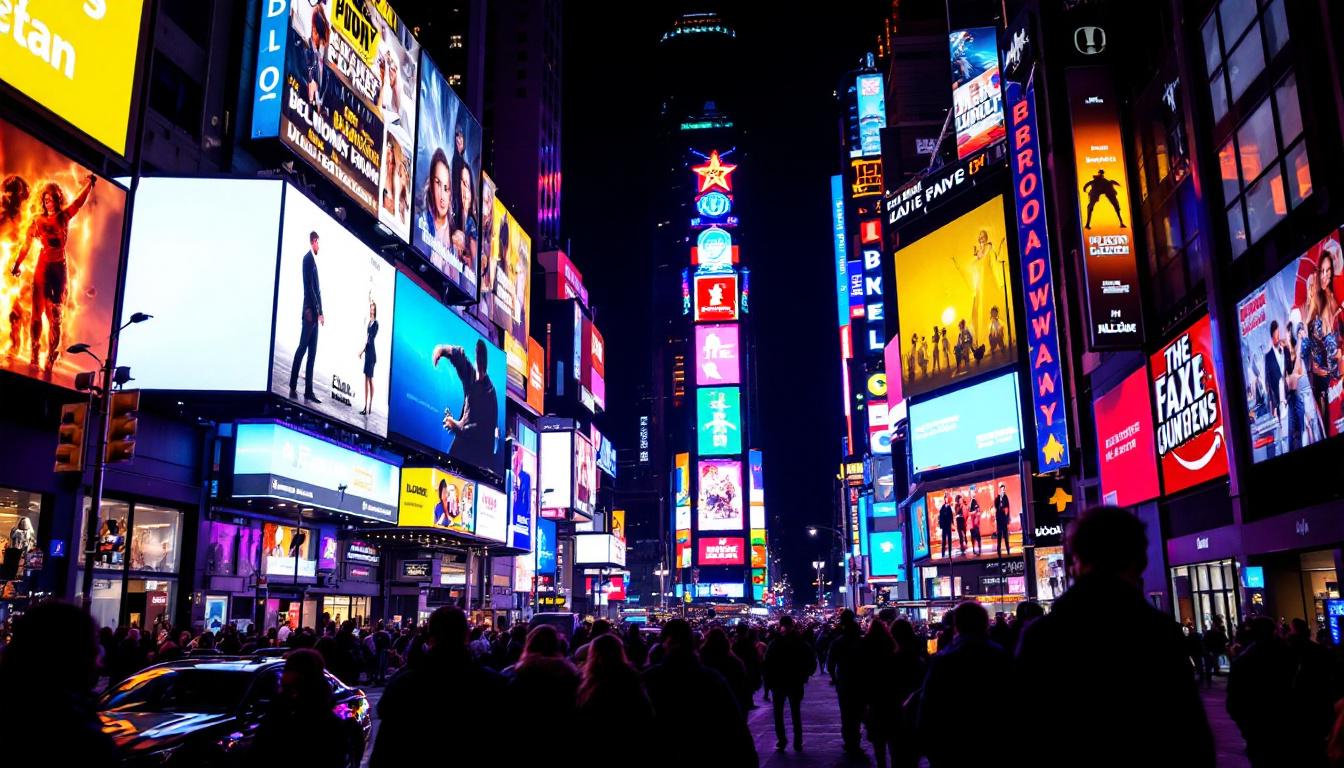
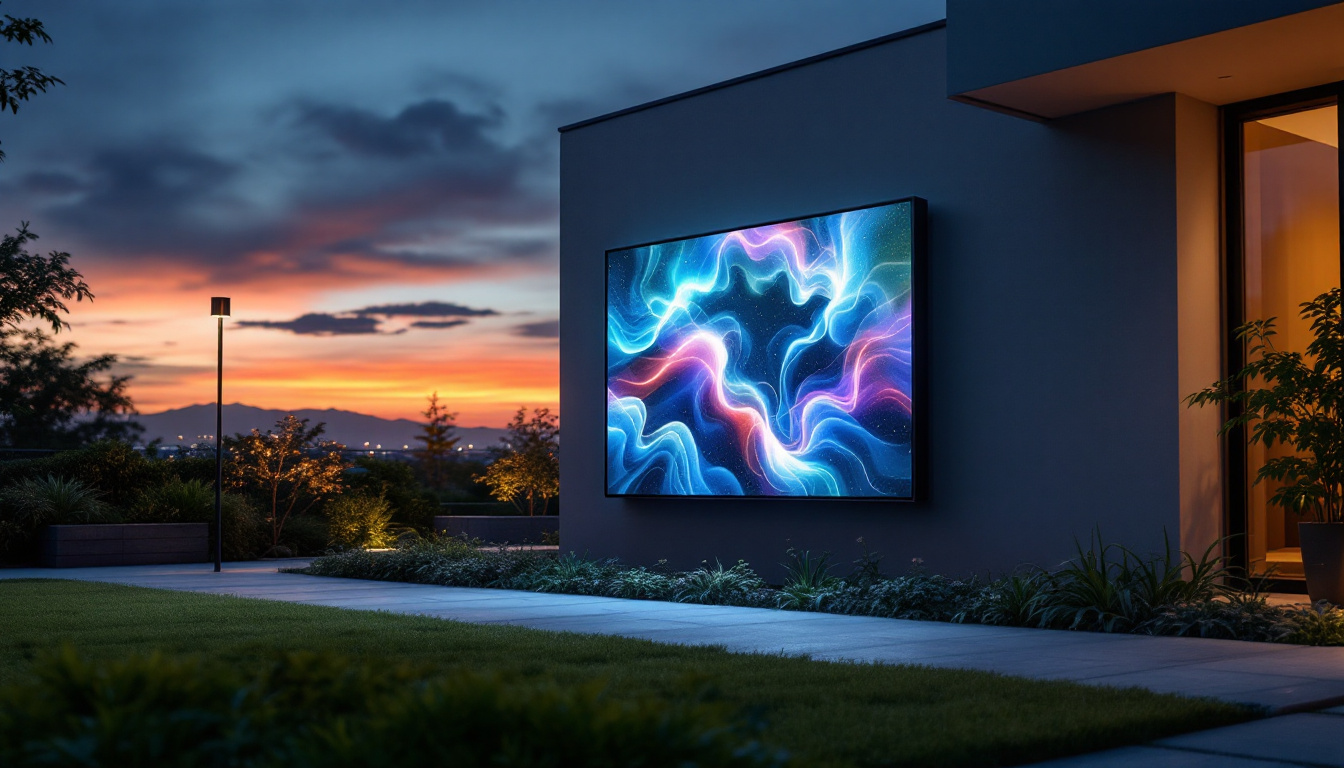
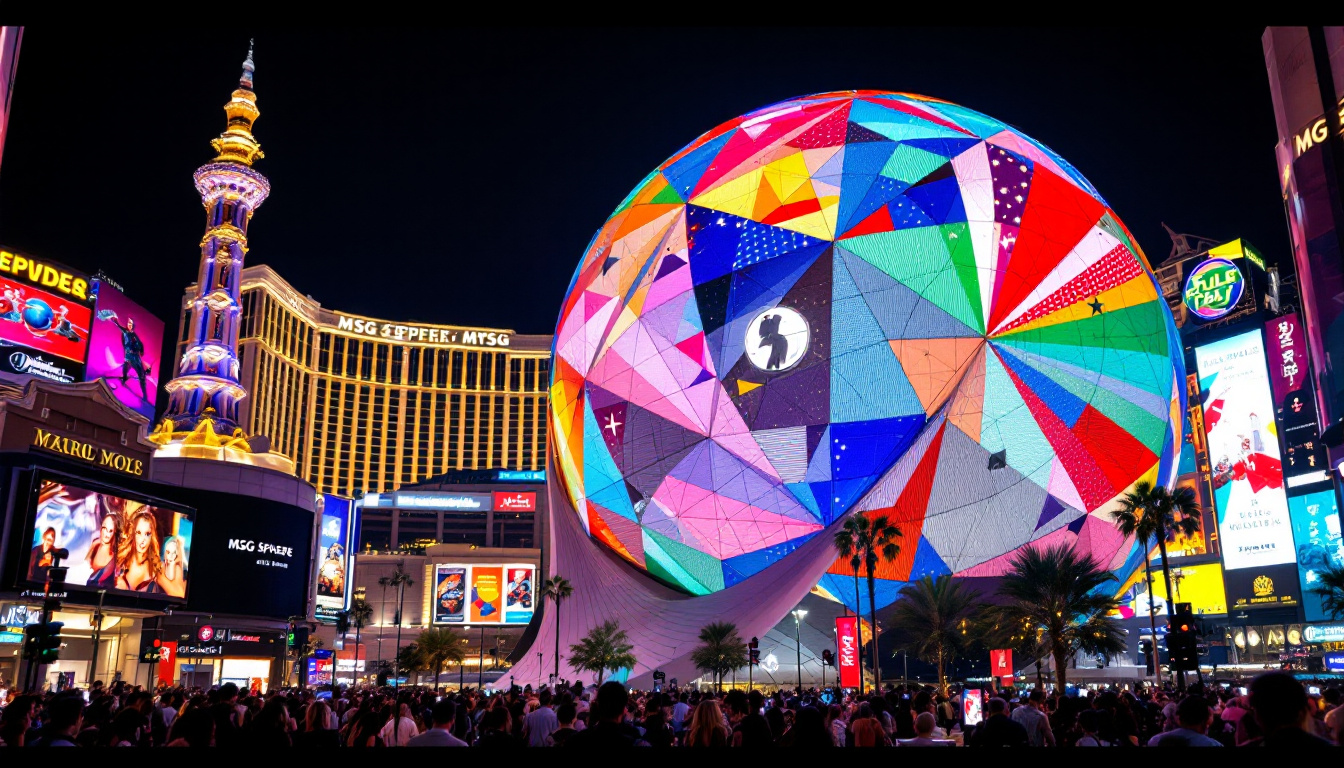
Digital billboards powered by LED walls have revolutionized outdoor advertising. According to the Digital Signage Federation, LED billboards can increase viewer engagement by up to 400% compared to static signs. Their dynamic content capabilities allow advertisers to update messages in real-time, target specific demographics, and display multiple ads in rotation.
Major cities worldwide are increasingly replacing traditional billboards with LED walls, benefiting from their brightness, durability, and ability to display high-resolution video content.
Entertainment and Events
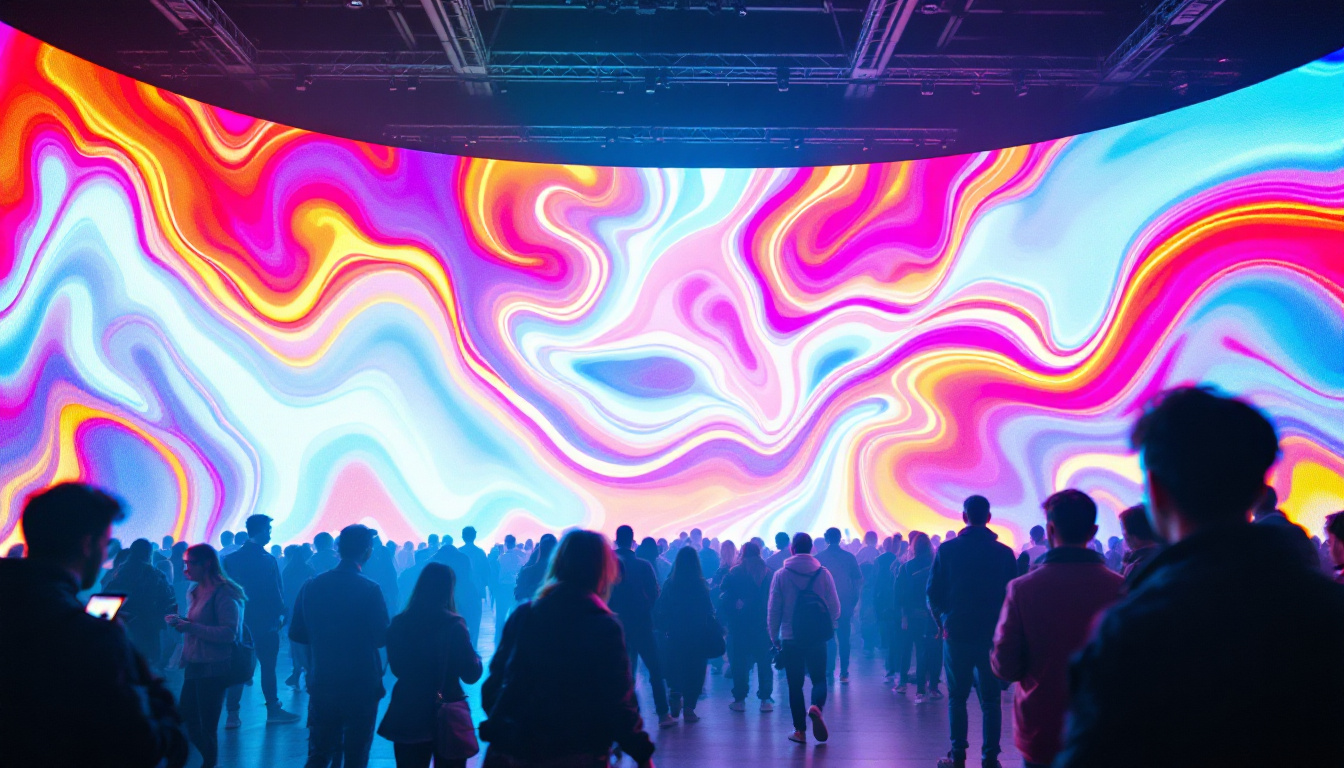
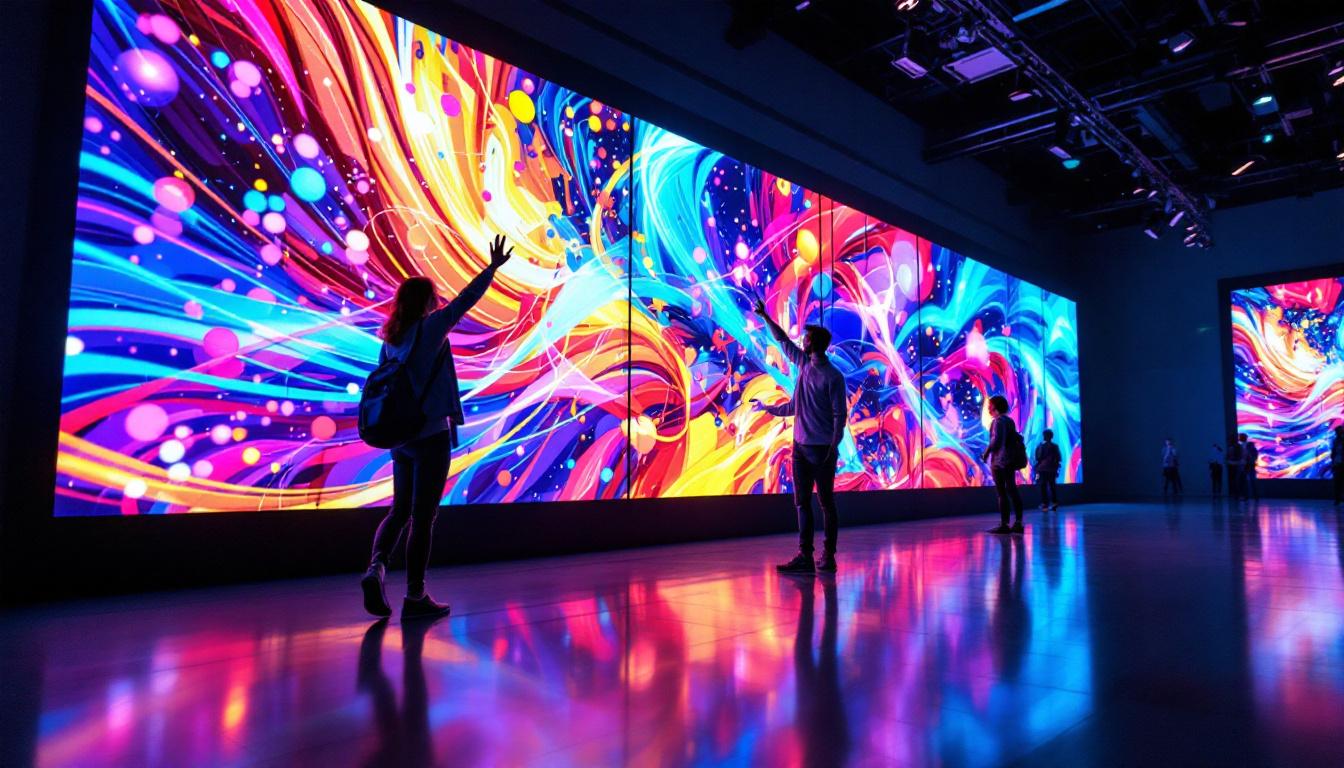
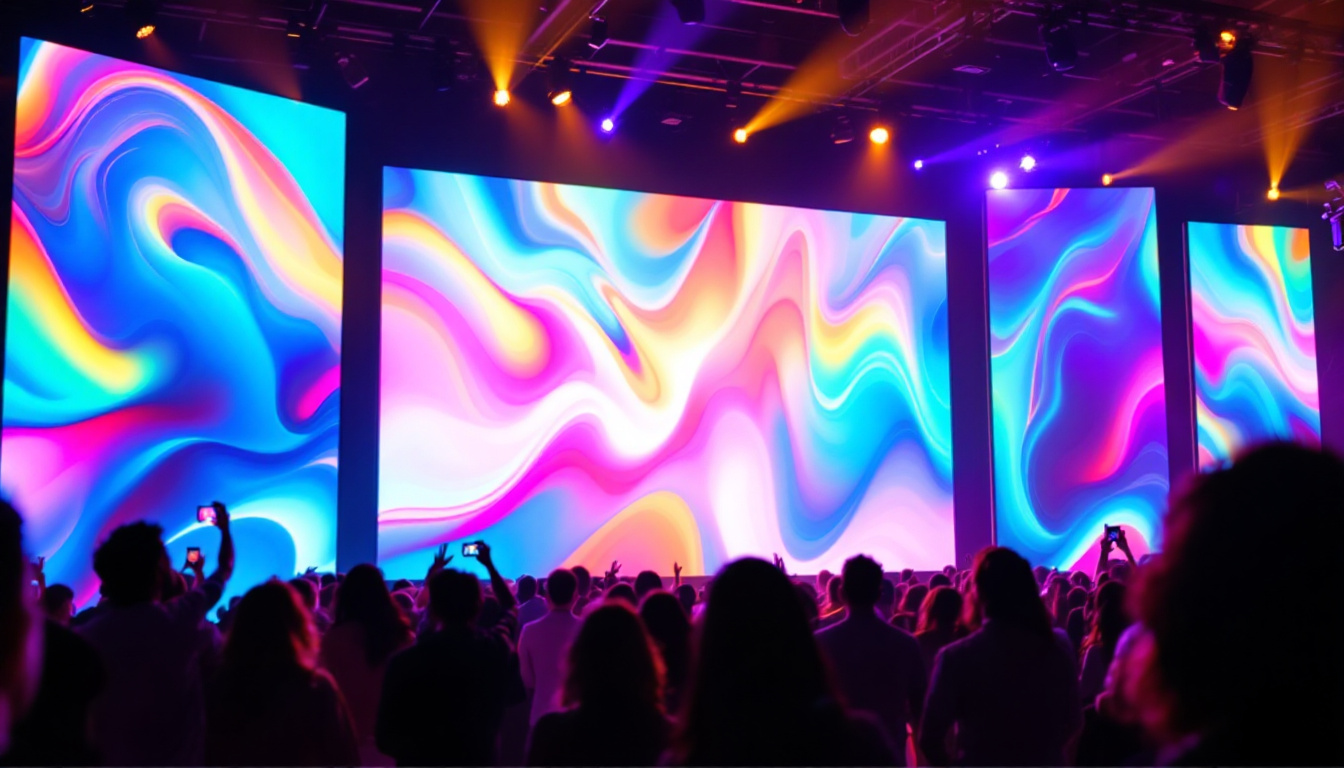
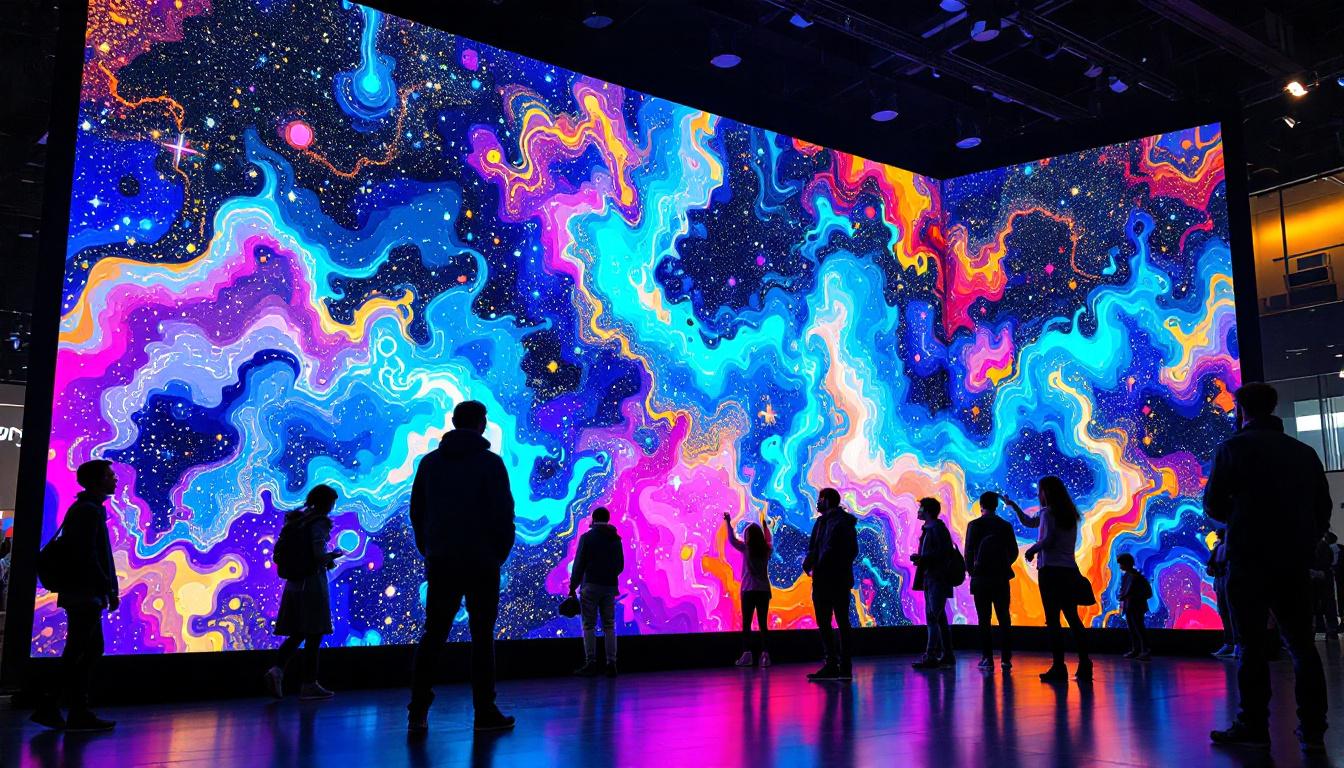
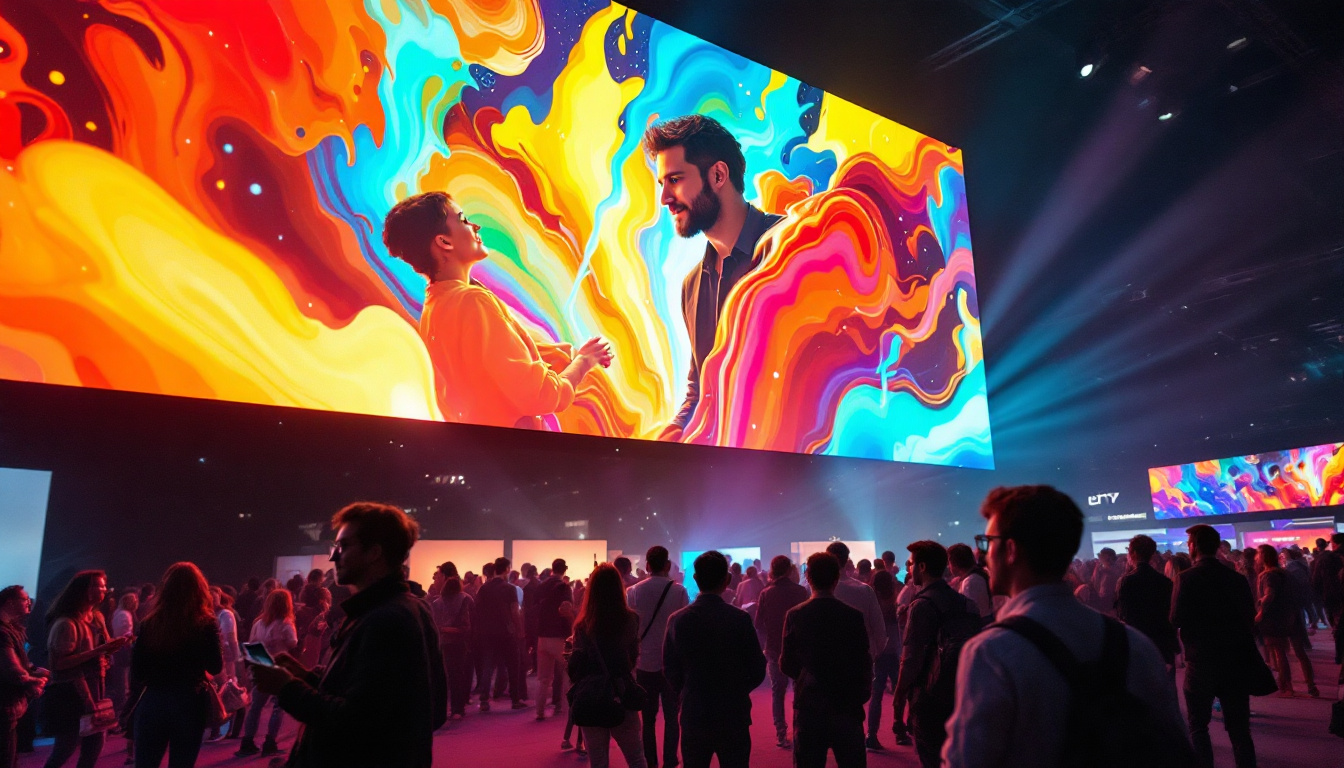
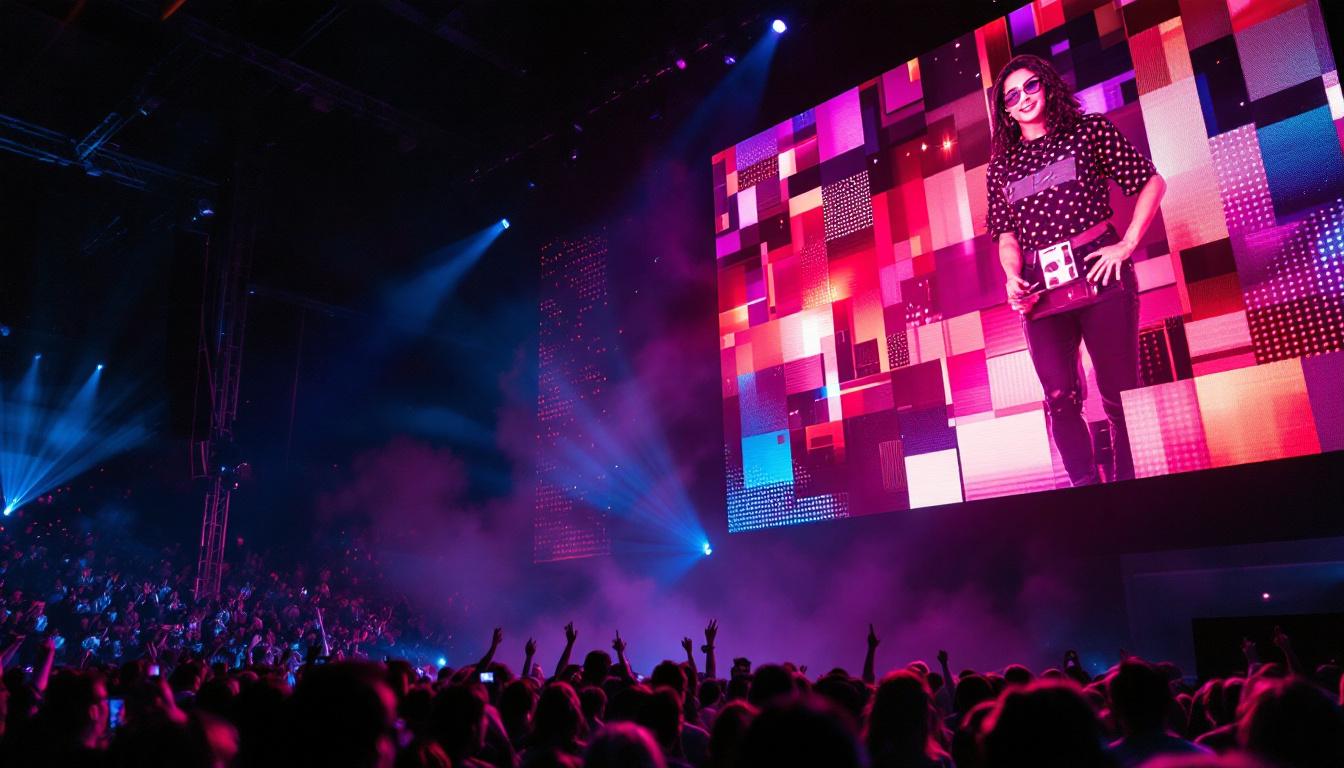
Concerts, festivals, sports arenas, and theaters rely heavily on LED walls to enhance audience experiences. Walls TV provides large-scale backdrops, live video feeds, and immersive visual effects that captivate audiences and create memorable moments.
For instance, the Super Bowl halftime shows and major music festivals use massive LED walls to deliver stunning visuals that complement performances and engage tens of thousands of attendees.
Corporate and Control Room Environments
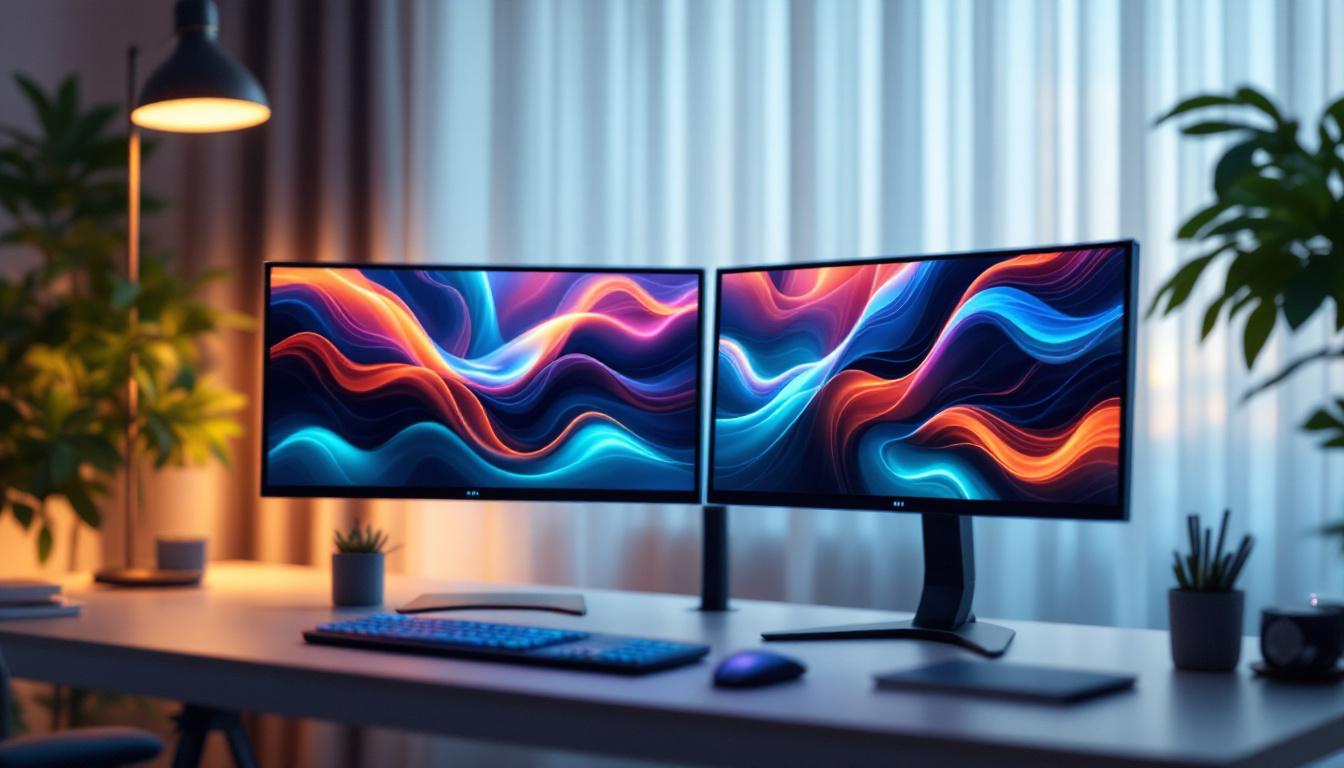
In corporate settings, LED walls serve as dynamic presentation tools in boardrooms, lobbies, and conference centers. Their ability to display high-resolution data, video conferencing feeds, and interactive content supports effective communication and collaboration.
Control rooms for utilities, transportation, and emergency services utilize LED video walls to monitor critical systems in real-time, benefiting from the technology’s clarity and reliability.
Key Considerations When Choosing an LED Wall
Selecting the right Walls TV LED display requires careful evaluation of several factors to ensure the installation meets the intended purpose and budget.
Viewing Distance and Pixel Pitch
As previously discussed, pixel pitch should be chosen based on the typical viewing distance. A general rule of thumb is that the optimal viewing distance in meters is approximately equal to the pixel pitch in millimeters multiplied by 1.5 to 2. For example, a 3mm pixel pitch display is best viewed from about 4.5 to 6 meters away.
Choosing an inappropriate pixel pitch can lead to pixelation or unnecessary costs if the resolution exceeds what the audience can perceive.
Indoor vs. Outdoor Use
Environmental factors heavily influence LED wall selection. Outdoor displays require higher brightness, weatherproof enclosures, and protection against vandalism. Indoor displays prioritize resolution, color accuracy, and viewing angles.
Manufacturers typically offer distinct product lines optimized for these environments, so it’s essential to specify the installation context during the planning phase.
Content Management and Control Systems
The effectiveness of an LED wall depends largely on the software and hardware used to manage content. Modern Walls TV solutions integrate with advanced content management systems (CMS) that support scheduling, remote updates, and multi-source inputs.
Choosing a CMS compatible with existing IT infrastructure and capable of handling the desired content formats is critical for smooth operation and maximizing return on investment.
Installation and Maintenance
LED walls require professional installation to ensure proper alignment, calibration, and safety compliance. Modular panels must be securely mounted and connected to power and data sources.
Maintenance considerations include access for repairs, availability of replacement modules, and ongoing calibration to maintain image quality. Partnering with experienced vendors and installers can mitigate risks and ensure long-term performance.
The Future of Walls TV LED Displays
As LED technology continues to advance, Walls TV displays are becoming more sophisticated, energy-efficient, and affordable. Emerging trends promise to further expand their capabilities and applications.
MicroLED and MiniLED Innovations
MicroLED and MiniLED technologies represent the next generation of LED displays, offering even smaller pixel pitches, higher brightness, and improved color accuracy. These advances enable ultra-high-definition video walls suitable for close-up viewing in retail and residential environments.
Though still emerging, MicroLED walls are expected to challenge OLED and LCD displays by combining the best attributes of each technology without their limitations.
Interactive and Smart LED Walls
Integration of touch sensors, cameras, and AI-driven content personalization is transforming Walls TV into interactive platforms. Smart LED walls can respond to audience behavior, deliver targeted advertising, and provide immersive experiences in retail, education, and public information systems.
Sustainability and Energy Efficiency
Manufacturers are focusing on reducing power consumption and using environmentally friendly materials in LED wall production. Advances in LED chip design and power management systems contribute to lower operational costs and reduced environmental impact.
Conclusion
Walls TV LED displays have revolutionized the way visual content is delivered across industries, offering unmatched brightness, flexibility, and durability. Understanding the technical aspects, benefits, and applications of LED walls empowers businesses and organizations to make informed decisions that maximize impact and return on investment.
As technology evolves, LED walls will continue to redefine digital communication, blending innovation with creativity to captivate audiences worldwide.
Discover LumenMatrix’s Innovative LED Solutions
Ready to elevate your visual communication with the latest in LED display technology? LumenMatrix is at the forefront of innovation, offering a diverse range of LED display solutions tailored to meet your unique needs. From vibrant Indoor and Outdoor LED Wall Displays to dynamic Vehicle and Sports LED Displays, our products are designed to captivate your audience and amplify your message. Experience the transformative power of LED displays with LumenMatrix and take the first step towards creating unforgettable visual experiences. Check out LumenMatrix LED Display Solutions today and see the difference for yourself.