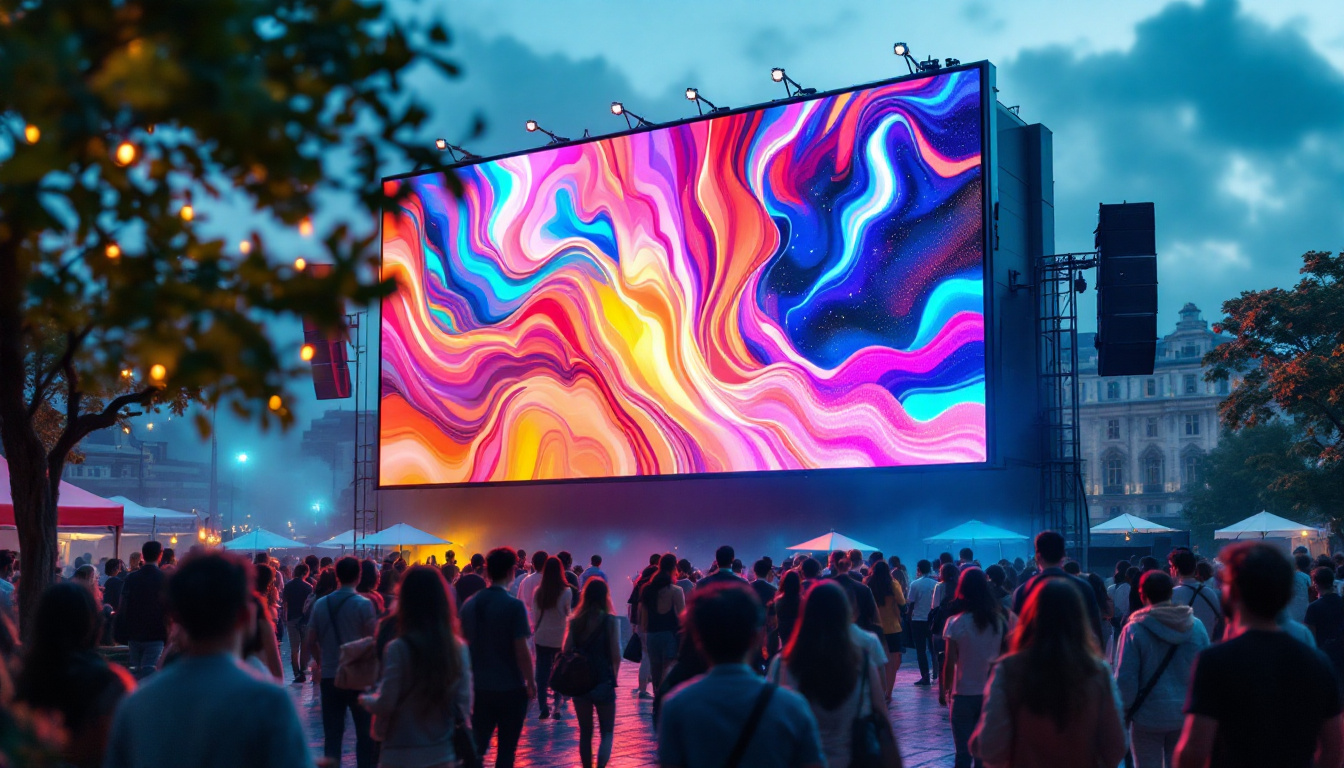
In the rapidly evolving world of digital displays, understanding the nuances of pixel pitch is essential for anyone involved in visual technology, advertising, or event production. One specification that frequently comes up is the “.25” pixel pitch, often referred to as 0.25mm pixel pitch. This article dives deep into what a .25 pixel pitch means, how it impacts LED display quality, and why it matters in various applications.
What is Pixel Pitch in LED Displays?
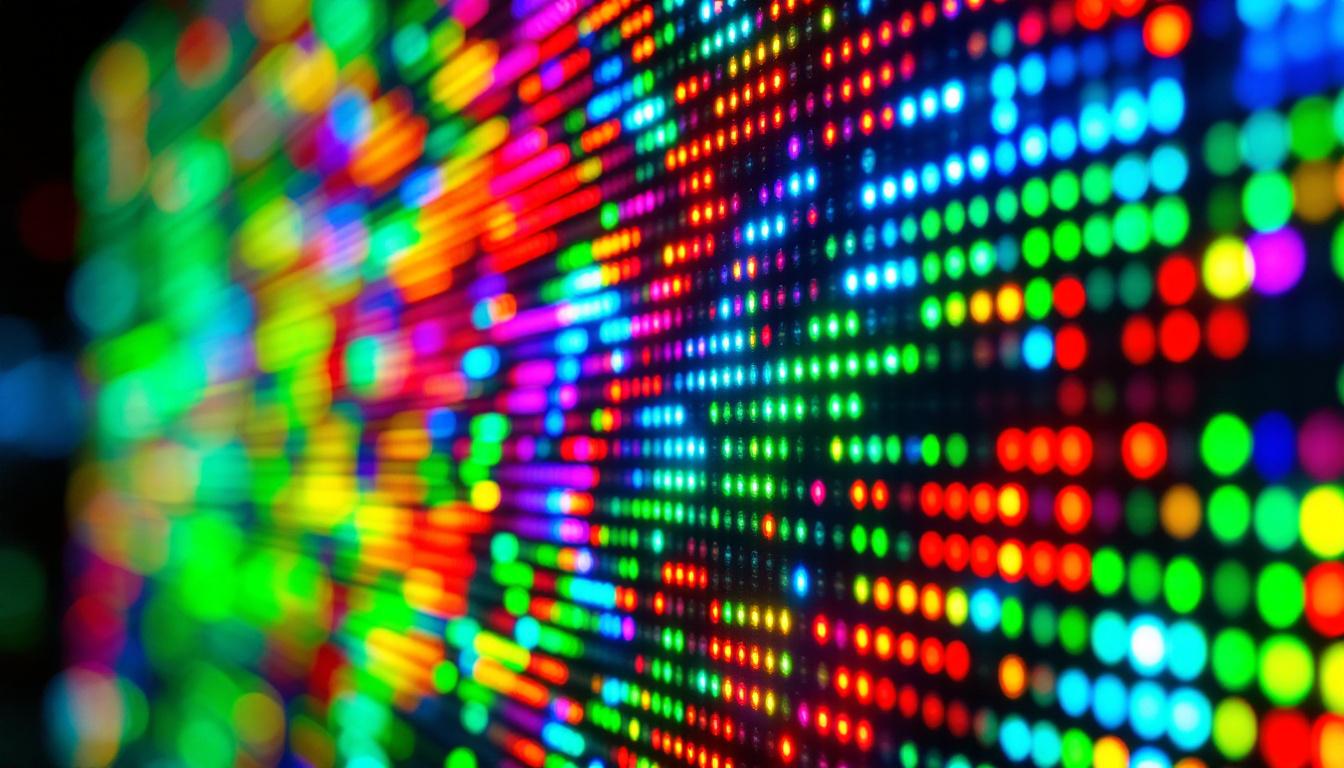
Pixel pitch is a fundamental concept in LED display technology. It refers to the distance between the centers of two adjacent pixels, usually measured in millimeters. For example, a 0.25mm pixel pitch means that the distance between each pixel’s center is 0.25 millimeters. This measurement directly influences the display’s resolution and clarity.
Smaller pixel pitches mean more pixels per unit area, resulting in higher resolution and finer image detail. Conversely, larger pixel pitches indicate fewer pixels per area, which can reduce image sharpness but may be suitable for viewing from greater distances.
Why Pixel Pitch Matters
Pixel pitch determines the optimal viewing distance and image quality of an LED display. A display with a 0.25mm pixel pitch offers incredibly high resolution, making it ideal for close-up viewing environments such as control rooms, broadcast studios, or high-end retail displays. The finer the pixel pitch, the sharper and more detailed the image appears, which is critical when displaying small text or intricate graphics.
For instance, a display with a 10mm pixel pitch may look clear from 30 feet away but would appear pixelated and blurry at a few feet. In contrast, a 0.25mm pixel pitch display maintains crispness even at very close distances, often less than a foot.
Understanding pixel pitch also plays a vital role in the design and deployment of LED displays in various applications. For example, in large venues such as stadiums or concert halls, where audiences are seated at varying distances, a pixel pitch of 5mm or more might be appropriate. This allows for a balance between cost-effectiveness and acceptable image quality at a distance. On the other hand, in environments like art galleries or museums, where viewers may be just inches away from the display, a smaller pixel pitch becomes essential to ensure that the artwork or information presented is rendered beautifully without any visible pixelation.
Moreover, advancements in LED technology continue to push the boundaries of pixel pitch. With the introduction of microLED and miniLED technologies, manufacturers are now able to produce displays with even smaller pixel pitches, enhancing the viewing experience further. These innovations not only improve resolution but also contribute to better color accuracy and brightness levels, making them suitable for a wider range of applications, from high-end cinema to immersive virtual reality experiences. As the demand for high-quality visual content increases, understanding pixel pitch will remain crucial for both consumers and professionals in the industry.
The Technology Behind 0.25mm Pixel Pitch LED Displays
Achieving a 0.25mm pixel pitch is a technical challenge that requires precision engineering and advanced manufacturing processes. This ultra-fine pixel pitch is typically found in micro-LED or mini-LED displays, which use very small LED chips packed densely together. The ability to create such compact displays opens up a realm of possibilities for applications ranging from high-end televisions to immersive virtual reality environments, where every detail matters and the viewing experience is paramount.
Micro-LED vs. Mini-LED
Micro-LED technology involves microscopic LEDs that are individually addressable and can produce superior brightness, contrast, and color accuracy. These LEDs are often less than 100 micrometers in size, allowing for pixel pitches as low as 0.25mm or even smaller. This level of precision not only enhances the visual experience but also reduces the risk of visible pixelation, making them ideal for close-up viewing scenarios such as digital signage in retail spaces or high-resolution displays in art galleries.
Mini-LEDs are slightly larger but still significantly smaller than traditional LEDs used in standard displays. While mini-LEDs are often used in backlighting for LCDs, micro-LEDs are more common in direct-view LED displays with ultra-fine pixel pitches. The distinction between these technologies is crucial for manufacturers and consumers alike, as the choice between micro and mini-LED can significantly impact color performance, energy efficiency, and overall display longevity.
Manufacturing Challenges
The production of 0.25mm pixel pitch displays requires meticulous placement of millions of tiny LEDs on a circuit board. Ensuring uniform brightness, color consistency, and reliable electrical connections at this scale is complex and costly. Advanced robotics and quality control systems are essential to maintain high yields and performance standards. Furthermore, the integration of sophisticated software algorithms is necessary to calibrate the displays, ensuring that each pixel operates harmoniously within the larger array, thereby enhancing the visual coherence of the final product.
Moreover, the thermal management of these densely packed LEDs poses another significant challenge. As the number of LEDs increases, so does the heat generated during operation. Effective thermal dissipation techniques must be employed to prevent overheating, which can degrade performance and shorten the lifespan of the display. This often involves innovative cooling solutions, such as heat sinks and thermal interface materials, which are designed to efficiently transfer heat away from the LEDs, ensuring optimal performance even during prolonged use. As the demand for higher resolution and more vibrant displays continues to grow, addressing these manufacturing challenges will be critical for the future of LED technology.
Applications of 0.25mm Pixel Pitch LED Displays
The ultra-high resolution offered by 0.25mm pixel pitch LED displays opens up a range of applications where image quality and detail are paramount.
Broadcast and Control Rooms
In broadcast studios and control rooms, operators need to monitor multiple data streams and video feeds simultaneously. A 0.25mm pixel pitch display provides crystal-clear images and sharp text, enabling quick decision-making and reducing eye strain during long hours of use.
Medical Imaging
Medical professionals rely on detailed imaging for diagnostics and treatment planning. High-resolution LED displays with fine pixel pitches allow for accurate visualization of medical scans such as MRIs and CTs, where every detail counts.
Retail and Digital Signage
Retail environments benefit from ultra-high-definition displays that can be viewed up close without losing clarity. Luxury brands and flagship stores often use 0.25mm pixel pitch LED walls to showcase products, advertisements, and interactive content with stunning visual fidelity.
Virtual Reality and Simulation
Virtual reality (VR) and simulation systems demand displays with extremely high pixel density to create immersive experiences without visible pixelation. 0.25mm pixel pitch LED panels are increasingly used in VR caves and simulators to deliver lifelike visuals.
Comparing 0.25mm Pixel Pitch to Other Pixel Pitches
To fully appreciate the advantages of a 0.25mm pixel pitch, it is useful to compare it with other common pixel pitches in LED displays.
Standard Large-Scale Outdoor Displays
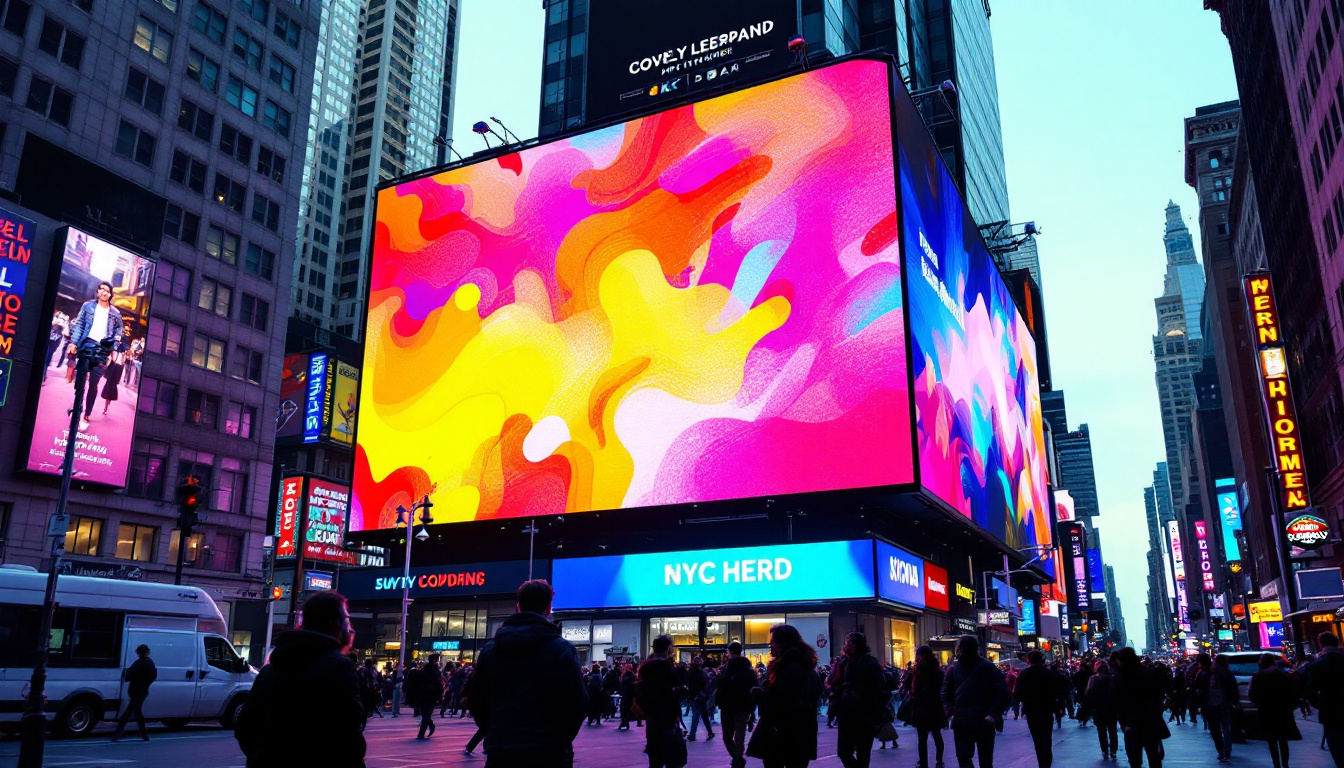
Outdoor LED billboards typically have pixel pitches ranging from 10mm to 20mm. These displays are designed for visibility at long distances, such as from across a highway. While they are bright and durable, their resolution is relatively low compared to fine-pitch indoor displays.
Indoor LED Displays
Indoor LED displays often feature pixel pitches between 1.2mm and 4mm. These displays balance resolution and cost, providing good image quality for venues like conference rooms, retail stores, and event halls.
Ultra-Fine Pixel Pitch Displays
Displays with pixel pitches below 1mm, such as 0.9mm, 0.7mm, or 0.25mm, are considered ultra-fine pitch. These are used where viewers are very close to the screen and require exceptional detail. The 0.25mm pixel pitch represents one of the finest resolutions currently available in commercial LED technology.
Cost Considerations and ROI
While 0.25mm pixel pitch LED displays offer unmatched image quality, they come with a higher price tag compared to larger pixel pitch options. The cost is driven by the complexity of manufacturing, the number of LEDs required, and the precision needed for assembly.
However, for businesses and organizations where image clarity directly impacts user experience, brand perception, or operational efficiency, the investment can yield significant returns. High-resolution displays can attract more customers, improve communication effectiveness, and reduce errors in critical environments.
Energy Efficiency and Longevity
Modern ultra-fine pitch LED displays are designed to be energy efficient, despite their high pixel density. Advances in LED technology have reduced power consumption while maintaining brightness and color accuracy. Furthermore, these displays typically have long lifespans, often exceeding 100,000 hours of operation, which helps offset initial costs over time.
Future Trends in Pixel Pitch and LED Display Technology
As technology advances, pixel pitches are expected to continue shrinking, pushing the boundaries of resolution and visual fidelity. Research into micro-LED and nanotechnology promises even smaller pixel pitches, potentially below 0.1mm, which could revolutionize display quality further.
Additionally, flexible and transparent LED displays with ultra-fine pixel pitches are emerging, enabling new form factors and applications such as curved screens, wearable displays, and smart windows.
Integration with AI and Smart Technologies
Future LED displays with ultra-fine pixel pitches will increasingly integrate with artificial intelligence and smart systems. This integration can optimize display performance, adjust content dynamically based on viewer behavior, and enhance interactive experiences.
Conclusion
The 0.25mm pixel pitch represents a pinnacle of LED display technology, offering extraordinary resolution and image clarity for applications where detail matters most. From broadcast studios and medical imaging to luxury retail and virtual reality, these ultra-fine pitch displays deliver unparalleled visual experiences.
While the costs and technical challenges are significant, the benefits in terms of image quality, viewer engagement, and operational effectiveness make 0.25mm pixel pitch LED displays a compelling choice for high-end applications. As the technology continues to evolve, these displays will become more accessible and versatile, shaping the future of digital visualization.
Discover LumenMatrix’s Advanced LED Display Solutions
Ready to experience the future of ultra-high-resolution LED displays? LumenMatrix is at the forefront of LED display innovation, offering a diverse range of solutions tailored to your unique needs. Whether you’re looking to captivate shoppers with an Indoor LED Wall Display, make a statement in the open air with an Outdoor LED Wall Display, or create immersive environments with our Custom and All-in-One LED Display options, we have the technology to bring your vision to life. Elevate your visual communication and engage your audience like never before. Check out LumenMatrix LED Display Solutions today and see the difference cutting-edge clarity and precision can make.