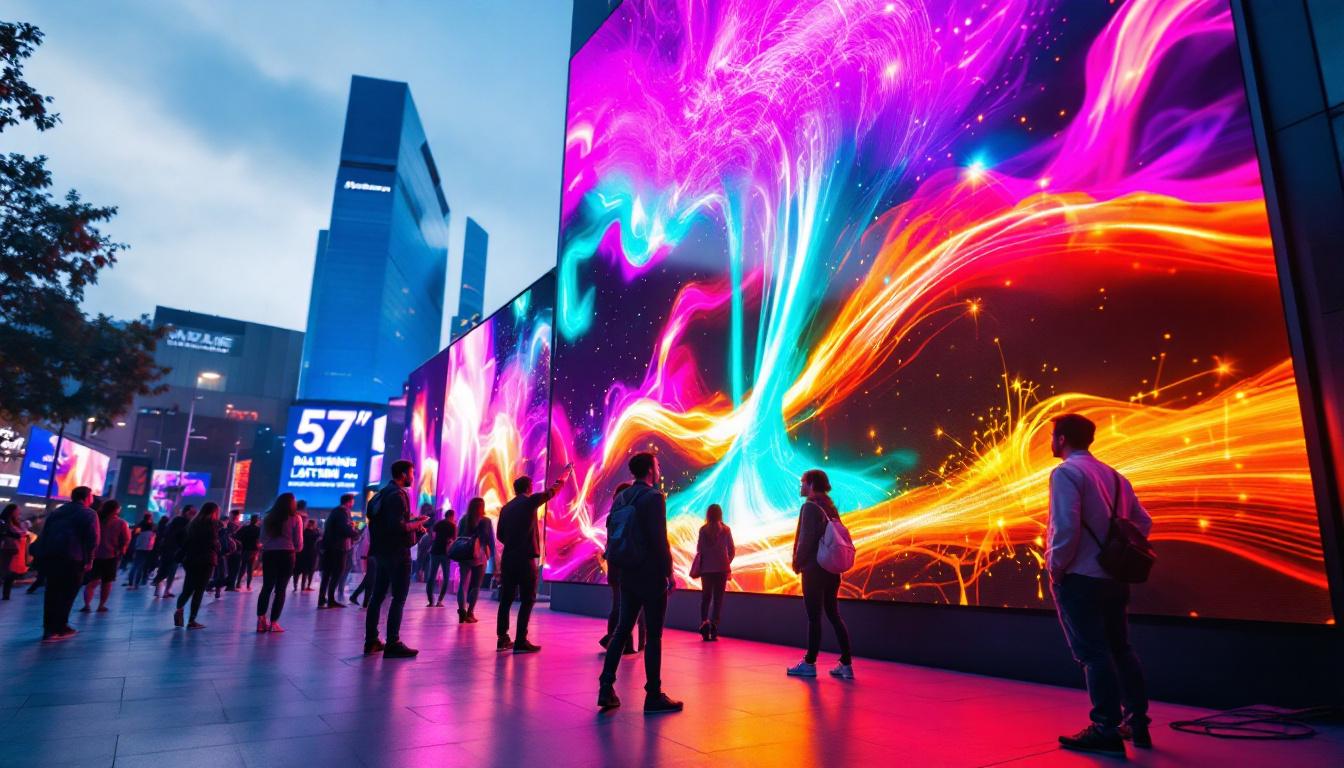
Outdoor LED displays have become an integral part of modern advertising, public information dissemination, and event management. Their vibrant visuals, durability, and energy efficiency make them a preferred choice for businesses and municipalities alike. This article delves into the world of outdoor LED panels, explaining their technology, applications, benefits, and considerations for selection and maintenance.
Understanding Outdoor LED Display Technology
What Is an Outdoor LED Panel?
An outdoor LED panel is a large-format digital display composed of numerous light-emitting diodes (LEDs) arranged in a matrix. These panels are designed specifically for outdoor use, featuring weather-resistant materials and brightness levels that ensure visibility even under direct sunlight. Unlike traditional billboards or printed signage, LED panels can dynamically display images, videos, and animations, offering unparalleled flexibility.
The core of an LED display is its pixels, each made up of red, green, and blue LEDs. By adjusting the intensity of these LEDs, the panel can produce millions of colors, creating vivid and eye-catching visuals. Outdoor panels typically have higher brightness ratings, often exceeding 5,000 nits, to combat glare and maintain clarity in daylight conditions. This high brightness is crucial for outdoor advertising, where competition for attention is fierce, and the ability to stand out is paramount. Additionally, many outdoor LED displays incorporate advanced technologies such as automatic brightness adjustment, which optimizes visibility based on ambient light conditions, ensuring that content is always legible.
Types of Outdoor LED Panels
Outdoor LED panels come in various configurations, primarily differentiated by pixel pitch—the distance between the centers of adjacent pixels. A smaller pixel pitch means higher resolution and sharper images but usually at a higher cost. Common pixel pitches for outdoor displays range from 2.5mm to 10mm, with 4mm to 6mm being popular for medium-sized signage. The choice of pixel pitch not only affects the display quality but also influences the viewing distance; smaller pitches are ideal for close-up viewing, while larger pitches are suitable for farther distances.
There are also different types of LED technologies used, including:
- Surface-Mounted Device (SMD): LEDs are mounted directly on the surface of the circuit board, allowing for a compact design and wide viewing angles.
- Through-Hole LEDs: These are individual LEDs inserted through holes in the circuit board, known for their brightness and durability but generally bulkier.
Choosing the right type depends on the intended viewing distance, environmental conditions, and budget. Furthermore, advancements in LED technology have led to the development of hybrid panels that combine the benefits of both SMD and through-hole designs, providing enhanced performance and versatility. This innovation allows for the creation of displays that not only deliver high-quality visuals but also withstand harsh weather conditions, making them suitable for various outdoor environments, from bustling urban centers to remote locations.
In addition to the physical characteristics of the panels, the software that drives these displays plays a crucial role in their effectiveness. Modern outdoor LED displays are often equipped with sophisticated content management systems (CMS) that allow users to schedule and update content remotely. This capability is particularly advantageous for businesses that need to change their messaging frequently, such as restaurants promoting daily specials or event organizers advertising upcoming shows. Moreover, many CMS solutions offer real-time analytics, enabling advertisers to track engagement and optimize their campaigns based on audience response, thus maximizing the return on investment.
Key Advantages of Outdoor LED Displays
High Visibility and Brightness
One of the most significant benefits of outdoor LED displays is their exceptional brightness. With luminance levels often surpassing 5,000 nits, these panels remain visible in direct sunlight, a critical feature for outdoor advertising and public information systems. This high brightness ensures messages are conveyed clearly regardless of weather or time of day.
Dynamic and Flexible Content
Unlike static billboards, LED panels allow for real-time content updates. Advertisers can change messages instantly, schedule different ads throughout the day, or display live feeds and interactive content. This flexibility enables businesses to tailor their messaging to specific audiences and time frames, increasing engagement and effectiveness.
Energy Efficiency and Longevity
Modern LED technology is highly energy-efficient compared to traditional lighting solutions like neon or incandescent bulbs. LEDs consume less power while providing brighter light, reducing operational costs. Additionally, outdoor LED panels are designed for longevity, often boasting lifespans exceeding 100,000 hours under optimal conditions, which translates to years of reliable service.
Weather Resistance and Durability
Outdoor LED panels are built to withstand harsh environmental conditions, including rain, wind, dust, and temperature fluctuations. They typically feature IP65 or higher ratings, indicating strong protection against water and dust ingress. This durability ensures minimal downtime and maintenance, crucial for displays in public spaces or high-traffic areas.
Applications of Outdoor LED Displays
Advertising and Marketing
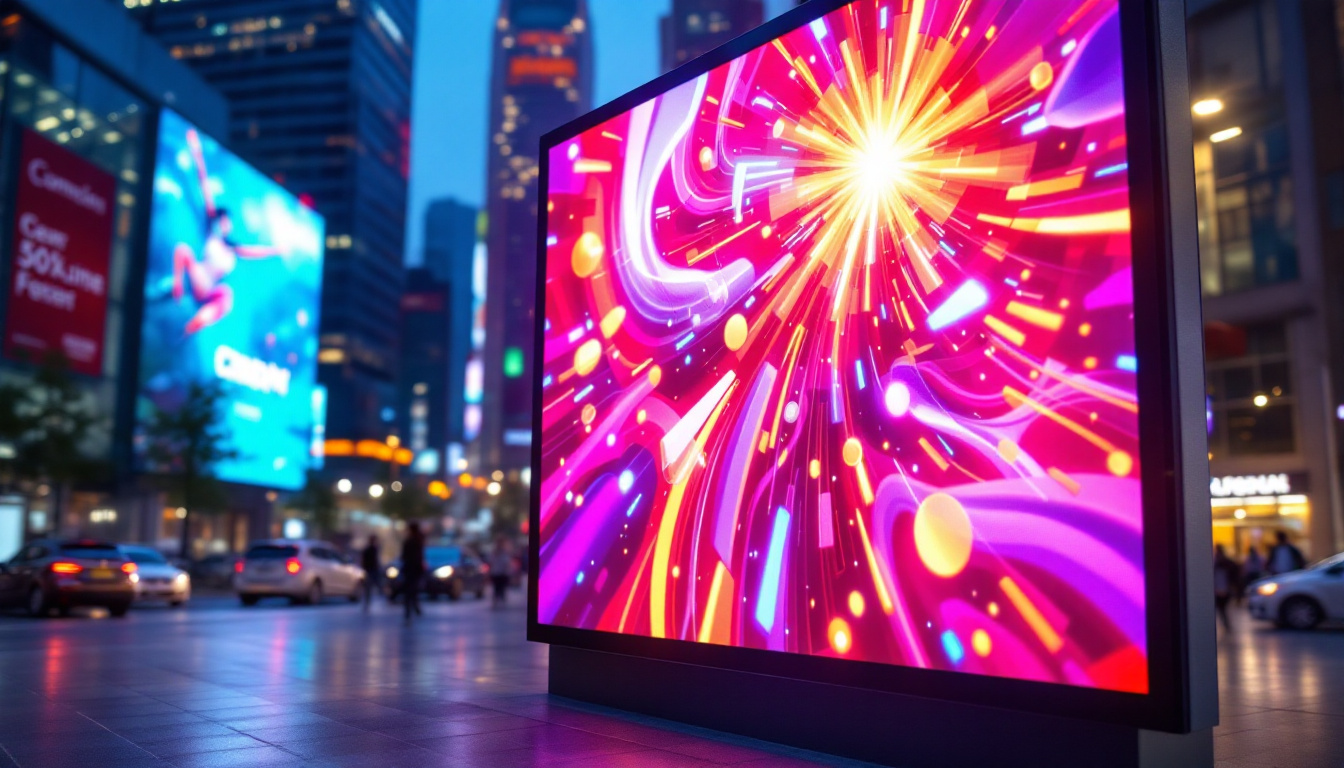
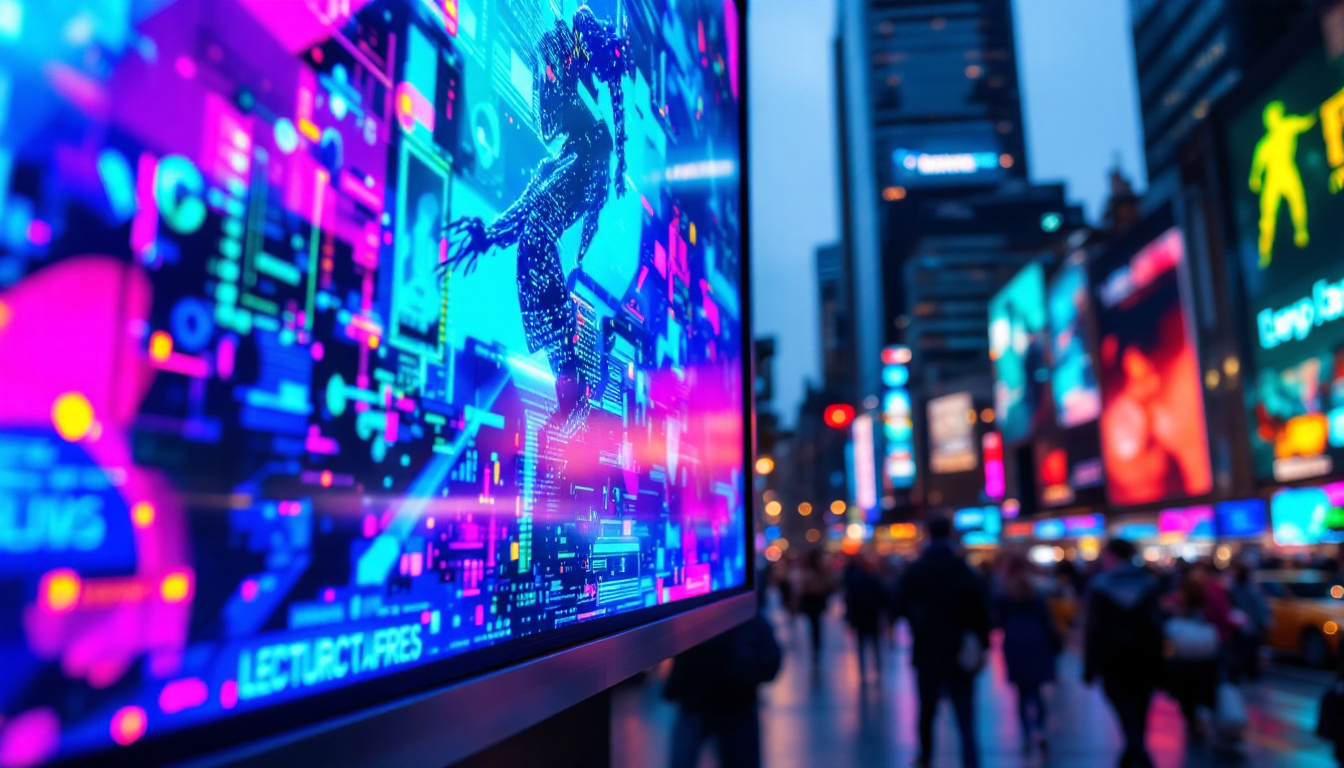
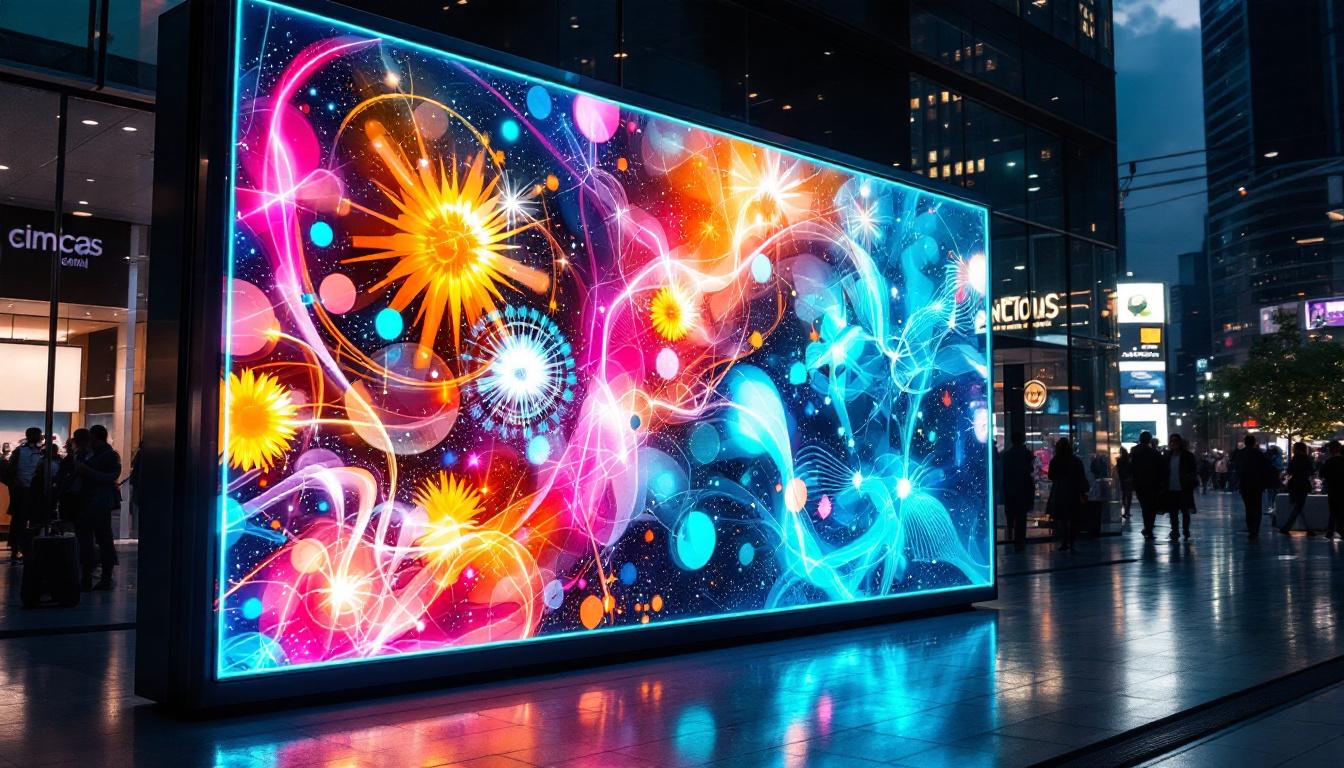
Outdoor LED panels have revolutionized advertising by providing dynamic, eye-catching platforms for brands. From roadside billboards to shopping mall facades, these displays capture attention with vibrant colors and motion graphics. According to industry reports, digital out-of-home (DOOH) advertising, which heavily relies on LED displays, is projected to grow by over 10% annually, underscoring their increasing market importance.
Brands use outdoor LED panels to launch new products, promote events, or reinforce brand identity. The ability to quickly update content allows for timely campaigns aligned with market trends or seasonal promotions.
Public Information and Safety
Municipalities and transportation authorities employ outdoor LED displays to communicate important information such as traffic updates, weather alerts, and emergency notifications. Their high visibility and real-time content capabilities make them invaluable tools for public safety and efficient communication.
For example, LED panels installed along highways can display variable speed limits or accident warnings, helping to reduce congestion and accidents. In urban centers, these displays also promote community events and public service announcements.
Events and Entertainment
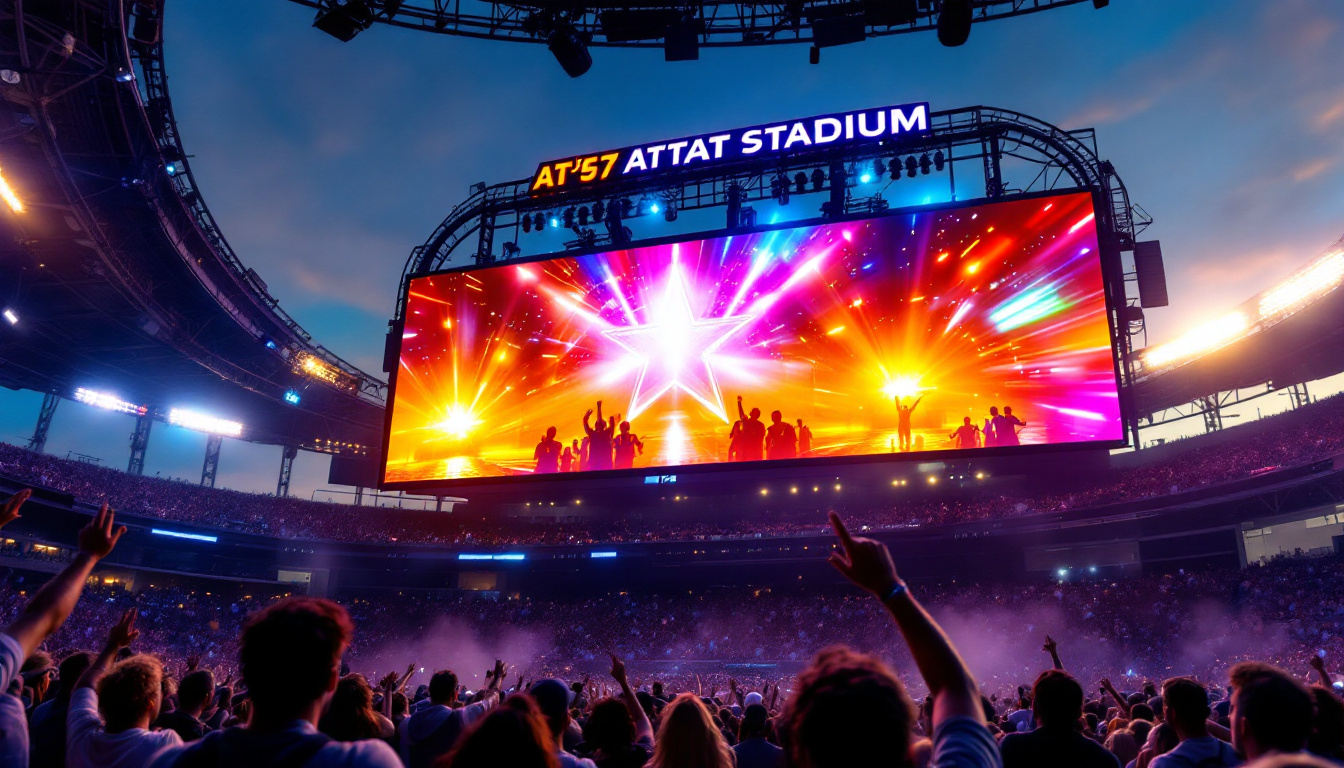
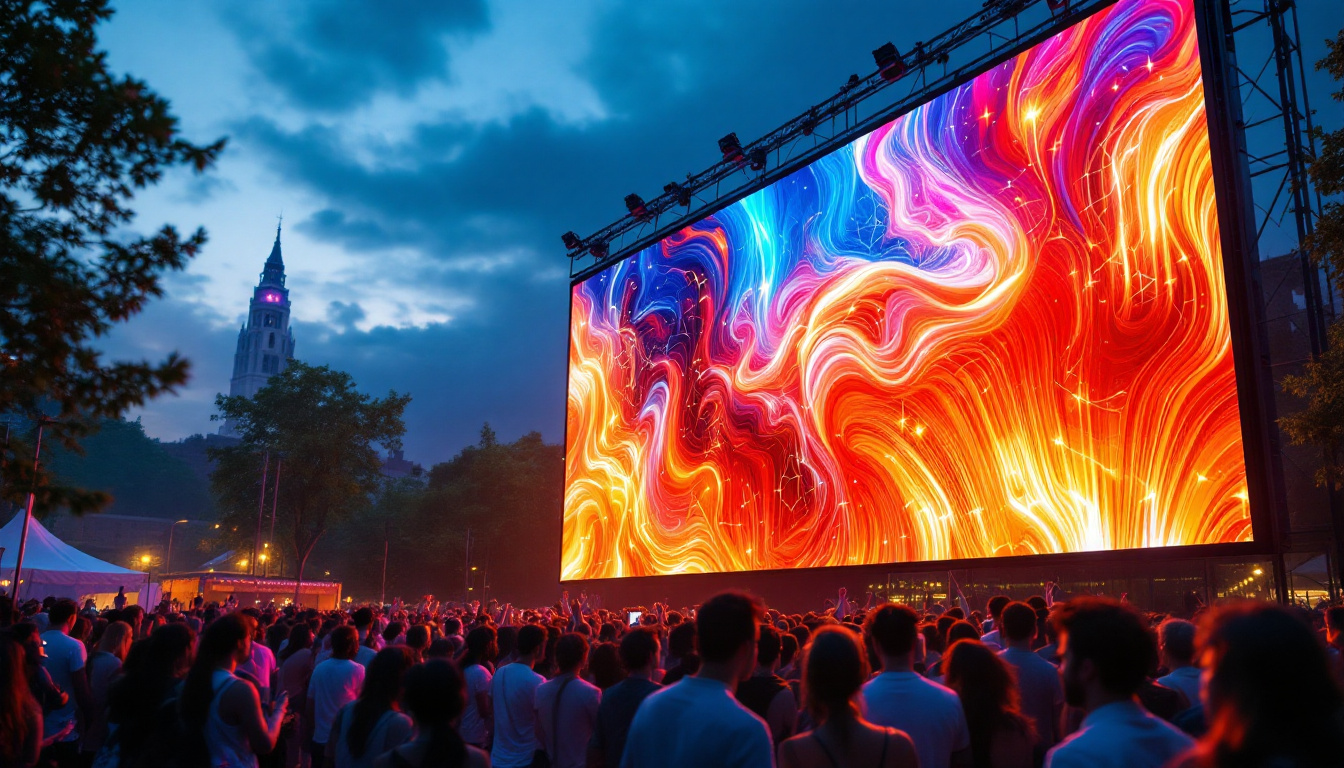
Outdoor LED panels are widely used in concerts, sports arenas, festivals, and exhibitions to enhance the audience experience. Large-scale LED walls provide immersive visuals, live video feeds, and interactive content that engage attendees. Their modular design allows for flexible configurations tailored to venue size and event requirements.
Factors to Consider When Choosing an Outdoor LED Display
Pixel Pitch and Resolution
Determining the appropriate pixel pitch is crucial for ensuring image clarity at the intended viewing distance. A general rule is that the minimum viewing distance (in meters) should be roughly equal to the pixel pitch (in millimeters). For instance, a 5mm pixel pitch display is best viewed from at least 5 meters away.
Higher resolution panels with smaller pixel pitches are ideal for close-up viewing areas, such as retail storefronts, while larger pixel pitches suit billboards or highway signs where viewers are farther away.
Brightness and Contrast Ratio
Brightness must be sufficient to overcome ambient light conditions. Outdoor displays typically require a minimum brightness of 5,000 nits, but in extremely bright environments, higher levels may be necessary. Contrast ratio—the difference between the darkest and brightest parts of the image—also affects visual quality, especially in varying lighting conditions.
Durability and Weatherproofing
Look for displays with robust enclosures rated at least IP65, ensuring protection against water jets and dust ingress. Additionally, consider temperature tolerance ranges, as outdoor panels must operate reliably in both hot summers and cold winters.
Installation and Maintenance
Modular designs simplify installation and future maintenance, allowing for easy replacement of individual panels or components. Accessibility for cleaning and repairs is important to minimize downtime. Some manufacturers offer remote monitoring systems that track performance and alert operators to issues proactively.
Power Consumption and Energy Efficiency
Energy-efficient LED panels reduce operational costs and environmental impact. Look for products with power-saving features such as automatic brightness adjustment based on ambient light and energy-efficient drivers.
Maintenance and Longevity of Outdoor LED Panels
Routine Cleaning and Inspection
Outdoor LED displays accumulate dust, dirt, and grime that can diminish brightness and image quality. Regular cleaning with appropriate, non-abrasive materials helps maintain performance. Inspections should check for damaged pixels, loose connections, and signs of water ingress.
Software Updates and Calibration
Keeping the display’s control software up to date ensures compatibility with new content formats and security improvements. Periodic calibration maintains color accuracy and brightness uniformity across the panel, preserving visual impact.
Common Issues and Troubleshooting
Typical problems include dead pixels, flickering, and power supply failures. Many modern LED systems incorporate diagnostic tools to identify and isolate faults quickly. Prompt repairs reduce downtime and extend the display’s operational life.
The Future of Outdoor LED Displays
Advancements in LED Technology
Emerging technologies such as micro-LED and mini-LED promise even higher brightness, better color accuracy, and improved energy efficiency. These innovations will enable thinner, lighter, and more versatile outdoor displays.
Integration with Smart City Infrastructure
Outdoor LED panels are increasingly integrated with smart city systems, enabling interactive features, data collection, and real-time responsiveness. For example, displays may adjust content based on pedestrian traffic patterns or environmental conditions, enhancing urban experiences.
Environmental Considerations
As sustainability becomes a priority, manufacturers focus on reducing the environmental footprint of LED displays through recyclable materials, lower power consumption, and longer lifespans. This aligns with global efforts to promote greener technologies in public infrastructure.
Conclusion
Outdoor LED panels represent a powerful medium for communication, combining high visibility, dynamic content capabilities, and durability. Their applications span advertising, public safety, entertainment, and beyond. By understanding the technology, advantages, and key considerations for selection and maintenance, businesses and municipalities can maximize the impact and longevity of their outdoor LED investments.
As LED technology continues to evolve, outdoor displays will become even more versatile and integrated into the fabric of modern urban life, offering exciting opportunities for engagement and innovation.
Discover LumenMatrix’s Innovative LED Display Solutions
Ready to elevate your outdoor communication strategy with cutting-edge LED technology? Explore LumenMatrix’s comprehensive range of LED display solutions, from vibrant Outdoor LED Wall Displays to dynamic Vehicle LED Displays and beyond. Our mission is to transform your visual storytelling with displays that captivate, engage, and leave a lasting impression. Whether for advertising, public information, or entertainment, LumenMatrix is your partner in creating unforgettable visual experiences. Check out LumenMatrix LED Display Solutions today and see how we can illuminate your brand’s message with clarity and impact.