In the rapidly evolving world of digital signage and display technology, understanding the terminology and specifications behind LED displays is crucial for making informed decisions. Among the many technical details, the terms “3.4” and “4.8” often appear, especially when discussing pixel pitch and resolution. This article aims to demystify what these numbers mean, how they affect LED display performance, and why they matter for different applications.
Understanding LED Display Basics
LED (Light Emitting Diode) displays have become a dominant technology for digital signage, advertising, and large-scale visual presentations. Unlike traditional LCD or projection displays, LED panels consist of thousands of tiny diodes that emit light individually, creating bright and vibrant images visible even in direct sunlight.
The quality and clarity of an LED display depend on several factors, including pixel pitch, resolution, brightness, and color accuracy. Among these, pixel pitch is one of the most significant metrics, often expressed in millimeters, such as 3.4 mm or 4.8 mm. These numbers directly influence the image sharpness and viewing distance.
In addition to pixel pitch, the resolution of an LED display plays a crucial role in determining the overall visual experience. Higher resolution displays, which feature more pixels per square inch, can render finer details and smoother transitions between colors. This is particularly important for applications that require high-definition content, such as live events, concerts, and sports broadcasts, where every detail matters. Furthermore, advancements in technology have led to the development of 4K and even 8K LED displays, pushing the boundaries of clarity and realism in visual presentations.
Another essential aspect of LED displays is their brightness, measured in nits. A higher brightness level ensures that the display remains visible in various lighting conditions, from dimly lit indoor environments to bright outdoor settings. This adaptability makes LED displays a popular choice for billboards and outdoor advertising. Additionally, color accuracy is vital for maintaining the integrity of the displayed content. Modern LED displays utilize advanced color calibration techniques to ensure that the colors seen by viewers closely match the original source material, providing a more immersive and true-to-life viewing experience.
What Do 3.4 and 4.8 Mean in LED Displays?
Pixel Pitch Defined
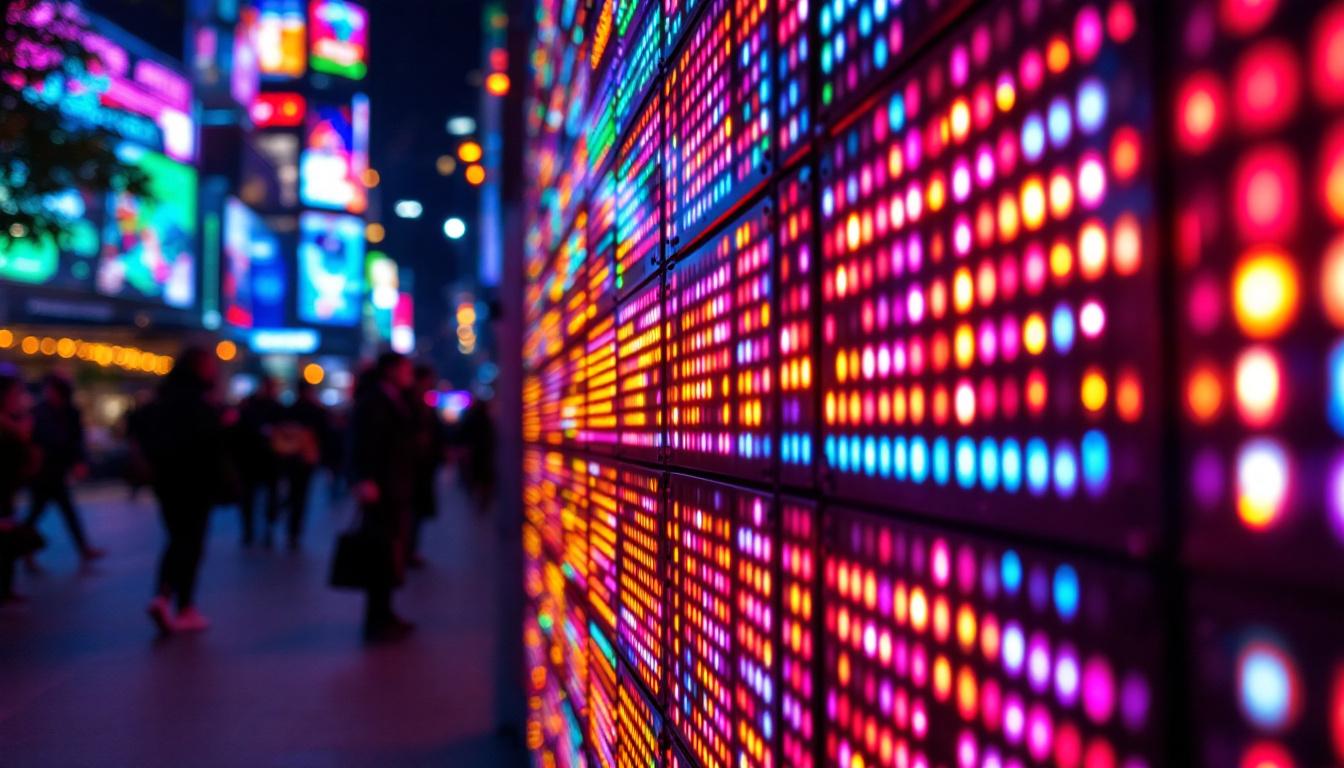
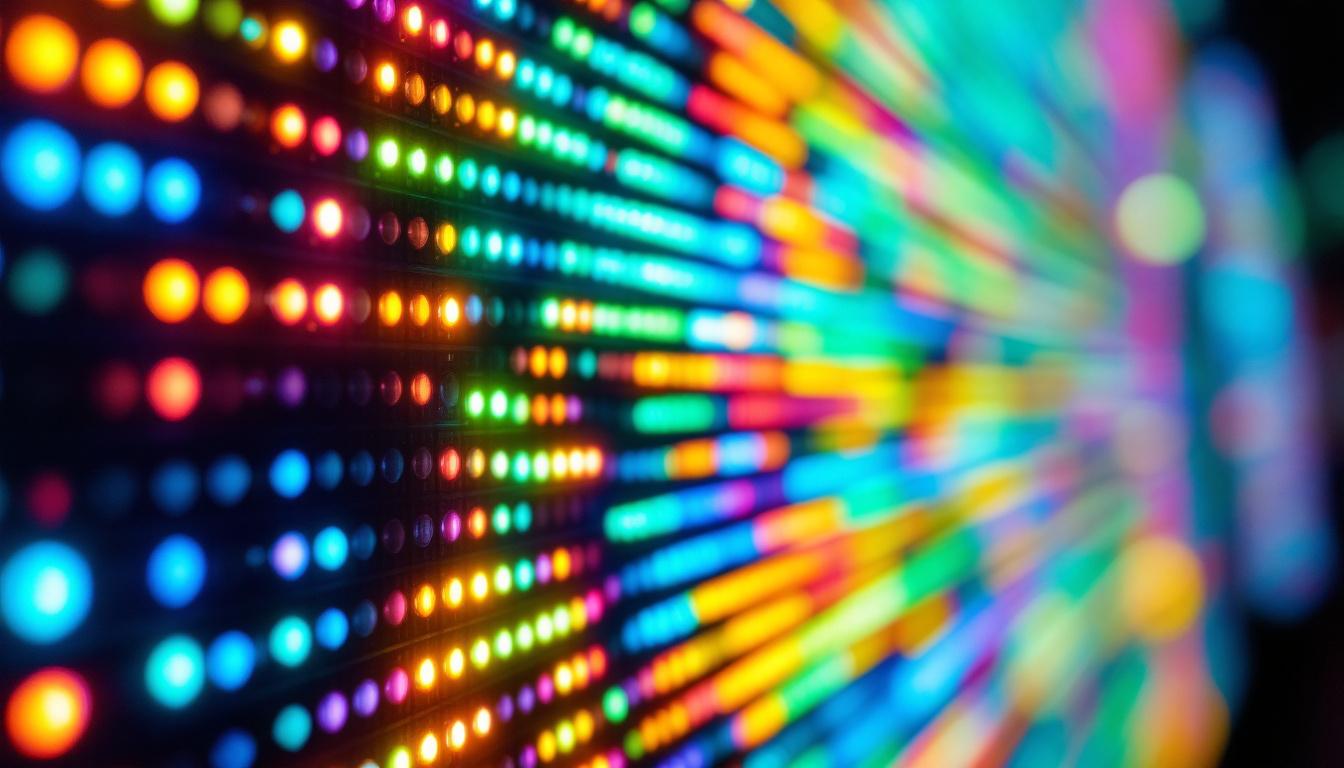
Pixel pitch refers to the distance from the center of one LED cluster (or pixel) to the center of the adjacent pixel, measured in millimeters. Essentially, it determines how tightly packed the LEDs are on the display panel. A smaller pixel pitch means LEDs are closer together, resulting in higher pixel density and sharper images.
For example, a 3.4 mm pixel pitch means there is a 3.4-millimeter gap between the centers of two adjacent pixels. Similarly, a 4.8 mm pixel pitch means the pixels are spaced 4.8 millimeters apart. This measurement is crucial for manufacturers and consumers alike, as it directly influences the display’s application and performance. The choice of pixel pitch can significantly affect the overall viewing experience, making it essential to understand the implications of each option.
Impact on Image Quality
Smaller pixel pitches (like 3.4 mm) provide higher resolution and finer detail, making them ideal for close viewing distances. Larger pixel pitches (such as 4.8 mm) are better suited for displays viewed from farther away, where the human eye cannot distinguish individual pixels as easily.
To put it into perspective, a 3.4 mm LED display can deliver crisp images when viewed from a few meters away, making it suitable for indoor environments like conference rooms, retail stores, or control rooms. A 4.8 mm display, on the other hand, is often used for outdoor signage, stadium screens, or billboards where viewers are typically at a greater distance. The choice of pixel pitch not only affects image clarity but also influences factors such as brightness and color accuracy, which are critical for effective visual communication in various settings.
Moreover, the pixel pitch can also impact the overall cost of the display. Displays with smaller pixel pitches generally require more LEDs and advanced technology to maintain image quality, leading to higher manufacturing costs. Conversely, larger pixel pitches might be more cost-effective but could compromise the detail needed for certain applications. As a result, businesses must carefully evaluate their specific needs, considering factors like viewing distance, ambient light conditions, and budget constraints when selecting the appropriate pixel pitch for their LED displays.
Choosing Between 3.4 mm and 4.8 mm Pixel Pitch
Viewing Distance Considerations
The most critical factor in selecting pixel pitch is the typical viewing distance. A general rule of thumb is that the optimal viewing distance (in meters) should be approximately 1.5 to 2 times the pixel pitch (in millimeters). For instance, a 3.4 mm pixel pitch display is best viewed from about 5 to 7 meters away, while a 4.8 mm display is suited for 7 to 10 meters or more.
This guideline ensures that the viewer perceives a smooth, continuous image without noticing individual pixels, which can cause a “screen door” effect.
Application and Environment
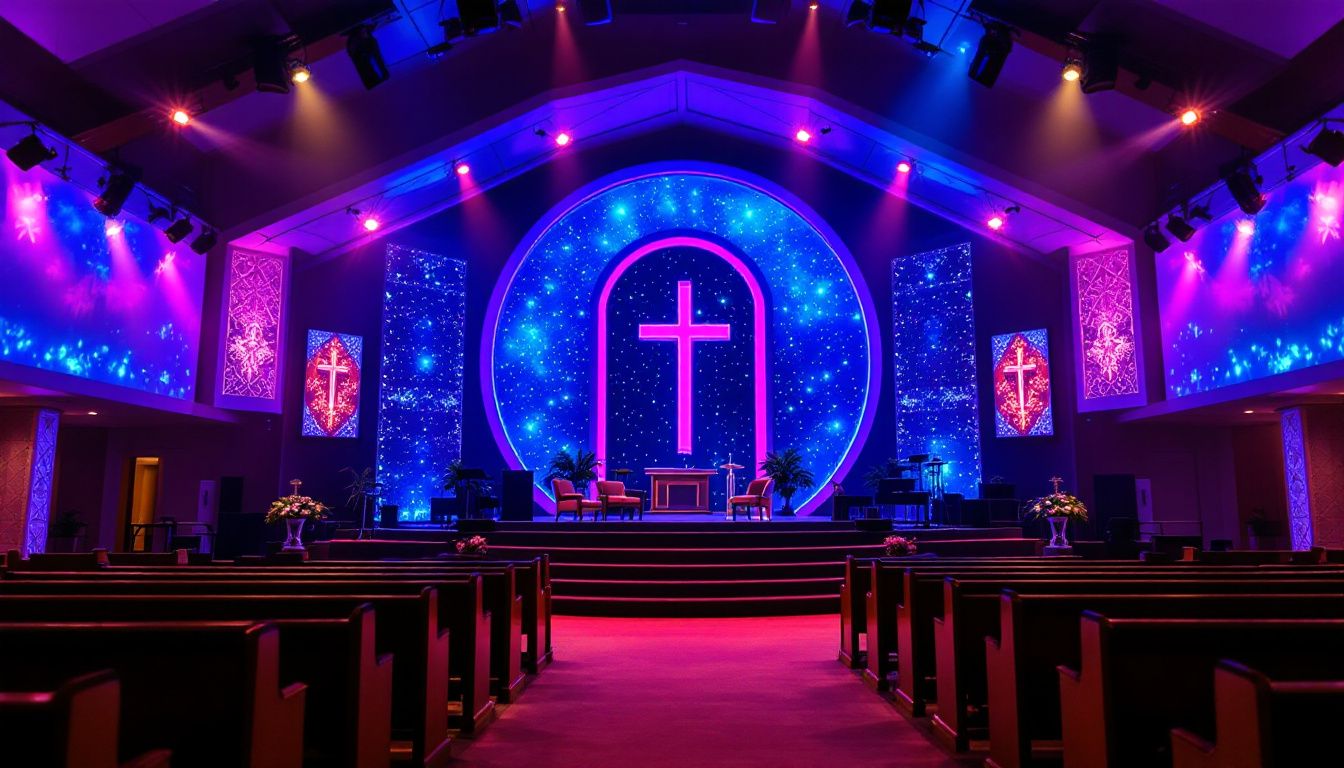
Indoor environments often require higher resolution displays because viewers are closer and expect detailed visuals. Therefore, 3.4 mm pixel pitch LED displays are popular choices for indoor advertising, digital menu boards, and event backdrops.
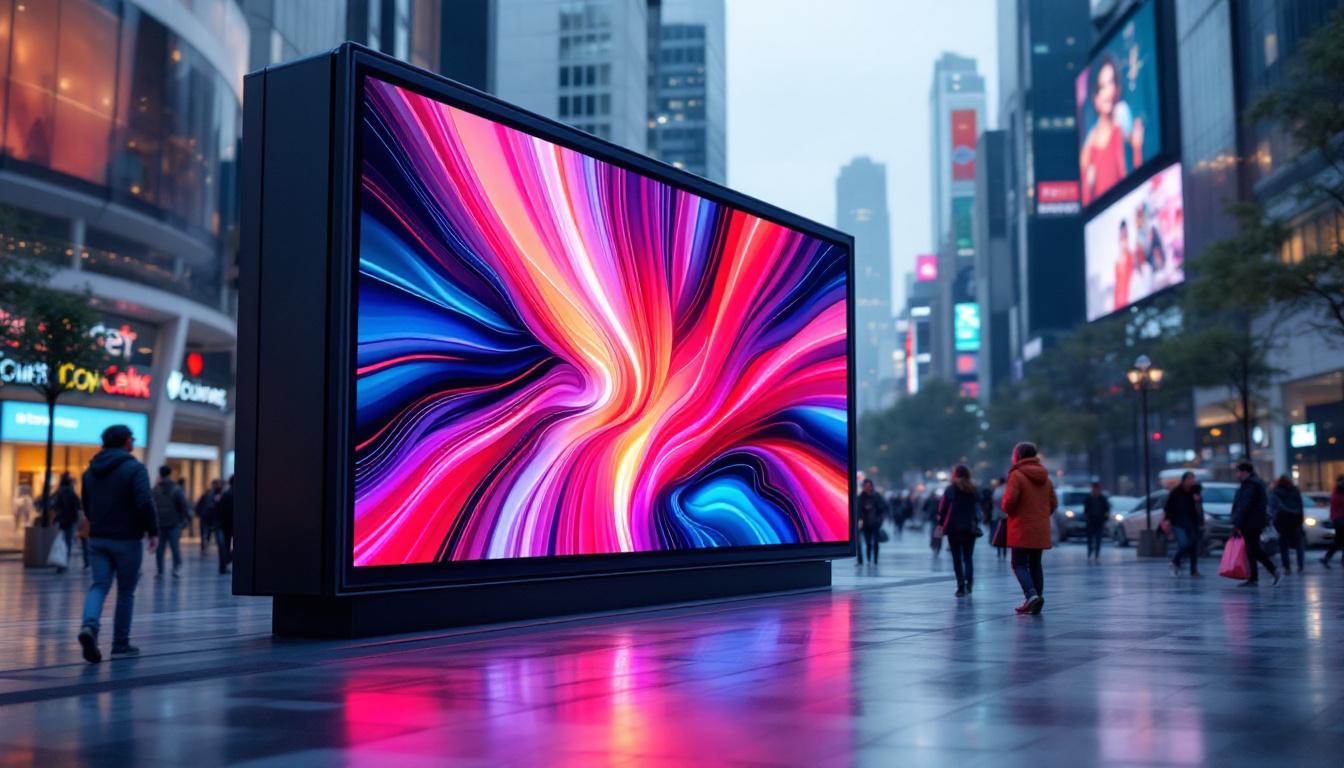
Conversely, outdoor applications prioritize brightness and durability over ultra-high resolution. A 4.8 mm pixel pitch balances image quality with cost-effectiveness and visibility under sunlight, making it ideal for outdoor billboards, traffic signs, and sports arenas.
Cost Implications
Generally, LED displays with smaller pixel pitches are more expensive due to the increased number of LEDs per square meter and the precision required in manufacturing. A 3.4 mm display will typically cost more than a 4.8 mm display of the same size. Budget constraints often influence the choice, especially for large-scale installations.
Technical Specifications Beyond Pixel Pitch
Resolution and Screen Size
Resolution in LED displays is determined by the number of pixels horizontally and vertically. For a fixed screen size, a smaller pixel pitch means more pixels, resulting in higher resolution. For example, a 3.4 mm pitch display measuring 3 meters wide will have more pixels than a 4.8 mm pitch display of the same width.
This higher resolution allows for displaying detailed graphics, fine text, and high-definition videos, which is essential for applications like corporate presentations or retail promotions.
Brightness and Contrast Ratio
Brightness is measured in nits (cd/m²) and indicates how luminous the display is. Outdoor LED displays typically require brightness levels of 5,000 nits or more to remain visible in direct sunlight, while indoor displays operate comfortably at 800 to 1,500 nits.
Both 3.4 mm and 4.8 mm displays can achieve high brightness levels, but outdoor models with 4.8 mm pitch often have enhanced weatherproofing and anti-glare coatings to maintain visibility and durability.
Refresh Rate and Color Accuracy
The refresh rate, usually measured in Hertz (Hz), affects how smoothly motion appears on the screen. Higher refresh rates (above 3,000 Hz) reduce flicker and are important for video playback and live broadcasts.
Color accuracy and uniformity are vital for brand consistency and viewer engagement. Advances in LED technology, such as fine calibration and high-quality diodes, ensure that both 3.4 mm and 4.8 mm displays deliver vibrant, true-to-life colors.
Real-World Examples and Use Cases
Indoor Corporate Environments
Many corporations use 3.4 mm pixel pitch LED displays in their lobbies, conference rooms, and auditoriums. These displays provide sharp images for presentations, video conferencing, and branding. For instance, a 3.4 mm LED wall measuring 4 meters by 2.5 meters can deliver stunning visuals that captivate audiences without the need for additional projectors or screens.
Retail and Hospitality
Retailers often deploy 3.4 mm LED displays for dynamic advertising and promotional content. The high resolution ensures that product details and text are clear even at close range. Hotels and casinos also use these displays to create immersive environments and interactive experiences.
Outdoor Advertising and Public Displays
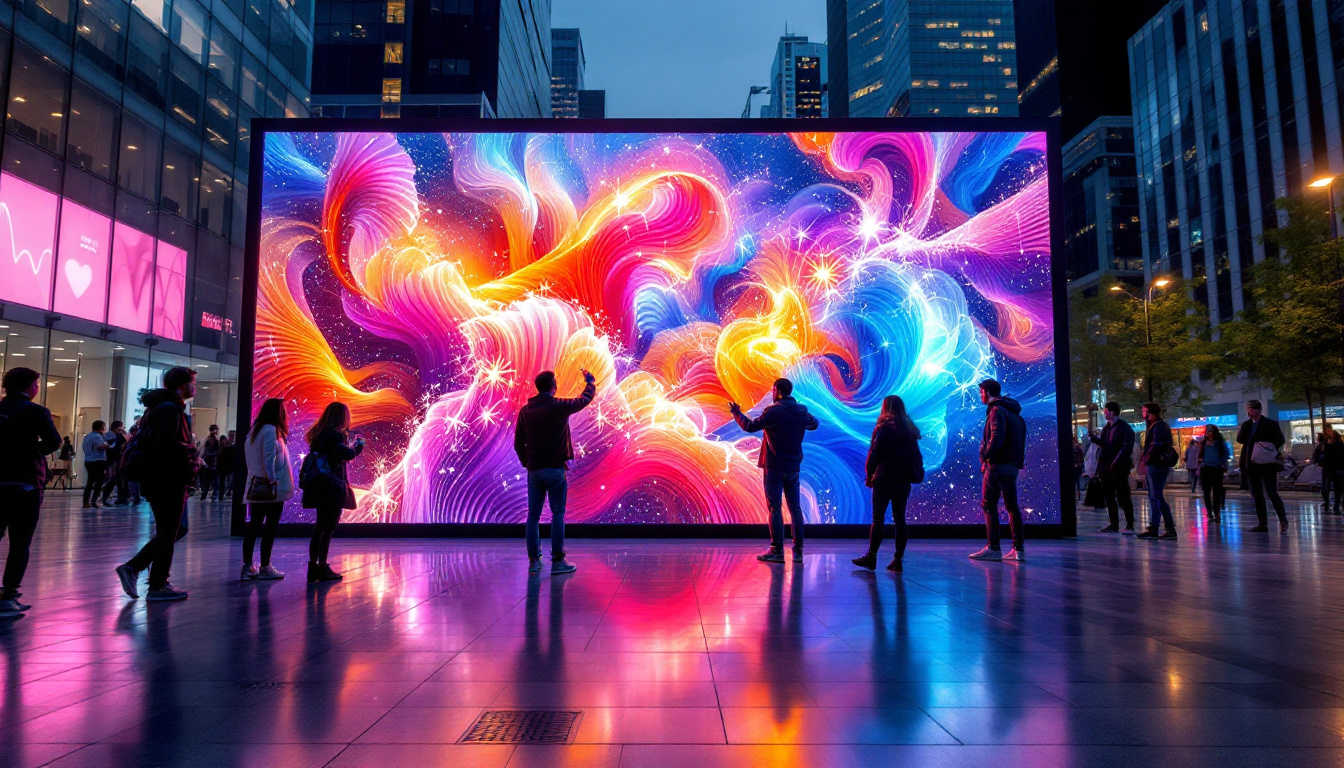
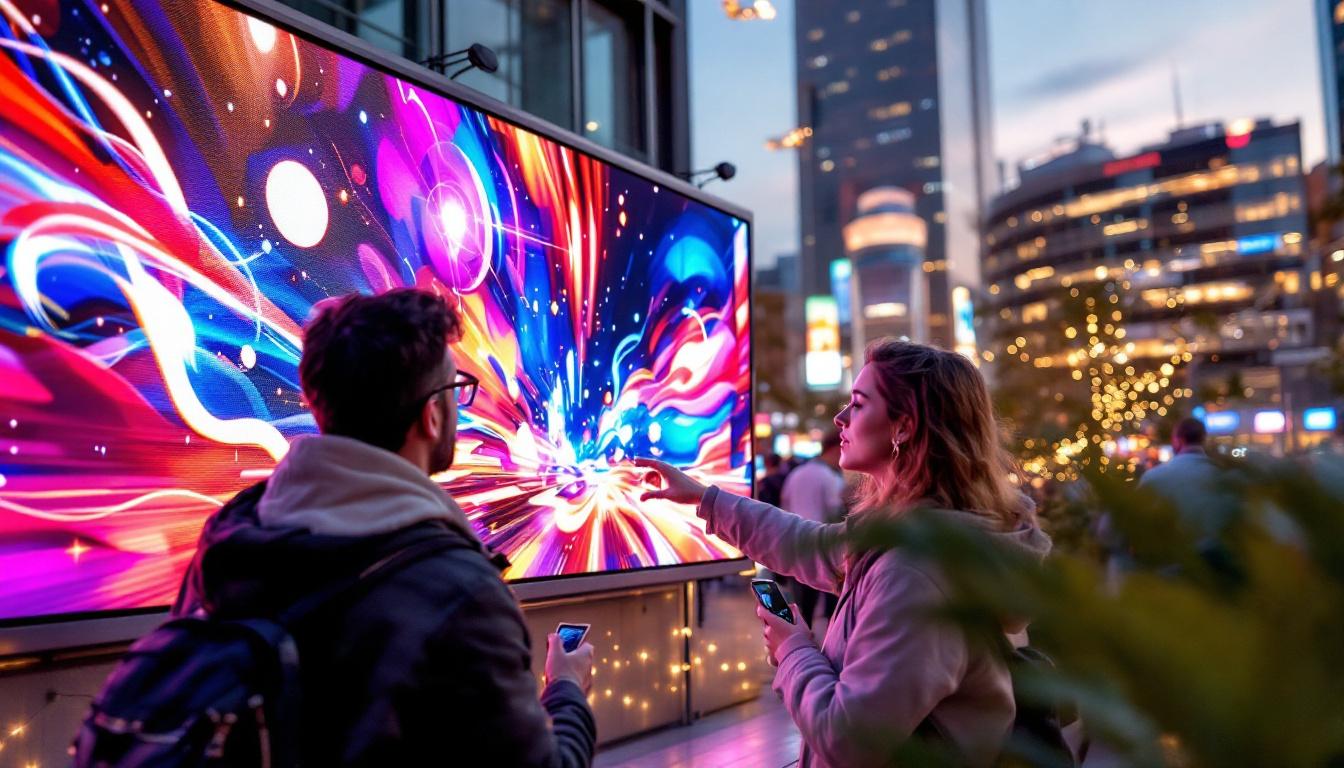
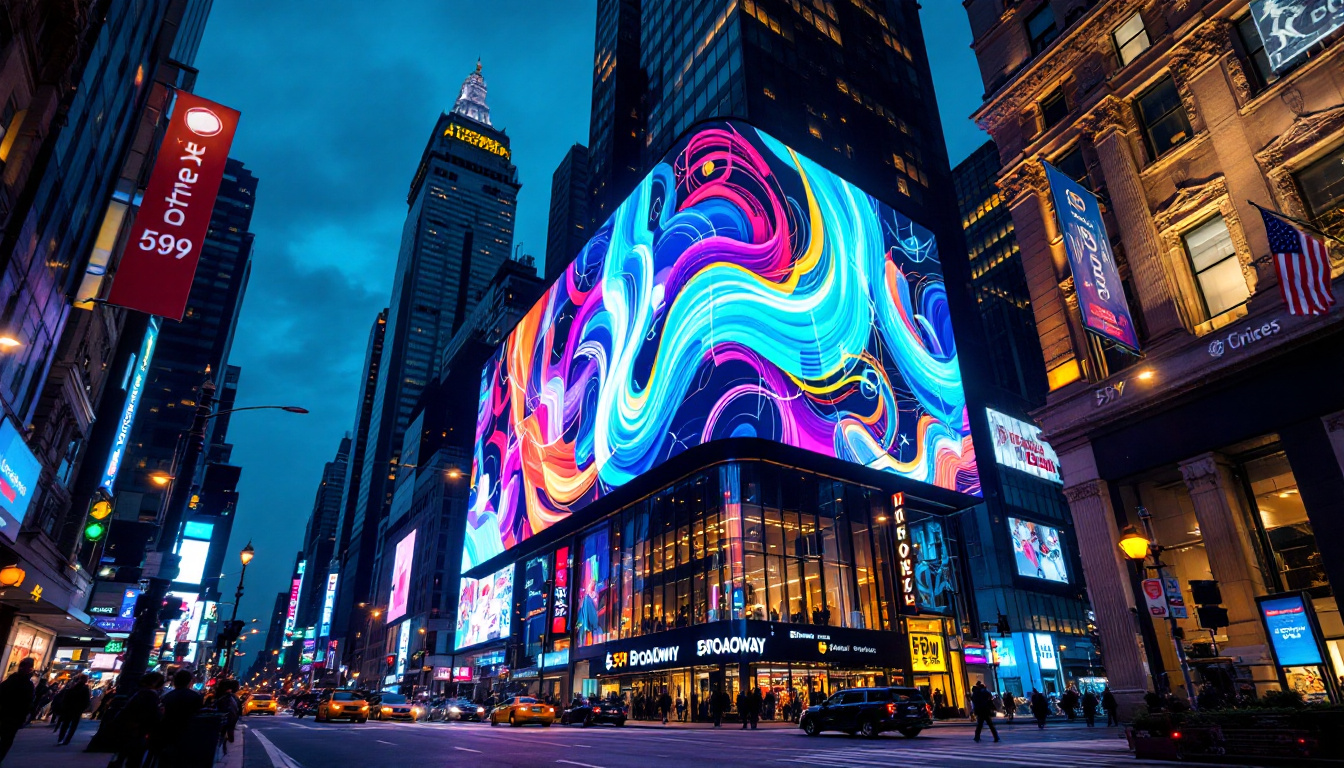
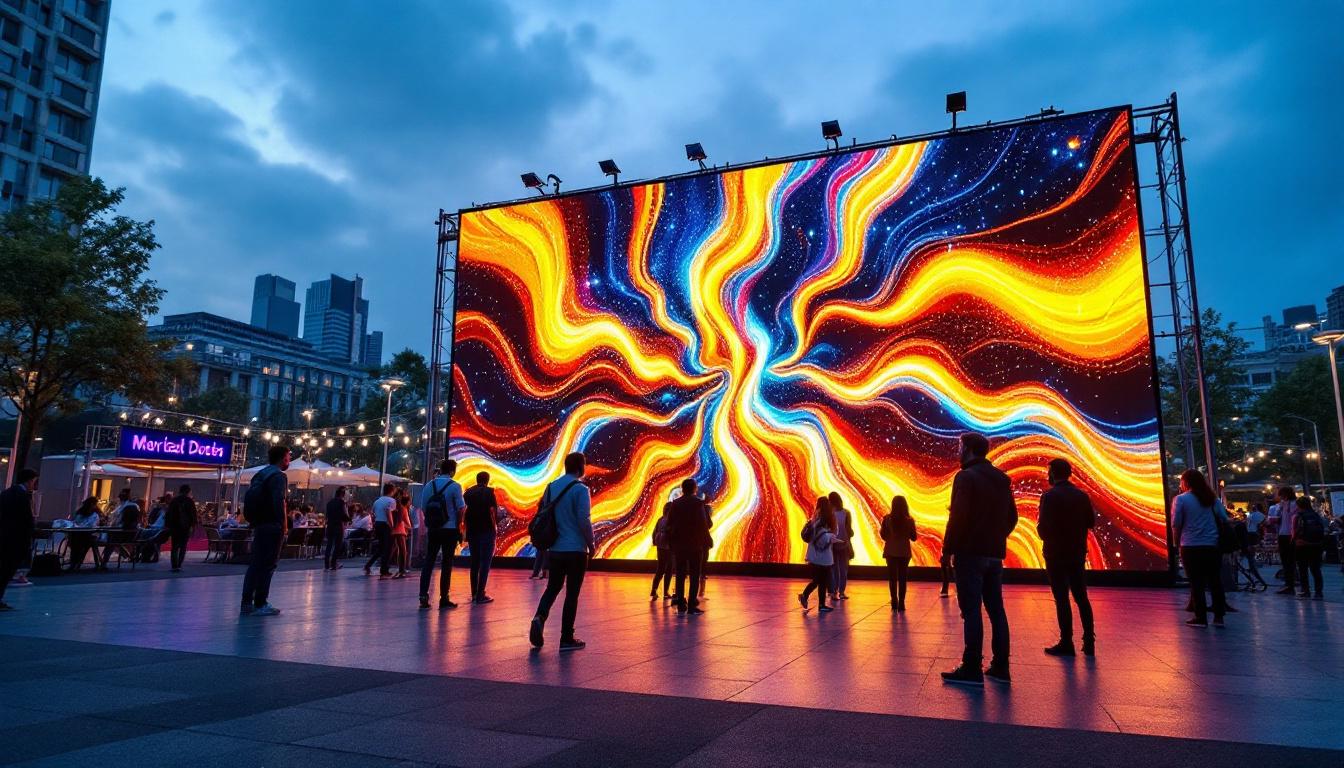
4.8 mm pixel pitch LED displays are widely used in outdoor advertising due to their balance of clarity and cost. Billboards along highways, digital signage in urban centers, and sports arena screens benefit from the visibility and durability of 4.8 mm LED technology.
For example, a 10-meter wide by 5-meter high 4.8 mm LED billboard can be viewed clearly from over 50 meters away, making it perfect for catching the attention of passing motorists.
Future Trends in LED Display Technology
Increasing Resolution and Smaller Pixel Pitches
As LED manufacturing technology advances, pixel pitches continue to shrink, with displays now available at 1.5 mm or even smaller. These ultra-fine pitch displays are pushing the boundaries of indoor visual clarity, enabling applications like virtual reality backdrops and ultra-high-definition video walls.
However, 3.4 mm and 4.8 mm pixel pitches remain highly relevant due to their cost-effectiveness and suitability for a wide range of applications.
Energy Efficiency and Sustainability
Modern LED displays are becoming more energy-efficient, incorporating features like adaptive brightness and low-power components. This is important for reducing operational costs and environmental impact, especially for large outdoor installations that run 24/7.
Integration with Smart Technologies
Integration with IoT (Internet of Things) and AI-driven content management systems is transforming how LED displays are used. Dynamic content, real-time data feeds, and audience analytics are enhancing engagement and ROI for advertisers and businesses.
Conclusion
The numbers 3.4 and 4.8 in the context of LED displays primarily refer to pixel pitch, a critical specification that influences image sharpness, viewing distance, and overall display performance. Understanding these values helps businesses and consumers select the right LED display for their specific needs—whether it’s a high-resolution indoor display or a durable outdoor billboard.
By considering factors such as viewing distance, application environment, budget, and technical specifications like resolution and brightness, stakeholders can make informed decisions that maximize the impact and longevity of their LED display investments.
As LED technology continues to advance, the balance between pixel pitch, cost, and performance will remain a key consideration, with 3.4 mm and 4.8 mm pixel pitches maintaining their significance across many industries and use cases.
Discover LumenMatrix’s Advanced LED Solutions
Ready to elevate your visual displays with unparalleled clarity and impact? LumenMatrix is at the forefront of LED display innovation, offering a comprehensive range of solutions tailored to meet your unique needs. From vibrant Indoor LED Wall Displays to robust Outdoor LED Wall Displays, and from dynamic Vehicle LED Displays to sleek LED Poster Displays, our technology is designed to captivate and engage. Explore our LED Sports Displays, interactive Floor LED Displays, Custom LED Displays, versatile All-in-One LED Displays, and stunning LED Transparent Displays. Embrace the future of visual communication with LumenMatrix and transform your space into a mesmerizing visual experience. Check out LumenMatrix LED Display Solutions today and see the difference for yourself.