In the evolving world of visual technology, LED displays have become a cornerstone for theaters, event venues, and performance spaces seeking to captivate audiences with vibrant, dynamic visuals. Understanding the technology behind LED displays, their design considerations, and practical applications can empower theater designers, event planners, and technical professionals to make informed decisions that enhance the audience experience.
What is an LED Display?
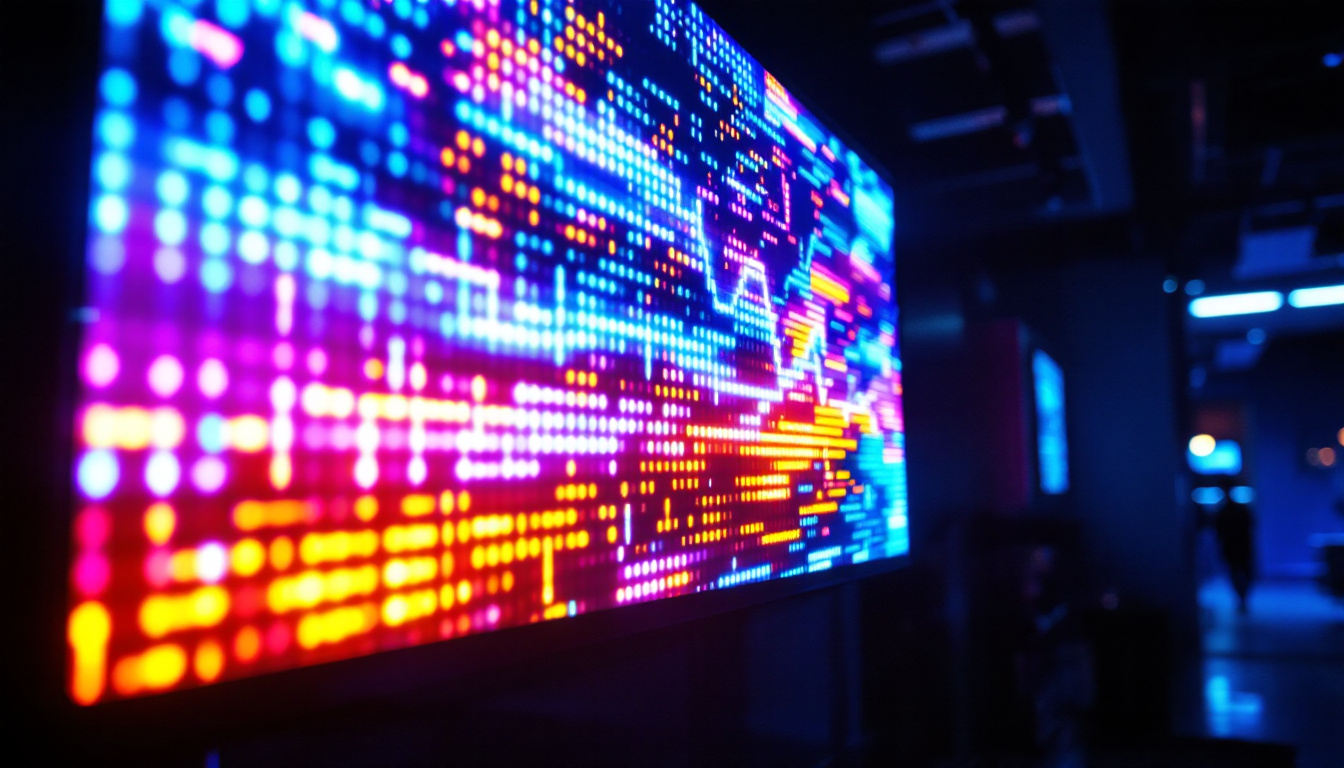
LED stands for Light Emitting Diode, a semiconductor device that emits light when an electric current passes through it. An LED display is a flat panel that uses an array of these tiny diodes to create images, videos, or text. Unlike traditional projection or LCD screens, LED displays generate their own light, resulting in brighter, more vivid images that are visible even in brightly lit environments.
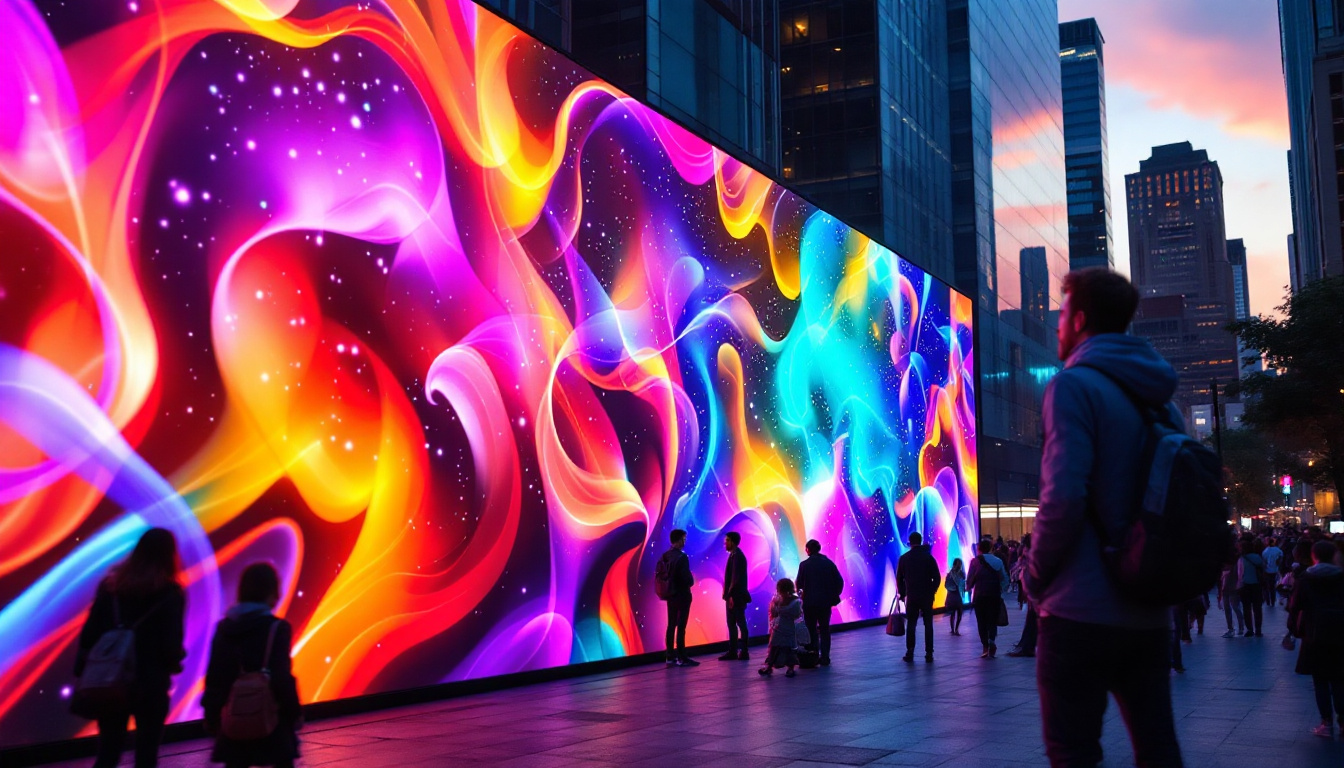
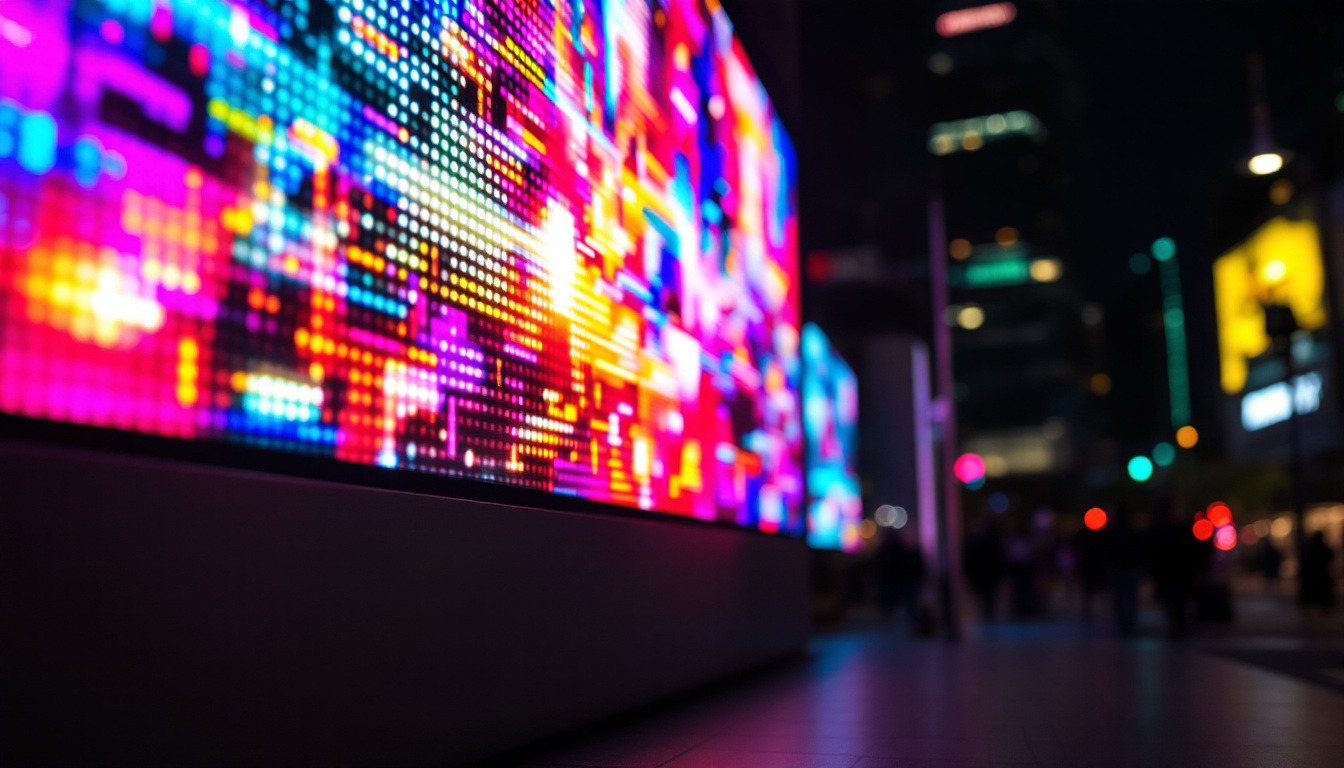
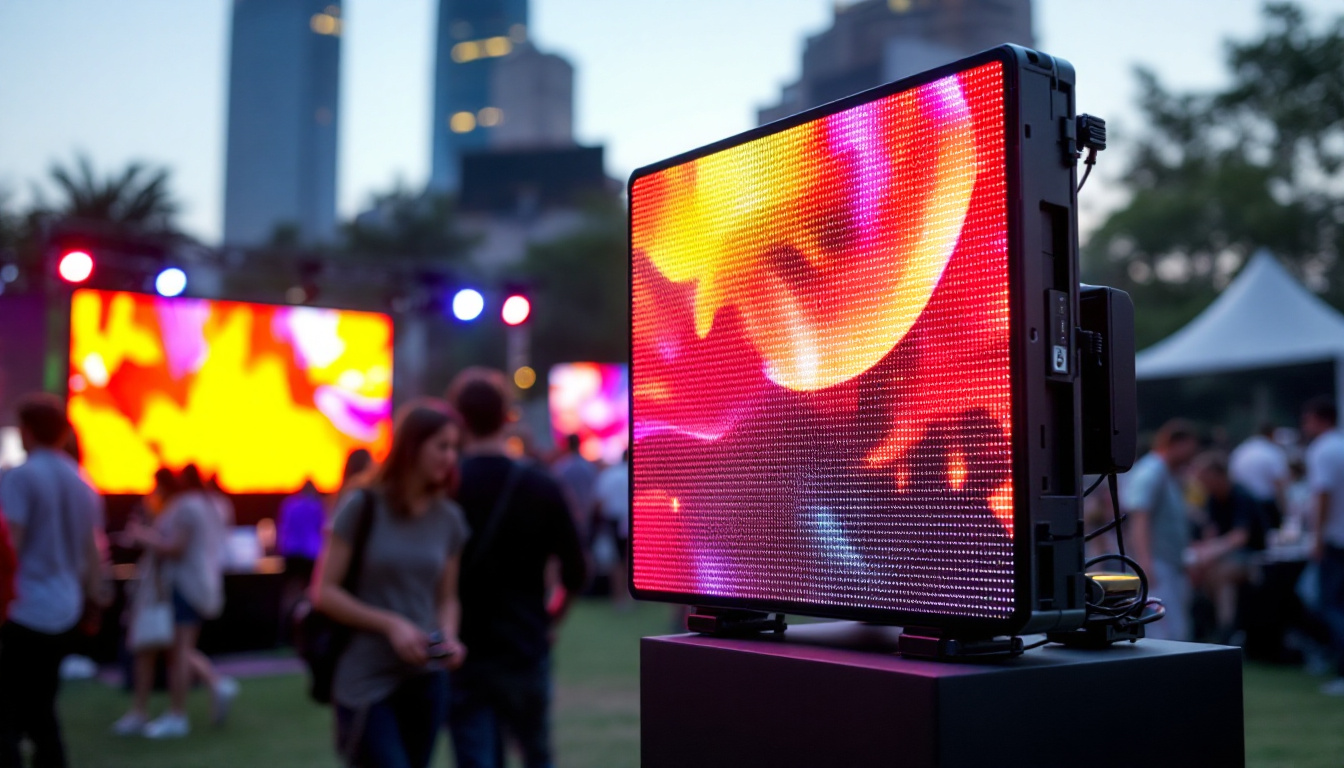
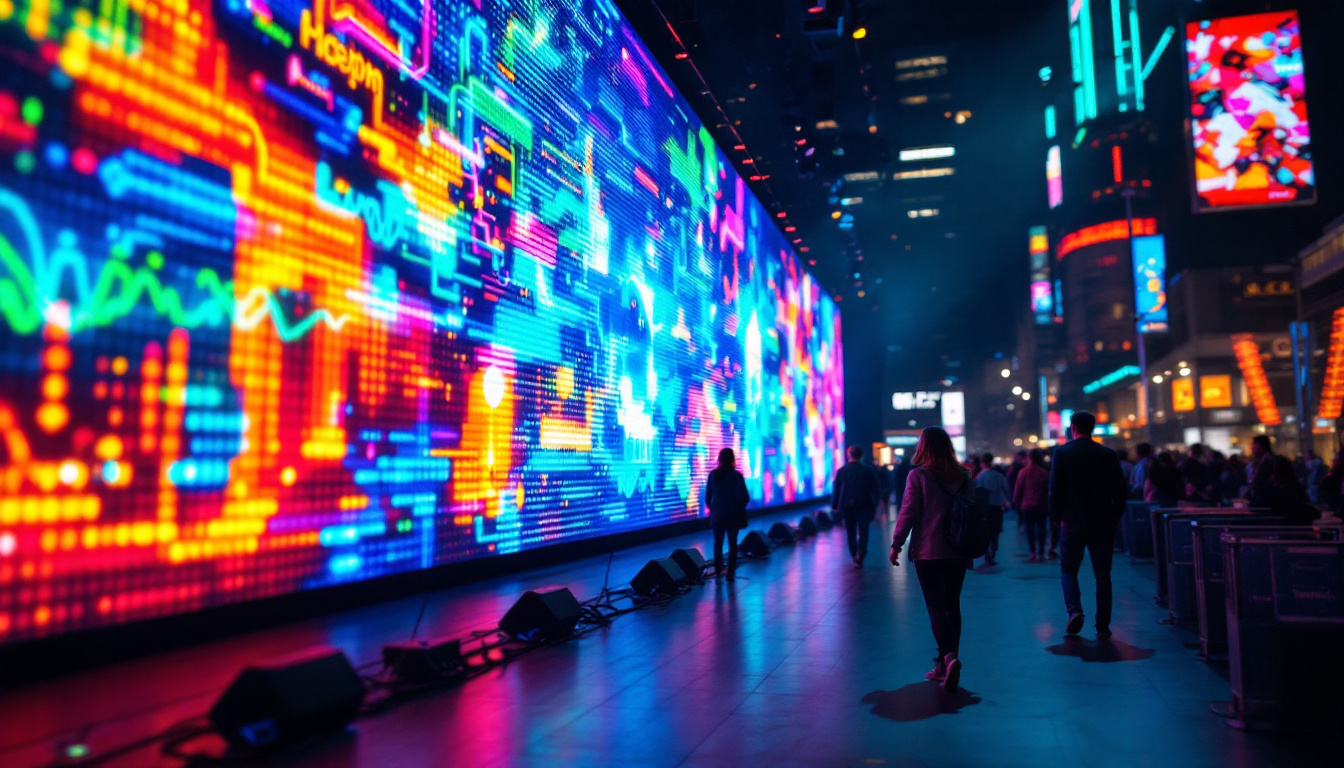
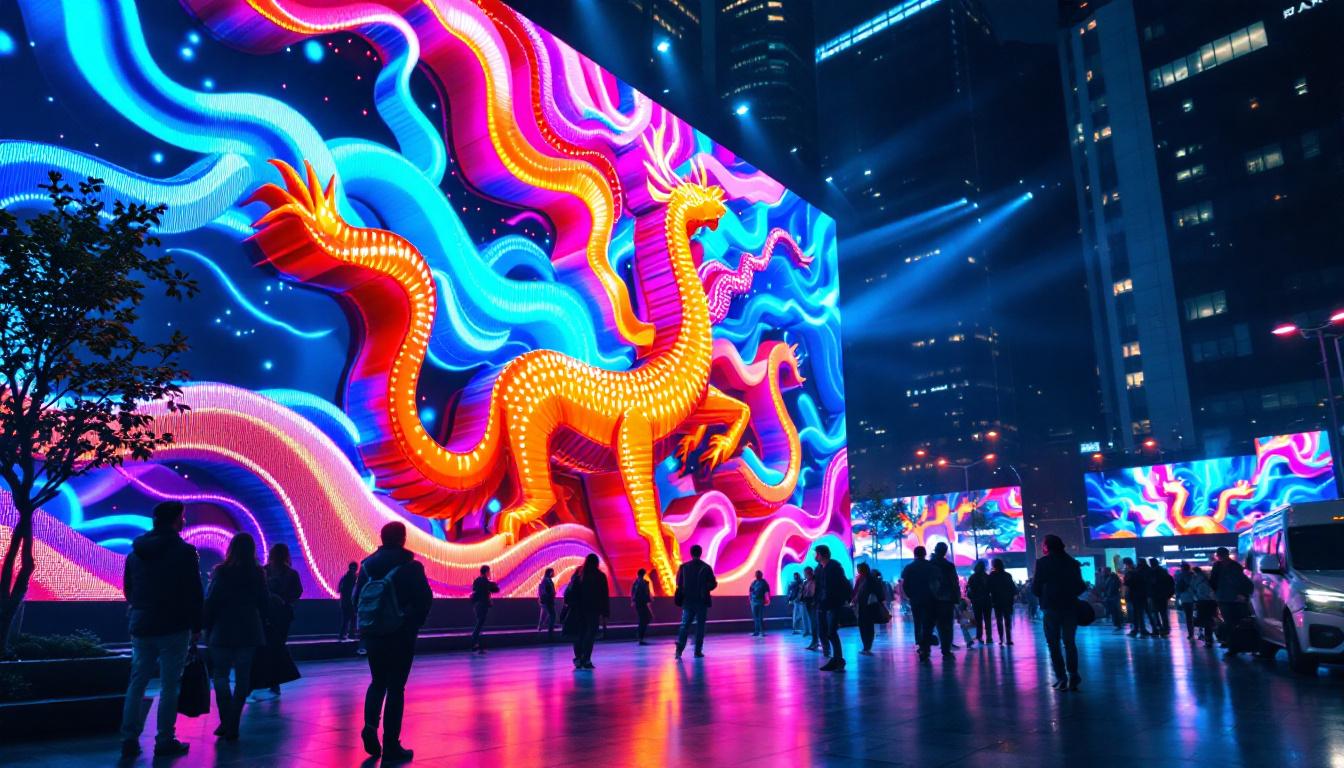
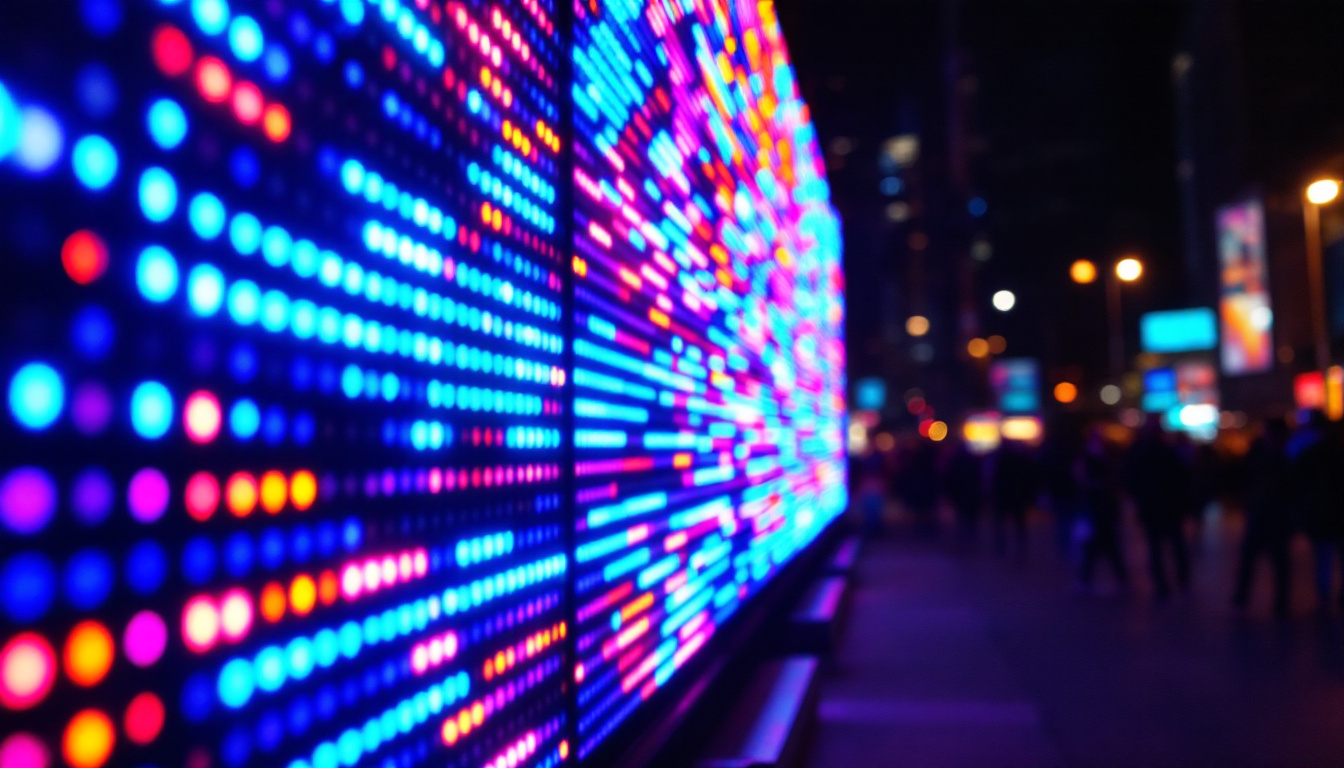
LED displays are composed of thousands to millions of individual LEDs arranged in a grid. Each LED acts as a pixel, and by controlling the brightness and color of each pixel, the display can produce detailed and dynamic visuals. This technology is widely used in outdoor billboards, stadium screens, and increasingly in indoor theater settings due to its flexibility and visual impact.
The versatility of LED displays extends beyond just advertising and entertainment. They are also employed in various sectors such as education, where they serve as interactive whiteboards or digital signage in schools and universities, enhancing the learning experience with engaging visuals. Furthermore, in the corporate world, LED displays are utilized for presentations and information dissemination, allowing companies to convey messages effectively during meetings and conferences.
In addition to their practical applications, LED displays are also known for their energy efficiency and longevity compared to traditional lighting solutions. With a lifespan that can exceed 100,000 hours, these displays not only reduce maintenance costs but also contribute to sustainability efforts by consuming less power. As technology continues to evolve, innovations such as flexible LED screens and transparent displays are emerging, opening up new possibilities for creative applications in architecture and design, making LED displays an exciting area of development in the tech world.
The Advantages of LED Displays in Theater Design
Superior Brightness and Contrast
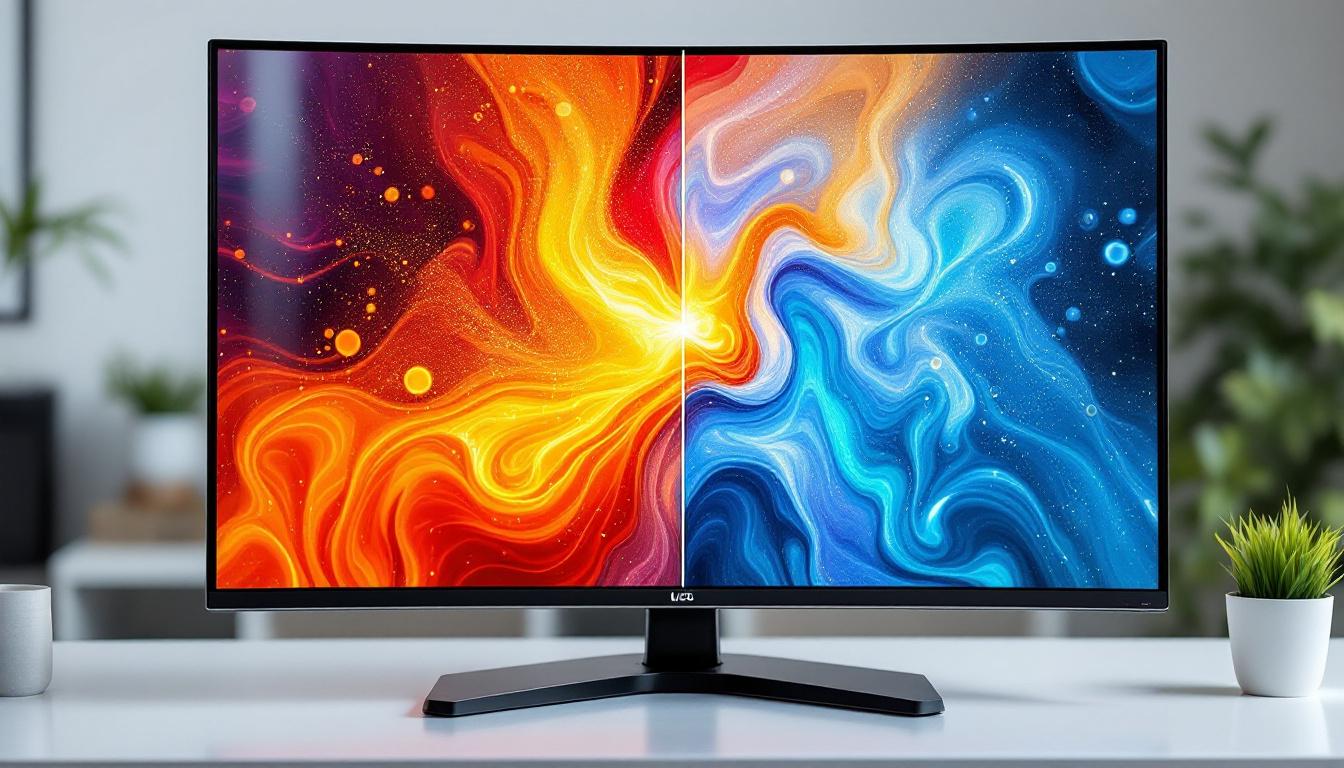
One of the most significant benefits of LED displays is their exceptional brightness. Traditional projection systems often struggle with ambient light, which can wash out images. LED displays, on the other hand, emit their own light, allowing them to maintain vivid colors and sharp contrast even under challenging lighting conditions.
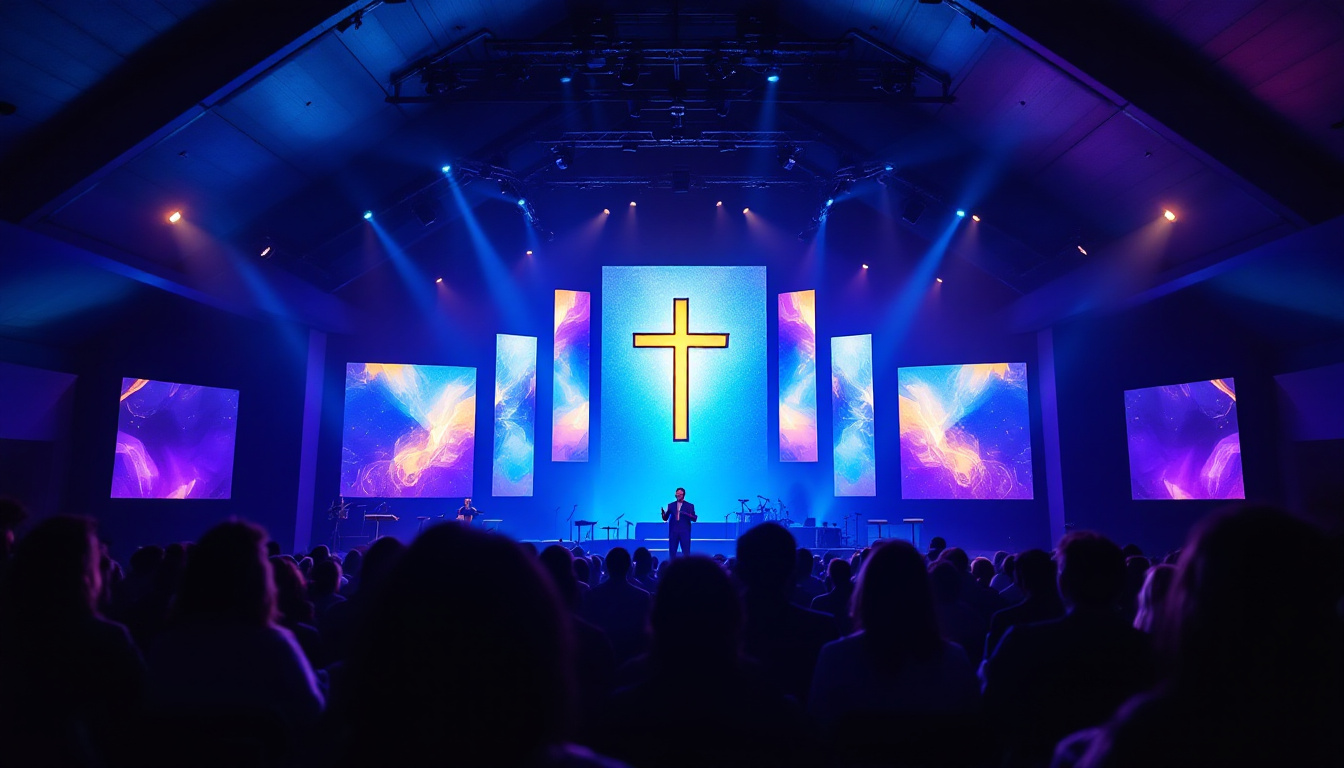
This feature is particularly valuable in theaters where stage lighting is complex and intense. LED screens can complement or contrast with stage lighting to create immersive environments without losing image clarity. The ability to adjust brightness levels dynamically also means that directors can create mood shifts in a scene, enhancing the emotional impact of performances. For instance, a bright, vibrant scene can transition into a darker, more somber moment without losing visual integrity, allowing audiences to remain engaged throughout the performance.
Flexibility in Size and Shape
LED panels are modular, meaning they can be combined in various configurations to create displays of virtually any size or shape. This modularity allows theater designers to customize screens to fit unique stage designs or architectural features, from massive backdrop walls to curved or irregularly shaped installations.
For example, the Broadway production of “Harry Potter and the Cursed Child” employs LED screens integrated into set pieces, enhancing storytelling by seamlessly blending digital imagery with physical props. This integration not only enriches the visual experience but also allows for quick scene changes, as the screens can be reconfigured or repurposed for different acts. Additionally, the lightweight nature of LED panels makes them easier to install and reposition, providing creative teams with the freedom to experiment with innovative designs that push the boundaries of traditional theater.
Durability and Longevity
LED displays are known for their durability and long operational life. They are less susceptible to damage from heat and mechanical shock compared to traditional projection bulbs or LCD panels. This reliability reduces maintenance costs and downtime, which is crucial for theaters with demanding performance schedules.
Moreover, the energy efficiency of LED technology contributes to lower operational costs, making it an environmentally friendly choice for theaters. With the increasing emphasis on sustainability in the arts, many venues are opting for LED displays not only for their performance benefits but also for their reduced carbon footprint. The long lifespan of LED panels means fewer replacements and less electronic waste, aligning with the growing movement towards eco-conscious production practices in the theater industry. As theaters continue to embrace these technologies, they pave the way for a more sustainable future while enhancing the overall audience experience.
Key Technical Considerations for Theater LED Displays
Pixel Pitch and Viewing Distance
Pixel pitch refers to the distance between the centers of two adjacent LEDs on a display, typically measured in millimeters. It directly affects the resolution and image clarity. A smaller pixel pitch means higher resolution and finer detail, which is essential for close-up viewing.
In theater settings, where audiences may be seated relatively close to the screen, choosing an LED display with an appropriate pixel pitch is critical. For example, a pixel pitch of 1.5mm to 2.5mm is often recommended for indoor theater displays to ensure crisp visuals without visible pixelation.
Refresh Rate and Color Accuracy
The refresh rate determines how often the display updates the image per second, measured in Hertz (Hz). A higher refresh rate reduces flicker and motion blur, which is vital for dynamic stage performances involving fast-moving visuals or camera shots.
Modern LED displays typically support refresh rates of 1920Hz or higher, ensuring smooth playback even when recorded or live video is projected. Additionally, color accuracy and gamut are important to match the artistic vision of the production. Advanced LED displays support wide color gamuts and HDR (High Dynamic Range), allowing for richer and more lifelike images.
Brightness and Ambient Light Management
Theater environments vary greatly in ambient lighting, from darkened auditoriums to stages flooded with spotlights. LED displays must be bright enough to compete with stage lighting without causing discomfort or glare.
Typical indoor LED displays offer brightness levels between 800 to 1500 nits, which is sufficient for most theater applications. Some specialized displays can go even higher for venues with extreme lighting conditions. Additionally, anti-glare coatings and adjustable brightness controls help optimize visibility and audience comfort.
Designing with LED Displays: Practical Applications in Theater
Dynamic Backdrops and Set Extensions
LED displays enable dynamic backdrops that can change instantly to reflect different scenes, moods, or locations. This capability reduces the need for physical set changes, saving time and cost while expanding creative possibilities.
For instance, a production can transition from a sunny outdoor scene to a stormy night simply by switching the content on the LED backdrop. This flexibility enhances storytelling and keeps audiences engaged through seamless visual transitions.
Interactive and Immersive Experiences
When combined with motion tracking and interactive technologies, LED displays can create immersive environments where visuals respond to actors’ movements or audience interactions. This interactivity adds a new dimension to live performances, making them more engaging and memorable.
Examples include dance performances where LED floors light up underfoot or plays where projections react to actors’ gestures, blurring the line between digital and physical space.
Augmenting Lighting and Special Effects
LED displays can complement traditional stage lighting and special effects by providing controlled bursts of light, color changes, or animated textures that enhance the atmosphere. Unlike static lighting gels or filters, LED visuals can be programmed to shift dynamically throughout a performance.
This synergy between lighting and LED visuals allows designers to craft highly nuanced and layered scenes, supporting the emotional tone and narrative arc of the production.
Installation and Maintenance Challenges
Structural and Electrical Requirements
Installing LED displays in theaters requires careful planning regarding structural support and electrical infrastructure. LED panels can be heavy and require secure mounting systems that integrate with existing stage rigging or architectural elements.
Electrical demands must be assessed to ensure sufficient power supply and cooling. Proper ventilation is essential to prevent overheating, especially in enclosed spaces.
Calibration and Content Management
To achieve optimal image quality, LED displays must be calibrated for color consistency, brightness uniformity, and geometric alignment. This process often involves specialized software and skilled technicians.
Content management systems (CMS) are also critical, enabling operators to schedule, switch, and synchronize visuals seamlessly during live performances. Investing in user-friendly CMS solutions can streamline operations and reduce the risk of technical issues during shows.
Ongoing Maintenance and Repairs
While LED displays are durable, they still require regular maintenance to ensure longevity. Dust accumulation, pixel failures, and connection issues can degrade performance over time.
Routine inspections and cleaning, along with prompt repairs of faulty modules, help maintain consistent visual quality. Many theaters establish maintenance protocols and keep spare parts on hand to minimize downtime.
The Future of LED Displays in Theater
Advancements in LED technology continue to push the boundaries of what is possible in theater design. MicroLED and miniLED innovations promise even higher resolution, improved energy efficiency, and thinner panels, enabling more creative integration into sets and costumes.
Additionally, the integration of augmented reality (AR) and virtual reality (VR) with LED displays is opening new frontiers for immersive storytelling. These hybrid technologies allow audiences to experience performances in unprecedented ways, blending physical and digital realms.
As LED displays become more affordable and versatile, their adoption in theaters worldwide is expected to grow, transforming the landscape of live entertainment.
Conclusion
LED displays have revolutionized theater design by offering unparalleled brightness, flexibility, and durability. Their ability to create dynamic, immersive visual environments enhances storytelling and audience engagement in ways that traditional technologies cannot match.
For theater professionals, understanding the technical nuances and practical considerations of LED displays is essential to harnessing their full potential. From pixel pitch selection to installation logistics, careful planning and execution ensure that LED technology elevates the theatrical experience to new heights.
As the technology continues to evolve, LED displays will remain at the forefront of innovative stage design, enabling creators to bring their visions to life with brilliance and precision.
Illuminate Your Space with LumenMatrix
Ready to transform your theater or event space with the vibrant, dynamic visuals of LED displays? LumenMatrix is at the forefront of LED display innovation, offering a wide range of solutions tailored to your unique needs. From Indoor and Outdoor LED Walls to specialized displays for vehicles, sports, and interactive floors, our products are designed to captivate your audience and amplify your message. Embrace the future of visual storytelling with our Custom, All-in-One, and Transparent LED Displays. Check out LumenMatrix LED Display Solutions today and see how our technology can revolutionize your visual communication.