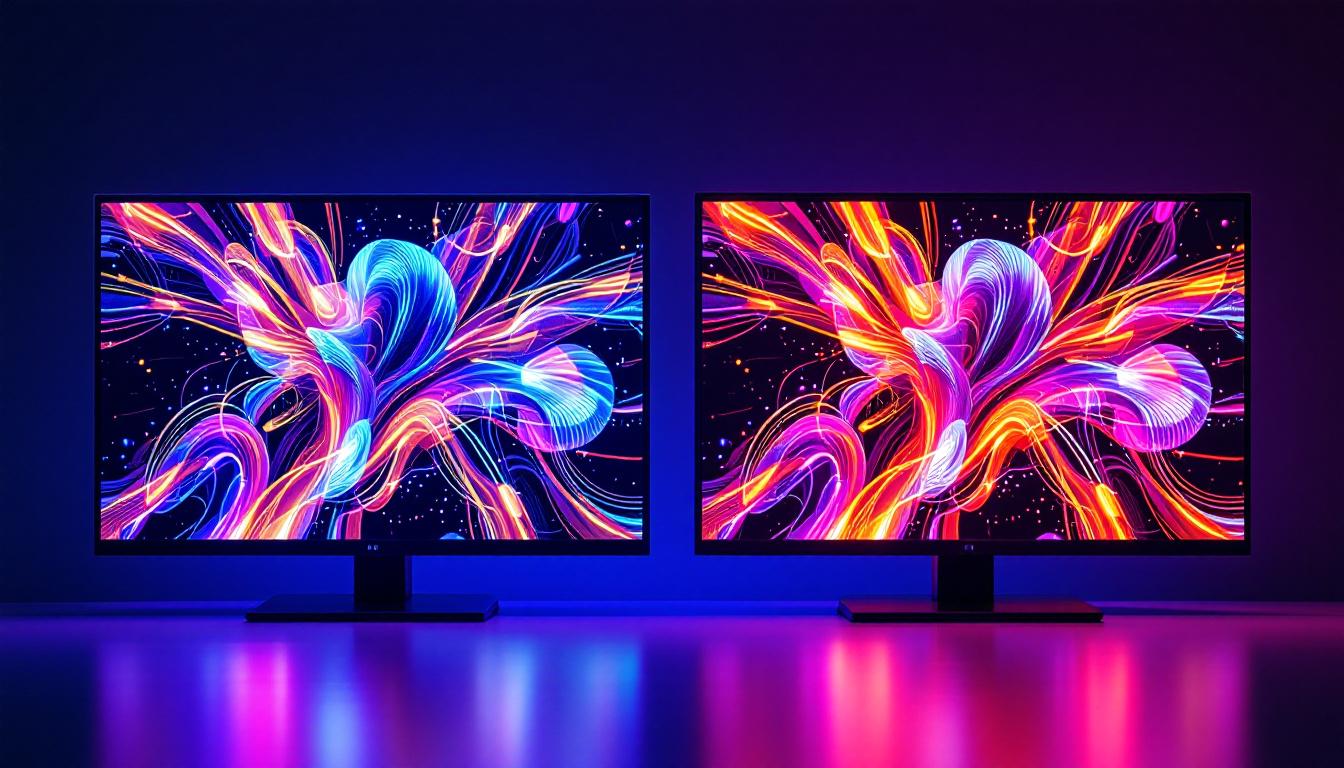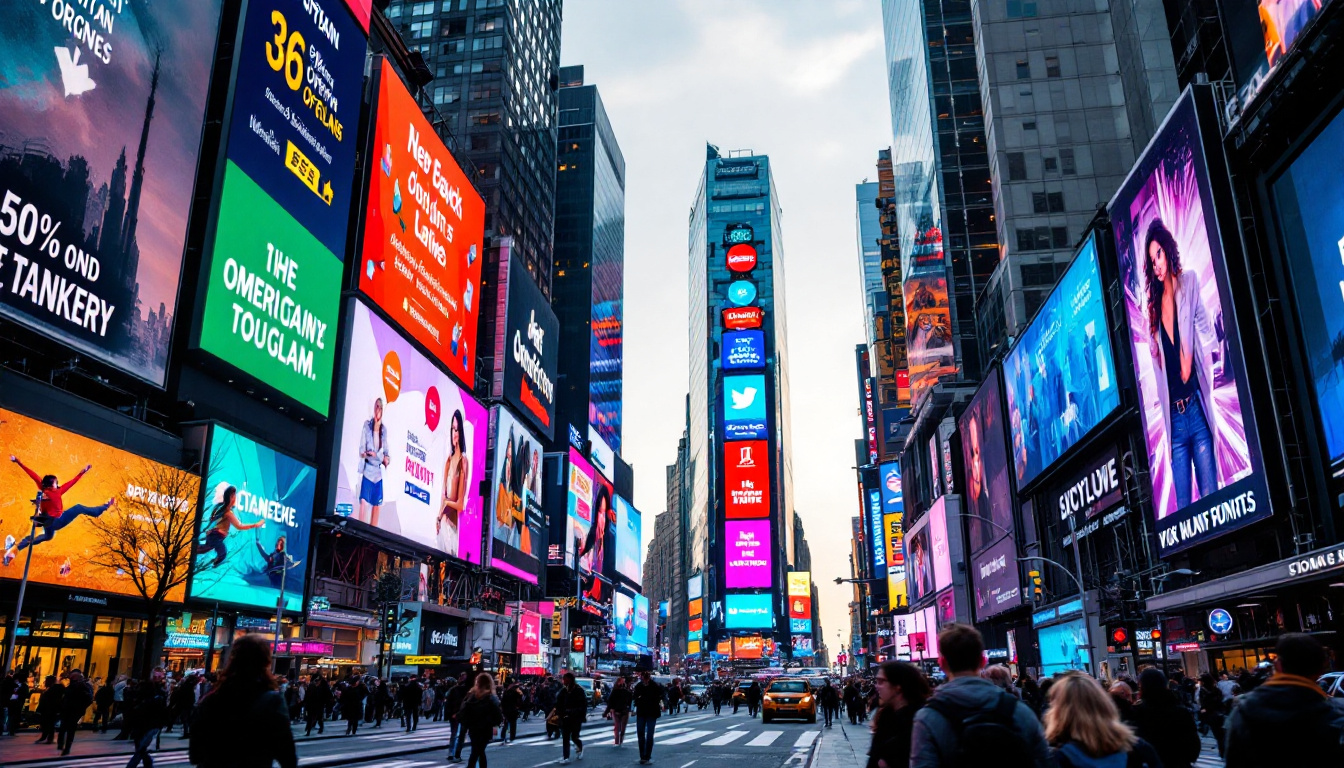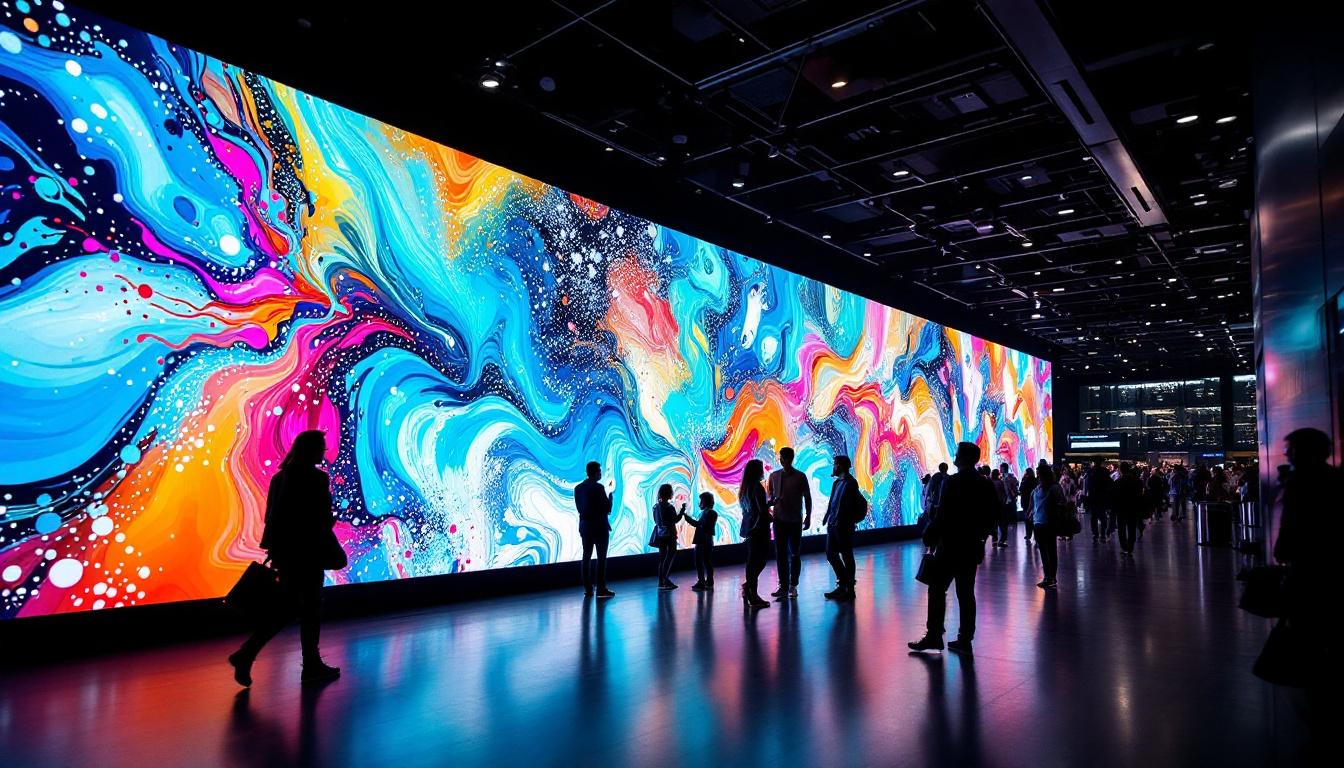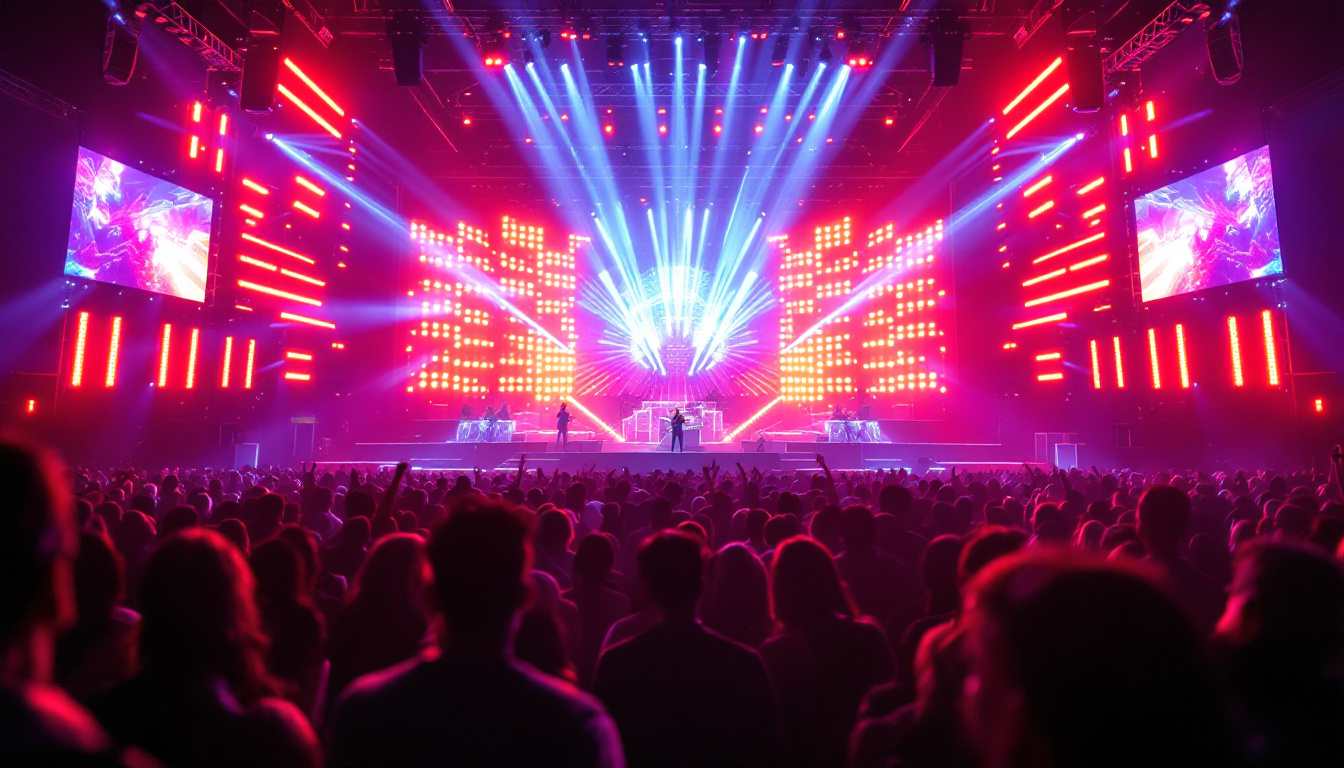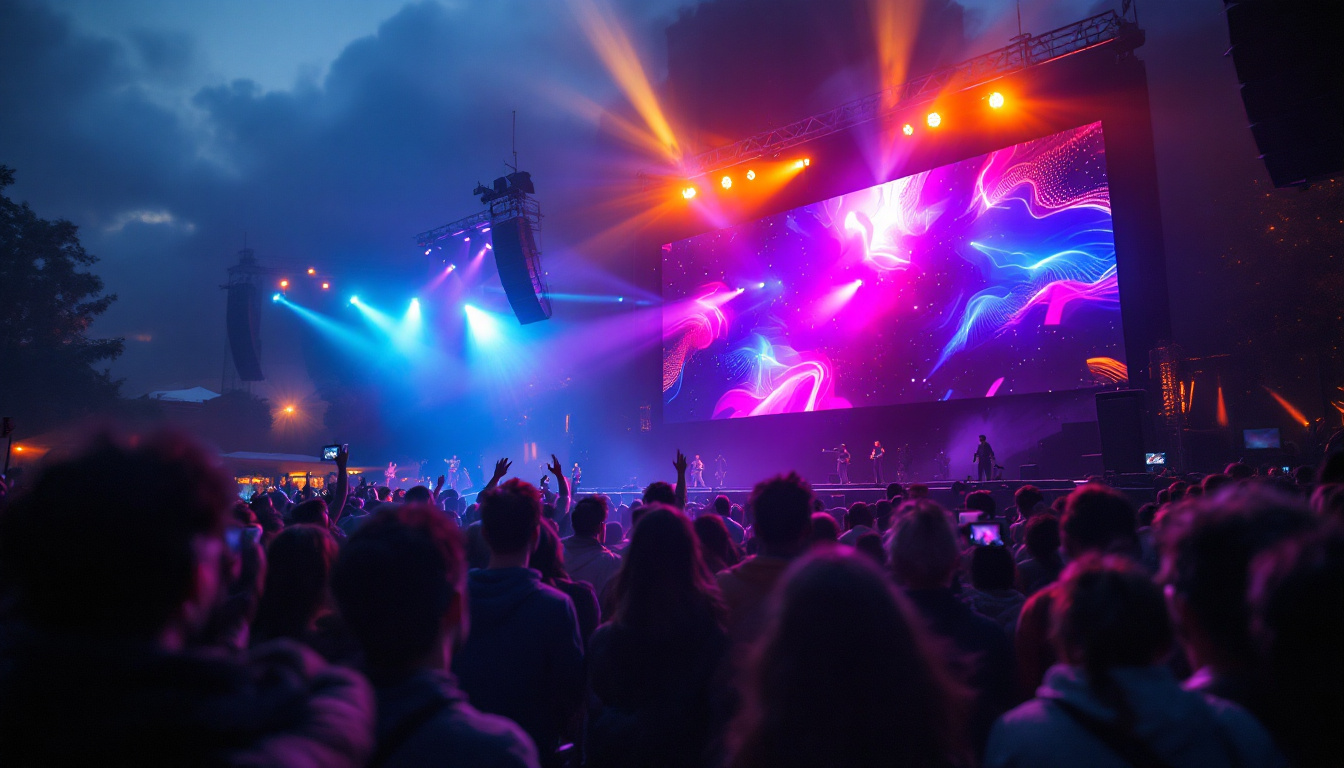
In the realm of modern visual technology, LED videowalls have become a dominant force in delivering vibrant, large-scale displays across various industries. From advertising billboards and control rooms to stadium screens and corporate lobbies, these expansive LED arrays captivate audiences with their brightness and clarity. However, behind the stunning visuals lies a critical process that ensures consistent, accurate color reproduction: color calibration.
This article dives deep into the world of color calibration for LED videowalls, explaining why it matters, how it works, and what technologies and best practices are shaping the future of LED display quality.
Understanding LED Videowalls and Their Color Challenges
What Makes LED Videowalls Unique?
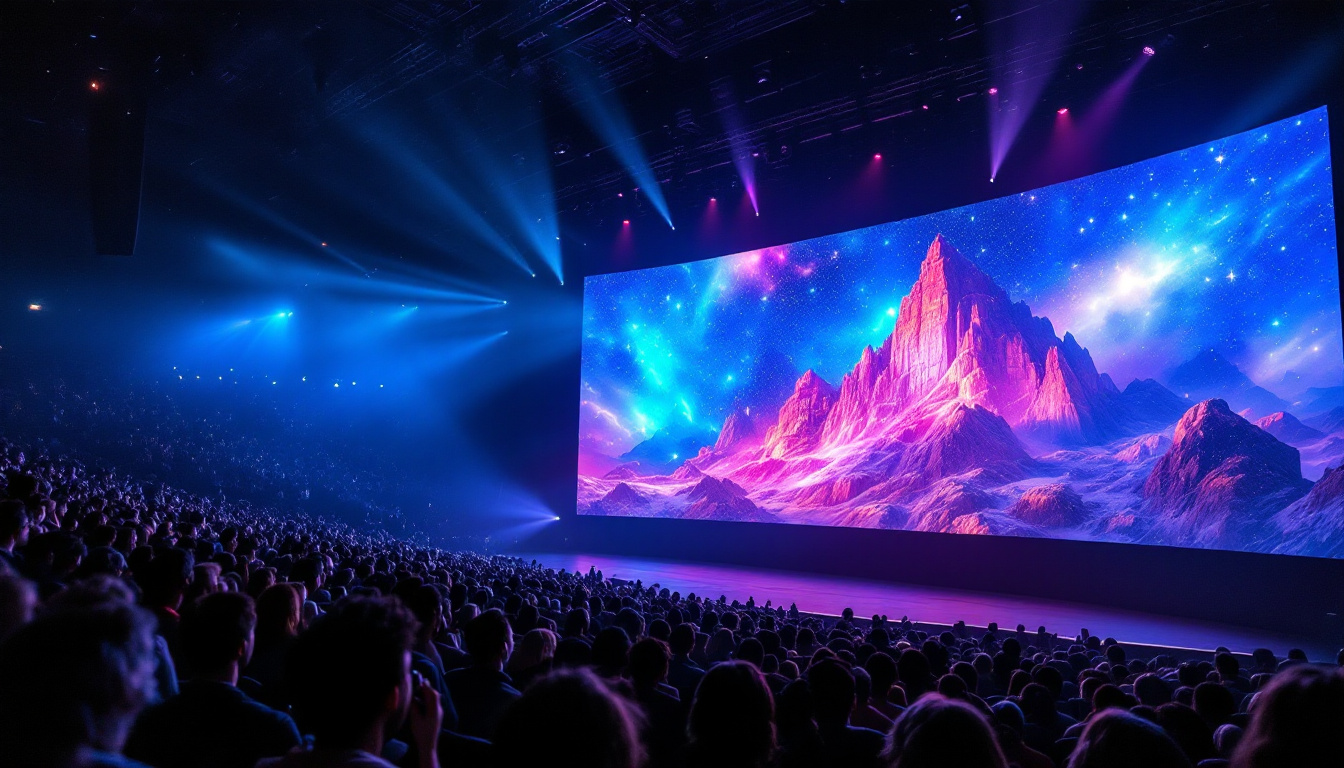
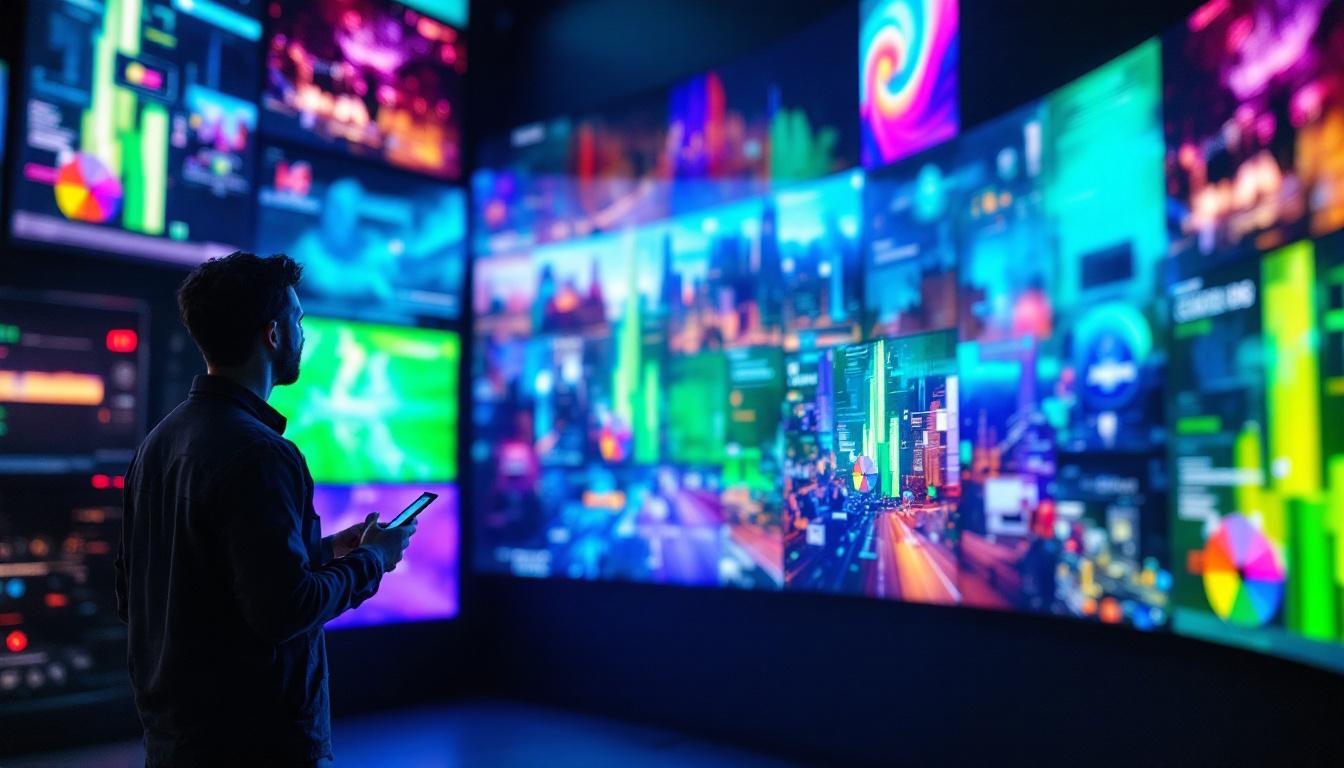
LED videowalls are composed of numerous individual LED modules, each containing thousands of tiny light-emitting diodes. These modules combine to create a seamless display surface capable of producing high brightness levels and vibrant colors, even in well-lit environments. Unlike LCD or projection-based displays, LED videowalls emit their own light, allowing for superior contrast ratios and viewing angles. This self-emitting characteristic not only enhances visibility but also enables dynamic content to be showcased with remarkable clarity, making LED videowalls a popular choice for events, advertising, and public displays.
However, the modular nature of these displays introduces complexity. Each LED module can vary slightly in brightness and color output due to manufacturing tolerances, aging, and environmental factors. Without proper calibration, these differences become noticeable, resulting in uneven color tones, brightness inconsistencies, and a less immersive viewing experience. Additionally, the flexibility of LED videowalls allows for various configurations, such as curved or irregular shapes, which can further complicate the calibration process, requiring specialized techniques to ensure a cohesive visual experience across all angles and surfaces.
Common Color Challenges in LED Videowalls
One of the primary challenges in LED videowalls is maintaining uniform color and brightness across the entire display surface. Variations can arise from:
- Module Variability: Even modules from the same production batch can have slight differences in LED performance.
- Environmental Effects: Temperature fluctuations and humidity can affect LED output and longevity.
- Ageing and Wear: Over time, LEDs degrade at different rates, causing color shifts and brightness loss.
- Viewing Angle Differences: The perceived color can change depending on the viewer’s position relative to the display.
Addressing these issues requires a systematic approach to color calibration, ensuring that the videowall delivers consistent and accurate images throughout its lifespan. Advanced calibration techniques, such as using colorimeters and software algorithms, can help mitigate these challenges by adjusting the output of each module to achieve a uniform appearance. Furthermore, regular maintenance and monitoring are essential to track the performance of the LEDs over time, allowing for timely adjustments and replacements to maintain optimal display quality.
Moreover, the integration of smart technologies into LED videowalls is revolutionizing how color challenges are managed. With the advent of automated calibration systems, these displays can now self-adjust in real-time, compensating for environmental changes or module discrepancies. This not only enhances the longevity of the display but also ensures that the content remains vibrant and engaging, regardless of external conditions. As the technology continues to evolve, the future of LED videowalls promises even more sophisticated solutions to color challenges, enabling creators to push the boundaries of visual storytelling.
The Importance of Color Calibration in LED Videowalls
Enhancing Visual Consistency and Accuracy
Color calibration aligns the output of each LED module so that the entire videowall displays uniform colors and brightness levels. This process is essential for applications where color accuracy is critical, such as:
- Broadcast Studios: Ensuring on-air graphics and video content appear true to life.
- Control Rooms: Providing operators with precise visual data for decision-making.
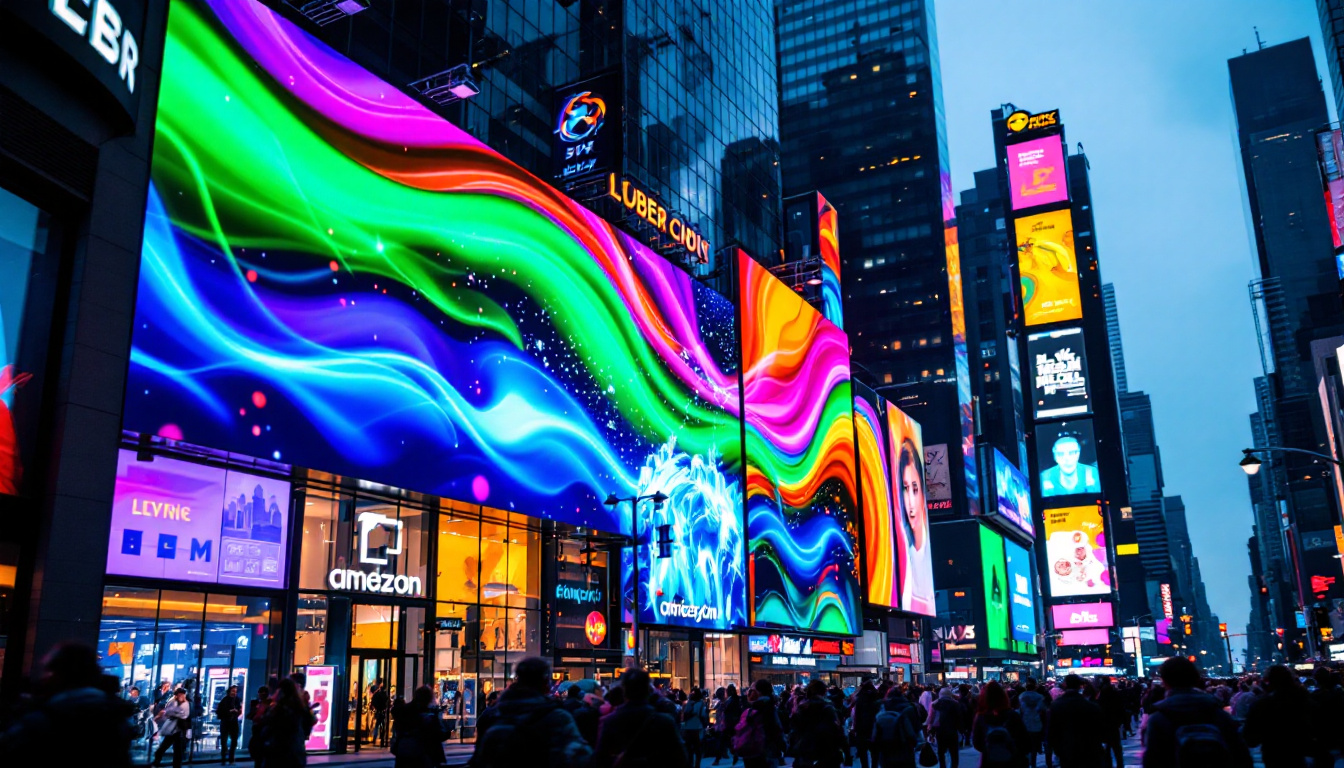
- Retail and Advertising: Maintaining brand color integrity to attract and engage customers.
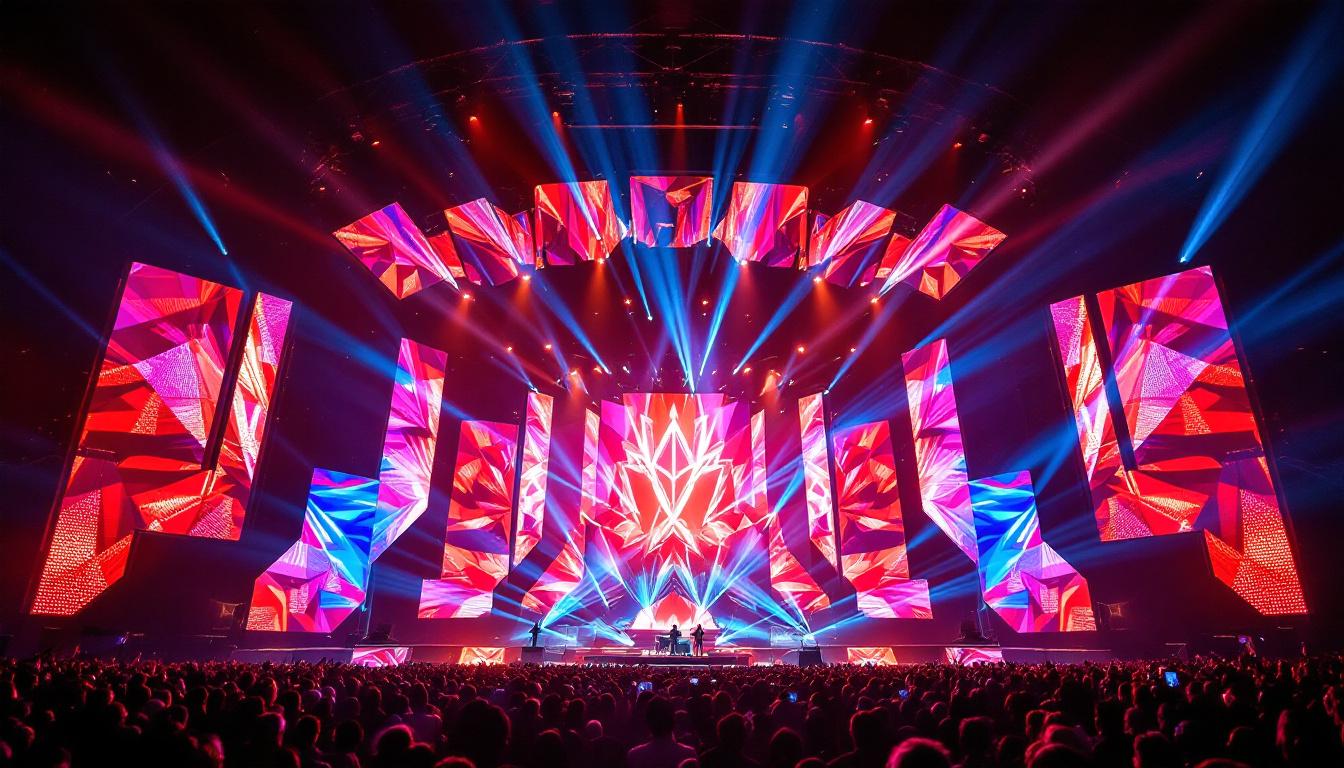
- Event Venues: Delivering immersive experiences with consistent visuals regardless of viewing angle.
Without proper calibration, viewers may experience color banding, patchiness, or inaccurate hues that detract from the intended message or visual impact. In environments like broadcast studios, even slight discrepancies in color can lead to misinterpretations of the content, potentially affecting viewer perception and trust. Moreover, in retail settings, inconsistent colors can confuse customers and diminish brand recognition, leading to lost sales opportunities. Therefore, the calibration process is not merely a technical necessity; it is a fundamental aspect of ensuring that the visual storytelling is coherent and impactful.
Extending the Lifespan and Performance of LED Videowalls
Regular calibration also helps in prolonging the operational life of LED videowalls. By compensating for LED aging and environmental changes, calibration systems can adjust output dynamically to maintain optimal performance. This proactive approach reduces the need for costly repairs or premature module replacements, ultimately lowering total cost of ownership. Additionally, effective calibration can minimize energy consumption by ensuring that the LEDs are not overdriven, which can lead to overheating and reduced lifespan. This aspect is particularly important in large installations where energy efficiency can translate to significant savings over time.
Furthermore, the calibration process can be enhanced through the use of advanced software tools that analyze the performance of each LED module in real-time. These tools can identify discrepancies and suggest adjustments, allowing for a more streamlined and efficient calibration process. As technology continues to evolve, the integration of artificial intelligence and machine learning into calibration systems may further refine the accuracy and ease of maintaining LED videowalls, making it an even more critical component of modern visual displays.
How Color Calibration Works: Techniques and Technologies
Manual vs. Automated Calibration
Historically, color calibration was a manual and labor-intensive process. Technicians used colorimeters and spectroradiometers to measure the output of each module, then adjusted settings via control software. While effective, this approach was time-consuming and prone to human error, especially for large-scale videowalls.
Today, automated calibration systems have revolutionized the process. These systems integrate sensors directly into the videowall or use external measurement devices combined with intelligent software algorithms. Automated calibration offers several advantages:
- Speed: Rapid measurement and adjustment across thousands of LEDs.
- Precision: Consistent and repeatable calibration results.
- Dynamic Adjustment: Real-time compensation for environmental changes and LED aging.
Key Calibration Methods
Several calibration methods are commonly employed in LED videowalls:
- Color Mapping: This involves creating a lookup table that translates input color signals to the corrected output values needed for uniform display.
- Gamma Correction: Adjusting the luminance response curve to ensure smooth gradations and accurate brightness perception.
- White Balance Adjustment: Ensuring that the white color point is consistent across all modules, which is critical for accurate color reproduction.
- Brightness Equalization: Balancing the intensity of each LED module to prevent hotspots or dim areas.
Combining these techniques results in a visually seamless and color-accurate videowall.
Role of Calibration Hardware
Calibration hardware plays a pivotal role in achieving precise results. Common tools include:
- Colorimeters: Devices that measure color and luminance by detecting light intensity and spectral distribution.
- Spectroradiometers: More sophisticated instruments that analyze the spectral power distribution of light sources, providing highly accurate color measurements.
- Integrated Sensors: Some modern LED modules incorporate built-in sensors that continuously monitor output and feed data to calibration software.
The choice of hardware depends on the required accuracy, budget, and the scale of the videowall installation.
Best Practices for Maintaining Color Calibration
Regular Calibration Intervals
Even the most advanced LED videowalls require periodic recalibration to maintain optimal performance. Industry experts recommend scheduling calibration sessions based on usage intensity and environmental conditions. For example, high-traffic public displays may need quarterly calibration, while controlled indoor environments might only require semi-annual or annual adjustments.
Automated systems with integrated sensors can facilitate continuous calibration, minimizing downtime and labor costs.
Environmental Control and Monitoring
Maintaining stable environmental conditions can significantly reduce color drift and calibration frequency. Controlling temperature, humidity, and dust levels around the videowall helps preserve LED performance and consistency. Additionally, monitoring these parameters allows operators to anticipate and address potential issues before they impact display quality.
Software Updates and Firmware Management
Calibration software and firmware are regularly updated to incorporate new algorithms, support emerging hardware, and fix bugs. Keeping these components current ensures that the videowall benefits from the latest advancements in color calibration technology. Many manufacturers provide cloud-based platforms for remote management and updates, streamlining maintenance workflows.
The Future of Color Calibration in LED Videowalls
Advances in AI and Machine Learning
Artificial intelligence (AI) and machine learning are poised to transform color calibration by enabling predictive and adaptive adjustments. These technologies analyze vast amounts of sensor data to detect subtle trends in LED performance degradation and environmental changes. As a result, AI-driven systems can preemptively recalibrate videowalls, optimizing image quality with minimal human intervention.
Higher Resolution and HDR Integration
As LED videowalls evolve toward higher pixel densities and support for High Dynamic Range (HDR) content, calibration demands become more stringent. Accurate color and brightness calibration are essential to fully realize the benefits of HDR, such as enhanced contrast and richer color depth. Future calibration solutions will need to handle these complexities while maintaining real-time performance.
Standardization and Interoperability
Industry-wide standards for color calibration protocols and data formats are emerging to improve interoperability between different manufacturers’ hardware and software. Standardization simplifies the calibration process, reduces costs, and ensures consistent quality across diverse installations. Organizations like the International Electrotechnical Commission (IEC) and Society for Information Display (SID) are actively involved in developing these standards.
Conclusion
Color calibration is a foundational element in the performance and longevity of LED videowalls. By addressing the inherent variability of LED modules and environmental influences, calibration ensures that these displays deliver consistent, vibrant, and accurate images that meet the high expectations of modern audiences.
Technological advancements in automated calibration, sensor integration, and AI-driven analytics are making the process more efficient and effective than ever before. For businesses and organizations investing in LED videowalls, understanding and prioritizing color calibration is essential to maximize visual impact, maintain brand integrity, and protect their investment over time.
As LED videowall technology continues to advance, staying informed about best practices and emerging trends in color calibration will be key to unlocking the full potential of these stunning visual platforms.
Discover LumenMatrix’s Advanced LED Display Solutions
As you consider the importance of color calibration for your LED videowall needs, LumenMatrix stands ready to elevate your visual experience. With our commitment to innovation and quality, we offer a diverse range of LED display solutions tailored to meet your specific requirements. Whether you’re looking to enhance brand visibility, create immersive environments, or communicate with dynamic impact, our cutting-edge technology is designed to captivate and engage your audience. Don’t let color inconsistencies hinder your message. Check out LumenMatrix LED Display Solutions today and see the difference that precision and performance can make.