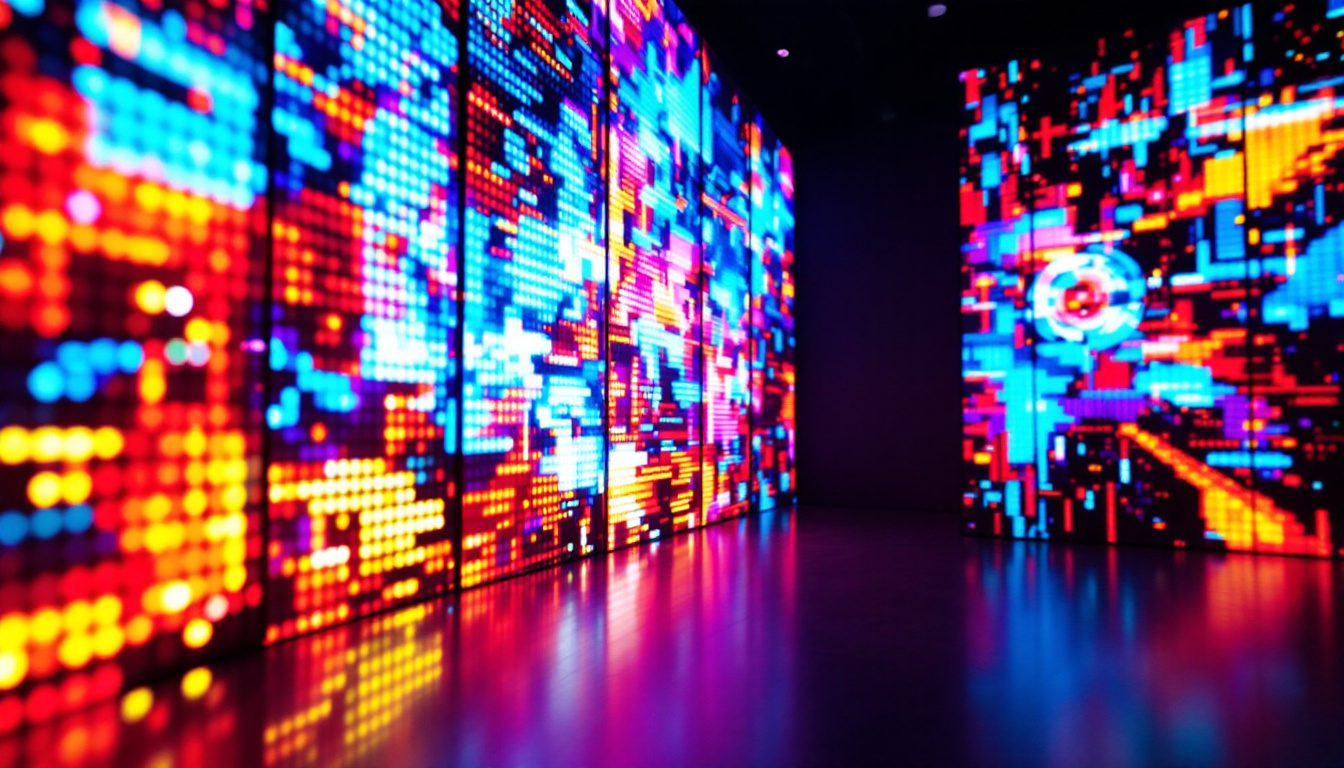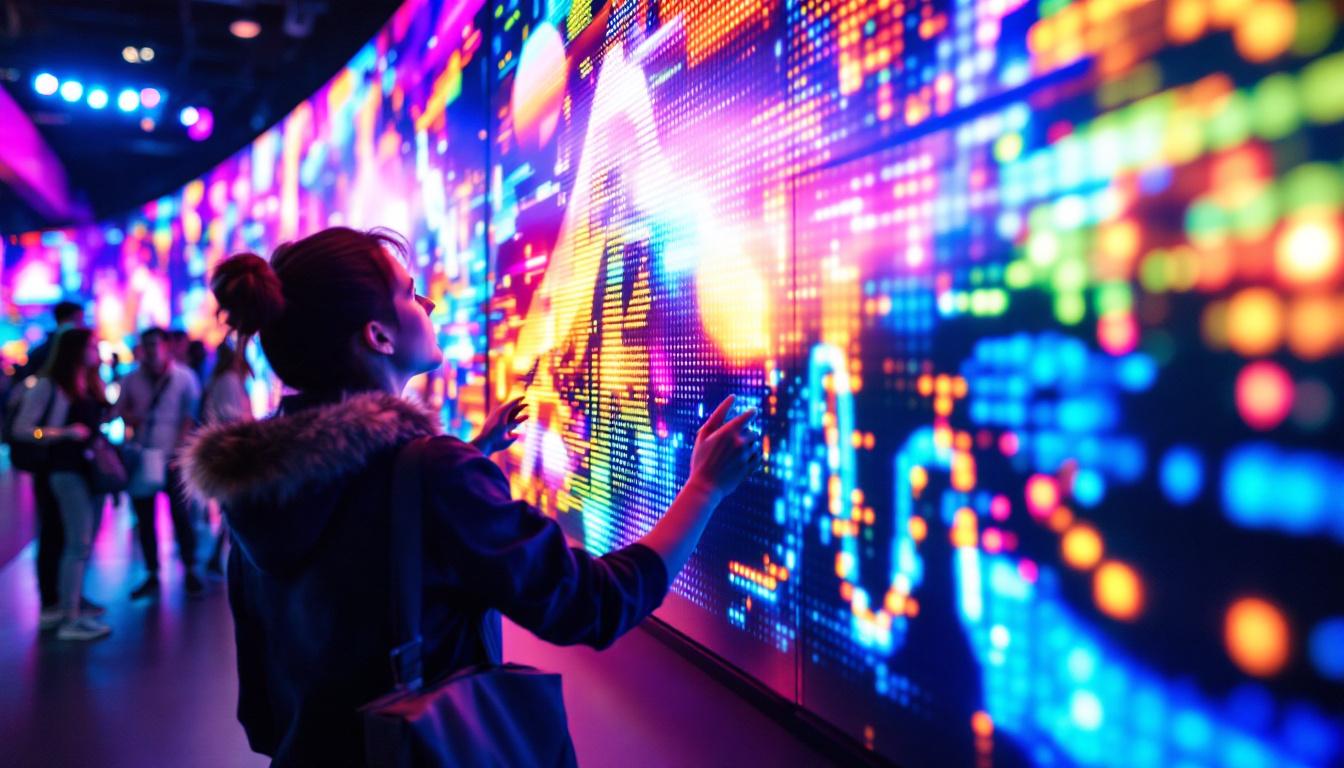
In the modern world of digital signage, television screens, and large-scale video walls, LED displays have become a cornerstone technology. Their vibrant colors, energy efficiency, and scalability make them ideal for countless applications, from indoor advertising to stadium screens. At the heart of every LED display lies the fundamental unit known as the LED display pixel. Understanding what a pixel is, how it functions, and why it matters is essential for professionals, enthusiasts, and consumers alike.
What Is an LED Display Pixel?
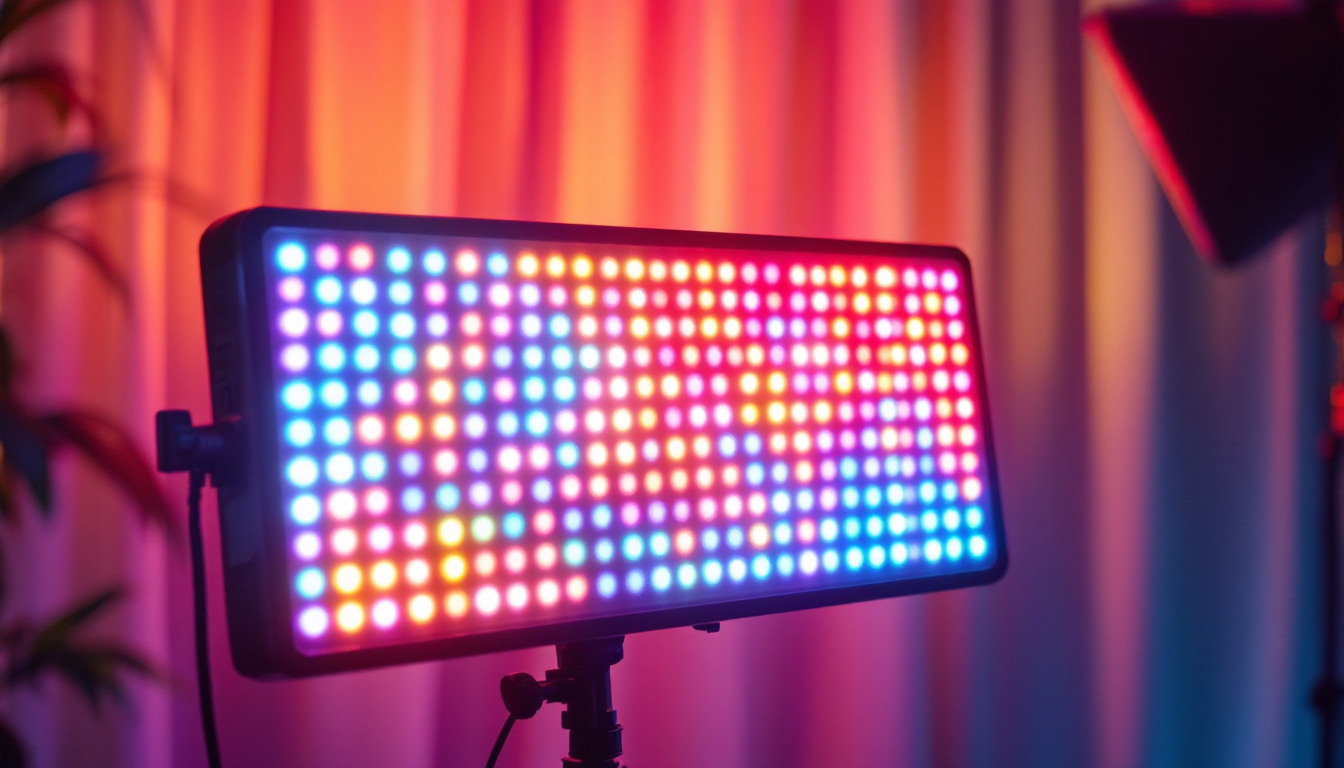
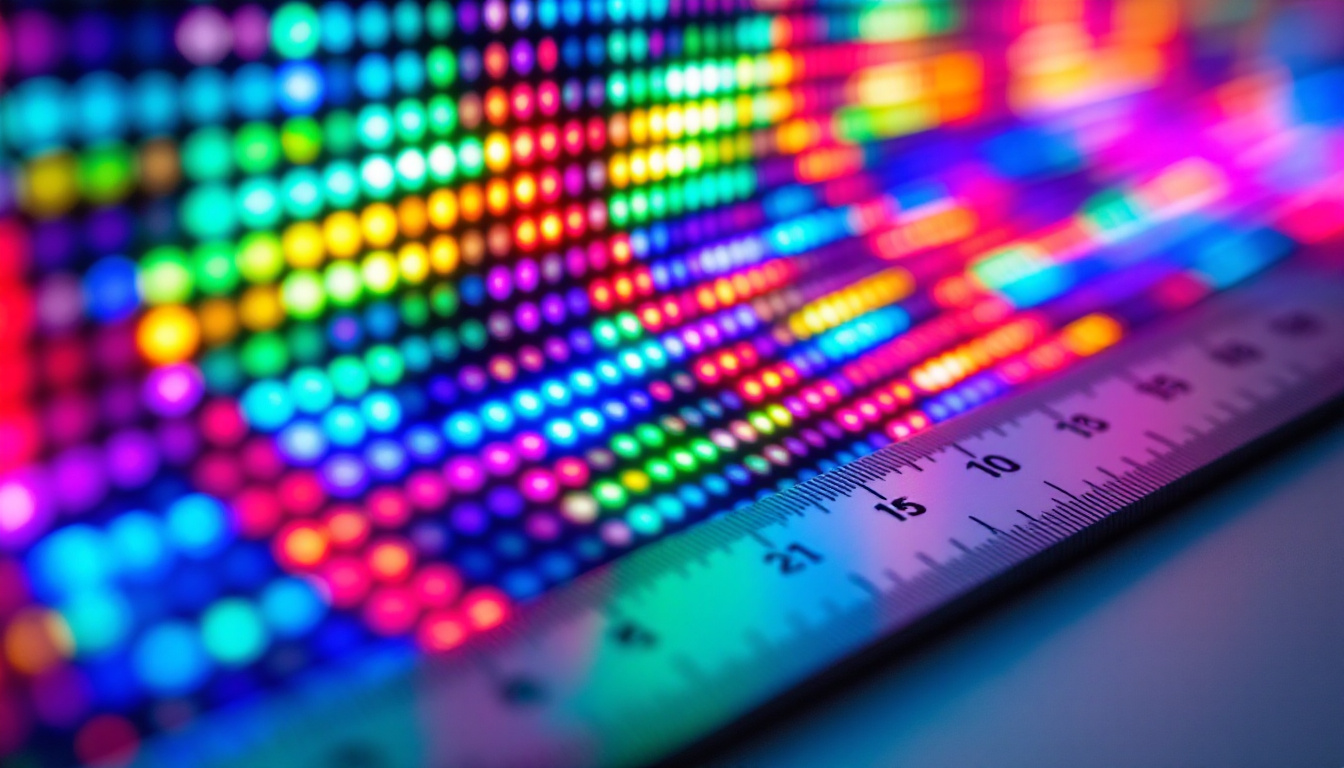
An LED display pixel is the smallest controllable element of an LED screen that emits light to create images and videos. Unlike traditional LCD pixels that rely on backlighting, LED pixels produce their own light, which results in brighter and more vivid displays. Each pixel is typically composed of multiple tiny LEDs—commonly red, green, and blue—that combine to produce a wide spectrum of colors through varying intensities.
In essence, pixels are the building blocks of any digital image on an LED screen. When millions of these pixels work together, they form the detailed and colorful images we see on everything from smartphones to massive outdoor billboards.
How Pixels Work in LED Displays
Each pixel in an LED display consists of sub-pixels, usually three, corresponding to the primary colors: red, green, and blue (RGB). By adjusting the brightness of each sub-pixel, the pixel can display a specific color. For example, when all three sub-pixels are at full brightness, the pixel appears white; when all are off, it appears black.
This additive color mixing allows LED displays to produce over 16 million colors, enabling rich, dynamic visuals. The precision with which these sub-pixels are controlled directly impacts the display’s color accuracy, contrast, and overall image quality.
Types of LED Pixels and Their Applications
LED pixels come in various forms, each suited to different applications based on size, brightness, and resolution requirements. Understanding these types helps in selecting the right display technology for specific needs.
SMD (Surface-Mounted Device) Pixels
SMD pixels are the most common type used in indoor LED displays. They consist of red, green, and blue LEDs mounted on a single chip, allowing for a compact pixel structure. This integration enables higher pixel density and better viewing angles, making SMD displays ideal for close-range viewing environments such as retail stores, conference rooms, and control centers.
One of the advantages of SMD technology is its ability to produce smooth images with fine details, thanks to smaller pixel pitches (the distance between pixels). Modern SMD LED displays can achieve pixel pitches as low as 0.8 mm, delivering near-retina quality visuals.
DIP (Dual In-line Package) Pixels
DIP pixels are traditional LED pixels where each color LED is a separate component housed in a larger package. These pixels are larger and less dense compared to SMD pixels, resulting in lower resolution but higher brightness and durability.
DIP LEDs are commonly used in outdoor displays such as stadium screens, highway billboards, and large video walls where viewing distances are greater. Their robust design allows them to withstand harsh weather conditions, making them a reliable choice for exterior installations.
Mini LED and Micro LED Pixels
Emerging technologies like Mini LED and Micro LED represent the next generation of LED pixels. Mini LEDs are smaller than traditional LEDs, allowing for even higher pixel densities and improved contrast ratios. Micro LEDs take this further by integrating microscopic LEDs that can be individually controlled, delivering exceptional brightness, color accuracy, and energy efficiency.
These advanced pixels are increasingly used in premium televisions, augmented reality devices, and high-end digital signage, offering unparalleled image quality and performance.
Pixel Pitch: The Key to Resolution and Viewing Distance
Pixel pitch is a critical specification in LED displays, referring to the distance between the centers of two adjacent pixels, measured in millimeters. It directly affects the display’s resolution and optimal viewing distance.
A smaller pixel pitch means pixels are packed more closely together, resulting in higher resolution and sharper images. Conversely, a larger pixel pitch leads to lower resolution but allows for greater brightness and visibility from longer distances.
Choosing the Right Pixel Pitch
Selecting the appropriate pixel pitch depends on the intended use case and viewing environment. For indoor applications where viewers are close to the screen, such as retail displays or control rooms, pixel pitches between 0.8 mm and 2.5 mm are common. These provide crisp, detailed images without visible pixelation.
For outdoor displays viewed from a distance, pixel pitches typically range from 4 mm to 20 mm or more. For example, a highway billboard might use a 16 mm pixel pitch, ensuring the image remains clear and legible even from hundreds of feet away.
Understanding pixel pitch helps in balancing resolution, cost, and performance to achieve the best visual experience for the target audience.
Brightness and Color Accuracy in LED Pixels
Brightness and color accuracy are two fundamental attributes that define the quality of an LED display. Both are influenced by the characteristics of individual pixels and the technology used to drive them.
Brightness Levels and Their Importance
Brightness, measured in nits (candelas per square meter), determines how well an LED display performs under various lighting conditions. Outdoor LED displays often require brightness levels exceeding 5,000 nits to remain visible in direct sunlight, while indoor displays typically operate between 300 and 1,000 nits.
The brightness of each pixel depends on the efficiency and power of its constituent LEDs. High-brightness pixels ensure that images remain vivid and legible, even in challenging environments. However, excessive brightness can lead to increased power consumption and heat generation, which must be managed carefully.
Achieving Accurate Colors
Color accuracy in LED displays hinges on the quality of the LEDs and the calibration of the pixel sub-components. High-quality LEDs with consistent color spectra produce more precise colors, enhancing the realism and appeal of the displayed content.
Advanced calibration techniques, such as color mapping and gamma correction, adjust the intensity of each sub-pixel to match target color standards like Rec. 709 or DCI-P3. This ensures that the colors seen on the screen are true to the original content, which is especially important in professional video production, medical imaging, and retail environments.
LED Pixel Control and Driving Technologies
Controlling millions of LED pixels in a display requires sophisticated driving electronics and software. The way pixels are powered and managed affects the display’s performance, reliability, and lifespan.
Static vs. Dynamic Driving
Static driving means each LED pixel is powered continuously, which is common in smaller displays with fewer pixels. This method offers stable brightness and color but can be less efficient for large-scale displays.
Dynamic driving, often used in large LED video walls, involves multiplexing where pixels are powered in rapid succession. This reduces power consumption and heat generation but requires precise timing and control to avoid flickering or color inconsistencies.
Refresh Rate and Its Impact
The refresh rate, measured in Hertz (Hz), indicates how many times per second the display updates its image. Higher refresh rates reduce flicker and motion blur, providing smoother video playback and a more comfortable viewing experience.
LED displays typically operate at refresh rates of 1,000 Hz or higher, especially in broadcast and live event applications, ensuring that cameras can capture the screen without flicker artifacts.
Maintenance and Longevity of LED Pixels
LED displays are known for their durability and long service life, but maintaining pixel performance over time requires attention to several factors.
Common Causes of Pixel Failure
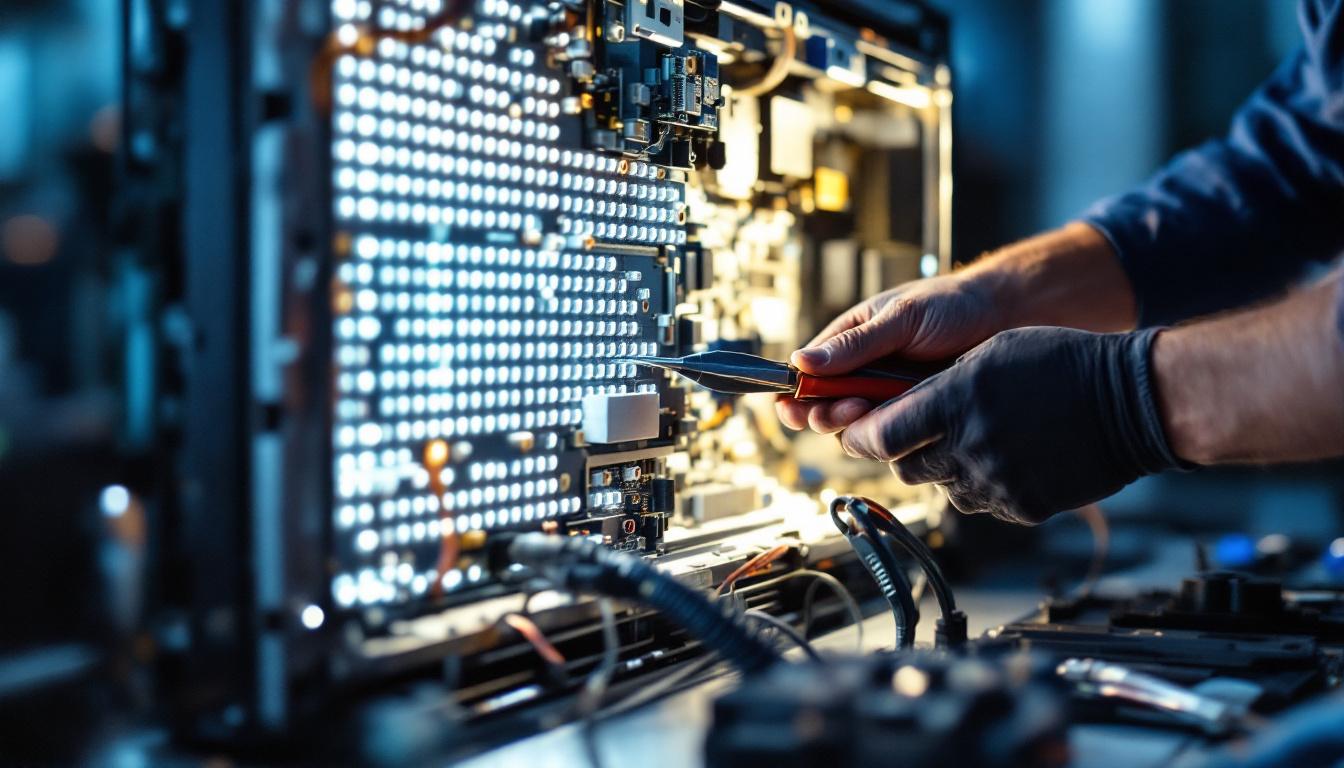
Pixel failure can occur due to LED degradation, electrical faults, or physical damage. Environmental factors such as moisture, temperature fluctuations, and dust can accelerate wear and tear, especially in outdoor installations.
Manufacturers often rate LED displays with a lifespan of 50,000 to 100,000 hours, but actual longevity depends on usage patterns and maintenance practices.
Preventive Maintenance Strategies
Regular cleaning, proper ventilation, and timely repairs help preserve pixel integrity. Advanced LED displays include monitoring systems that detect malfunctioning pixels, enabling quick identification and replacement.
Investing in quality components and professional installation also minimizes the risk of premature pixel failure, ensuring consistent performance and return on investment.
Future Trends in LED Pixel Technology
The LED display industry continues to evolve rapidly, driven by innovations in pixel technology and manufacturing processes.
Higher Resolution and Smaller Pixels
As demand for ultra-high-definition displays grows, pixel pitches are shrinking further. Technologies like Micro LED promise pixel pitches below 0.5 mm, enabling seamless, bezel-free screens with unprecedented clarity.
Energy Efficiency and Sustainability
New LED materials and driving methods are improving energy efficiency, reducing power consumption without sacrificing brightness or color quality. Sustainable manufacturing practices and recyclable components are also gaining attention, aligning the industry with global environmental goals.
Integration with Smart Technologies
Future LED displays will increasingly integrate sensors, AI-driven content management, and interactive capabilities. Pixels themselves may become adaptive, adjusting brightness and color dynamically based on ambient conditions and viewer preferences.
Conclusion
LED display pixels are the fundamental elements that make modern digital displays possible. Their design, technology, and control determine the quality, brightness, and color accuracy of the images we see every day. Whether for indoor retail signage, outdoor advertising, or cutting-edge television screens, understanding LED pixels helps in making informed decisions about display technology.
As LED technology advances, pixels will become smaller, more efficient, and smarter, opening new possibilities for immersive visual experiences. Staying informed about these developments is essential for businesses and consumers seeking to leverage the full potential of LED displays.
Discover LumenMatrix’s Innovative LED Solutions
Ready to elevate your visual experience with the latest in LED technology? Look no further than LumenMatrix, a pioneer in crafting LED displays that bring your content to life with unparalleled brightness and color accuracy. From dynamic indoor and outdoor displays to specialized solutions like vehicle and sports displays, LumenMatrix offers a wide array of options to meet your unique needs. Embrace the future of visual communication with our cutting-edge LED display modules and transform how you engage with your audience. Check out LumenMatrix LED Display Solutions today and see the difference for yourself.