In today’s fast-paced digital world, LED displays have become an integral part of communication, advertising, and entertainment. From billboards towering over cityscapes to vibrant screens in stadiums and retail stores, LED technology continues to transform how information is presented and perceived. This article delves into the essentials of LED displays, exploring what makes them unique, how they work, and why they are the preferred choice for so many applications worldwide.
Understanding LED Display Technology
What is an LED Display?
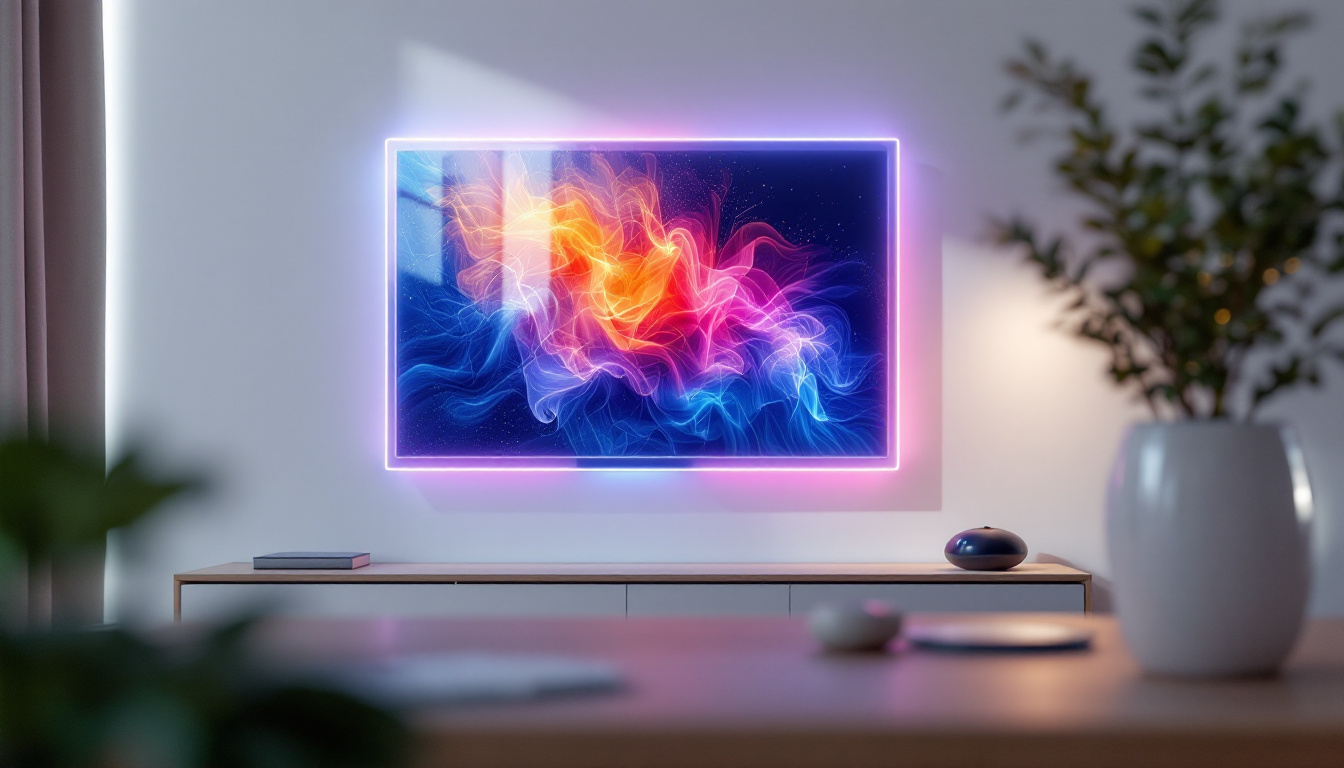
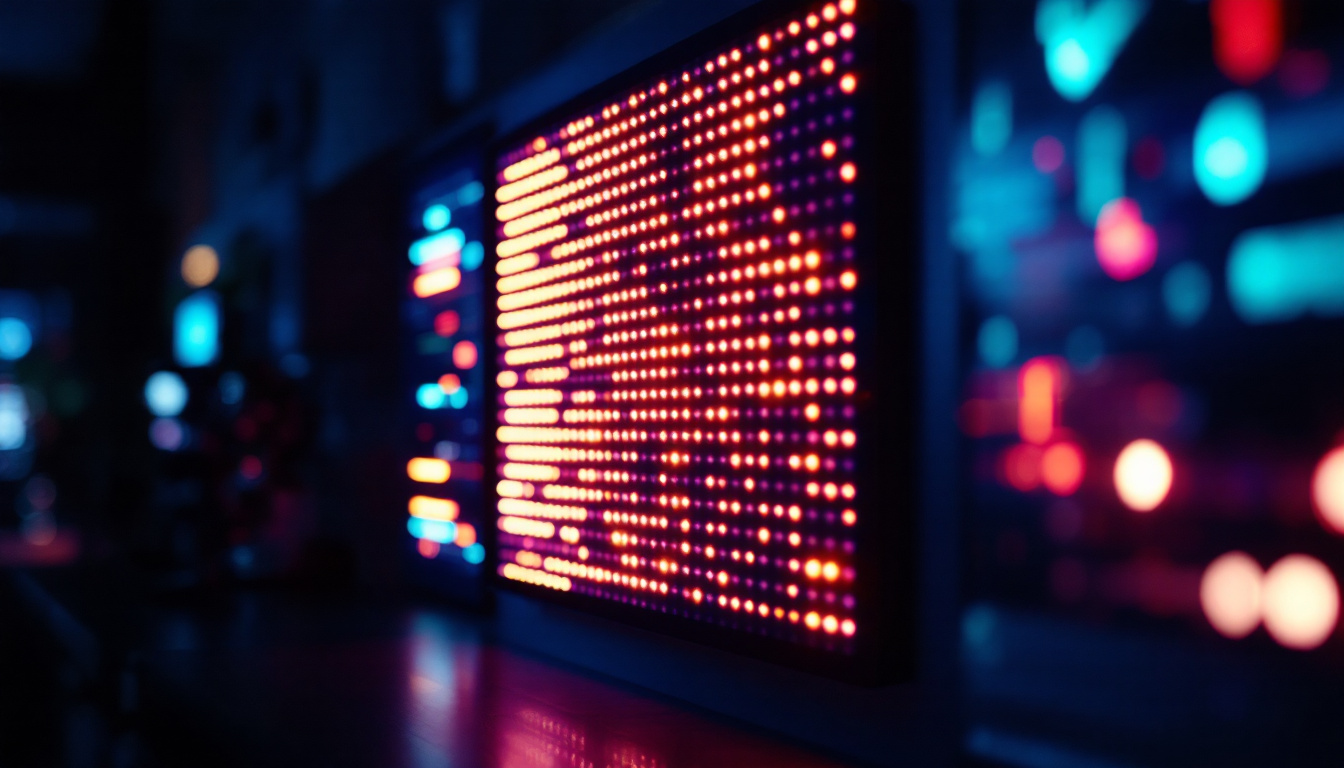
LED stands for Light Emitting Diode, a semiconductor device that emits light when an electric current passes through it. An LED display is essentially a screen made up of thousands, sometimes millions, of these tiny diodes arranged in a matrix to form images, videos, or text. Unlike traditional LCD or plasma screens, LED displays use these diodes as individual pixels, which can be turned on or off independently to create vibrant and dynamic visuals.
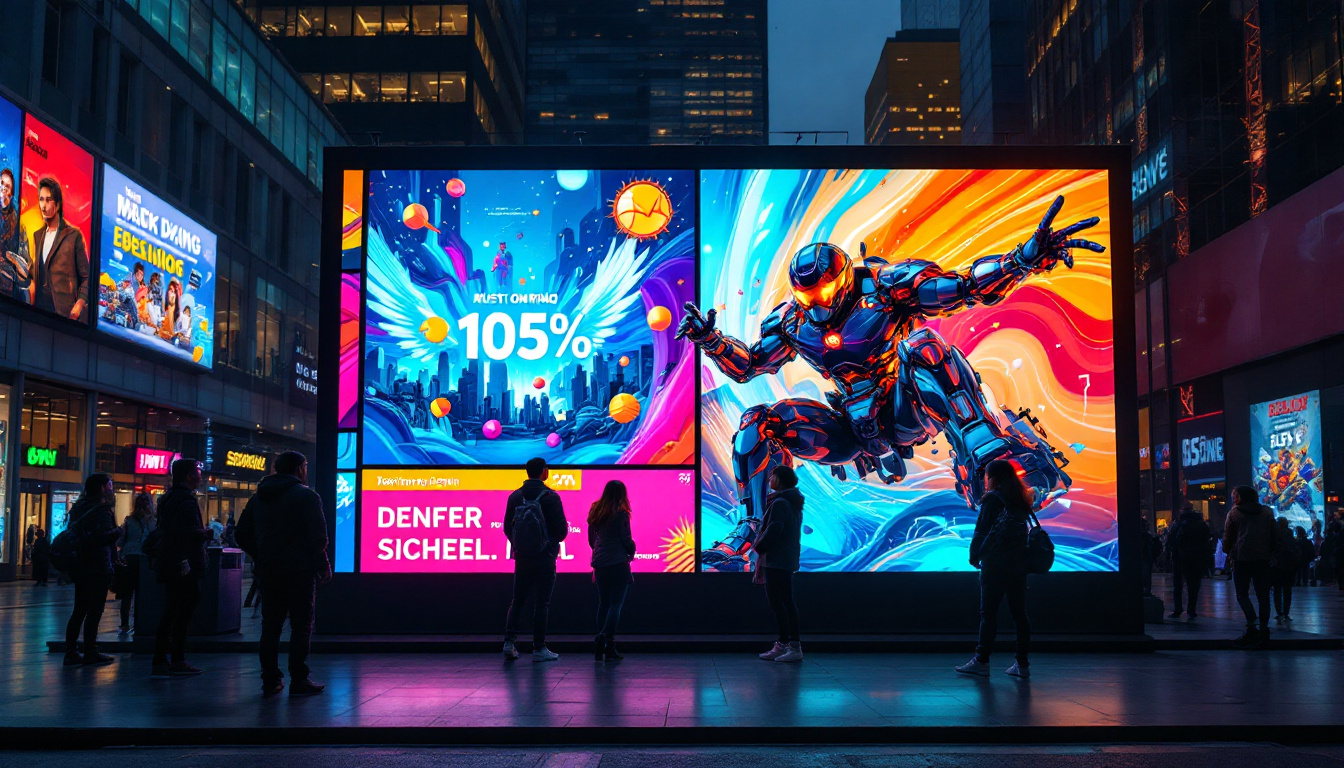
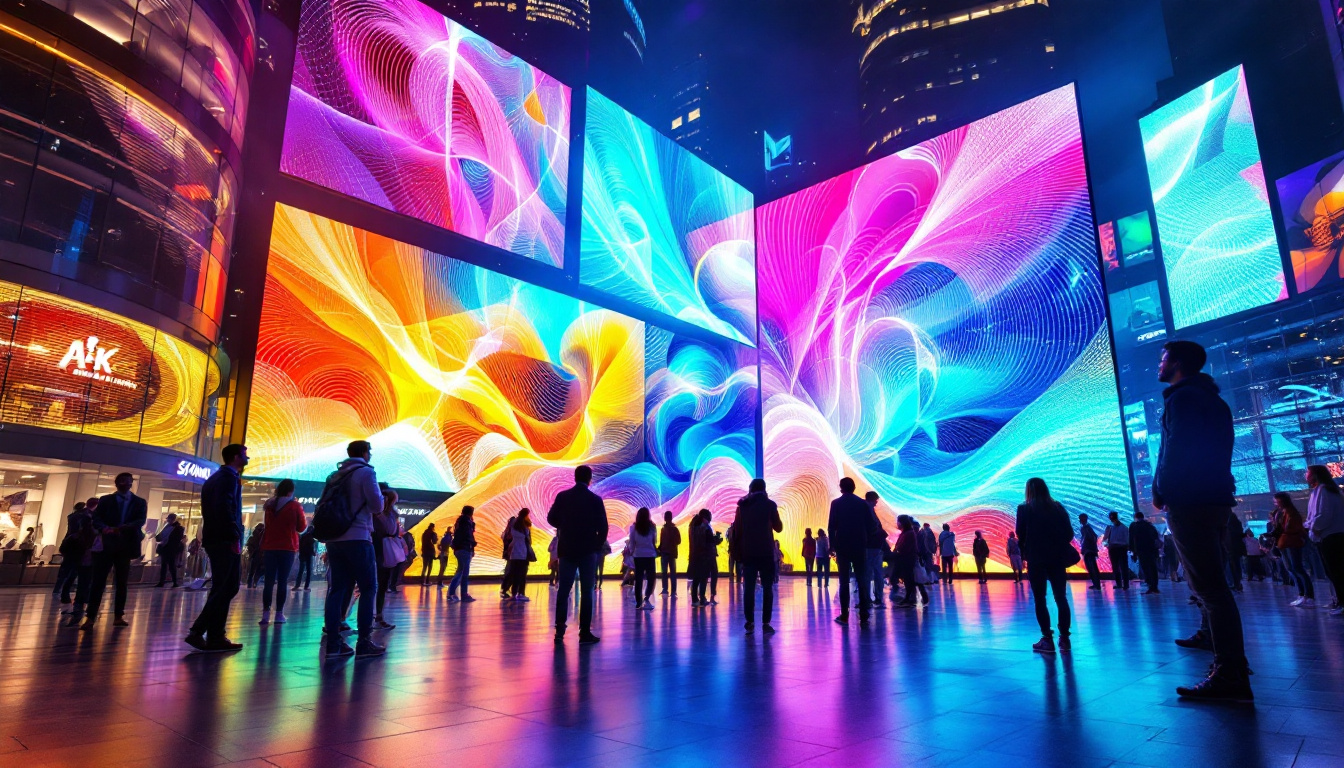
LED displays vary widely in size and resolution, from small digital signage panels to massive outdoor video walls. Their versatility and brightness make them ideal for both indoor and outdoor environments, providing clear visibility even under direct sunlight. The technology has revolutionized advertising, entertainment, and information dissemination, allowing for captivating displays that draw attention and engage audiences effectively. As a result, LED displays have become a staple in various industries, from retail to sports arenas, enhancing the viewer experience with their high-quality imagery and dynamic content capabilities.
How Do LED Screens Work?
Each pixel on an LED screen consists of one or more diodes that emit red, green, and blue light. By adjusting the intensity of these three colors, the screen can produce a full spectrum of colors. This is known as RGB color mixing, which is the foundation of all color displays. The precision with which these colors can be mixed allows for the display of millions of different hues, making LED screens particularly effective for applications that require high color accuracy, such as graphic design and video production.
The control system behind an LED display processes incoming video signals and sends commands to the individual LEDs to create the desired image. Modern LED screens use sophisticated software and hardware to ensure smooth transitions, high refresh rates, and accurate color reproduction. Additionally, advancements in technology have led to the development of features like HDR (High Dynamic Range), which enhances the contrast and color range of the display, making images appear more lifelike and immersive. This level of detail is crucial for applications in cinema and gaming, where visual fidelity is paramount.
Types of LED Displays
LED displays come in several forms, each suited to different applications:
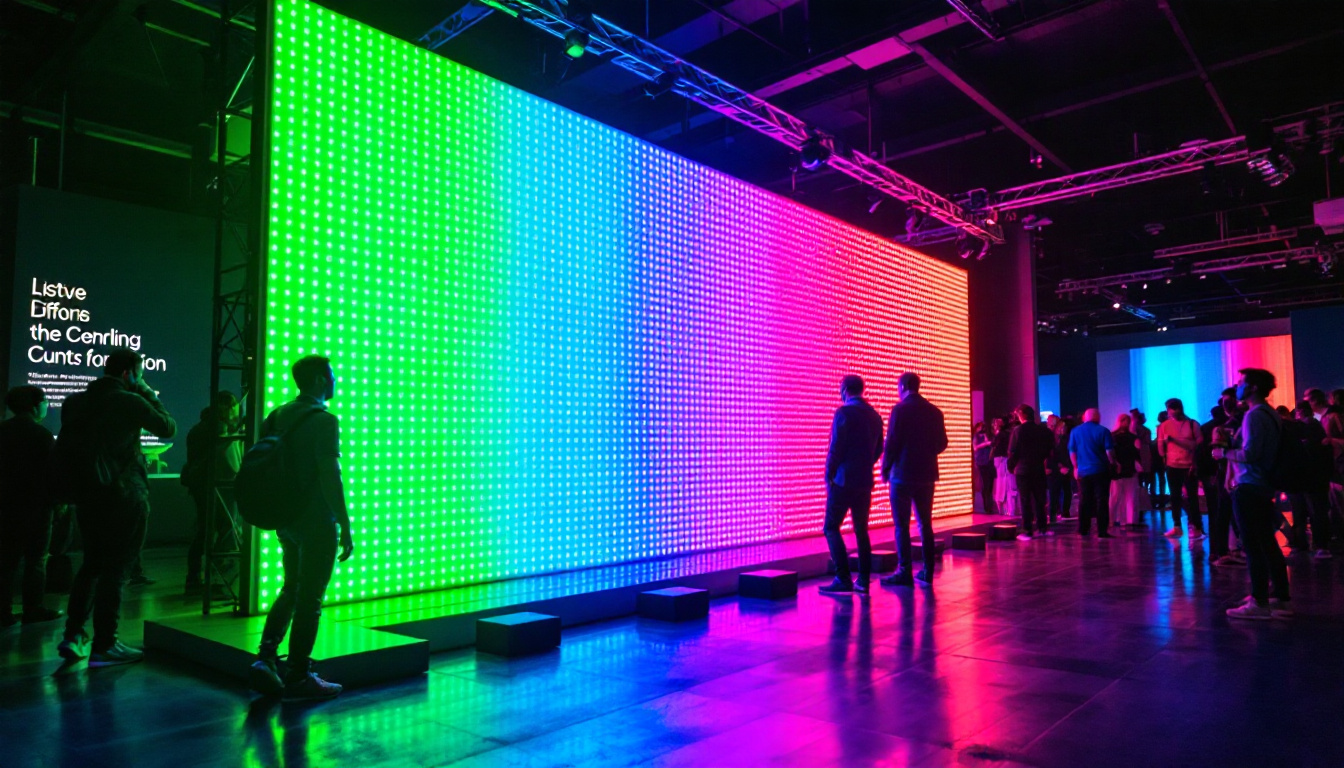
- Indoor LED Displays: Designed for environments with controlled lighting, these screens have a higher pixel density and finer pitch (distance between pixels), resulting in sharper images at close viewing distances. They are commonly used in conference rooms, retail spaces, and stage backdrops, where high image quality is essential.
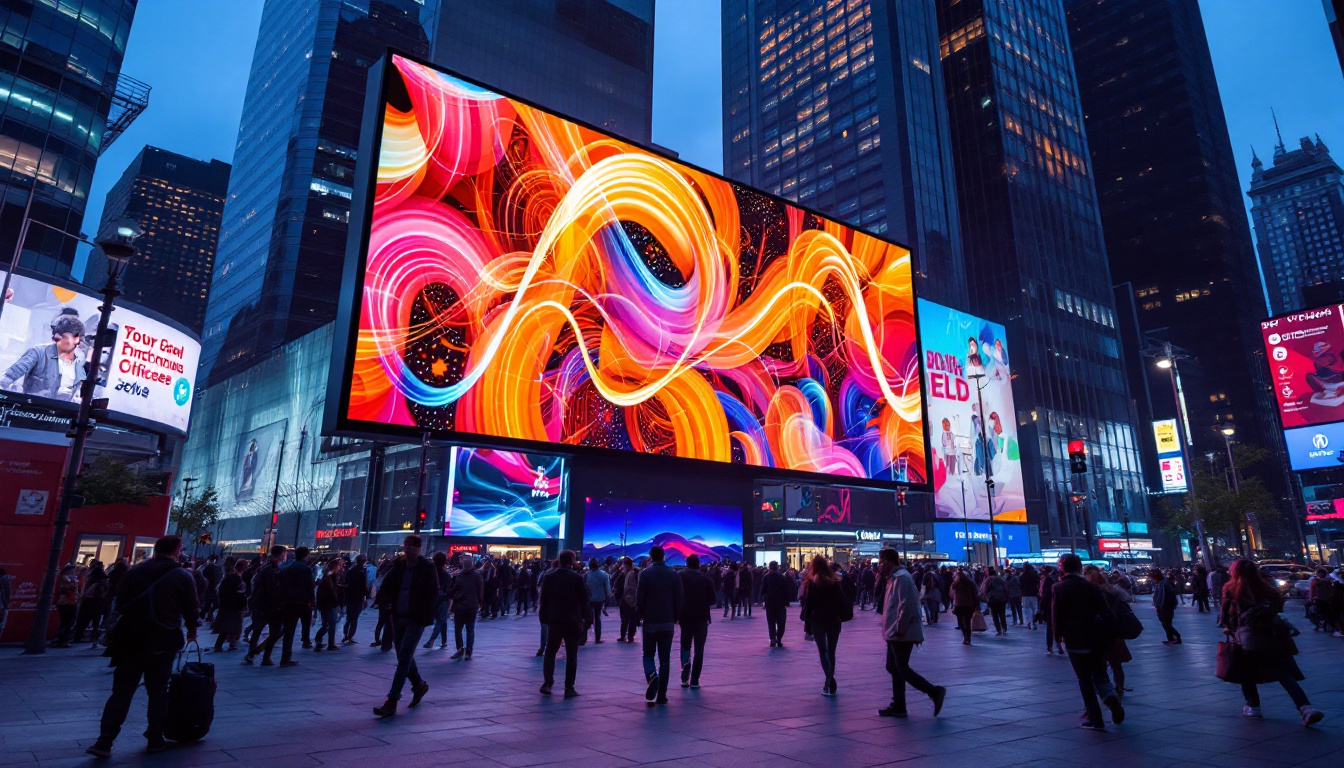
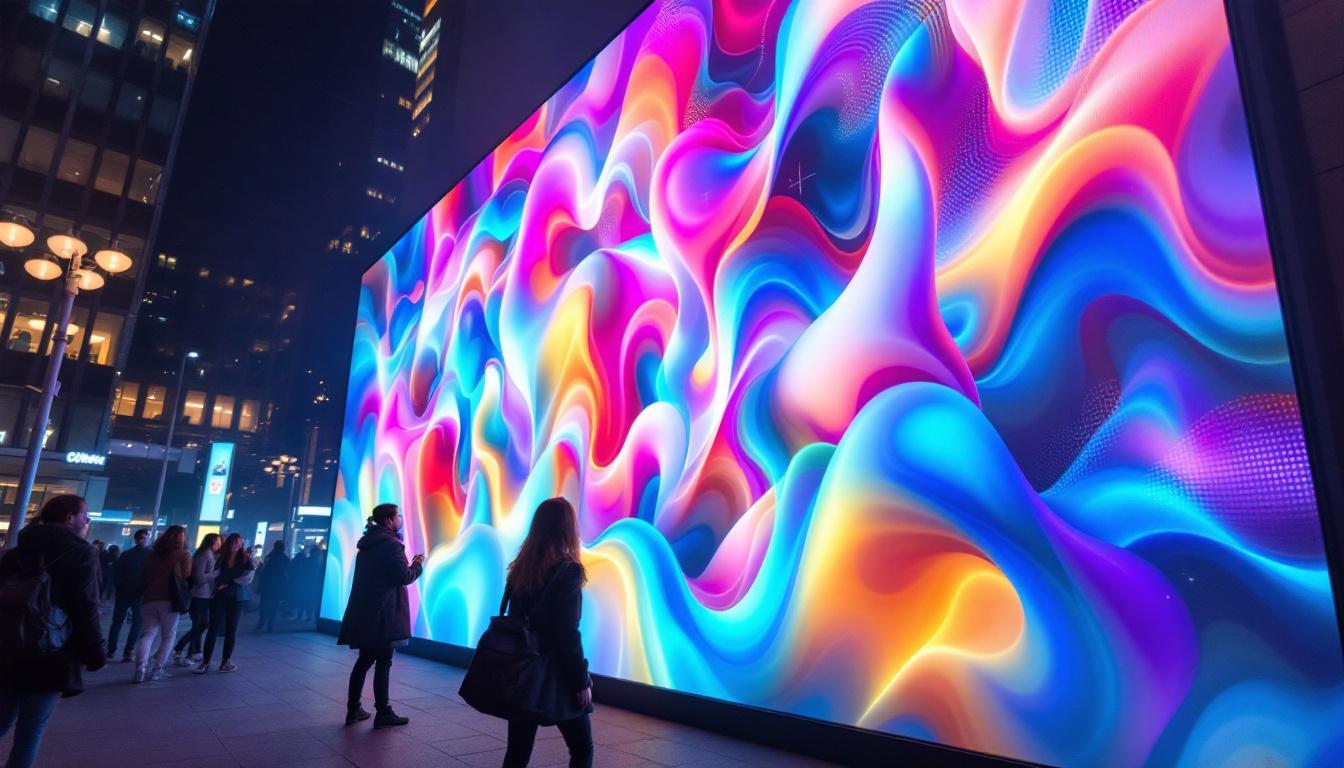
- Outdoor LED Displays: Built to withstand weather conditions, these screens are brighter and have a wider pixel pitch to ensure visibility from greater distances. They are often seen in billboards, sports stadiums, and public squares, where they can capture the attention of passersby and convey messages effectively, even in bright sunlight.
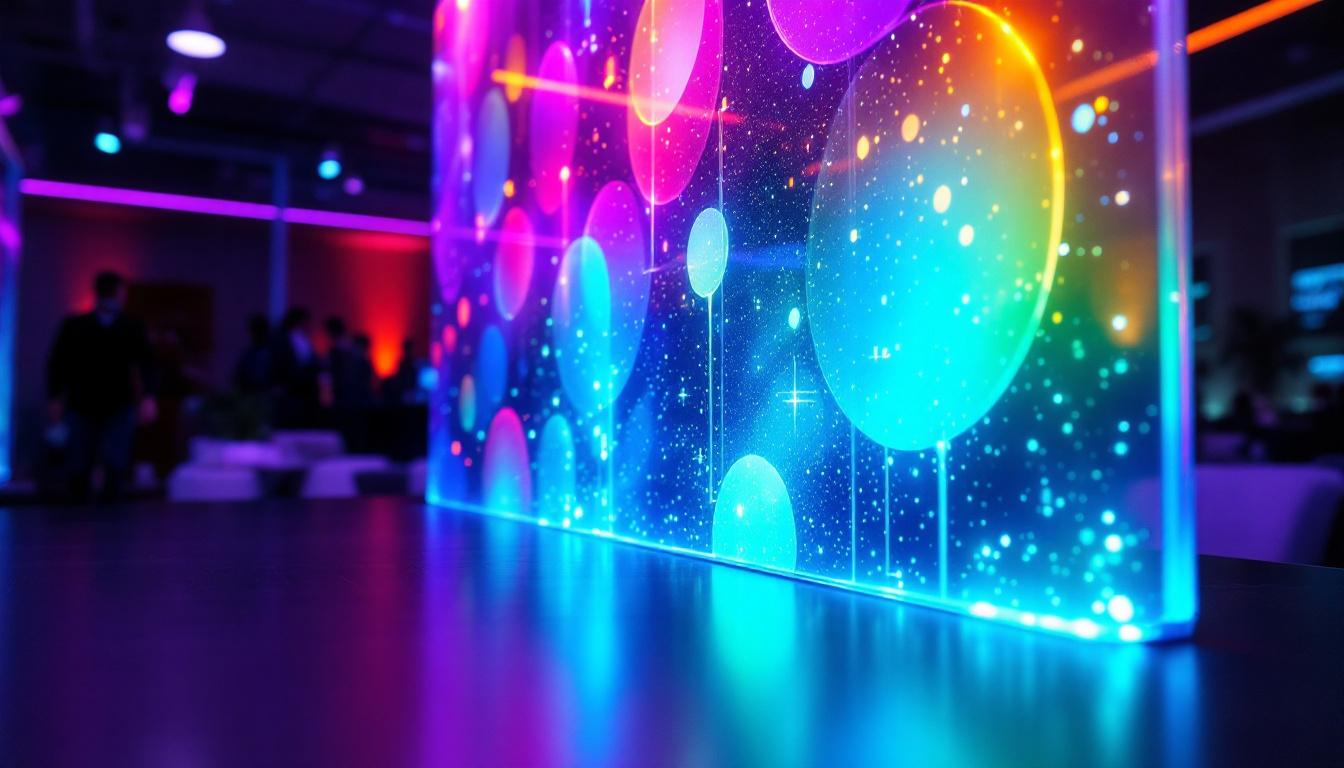
- Transparent LED Displays: These innovative screens allow light to pass through, making them perfect for storefront windows and architectural installations without obstructing views. They provide a unique way to display advertisements while maintaining the aesthetic of the surrounding environment, allowing businesses to engage customers without compromising their visual appeal.
- Flexible LED Displays: Utilizing bendable substrates, these screens can curve around surfaces, opening up creative possibilities in design and advertising. This flexibility enables designers to create eye-catching installations that can adapt to various shapes and sizes, making them ideal for modern architecture and artistic displays.
Furthermore, the rise of LED technology has led to the emergence of new applications, such as interactive displays that respond to touch or motion, enhancing user engagement. These displays are increasingly being integrated into retail environments, museums, and exhibitions, providing an immersive experience that captivates audiences and encourages interaction. As technology continues to evolve, the potential for LED displays in various sectors seems limitless, paving the way for innovative solutions that blend functionality with creativity.
Advantages of LED Displays Over Other Technologies
Brightness and Visibility
One of the most significant advantages of LED screens is their exceptional brightness. Outdoor LED displays can reach brightness levels of over 5,000 nits, making them easily visible even in direct sunlight. This contrasts sharply with LCD screens, which typically max out around 1,000 nits and often struggle with glare.
This high brightness capability makes LED displays the go-to choice for outdoor advertising, sports arenas, and public information boards where visibility is critical.
Energy Efficiency and Longevity
LED technology is inherently energy-efficient compared to older display technologies like plasma or incandescent lighting. LEDs consume less power while providing brighter output, which translates to lower operating costs over time.
Moreover, LED displays boast a longer lifespan, often rated between 50,000 to 100,000 hours of operation. This durability reduces maintenance expenses and downtime, making them a cost-effective investment for businesses and municipalities.
Color Accuracy and Contrast
Because each pixel is an individual light source, LED screens can achieve true blacks by simply turning off specific LEDs. This capability results in superior contrast ratios compared to LCDs, which rely on backlighting and cannot produce true black.
The precise control over individual diodes also allows LED displays to render colors with high accuracy and vibrancy, enhancing the viewer’s experience whether watching a commercial, a live event, or digital art.
Applications of LED Displays
Advertising and Marketing
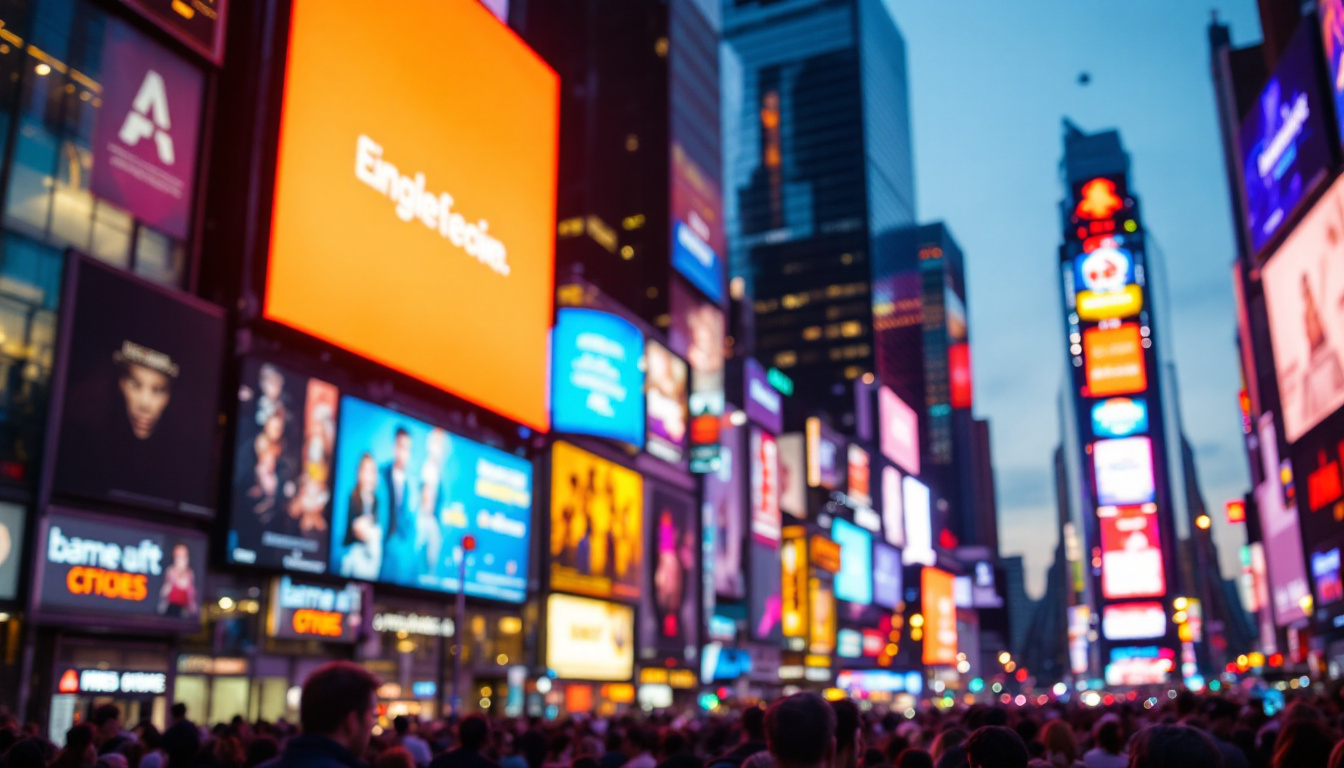
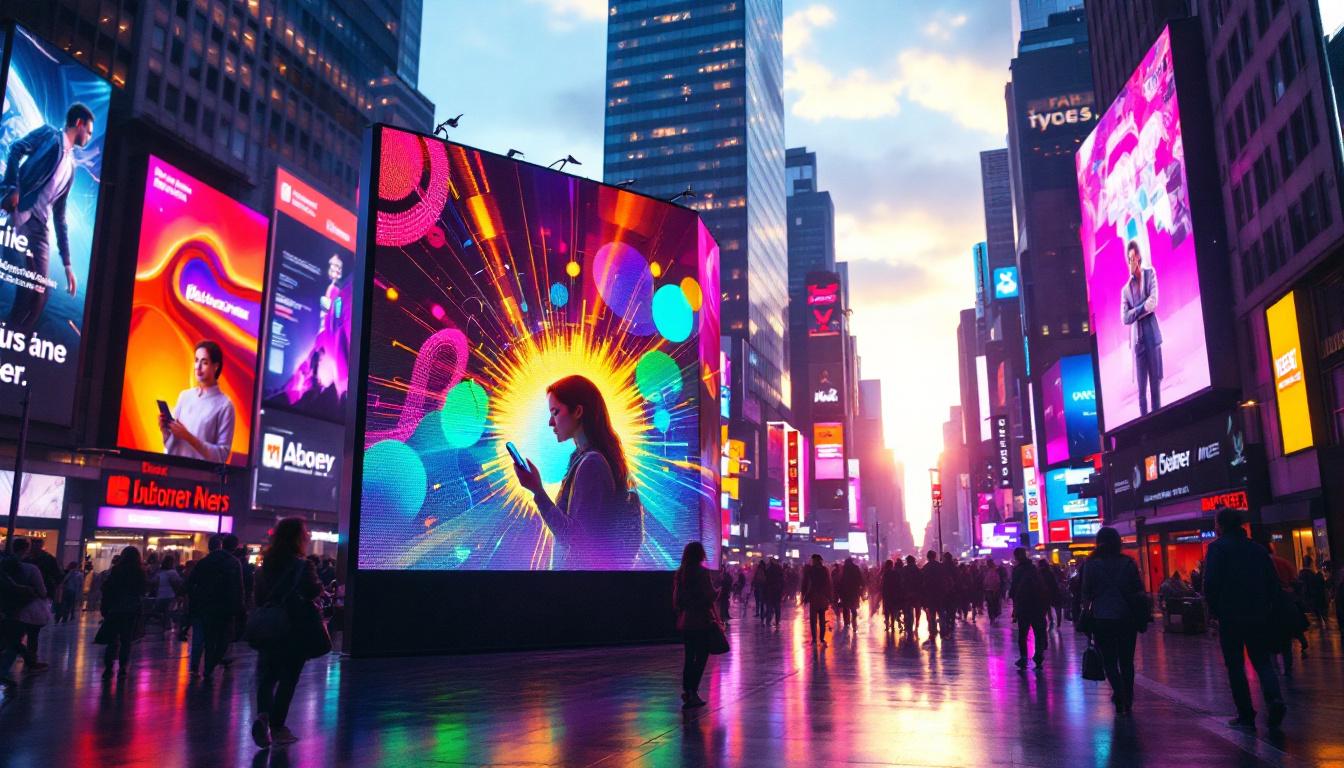
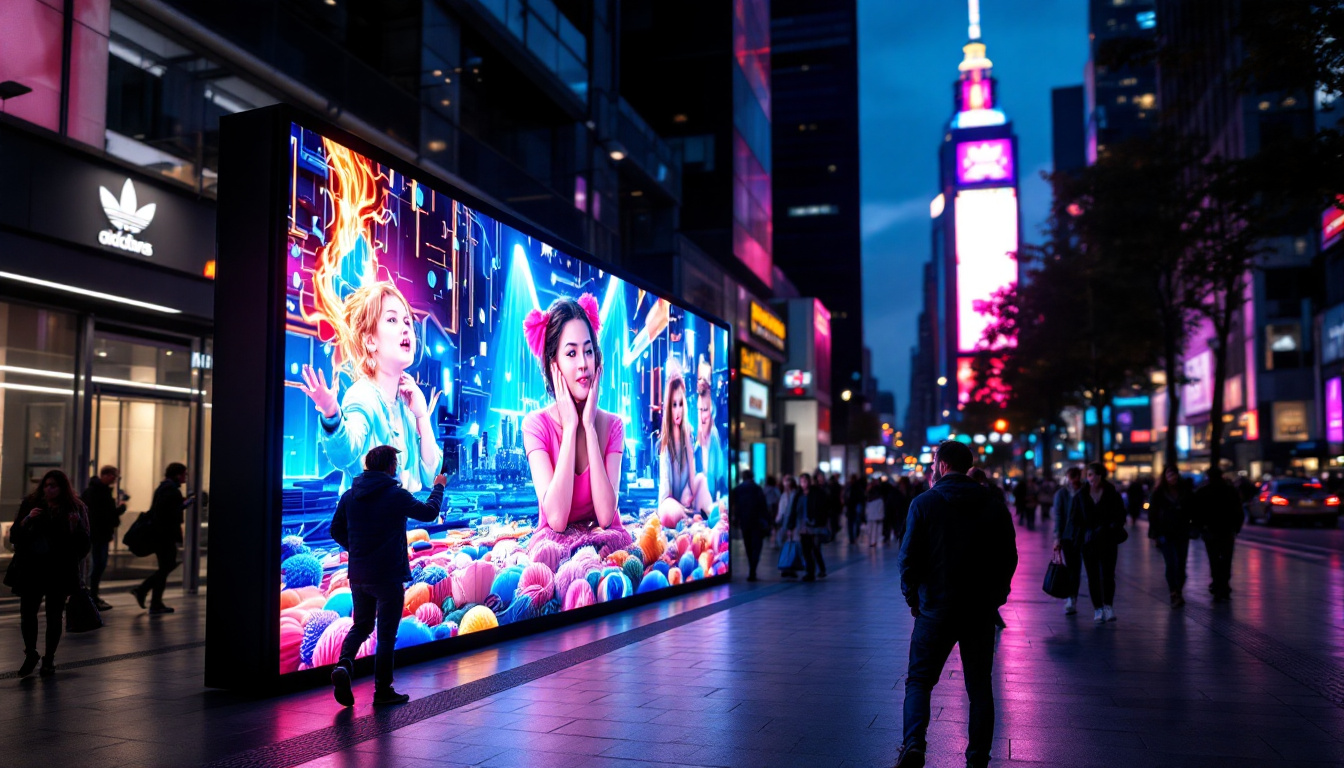
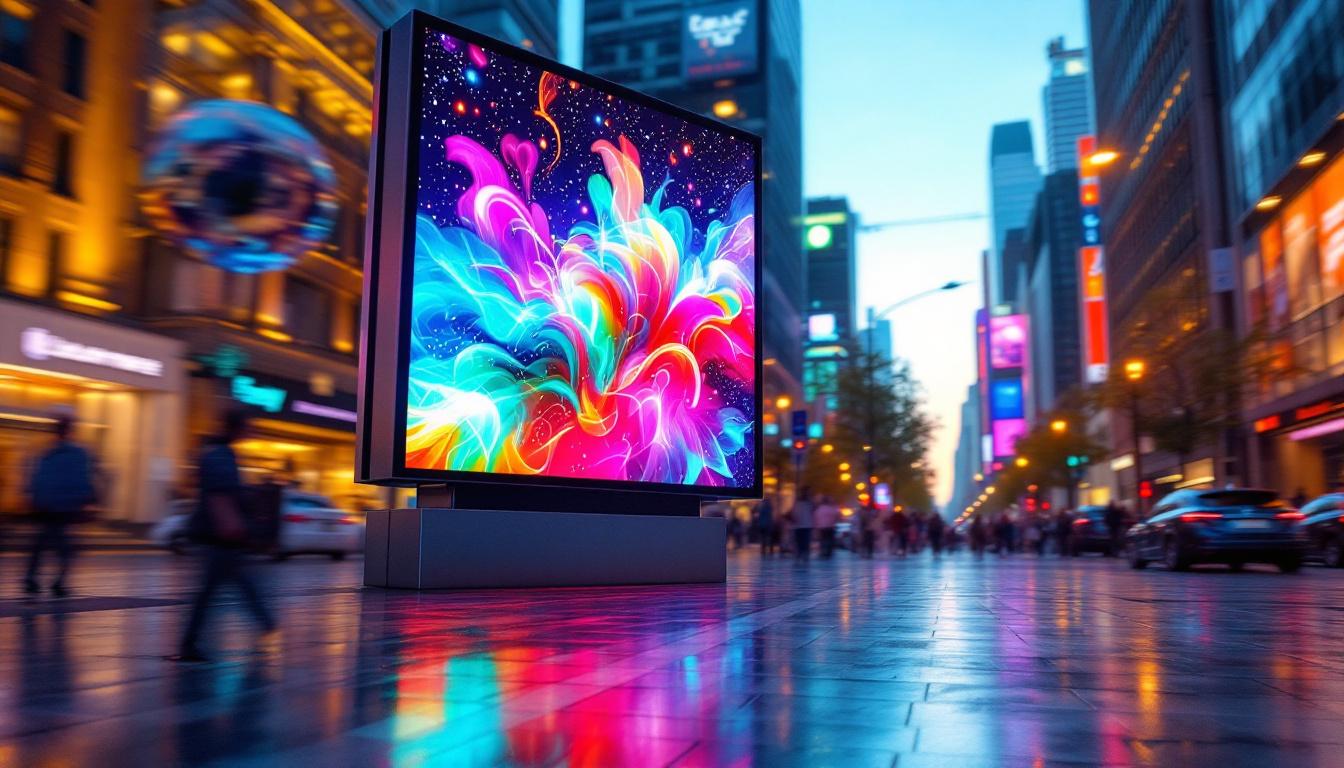
LED displays have revolutionized the advertising industry by enabling dynamic, eye-catching content that can be updated in real-time. Digital billboards equipped with LED technology allow advertisers to tailor messages based on time of day, weather, or audience demographics, increasing engagement and effectiveness.
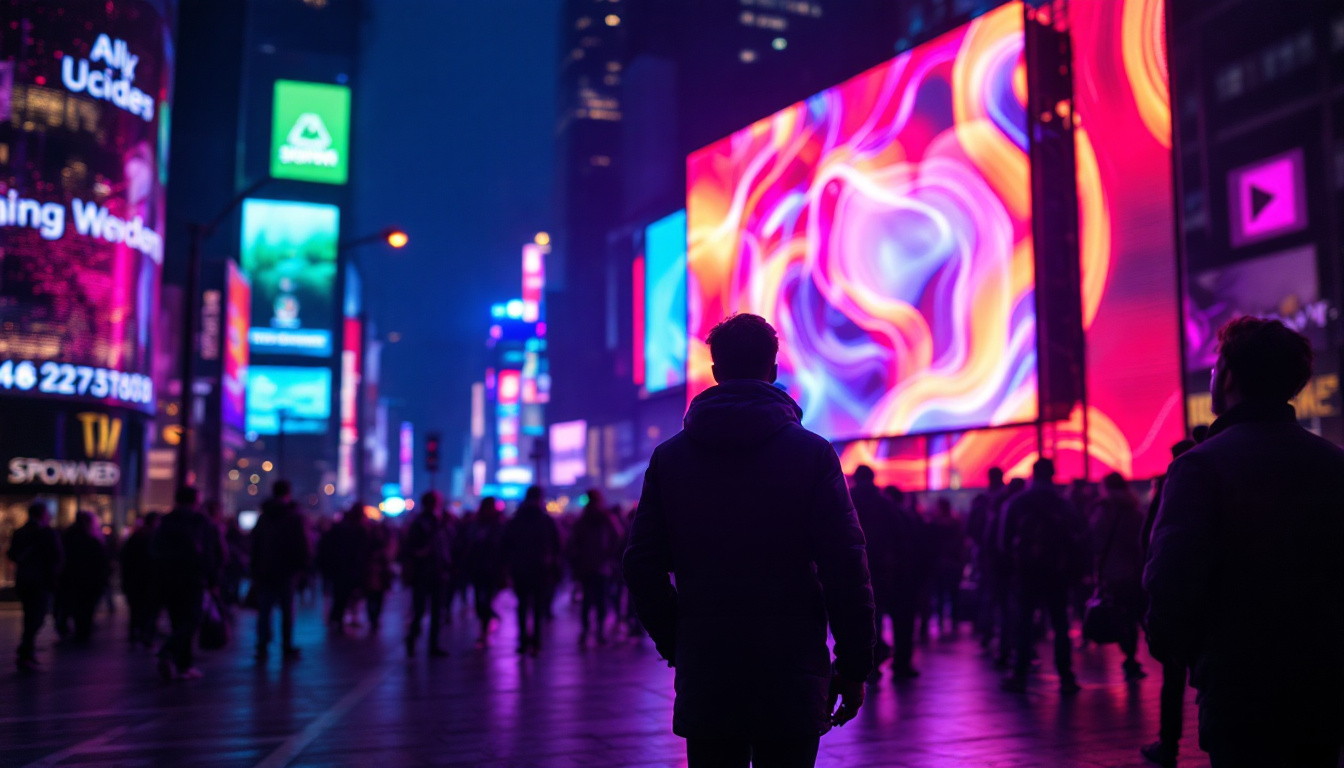
For example, Times Square in New York City is renowned for its massive LED billboards that light up the area with colorful, animated advertisements 24/7. This kind of visibility drives brand awareness on a global scale.
Sports and Entertainment Venues
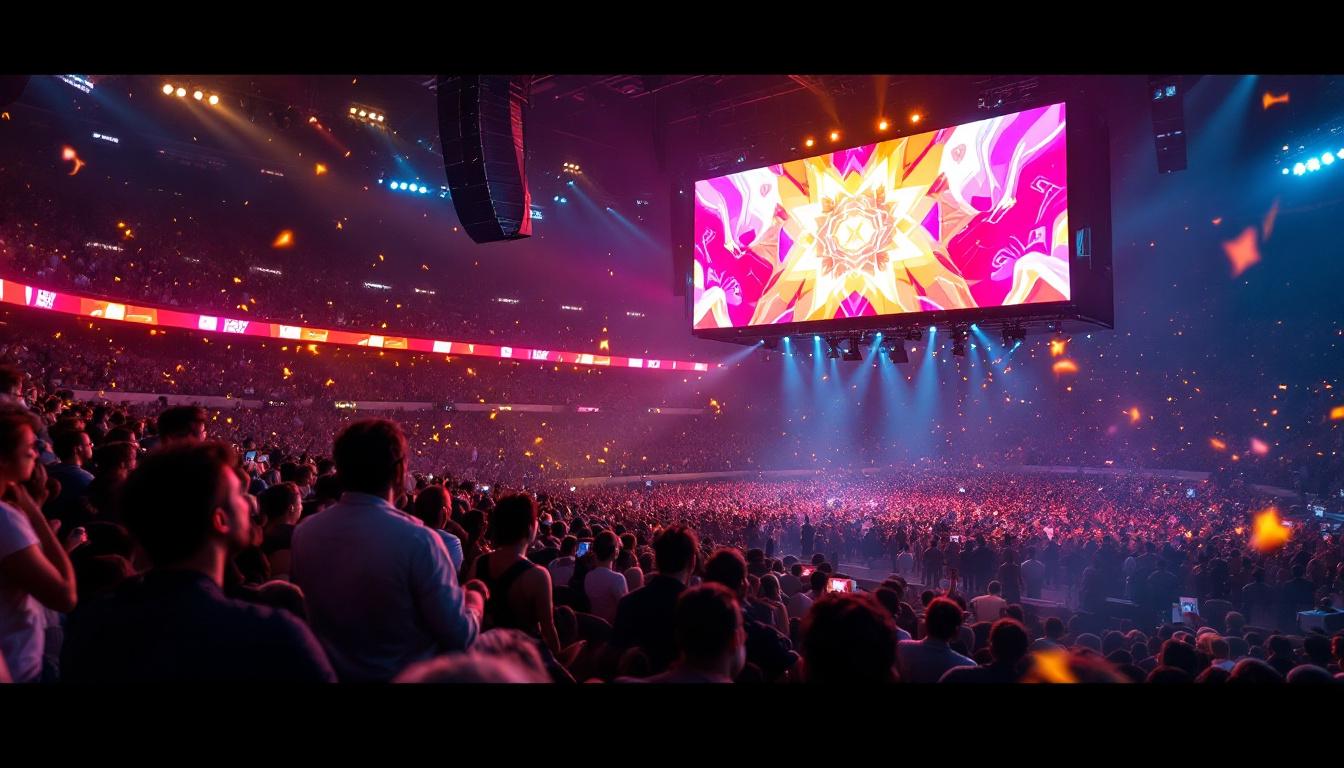
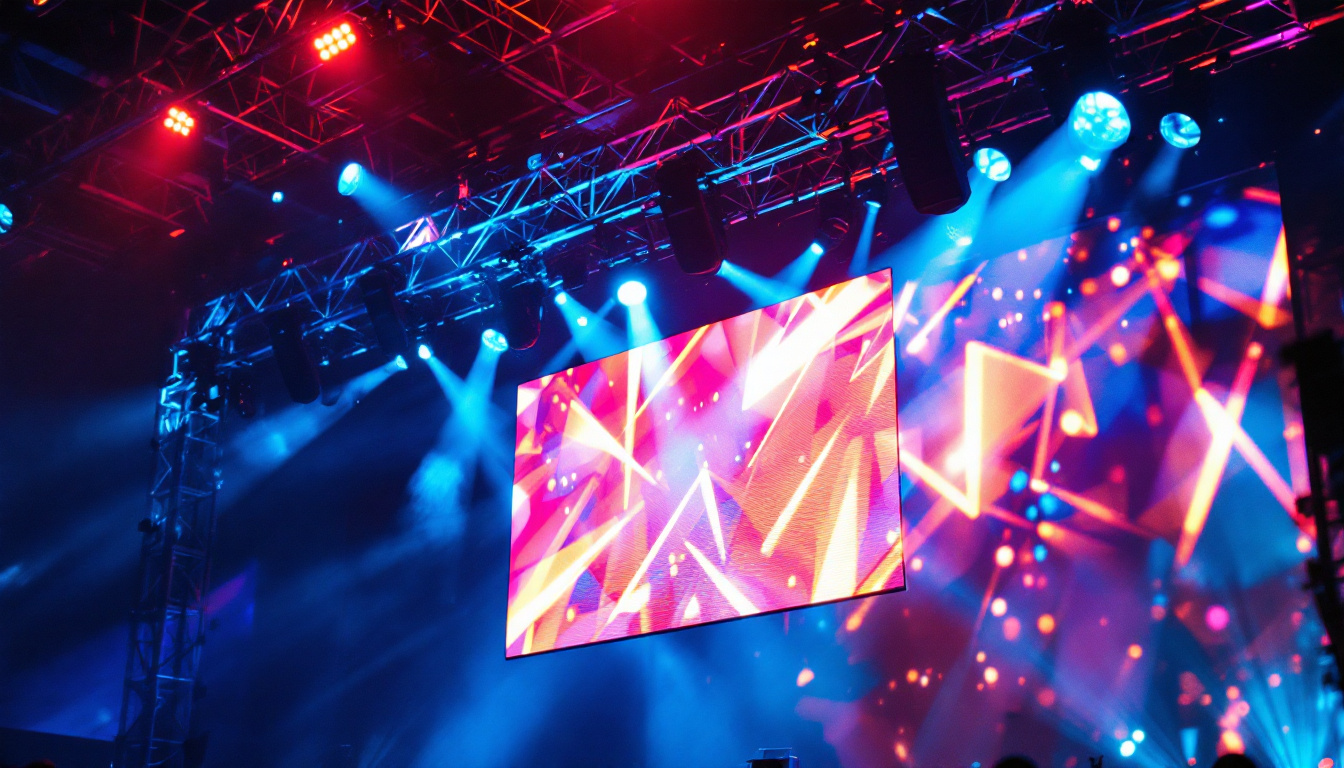
Stadiums and arenas use LED screens to enhance the spectator experience. From live game footage to instant replays and interactive fan content, LED displays provide immersive visuals that keep audiences engaged.
Major events like the Olympics and the FIFA World Cup rely heavily on large-scale LED video walls to broadcast action to tens of thousands of spectators, ensuring everyone has a clear view regardless of their seat location.
Retail and Corporate Environments
In retail, LED displays serve as digital signage to promote products, announce sales, or provide wayfinding. Their bright, high-resolution screens attract customer attention and can be integrated with interactive technologies such as touchscreens.
Corporate offices use LED walls in lobbies and conference rooms for presentations, branding, and communication. The ability to display crisp, professional content enhances corporate image and facilitates effective information sharing.
Transportation and Public Information
LED displays are widely used in airports, train stations, and bus terminals to provide real-time updates on schedules, delays, and safety information. Their clarity and reliability are essential in these high-traffic environments where timely communication is critical.
Key Considerations When Choosing an LED Display
Pixel Pitch and Resolution
Pixel pitch, the distance between the centers of two adjacent pixels, directly affects image clarity. A smaller pixel pitch means higher resolution and sharper images, which is crucial for displays viewed up close, such as indoor retail screens.
Conversely, outdoor displays intended to be seen from a distance can use larger pixel pitches without compromising visual impact. Selecting the right pixel pitch ensures optimal balance between cost and performance.
Brightness and Viewing Angle
Brightness levels must be matched to the installation environment. Outdoor LED screens require higher brightness to combat sunlight, while indoor screens benefit from lower brightness to prevent eye strain.
Viewing angle is another important factor; high-quality LED displays maintain consistent color and brightness even when viewed from wide angles, improving accessibility for larger audiences.
Durability and Weather Resistance
For outdoor applications, LED displays must be rugged and weatherproof. Look for screens with high IP (Ingress Protection) ratings, which indicate resistance to dust and water. Additionally, features like temperature control systems help maintain performance in extreme climates.
Control Systems and Software
The ease of content management is vital for maximizing the utility of an LED display. Modern LED solutions come with user-friendly software platforms that allow remote control, scheduling, and content customization, enabling businesses to keep their messaging fresh and relevant.
Future Trends in LED Display Technology
Mini-LED and Micro-LED Innovations
Emerging technologies like Mini-LED and Micro-LED are pushing the boundaries of LED displays further. Mini-LED uses thousands of tiny LEDs to improve contrast and brightness, while Micro-LED features even smaller diodes that can be integrated into ultra-thin, flexible displays with exceptional image quality.
These advancements promise to deliver even more vivid visuals, lower power consumption, and new form factors that could redefine digital signage and consumer electronics.
Integration with AI and IoT
The integration of LED displays with artificial intelligence (AI) and the Internet of Things (IoT) is enabling smarter, more interactive experiences. AI-powered analytics can tailor content based on audience behavior, while IoT connectivity allows seamless synchronization across multiple screens and devices.
Such innovations are particularly valuable in retail and public spaces, where personalized and context-aware messaging can significantly boost engagement.
Sustainability and Eco-Friendly Designs
As environmental concerns grow, manufacturers are focusing on sustainability by developing LED displays with recyclable materials, lower energy consumption, and longer lifecycles. Advances in power management and eco-friendly production processes are helping reduce the carbon footprint of digital signage solutions.
Conclusion
LED displays have firmly established themselves as a cornerstone of modern visual communication. Their unparalleled brightness, energy efficiency, and versatility make them indispensable across a wide range of industries, from advertising and entertainment to transportation and corporate environments.
Understanding the technology behind LED screens, their advantages, and the factors to consider when selecting a display ensures that businesses and organizations can harness their full potential. As innovations continue to emerge, LED displays will remain at the forefront of delivering impactful, dynamic, and engaging visual experiences worldwide.
Discover LumenMatrix’s Innovative LED Solutions
Ready to elevate your visual communication with cutting-edge LED technology? Look no further than LumenMatrix, a pioneer in crafting LED display modules that bring your brand to life. Whether you’re seeking an Indoor LED Wall Display for your corporate space, an Outdoor LED Wall Display to captivate passersby, or specialized solutions like Vehicle LED Displays and LED Sports Displays, LumenMatrix has the expertise to transform your vision into reality. Experience the future of digital signage with our versatile range of products, including LED Poster Displays, Floor LED Displays, Custom LED Displays, All-in-One LED Displays, and LED Transparent Displays. Embrace the power of exceptional visual storytelling with LumenMatrix. Check out LumenMatrix LED Display Solutions and start making an unforgettable impact today.