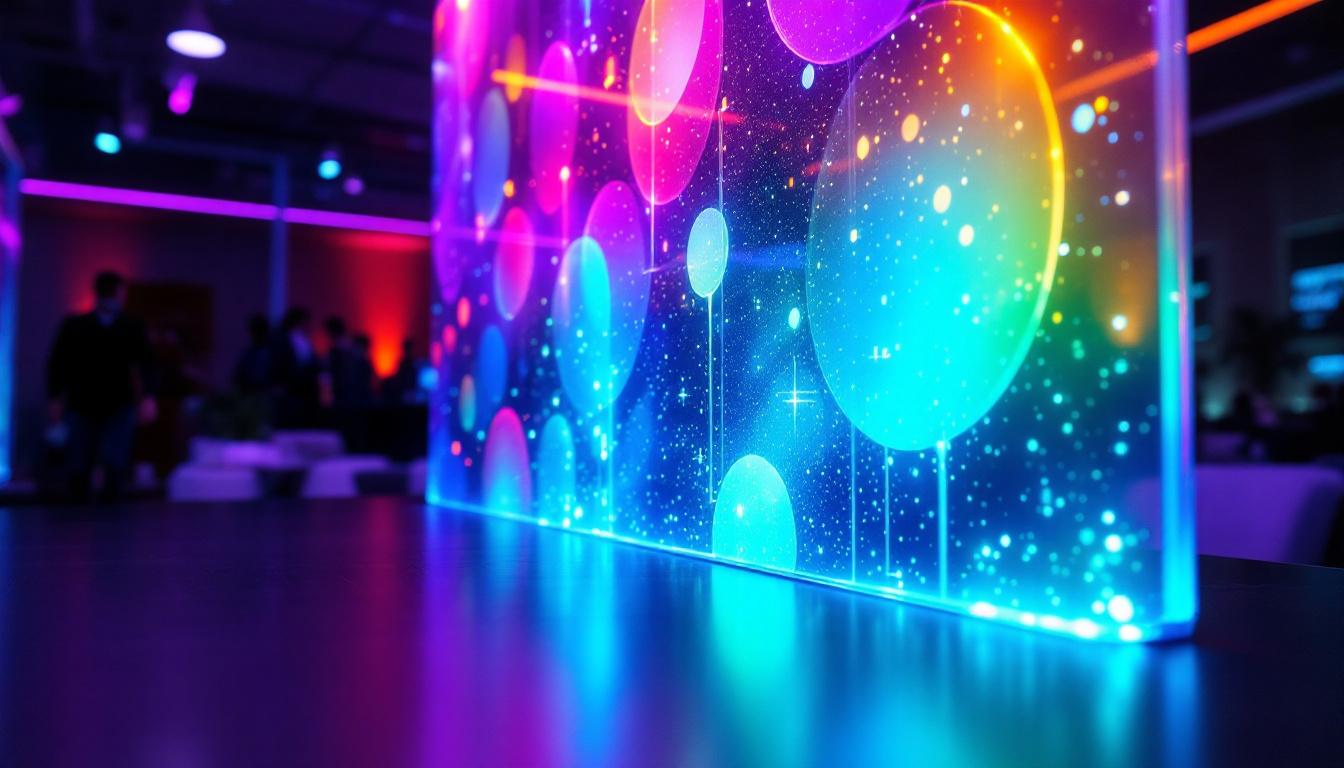
In the rapidly evolving world of digital signage and display technology, translucent LED displays have emerged as a groundbreaking innovation. Combining the vibrant brightness of traditional LED screens with the unique ability to allow light and images to pass through, these displays are transforming how businesses, architects, and advertisers engage audiences. This article explores what translucent LED displays are, how they work, their key advantages, applications, and future trends shaping this exciting technology.
What is a Translucent LED Display?
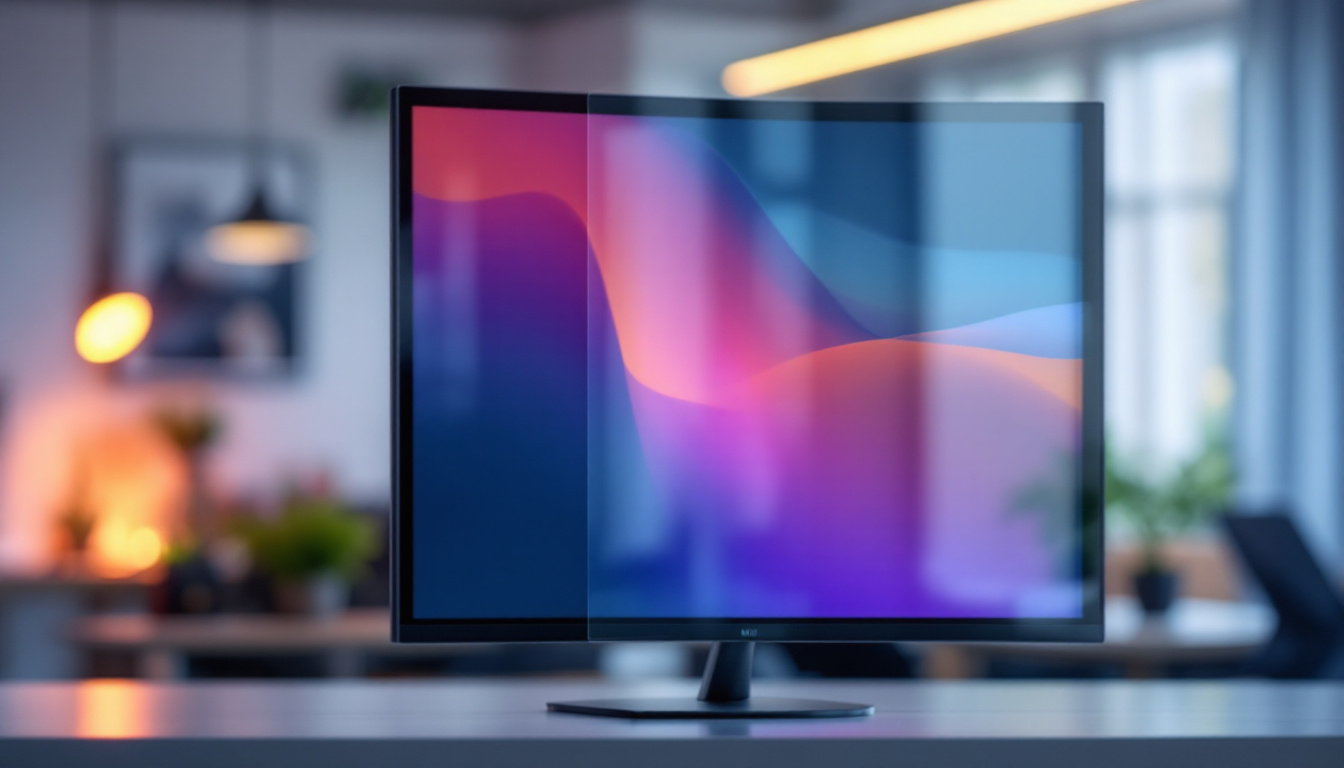
At its core, a translucent LED display is a type of digital screen that allows light to pass through its surface, creating a semi-transparent effect. Unlike conventional LED screens, which are typically opaque and block any view behind them, translucent LED displays offer a see-through experience without compromising on brightness or image quality.
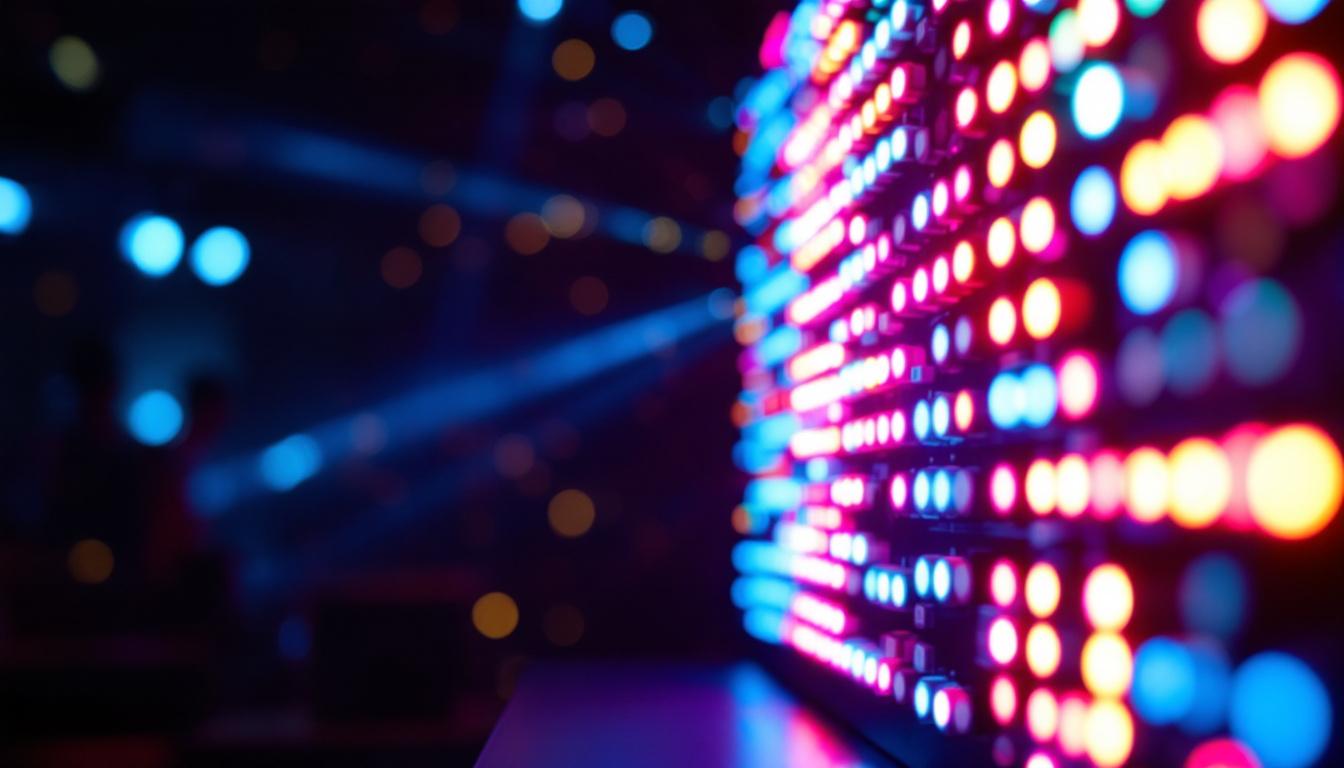
These displays are constructed using LED modules arranged in a grid pattern with gaps between the LEDs. The spacing, often referred to as pixel pitch, determines how much light can pass through. This design enables the display to be installed on glass surfaces or windows, allowing natural light to enter and maintaining visibility from both sides.
Translucent LED displays are sometimes called transparent LED displays, though technically, “transparent” implies complete see-through clarity, whereas “translucent” indicates partial transparency with some diffusion of light. This subtle difference is important when selecting the right display for specific environments.
One of the most compelling applications of translucent LED displays is in retail environments, where they can serve as dynamic advertising tools without obstructing the view of products behind them. Retailers can showcase vibrant advertisements or promotional content directly on their storefront windows, enticing customers while still allowing them to see the merchandise inside. This dual functionality not only enhances aesthetic appeal but also optimizes the use of space, making it a popular choice for modern retail design.
Furthermore, translucent LED displays are gaining traction in architectural applications, where they can be integrated into building facades or interior partitions. These displays can transform ordinary structures into eye-catching visual experiences, allowing architects and designers to push the boundaries of creativity. By incorporating dynamic visuals, such as animations or videos, into the very fabric of a building, translucent LED displays can create a unique atmosphere that engages passersby and enhances the overall urban landscape.
How Does a Translucent LED Display Work?
LED Module Design and Pixel Pitch
The fundamental principle behind translucent LED displays lies in their unique LED module design. Each LED module contains a series of LEDs spaced apart to create gaps that allow light to pass through. The pixel pitch, measured in millimeters, indicates the distance between adjacent LEDs. A larger pixel pitch means more transparency but lower resolution, while a smaller pitch increases resolution but reduces transparency.
For example, a pixel pitch of 10mm might offer around 50-70% transparency, whereas a 5mm pitch could reduce transparency to 30-40%. Manufacturers carefully balance these factors to meet the needs of different applications, from retail storefronts to large-scale architectural installations. The choice of pixel pitch not only affects the visual quality of the display but also influences the overall design strategy, as architects and designers must consider how the display will interact with both the surrounding environment and the intended audience.
Integration with Glass and Architectural Elements
One of the most compelling features of translucent LED displays is their ability to integrate seamlessly with glass facades and windows. The lightweight and slim design allow these displays to be mounted directly onto glass surfaces without obstructing views or natural light. This integration is particularly valuable in modern architecture, where maximizing daylight and maintaining aesthetic transparency are priorities.
Additionally, these displays can be customized to fit curved or irregular surfaces, expanding their potential uses beyond flat windows to innovative architectural elements. The versatility of translucent LED displays enables them to be used in a variety of settings, from high-end retail environments that require eye-catching advertisements to corporate buildings that utilize them for branding and communication. Moreover, the ability to program dynamic content allows for real-time updates, making these displays not just a static feature but a vibrant part of the architectural narrative, capable of adapting to different events, seasons, or marketing campaigns.
Key Advantages of Translucent LED Displays
High Brightness and Visual Impact
Translucent LED displays deliver the same high brightness and vivid colors as traditional LED screens, making them highly visible even in direct sunlight. This brightness advantage is crucial for outdoor or well-lit indoor environments where conventional LCD or projection displays might struggle.
Because the LEDs emit their own light, the images remain sharp and eye-catching without the need for backlighting, which is often required in other display technologies. This characteristic not only enhances the visual experience but also allows for a broader range of applications, from advertising in bustling city centers to art installations in galleries, where the interplay of light and transparency can create stunning effects.
Energy Efficiency and Sustainability
Compared to traditional digital signage, translucent LED displays tend to consume less energy due to their efficient LED technology and the ability to leverage natural light through the display. This energy efficiency aligns well with growing sustainability goals in commercial and public spaces.
Moreover, the ability to maintain transparency reduces the need for additional lighting or architectural modifications, further decreasing the environmental footprint of installations. This not only contributes to lower operational costs but also resonates with eco-conscious consumers, making businesses more appealing to a demographic that values sustainability. As cities and organizations strive to reduce their carbon footprints, the integration of such energy-efficient technologies becomes increasingly vital.
Space-Saving and Design Flexibility
Because these displays are thin and can be mounted directly on existing glass surfaces, they save valuable space compared to bulky traditional screens. This feature is especially beneficial in urban environments where space is at a premium.
The design flexibility extends to customizable shapes, sizes, and pixel pitches, allowing architects and designers to create unique visual experiences tailored to specific brand identities or spatial constraints. This adaptability means that translucent LED displays can be seamlessly integrated into a variety of architectural styles, from sleek modern buildings to historical landmarks, enhancing the aesthetic appeal without compromising functionality. Additionally, the ability to create dynamic content that interacts with the surrounding environment opens up new avenues for storytelling and engagement, making these displays not just functional but also a vital part of the user experience.
Applications of Translucent LED Displays
Retail and Advertising
Retailers have embraced translucent LED displays for window advertising, creating dynamic, attention-grabbing visuals that do not block the view into the store. This dual functionality enhances the shopping experience by combining promotional content with an inviting storefront.
Brands can update content in real-time, tailoring messages to different times of day or customer demographics, which is a significant advantage over static window decals or posters.
Architectural and Interior Design
In modern architecture, translucent LED displays serve as both functional and decorative elements. They can transform glass walls, atriums, and partitions into interactive or artistic surfaces, adding a futuristic touch to commercial buildings, hotels, and cultural institutions.
Interior designers use these displays to create ambient lighting effects, branded environments, or privacy screens that still allow light to permeate, enhancing spatial quality.
Transportation Hubs and Public Spaces
Airports, train stations, and other high-traffic public areas utilize translucent LED displays for wayfinding, advertising, and information dissemination. Their high visibility and ability to maintain openness in architectural design make them ideal for these environments.
Additionally, the durability and weather resistance of many translucent LED systems ensure reliable performance in both indoor and outdoor settings.
Challenges and Considerations
Cost and Installation Complexity
While prices for translucent LED displays have decreased over the past few years, they still represent a significant investment compared to traditional signage solutions. The cost is influenced by factors such as pixel pitch, size, and customization requirements.
Installation can also be complex, requiring specialized mounting systems and careful integration with existing architectural elements to ensure safety and optimal performance.
Balancing Transparency and Resolution
One of the primary technical challenges is balancing the level of transparency with image resolution and brightness. Higher transparency often means fewer LEDs per square meter, which can reduce image sharpness, especially for detailed content.
Choosing the right pixel pitch and display configuration depends on the viewing distance and the type of content to be displayed, making expert consultation essential during the planning phase.
Maintenance and Longevity
Like all LED technologies, translucent LED displays require regular maintenance to ensure consistent brightness and color accuracy. Environmental factors such as dust, humidity, and temperature fluctuations can impact performance over time.
However, advancements in LED durability and protective coatings have improved the lifespan of these displays, with many systems offering warranties of 3 to 5 years or more.
Future Trends in Translucent LED Technology
Higher Resolution and Pixel Density
Ongoing research and development are pushing the boundaries of pixel density in translucent LED displays, enabling sharper images without sacrificing transparency. Innovations in mini-LED and micro-LED technology promise even finer pixel pitches and improved energy efficiency.
Interactive and Smart Displays
The integration of touch sensors, augmented reality (AR), and artificial intelligence (AI) is making translucent LED displays more interactive and responsive. Future installations may offer personalized content, gesture controls, and real-time data visualization, enhancing user engagement.
Expanded Use Cases and Customization
As manufacturing processes become more flexible and cost-effective, translucent LED displays will find new applications in automotive glass, wearable technology, and smart home environments. Customizable shapes and dynamic transparency levels will enable designers to push creative boundaries further.
Conclusion
Translucent LED displays represent a remarkable fusion of technology and design, offering a unique solution for businesses and architects seeking to combine visual impact with transparency and natural light. Their high brightness, energy efficiency, and versatility make them a compelling choice for a wide range of applications, from retail advertising to cutting-edge architectural projects.
While challenges such as cost and technical trade-offs remain, ongoing advancements promise to make translucent LED displays more accessible and capable in the near future. For those looking to create immersive, eye-catching environments without sacrificing openness or daylight, translucent LED technology is an innovation worth considering.
Discover the Future of LED Displays with LumenMatrix
Ready to elevate your space with the latest in LED display technology? LumenMatrix is at the forefront of creating immersive and transparent visual experiences that seamlessly blend with your environment. From dynamic retail storefronts to innovative architectural designs, our extensive range of LED display solutions, including Indoor, Outdoor, Vehicle, Poster, Sports, Floor, Custom, and All-in-One LED Displays, is designed to captivate and engage. Experience the revolution in visual communication and check out LumenMatrix LED Display Solutions today to transform your business’s message into a visually stunning narrative.