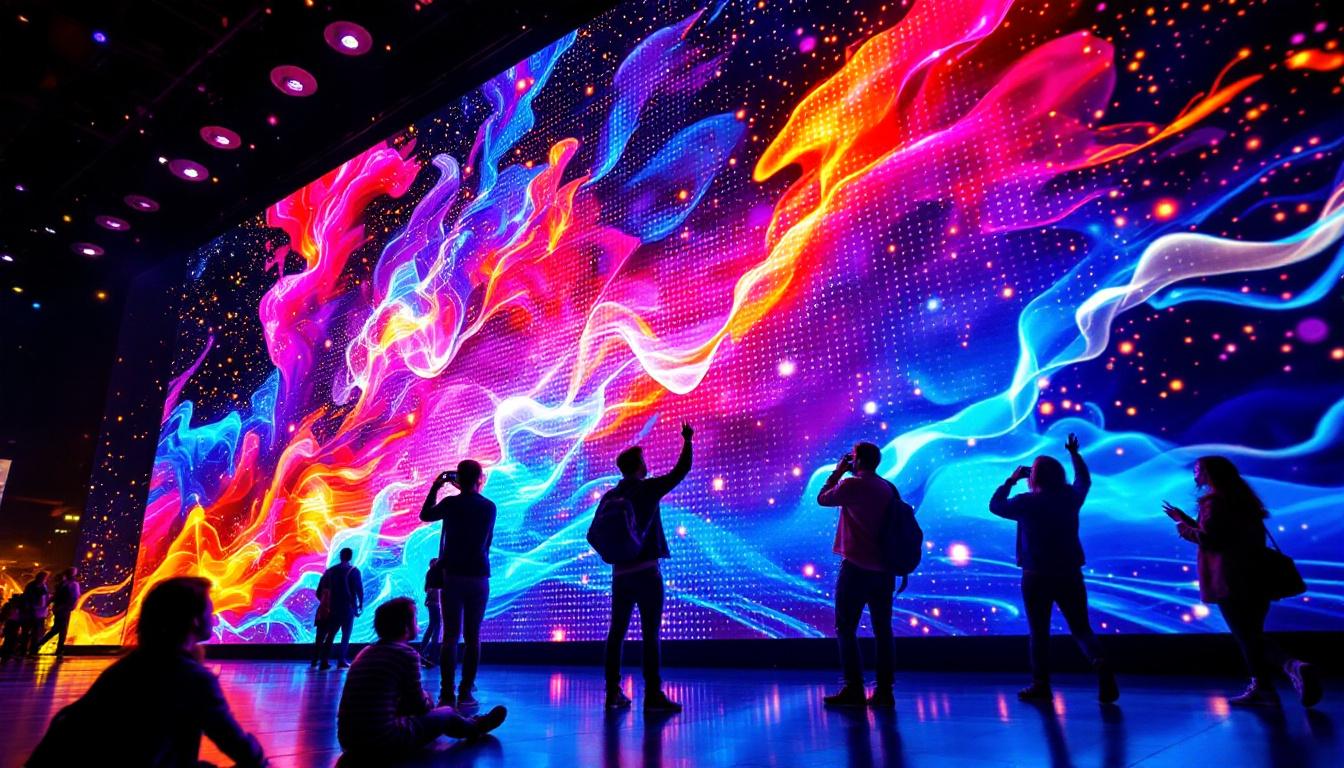
In the rapidly evolving world of digital signage and large-scale visual displays, LED technology has become a cornerstone for delivering vibrant, high-resolution images in a variety of environments. Central to the performance and quality of these LED displays is the LED video processor. This article delves deep into what an LED video processor is, how it functions, and why it is so critical in the realm of LED display technology.
Understanding LED Displays: The Basics
Before exploring the intricacies of LED video processors, it’s important to understand the fundamental components and operation of LED displays themselves. LED displays are composed of numerous tiny light-emitting diodes (LEDs) arranged in a matrix to form images or videos. These can range from small indoor screens to massive outdoor billboards and stadium displays.
The appeal of LED displays lies in their brightness, energy efficiency, and ability to produce vivid colors with high contrast ratios. Modern LED panels can achieve brightness levels exceeding 5,000 nits, making them visible even under direct sunlight, which is essential for outdoor applications. This high visibility is particularly advantageous for advertising and public information displays, where capturing attention is crucial. Furthermore, the longevity of LED technology means that these displays can operate for tens of thousands of hours, significantly reducing maintenance and replacement costs over time.
However, the raw hardware is only part of the equation. To translate digital video signals into flawless visual output on an LED screen, a specialized device known as the LED video processor is required. This processor plays a critical role in managing the input signals, scaling images to fit the display, and ensuring color accuracy across the entire screen. Advanced video processors can handle multiple input sources simultaneously, allowing for dynamic content switching and real-time adjustments to optimize the viewing experience.
In addition to their technical capabilities, LED displays are also highly customizable. Manufacturers offer a variety of pixel pitches, which refers to the distance between the centers of adjacent pixels. A smaller pixel pitch results in higher resolution and is ideal for close viewing distances, such as in indoor environments like shopping malls or conference centers. Conversely, larger pixel pitches are more suited for outdoor applications where viewers are typically farther away, balancing cost and performance effectively. This flexibility allows businesses and organizations to tailor their LED display solutions to meet specific needs, enhancing their visual communication strategies.
What is an LED Video Processor?
An LED video processor is a dedicated piece of hardware designed to manage, process, and optimize video signals before they are displayed on an LED screen. It acts as an intermediary between the video source—such as a computer, media player, or camera—and the LED display panels.
The processor’s main role is to ensure the video content is correctly formatted, scaled, and enhanced to match the specific characteristics of the LED display. This includes adjusting resolution, color calibration, brightness, and refresh rates to deliver a seamless and visually appealing output.
Core Functions of an LED Video Processor
LED video processors perform several critical functions that directly impact the quality and reliability of the displayed content:
- Signal Conversion and Scaling: Video sources come in a variety of resolutions and formats. The processor converts these inputs into a signal that matches the native resolution of the LED panel, ensuring sharp and distortion-free images.
- Color Calibration and Correction: To maintain color accuracy and consistency across the entire display, processors adjust color profiles and gamma settings. This is especially important for large video walls where uniformity is key.
- Brightness and Contrast Optimization: The processor fine-tunes brightness levels and contrast ratios to suit ambient lighting conditions, enhancing visibility and reducing eye strain.
- Refresh Rate Management: High refresh rates reduce flicker and motion blur, which is crucial for dynamic content such as live video feeds or sports broadcasts.
- Image Processing and Enhancement: Advanced processors include features like noise reduction, edge enhancement, and dynamic contrast adjustment to improve overall image quality.
Types of LED Video Processors
LED video processors vary widely in terms of complexity, features, and intended use cases. Selecting the right processor depends on the scale of the LED display, the type of content, and the environment in which it will be used.
Entry-Level Processors
Entry-level LED video processors are typically used for smaller indoor displays or simpler installations. They offer basic scaling and signal conversion capabilities and are suitable for applications like retail signage or small conference rooms. While cost-effective, these processors may lack advanced image enhancement features and have limited input options.
Mid-Range Processors
Mid-range processors provide a balance between performance and cost. They support higher resolutions, multiple input types, and offer enhanced image processing features such as color calibration and limited video wall management. These processors are common in corporate environments, educational institutions, and mid-sized event venues.
High-End Processors
High-end LED video processors are designed for large-scale, professional-grade installations such as stadiums, concert venues, and outdoor advertising billboards. They support ultra-high resolutions, multiple synchronized outputs, and advanced processing capabilities including real-time video stitching, 3D processing, and HDR (High Dynamic Range) support. These processors often come with robust software suites for remote management and diagnostics.
Key Features to Consider When Choosing an LED Video Processor
Choosing the right LED video processor is crucial to achieving optimal display performance. Here are some important features and specifications to evaluate:
Input and Output Compatibility
Ensure the processor supports the input sources you plan to use, such as HDMI, DVI, SDI, or DisplayPort. Additionally, the output interfaces should be compatible with the LED display’s receiving cards or modules.
Resolution and Scaling Capabilities
The processor must support the native resolution of your LED display and be capable of scaling lower-resolution content without quality loss. For example, a 4K LED wall requires a processor that can handle 3840×2160 pixels seamlessly.
Latency and Refresh Rate
Low latency is particularly important for live events or interactive displays to ensure real-time responsiveness. A high refresh rate (typically 60Hz or above) minimizes flickering and motion artifacts.
Color Processing and Calibration Tools
Advanced color management features, such as 3D LUT (Look-Up Table) support and HDR processing, help maintain color accuracy and vibrancy across different viewing conditions.
Video Wall Management
If your LED display is composed of multiple panels or modules, the processor should offer seamless video wall control, including bezel compensation, edge blending, and multi-screen synchronization.
Control and Connectivity
Modern processors often include network connectivity options for remote control, firmware updates, and diagnostics. User-friendly interfaces and software tools simplify setup and ongoing management.
How LED Video Processors Enhance Display Performance
Beyond basic signal conversion, LED video processors play a pivotal role in elevating the viewing experience. Here’s how they contribute to superior display performance:
Improved Image Clarity and Sharpness
By accurately scaling video content to the LED panel’s resolution and applying edge enhancement algorithms, processors ensure images are crisp and free from distortion or pixelation.
Consistent Color Reproduction
Uniform color calibration across the entire display prevents color shifts and ensures that the image looks natural and consistent from all viewing angles.
Enhanced Brightness and Contrast
Processors adjust brightness and contrast dynamically based on ambient lighting conditions or content type, making the display legible in bright outdoor settings or dim indoor environments.
Reduced Flicker and Motion Blur
High refresh rates and frame synchronization minimize flicker, which reduces eye fatigue and improves the clarity of fast-moving content such as sports or live broadcasts.
Flexible Content Management
Advanced processors support multiple input sources and allow for real-time switching, picture-in-picture, and multi-window displays, enabling versatile content presentation.
Applications of LED Video Processors
LED video processors are integral to a wide range of industries and applications where high-quality visual displays are essential.
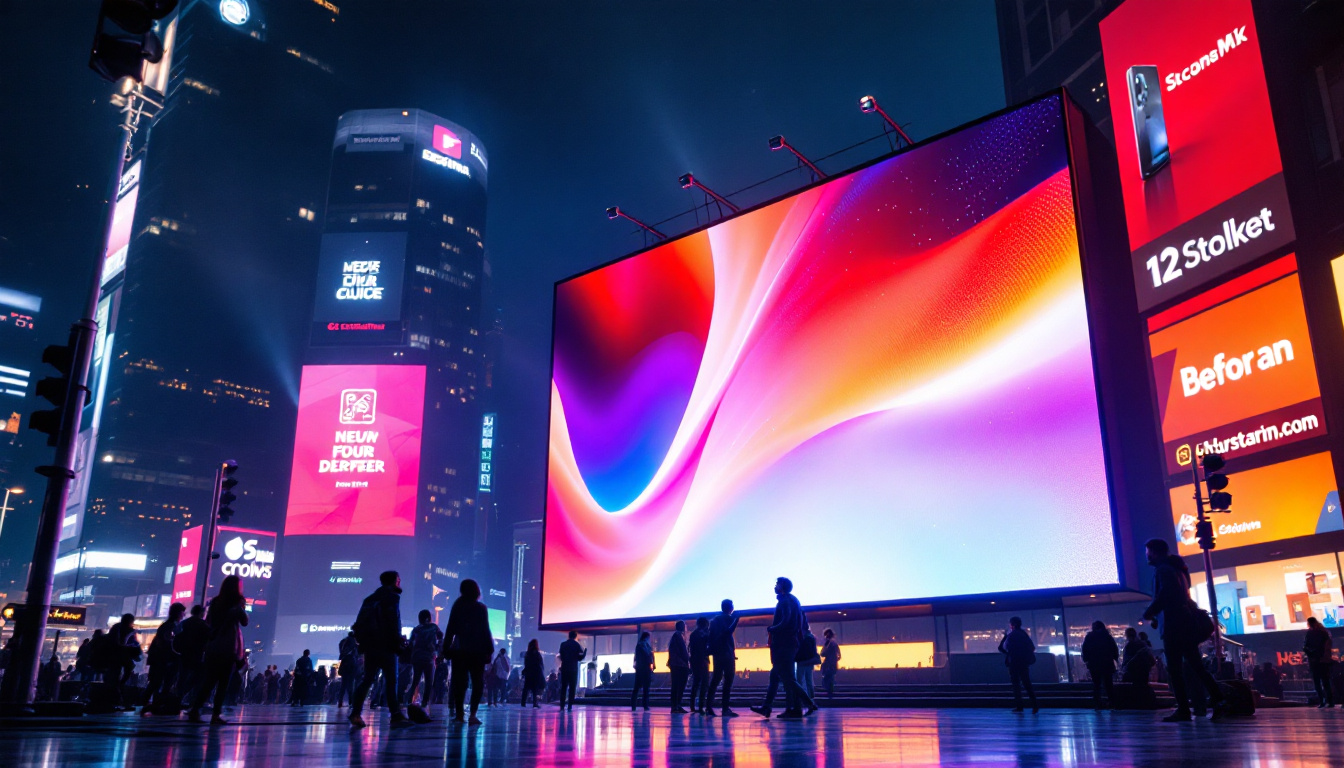
Outdoor Advertising and Digital Billboards
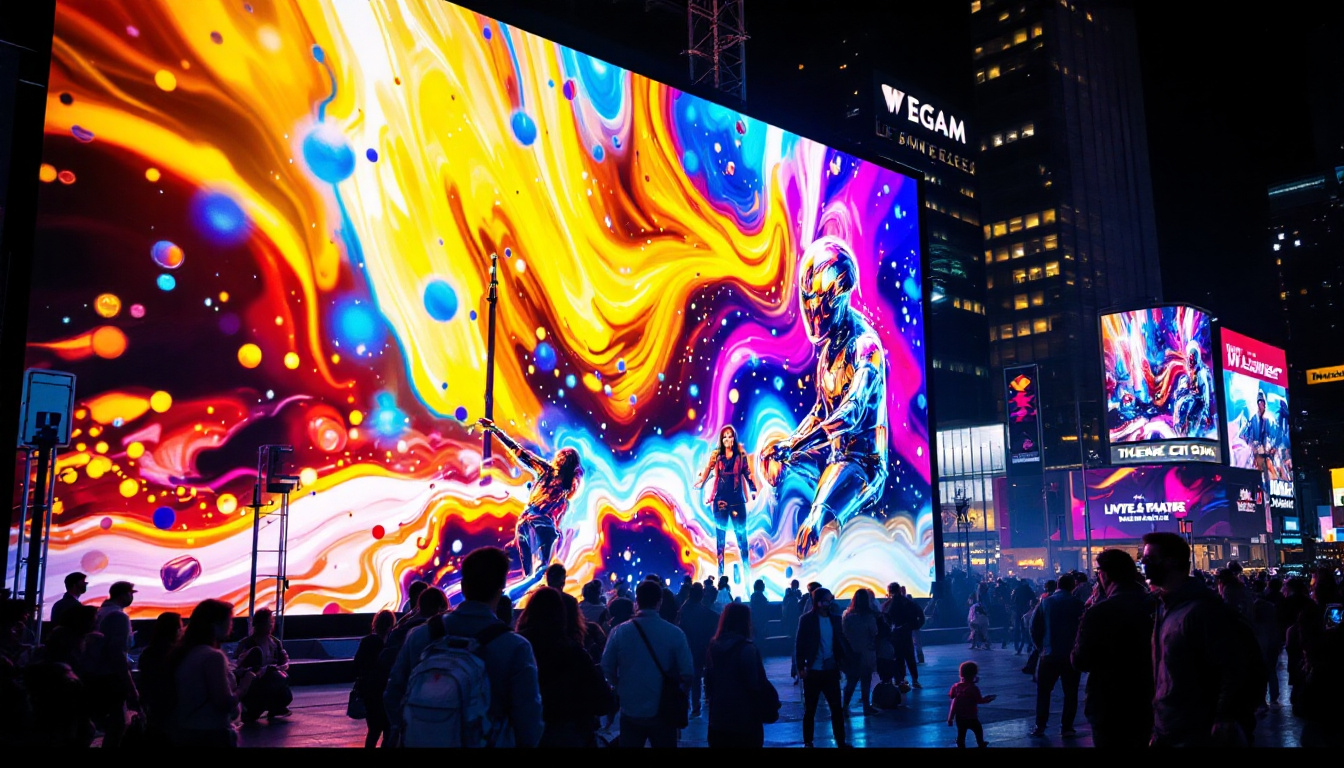
Large-scale LED billboards rely on video processors to handle ultra-high-resolution content and ensure visibility in varying weather and lighting conditions. The ability to remotely manage and update content is also crucial for advertisers.
Sports Arenas and Stadiums
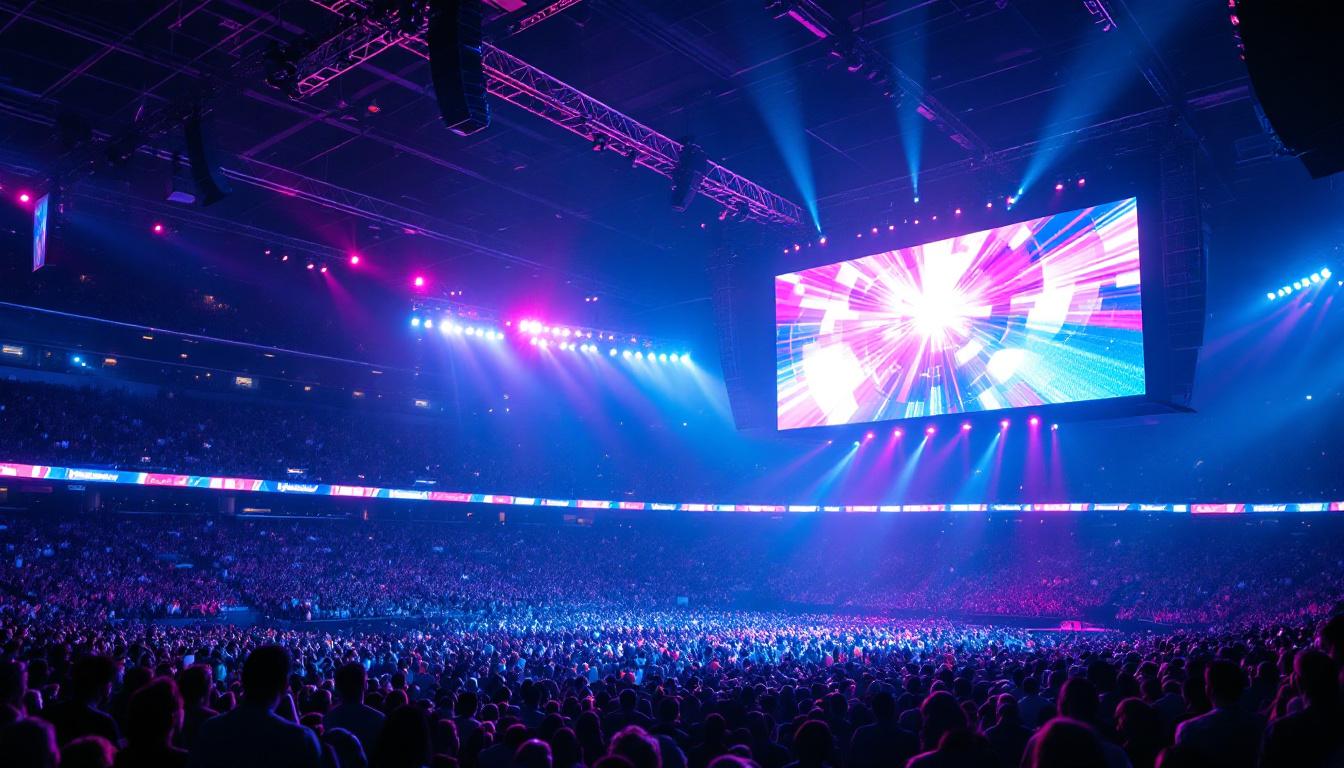
In venues hosting thousands of spectators, LED video processors manage complex video walls that display live game footage, replays, and advertisements. Low latency and high refresh rates are vital for delivering real-time action without delay.
Concerts and Live Events
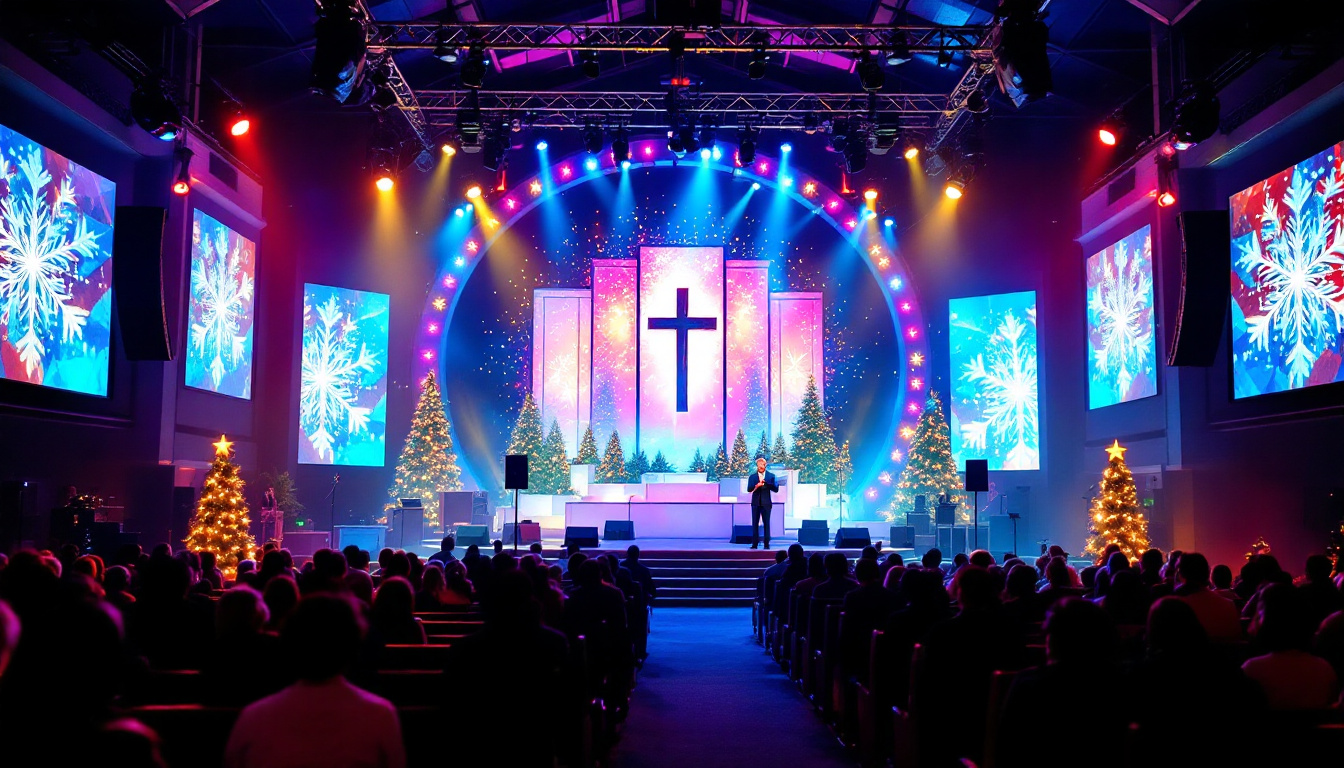
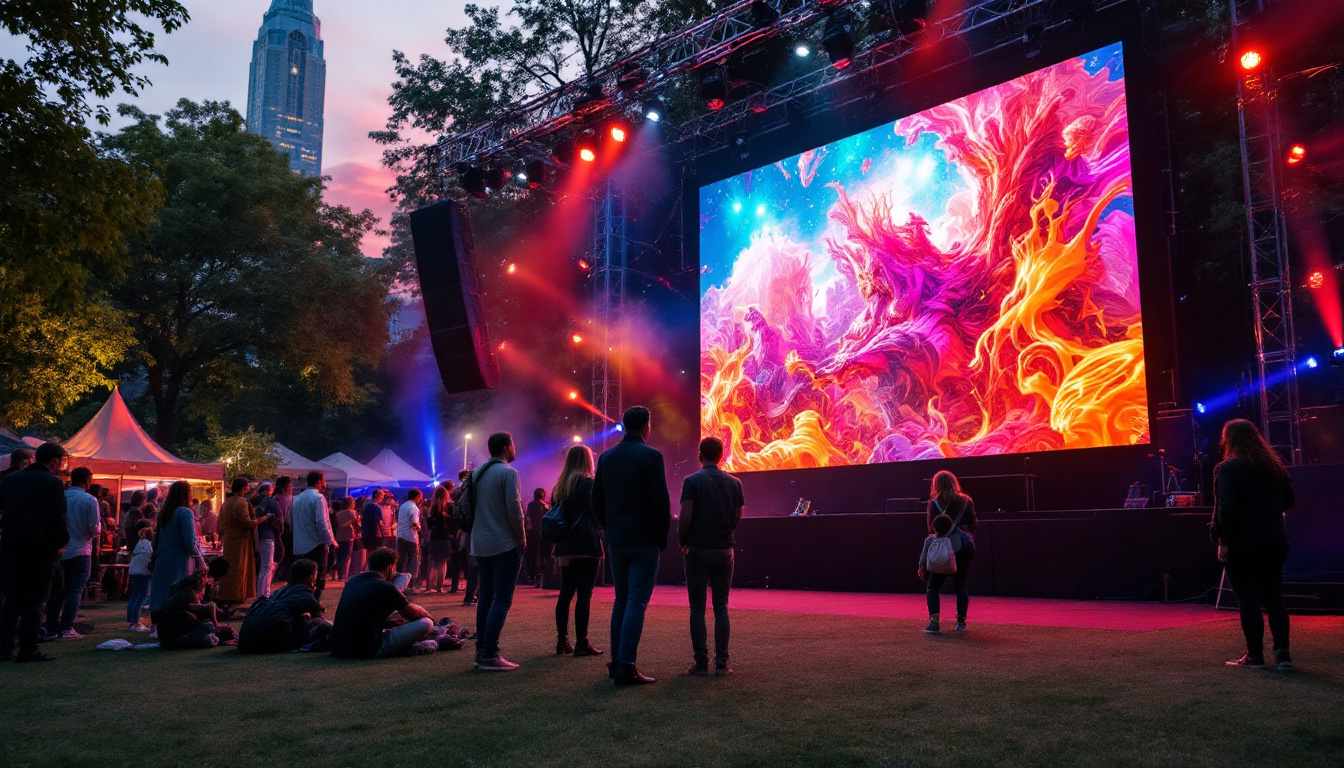
Concerts and festivals use LED video processors to synchronize multiple screens, blend edges seamlessly, and enhance video quality to create immersive visual experiences that complement live performances.
Corporate and Educational Environments
Meeting rooms, auditoriums, and lecture halls utilize LED displays driven by video processors to present clear, vibrant content for presentations, video conferencing, and educational materials.
Transportation Hubs and Public Spaces
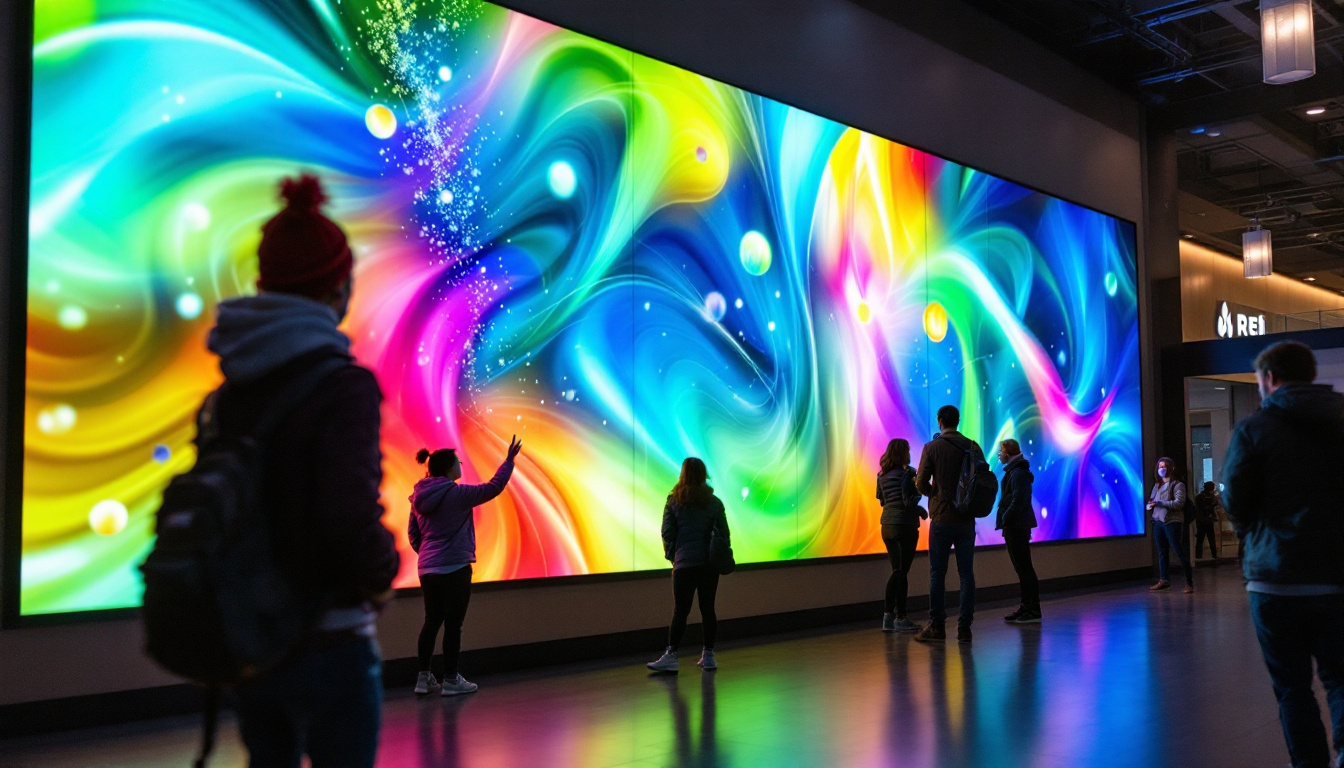
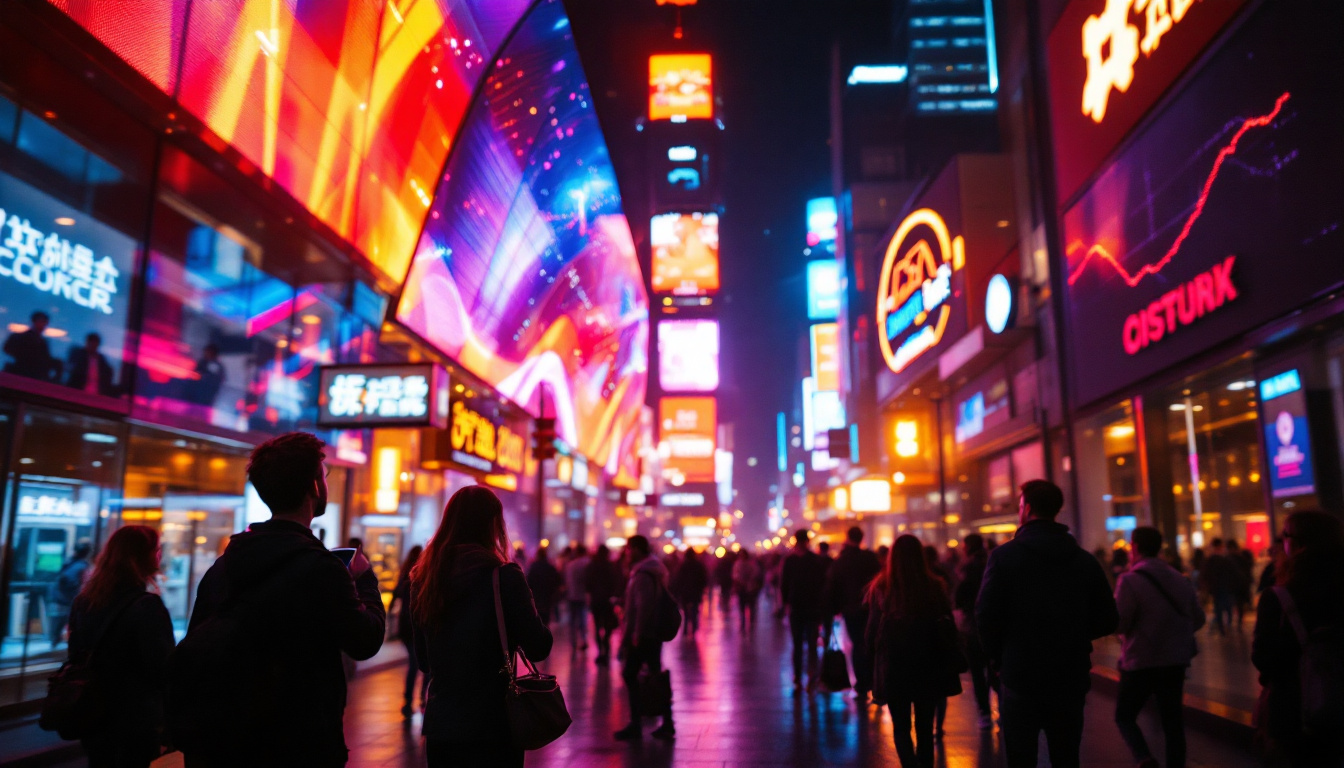
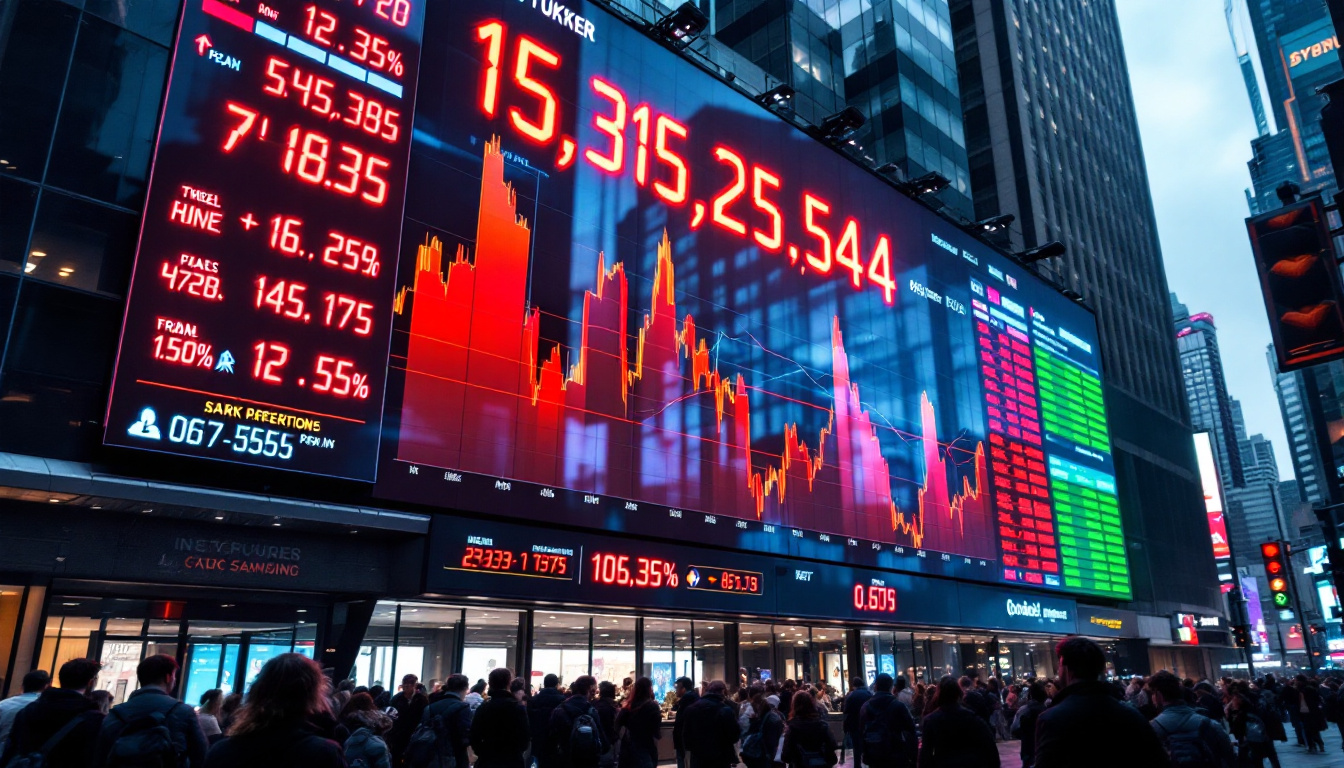
Airports, train stations, and public squares deploy LED video walls for information dissemination, advertising, and entertainment, requiring processors that can handle diverse content sources and provide reliable performance 24/7.
Future Trends in LED Video Processing
The LED display industry continues to innovate, and video processors are evolving to meet emerging demands and technologies.
Integration of Artificial Intelligence
AI-powered processors are beginning to analyze content and ambient conditions in real-time, automatically adjusting settings for optimal display performance without manual intervention.
Support for 8K and Beyond
As LED panels with ultra-high resolutions become more prevalent, processors are being developed to handle 8K video input and output, ensuring future-proof installations.
Enhanced HDR and Wide Color Gamut Support
Advanced color processing capabilities are enabling LED displays to reproduce richer colors and higher dynamic ranges, providing more lifelike and engaging visuals.
Cloud-Based Management and Analytics
Remote monitoring and control via cloud platforms allow operators to manage multiple LED installations from anywhere, with data analytics helping optimize content and maintenance schedules.
Conclusion
LED video processors are the unsung heroes behind the stunning visuals delivered by modern LED displays. By expertly managing video signals, enhancing image quality, and ensuring seamless operation across diverse environments, these processors enable LED technology to shine in applications ranging from advertising and entertainment to corporate communications and public information systems.
Understanding the capabilities and features of LED video processors is essential for anyone involved in selecting, deploying, or managing LED display systems. As technology advances, staying informed about processor innovations will help ensure that LED displays continue to deliver captivating and reliable visual experiences well into the future.
Discover LumenMatrix’s Advanced LED Display Solutions
Ready to elevate your visual display capabilities? Explore LumenMatrix’s comprehensive range of LED display solutions, crafted to bring your content to life with unparalleled clarity and vibrancy. From the bustling streets with Outdoor LED Wall Displays to the dynamic atmosphere of sports arenas with LED Sports Displays, LumenMatrix offers tailored solutions that meet your specific needs. Embrace the future of visual communication with our innovative Indoor LED Walls, Custom LED Displays, and more. Check out LumenMatrix LED Display Solutions today and transform your space into a captivating visual experience.