In the rapidly evolving world of digital technology, LED displays have become a cornerstone of modern visual communication. From the vibrant billboards that light up cityscapes to the high-definition screens in smartphones and televisions, LED displays are everywhere. But what exactly is an LED display? How do these devices work, and why have they become the preferred choice for so many applications? This article delves deep into the definition of LED displays, their technology, types, advantages, and real-world uses, providing a comprehensive understanding for both enthusiasts and professionals alike.
What is an LED Display?
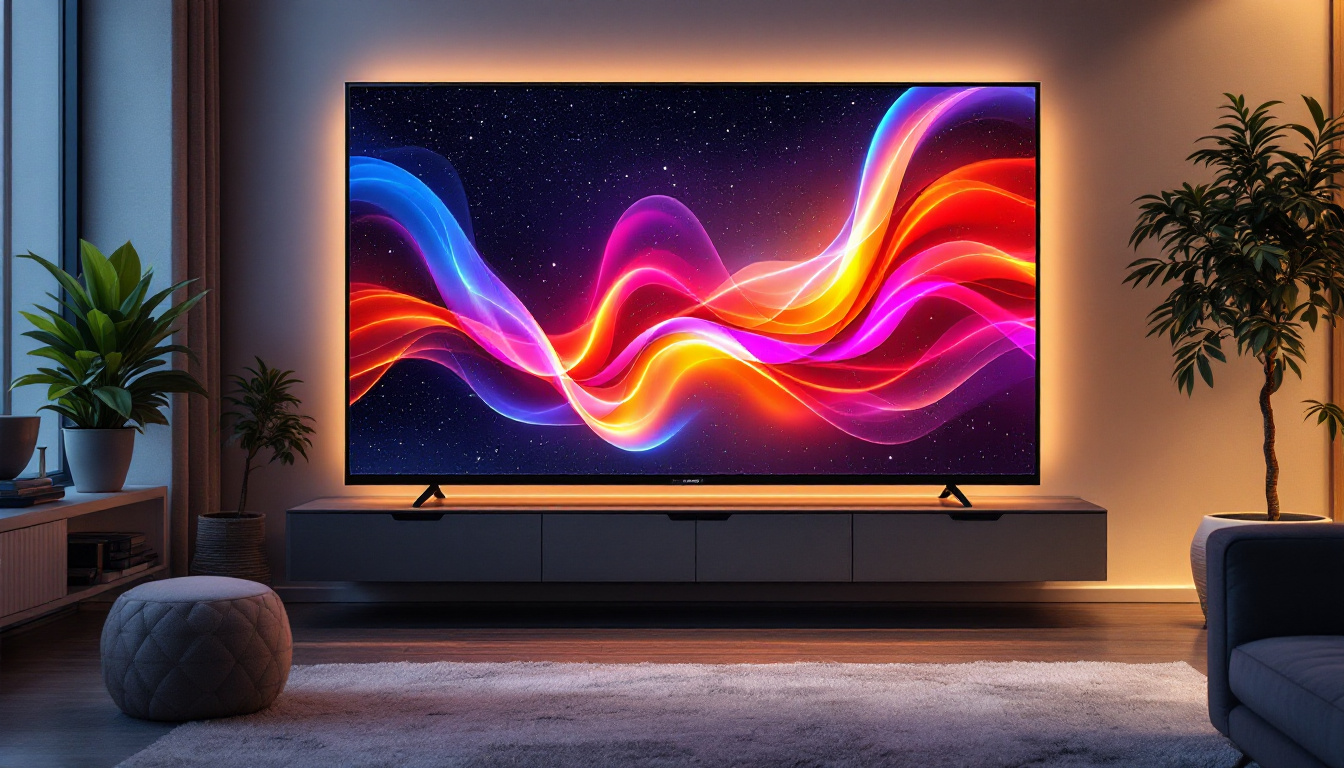
LED stands for Light Emitting Diode, a semiconductor device that emits light when an electric current passes through it. An LED display is a flat panel display that uses an array of these tiny LEDs as pixels to produce images, videos, or text. Unlike traditional display technologies such as LCD (Liquid Crystal Display) or plasma, LED displays rely on the direct emission of light from each diode, which results in brighter and more vivid images.
The core concept behind an LED display is simple: each pixel is made up of one or more LEDs that emit red, green, and blue light. By varying the intensity of these three colors, the display can produce a full spectrum of colors, enabling it to render complex images with high accuracy and vibrancy.
Historical Context and Evolution
The development of LED technology dates back to the early 1960s, but it wasn’t until the late 20th and early 21st centuries that LED displays became commercially viable. Initially, LEDs were used primarily as indicator lights on electronic devices. The advancement in manufacturing techniques and materials led to the creation of high-brightness LEDs capable of being used in large-scale displays.
Today, LED displays are integral to many industries, including advertising, entertainment, transportation, and consumer electronics. Their evolution continues with innovations like microLED and OLED, which push the boundaries of display technology even further.
How Do LED Displays Work?
Understanding the working principles of LED displays requires a basic grasp of how LEDs produce light and how these individual light sources are controlled to form images.
The Science Behind LEDs
An LED is a diode that emits light when electrons recombine with holes within the semiconductor material, releasing energy in the form of photons. The color of the light depends on the semiconductor’s material composition. For display purposes, red, green, and blue LEDs are combined to create the full color spectrum through additive color mixing.
Pixel Structure and Color Mixing
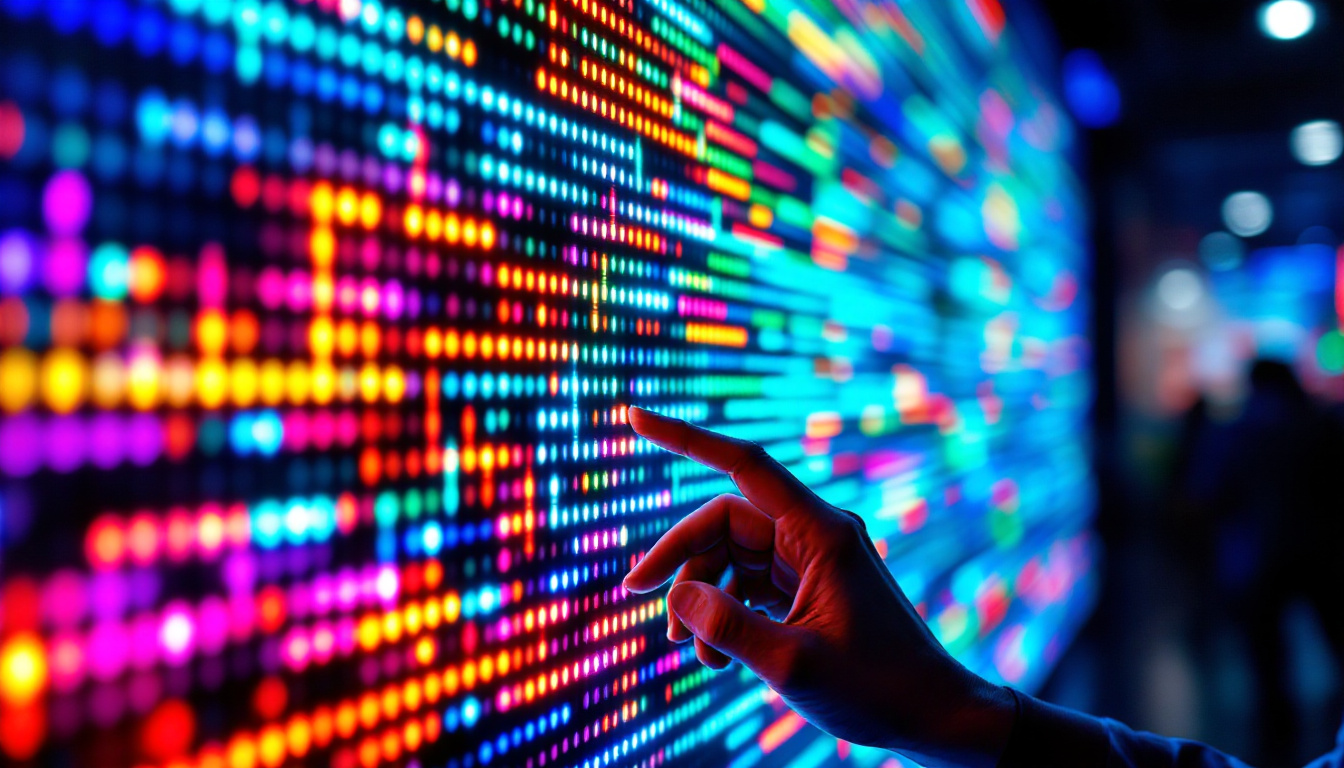
Each pixel in an LED display typically consists of three sub-pixels: one red, one green, and one blue LED. By adjusting the brightness of each sub-pixel, the pixel can display millions of colors. This process is controlled by sophisticated electronics that modulate the current supplied to each LED, enabling precise color rendering and image clarity.
Types of LED Displays Based on Technology
There are several types of LED displays, each with unique characteristics:
- Direct View LED Displays: These use individual LEDs as pixels and are commonly used for large outdoor screens and billboards. They offer high brightness and excellent visibility even in daylight.
- LED-Backlit LCD Displays: These displays use LEDs as a backlight source behind an LCD panel. This technology is prevalent in televisions, monitors, and smartphones, offering improved contrast and energy efficiency compared to traditional CCFL backlights.
- MicroLED Displays: An emerging technology where microscopic LEDs form the pixels. MicroLEDs promise higher brightness, better contrast, and longer lifespan than OLEDs and traditional LEDs.
Advantages of LED Displays
LED displays have surged in popularity due to their numerous benefits over other display technologies. These advantages have made them the go-to choice for a wide range of applications.
Brightness and Visibility
One of the most significant advantages of LED displays is their exceptional brightness. Direct view LED screens can reach brightness levels of over 5,000 nits, making them easily visible even under direct sunlight. This feature is particularly valuable for outdoor advertising, stadium screens, and public information displays.
Energy Efficiency
LED technology is inherently energy-efficient because LEDs convert a higher percentage of electrical energy into light compared to traditional lighting sources. This efficiency translates into lower power consumption and reduced operating costs, which is crucial for large-scale installations and battery-powered devices.
Durability and Longevity
LEDs have a long operational lifespan, often exceeding 50,000 hours of use. They are also solid-state devices, meaning they are more resistant to shock, vibration, and environmental factors than fragile components like fluorescent tubes or LCD backlights. This durability reduces maintenance costs and downtime.
Color Accuracy and Contrast
LED displays offer superior color accuracy and contrast ratios. The ability to control individual pixels’ brightness allows for deeper blacks and more vibrant colors, enhancing the overall viewing experience. This is especially important in applications like digital signage, broadcasting, and medical imaging.
Design Flexibility
Because LEDs are small and can be arranged in various configurations, LED displays can be made flexible, curved, or even transparent. This versatility opens up creative possibilities in architecture, retail, and entertainment sectors.
Common Applications of LED Displays
The versatility and performance of LED displays have led to their adoption across numerous industries. Here are some of the most prevalent applications:
Outdoor Advertising and Digital Billboards
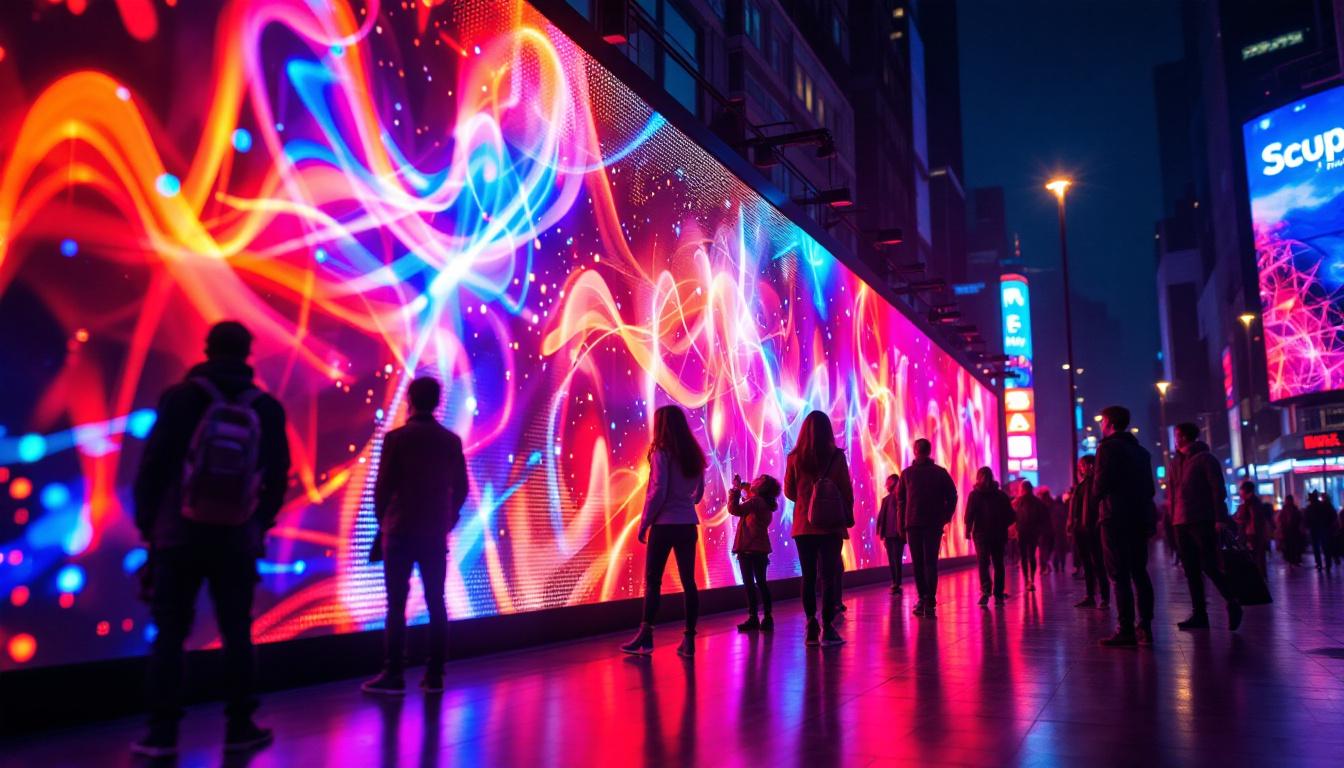
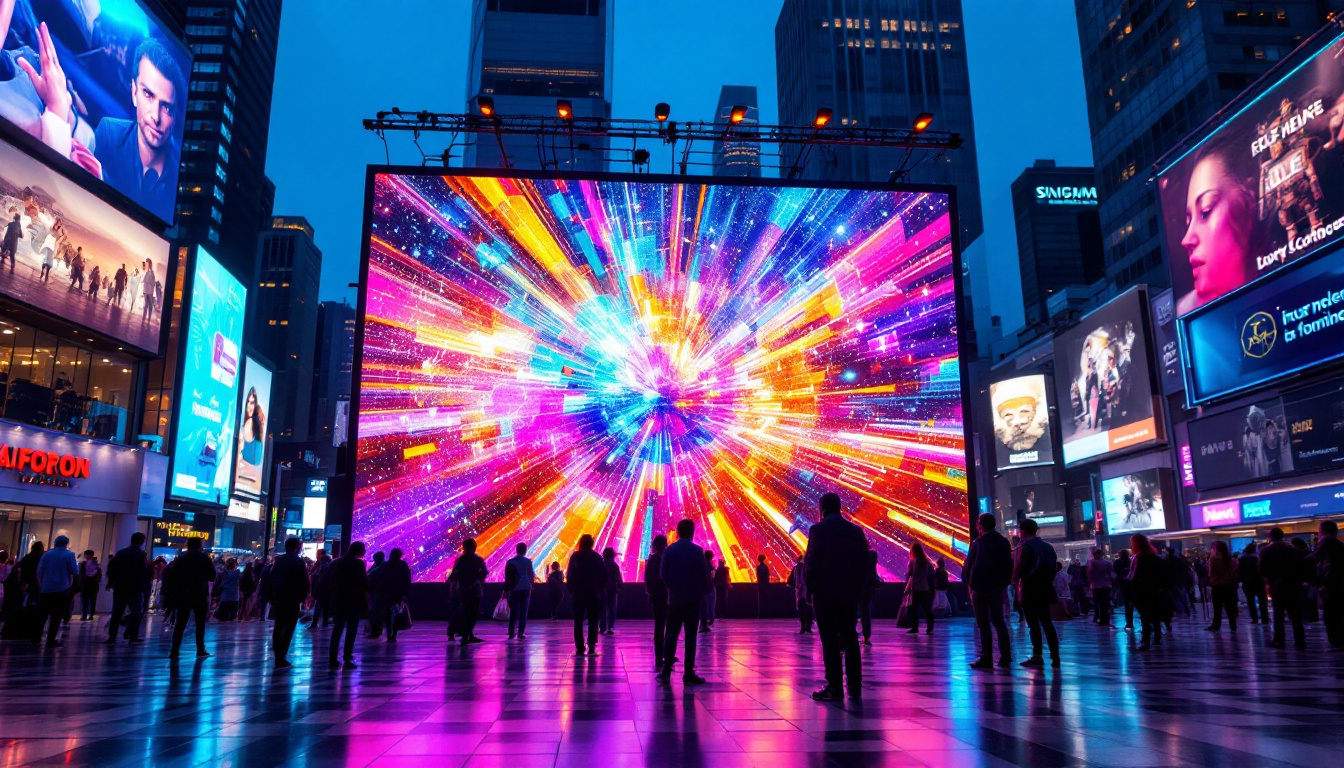
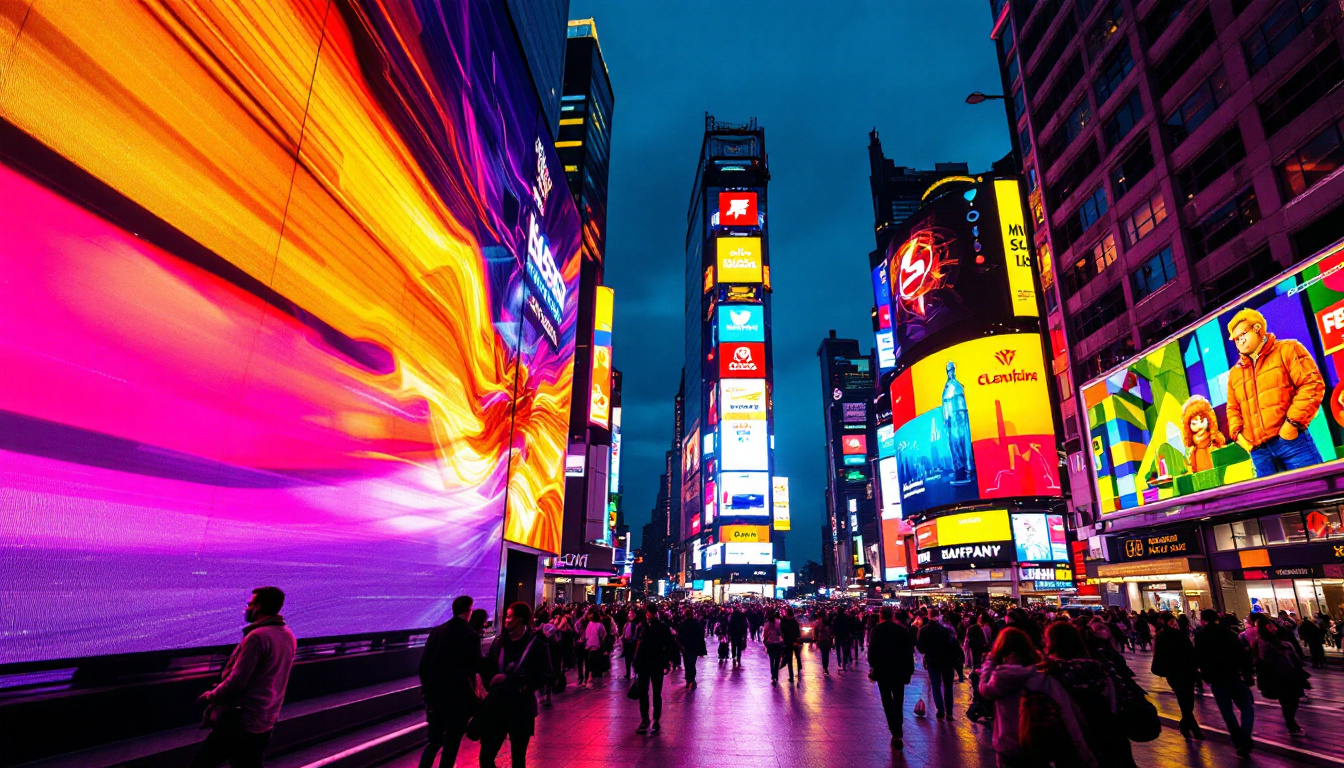
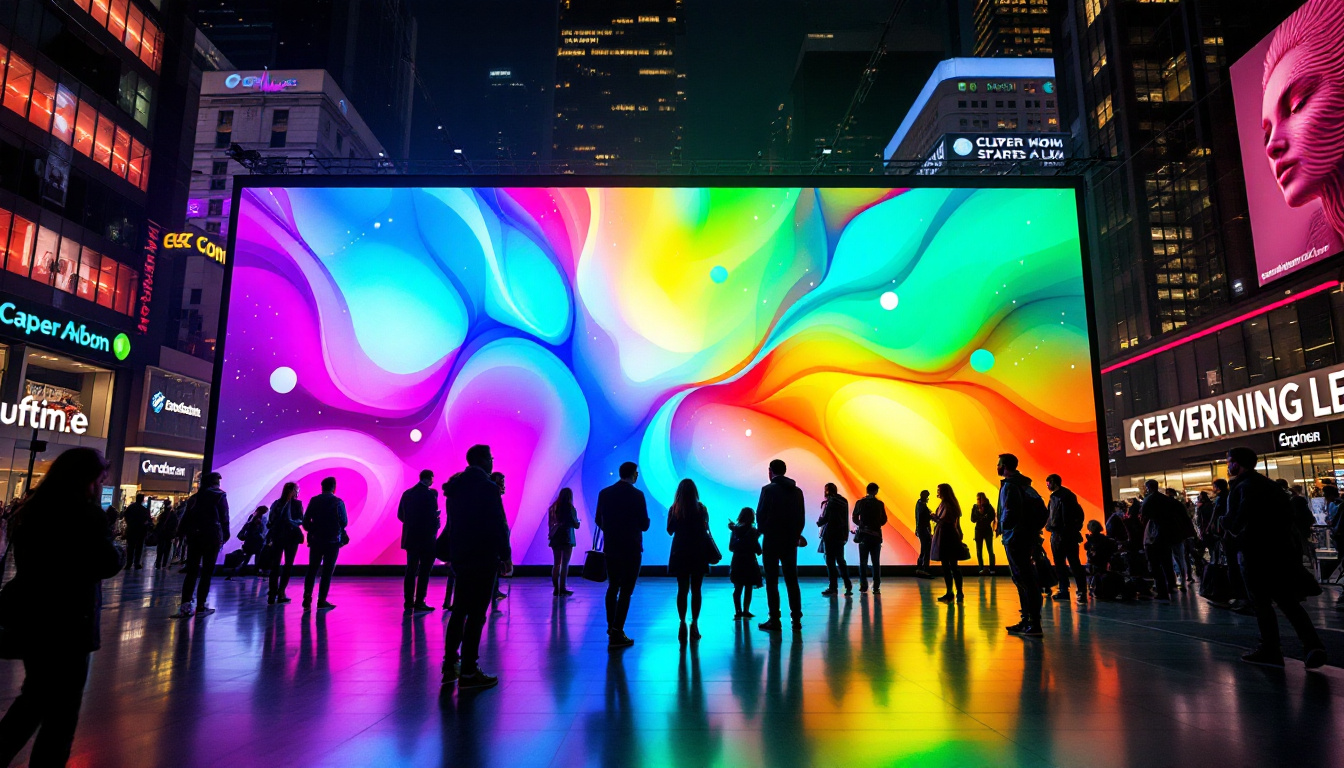
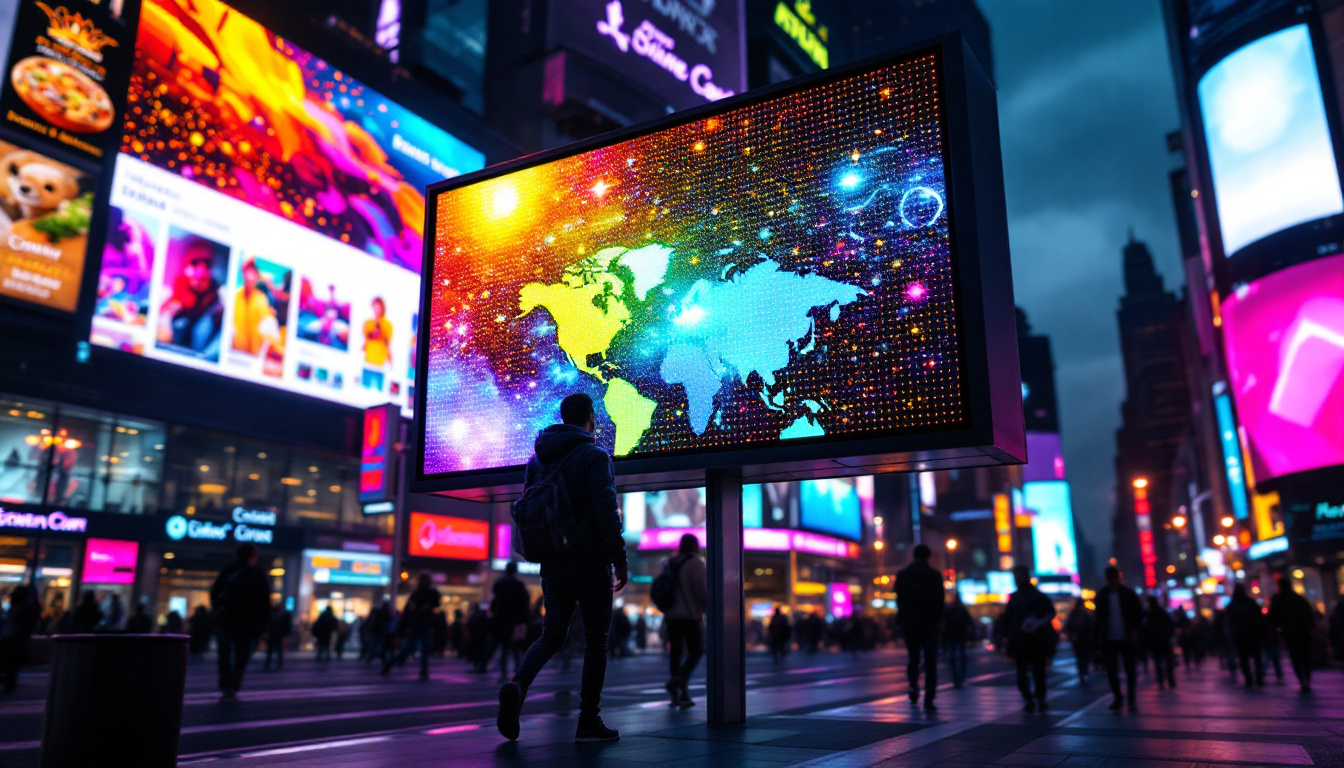
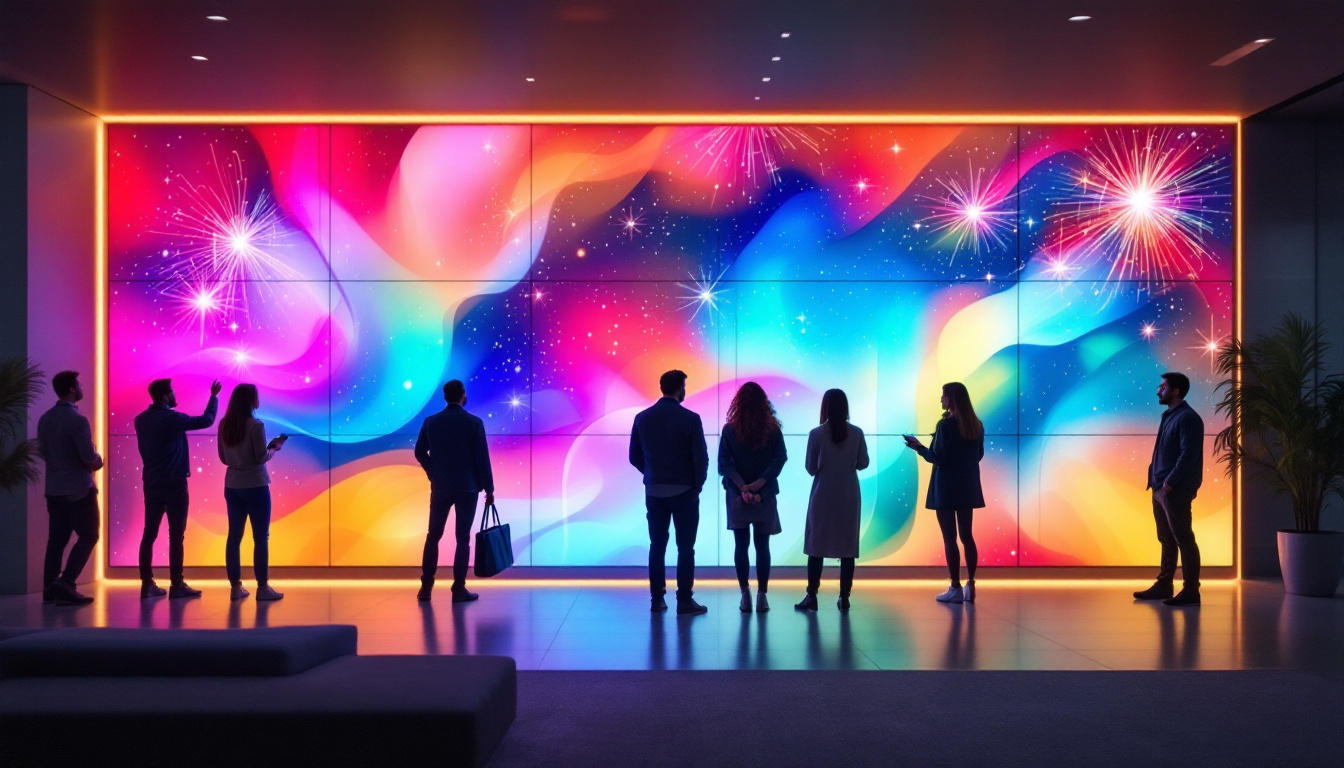
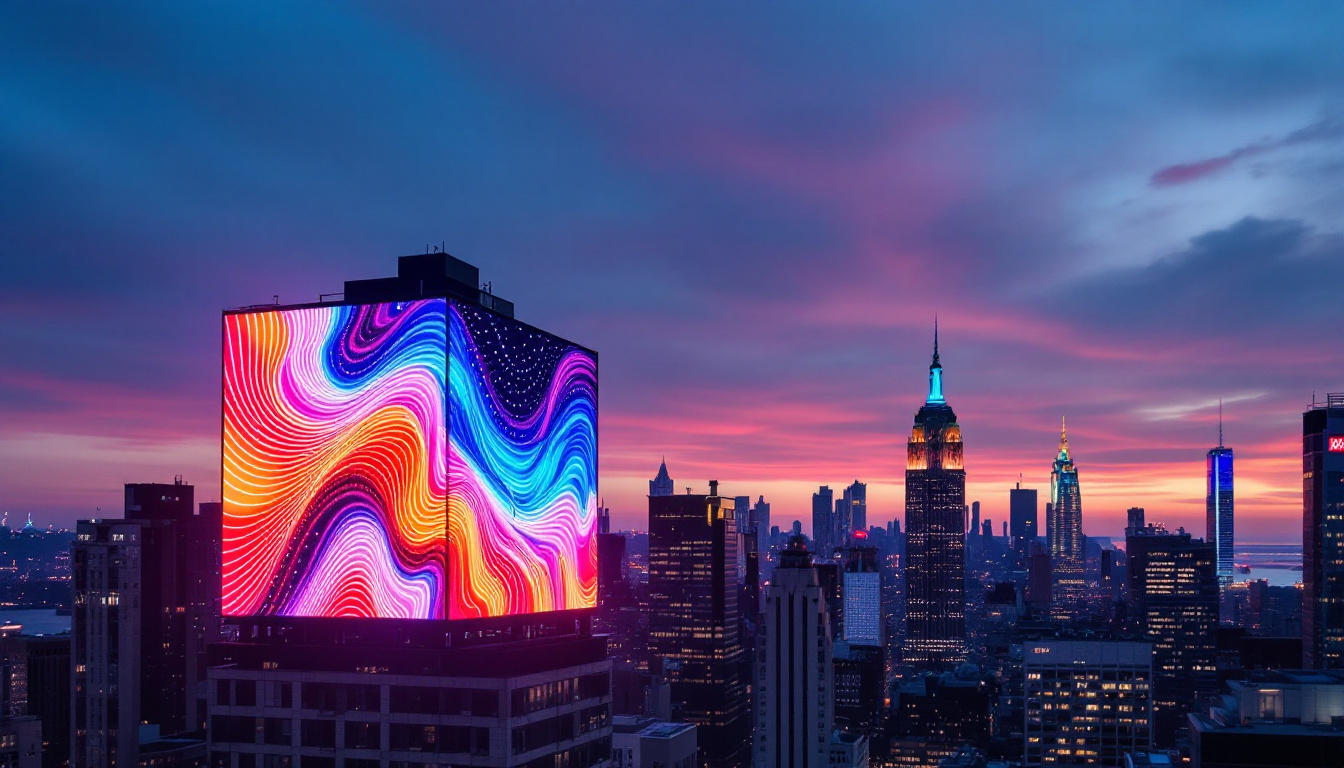
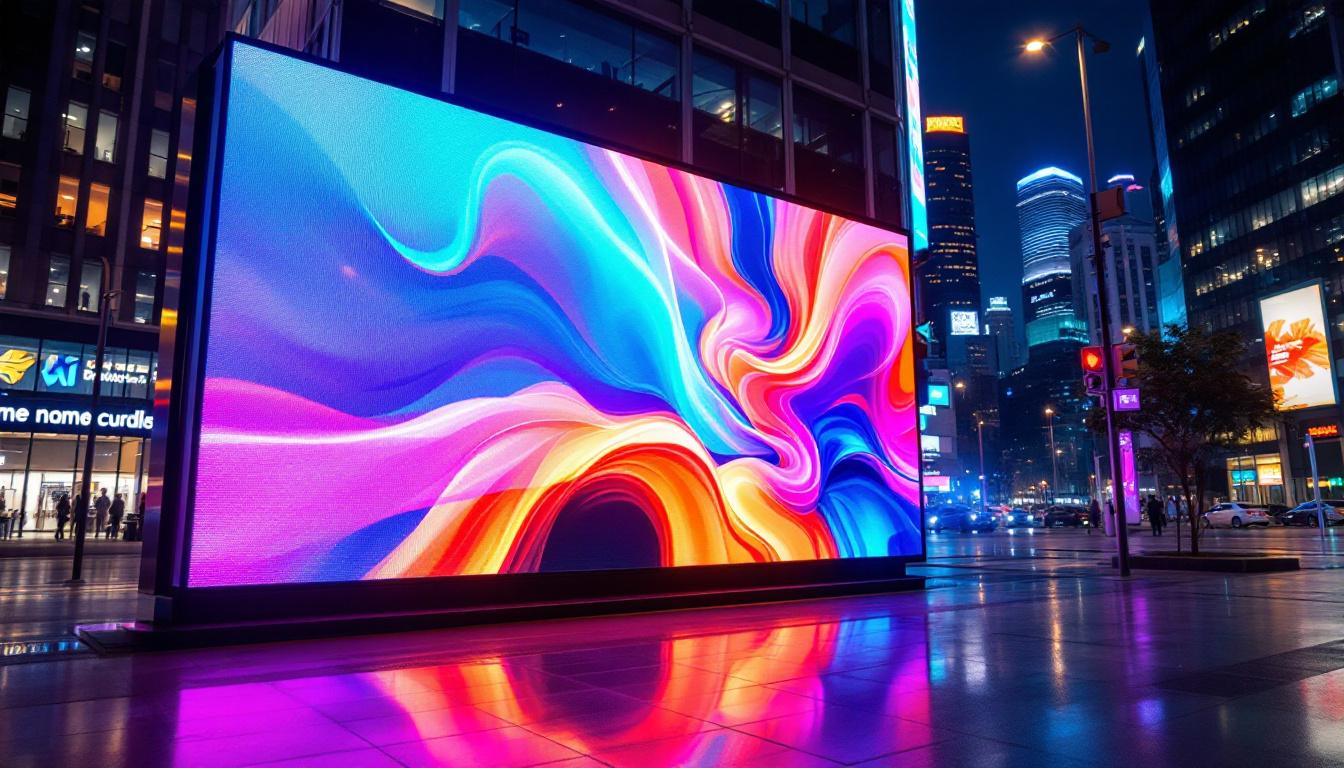
LED displays dominate the outdoor advertising market due to their brightness and durability. Iconic locations like Times Square in New York City and Piccadilly Circus in London are renowned for their massive LED billboards that captivate millions of viewers daily. These displays can be updated in real-time, allowing advertisers to deliver dynamic content that adapts to time, weather, or audience demographics.
Sports and Entertainment Venues
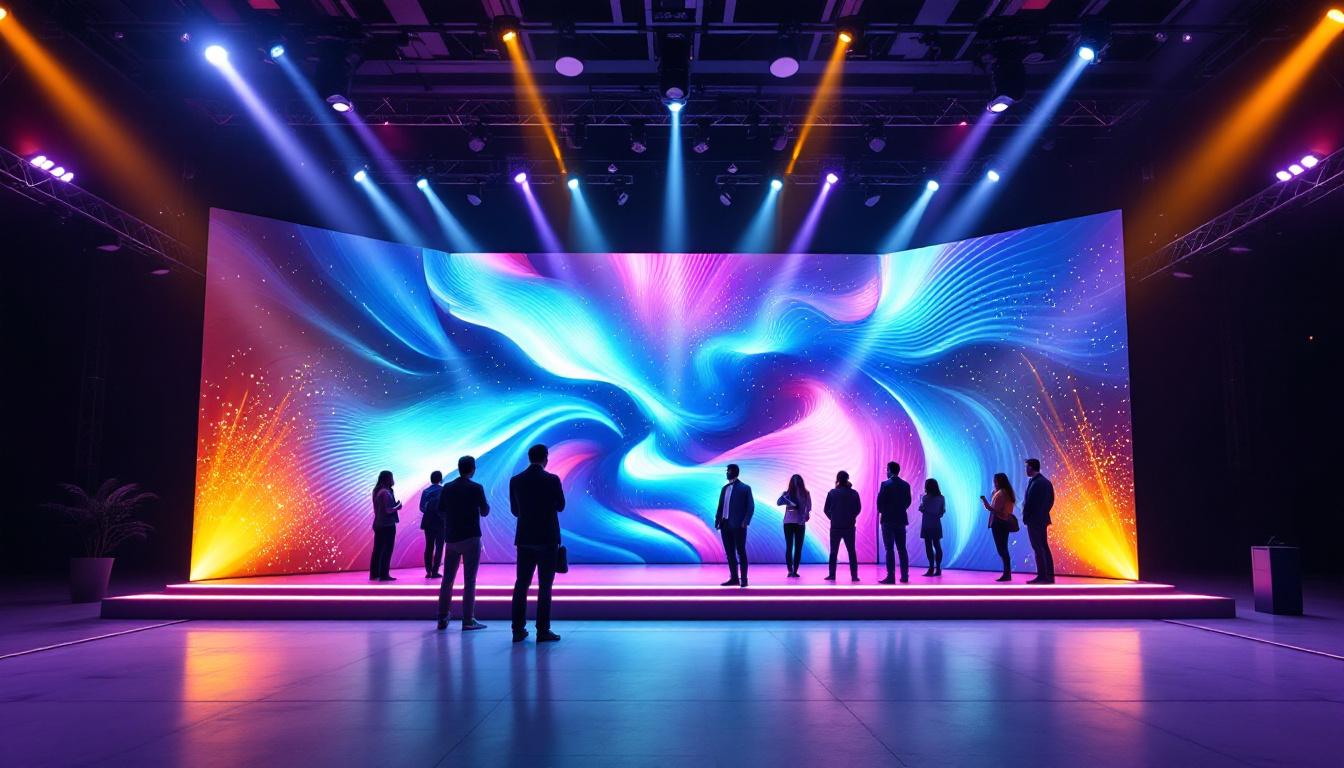
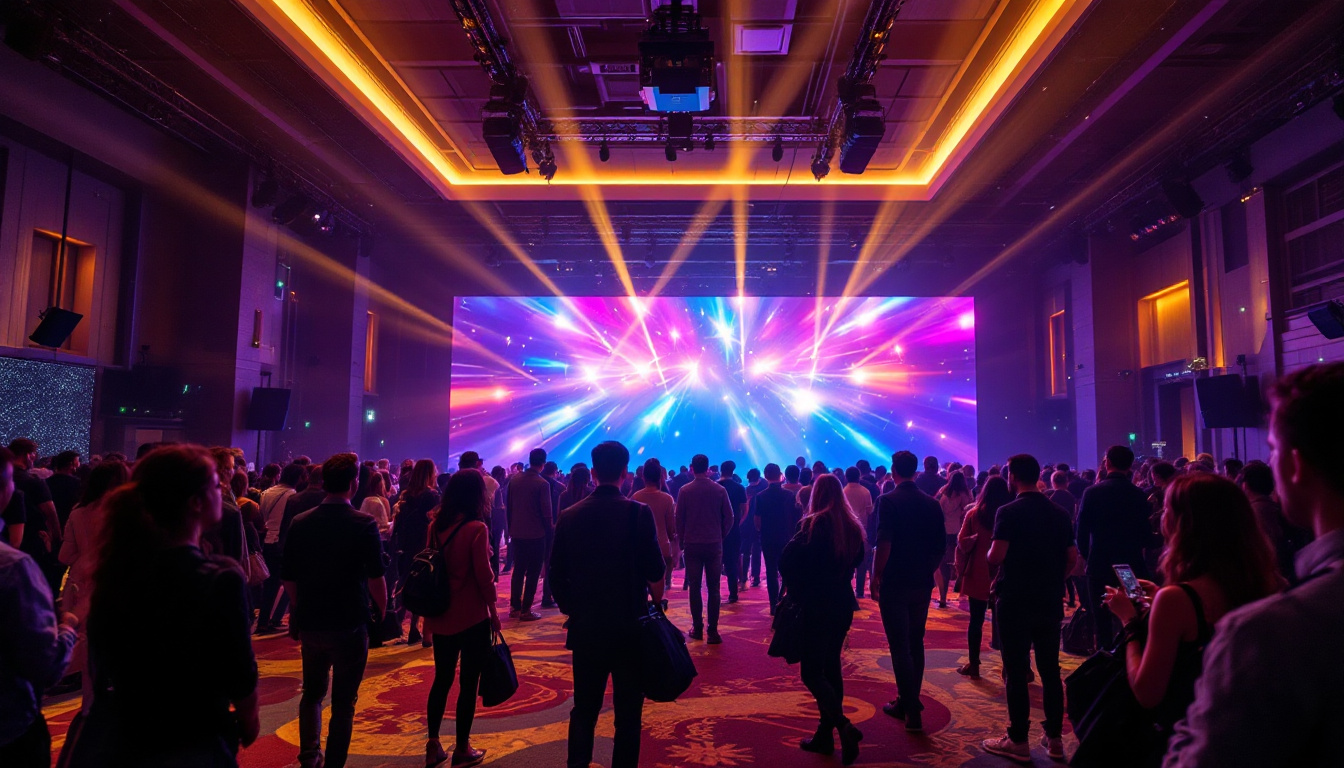
Stadiums and arenas use large LED screens to enhance the spectator experience. These screens display live footage, replays, scores, and interactive content. Their ability to deliver clear images over vast distances makes them indispensable for large venues.
Consumer Electronics
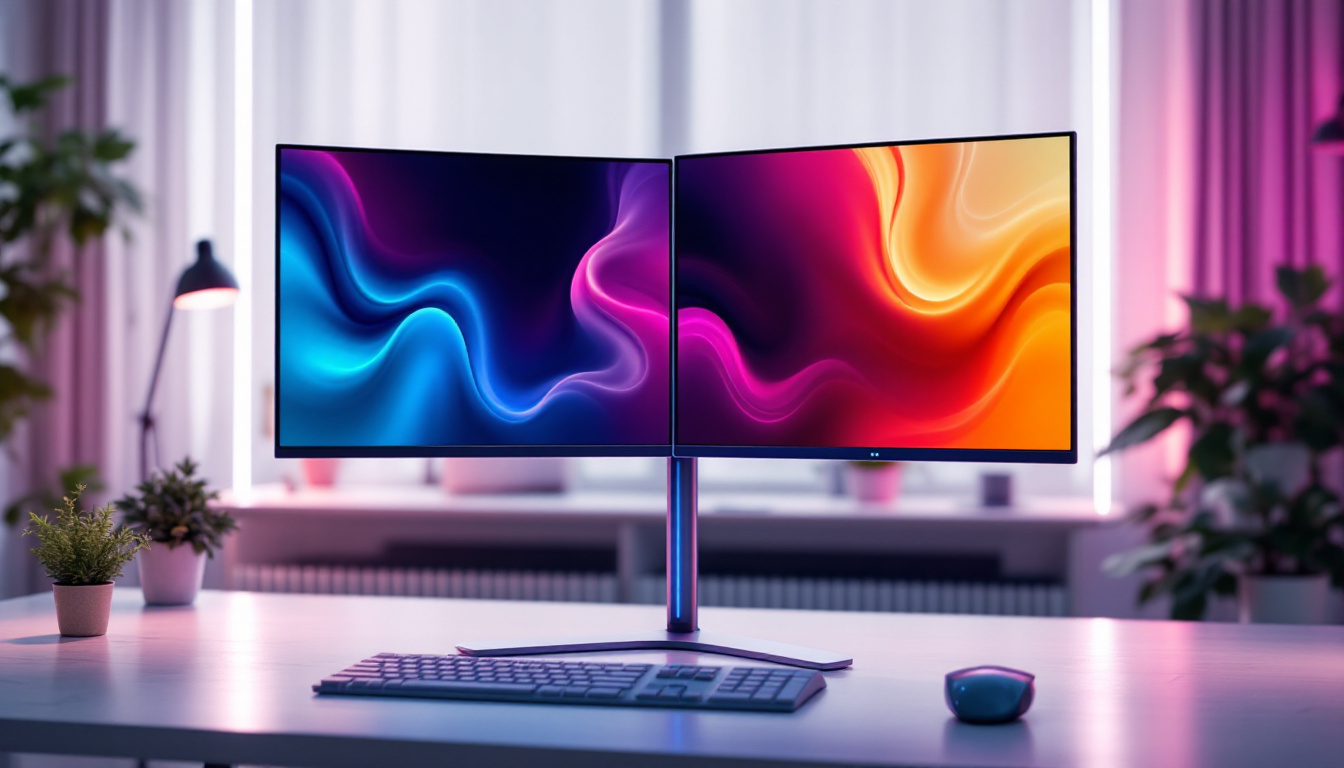
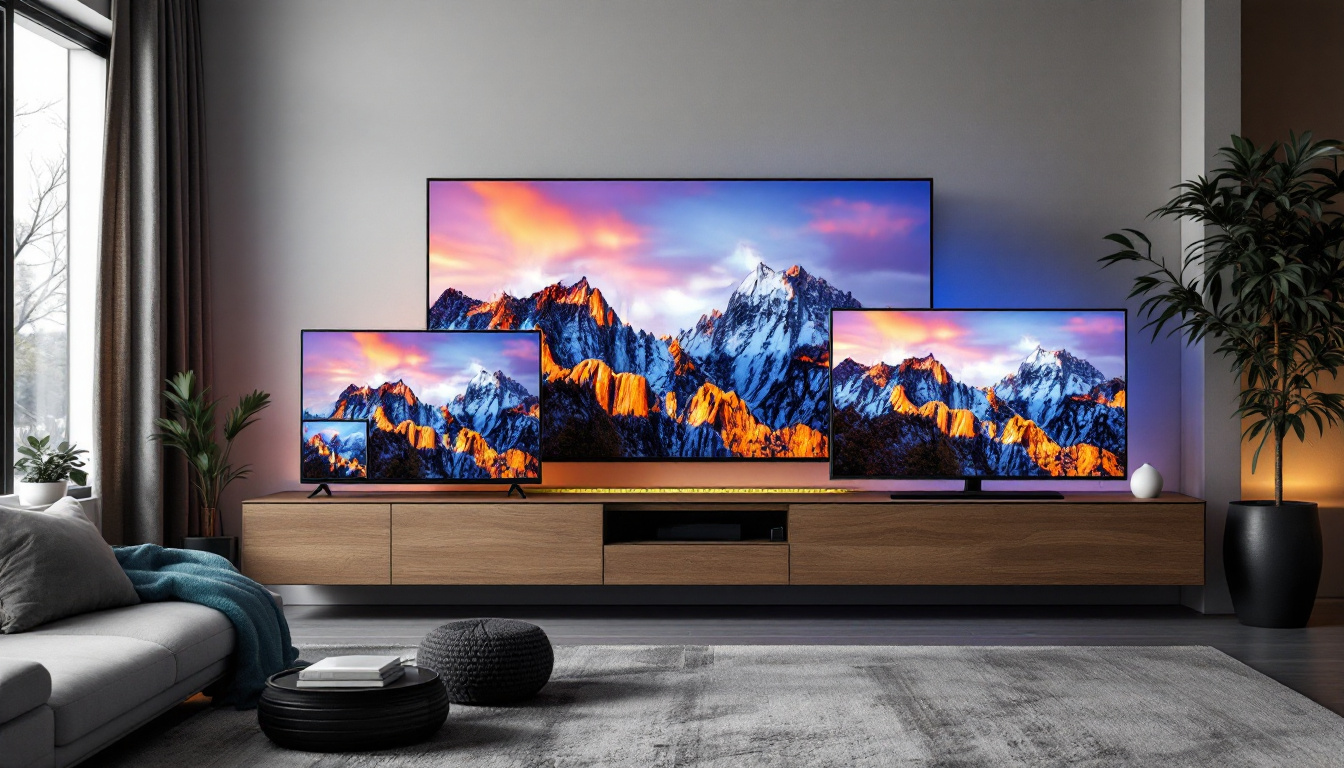
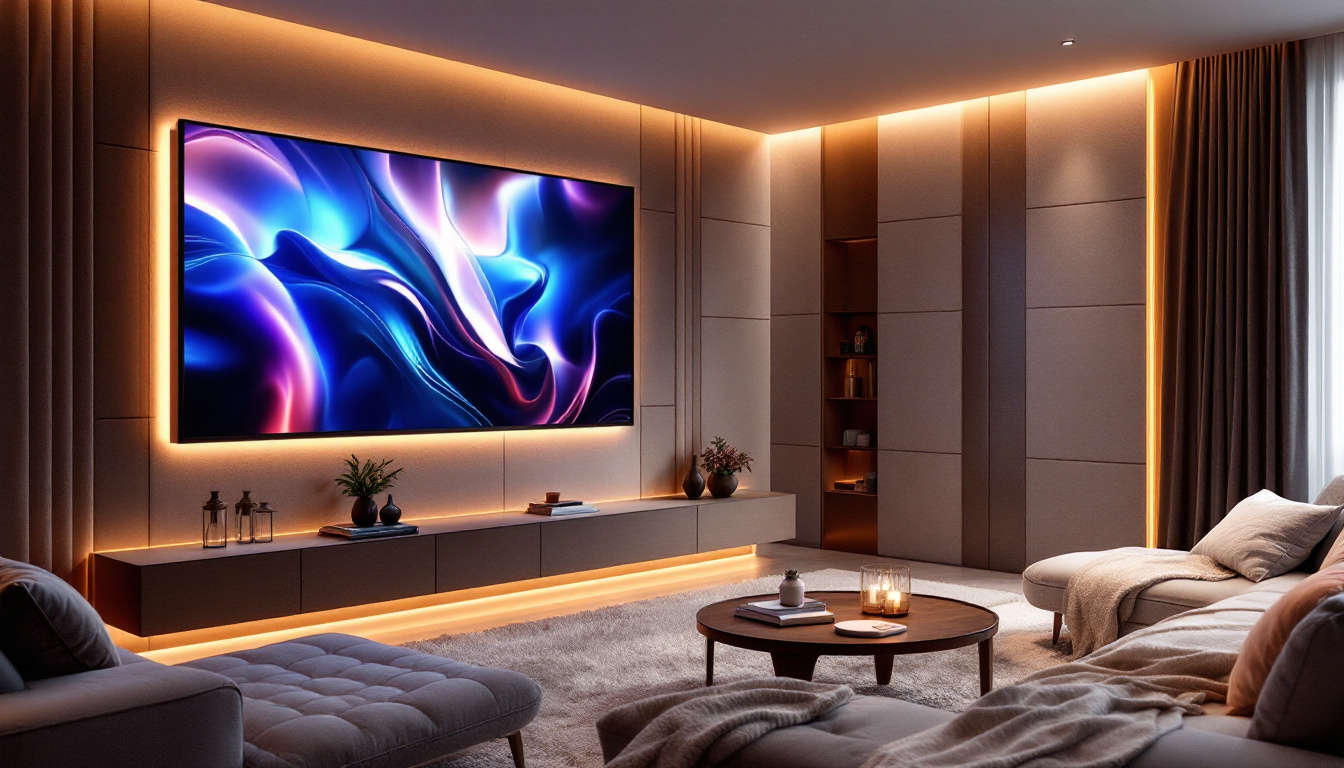
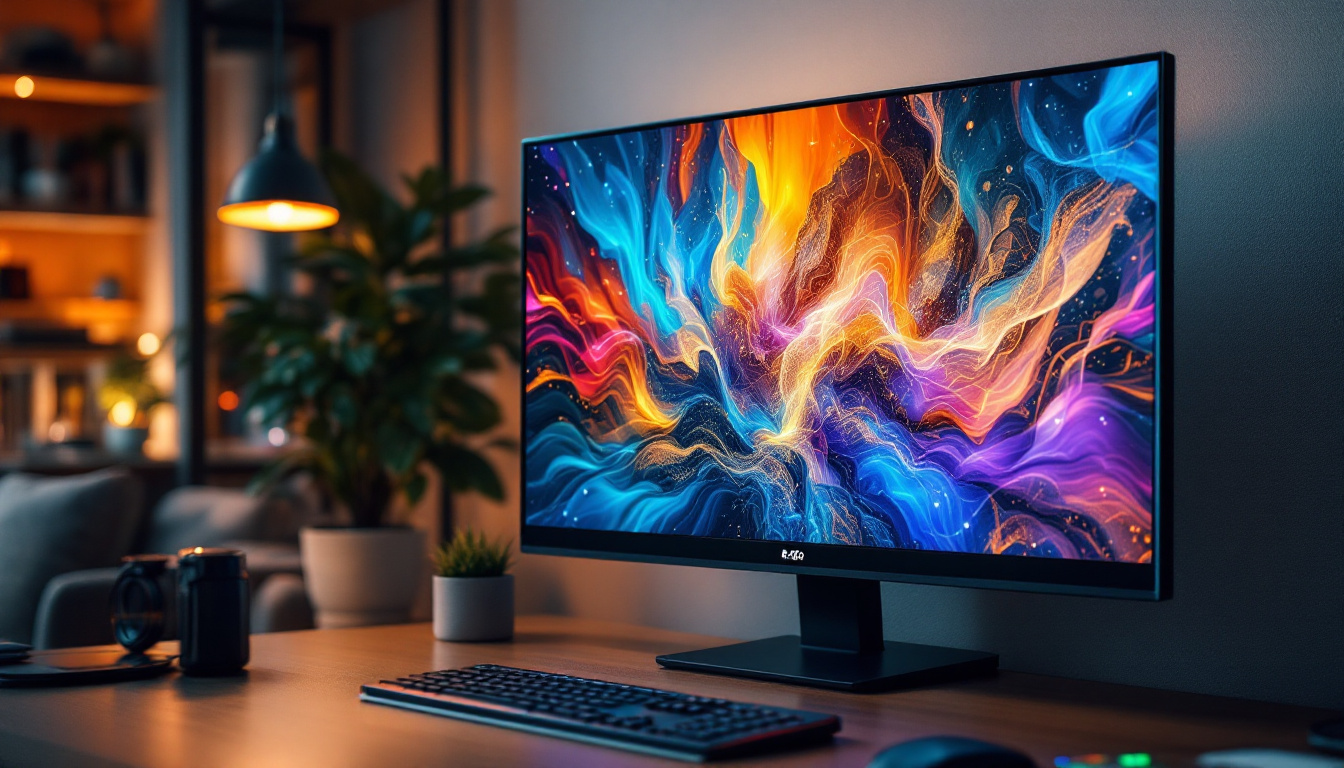
LED technology is integral to modern consumer electronics, including televisions, computer monitors, smartphones, and tablets. LED-backlit LCDs have largely replaced older display technologies, providing better image quality and energy efficiency. Emerging microLED displays promise to revolutionize this sector further with even higher performance.
Transportation and Public Information Displays
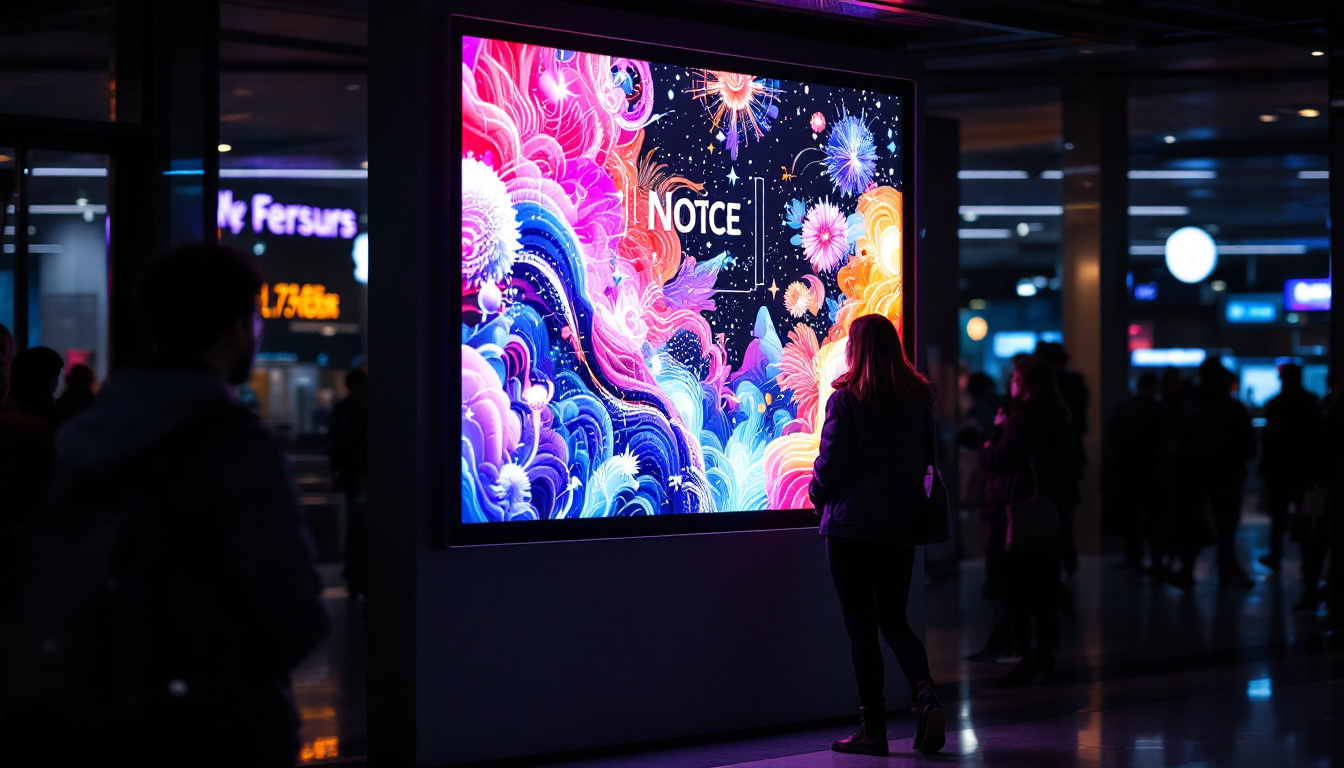
LED displays are widely used in transportation hubs such as airports, train stations, and bus terminals to provide real-time information. Their high visibility and reliability ensure passengers receive timely updates on schedules, delays, and safety announcements.
Retail and Hospitality
Retail stores and hotels use LED displays for digital signage, promotional content, and interactive kiosks. The ability to attract attention with bright, dynamic visuals helps businesses engage customers and enhance brand presence.
Key Considerations When Choosing an LED Display
Selecting the right LED display involves more than just understanding the technology. Several factors influence the effectiveness and suitability of a display for a particular application.
Resolution and Pixel Pitch
Resolution refers to the number of pixels in the display, while pixel pitch is the distance between the centers of adjacent pixels. A smaller pixel pitch means higher resolution and sharper images, which is critical for close viewing distances. For example, indoor LED displays typically have pixel pitches ranging from 1.2mm to 4mm, whereas outdoor displays might have pitches between 10mm and 20mm due to viewing distance requirements.
Brightness Levels
The required brightness depends on the display’s environment. Outdoor displays need higher brightness to counteract sunlight, while indoor displays can operate at lower levels to reduce power consumption and eye strain.
Viewing Angle
LED displays have varying viewing angles, which determine how well the image is seen from different positions. Wide viewing angles are essential in public spaces where audiences view the screen from multiple directions.
Durability and Weather Resistance
Outdoor LED displays must withstand harsh weather conditions, including rain, wind, and temperature fluctuations. Choosing displays with appropriate IP (Ingress Protection) ratings ensures longevity and reliability.
Cost and Maintenance
While LED displays can be more expensive upfront than other technologies, their energy efficiency and durability often result in lower total cost of ownership. It’s also important to consider maintenance requirements and the availability of technical support.
The Future of LED Display Technology
The LED display industry continues to innovate, driven by demands for higher resolution, better color accuracy, and more flexible form factors. Some key trends shaping the future include:
MicroLED and MiniLED
MicroLED technology involves using microscopic LEDs to create displays with unparalleled brightness, contrast, and energy efficiency. MiniLED, a related technology, uses smaller LEDs for backlighting LCD panels, offering improved performance at a lower cost. Both technologies are poised to challenge OLED displays in premium devices.
Flexible and Transparent Displays
Advances in materials science have enabled the creation of flexible and transparent LED displays. These can be integrated into windows, curved surfaces, and wearable devices, opening new possibilities for design and functionality.
Integration with Smart Technologies
LED displays are increasingly being integrated with IoT (Internet of Things) and AI (Artificial Intelligence) systems. This integration allows for dynamic content adaptation based on user behavior, environmental conditions, and real-time data analytics, enhancing interactivity and engagement.
Conclusion
LED displays represent a remarkable fusion of semiconductor technology and visual communication. Their ability to deliver bright, vibrant, and energy-efficient images has transformed industries ranging from advertising to consumer electronics. Understanding the definition and workings of LED displays is essential for anyone involved in technology, marketing, or design, as these devices continue to shape how information and entertainment are presented worldwide.
As LED technology advances with innovations like microLED and flexible displays, the potential applications will only expand, making LED displays an exciting and vital component of the digital future.
Explore Cutting-Edge LED Display Solutions with LumenMatrix
Ready to take your visual communication to the next level? Discover LumenMatrix’s innovative LED display technology, designed to captivate and engage your audience like never before. With a wide array of solutions including Indoor and Outdoor LED Wall Displays, Vehicle LED Displays, LED Poster Displays, LED Sports Displays, Floor LED Displays, Custom LED Displays, All-in-One LED Displays, and LED Transparent Displays, LumenMatrix is at the forefront of revolutionizing digital signage. Experience the future of vibrant and energy-efficient displays. Check out LumenMatrix LED Display Solutions today and transform your brand’s visibility and messaging impact.