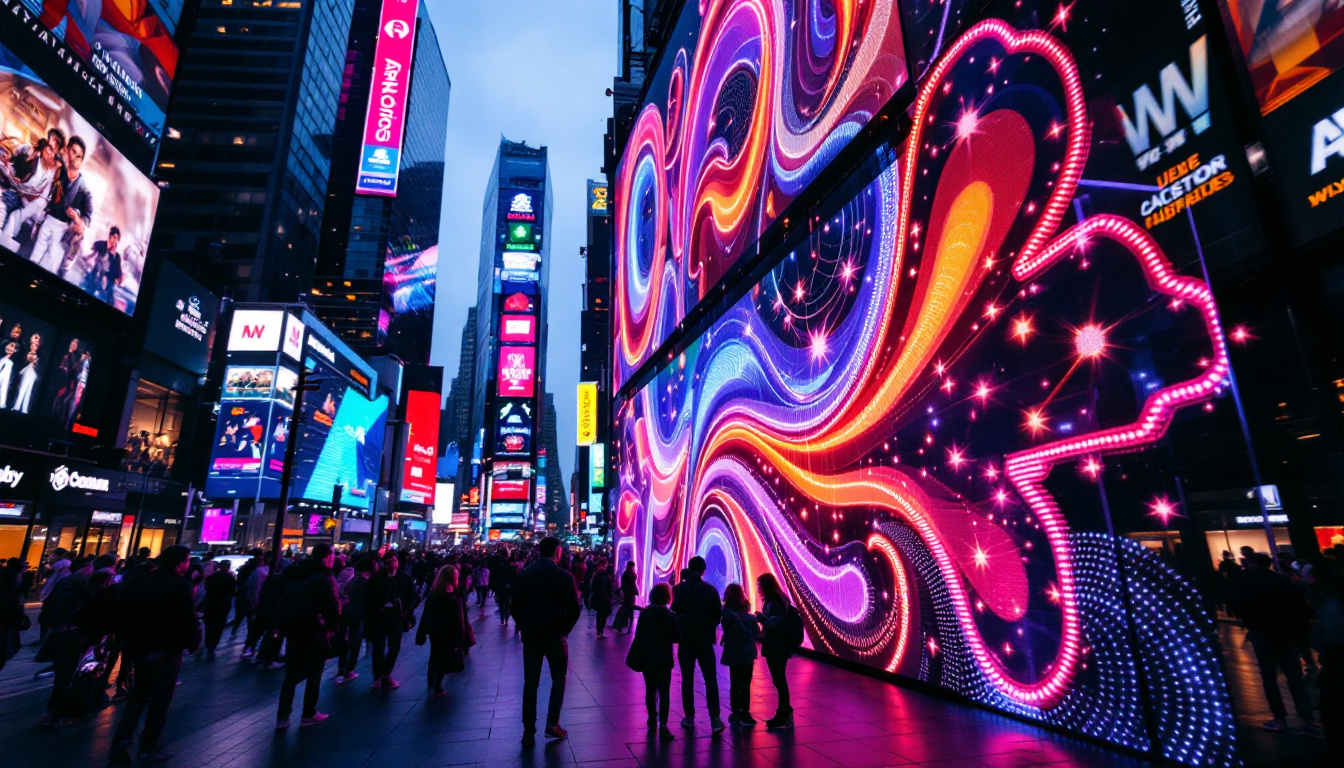
In the rapidly evolving world of digital signage and display technology, LED displays have become a cornerstone for a wide range of applications, from advertising billboards to indoor event screens. Among the various components that make up an LED display, the entry cabinet plays a crucial role in ensuring performance, durability, and ease of maintenance. This article provides a comprehensive explanation of what an entry cabinet is in the context of LED displays, its significance, construction details, and how it impacts the overall quality and functionality of LED screens.
What Is an Entry Cabinet in LED Displays?
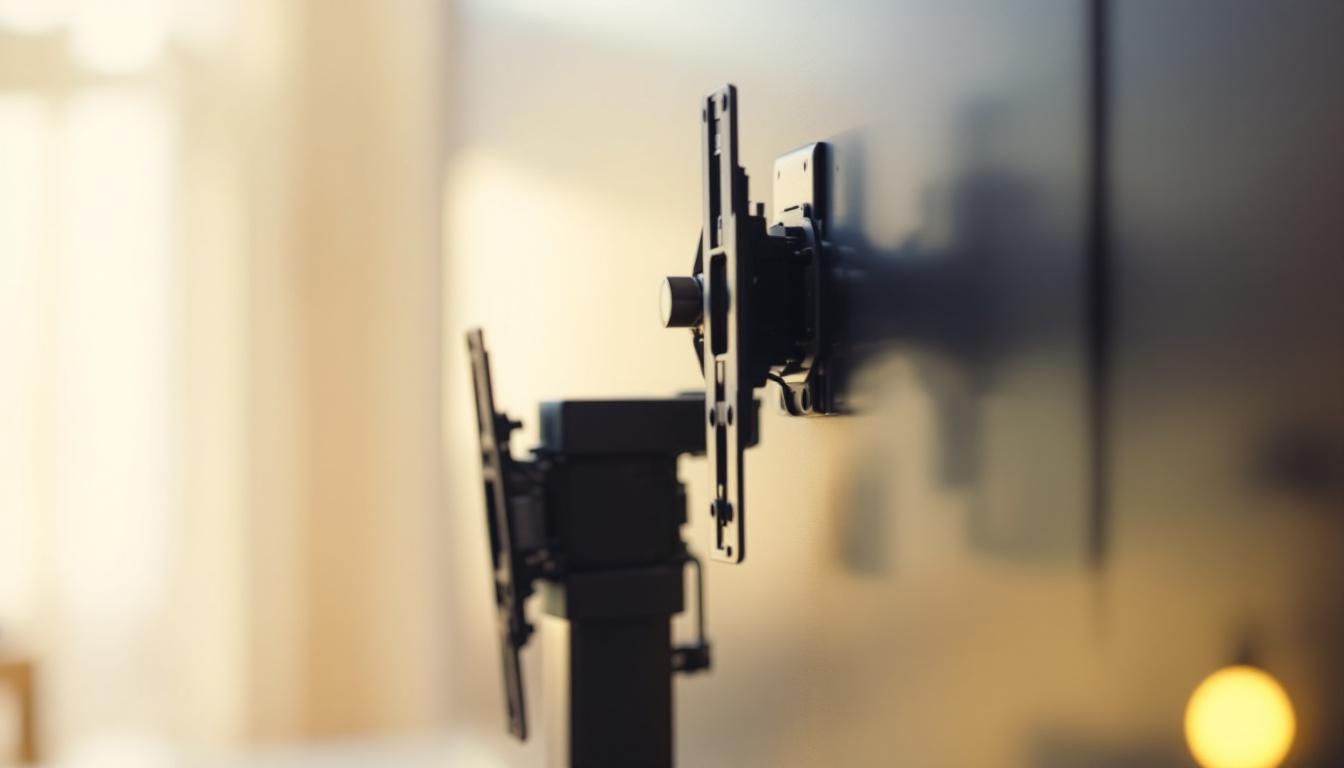
The term “entry cabinet” refers to the modular enclosure or frame that houses the LED modules, power supplies, control systems, and other essential components of an LED display panel. These cabinets are typically designed to be interconnected, forming larger screens of various sizes and resolutions. The entry cabinet serves as the fundamental building block for LED displays, offering a structured and protective environment for the delicate electronic components inside.
Entry cabinets are engineered to provide structural integrity, facilitate heat dissipation, and allow for easy installation and maintenance. They come in standardized sizes, commonly 500mm x 500mm or 500mm x 1000mm, which enables manufacturers and installers to design flexible display configurations. The modularity of entry cabinets is a key advantage, as it allows for scalable screen sizes and straightforward repairs by replacing individual cabinets rather than the entire display. This modular design not only enhances the longevity of the display but also significantly reduces downtime during maintenance, making it an ideal choice for high-traffic applications.
The Role of Entry Cabinets in LED Display Assembly
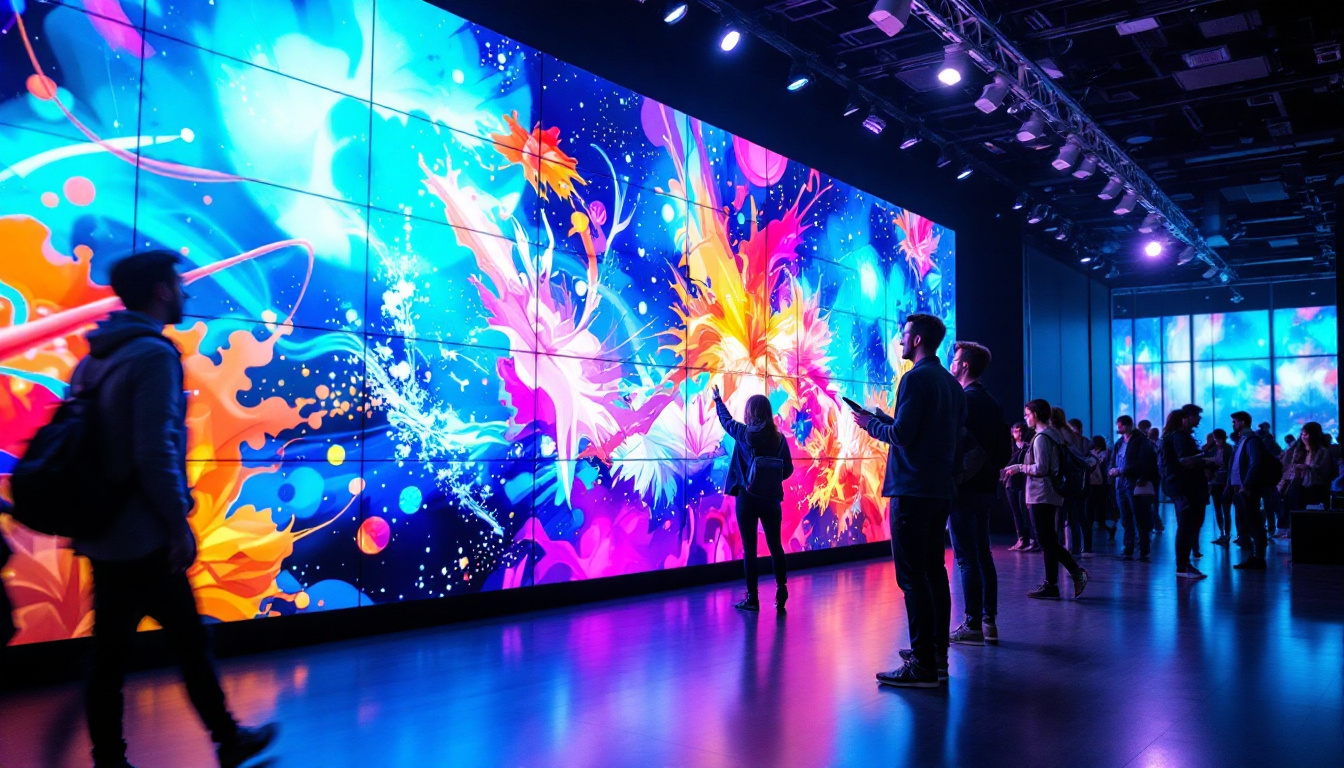
When assembling an LED display, multiple entry cabinets are mounted together in a grid-like fashion. Each cabinet contains a matrix of LED modules, which are the actual light-emitting components responsible for creating the image. The cabinets are connected both mechanically and electrically to ensure seamless image continuity and synchronized operation. This interconnection is crucial for achieving high-quality visuals, as any misalignment or electrical failure could result in noticeable discrepancies in the displayed content.
Because LED displays are often used in demanding environments—such as outdoor advertising, sports arenas, and concert venues—the entry cabinet must be robust enough to withstand weather conditions, physical impact, and thermal stress. High-quality cabinets feature weatherproof seals, corrosion-resistant materials, and efficient cooling systems to maintain optimal performance over time. Additionally, some entry cabinets are equipped with advanced features like smart monitoring systems that provide real-time data on temperature, humidity, and operational status, allowing for proactive maintenance and minimizing the risk of unexpected failures. This level of technology integration not only enhances the reliability of the display but also contributes to a more sustainable operation by optimizing energy consumption and extending the lifespan of the components housed within the cabinets.
Key Components and Construction of Entry Cabinets
Understanding the anatomy of an entry cabinet helps clarify why it is vital to the overall LED display. The cabinet is more than just a frame; it integrates several components designed to work harmoniously.
Cabinet Frame and Material
The frame is typically constructed from lightweight yet strong materials such as aluminum alloy or steel. Aluminum is favored for its excellent strength-to-weight ratio and natural corrosion resistance, which is essential for outdoor installations. The precision engineering of the frame ensures flatness and rigidity, which are critical for maintaining uniform pixel alignment across the entire display.
Some manufacturers use die-cast aluminum for enhanced durability and heat dissipation. The frame design often includes mounting points and handles to facilitate quick installation and removal during maintenance. Additionally, the choice of finish on the frame can influence both aesthetics and functionality; powder coating is a popular option that not only provides a sleek appearance but also adds an extra layer of protection against environmental factors, such as UV rays and moisture.
LED Modules and Pixel Pitch
Inside the cabinet, LED modules are mounted on printed circuit boards (PCBs). Each module contains an array of LEDs arranged according to the pixel pitch—the distance between the centers of two adjacent pixels. Pixel pitch is a crucial factor that determines the display’s resolution and viewing distance.
For example, a pixel pitch of 2.5mm is common for indoor displays requiring close viewing distances, while outdoor displays may use pitches of 6mm or larger to ensure visibility from afar. The entry cabinet is designed to accommodate these modules securely and maintain precise alignment for a seamless image. Furthermore, advancements in LED technology have led to the development of finer pixel pitches, enabling ultra-high-definition displays that can captivate audiences with stunning clarity and detail, even from a distance.
Power Supply and Control Systems
Each cabinet houses power supply units that convert AC power to the DC voltages required by the LED modules. Reliable power supplies are essential to prevent flickering and ensure consistent brightness. Additionally, control boards within the cabinet manage data signals sent from the display controller, synchronizing the LEDs to produce the intended visuals.
Advanced cabinets feature integrated signal distribution systems that simplify wiring and reduce installation complexity. These systems also support redundancy, enhancing the display’s reliability by allowing backup power or signal paths in case of failure. Moreover, with the rise of smart technology, some entry cabinets are now equipped with remote monitoring capabilities, allowing operators to track performance metrics and diagnose issues in real-time, thus minimizing downtime and maintenance costs.
Cooling and Ventilation
LEDs generate heat during operation, and excessive temperatures can degrade performance and shorten lifespan. Entry cabinets incorporate passive or active cooling solutions to dissipate heat effectively. Passive cooling involves heat sinks and ventilation holes, while active cooling may include fans or liquid cooling systems for high-power outdoor displays.
Proper thermal management ensures stable brightness and color accuracy, which are critical for maintaining image quality over extended periods. Additionally, some manufacturers are exploring innovative cooling technologies, such as thermoelectric coolers, which can provide precise temperature control without the noise associated with traditional fans. This not only enhances the longevity of the LEDs but also contributes to a quieter operation, making it ideal for environments where sound levels need to be minimized, such as theaters or conference rooms.
Types of Entry Cabinets and Their Applications
Entry cabinets vary based on their intended use, environmental conditions, and display specifications. Choosing the right type of cabinet is essential for optimizing performance and longevity.
Indoor vs. Outdoor Cabinets
Indoor LED display cabinets prioritize high resolution and brightness suitable for controlled lighting environments. They often have a finer pixel pitch and lighter construction since weatherproofing is less critical. These cabinets usually have front access designs, allowing maintenance from the display’s front side without dismantling the entire structure.
Outdoor cabinets, on the other hand, must withstand rain, dust, extreme temperatures, and UV exposure. They feature IP65 or higher ratings for ingress protection, robust sealing, and corrosion-resistant coatings. Outdoor cabinets are typically heavier and include rear access panels for servicing, as they are often mounted on large, permanent structures.
Fixed vs. Rental Cabinets
Fixed cabinets are designed for permanent installations, such as building facades, stadium screens, or digital billboards. These cabinets emphasize durability, weather resistance, and long-term stability. Their design may incorporate features to reduce wind load and vibration.
Rental cabinets cater to the event and entertainment industry, where displays need to be assembled and disassembled frequently. These cabinets prioritize portability, quick locking mechanisms, and lightweight construction. Rental cabinets often have front access for rapid module replacement and maintenance during events.
Curved and Flexible Cabinets
Innovations in LED cabinet design have introduced curved and flexible cabinets that allow displays to conform to unique architectural shapes. These cabinets feature adjustable frames and flexible PCBs, enabling creative installations in retail, museums, and public spaces. While more complex to manufacture, they open new possibilities for immersive visual experiences.
Why Entry Cabinet Quality Matters
The quality of the entry cabinet directly influences the performance, reliability, and maintenance costs of an LED display. Investing in well-engineered cabinets pays dividends in several ways.
Image Quality and Uniformity
Cabinet flatness and module alignment are critical for achieving uniform brightness and color consistency across the display. Poorly constructed cabinets can cause misalignment, resulting in visible seams, color shifts, or pixel distortion. High-quality cabinets maintain tight tolerances, ensuring a seamless viewing experience.
Durability and Environmental Resistance
Outdoor displays face harsh conditions that can accelerate wear and tear. Cabinets with superior sealing, corrosion resistance, and robust construction protect internal components from moisture, dust, and mechanical damage. This reduces downtime and extends the display’s operational life.
Ease of Installation and Maintenance
Modular cabinets designed for easy installation reduce labor costs and project timelines. Features such as quick-lock mechanisms, front or rear access panels, and standardized connectors streamline setup and troubleshooting. Efficient maintenance capabilities minimize display downtime, which is crucial for commercial applications where continuous operation is expected.
Future Trends in Entry Cabinet Design
As LED technology advances, entry cabinet design continues to evolve to meet new demands for higher resolution, larger sizes, and innovative form factors.
Ultra-High Resolution and MicroLED Integration
With the rise of microLED technology, future entry cabinets will need to accommodate smaller pixel pitches and more densely packed LED modules. This requires even greater precision in cabinet manufacturing to maintain perfect alignment and heat management.
Lightweight and Sustainable Materials
Environmental considerations are driving the use of sustainable materials and manufacturing processes. Lightweight composites and recyclable metals are being explored to reduce the carbon footprint of LED displays without compromising durability.
Smart Cabinets with Integrated Sensors
Emerging designs incorporate sensors within cabinets to monitor temperature, humidity, and structural integrity in real-time. This data enables predictive maintenance and remote diagnostics, improving reliability and reducing operational costs.
Conclusion
The entry cabinet is a foundational element of LED display technology, serving as the protective and structural housing for the display’s core components. Its design and quality have a profound impact on the display’s image quality, durability, and ease of maintenance. Whether for indoor advertising, outdoor billboards, or dynamic event screens, selecting the right entry cabinet is essential for achieving optimal performance and longevity.
As LED displays continue to grow in popularity and sophistication, understanding the role of entry cabinets helps stakeholders—from designers and installers to end-users—make informed decisions that enhance the value and effectiveness of their digital signage investments.
Discover LumenMatrix’s Advanced LED Display Solutions
Ready to elevate your visual communication with top-tier LED displays? Look no further than LumenMatrix, a pioneer in LED display technology. Our comprehensive range of solutions, from Indoor and Outdoor LED Walls to specialized displays for Vehicles, Sports, and even Custom configurations, is designed to captivate and engage your audience. Embrace the future of digital signage with LumenMatrix and experience unparalleled brand visibility and stunning visual experiences. Check out LumenMatrix LED Display Solutions today and transform your message into an impactful visual statement.