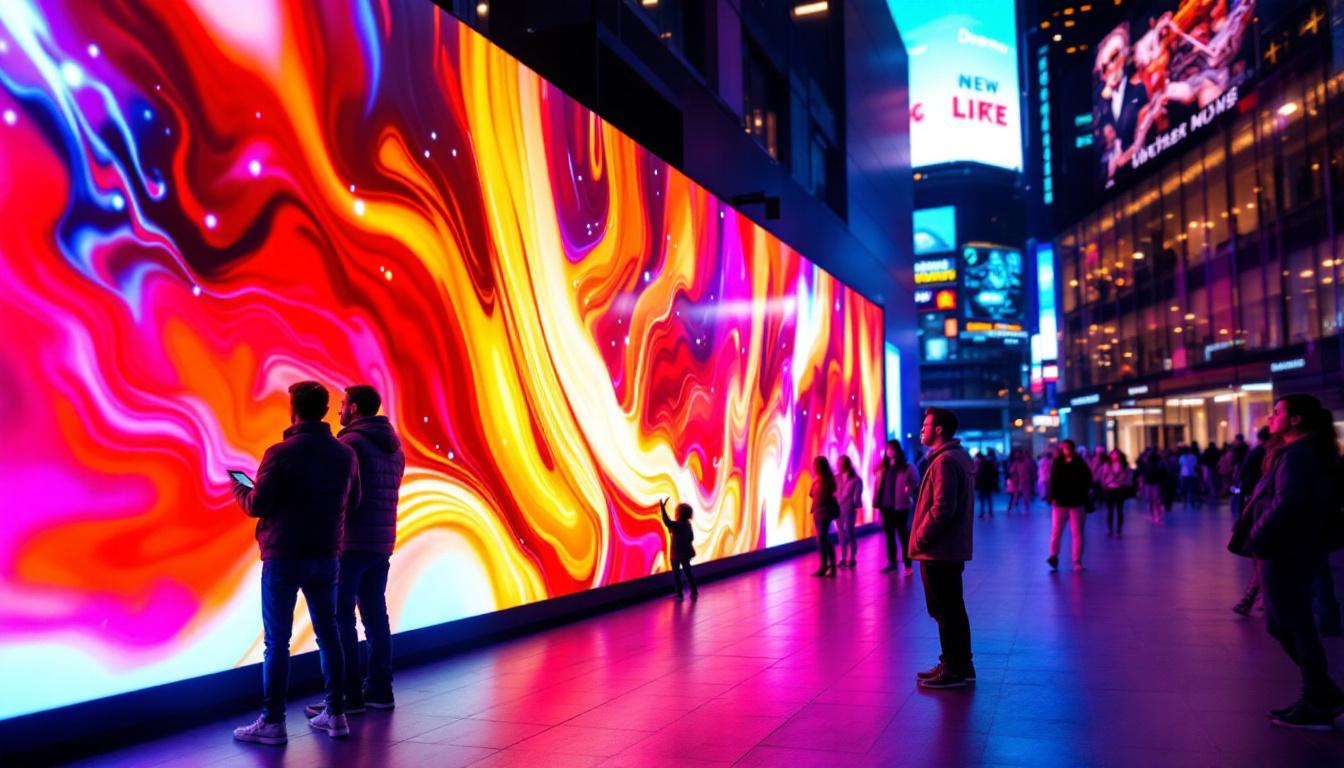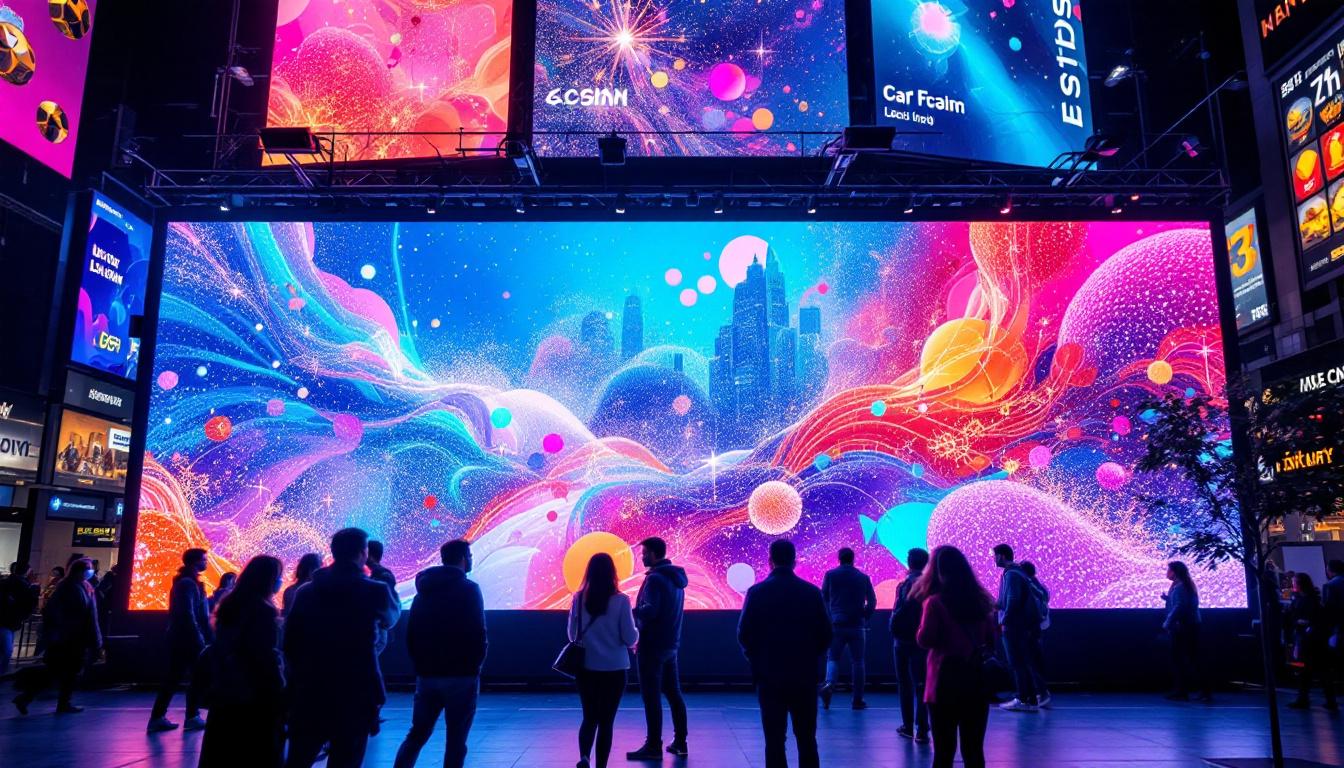
In today’s digital age, LED displays have become an integral part of advertising, information dissemination, and entertainment. From towering billboards in Times Square to dynamic screens in stadiums, LED technology powers vibrant, eye-catching visuals that captivate audiences worldwide. This article delves into the world of LED displays, explaining their technology, applications, advantages, and the latest innovations shaping the industry.
Understanding LED Display Technology
LED stands for Light Emitting Diode, a semiconductor device that emits light when an electric current passes through it. Unlike traditional display technologies such as LCD or plasma, LEDs produce their own light, resulting in brighter images and better energy efficiency.
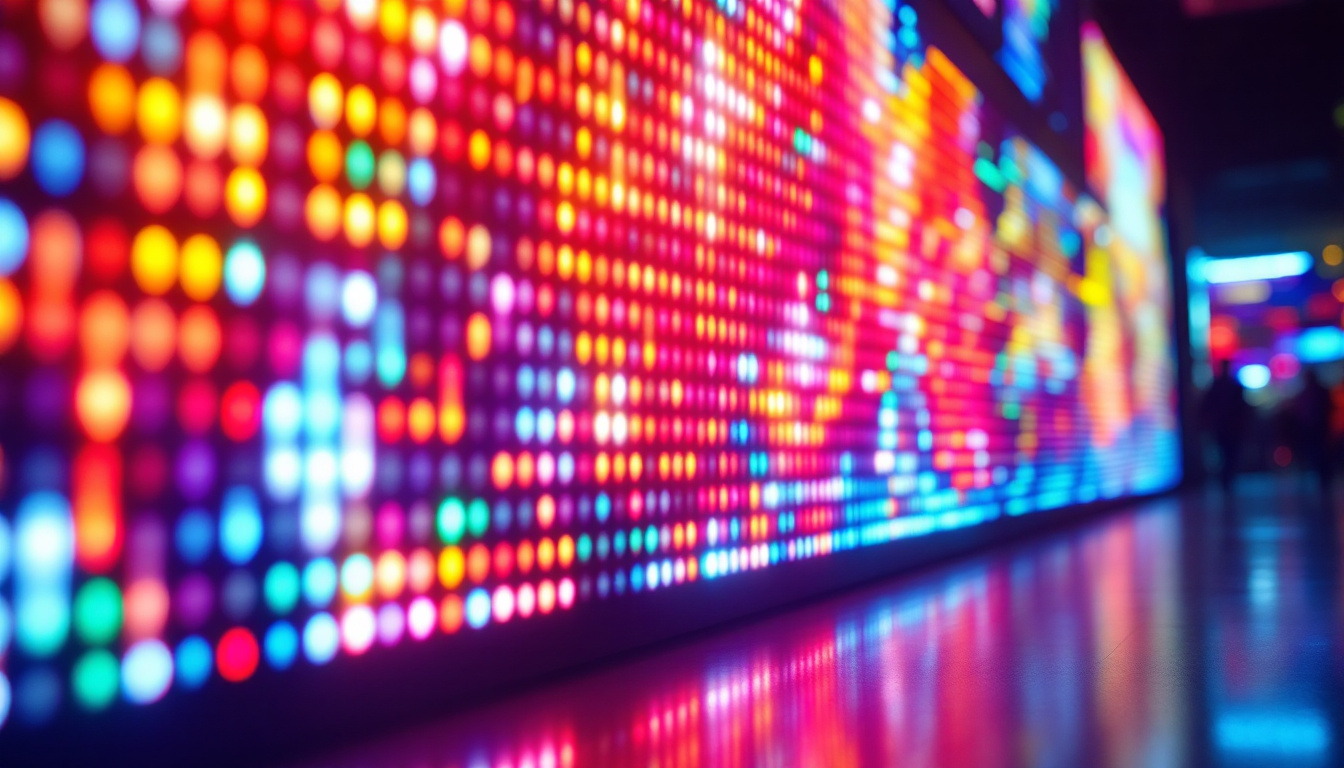
At its core, an LED display is composed of thousands to millions of tiny LEDs arranged in a matrix. Each LED acts as a single pixel or part of a pixel, illuminating in various colors to form images or videos. The most common types of LED displays include:
1. Direct View LED Displays
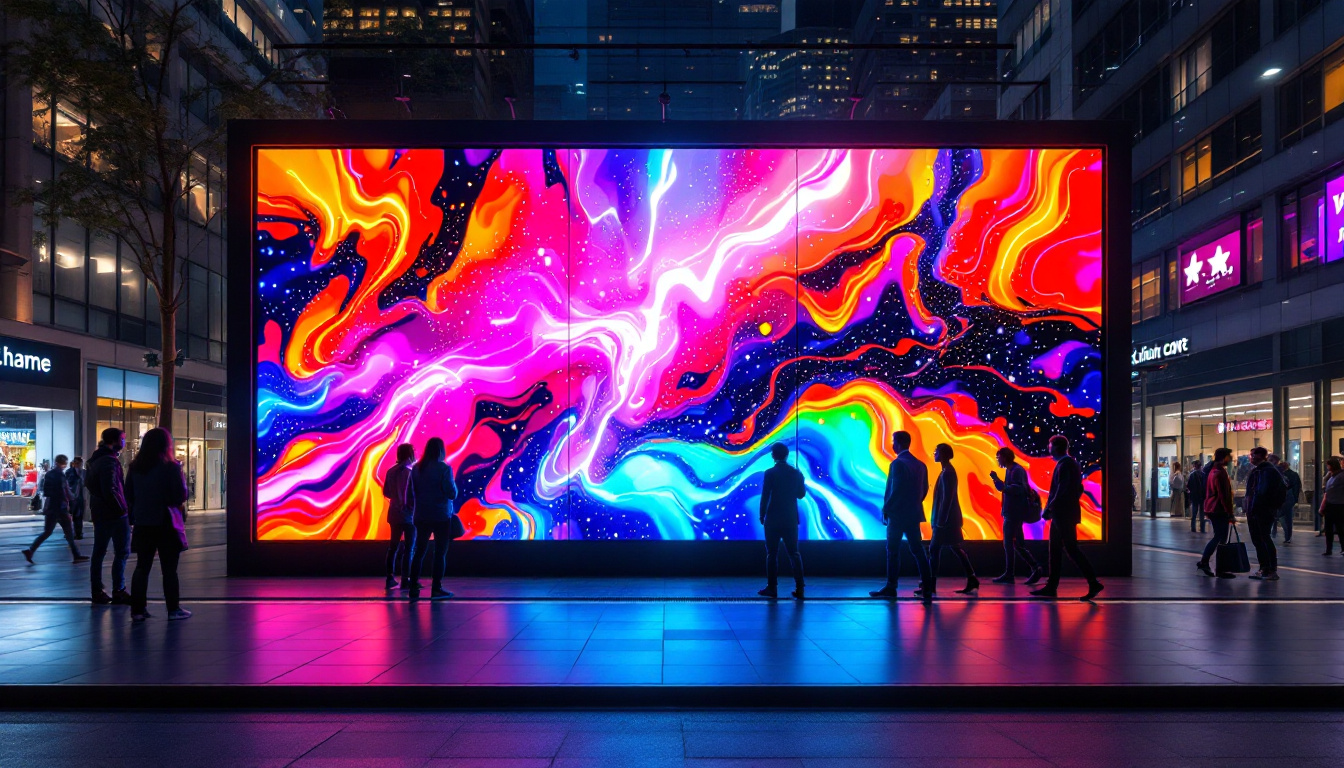
Direct View LED (DVLED) displays use LEDs as the actual pixels visible to the viewer. These are typically used for large outdoor screens, stadium displays, and digital billboards. The LEDs are mounted on panels that can be combined to create screens of virtually any size.
Because each LED emits its own light, DVLED displays offer exceptional brightness and contrast, making them ideal for environments with high ambient light, such as outdoor settings. Additionally, the modular nature of these displays allows for easy repairs and upgrades, as individual panels can be replaced without needing to overhaul the entire system. This flexibility has made DVLED a popular choice for advertising and public information systems, where visibility and adaptability are crucial.
2. LED-Backlit LCD Displays
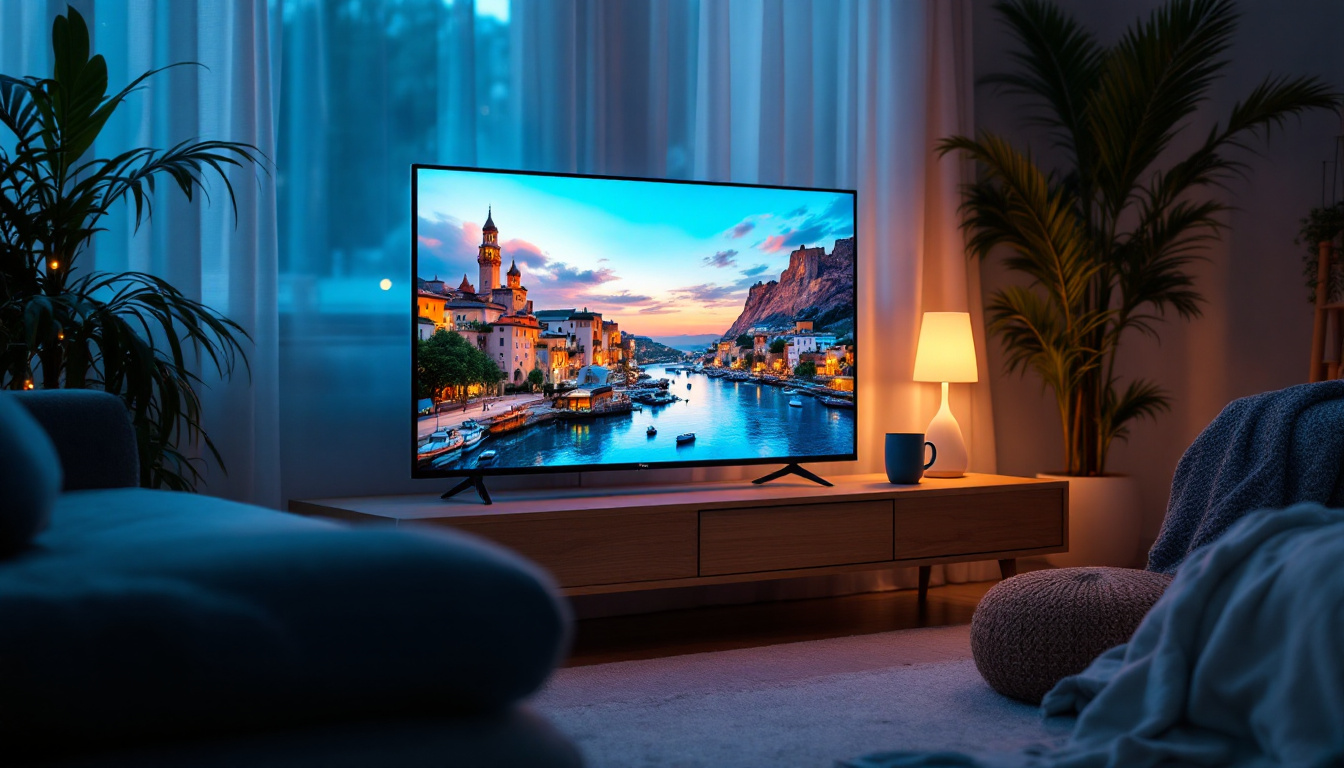
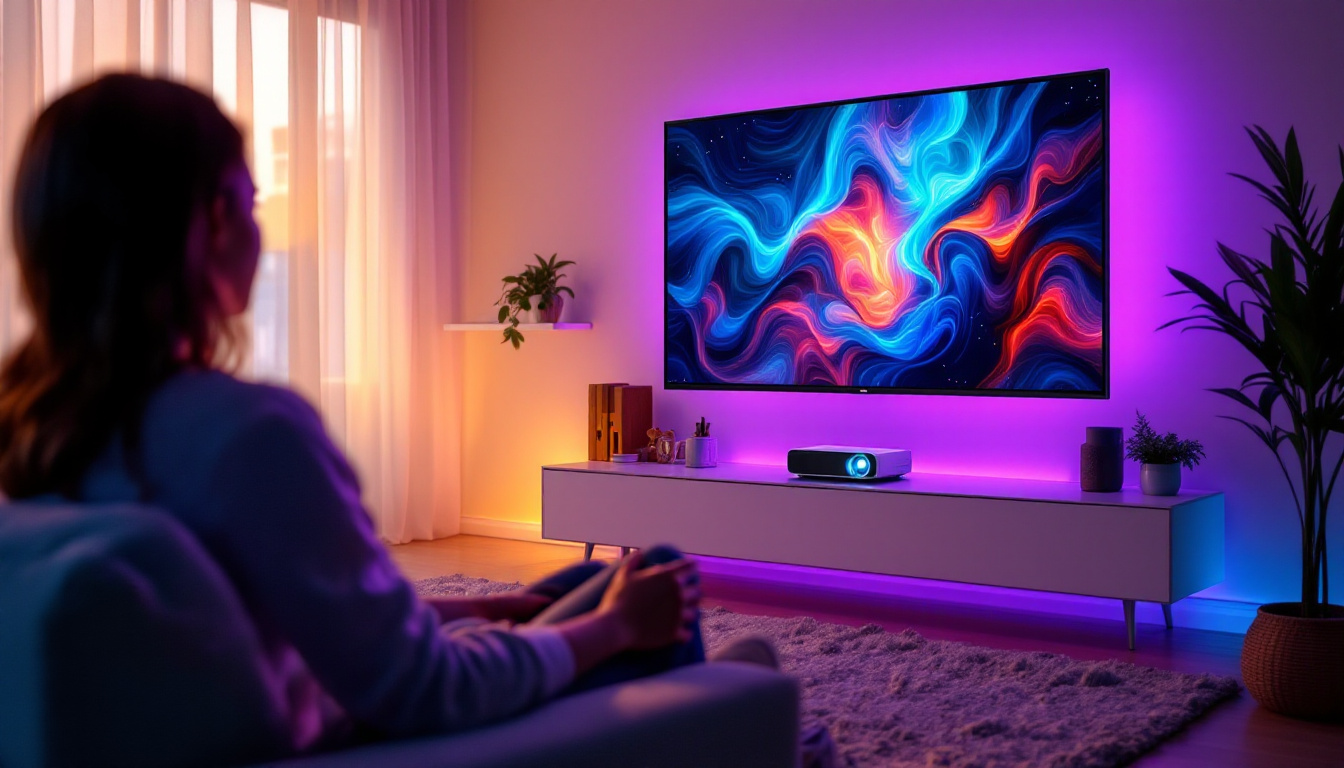
Many modern LCD screens use LEDs as a backlight source instead of older fluorescent lamps. While the display image is still created by liquid crystals controlling light passage, the LED backlighting improves brightness, color accuracy, and energy efficiency.
This technology is common in televisions, computer monitors, and mobile devices, offering thinner panels and better picture quality compared to traditional LCDs. Furthermore, advancements in local dimming technology allow for more precise control over backlighting, enhancing contrast ratios and enabling deeper blacks in images. This feature is particularly beneficial for viewing high-definition content, where the nuances of shadow and light play a significant role in the overall experience.
3. OLED Displays
Organic Light Emitting Diode (OLED) displays are a different category where organic compounds emit light when electrically stimulated. Each pixel produces its own light, similar to DVLED, but with thinner, flexible panels and superior color reproduction.
Though OLED is distinct from traditional LED technology, it’s often discussed in the same context due to its self-emissive properties and growing market presence. The ability of OLED displays to achieve true blacks, as pixels can be turned off completely, creates stunning contrast and vivid colors that are particularly appealing for movie enthusiasts and gamers. Additionally, the lightweight and flexible nature of OLED technology opens up new possibilities for innovative designs in consumer electronics, such as curved screens and foldable devices, pushing the boundaries of how we interact with visual media.
Key Advantages of LED Displays
LED displays have surged in popularity due to their numerous benefits over alternative display technologies. These advantages contribute to their widespread adoption across various industries.
Brightness and Visibility
One of the most significant advantages of LED displays is their ability to produce extremely bright images. Outdoor LED billboards can reach brightness levels exceeding 5,000 nits, ensuring clear visibility even under direct sunlight. This makes LED displays a preferred choice for advertising in high-traffic outdoor locations.
Energy Efficiency
Compared to traditional incandescent or fluorescent lighting, LEDs consume significantly less power. This energy efficiency translates to lower operating costs, especially for large-scale installations that run continuously. Advances in LED driver technology and power management have further enhanced energy savings.
Longevity and Durability
LEDs have a long operational lifespan, often exceeding 50,000 hours of use before brightness diminishes. Additionally, LED displays are robust and resistant to shock and vibration, making them suitable for outdoor and industrial environments. Weatherproof LED modules can withstand rain, dust, and extreme temperatures, ensuring reliable performance.
Color Accuracy and Contrast
LED displays offer a wide color gamut and excellent contrast ratios. The ability to control each LED individually allows for precise color calibration and deep blacks, resulting in vivid, lifelike images. This is especially important for applications such as digital signage, where visual impact drives engagement.
Scalability and Flexibility
LED display panels are modular, allowing for screens of various sizes and shapes. This flexibility enables creative installations, from curved displays to massive video walls. The modular design also simplifies maintenance, as individual panels can be replaced without dismantling the entire screen.
Applications of LED Displays Across Industries
LED displays have transformed how businesses communicate with audiences, offering dynamic, customizable content delivery. Their versatility has led to adoption in numerous sectors.
Advertising and Digital Signage
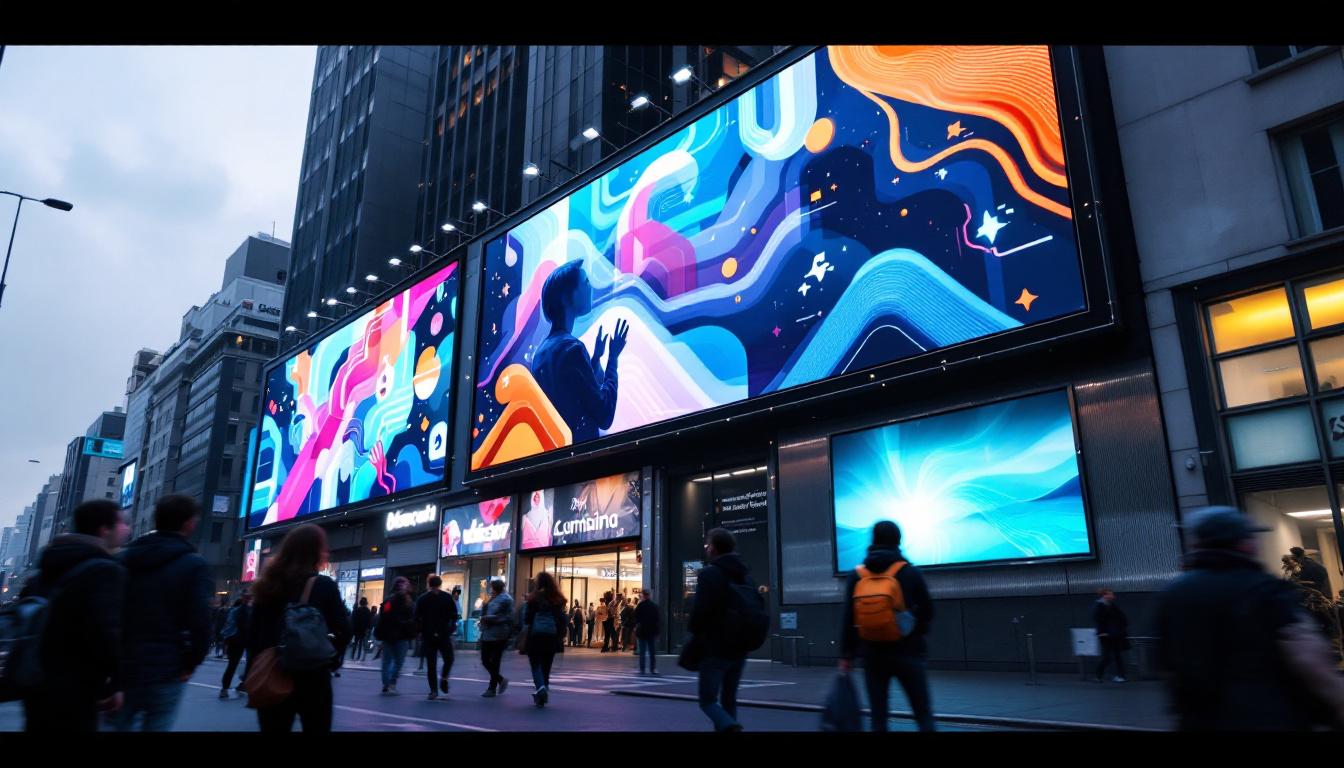
Outdoor advertising is one of the largest markets for LED displays. Digital billboards equipped with LED technology allow advertisers to update content in real time, target specific demographics, and run multiple campaigns on the same screen. This dynamic approach increases engagement and ROI compared to static billboards.
Retail stores also use indoor LED signage to promote products, display promotions, and enhance store ambiance. Interactive LED displays further engage customers by providing touch-enabled experiences.
Sports and Entertainment Venues
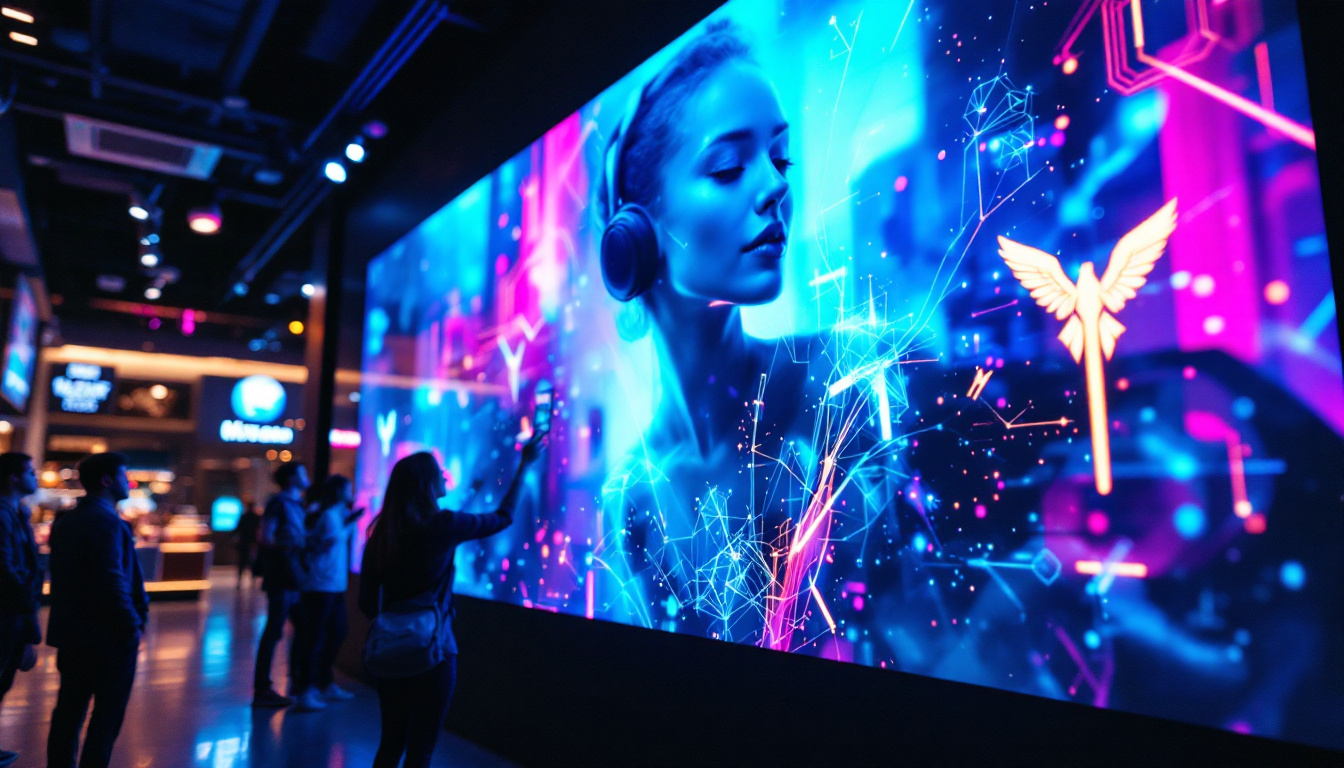
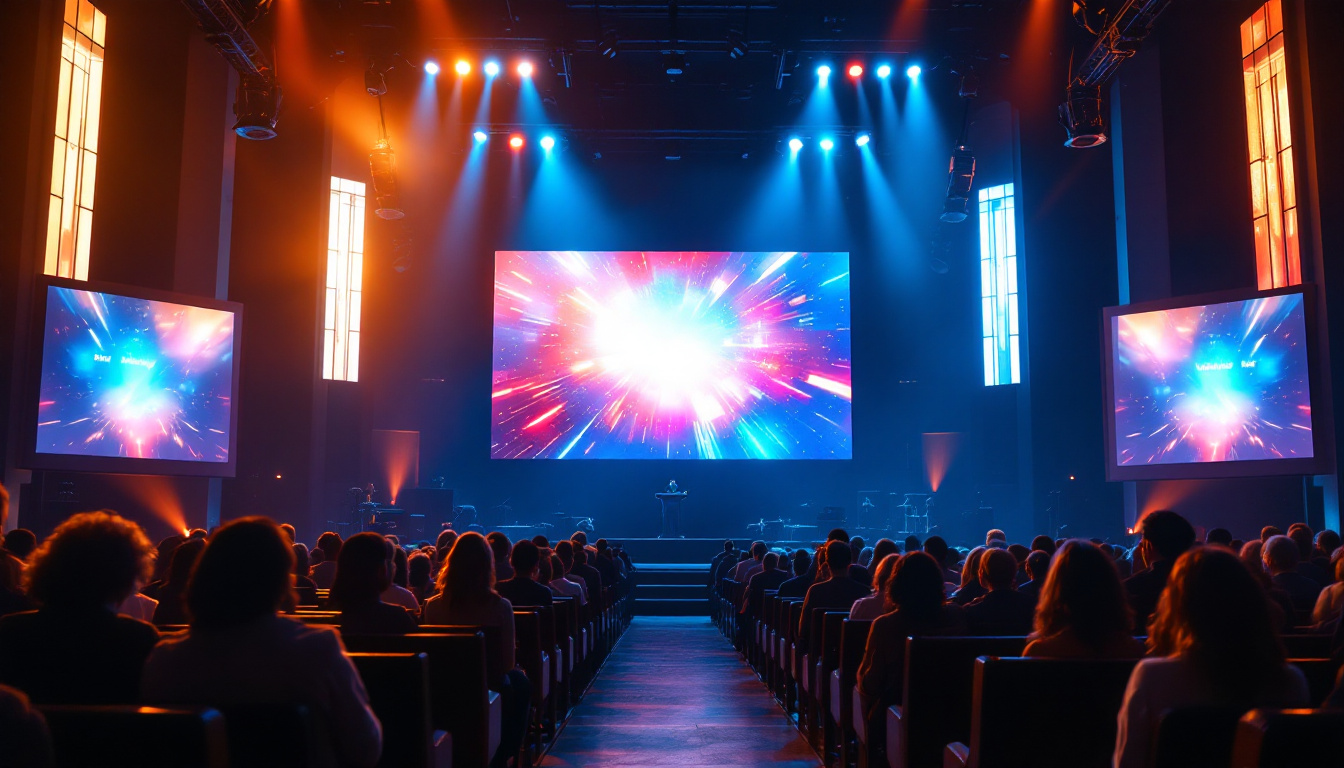
Stadiums and arenas utilize large LED video walls to enhance the spectator experience. These displays show live game footage, replays, advertisements, and interactive content. The high brightness and wide viewing angles ensure visibility from all seating areas.
Concerts and events often feature LED screens as backdrops or stage elements, providing immersive visuals that synchronize with performances.
Transportation and Public Information
LED displays are widely used in airports, train stations, and bus terminals to provide real-time schedules, alerts, and wayfinding information. Their clarity and brightness help travelers quickly access critical information.
Roadside LED signs warn drivers of traffic conditions, accidents, or weather alerts, improving safety and traffic flow.
Corporate and Educational Environments
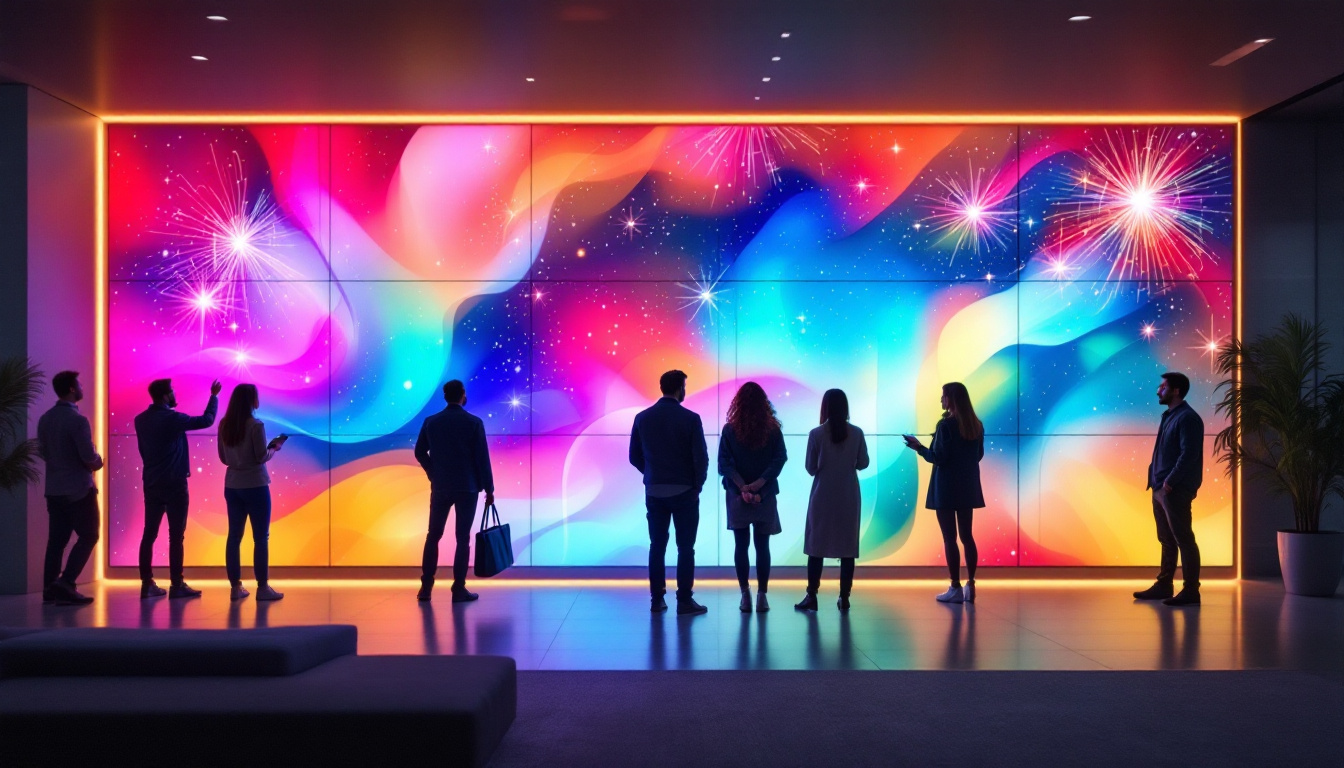
Businesses deploy LED video walls in lobbies, conference rooms, and control centers to display dashboards, announcements, and multimedia presentations. LED displays facilitate collaboration and enhance communication.
Educational institutions use LED screens for digital notice boards, lecture hall presentations, and campus-wide messaging.
Latest Innovations in LED Display Technology
The LED display industry continues to evolve rapidly, driven by advances in materials science, manufacturing, and software integration. Several trends and innovations are shaping the future of LED displays.
MicroLED Technology
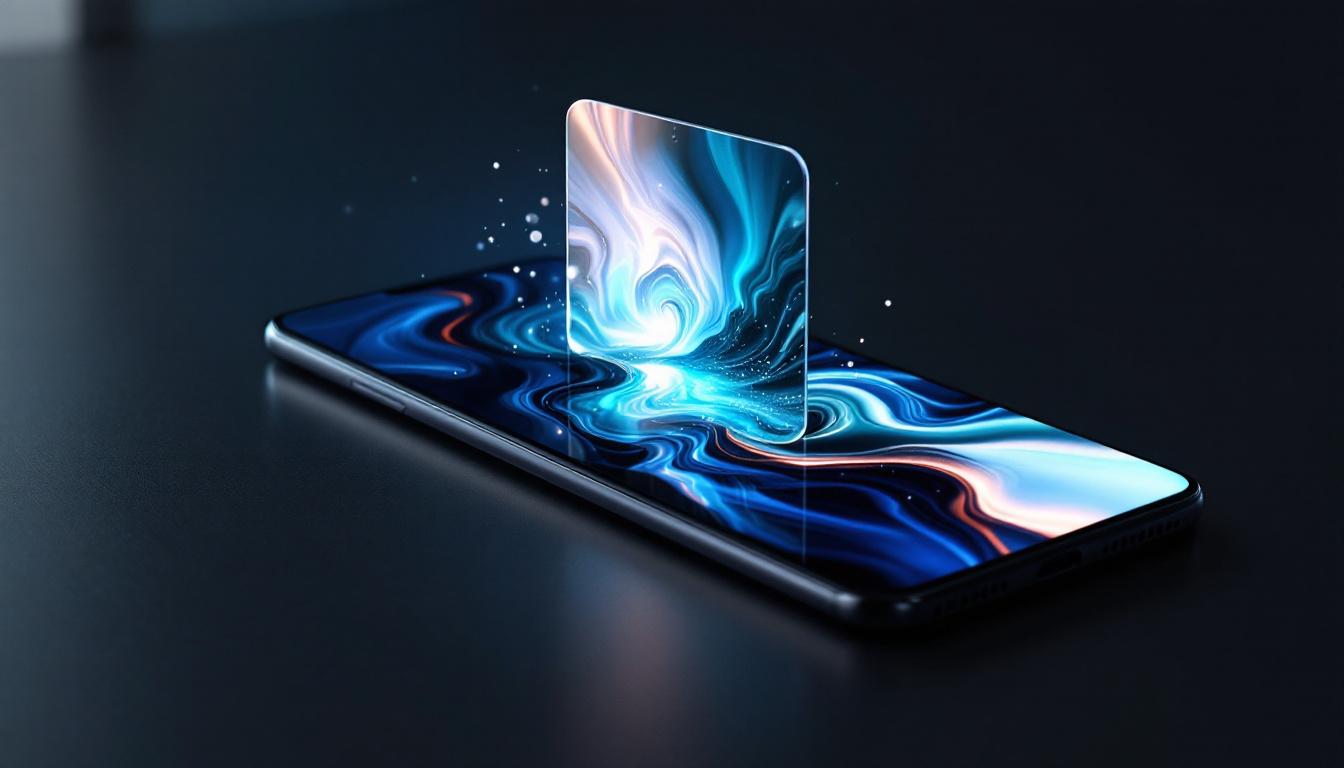
MicroLED displays consist of microscopic LEDs that serve as individual pixels, offering higher resolution, better brightness, and improved energy efficiency compared to traditional LEDs. Unlike OLEDs, MicroLEDs do not suffer from burn-in issues and have longer lifespans.
Though currently expensive and complex to manufacture, MicroLEDs are expected to revolutionize displays in premium TVs, wearable devices, and augmented reality applications.
Flexible and Transparent LED Displays
Advances in flexible substrates allow LED panels to bend and conform to curved surfaces, enabling innovative design possibilities such as wrap-around screens and wearable displays.
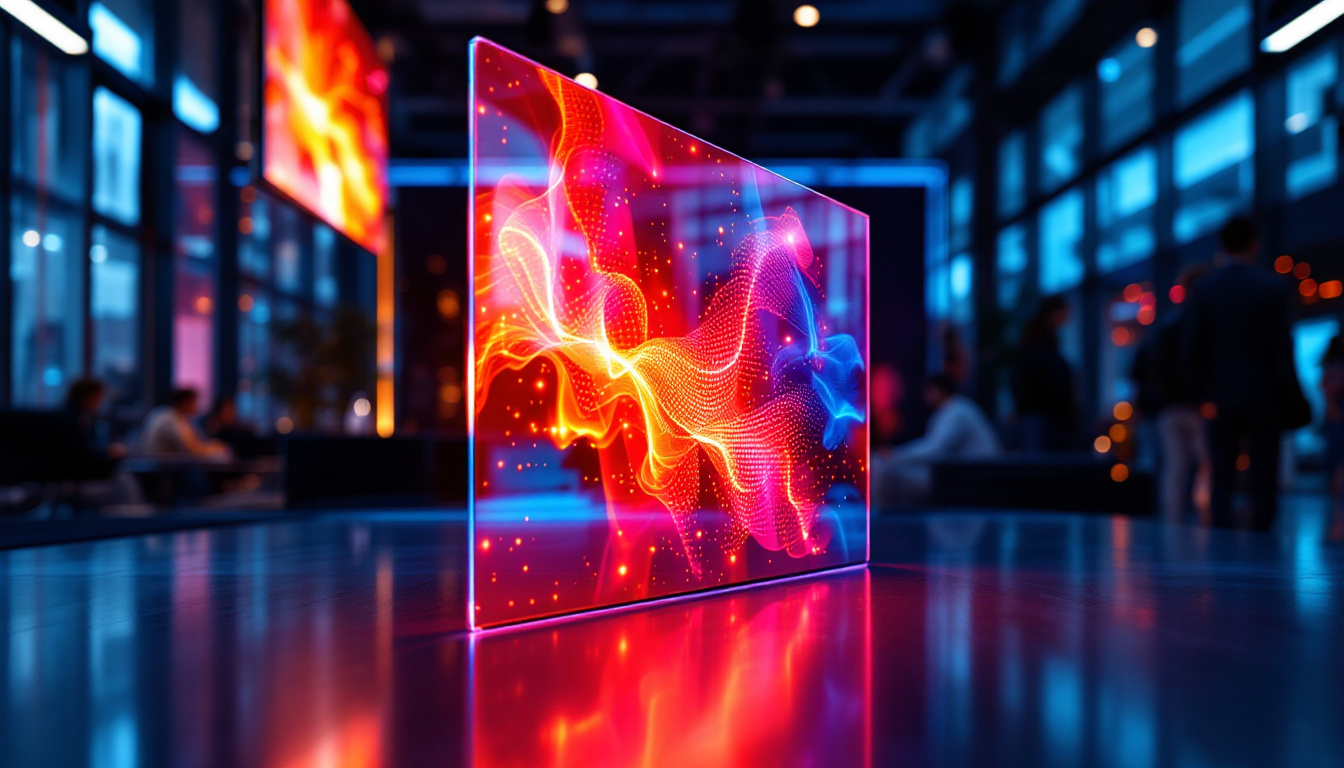
Transparent LED displays integrate LEDs into glass panels, allowing content to be displayed without obstructing the view behind the screen. This technology is ideal for retail storefronts, museums, and architectural applications.
AI-Driven Content Management
Artificial intelligence is increasingly integrated into LED display systems to optimize content delivery based on audience demographics, time of day, and environmental conditions. AI algorithms can analyze viewer engagement and automatically adjust brightness, contrast, and content scheduling for maximum impact.
Higher Refresh Rates and HDR Support
Modern LED displays support higher refresh rates, reducing flicker and motion blur, which is crucial for live broadcasts and gaming applications. High Dynamic Range (HDR) capabilities enhance color depth and contrast, providing more realistic and immersive visuals.
Choosing the Right LED Display for Your Needs
Selecting an LED display involves evaluating several factors to ensure it meets the intended application, budget, and environmental conditions.
Pixel Pitch and Resolution
Pixel pitch refers to the distance between the centers of adjacent LEDs, measured in millimeters. A smaller pixel pitch means higher resolution and sharper images, suitable for close viewing distances. Larger pixel pitches are acceptable for large outdoor displays viewed from afar.
Brightness and Viewing Environment
Consider the ambient lighting where the display will be installed. Outdoor displays require higher brightness levels to counter sunlight, while indoor displays can operate at lower brightness to reduce power consumption and eye strain.
Durability and Weather Resistance
For outdoor installations, ensure the LED display has appropriate IP ratings for water and dust resistance. Temperature tolerance and UV protection are also important to maintain performance over time.
Installation and Maintenance
Modular designs simplify installation and future expansion. Additionally, easy access to panels and components reduces maintenance downtime and costs.
Budget and Total Cost of Ownership
While initial costs vary widely based on size, resolution, and features, consider the total cost of ownership, including energy consumption, maintenance, and potential upgrades.
Conclusion
LED displays have transformed the way businesses and organizations communicate visually, offering unparalleled brightness, flexibility, and durability. From massive outdoor billboards to sleek indoor video walls, LED technology continues to evolve, driven by innovations like MicroLEDs, flexible panels, and AI-powered content management.
Understanding the fundamentals of LED displays, their advantages, and applications helps stakeholders make informed decisions when investing in this dynamic technology. As LED displays become more accessible and versatile, their role in shaping the future of digital communication is set to expand even further.
Illuminate Your Space with LumenMatrix
Ready to elevate your visual communication with cutting-edge LED display technology? LumenMatrix offers a comprehensive range of innovative solutions tailored to your needs. From vibrant Indoor and Outdoor LED Wall Displays to dynamic Vehicle and Sports LED Displays, our products are designed to captivate and engage your audience. Discover the possibilities with our LED Poster Displays, Floor LED Displays, Custom configurations, All-in-One solutions, and LED Transparent Displays. Embrace the future of digital signage with LumenMatrix and transform your brand’s visibility. Check out LumenMatrix LED Display Solutions today and start creating unforgettable visual experiences.