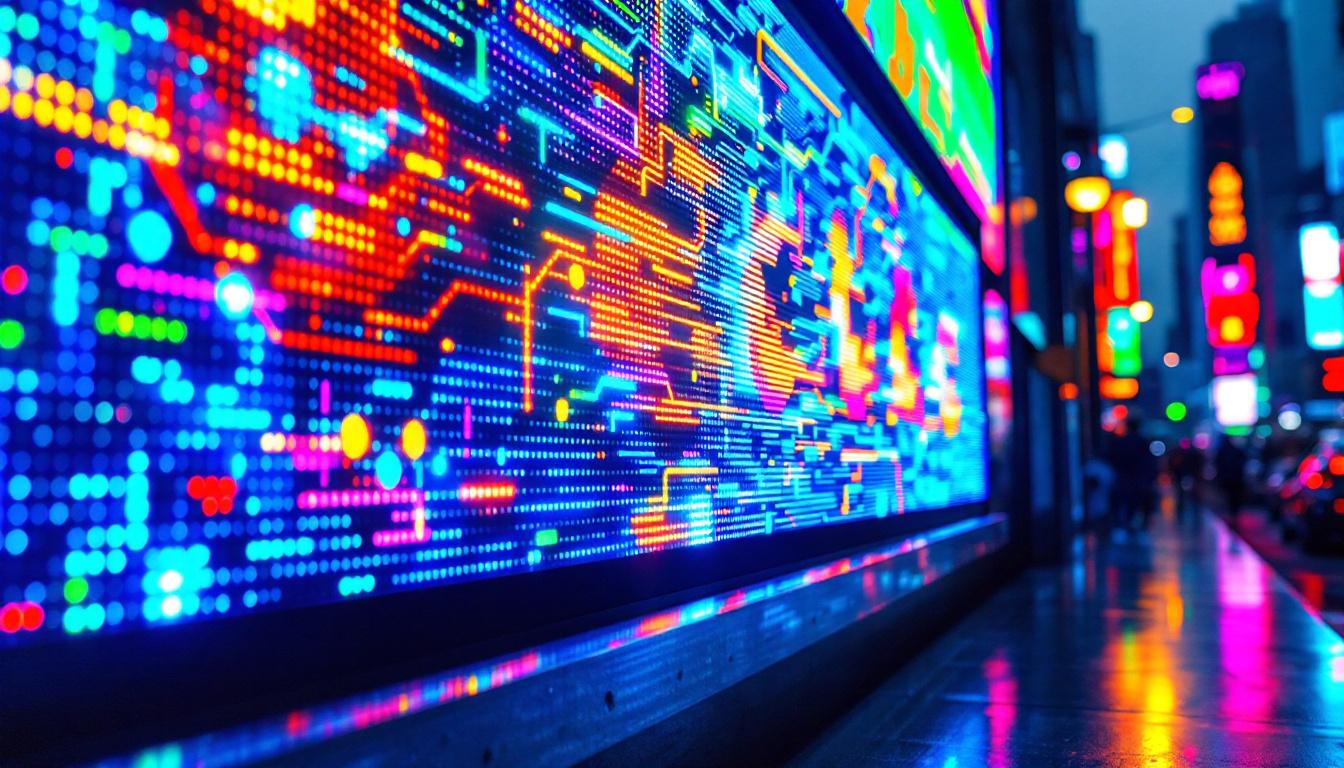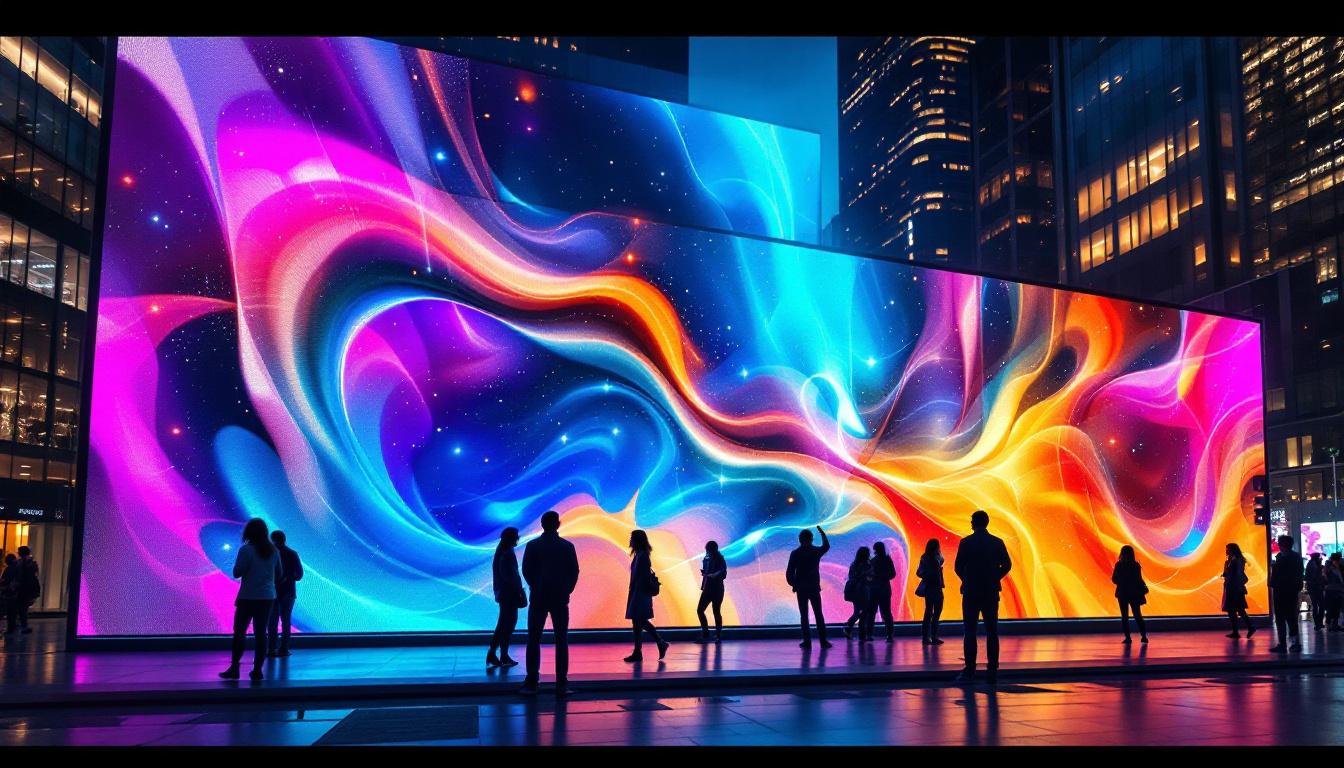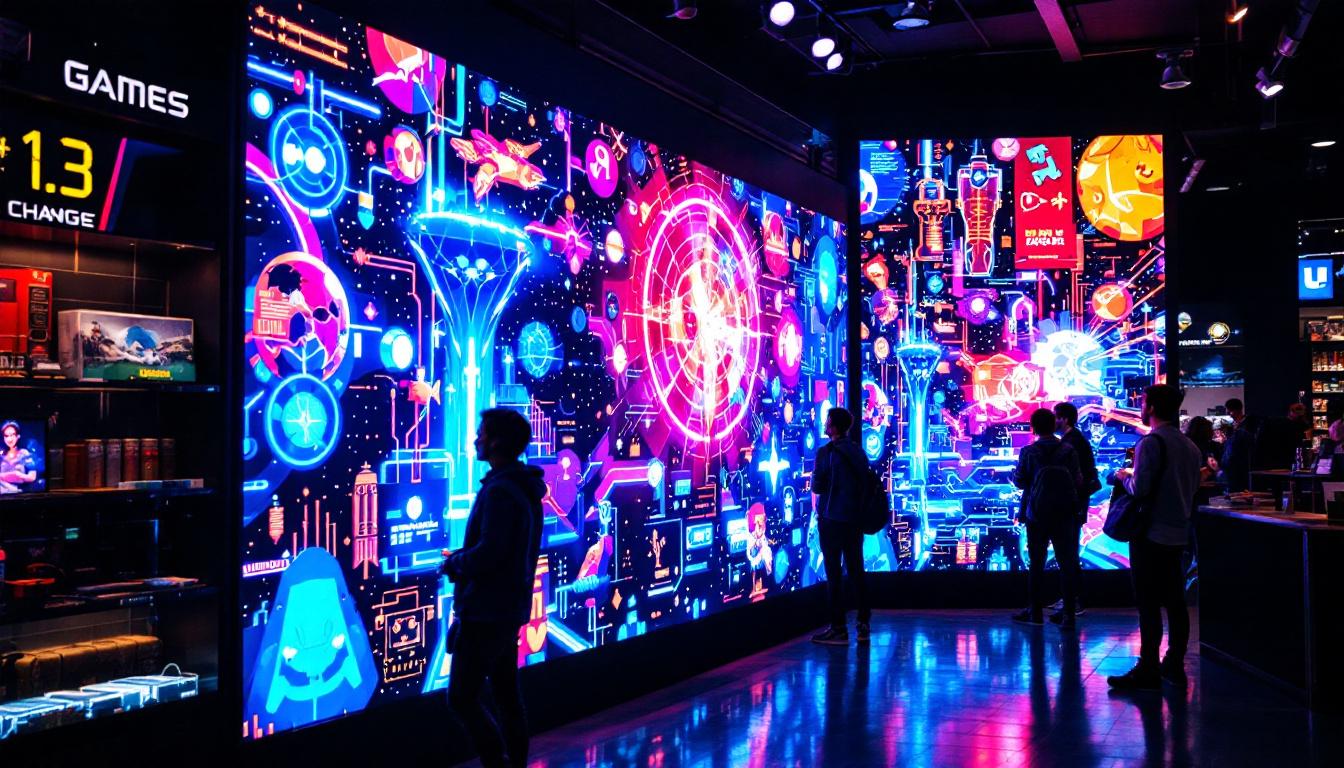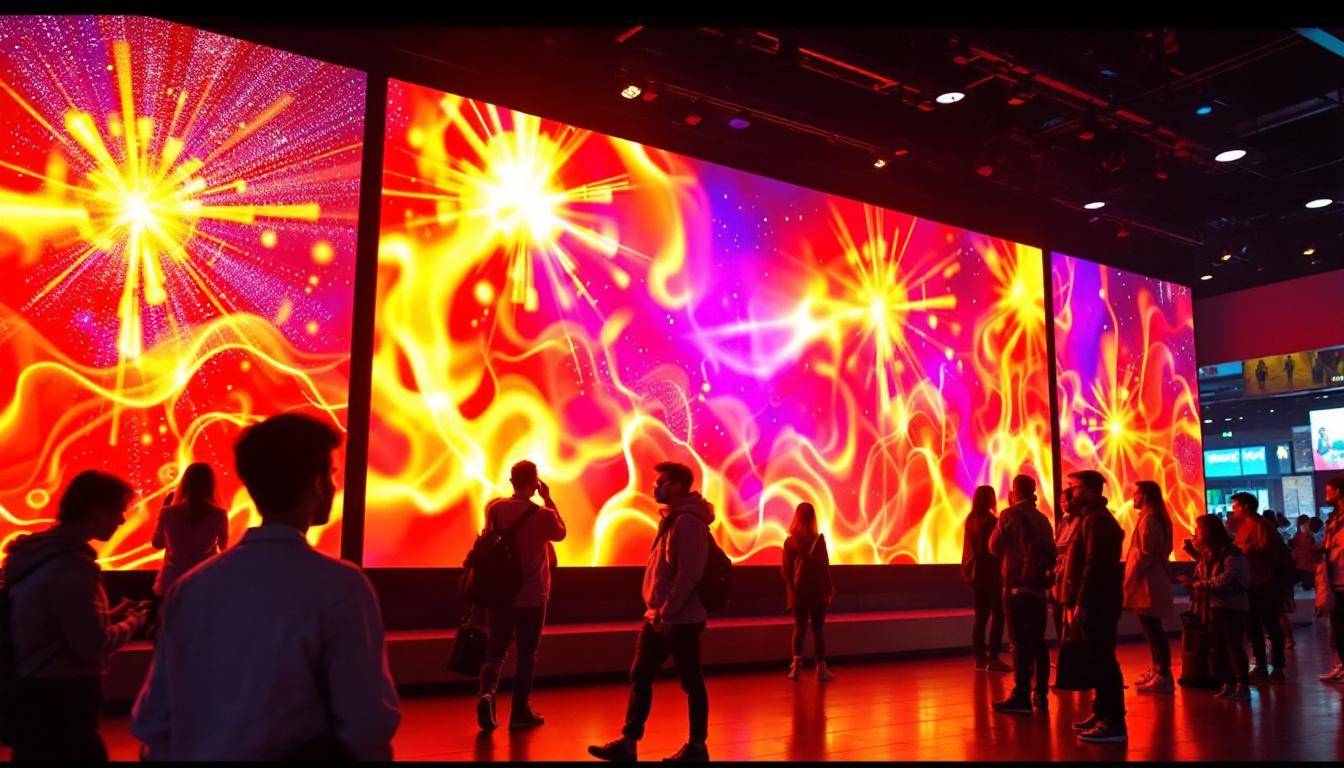
In today’s visually-driven world, LED display technology has become a cornerstone for communication, advertising, entertainment, and information dissemination. From the vibrant billboards in Times Square to the giant screens at sports arenas, LED displays captivate audiences with their brightness, clarity, and versatility. But what exactly are LED screens, how do they work, and why have they become the preferred choice over other display technologies? This comprehensive guide will explore the fundamentals of LED displays, their types, applications, and the technology behind them.
Understanding LED Display Technology
What is an LED Screen?
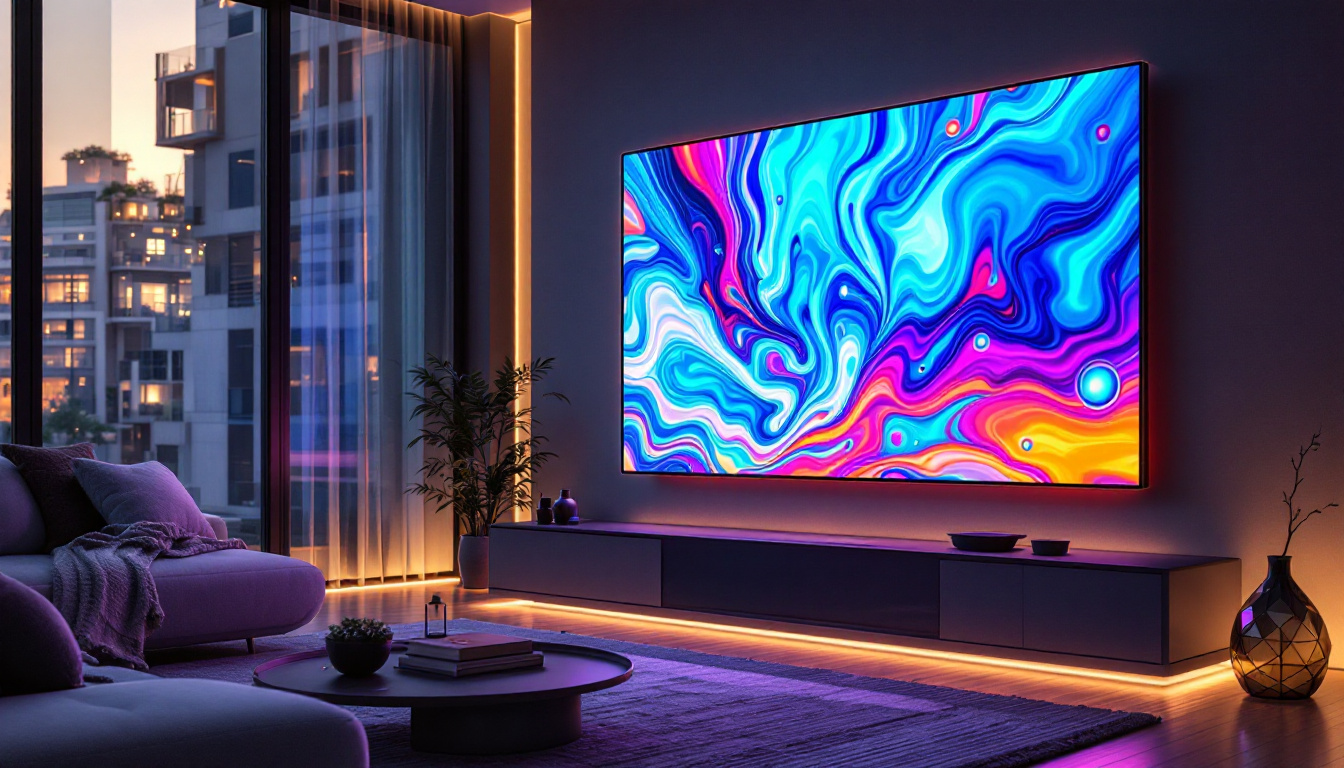
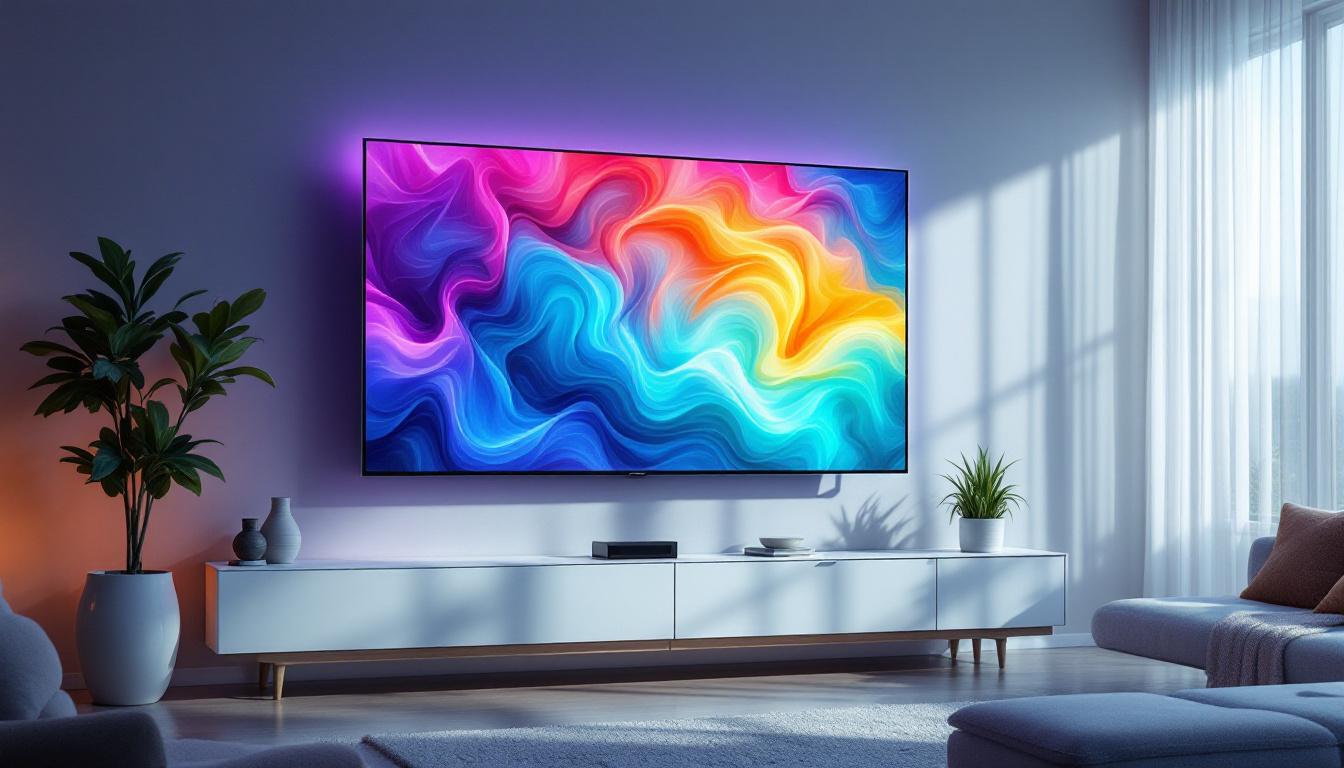
An LED screen, or LED display, is a flat panel display that uses light-emitting diodes (LEDs) as pixels to create images and videos. Unlike traditional LCD screens that rely on backlighting, LED displays generate their own light, which allows for higher brightness levels, better contrast, and more vibrant colors. The term “LED screen” often refers to large-scale displays used in outdoor and indoor settings, but LEDs are also used in smaller devices such as televisions, monitors, and smartphones. This versatility has made LED technology a popular choice across various industries, from entertainment and advertising to education and healthcare.
How Do LED Displays Work?
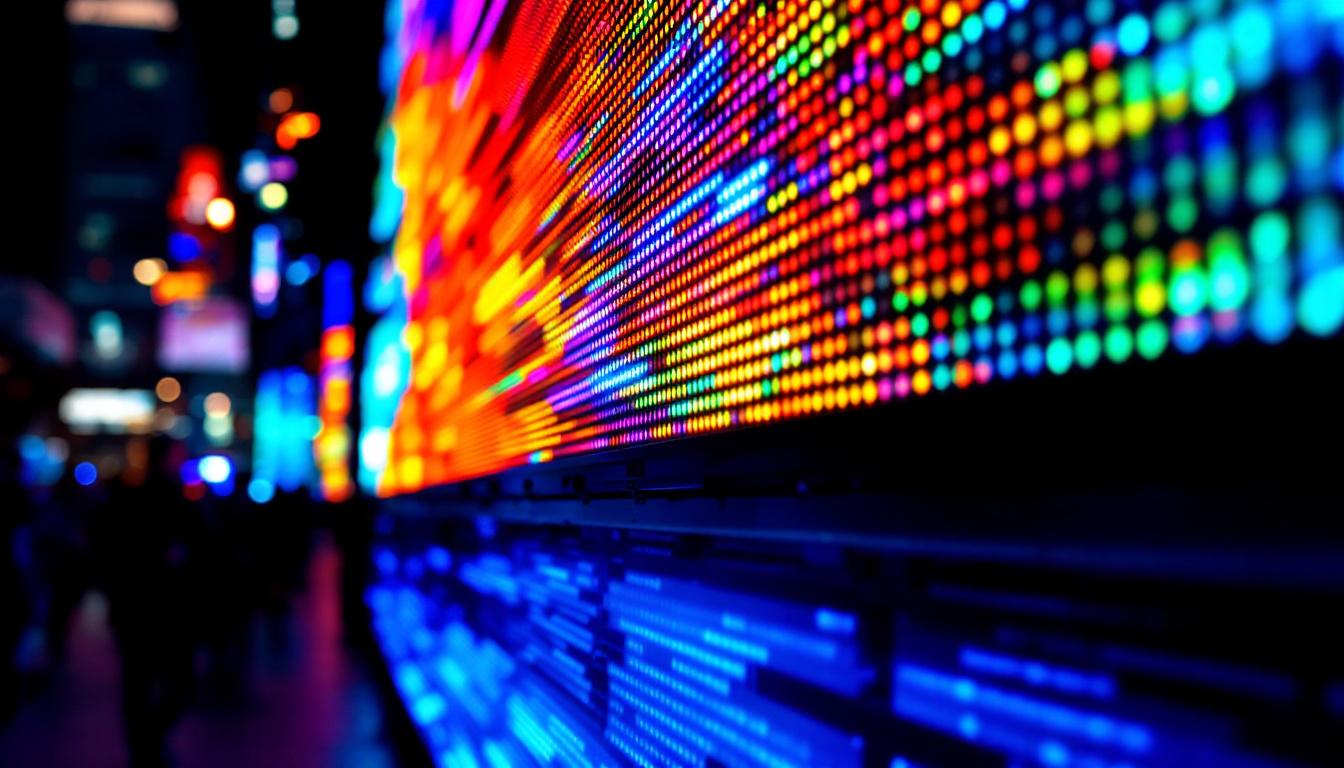
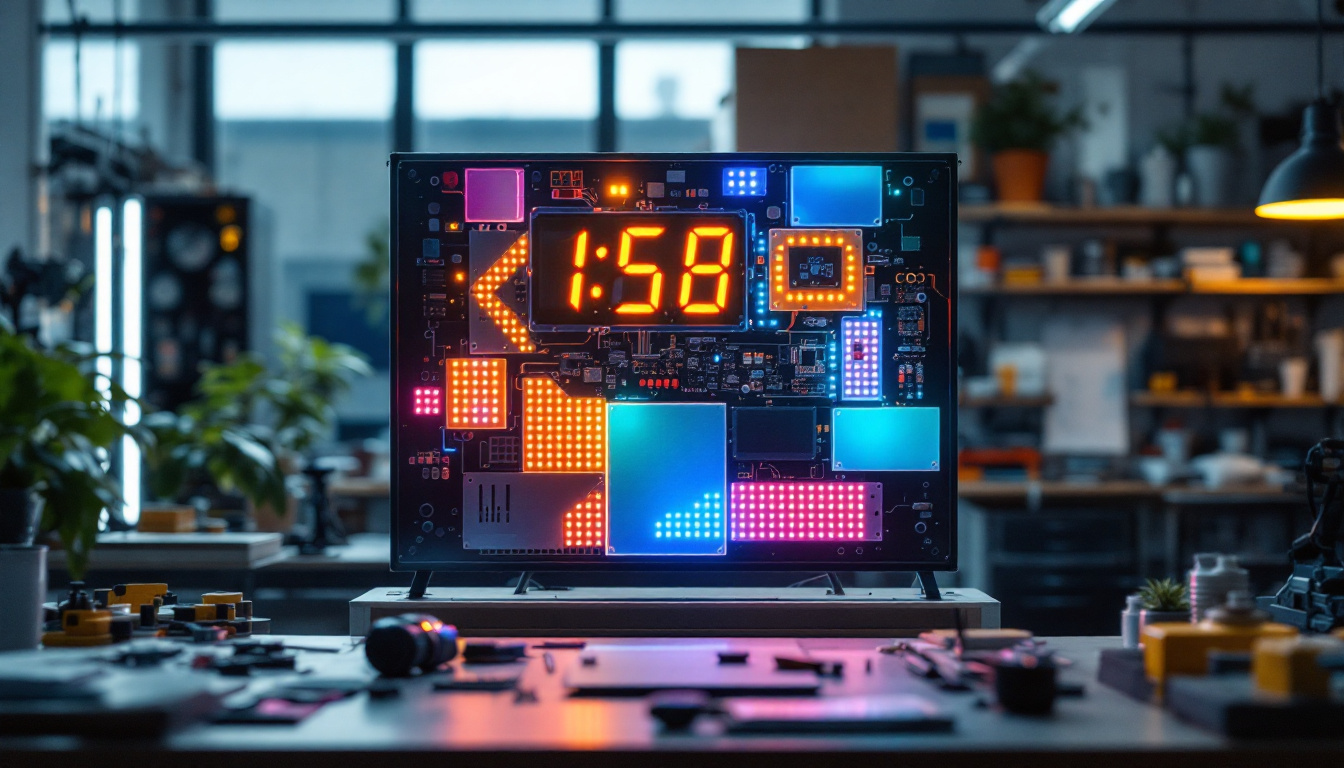
At the core of an LED display are thousands to millions of tiny LEDs arranged in a grid. Each LED acts as an individual pixel or part of a pixel. By controlling the intensity and color of each LED, the screen can produce a full-color image. Most LED displays use a combination of red, green, and blue LEDs (RGB) to create a wide range of colors through additive color mixing. The technology behind these displays has evolved significantly, with advancements in pixel density allowing for ultra-high-definition (UHD) resolutions that enhance the viewing experience.
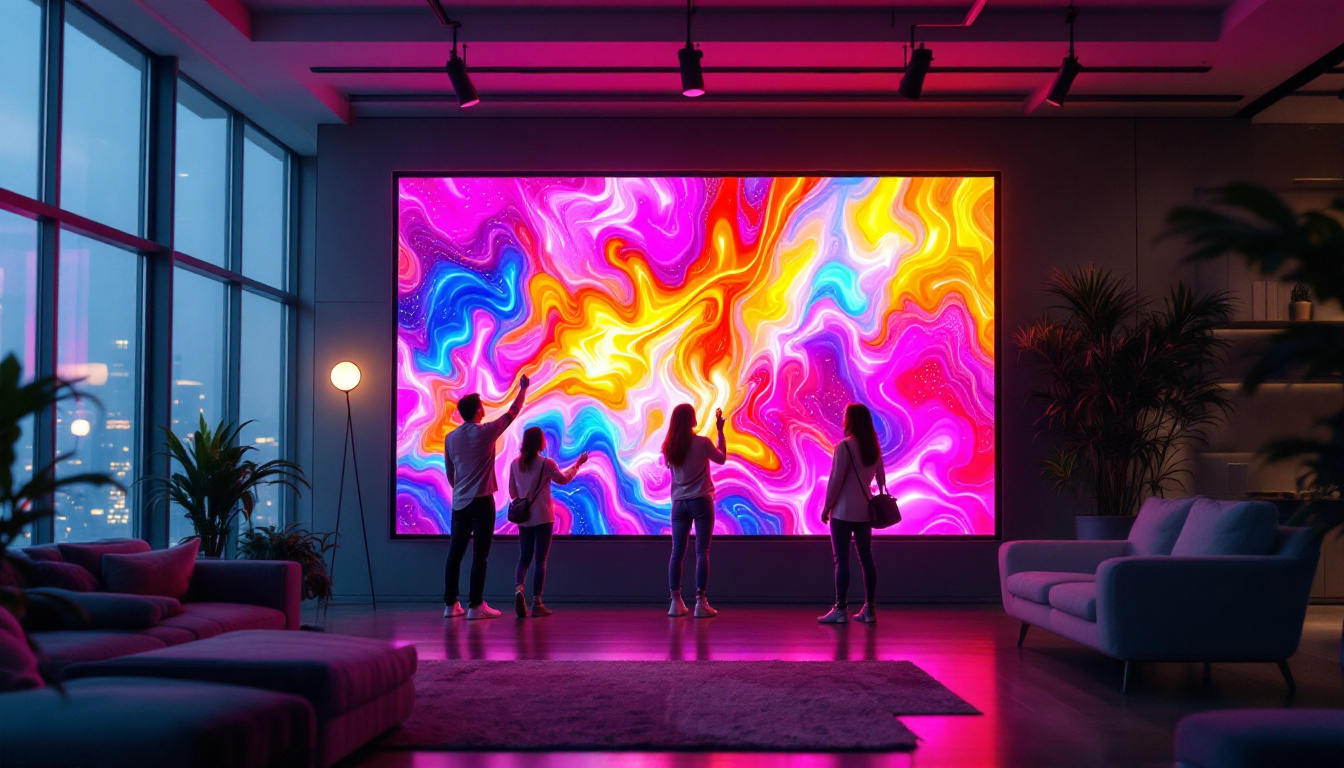
The LEDs are driven by electronic circuits that modulate their brightness at very high speeds, enabling the display of dynamic content such as videos and animations. The high refresh rates and brightness levels make LED screens especially suitable for environments with high ambient light, such as outdoor advertising or stadiums. Furthermore, the integration of smart technology into LED displays has opened new avenues for interactivity, allowing users to engage with the content in real-time through touch or motion sensors.
Key Advantages of LED Screens
LED displays offer several advantages over other display technologies:
- Brightness: LEDs can achieve brightness levels of over 5,000 nits, making them visible even in direct sunlight.
- Energy Efficiency: LEDs consume less power compared to traditional lighting and display technologies, reducing operational costs.
- Longevity: LED displays typically have a lifespan of 50,000 to 100,000 hours, far exceeding many other types of screens.
- Color Accuracy and Contrast: The ability to turn off individual LEDs completely allows for true blacks and vibrant colors.
- Flexibility: LED modules can be assembled in various shapes and sizes, including curved or flexible screens.
In addition to these benefits, LED screens are also highly durable, often constructed with robust materials that can withstand harsh environmental conditions. This durability makes them ideal for outdoor applications, where exposure to weather elements such as rain, snow, and extreme temperatures can be a concern. Moreover, the modular nature of LED displays allows for easy repairs and upgrades, ensuring that they can adapt to changing technological demands without requiring a complete overhaul. This adaptability has made LED technology a staple in modern digital signage, where businesses can easily update their messaging and visuals to keep pace with market trends.
Types of LED Displays
Direct View LED (DVLED) Displays
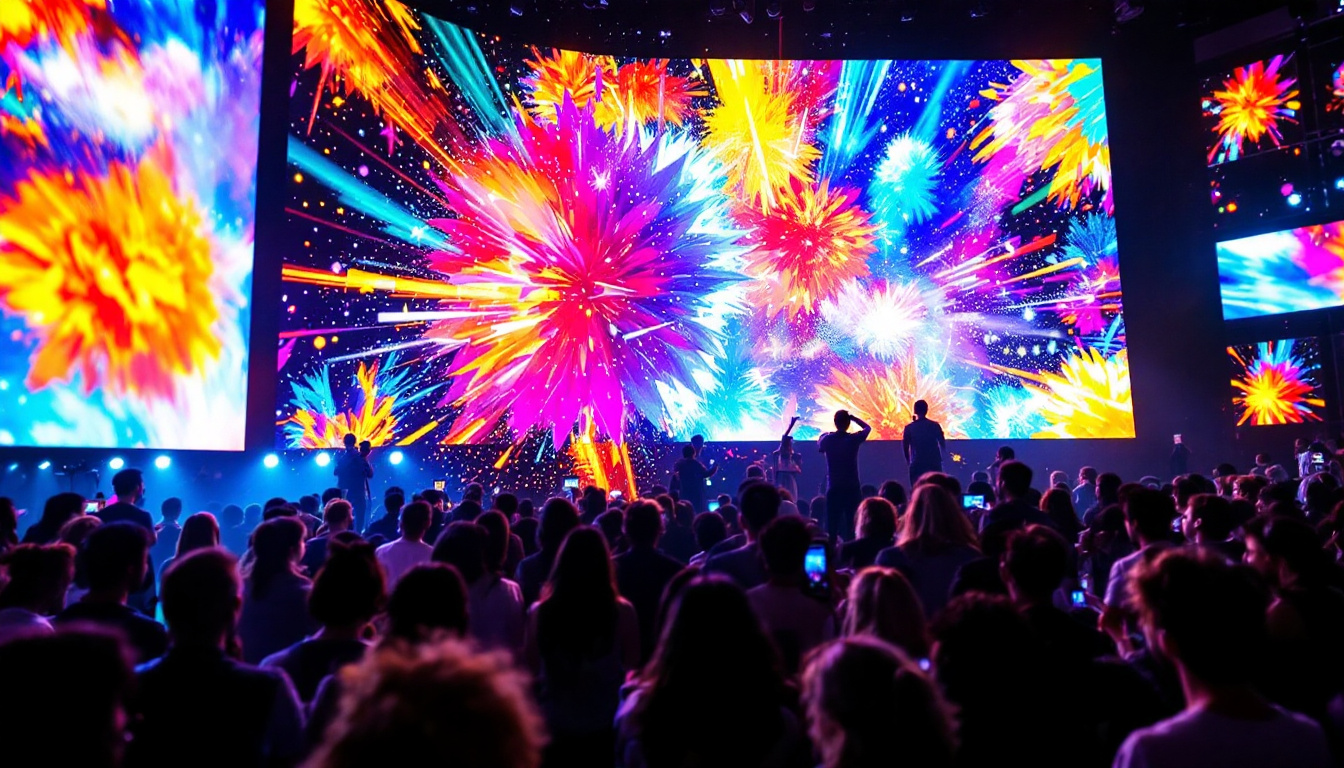
Direct View LED displays are composed of LED pixels that are directly visible to the viewer without any intermediary layers. These are the large-scale displays commonly seen in outdoor advertising, sports arenas, and concert venues. DVLEDs are known for their exceptional brightness and durability, making them ideal for environments exposed to sunlight and weather.
The pixel pitch—the distance between the centers of two adjacent LEDs—plays a crucial role in image quality. Smaller pixel pitches (e.g., 1.2 mm to 2.5 mm) provide higher resolution and are typically used for indoor applications where viewers are closer to the screen. Larger pixel pitches (e.g., 10 mm or more) are common in outdoor displays where viewing distances are greater.
LED-Backlit LCD Displays
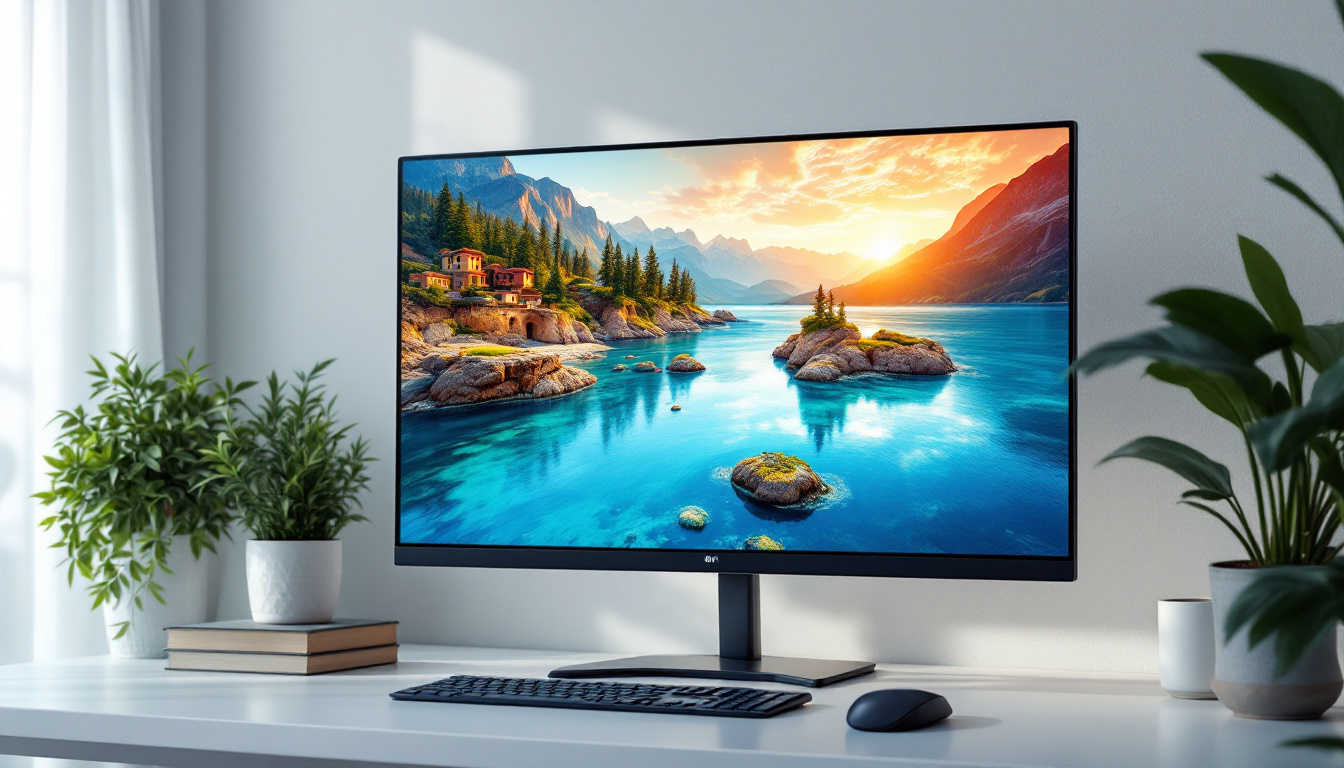
Many modern LCD screens use LEDs as backlighting sources instead of traditional cold cathode fluorescent lamps (CCFL). These LED-backlit LCDs benefit from increased energy efficiency, improved brightness, and better color reproduction. However, the LEDs in these displays are not directly visible; they serve only to illuminate the LCD panel.
This technology is prevalent in consumer electronics such as TVs, computer monitors, and smartphones, offering a balance between cost and performance.
MicroLED Displays
MicroLED is an emerging display technology that uses microscopic LEDs to form individual pixels. Unlike OLEDs, MicroLEDs are inorganic and promise higher brightness, longer lifespan, and better energy efficiency. MicroLED displays can achieve true black levels and excellent color accuracy without the burn-in issues associated with OLEDs.
While still in the early stages of commercialization, MicroLED technology is expected to revolutionize display markets, particularly for large-format and high-end applications.
Applications of LED Screens
Outdoor Advertising and Digital Billboards
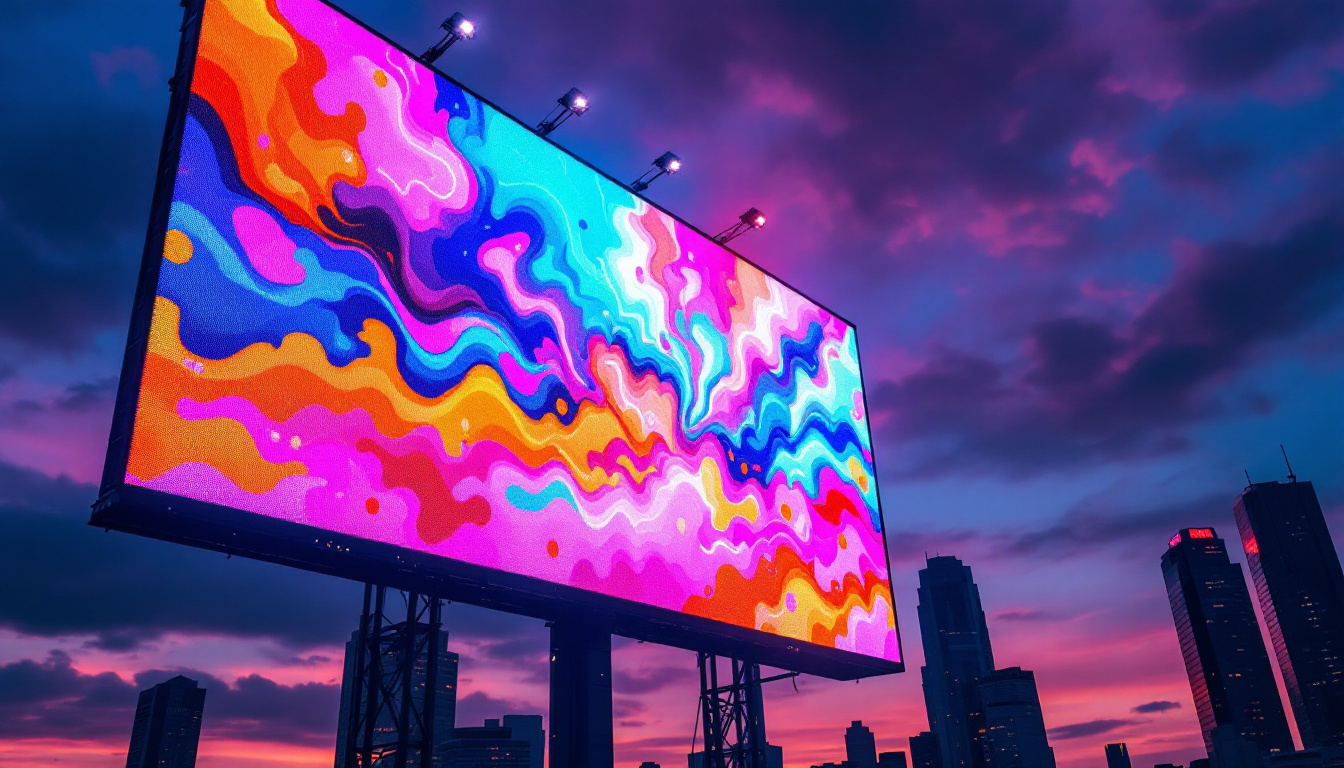
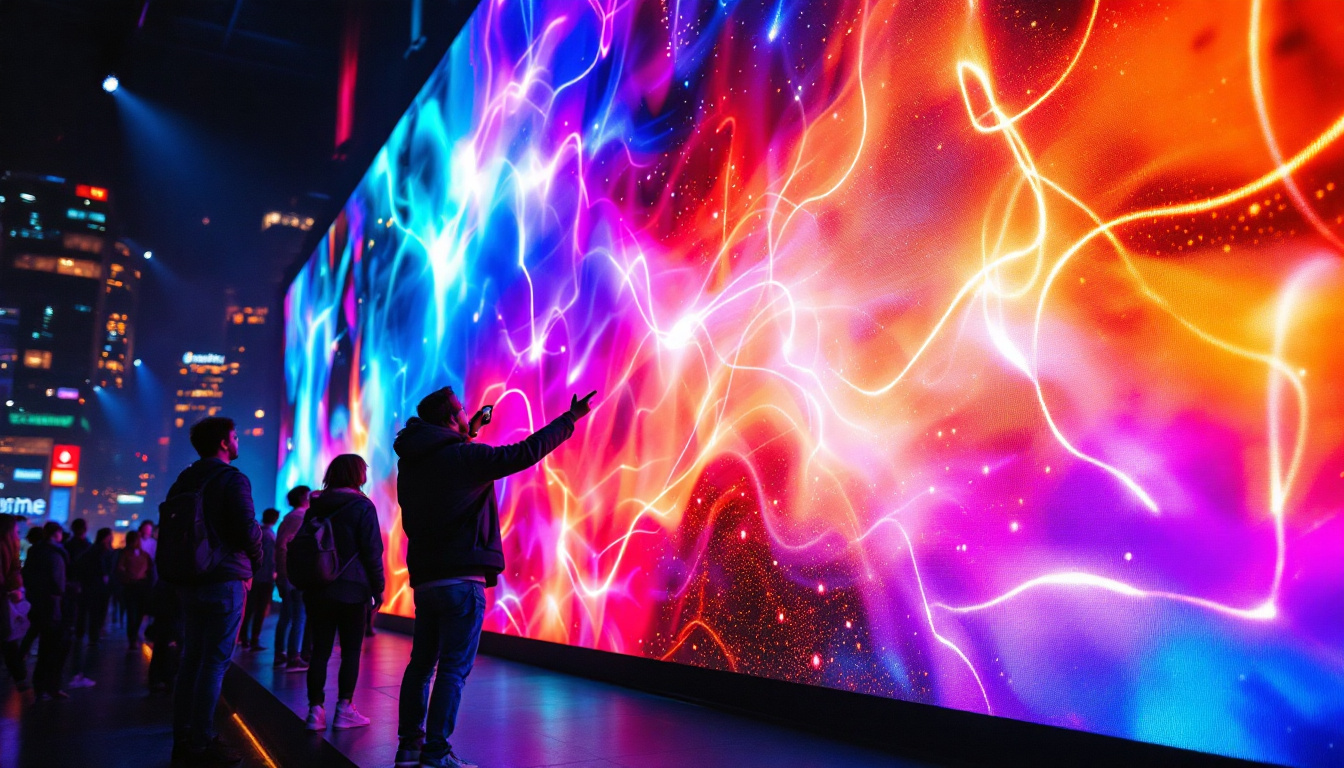
One of the most visible uses of LED screens is in outdoor advertising. Digital billboards equipped with LED displays can show dynamic content, allowing advertisers to change messages in real-time. This flexibility enables targeted marketing campaigns and interactive advertisements that engage audiences more effectively than static signs.
According to industry reports, the global digital out-of-home (DOOH) advertising market is projected to grow at a compound annual growth rate (CAGR) of over 10% through 2027, driven largely by advancements in LED display technology.
Sports and Entertainment Venues
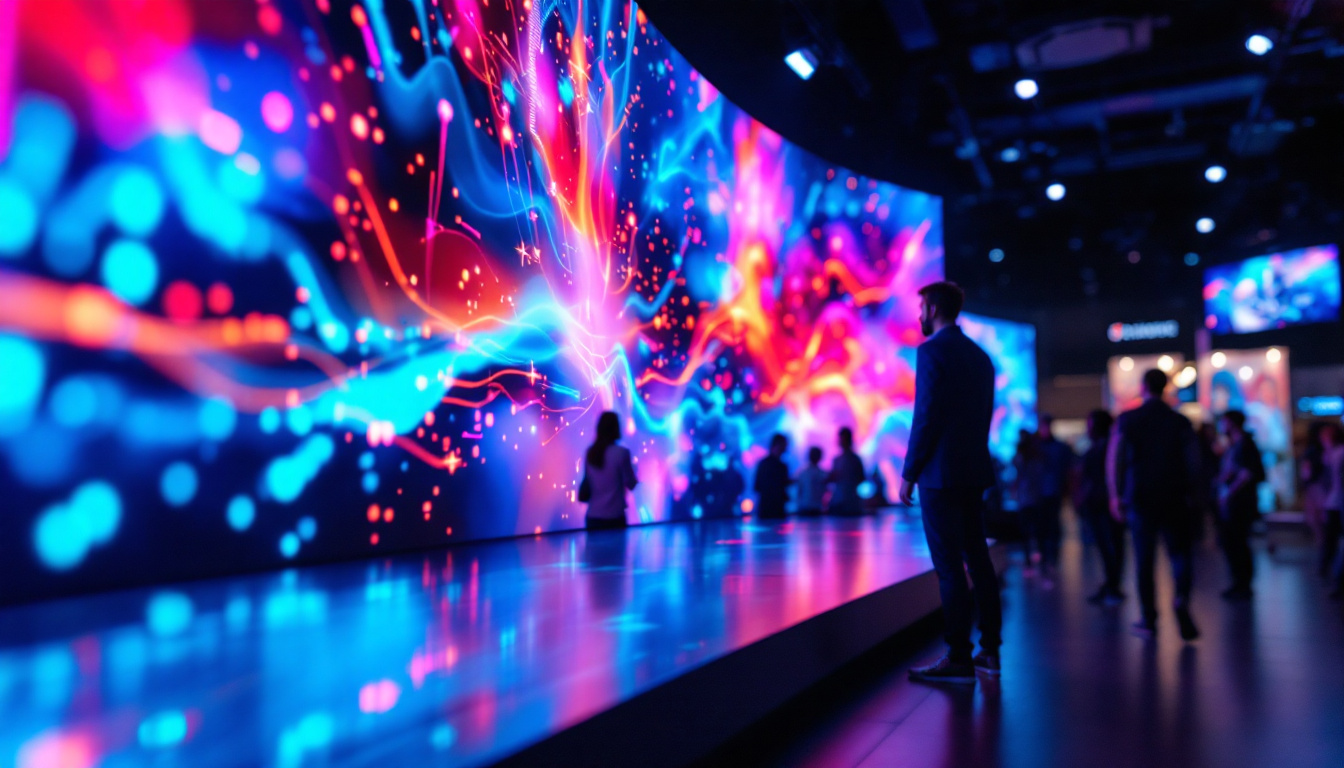
LED displays have transformed the spectator experience in sports arenas and concert venues. Large LED video walls provide live action replays, scores, and interactive content that enhance audience engagement. The durability and brightness of LED screens make them ideal for both indoor and outdoor venues, even under challenging lighting conditions.
Retail and Corporate Environments
In retail spaces, LED displays are used for digital signage, product promotions, and interactive kiosks. Their ability to attract attention with bright, colorful visuals helps increase foot traffic and sales. Similarly, corporate environments utilize LED screens for presentations, video conferencing, and branding purposes.
Transportation and Public Information
LED displays are widely used in transportation hubs such as airports, train stations, and bus terminals to provide real-time information on schedules, delays, and directions. Their high visibility and reliability make them essential for effective communication in these fast-paced environments.
Technical Considerations When Choosing an LED Screen
Pixel Pitch and Resolution
Pixel pitch is a critical factor in determining the sharpness and clarity of an LED display. Smaller pixel pitches mean higher resolution and finer detail, which is important for close-up viewing. For example, indoor LED screens often have pixel pitches ranging from 1.2 mm to 4 mm, while outdoor screens may have pitches between 6 mm and 20 mm.
Choosing the right pixel pitch depends on the intended viewing distance. A general rule is that the optimal viewing distance (in meters) should be roughly 1.5 to 2 times the pixel pitch (in millimeters).
Brightness and Contrast Ratio
Brightness is measured in nits (cd/m²). Outdoor LED displays typically require brightness levels above 5,000 nits to remain visible in direct sunlight, whereas indoor displays can operate effectively at 800 to 1,500 nits.
Contrast ratio, the difference between the brightest and darkest parts of the image, affects image quality and color depth. High contrast ratios enhance the viewing experience by making images appear more vivid and lifelike.
Viewing Angle
The viewing angle defines how far off-center a viewer can be while still seeing a clear image. Wider viewing angles are essential for public displays where audiences view the screen from different positions. Most LED displays offer horizontal and vertical viewing angles between 120° and 160°.
Durability and Weather Resistance
For outdoor installations, LED screens must withstand harsh weather conditions including rain, wind, dust, and extreme temperatures. IP (Ingress Protection) ratings indicate the level of protection against solids and liquids. An IP65 rating, for example, means the display is dust-tight and protected against water jets.
Maintenance and Serviceability
LED displays require periodic maintenance to ensure optimal performance. Modular designs allow for easy replacement of faulty LED panels or components. Additionally, some LED screens incorporate remote monitoring systems to detect issues proactively, minimizing downtime.
The Future of LED Display Technology
Advancements in Resolution and Miniaturization
As manufacturing techniques improve, pixel pitches continue to shrink, enabling LED displays with resolutions rivaling traditional LCD and OLED screens. Miniaturization also opens the door for innovative applications such as wearable displays and transparent LED panels integrated into windows or glass surfaces.
Integration with Smart Technologies
LED displays are increasingly integrated with smart technologies, including AI-driven content management, interactive touch capabilities, and IoT connectivity. These advancements allow for personalized advertising, real-time data visualization, and enhanced user engagement.
Sustainability and Energy Efficiency
With growing emphasis on sustainability, LED display manufacturers are focusing on reducing energy consumption and using eco-friendly materials. Innovations such as adaptive brightness control and low-power LEDs contribute to greener digital signage solutions.
Conclusion
LED display technology has revolutionized the way information and visual content are presented across various industries. Its unmatched brightness, versatility, and durability make it the go-to choice for outdoor advertising, entertainment, retail, and public information systems. Understanding the technical aspects such as pixel pitch, brightness, and viewing angles is crucial for selecting the right LED screen for any application.
As technology advances, LED displays will continue to evolve, offering higher resolutions, smarter integration, and more sustainable solutions. For businesses and organizations looking to make a lasting visual impact, investing in LED display technology is a forward-thinking strategy that combines innovation with effectiveness.
Discover LumenMatrix’s Innovative LED Solutions
Ready to elevate your visual impact with the latest in LED display technology? LumenMatrix is at the forefront of innovation, offering a wide array of LED display solutions tailored to your needs. From Indoor and Outdoor LED Wall Displays to specialized options like Vehicle, Sports, and Floor LED Displays, our products are designed to captivate and engage your audience. Embrace the future of visual communication with our Custom, All-in-One, and Transparent LED Displays. Experience the difference in clarity and engagement with LumenMatrix. Check out LumenMatrix LED Display Solutions and transform your space into a dynamic visual experience.