In the world of modern display technology, the terms “LED” and “LED LCD” are often used interchangeably, leading to confusion among consumers and professionals alike. Understanding the nuances between these display types is crucial for making informed decisions—whether purchasing a television, monitor, or digital signage. This article delves deep into the distinctions, technologies, and practical implications of LED and LED LCD displays, helping readers navigate the complex landscape of screen technology with clarity and confidence.
Understanding the Basics: What Is LED and LED LCD?
Defining LED Displays
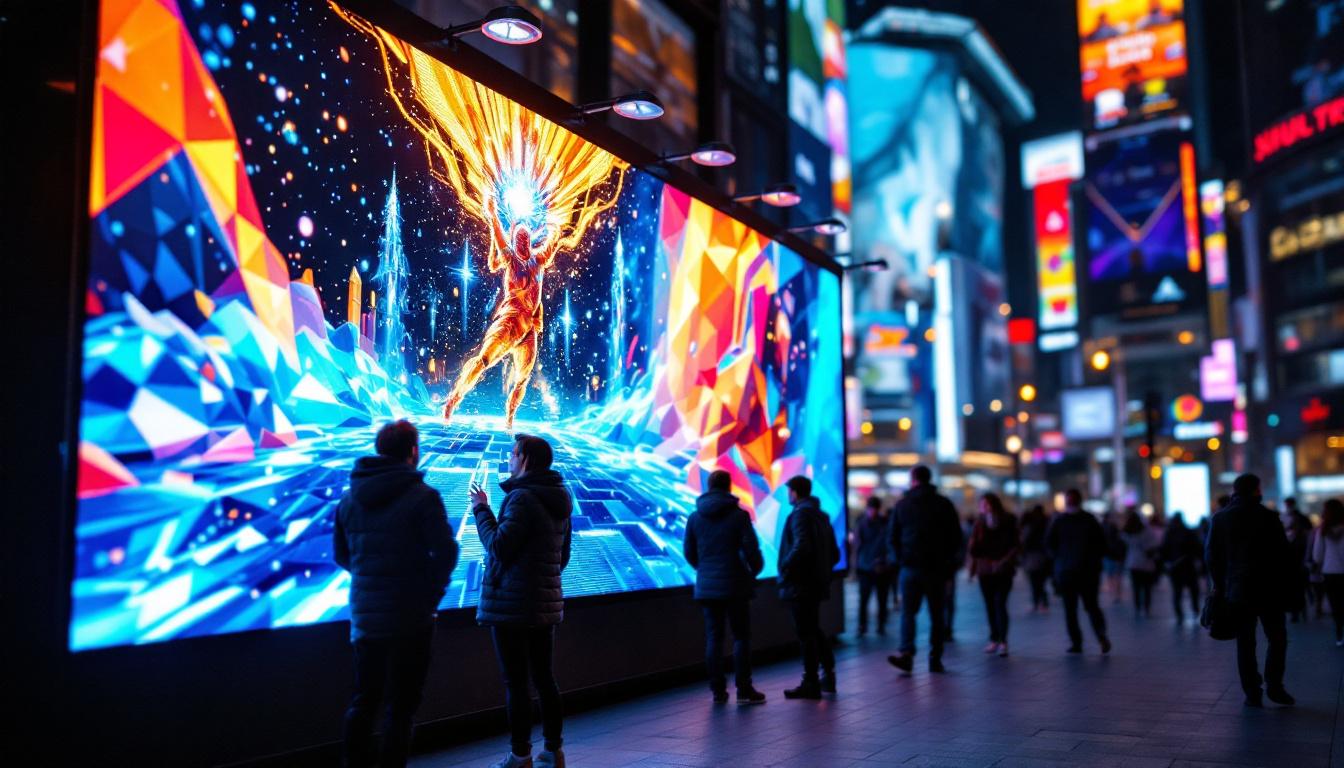
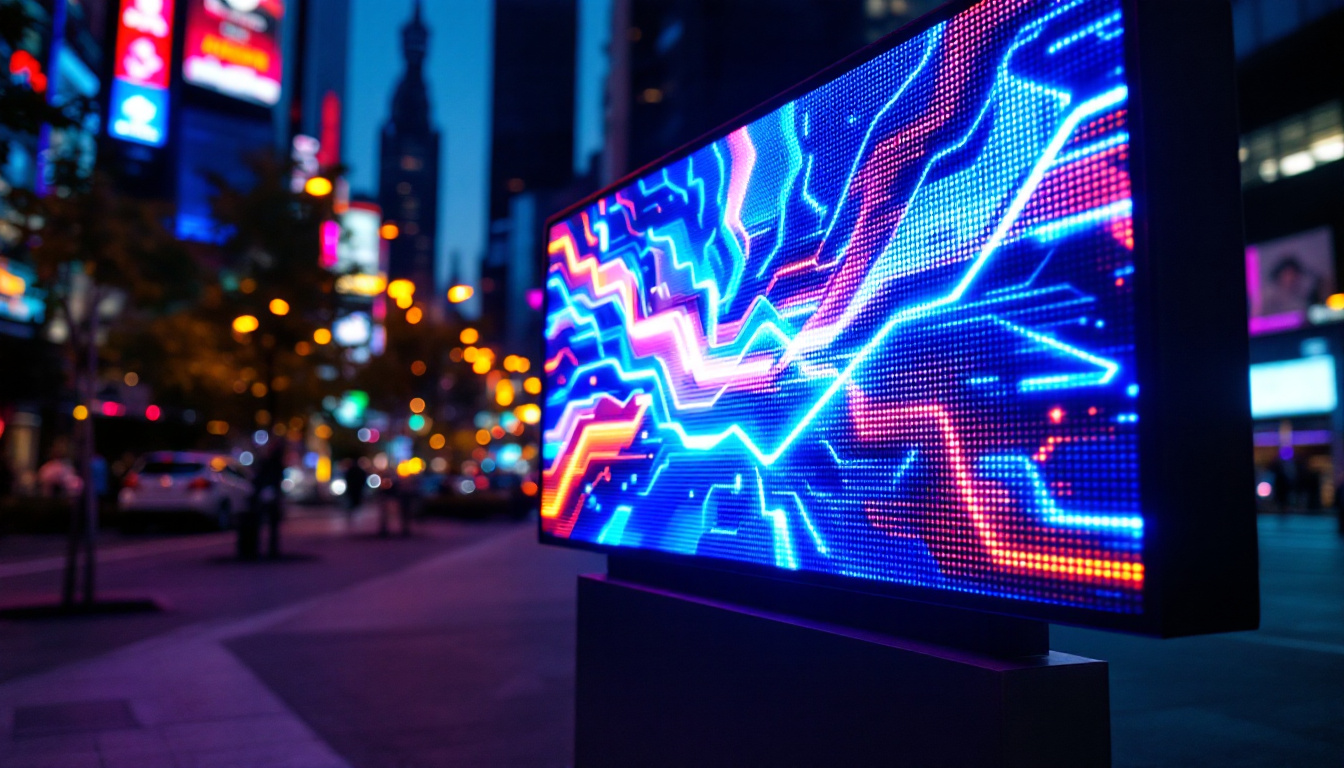
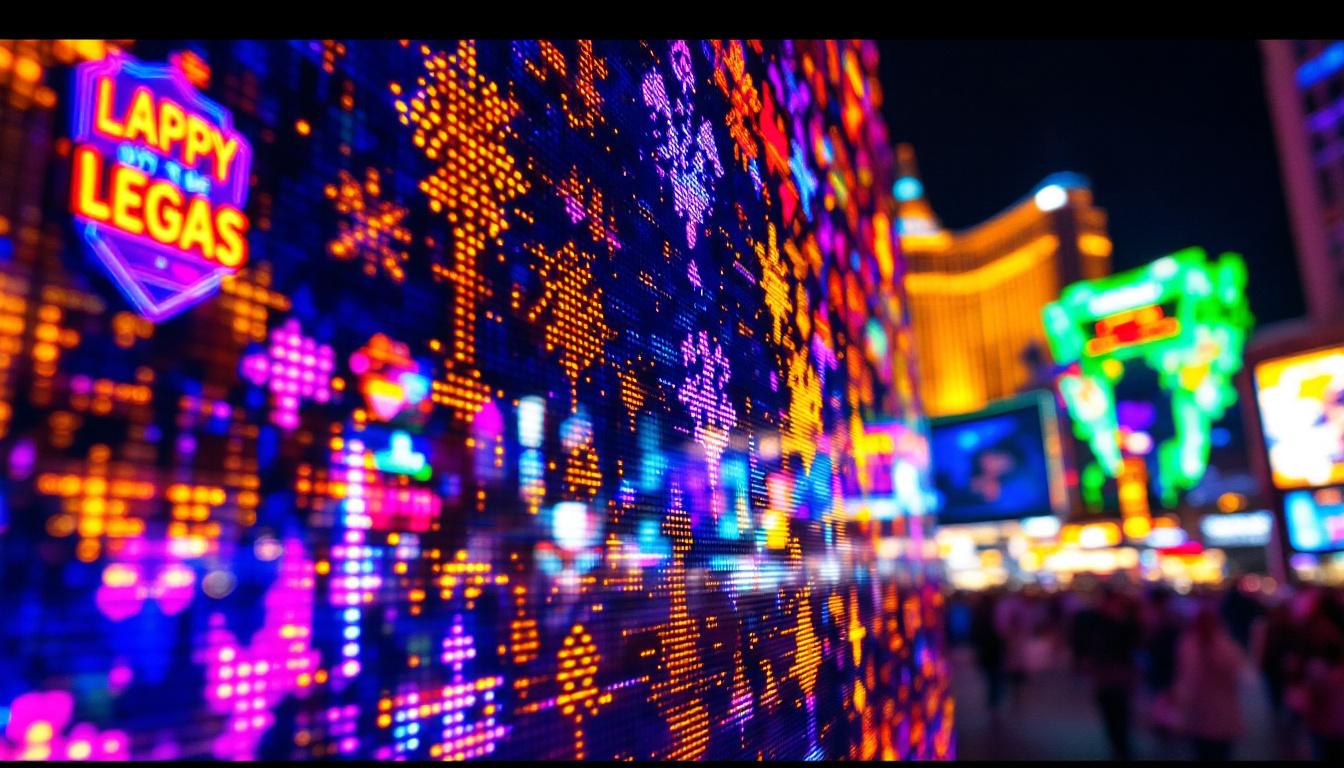
LED stands for Light Emitting Diode, a semiconductor light source that emits light when an electric current passes through it. In the context of displays, “LED display” often refers to screens that use LEDs as the primary light source. True LED displays, such as those used in large-scale outdoor billboards or high-end televisions, consist of millions of tiny LEDs that form the pixels themselves. These displays are sometimes called “direct view LED” or “microLED” screens.
Direct view LED displays are self-emissive, meaning each LED produces its own light and color. This technology enables incredibly vibrant colors, deep blacks, and high contrast ratios. Because each pixel is individually lit, these displays can achieve superior brightness and energy efficiency compared to traditional LCDs.
What Is LED LCD?
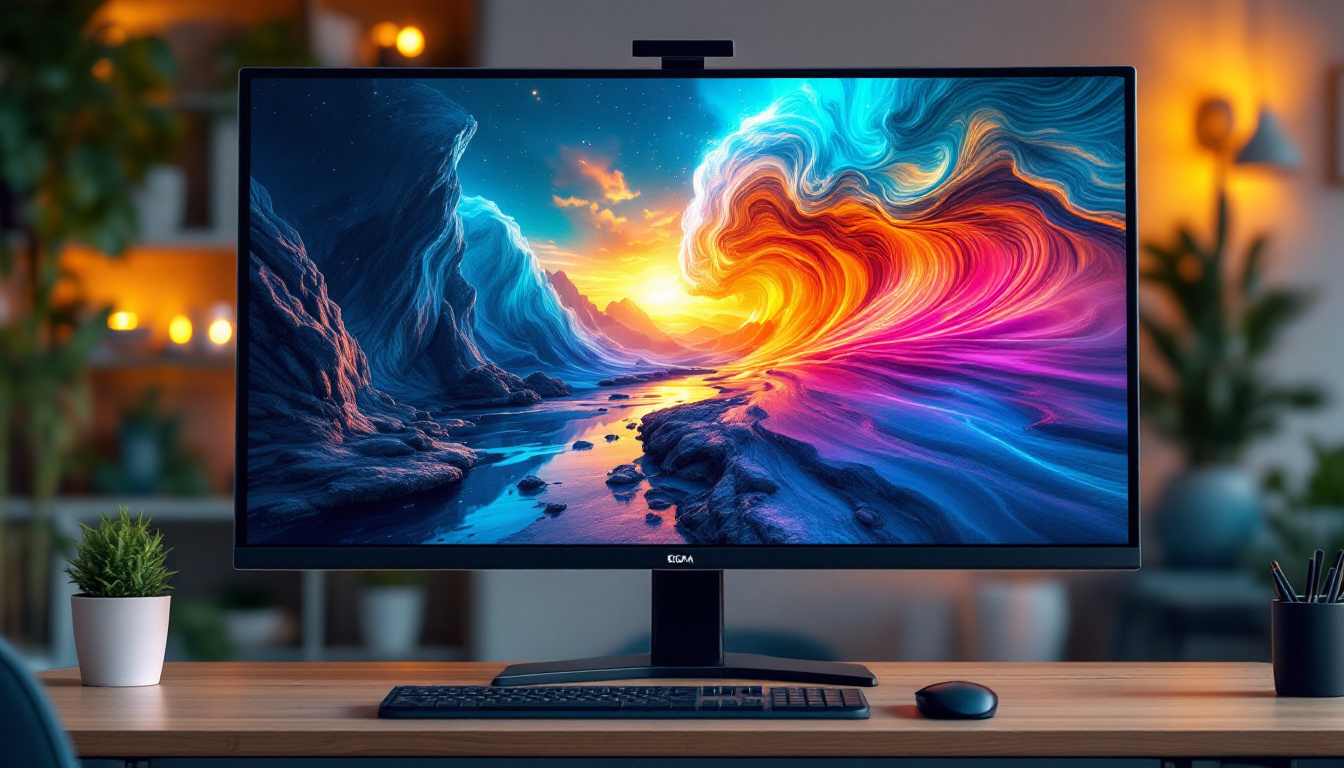
LED LCD, on the other hand, is a more common term used to describe LCD (Liquid Crystal Display) panels that utilize LED backlighting. Unlike direct view LED displays, LED LCD screens are not self-emissive. Instead, they rely on a liquid crystal layer to modulate light passing through it, while LEDs serve as the backlight source behind the panel.
Historically, LCDs used cold cathode fluorescent lamps (CCFLs) for backlighting. The shift to LED backlighting improved energy efficiency, color accuracy, and allowed for thinner panels. So, when people say “LED TV” or “LED monitor,” they usually mean an LCD screen with LED backlighting.
Key Differences Between LED and LED LCD Displays
Technology and Structure
The fundamental difference lies in how images are produced. Direct view LED displays consist of tiny LEDs that emit light and color directly to form the image. In contrast, LED LCD displays use a backlight made of LEDs to shine through an LCD panel that controls the color and brightness of each pixel.
This structural difference impacts performance characteristics such as brightness, contrast, color accuracy, and viewing angles. Direct view LED displays can turn off individual pixels completely, resulting in true blacks and infinite contrast ratios. LED LCDs, however, rely on blocking light through liquid crystals, which can cause some light bleed and limit contrast.
Brightness and Contrast
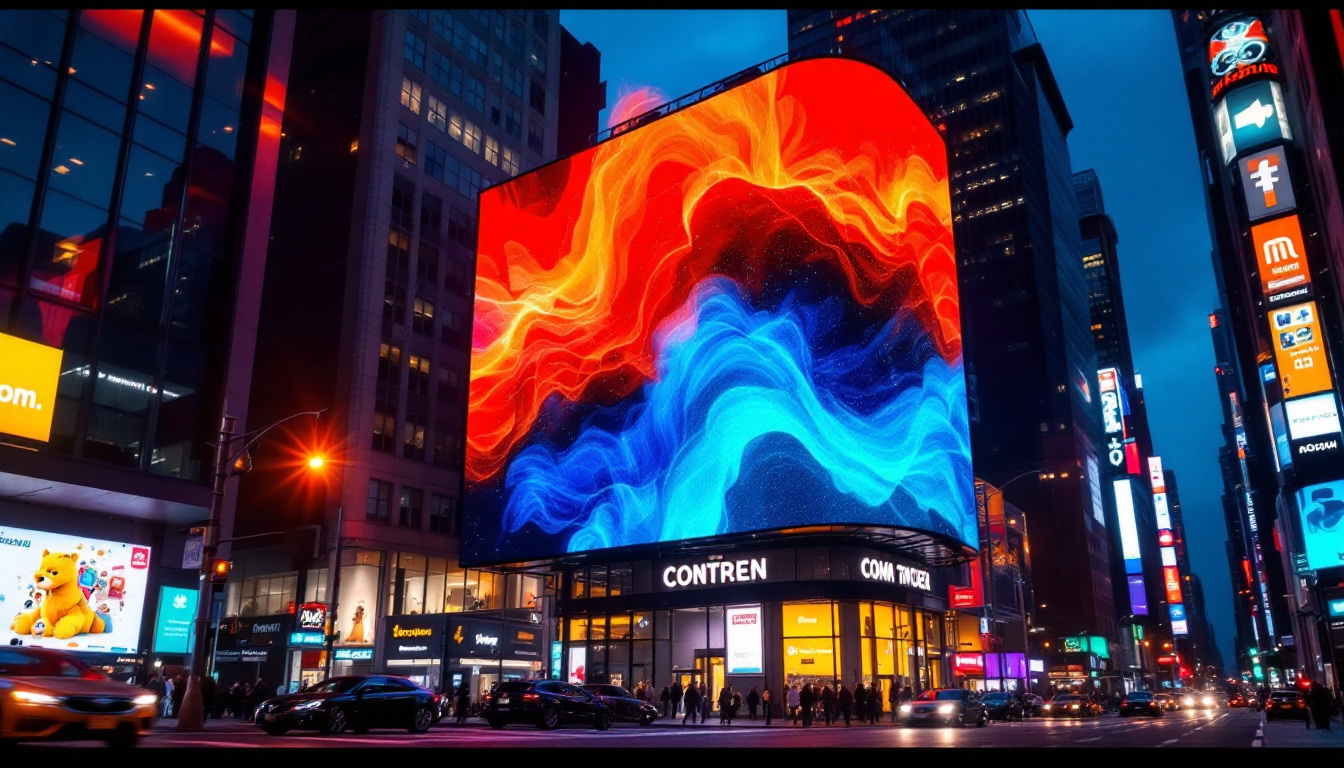
Brightness levels in LED displays tend to be higher, especially in outdoor or commercial applications where sunlight visibility is critical. For example, outdoor LED billboards can achieve brightness levels exceeding 5,000 nits, making them visible even in direct sunlight.
LED LCDs typically have brightness levels ranging from 250 to 1,000 nits, suitable for indoor environments. While some high-end LED LCD TVs can reach 1,500 nits or more, they still cannot match the peak brightness of direct view LED panels.
Contrast is another area where direct view LED excels. Because each pixel emits its own light and can be turned off individually, these displays can produce true blacks. LED LCDs, even with advanced local dimming, often struggle to completely block backlight bleed, resulting in less deep blacks and lower contrast ratios.
Color Accuracy and Range
Color reproduction is a critical factor for displays used in professional video editing, photography, and high-end entertainment. Direct view LED displays generally offer a wider color gamut and higher color accuracy because the light source itself emits precise colors.
LED LCDs have improved significantly with technologies like quantum dots and advanced color filters, enabling them to cover a broad color spectrum. However, they still rely on the backlight’s white LEDs and the LCD panel’s filtering, which can limit the purity of colors compared to direct view LED.
Viewing Angles
Viewing angles tend to be wider on direct view LED displays because each pixel emits light directly. This means color and brightness remain consistent even when viewed from sharp angles.
LED LCDs can suffer from color shifting and brightness loss when viewed off-center, although improvements like IPS (In-Plane Switching) panels have mitigated this issue to a great extent.
Applications and Use Cases
Where Direct View LED Displays Shine
Direct view LED displays are ideal for large-scale applications requiring high brightness, durability, and visibility in various lighting conditions. Common uses include:
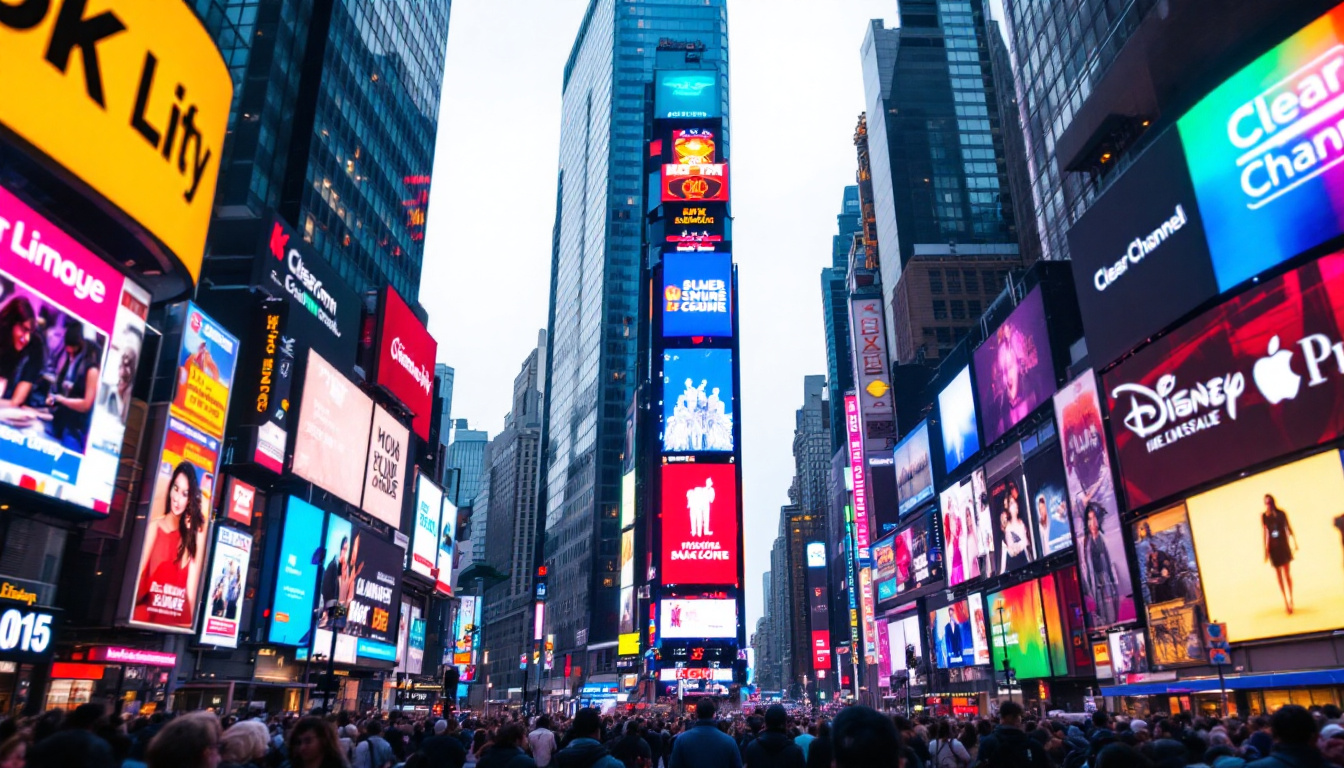
- Outdoor advertising: Billboards and signage that must be visible in daylight and withstand weather.
- Sports arenas and concert venues: Large screens that provide clear images to audiences from a distance.
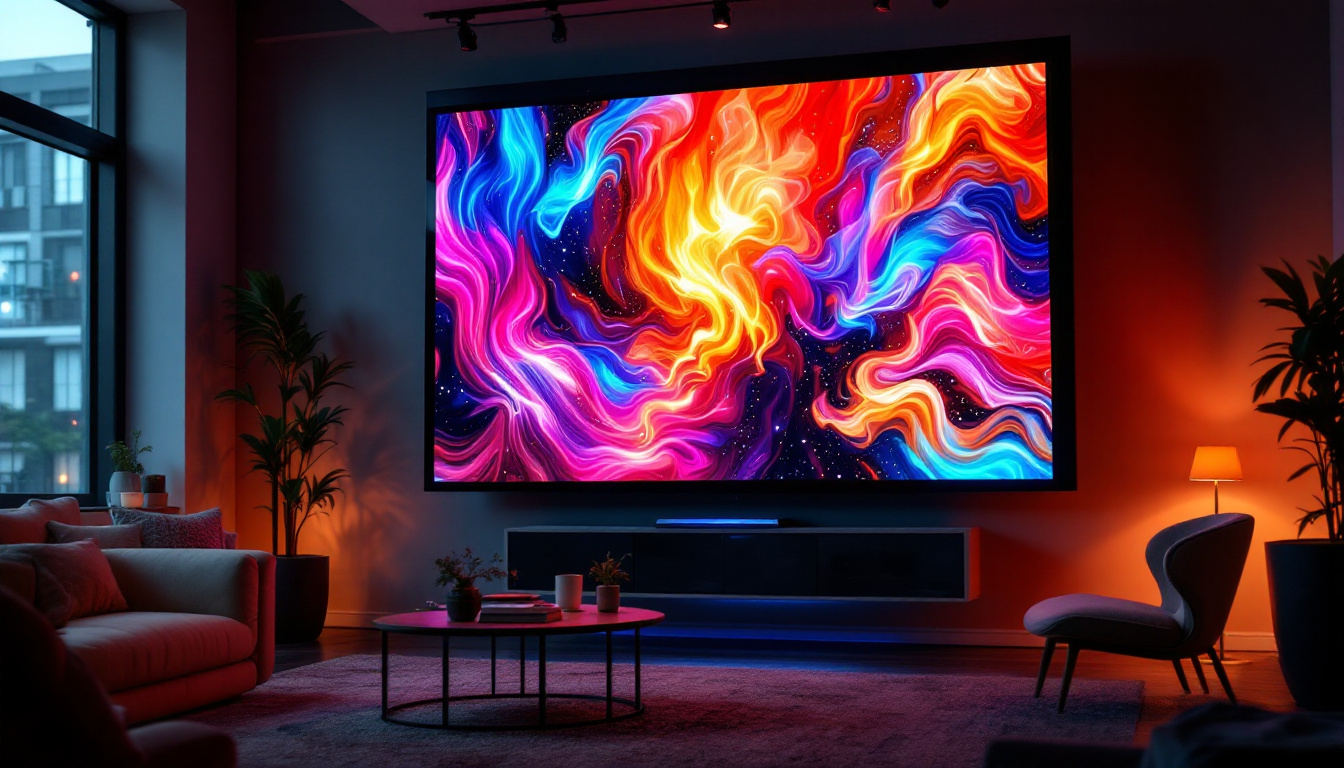
- High-end home theaters: Some premium microLED TVs offer unparalleled picture quality.
- Control rooms and command centers: Where accurate color and high contrast are essential for monitoring.
Typical Uses for LED LCD Displays
LED LCD technology dominates the consumer market for televisions, computer monitors, and mobile devices. Its advantages include affordability, thin form factors, and energy efficiency. Common applications include:
- Consumer TVs: Most modern TVs marketed as “LED TVs” are actually LED-backlit LCDs.
- Computer monitors: Offering a balance between cost and performance.
- Laptops and tablets: Where thinness and battery life are priorities.
- Digital signage: Indoor displays in retail stores, airports, and offices.
Pros and Cons: Choosing Between LED and LED LCD
Advantages of Direct View LED
Superior image quality: True blacks, infinite contrast, and vibrant colors.
High brightness: Suitable for any lighting condition, including direct sunlight.
Durability: Long lifespan and resistance to burn-in compared to OLED.
Scalability: Easily built into very large displays with seamless image quality.
Disadvantages of Direct View LED
Cost: Significantly more expensive to manufacture and purchase, especially for consumer-sized displays.
Resolution limitations: For very small screens, achieving high pixel density can be challenging.
Complex installation: Often requires professional setup and calibration.
Advantages of LED LCD
Affordability: Widely available at various price points, making it accessible to most consumers.
Thin and lightweight: Easier to integrate into slim devices and furniture.
Energy efficient: LED backlighting consumes less power than older CCFL backlights.
Good color and brightness: Suitable for most indoor viewing environments.
Disadvantages of LED LCD
Limited contrast: Backlight bleed reduces black levels and overall contrast.
Viewing angle restrictions: Colors and brightness can shift when viewed from the side.
Less vibrant colors: Color gamut and accuracy are generally lower than direct view LED.
Emerging Technologies and Future Trends
MicroLED: The Next Generation
MicroLED technology represents an exciting evolution of direct view LED displays. By shrinking LED pixels to microscopic sizes, microLED offers the benefits of OLED—such as self-emissive pixels and excellent contrast—without the drawbacks like burn-in or limited lifespan.
Major manufacturers are investing heavily in microLED research, with prototypes showing promise for consumer TVs, smartphones, and augmented reality devices. While still costly and complex to produce at scale, microLED could eventually bridge the gap between LED and LED LCD performance.
Quantum Dot Enhancement
Quantum dots are semiconductor nanocrystals that emit precise colors when illuminated by LED backlights. This technology has revolutionized LED LCD displays by significantly expanding their color gamut and improving brightness.
Quantum dot LED (QLED) TVs, popularized by brands like Samsung, offer vibrant colors and high brightness at a more affordable price point than direct view LED displays. This technology continues to improve and is expected to remain dominant in the consumer market for the foreseeable future.
Mini-LED Backlighting
Mini-LED is an advancement in LED LCD backlighting that uses thousands of tiny LEDs to provide more precise local dimming. This results in better contrast and black levels, narrowing the gap between LED LCD and direct view LED displays.
Many high-end monitors and TVs now incorporate mini-LED technology, offering improved picture quality without the premium cost of microLED or OLED panels.
How to Choose the Right Display for Your Needs
Consider Your Environment
For outdoor or brightly lit spaces, direct view LED displays are generally superior due to their high brightness and durability. For indoor use, especially in controlled lighting, LED LCD displays with quantum dot or mini-LED technology provide excellent image quality at a reasonable cost.
Evaluate Your Budget
Direct view LED displays tend to be significantly more expensive, especially at smaller sizes suitable for home use. LED LCDs offer a wide range of prices and features, making them more accessible for everyday consumers.
Assess Your Usage Requirements
If color accuracy, contrast, and viewing angles are paramount—for example, in professional video editing or high-end home theaters—direct view LED or advanced mini-LED LCDs are preferable. For general entertainment, gaming, or office work, LED LCD displays provide a balanced solution.
Think About Longevity and Maintenance
Direct view LED displays generally have longer lifespans and are less prone to issues like image retention. LED LCDs are reliable but may require more frequent replacement or calibration over time.
Conclusion
Understanding the difference between LED and LED LCD displays is essential for making informed decisions in today’s technology-driven world. While both technologies utilize LEDs, their fundamental operating principles and performance characteristics differ significantly.
Direct view LED displays offer unmatched brightness, contrast, and color vibrancy, making them ideal for large-scale, high-performance applications. LED LCDs, enhanced by LED backlighting and innovations like quantum dots and mini-LEDs, provide excellent image quality at accessible prices for everyday use.
As display technology continues to evolve with microLED and other advancements on the horizon, consumers and professionals alike can expect even greater choices and improvements in visual experience. By understanding the strengths and limitations of each technology, buyers can select the display that best fits their needs, environment, and budget.
Explore Cutting-Edge LED Displays with LumenMatrix
Ready to elevate your visual experience with the latest in LED display technology? LumenMatrix is at the forefront of innovation, offering a diverse range of LED display solutions tailored to meet your specific needs. From captivating Indoor LED Walls to dynamic Outdoor LED Displays, and from versatile Vehicle LED Displays to engaging LED Sports Displays, LumenMatrix has the perfect solution to enhance your brand’s visibility and audience engagement. Discover how our state-of-the-art LED display modules can transform your visual communication. Check out LumenMatrix LED Display Solutions today and take the first step towards a brighter, more impactful display strategy.