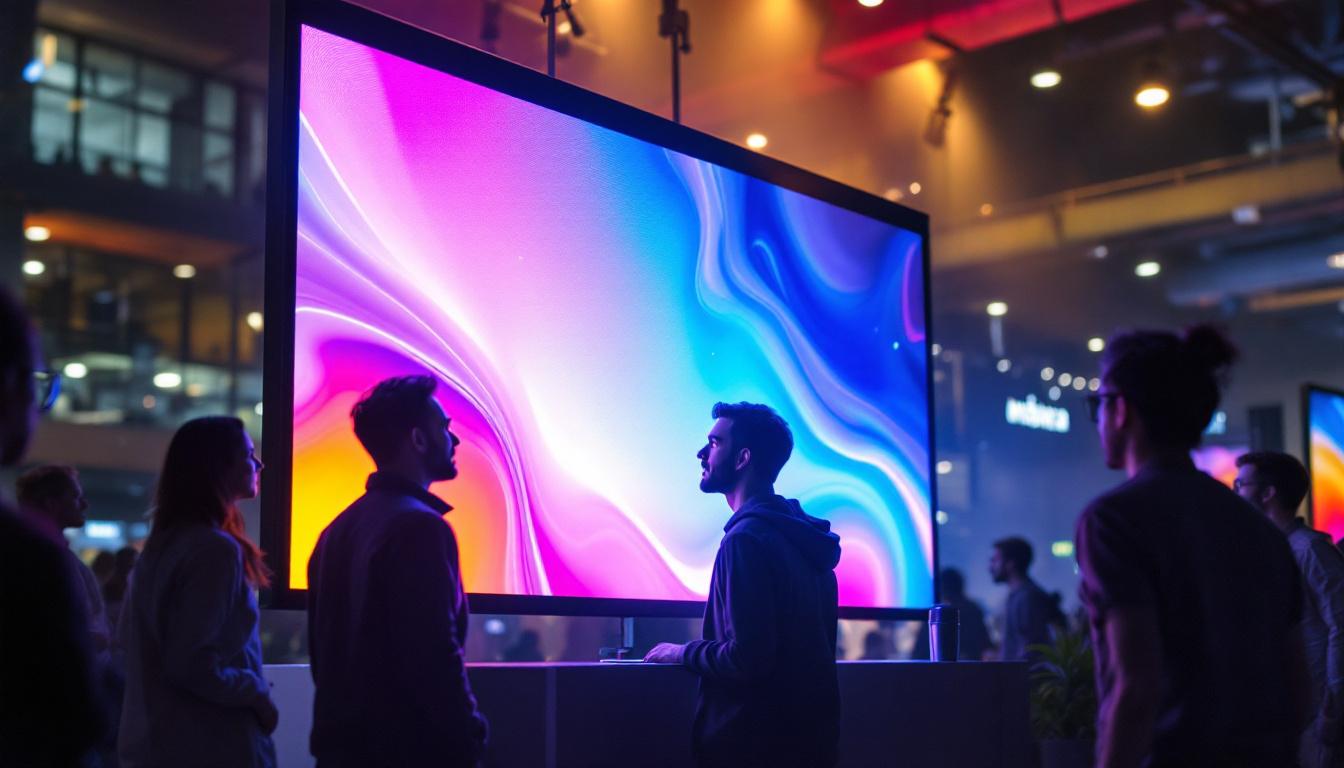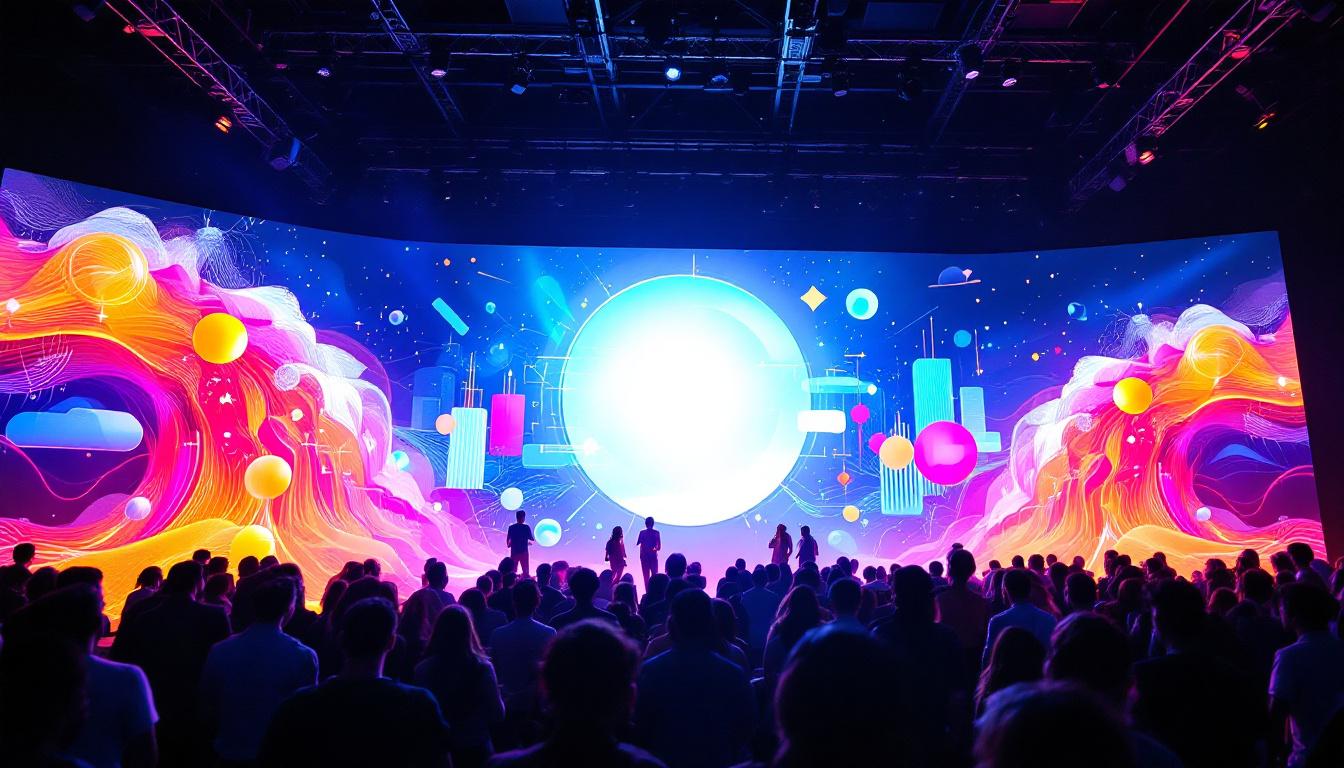
In today’s fast-paced digital world, LED displays have become a cornerstone of modern media walls, transforming how businesses, event organizers, and public spaces communicate with their audiences. From vibrant advertising billboards to immersive event backdrops, LED technology offers unparalleled versatility and visual impact. This comprehensive guide explores the essentials of LED displays, helping media wall planners and decision-makers understand their features, benefits, and applications.
What Is an LED Display?
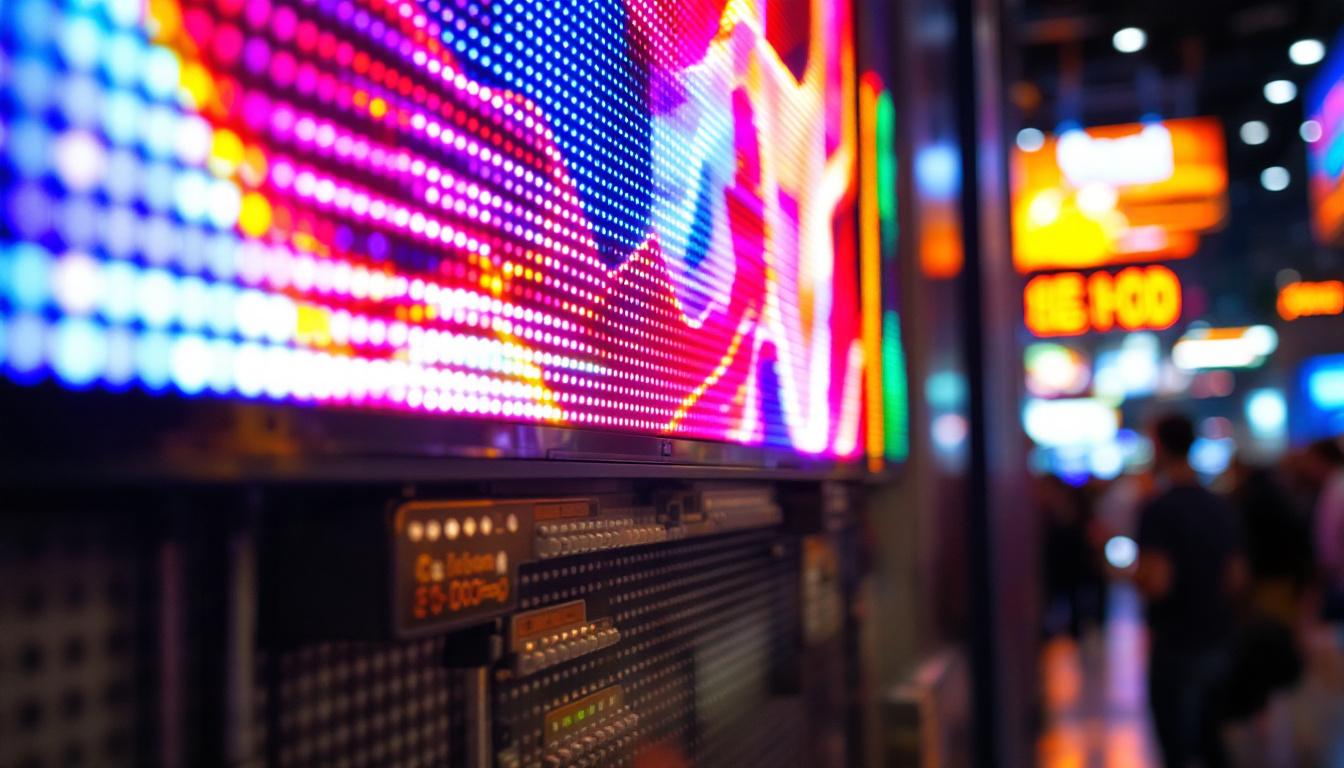
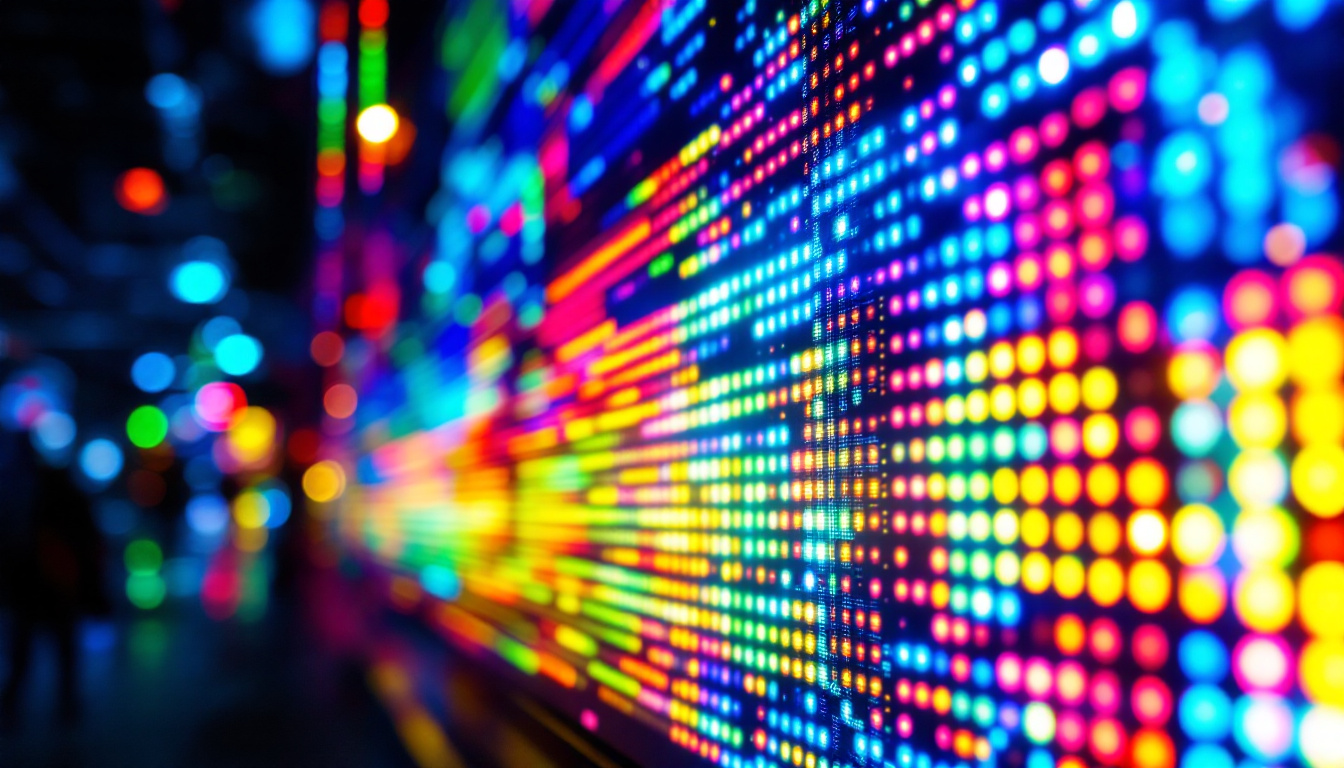
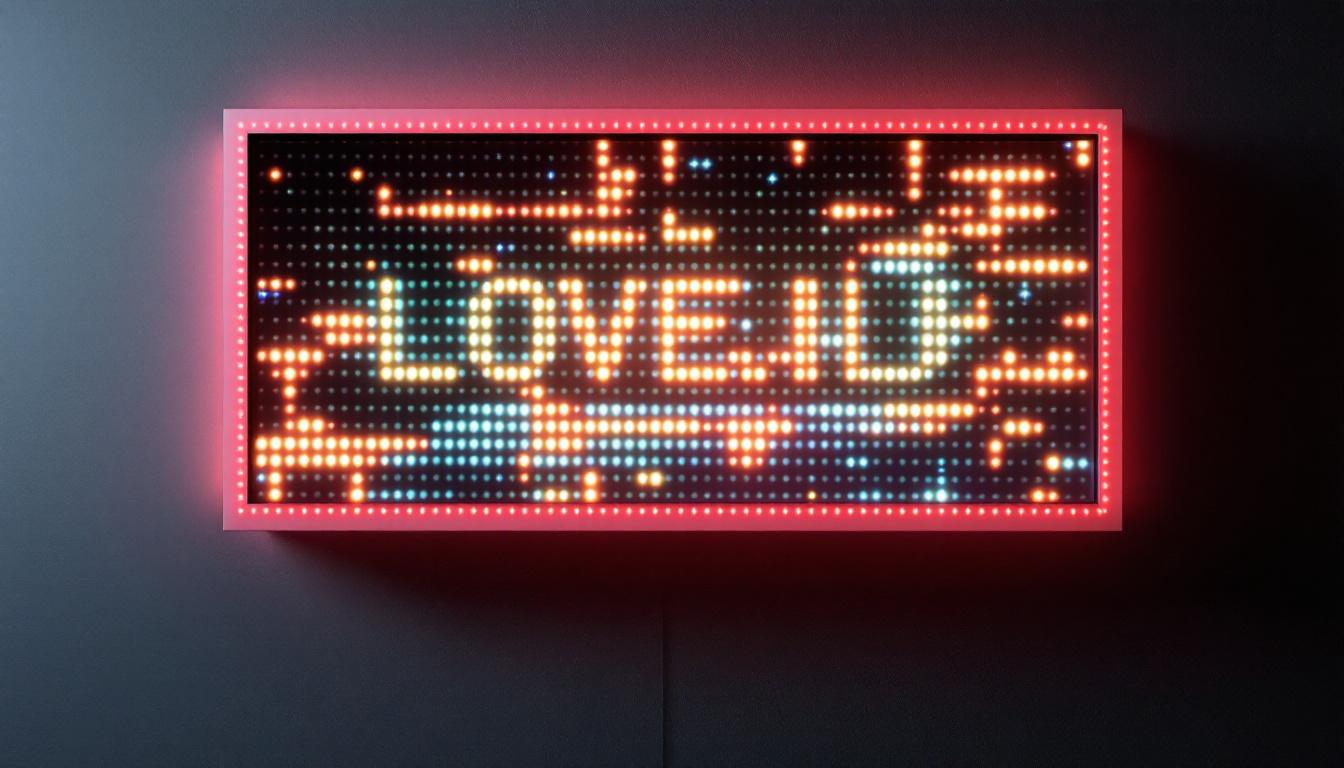
LED stands for Light Emitting Diode, a semiconductor device that emits light when an electric current passes through it. An LED display is a flat panel or screen that uses an array of these tiny diodes to create images, videos, and text with remarkable brightness and clarity. Unlike traditional LCD or plasma screens, LED displays are composed of individual pixels made up of red, green, and blue LEDs, which combine to produce a full spectrum of colors. This technology allows for vibrant visuals that can captivate audiences in various settings, from concert venues to corporate presentations.
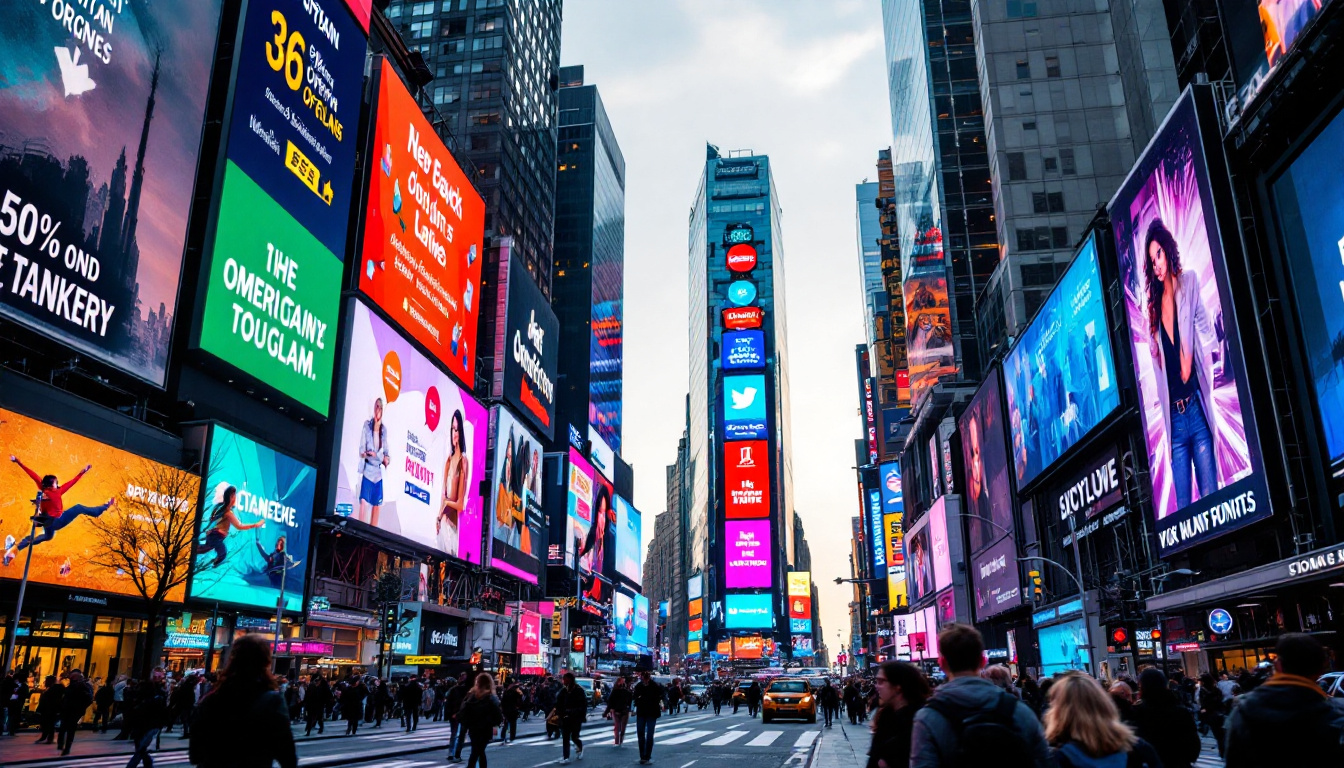
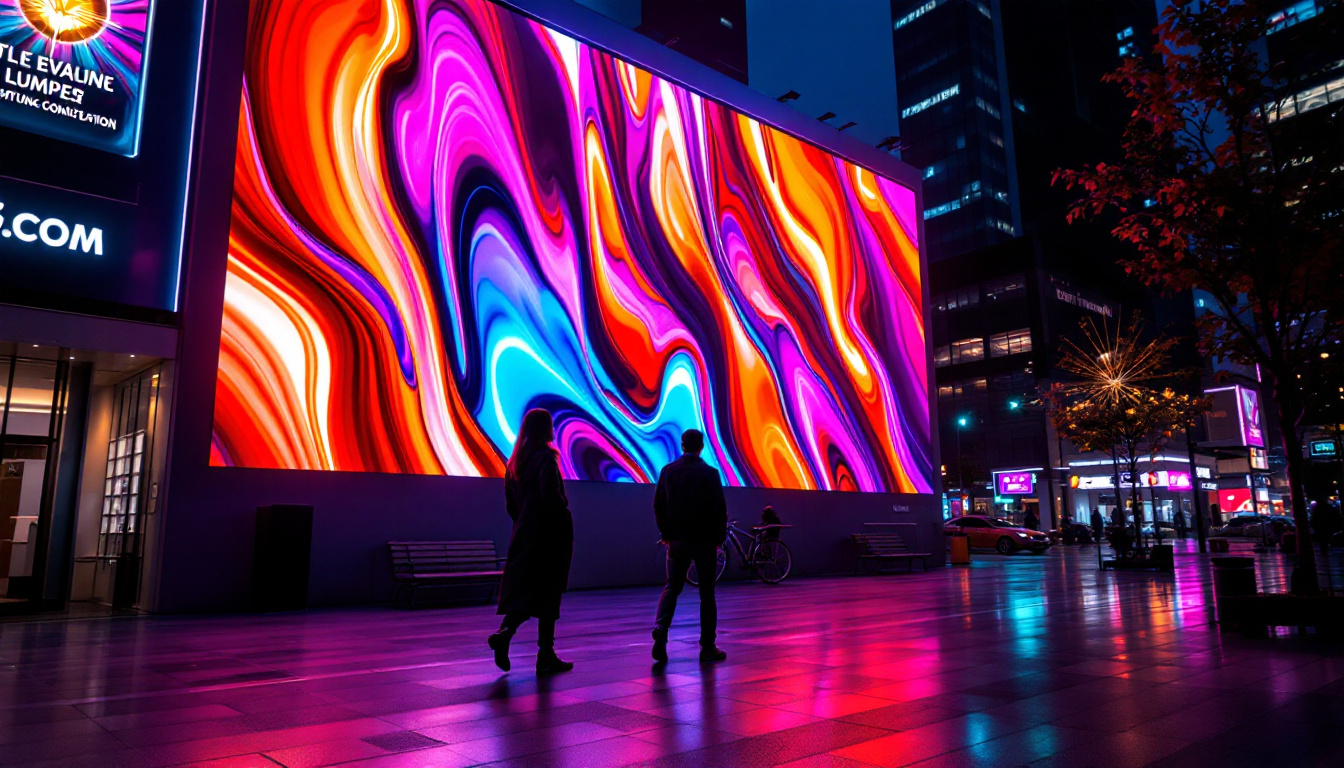
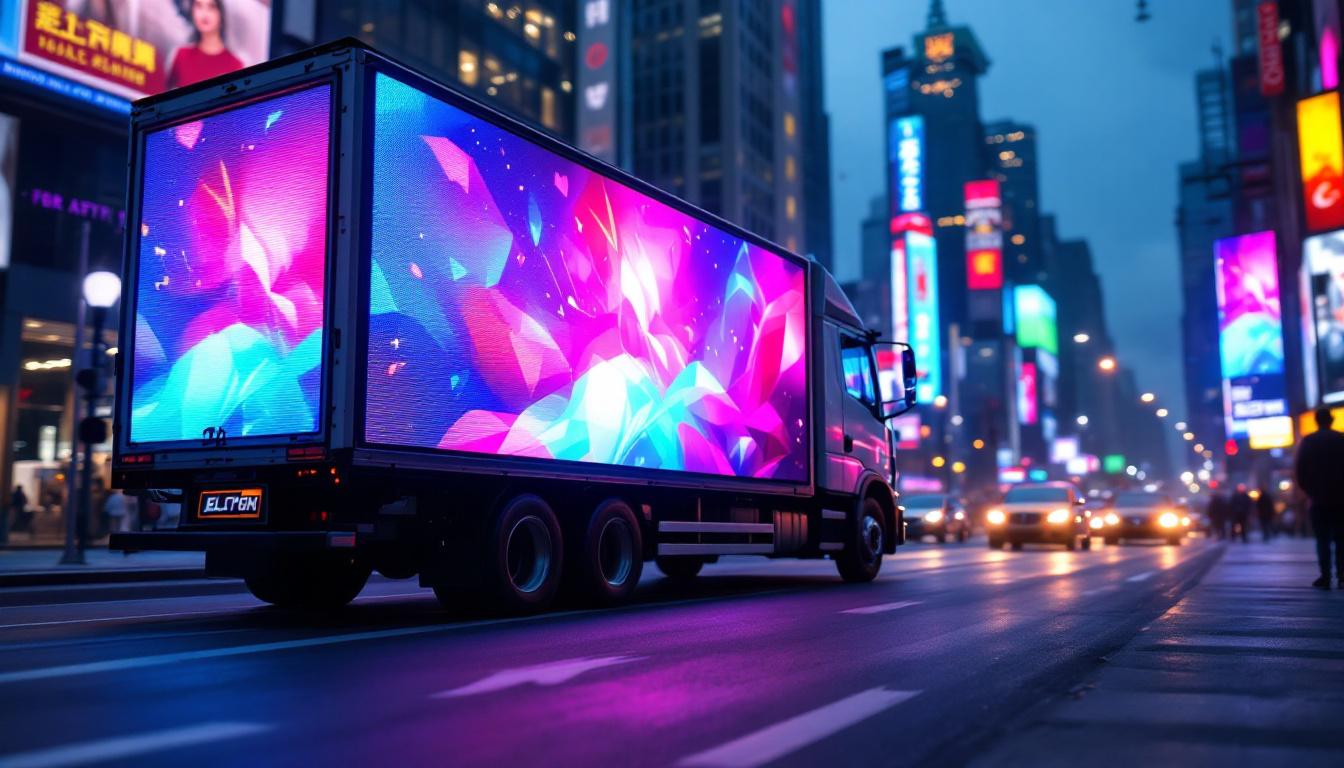
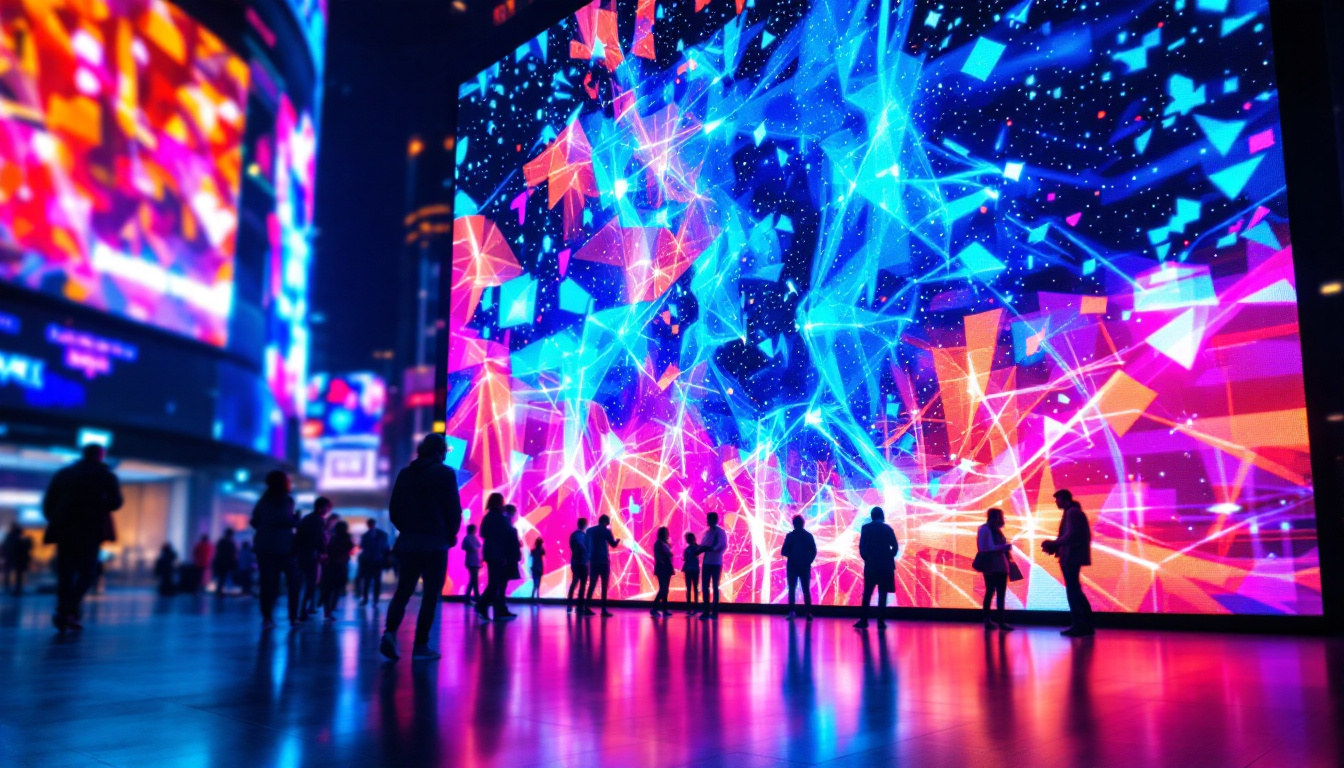
The modular nature of LED panels allows for custom sizes and shapes, making them ideal for media walls that need to fit unique architectural spaces or create striking visual installations. These displays can range from small indoor screens to massive outdoor billboards visible from miles away. The versatility of LED displays also extends to their application in different environments, such as retail spaces, sports arenas, and public transportation hubs, where they serve not only as advertising platforms but also as dynamic information displays that engage and inform the public.
Key Components of LED Displays
Understanding the core components of an LED display is crucial for effective planning and implementation:
- LED Modules: These are the building blocks of the display, consisting of clusters of LEDs arranged in a grid. Modules are connected to form the entire screen.
- Pixel Pitch: The distance between the centers of two adjacent pixels, usually measured in millimeters. A smaller pixel pitch means higher resolution and clearer images, especially at close viewing distances.
- Driver ICs: Integrated circuits that control the brightness and color of each LED pixel.
- Power Supply: Provides the necessary electrical energy to the LEDs and control systems.
- Control System: The hardware and software responsible for processing incoming video signals and managing the display output.
In addition to these components, the construction of LED displays often includes a protective layer designed to shield the diodes from environmental factors such as moisture, dust, and UV exposure. This is particularly important for outdoor installations, where displays must withstand varying weather conditions while maintaining optimal performance. Furthermore, advancements in LED technology have led to the development of energy-efficient models that consume less power while delivering superior brightness and longevity, making them a sustainable choice for businesses looking to reduce their carbon footprint.
Another significant aspect of LED displays is their ability to provide real-time content updates. This feature is particularly beneficial for applications like live event broadcasting or emergency notifications, where timely information is crucial. With the integration of smart technology, many LED displays can now connect to the internet, allowing for remote management and content scheduling. This capability not only enhances the functionality of the display but also opens up new avenues for creative advertising strategies, enabling businesses to tailor their messages based on audience demographics and engagement metrics.
Types of LED Displays for Media Walls
LED technology has evolved to accommodate various environments and use cases. Selecting the right type of LED display depends on factors such as location, viewing distance, ambient lighting, and content type.
Indoor LED Displays
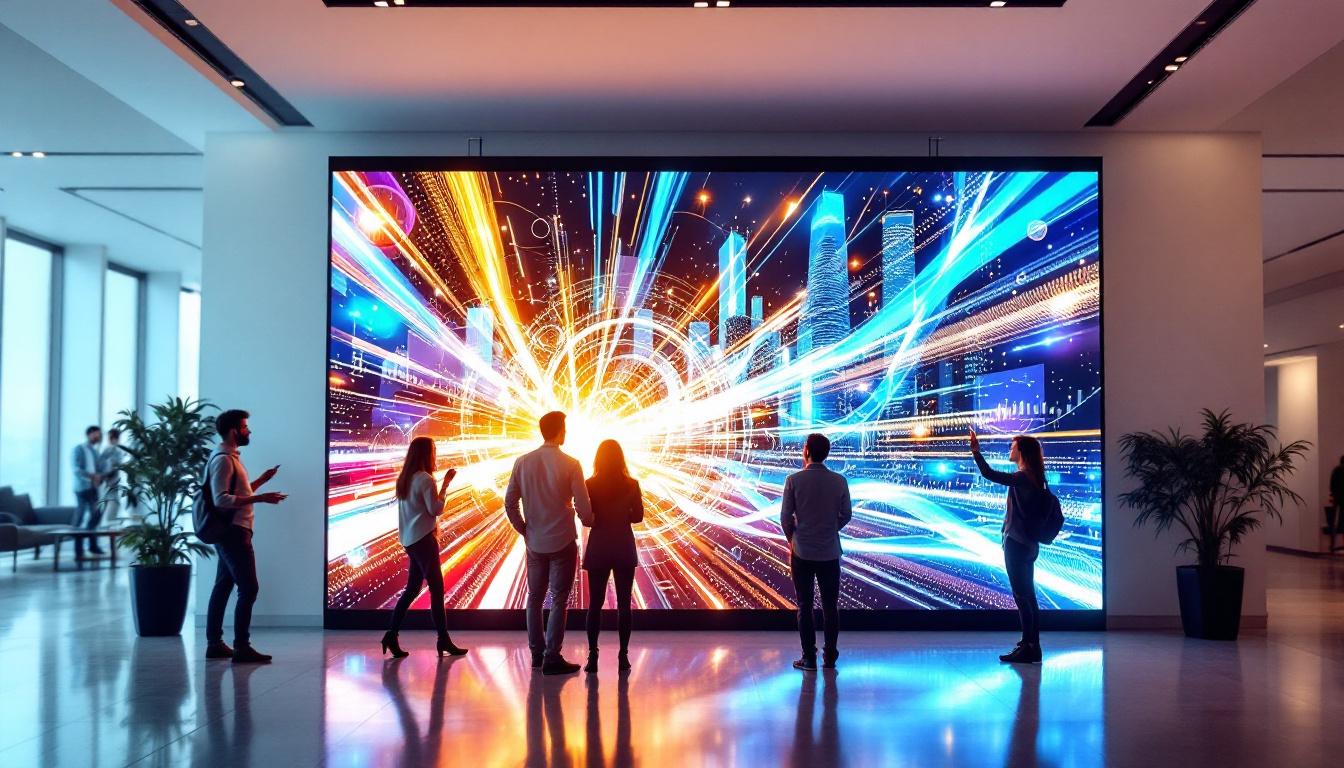
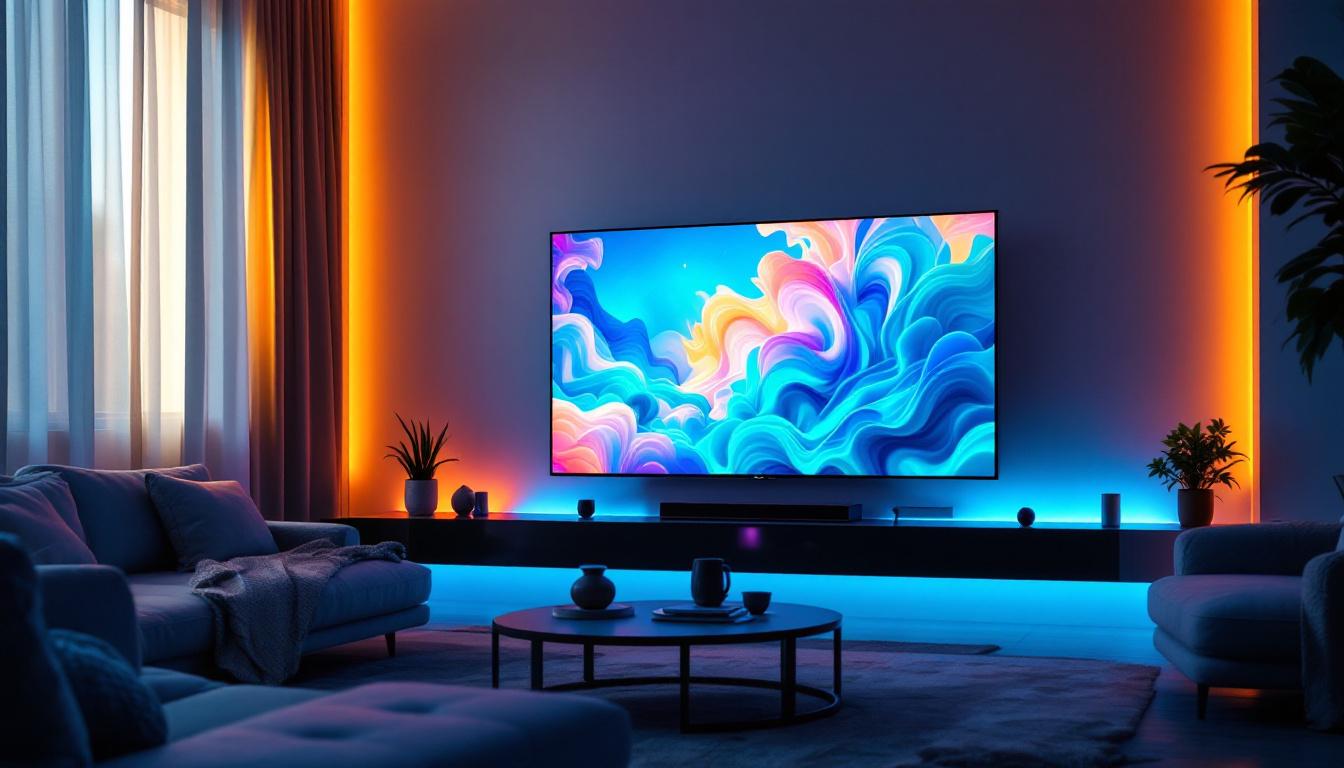
Indoor LED screens are designed for controlled environments like conference rooms, retail stores, museums, and corporate lobbies. They typically feature a fine pixel pitch ranging from 0.9mm to 4mm, delivering crisp images even at close range. Indoor LEDs have lower brightness levels compared to outdoor models, as they do not need to compete with sunlight.
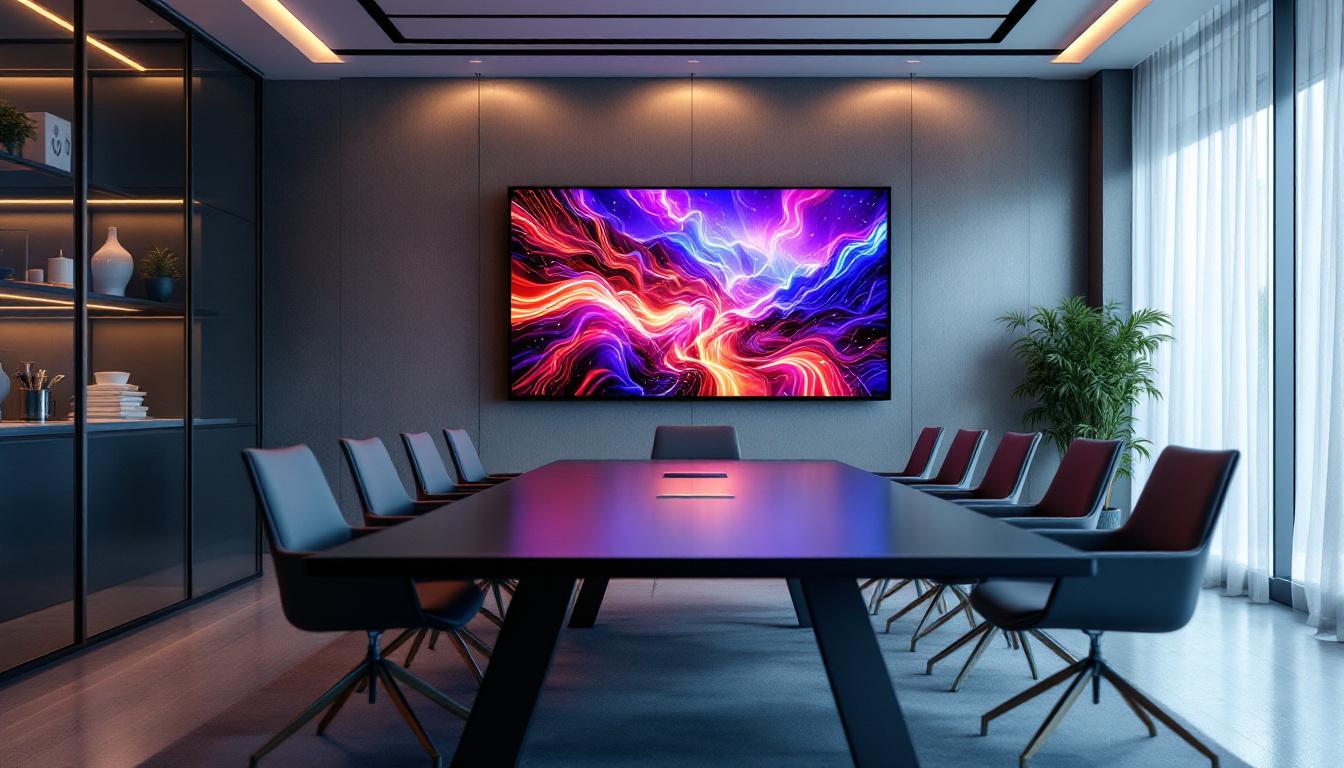
These displays are prized for their vibrant color reproduction and smooth video playback, making them ideal for dynamic presentations, digital signage, and interactive media walls. Furthermore, many indoor LED displays support advanced features such as touch interactivity and high refresh rates, enhancing user engagement and making them perfect for events and exhibitions where audience interaction is key.
Additionally, the modular design of indoor LED panels allows for flexible configurations, enabling businesses to create custom shapes and sizes that fit their unique space requirements. This adaptability not only maximizes the impact of visual content but also ensures that the display seamlessly integrates into the overall design of the environment.
Outdoor LED Displays
Outdoor LED displays are engineered to withstand harsh weather conditions, including rain, dust, and extreme temperatures. They have higher brightness levels—often exceeding 5,000 nits—to remain visible under direct sunlight. Pixel pitches for outdoor screens are generally larger, ranging from 4mm to 20mm or more, as viewers tend to observe these displays from greater distances.
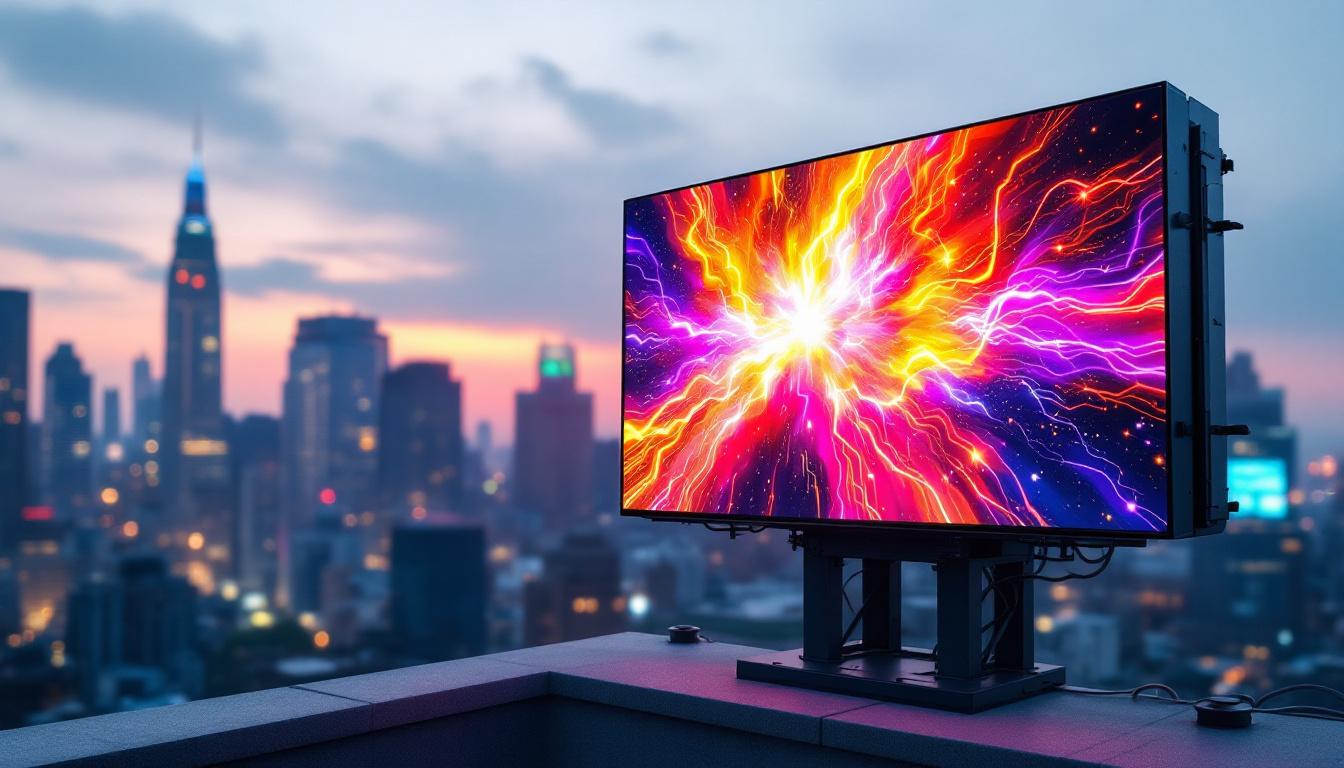
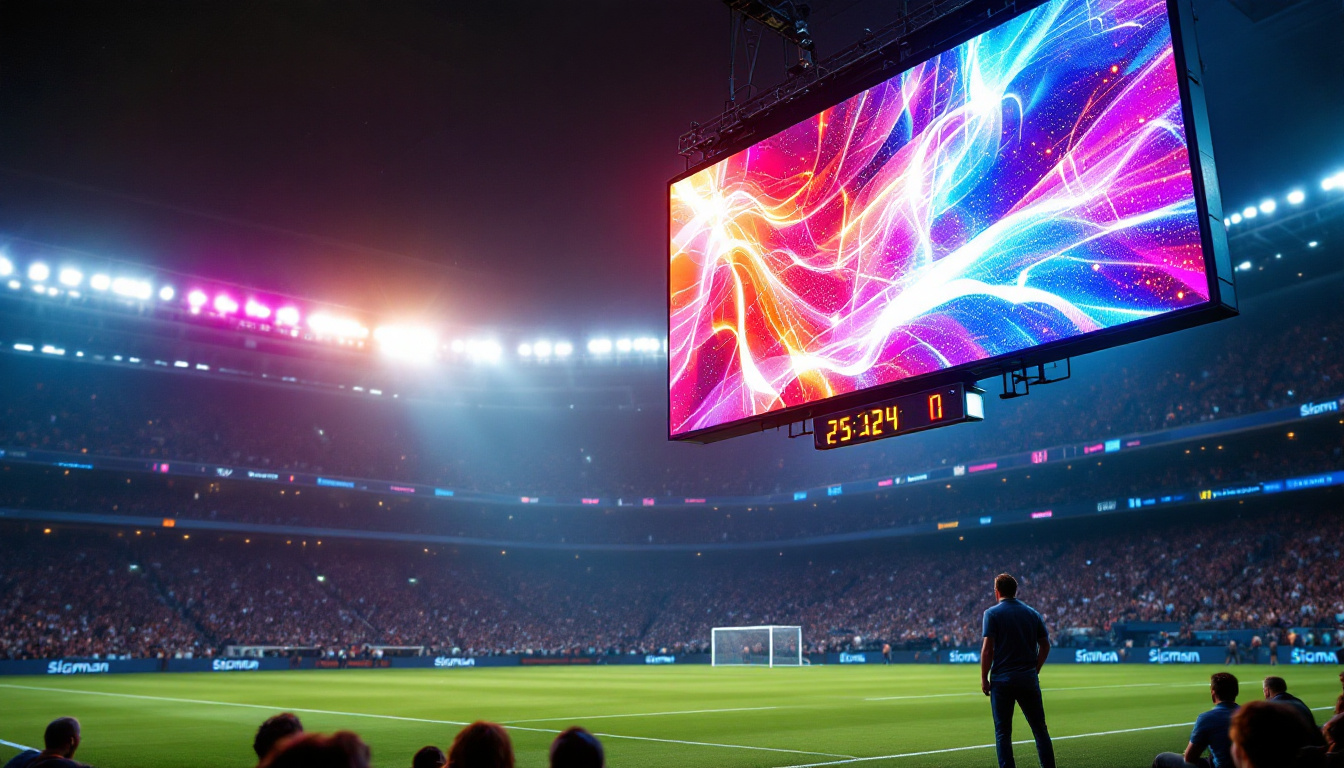
Common applications include advertising billboards, stadium screens, transportation hubs, and public information displays. Robust enclosures and waterproofing are essential features to ensure longevity and reliability. In addition to their durability, outdoor LED displays often incorporate advanced cooling systems to prevent overheating during prolonged use, ensuring optimal performance in high-temperature environments.
Moreover, many outdoor displays are equipped with smart technology that allows for real-time content updates and monitoring. This capability is particularly beneficial for advertisers and event organizers who need to adjust messaging based on audience engagement or changing conditions, such as weather or traffic patterns, making outdoor LED displays a dynamic tool for communication.
Transparent LED Displays
Transparent LED displays are a newer innovation that integrates LEDs into glass panels, allowing light to pass through while still displaying vibrant content. This technology is popular for storefront windows, building facades, and exhibition booths, where maintaining natural light and visibility is important.
These displays create a futuristic aesthetic and can be combined with traditional LED media walls to enhance visual storytelling. The ability to showcase advertisements or information without obstructing the view of the outside world makes transparent LED displays particularly appealing for retail environments, as they can attract passersby while still allowing customers to see the products inside.
Furthermore, the versatility of transparent LED technology allows for creative applications, such as immersive art installations and interactive displays that respond to viewer movements. As this technology continues to advance, we can expect even more innovative uses, transforming how businesses and artists engage with their audiences in both urban and commercial settings.
Benefits of LED Displays in Media Walls
LED displays offer numerous advantages that make them the preferred choice for media wall installations across industries.
Superior Visual Quality
LED displays provide exceptional brightness, contrast, and color accuracy. Unlike projection systems or LCD screens, LEDs emit their own light, resulting in vivid images that remain clear even in brightly lit environments. The wide color gamut and high refresh rates ensure smooth motion and realistic visuals, critical for engaging audiences.
Scalability and Flexibility
The modular design of LED panels allows media walls to be customized in size and shape without compromising image quality. Whether it’s a seamless 4K video wall spanning several meters or a curved display wrapping around a column, LED technology can accommodate creative architectural demands.
Additionally, LED displays can be configured in portrait or landscape orientation and combined with other media elements for hybrid installations.
Energy Efficiency and Longevity
Modern LEDs consume significantly less power than traditional lighting and display technologies. Their long lifespan—often exceeding 100,000 hours—reduces maintenance costs and downtime. This makes LED media walls a sustainable investment, especially for venues that operate displays continuously.
Enhanced Interactivity and Integration
Many LED media walls support interactive features such as touch capabilities, motion sensors, and integration with content management systems. This enables dynamic content updates, audience engagement, and real-time data visualization, which are invaluable for retail, corporate, and event environments.
Planning Considerations for LED Media Walls
Successful media wall projects require careful planning to ensure the LED display meets the intended purpose and delivers optimal performance.
Assessing Viewing Distance and Pixel Pitch
One of the most important factors in LED display planning is determining the appropriate pixel pitch based on the typical viewing distance. A general rule of thumb is that the minimum viewing distance (in meters) should be roughly 1.5 to 2 times the pixel pitch (in millimeters).
For example, a pixel pitch of 2mm is suitable for viewing distances of around 3 to 4 meters, providing sharp images without visible pixelation. Using too large a pixel pitch for close viewing can result in a blocky image, while an unnecessarily fine pitch for distant viewing increases costs without visual benefit.
Environmental and Installation Factors
Environmental conditions such as ambient light, temperature, humidity, and exposure to elements must be considered. Outdoor installations require weatherproof enclosures and ventilation, while indoor setups may prioritize aesthetics and ease of maintenance.
The structural integrity of the mounting surface and access for installation and servicing are also critical. Media walls often require precise alignment and calibration to ensure uniform brightness and color consistency across the entire display.
Content Strategy and Resolution Requirements
The type of content displayed influences the resolution and processing capabilities needed. High-resolution video, live feeds, and interactive graphics demand powerful control systems and bandwidth. Planners should collaborate with content creators early in the process to understand technical requirements and optimize the display setup.
Emerging Trends in LED Media Walls
The LED display industry continues to innovate, offering new possibilities for media wall planners.
MicroLED Technology
MicroLED is an emerging display technology that uses microscopic LEDs to achieve even higher resolution, brightness, and energy efficiency than conventional LEDs. While still in early commercial stages, MicroLED promises stunning image quality with improved durability, potentially revolutionizing media wall applications in the near future.
Flexible and Curved LED Panels
Advancements in flexible LED panels allow media walls to adopt unconventional shapes, including curves, waves, and cylindrical forms. This flexibility opens creative avenues for immersive environments and architectural integration, enhancing audience engagement.
AI-Driven Content Management
Artificial intelligence is increasingly being integrated into content management systems for LED media walls. AI can analyze audience demographics, environmental conditions, and engagement metrics to automatically tailor content in real-time, maximizing impact and relevance.
Conclusion
LED displays have transformed the landscape of media walls, offering unparalleled brightness, flexibility, and visual quality. Whether for indoor corporate environments, outdoor advertising, or innovative architectural installations, understanding the technology behind LED displays is essential for effective media wall planning.
By carefully considering factors such as pixel pitch, environmental conditions, and content strategy, planners can create compelling visual experiences that captivate audiences and deliver measurable results. As LED technology continues to evolve with innovations like MicroLED and AI integration, the future of media walls promises even greater possibilities for dynamic communication and engagement.
Discover LumenMatrix’s Innovative LED Solutions
Ready to elevate your media wall with cutting-edge LED technology? Look no further than LumenMatrix, a pioneer in crafting LED displays that bring your vision to life. Whether you’re seeking to enhance indoor ambiance, make a bold statement outdoors, or explore creative installations, our extensive range of solutions, including Indoor, Outdoor, Vehicle, Poster, Sports, Floor, Custom, All-in-One, and Transparent LED Displays, is designed to captivate and engage. Embrace the future of visual communication with LumenMatrix and transform your space into a dynamic canvas. Check out LumenMatrix LED Display Solutions and start your journey toward unparalleled visual excellence today.