LED displays have become an integral part of modern visual communication, ranging from simple digital clocks to massive outdoor advertising billboards. At the heart of these displays lies the LED IC (Integrated Circuit), a critical component that controls the behavior and performance of the light-emitting diodes (LEDs). Understanding the role and functionality of LED ICs is essential for engineers, designers, and technology enthusiasts who want to grasp how LED displays operate and how they can be optimized for various applications.
What is an LED IC?
An LED IC, or LED driver IC, is a specialized integrated circuit designed to control the current and voltage supplied to LEDs in a display. Unlike traditional light sources, LEDs require precise current regulation to maintain brightness, color consistency, and longevity. The LED IC ensures that each LED or group of LEDs receives the correct electrical input to function properly.
These ICs vary in complexity, from simple constant current drivers to advanced chips capable of managing large LED matrices with color control, dimming, and multiplexing features. The choice of LED IC depends on the specific requirements of the LED display, including size, resolution, color depth, and power consumption. For instance, in applications such as automotive lighting or architectural illumination, the LED IC must not only provide efficient power management but also withstand varying environmental conditions, ensuring reliability over time.
Moreover, the rapid advancement in LED technology has led to the development of smart LED ICs that can communicate with microcontrollers or other devices, enabling features such as remote control and automation. This capability is particularly beneficial in smart home applications, where users can adjust lighting settings through mobile apps or voice commands, enhancing convenience and energy efficiency.
Key Functions of LED ICs
LED ICs perform several vital functions:
- Current Regulation: LEDs must be driven with a constant current to avoid damage and ensure uniform brightness.
- Multiplexing: In large LED displays, ICs multiplex signals to control multiple LEDs using fewer input lines.
- Color Management: For RGB LED displays, ICs manage the intensity of red, green, and blue LEDs to produce accurate colors.
- Dimming Control: Adjusting brightness levels smoothly without flicker.
- Signal Processing: Interpreting input signals and converting them into appropriate LED control commands.
In addition to these core functions, LED ICs often incorporate thermal management features to prevent overheating, which can significantly affect LED performance and lifespan. By integrating temperature sensors and feedback mechanisms, these ICs can adjust the current supplied to the LEDs based on thermal conditions, ensuring optimal operation even in high-temperature environments. This is particularly important in applications like outdoor displays, where exposure to sunlight and varying weather conditions can impact performance.
Furthermore, as the demand for energy-efficient lighting solutions grows, many LED ICs are designed to minimize power consumption without sacrificing performance. This is achieved through techniques such as pulse-width modulation (PWM) for dimming and advanced power management strategies that optimize the overall energy usage of the LED system. Such innovations not only contribute to lower electricity bills but also align with global sustainability goals by reducing the carbon footprint associated with lighting technologies.
Types of LED ICs Used in Displays
LED ICs come in various types depending on their application and the complexity of the display. Understanding these types helps in selecting the right component for a project or product.
Constant Current LED Drivers
Constant current drivers are the most basic type of LED ICs. They provide a steady current to LEDs, which is crucial because LEDs are current-driven devices. Fluctuations in current can lead to inconsistent brightness and reduced lifespan.
These drivers are commonly used in simple LED arrays, indicator lights, and small display panels where individual LED control is not critical.
Matrix and Multiplexing Drivers
For larger LED displays, especially those arranged in matrix formats (rows and columns), multiplexing drivers are essential. These ICs rapidly switch the current between different LEDs in a timed sequence, creating the illusion that all LEDs are lit simultaneously.
This technique significantly reduces the number of control lines needed, lowering complexity and cost. Popular ICs in this category include the MAX7219 and the HT16K33, widely used in LED matrix displays and digital signage.
RGB LED Drivers
Full-color LED displays rely on RGB LEDs, which combine red, green, and blue diodes to produce a broad color spectrum. RGB LED driver ICs independently control the current to each color channel, enabling precise color mixing and brightness control.
Advanced RGB drivers support Pulse Width Modulation (PWM) for smooth dimming and color transitions. These ICs are critical in applications such as video walls, stage lighting, and high-resolution digital billboards.
Smart LED Drivers with Integrated Controllers
Modern LED displays often use smart LED drivers that integrate microcontrollers or digital signal processors (DSPs). These ICs can handle complex tasks such as image processing, communication with external devices, and dynamic brightness adjustment based on ambient light conditions.
Examples include ICs used in smartphone displays and automotive lighting systems, where precise control and adaptability are paramount.
How LED ICs Impact LED Display Performance
The performance and quality of an LED display are heavily influenced by the characteristics of the LED ICs used. Several factors highlight the importance of selecting the right IC.
Brightness and Uniformity
Consistent current regulation ensures that all LEDs in a display shine with uniform brightness. Poorly regulated current can cause some LEDs to appear brighter or dimmer, leading to an uneven and unprofessional appearance.
High-quality LED ICs maintain tight current tolerances, which is especially important in large displays where visual consistency is critical for readability and aesthetic appeal.
Color Accuracy and Depth
In RGB and full-color displays, the ability of the LED IC to precisely control each color channel determines the accuracy and richness of the colors displayed. Advanced drivers with PWM control enable millions of color shades, enhancing the visual experience.
This capability is vital for applications such as advertising, where color fidelity can impact brand perception, or in entertainment, where immersive visuals are desired.
Energy Efficiency
LED displays are generally energy-efficient, but the choice of LED IC can further optimize power consumption. Efficient drivers minimize power losses and heat generation, extending the lifespan of both the LEDs and the ICs themselves.
Energy-efficient LED ICs are particularly important in large-scale installations, such as stadium screens or city-wide digital signage, where operational costs can be significant.
Reliability and Lifespan
LED ICs contribute to the overall reliability of the display by protecting LEDs from electrical stress and thermal damage. Features such as overcurrent protection, thermal shutdown, and fault detection help prevent failures.
Reliable ICs reduce maintenance costs and downtime, which is crucial in commercial and public installations where display failure can result in lost revenue or safety hazards.
Applications of LED ICs in Various LED Displays
LED ICs are found in a wide range of applications, each with unique requirements and challenges.
Outdoor Advertising and Digital Billboards
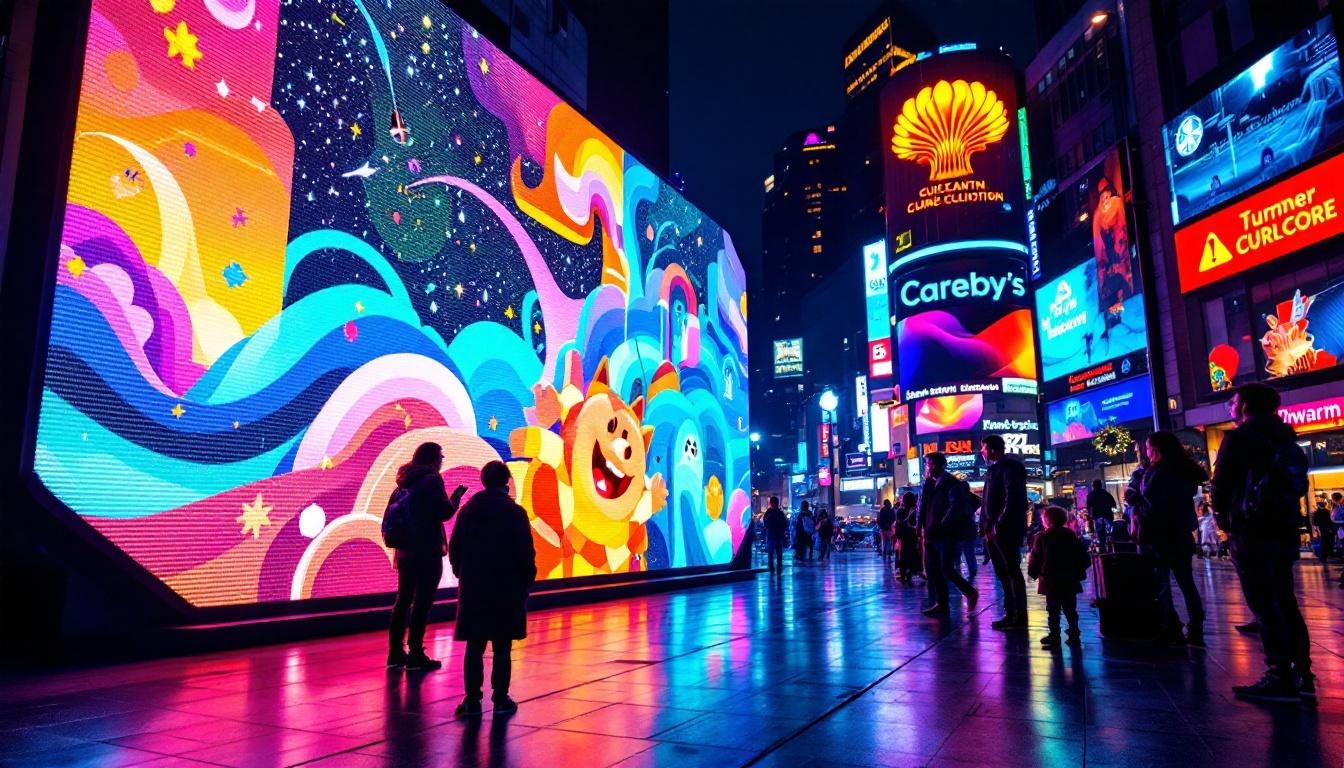
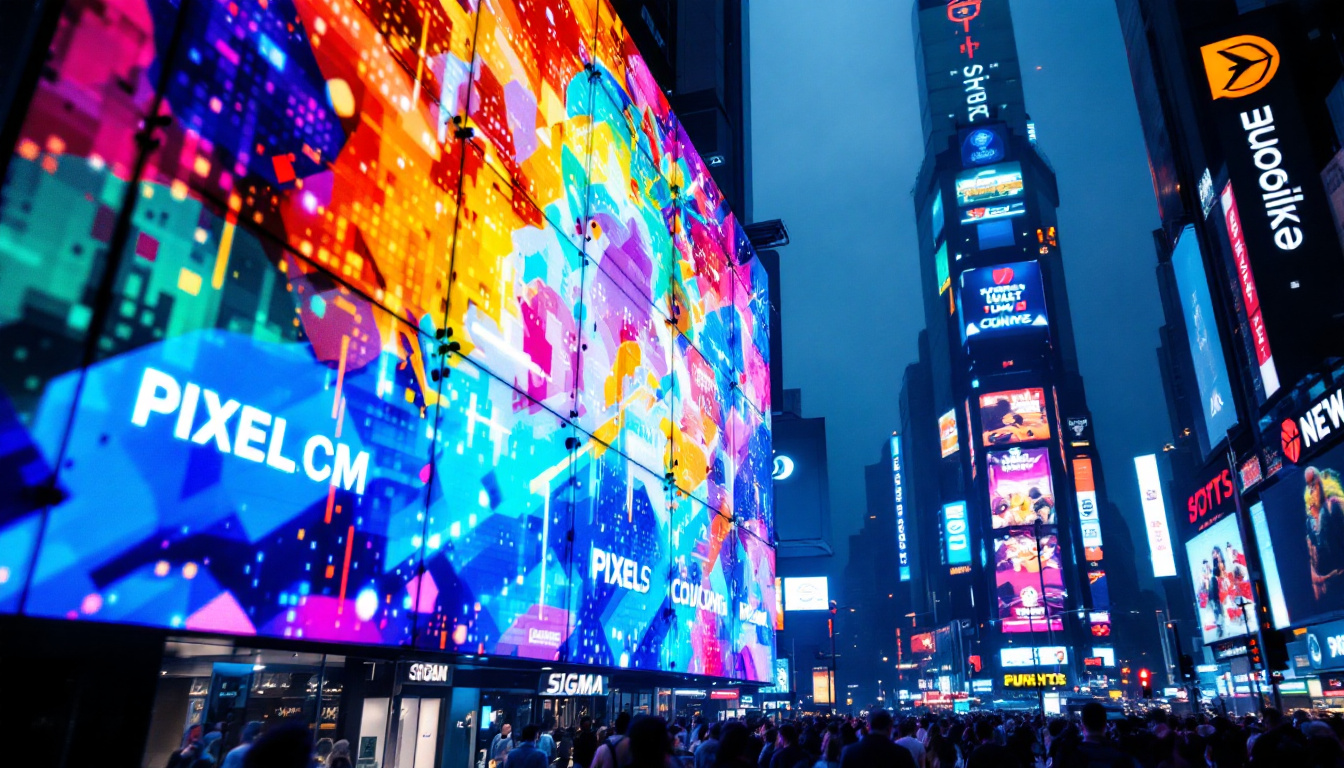
Large-scale outdoor LED displays require robust ICs capable of handling high currents and environmental stresses. These ICs must support high brightness levels to ensure visibility in daylight and offer weather-resistant packaging.
Multiplexing and advanced color control are essential for creating dynamic, eye-catching advertisements that can be updated remotely.
Indoor LED Screens and Video Walls
Indoor displays benefit from LED ICs that provide high resolution and color accuracy. These displays are common in retail environments, conference centers, and entertainment venues.
Smart LED drivers with integrated controllers enable seamless video playback and interactive features, enhancing user engagement.
Wearable and Portable Devices
In devices like smartwatches, fitness trackers, and portable gaming consoles, LED ICs must be compact and energy-efficient. These ICs often include features like low-voltage operation and advanced dimming to preserve battery life.
Automotive Lighting and Displays
Automotive applications demand LED ICs that can withstand temperature extremes and electrical noise. These ICs control headlights, taillights, dashboard displays, and infotainment systems, contributing to both safety and aesthetics.
Future Trends in LED IC Technology
The LED industry continues to evolve rapidly, with LED IC technology advancing to meet new demands and challenges.
Integration with IoT and Smart Systems
Next-generation LED ICs are increasingly integrated with Internet of Things (IoT) platforms, enabling remote monitoring, diagnostics, and adaptive control based on environmental data.
This integration allows for smarter lighting systems that adjust brightness and color temperature automatically, improving energy efficiency and user comfort.
Miniaturization and Higher Integration
As display resolutions increase, LED ICs are becoming smaller and more integrated, combining multiple functions into single chips. This trend reduces manufacturing costs and simplifies design.
Advanced Color and Brightness Control
Emerging ICs offer more precise color rendering and higher dynamic range, supporting technologies such as HDR (High Dynamic Range) in LED displays. This enhances visual quality, especially in professional and entertainment applications.
Energy Harvesting and Green Technologies
Research into energy harvesting and ultra-low-power LED ICs aims to create displays that can operate with minimal external power, potentially using solar energy or kinetic energy harvesting. This could revolutionize outdoor signage and wearable displays.
Conclusion
LED ICs are fundamental components that define the capabilities and quality of LED displays. From simple constant current drivers to sophisticated smart controllers, these integrated circuits enable the vibrant, efficient, and reliable LED displays seen across countless applications today.
Understanding the different types of LED ICs and their functions helps in making informed decisions when designing or selecting LED display systems. As technology progresses, LED ICs will continue to innovate, driving improvements in display performance, energy efficiency, and user experience.
Whether for advertising, entertainment, automotive, or wearable technology, LED ICs remain at the core of the LED display revolution, illuminating the future of visual communication.
Discover Cutting-Edge LED Displays with LumenMatrix
Ready to elevate your visual communication with the latest in LED display technology? LumenMatrix is at the forefront of innovation, offering a wide array of LED display solutions tailored to your needs. From mesmerizing Indoor and Outdoor LED Wall Displays to dynamic Vehicle and Sports LED Displays, our products are designed to captivate and engage your audience. Experience the transformative power of LED displays with our LED Poster, Floor, Custom, All-in-One, and Transparent Display options. Embrace the future of digital signage with LumenMatrix and make a lasting impression. Check out LumenMatrix LED Display Solutions and see how we can illuminate your brand’s message with clarity and impact.