In the rapidly evolving world of digital signage and display technology, LED displays have emerged as a leading solution for vibrant, high-resolution visuals. Among the various technical aspects that define the quality and performance of an LED display, the concept of “millimeter image” or pixel pitch plays a pivotal role. This article delves deep into what millimeter image means in the context of LED displays, why it matters, and how it influences the viewing experience across different applications.
Understanding Millimeter Image and Pixel Pitch
What Is Millimeter Image in LED Displays?
The term “millimeter image” is often used interchangeably with “pixel pitch” when discussing LED displays. Pixel pitch refers to the distance, measured in millimeters, between the centers of two adjacent pixels (or LED clusters) on a display panel. This measurement is crucial because it directly impacts the display’s resolution and clarity.
For example, a pixel pitch of 1.5 mm means each pixel is spaced 1.5 millimeters apart from the next. The smaller the pixel pitch, the denser the pixels are packed, resulting in a sharper and more detailed image. Conversely, a larger pixel pitch indicates fewer pixels per unit area, which can lead to a less detailed image when viewed up close. The choice of pixel pitch is not just a technical specification; it also influences the overall aesthetic and functionality of the display, making it a key consideration for designers and engineers alike.
In addition to resolution, the concept of millimeter image also encompasses the color accuracy and brightness of the display. Displays with smaller pixel pitches often utilize advanced technologies to enhance color reproduction and luminosity, ensuring that images are not only sharp but also vibrant. This is particularly important in environments where visual impact is paramount, such as in art galleries or high-end retail spaces, where the quality of the display can significantly affect customer engagement and perception.
Why Pixel Pitch Matters
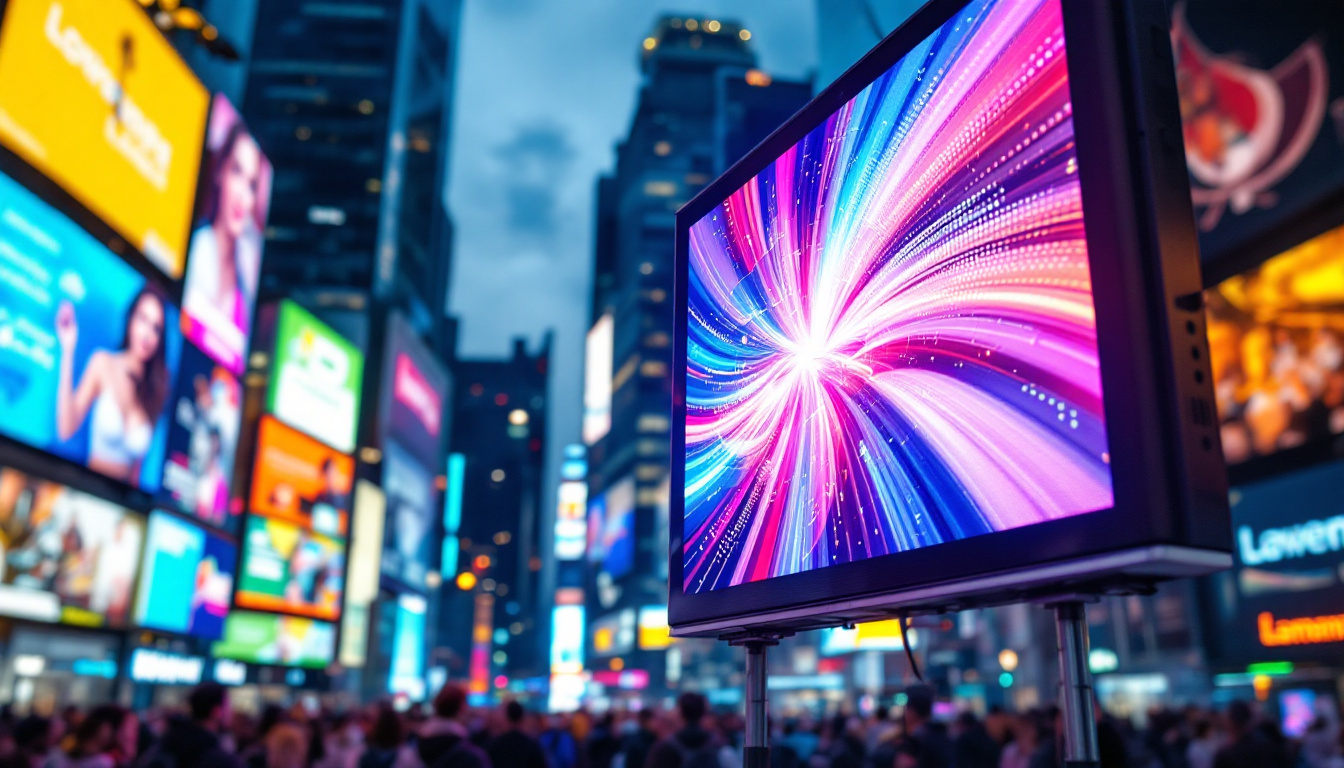
Pixel pitch determines the optimal viewing distance for an LED display. A display with a small pixel pitch is ideal for close-up viewing environments like retail stores, control rooms, or indoor advertising, where viewers are just a few feet away. Larger pixel pitches are suitable for outdoor billboards or stadium screens, where viewers are typically much farther away. The strategic selection of pixel pitch can enhance the viewer’s experience by ensuring that the display meets the specific needs of its environment, whether that be for clarity, detail, or visual impact.
To put it simply, choosing the right pixel pitch ensures that the image appears smooth and clear without visible pixelation or blurriness. This balance between resolution and viewing distance is essential for maximizing the effectiveness of LED displays. Moreover, understanding pixel pitch can help businesses make informed decisions about their advertising strategies, as the right display can significantly influence consumer behavior. For instance, a high-resolution display with a fine pixel pitch can draw in customers from a distance, while also providing the detail necessary to convey complex messages or showcase intricate products effectively.
The Technical Aspects of Millimeter Image
How Pixel Pitch Influences Resolution
Resolution in LED displays is determined by the number of pixels per unit area. Pixel pitch directly affects this because it defines the spacing between pixels. A smaller pixel pitch means more pixels can fit into the same physical space, increasing the display’s resolution.
For instance, consider two LED panels of the same size: one with a 1 mm pixel pitch and another with a 5 mm pixel pitch. The 1 mm panel will have 25 times more pixels per square inch than the 5 mm panel, resulting in a much finer and more detailed image. This is particularly advantageous in applications where clarity is paramount, such as in high-end advertising displays or in environments where viewers are close to the screen, like in retail settings or control rooms. The ability to deliver sharp images with intricate details can significantly enhance viewer engagement and improve overall communication effectiveness.
Brightness and Power Consumption Considerations
While pixel pitch primarily affects resolution, it also influences brightness and power consumption. Displays with smaller pixel pitches have more LEDs per square meter, which can increase power consumption and heat generation. However, advances in LED technology have improved energy efficiency, allowing high-resolution displays to maintain brightness without excessive power use.
Brightness is also a critical factor for outdoor LED displays, which must compete with ambient sunlight. Larger pixel pitch displays often have higher brightness levels to ensure visibility in bright conditions, while indoor displays prioritize resolution and color accuracy over raw brightness. Additionally, the development of adaptive brightness technologies allows displays to automatically adjust their luminance based on surrounding light conditions, further optimizing energy use and enhancing viewer experience. This smart technology not only conserves power but also prolongs the lifespan of the display by reducing unnecessary strain on the LEDs.
Color Accuracy and Viewing Angles
Pixel pitch can indirectly impact color accuracy and viewing angles. Higher pixel density allows for more precise color mixing and smoother gradients, enhancing the overall image quality. Additionally, modern LED modules are designed to provide wide viewing angles, ensuring consistent color and brightness from various perspectives.
Furthermore, advancements in color calibration technologies have made it possible to achieve exceptional color fidelity across different displays. This is crucial for applications in broadcasting and digital cinema, where color precision is vital for storytelling and visual impact. The ability to maintain color accuracy at wide viewing angles also means that audiences can enjoy a consistent experience, whether they are sitting directly in front of the display or off to the side. This level of detail and consistency not only elevates the aesthetic quality of visual content but also reinforces brand identity in commercial applications, making color accuracy a cornerstone of effective visual communication.
Applications and Choosing the Right Millimeter Image
Indoor LED Displays: Emphasizing Detail and Clarity
Indoor LED displays are used in environments such as corporate lobbies, retail spaces, museums, and control rooms. In these settings, viewers are often close to the screen, necessitating a smaller pixel pitch for a crisp and detailed image.
Typical pixel pitches for indoor displays range from 0.9 mm to 4 mm. For example, a 1.2 mm pixel pitch display is ideal for high-end retail advertising or broadcast studios, where image quality is paramount. These displays offer near-retina quality visuals, making text and fine graphics easily readable.
Outdoor LED Displays: Balancing Visibility and Distance
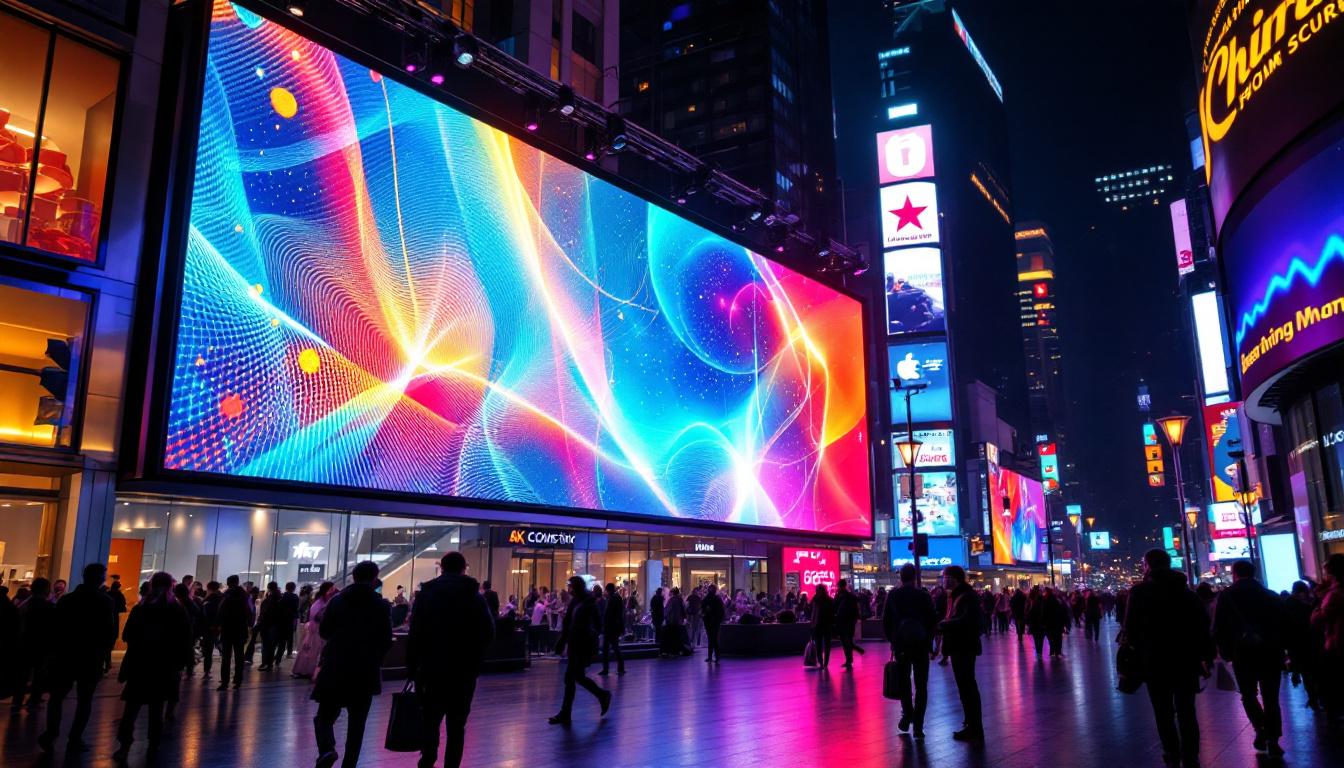
Outdoor LED displays, such as billboards, sports arena screens, and public information boards, require different considerations. Since viewers are usually at a distance, pixel pitches between 6 mm and 20 mm are common. Larger pixel pitches allow for brighter LEDs, which are essential for visibility under direct sunlight.
For example, a 10 mm pixel pitch is a popular choice for roadside advertising, offering a good balance between image clarity and cost-effectiveness. The larger spacing also means fewer LEDs per square meter, reducing power consumption and maintenance costs.
Specialized Applications: Flexible and Curved LED Displays
Recent innovations have introduced flexible and curved LED displays, which can conform to unique architectural designs. These displays often use smaller pixel pitches to maintain image quality despite their unconventional shapes.
In such cases, millimeter image considerations extend beyond resolution and viewing distance to include mechanical flexibility and durability. Manufacturers carefully balance pixel pitch with module design to achieve both aesthetic appeal and functional performance.
Future Trends in Millimeter Image and LED Display Technology
MicroLED and the Push for Ultra-Fine Pixel Pitch
MicroLED technology represents the next frontier in LED displays, featuring pixel pitches as small as 0.5 mm or less. These displays offer exceptional brightness, contrast, and energy efficiency, making them ideal for applications ranging from smartphones to large-format video walls.
As MicroLED manufacturing processes mature, the cost of ultra-fine pixel pitch displays is expected to decrease, making them more accessible for a broader range of uses. This will further blur the lines between LED displays and traditional LCD or OLED screens.
Integration with AI and Smart Display Systems
Advancements in artificial intelligence and machine learning are enhancing LED display functionality. Smart displays can adjust brightness, contrast, and color balance dynamically based on ambient conditions and content type. These systems rely on high-resolution displays with appropriate pixel pitches to deliver optimal visual experiences.
Moreover, AI-driven content management allows for personalized advertising and interactive experiences, increasing viewer engagement and return on investment for display operators.
Sustainability and Energy Efficiency Improvements
As environmental concerns grow, manufacturers are focusing on reducing the energy consumption of LED displays without compromising image quality. Innovations in LED chip design, power management, and cooling systems contribute to more sustainable display solutions.
Choosing the right pixel pitch also plays a role in sustainability. Displays optimized for their intended viewing distance avoid unnecessary power use and material waste, aligning with green building and digital signage standards.
Conclusion: The Importance of Millimeter Image in LED Display Selection
Millimeter image, or pixel pitch, is a fundamental factor in determining the quality, effectiveness, and suitability of an LED display for any given application. Understanding how pixel pitch influences resolution, viewing distance, brightness, and power consumption enables informed decisions when selecting LED displays for indoor or outdoor use.
As LED technology continues to advance, the trend toward smaller pixel pitches and smarter display systems will enhance visual experiences across industries. Whether for advertising, entertainment, or information dissemination, the right millimeter image ensures that LED displays deliver stunning visuals that captivate and communicate effectively.
For businesses and organizations investing in LED displays, partnering with knowledgeable manufacturers and integrators who understand the nuances of pixel pitch and millimeter image is essential. This expertise ensures that the final installation meets both technical requirements and audience expectations, maximizing the impact of digital signage in today’s visually driven world.
Discover the Future of Visual Communication with LumenMatrix
Ready to elevate your visual storytelling with the latest in LED display technology? LumenMatrix is at the forefront of innovation, offering a diverse range of LED display solutions tailored to your unique needs. From Indoor and Outdoor LED Wall Displays to specialized options like Vehicle, Sports, and Floor LED Displays, our mission is to transform your visual communication with unparalleled clarity and impact. Check out LumenMatrix LED Display Solutions today and experience the power of advanced digital signage designed to captivate and engage your audience.