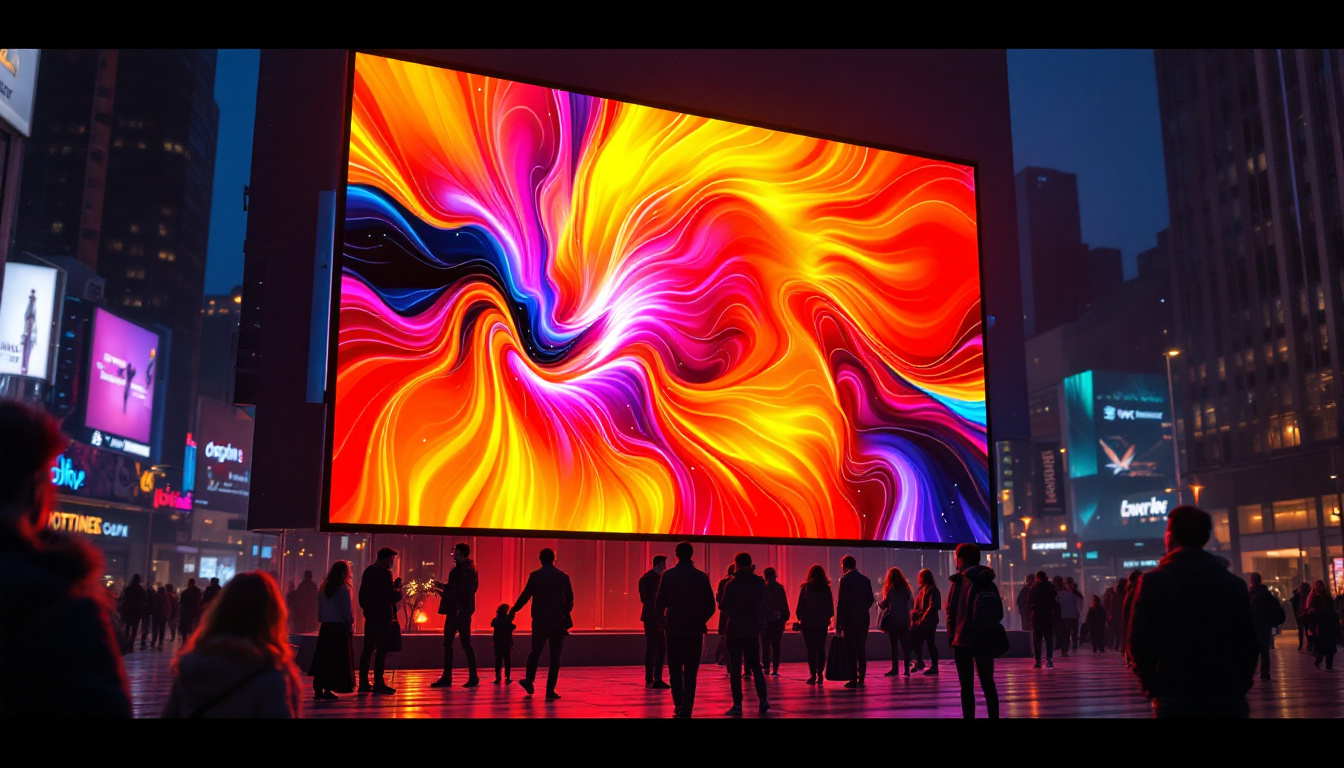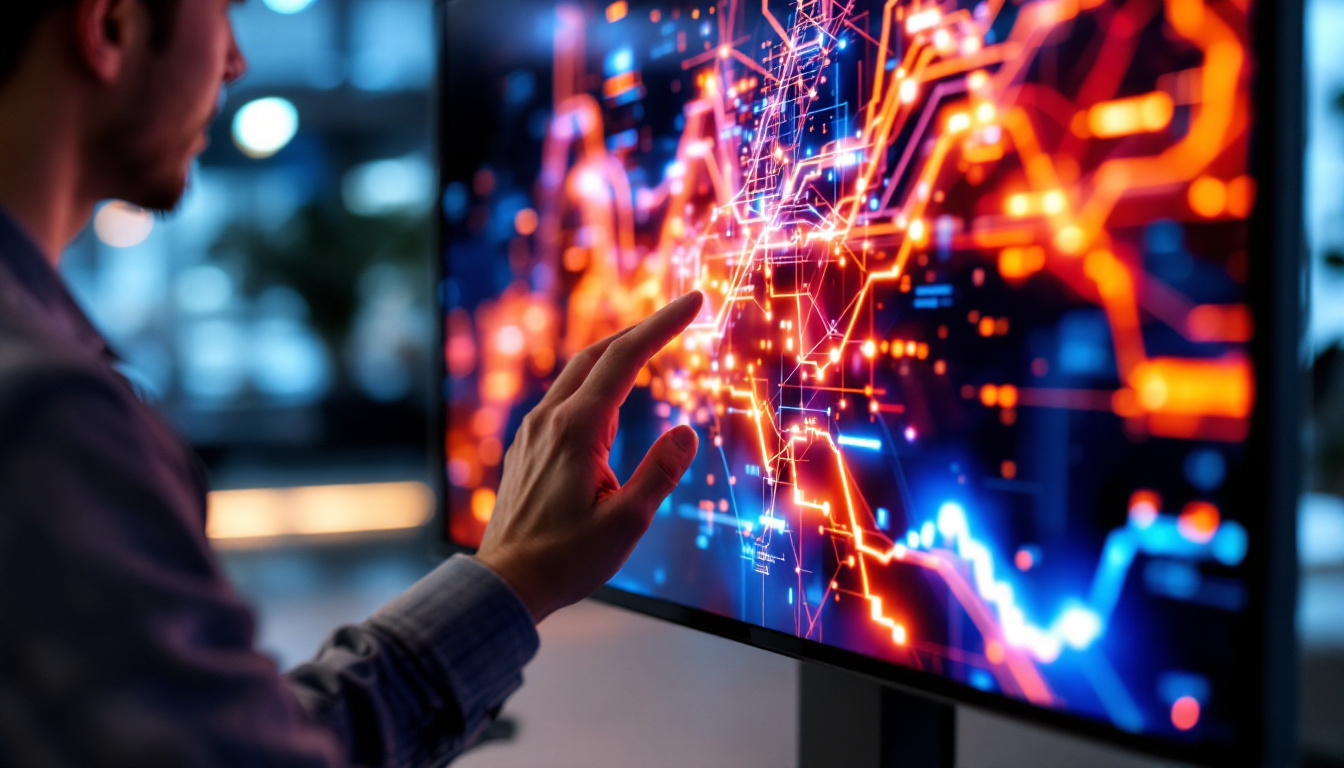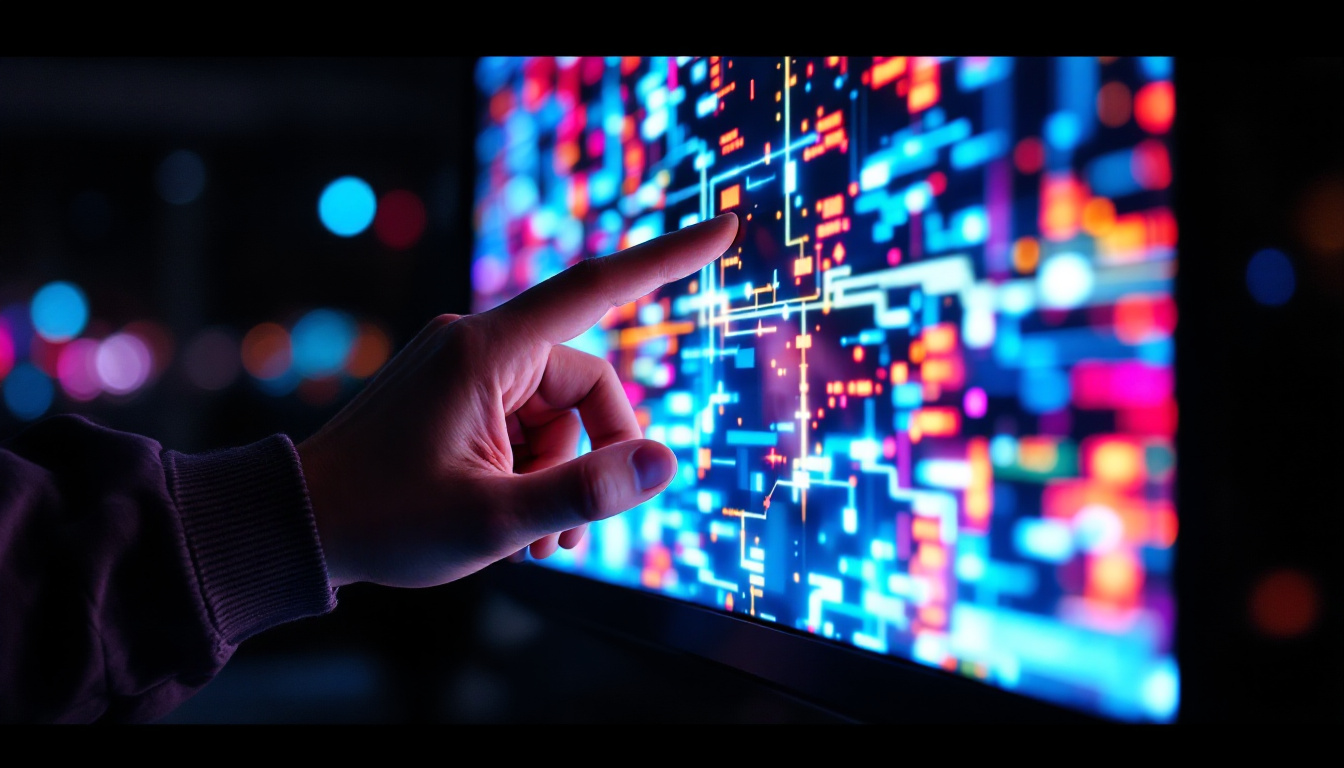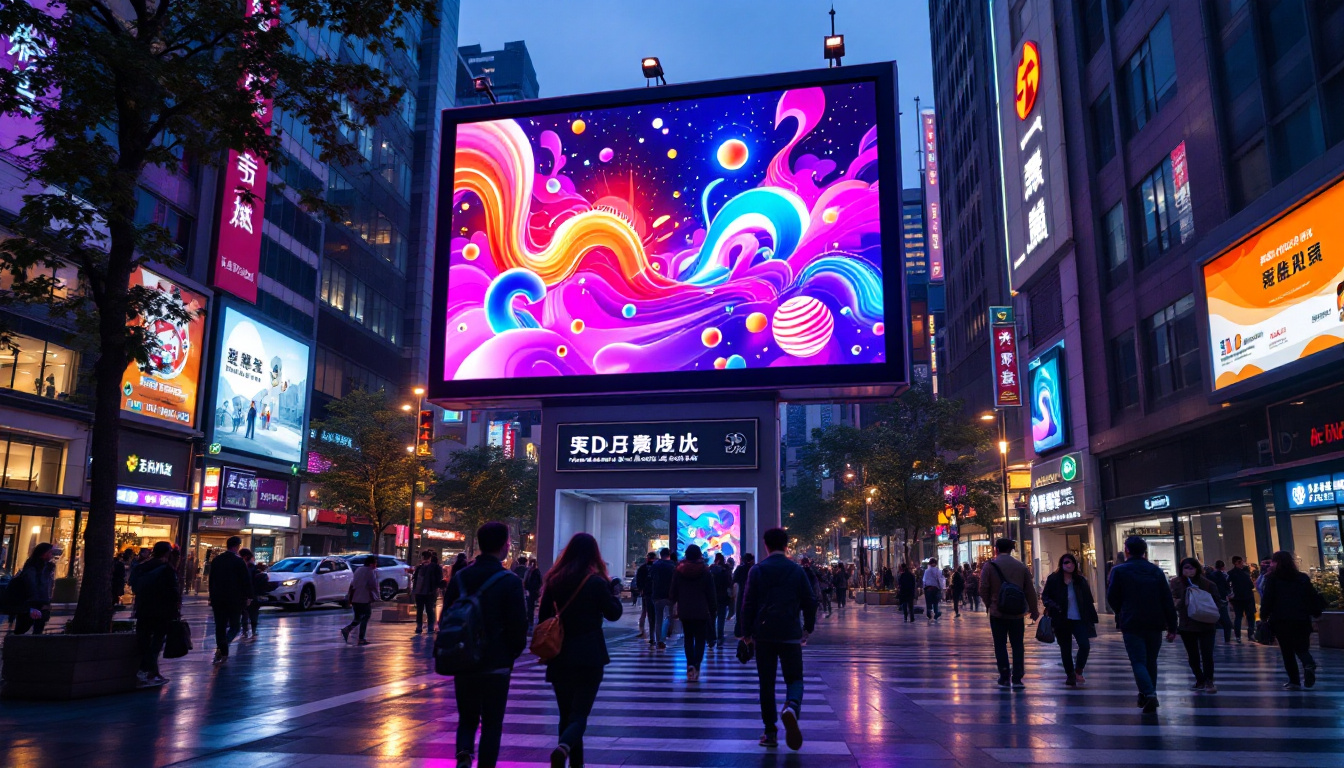
In today’s fast-paced commercial environment, capturing customer attention is more challenging than ever. Indoor LED signs have emerged as a powerful tool for businesses aiming to stand out, communicate effectively, and enhance their brand presence. This article delves into the world of indoor LED displays, explaining their technology, benefits, applications, and best practices for business use.
Understanding Indoor LED Signs: Technology and Types
LED, or Light Emitting Diode, technology has revolutionized digital signage by offering bright, energy-efficient, and versatile displays. Unlike traditional signage, LED signs use an array of tiny light-emitting diodes to create images and text that are vibrant and easily visible under various lighting conditions. The benefits of LED technology extend beyond mere visibility; they also include lower energy consumption and longer lifespan compared to conventional lighting solutions, making them an environmentally friendly choice for businesses looking to reduce their carbon footprint.
How Indoor LED Displays Work
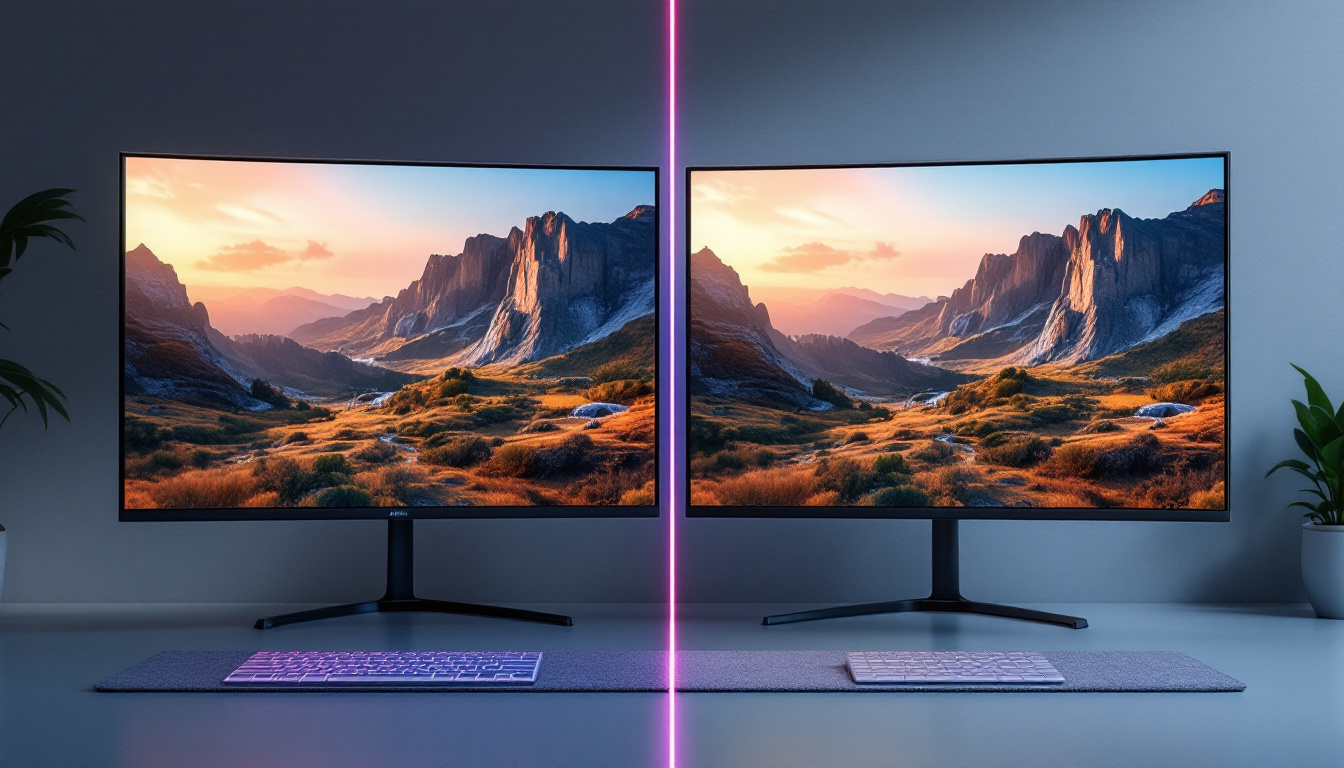
Indoor LED signs consist of numerous small LED modules arranged in a grid. Each module contains red, green, and blue LEDs that combine to produce a full spectrum of colors. The display is controlled by a processor that adjusts the brightness and color of each LED to form images, animations, or text. Because LEDs emit their own light, these signs are exceptionally bright and clear, even in well-lit indoor environments. This self-illuminating feature allows for greater flexibility in placement, as they do not rely on external lighting to be effective.
The resolution of an LED display is determined by its pixel pitch—the distance between individual LED clusters. Indoor displays typically have a smaller pixel pitch (ranging from 1mm to 4mm) to ensure crisp, detailed images when viewed up close. As technology advances, manufacturers are continually developing displays with even finer pixel pitches, enhancing the visual experience for users and allowing for more intricate designs and animations that capture attention.
Types of Indoor LED Signs
Indoor LED signs come in various forms tailored to different business needs:
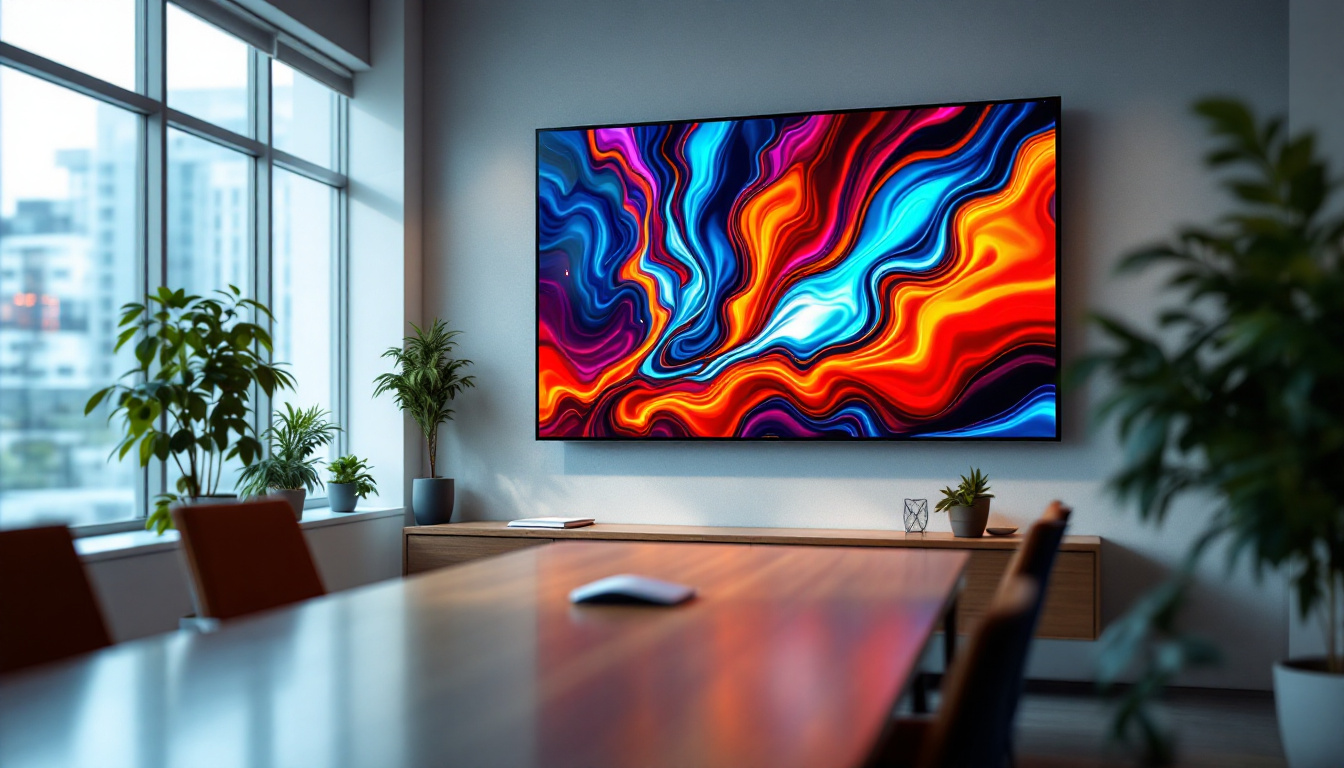
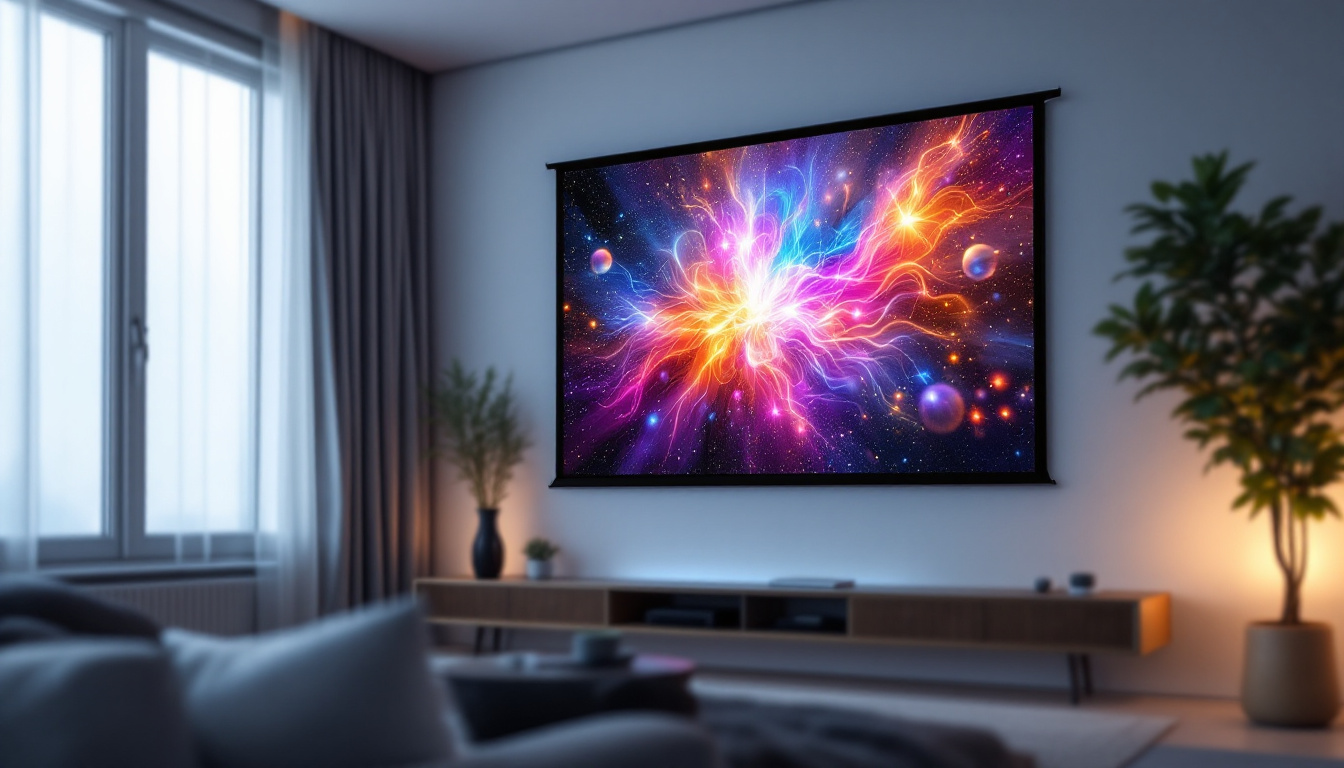
- Fixed LED Displays: Permanently installed in storefronts, lobbies, or conference rooms, these displays provide continuous messaging and branding. They are particularly effective for businesses that want to maintain a consistent presence, such as restaurants showcasing their menu or corporate offices displaying important announcements.
- Rental and Portable LED Screens: Designed for events, trade shows, or temporary promotions, these are easy to set up and move. Their modular design allows for quick assembly and disassembly, making them a popular choice for companies looking to make a big impact at events without the commitment of permanent signage.
- Transparent LED Screens: These innovative displays allow light to pass through, making them ideal for glass walls or windows without obstructing views. They are often used in retail environments to create eye-catching displays that engage customers while maintaining an open and inviting atmosphere.
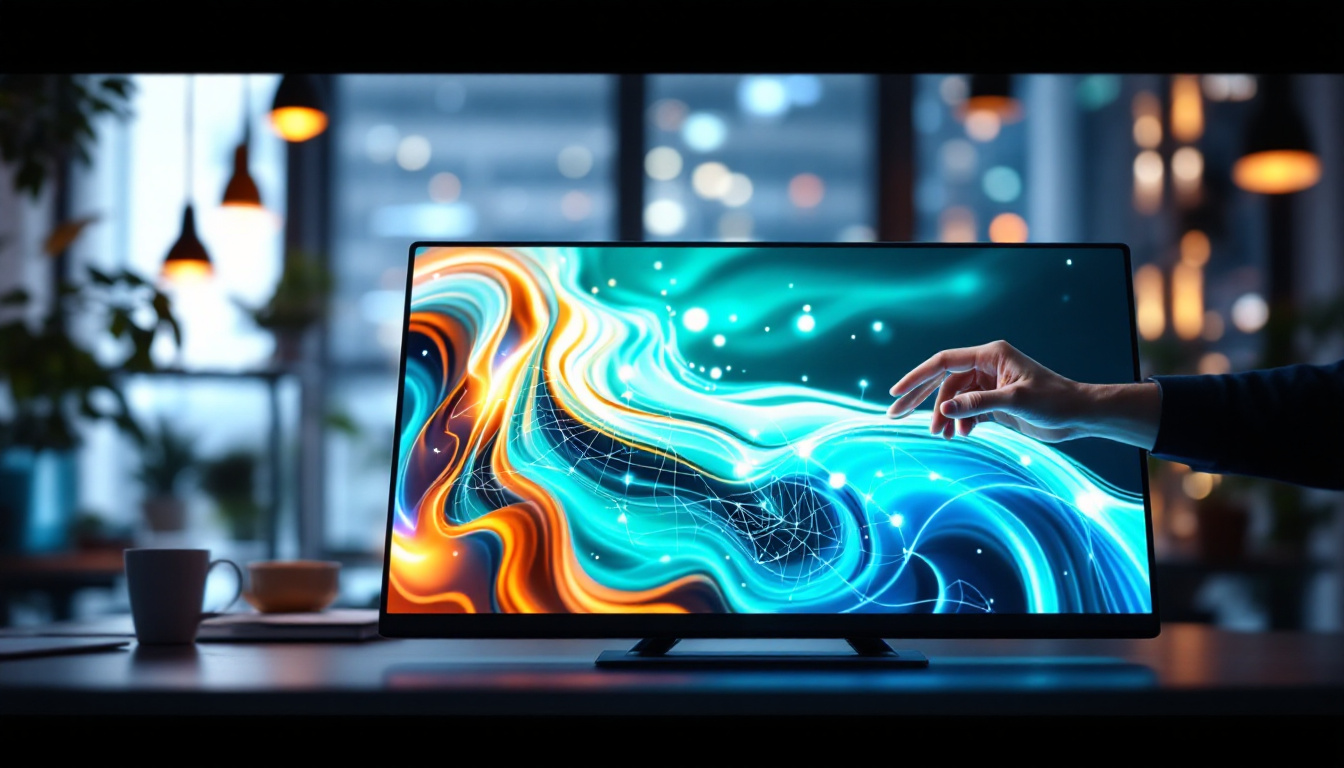
- Interactive LED Walls: Incorporate touch or motion sensors to engage customers directly, perfect for retail or experiential marketing. These displays can create immersive experiences that encourage customer interaction, such as games or product demonstrations, ultimately enhancing brand loyalty and customer satisfaction.
In addition to these types, there are also specialized LED displays designed for specific industries, such as sports arenas or transportation hubs. For instance, sports venues utilize large-scale LED screens to broadcast live events, replays, and advertisements, creating an electrifying atmosphere for fans. Similarly, airports and train stations deploy LED signage to provide real-time updates on schedules and directions, ensuring travelers are well-informed and can navigate their journeys with ease.
As the demand for dynamic and engaging content continues to grow, the evolution of indoor LED signs is set to expand even further. With advancements in technology, we can expect to see features like enhanced connectivity options, integration with social media feeds, and even AI-driven content management systems that tailor messages to specific audiences in real time. This adaptability makes indoor LED signs not just a tool for communication but a vital component of modern marketing strategies.
Benefits of Using Indoor LED Signs for Business
Businesses of all sizes are increasingly adopting indoor LED signage due to its numerous advantages. From enhancing customer engagement to improving operational efficiency, LED displays offer a compelling return on investment.
Enhanced Visibility and Engagement
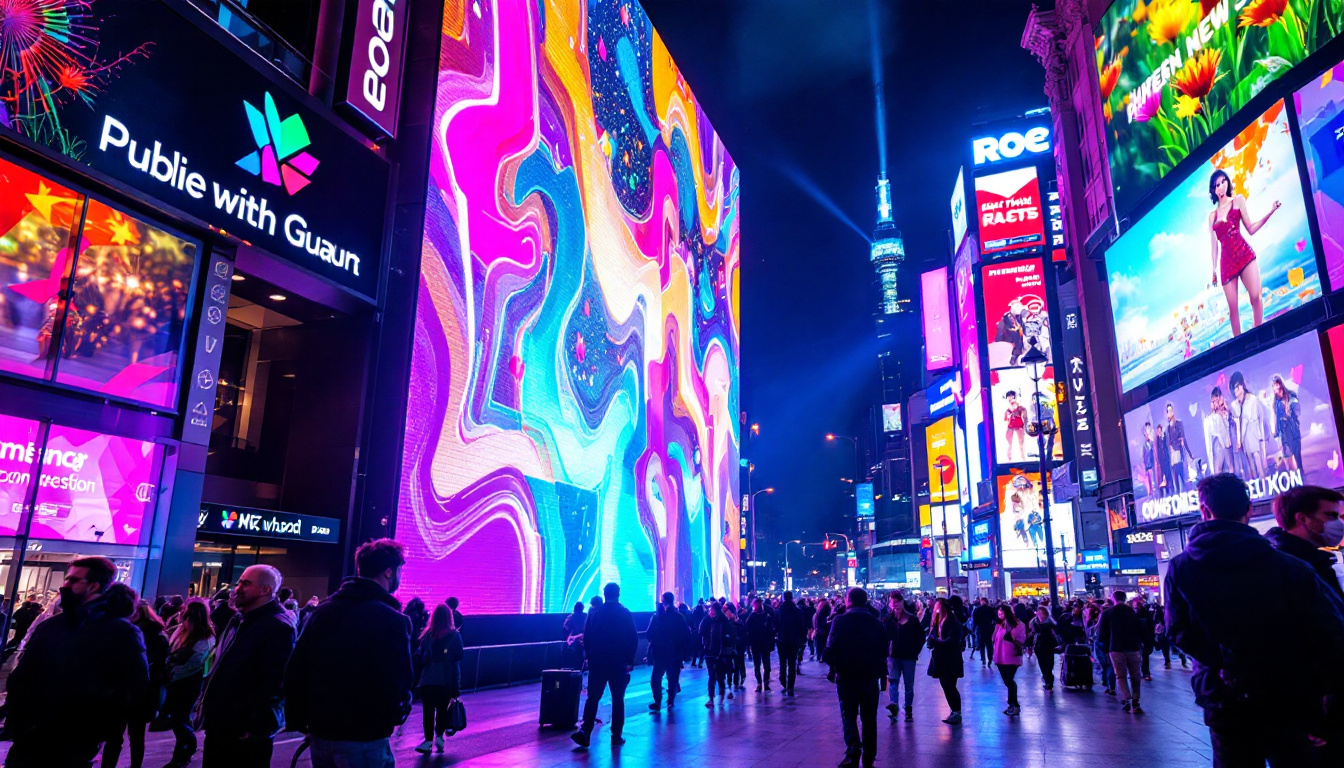
Indoor LED signs are incredibly bright and vibrant, ensuring that messages stand out even in brightly lit environments. Research shows that digital signage can increase customer engagement by up to 47.7%, making LED displays a powerful tool to attract attention and convey information effectively.
Dynamic content such as videos, animations, and real-time updates can be displayed, creating a more engaging experience than static signs. This capability is especially valuable in retail settings, where captivating visuals can influence purchasing decisions.
Cost-Effectiveness and Energy Efficiency
While the initial investment in LED signage may be higher than traditional signs, the long-term savings are significant. LEDs consume up to 75% less energy compared to incandescent lighting, reducing electricity costs substantially. Additionally, LED signs have a longer lifespan—often exceeding 50,000 hours—minimizing replacement and maintenance expenses.
Flexibility and Customization
Indoor LED signs offer unparalleled flexibility. Content can be updated instantly via software, enabling businesses to tailor messages based on time of day, audience demographics, or promotional campaigns. This adaptability is crucial for businesses that need to communicate multiple messages or respond quickly to market changes.
Improved Brand Image and Customer Experience
Modern, high-quality LED displays can elevate a brand’s image by projecting professionalism and innovation. They also enhance the customer experience by providing clear, attractive information such as menus, wayfinding, or event schedules. This improved communication can lead to higher customer satisfaction and loyalty.
Common Applications of Indoor LED Signs in Business
Indoor LED signs are versatile tools that serve a wide range of business purposes. Understanding these applications helps companies choose the right type of display and content strategy.
Retail and Shopping Centers
Retailers use indoor LED signs to promote products, advertise sales, and create immersive shopping environments. Digital displays can showcase high-definition images and videos of products, announce flash sales, or provide interactive catalogs. According to a 2023 study by the Digital Signage Federation, retailers using LED displays reported a 30% increase in foot traffic and a 20% boost in sales.
Corporate Offices and Lobbies
LED signs in corporate settings serve multiple functions, from welcoming visitors to displaying company news and performance metrics. Digital signage can also be used for internal communications, improving employee engagement and streamlining information dissemination.
Hospitality and Entertainment Venues
Hotels, restaurants, theaters, and casinos benefit from indoor LED signs by enhancing ambiance and providing real-time updates. For example, restaurants can use LED menus that update prices or specials instantly, while theaters can display showtimes and promotional content dynamically.
Healthcare Facilities
Hospitals and clinics use LED signage for wayfinding, patient information, and health awareness campaigns. Clear, bright displays help reduce confusion and improve patient experience, especially in large or complex facilities.
Choosing the Right Indoor LED Sign for Your Business
Selecting the appropriate indoor LED display involves considering several factors to ensure it meets your specific business needs and maximizes impact.
Assessing Location and Viewing Distance
The size and resolution of an LED sign should correspond to the typical viewing distance. For example, a display in a small retail boutique viewed from a few feet away requires a higher resolution (smaller pixel pitch) than a sign in a large conference hall viewed from across the room.
Content Strategy and Software Integration
Effective use of LED signage depends on compelling content. Businesses should plan content that is visually engaging, relevant, and updated regularly. Many LED displays come with user-friendly content management software that supports scheduling, remote updates, and integration with social media or data feeds.
Budget and Maintenance Considerations
While LED technology is cost-effective over time, initial costs vary widely based on size, resolution, and features. It’s important to balance upfront investment with expected benefits. Additionally, consider the availability of technical support and ease of maintenance when selecting a vendor.
Best Practices for Maximizing Indoor LED Sign Impact
To fully leverage the advantages of indoor LED signs, businesses should adopt strategic approaches to design, placement, and content management.
Design for Readability and Visual Appeal
Use high-contrast colors and simple fonts to ensure messages are easily readable. Avoid overcrowding the display with too much information; instead, focus on concise, impactful messaging. Incorporating brand colors and logos reinforces brand identity.
Optimize Content Scheduling
Schedule content to match customer flow patterns and business hours. For example, display promotional offers during peak shopping times and informative content during slower periods. Regularly refreshing content keeps the display interesting and encourages repeat engagement.
Leverage Interactive Features
Where appropriate, incorporate interactive elements such as touchscreens or QR codes to engage customers actively. Interactive LED signs can collect valuable customer data and enhance the overall experience.
Monitor Performance and Gather Feedback
Use analytics tools to track how the signage impacts customer behavior and sales. Gathering feedback from customers and staff helps refine content and placement for better results.
Future Trends in Indoor LED Signage
The indoor LED signage market continues to evolve rapidly, driven by technological advancements and changing business needs.
Integration with Artificial Intelligence
AI-powered LED signs can analyze customer demographics and behavior in real-time to deliver personalized content. This technology promises to make digital signage more targeted and effective.
Higher Resolution and Flexible Displays
Emerging LED technologies offer ultra-high resolution and flexible form factors that can conform to curved surfaces or be embedded into architectural elements, opening new creative possibilities.
Energy Harvesting and Sustainability
Innovations in energy harvesting and more efficient LEDs aim to reduce the environmental footprint of digital signage, aligning with growing corporate sustainability goals.
Conclusion
Indoor LED signs represent a dynamic and impactful way for businesses to communicate, engage customers, and enhance their brand presence. Understanding the technology, benefits, and best practices ensures businesses can make informed decisions and maximize their investment. As LED technology continues to advance, indoor digital signage will remain a vital component of modern business strategy.
For companies looking to stay competitive and relevant, investing in high-quality indoor LED signage is not just an option—it’s becoming a necessity.
Discover LumenMatrix LED Display Solutions
Ready to elevate your business with the dynamic appeal of indoor LED signage? LumenMatrix, a pioneer in LED display technology, offers a comprehensive range of solutions tailored to your unique needs. From captivating Indoor LED Wall Displays to innovative Transparent LED Displays, our products are designed to enhance your brand visibility and engage your audience like never before. Embrace the future of visual communication with LumenMatrix and transform your space into a vibrant hub of customer interaction. Check out LumenMatrix LED Display Solutions today and start making a lasting impression.