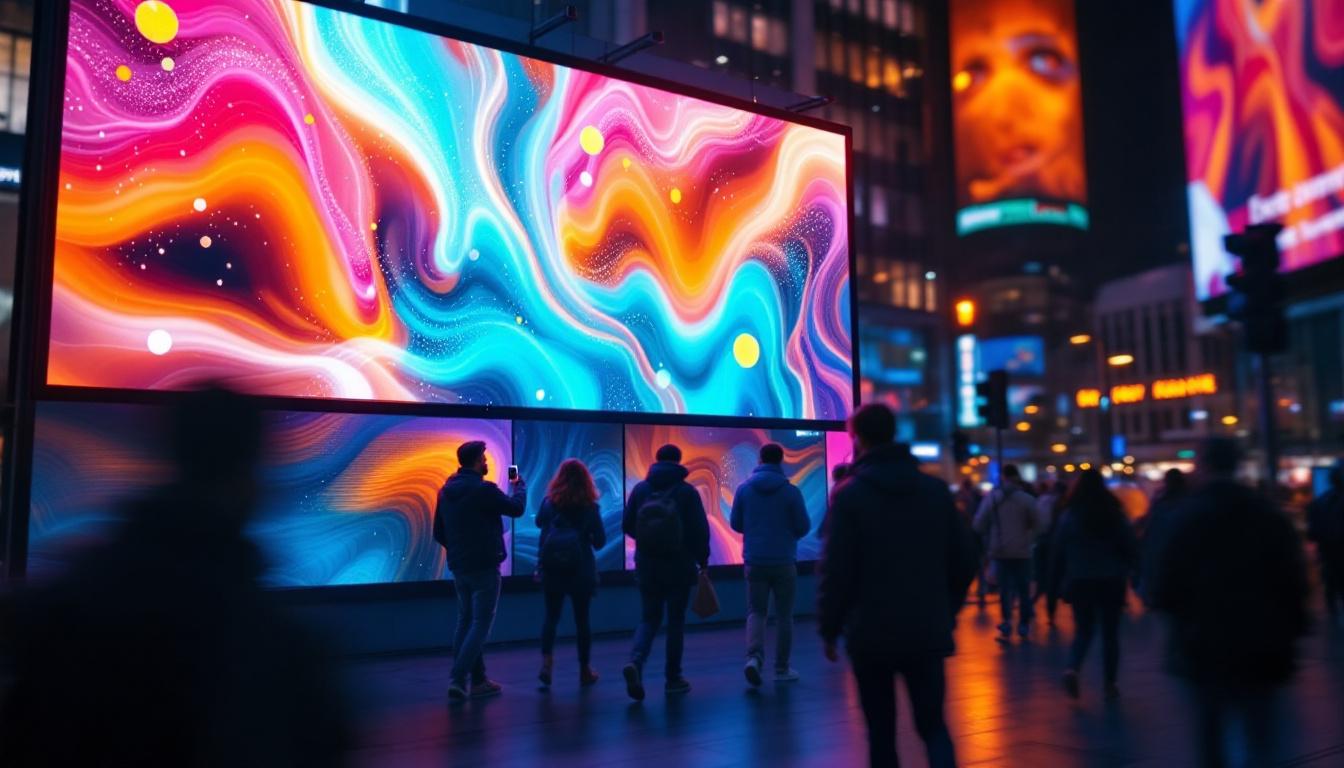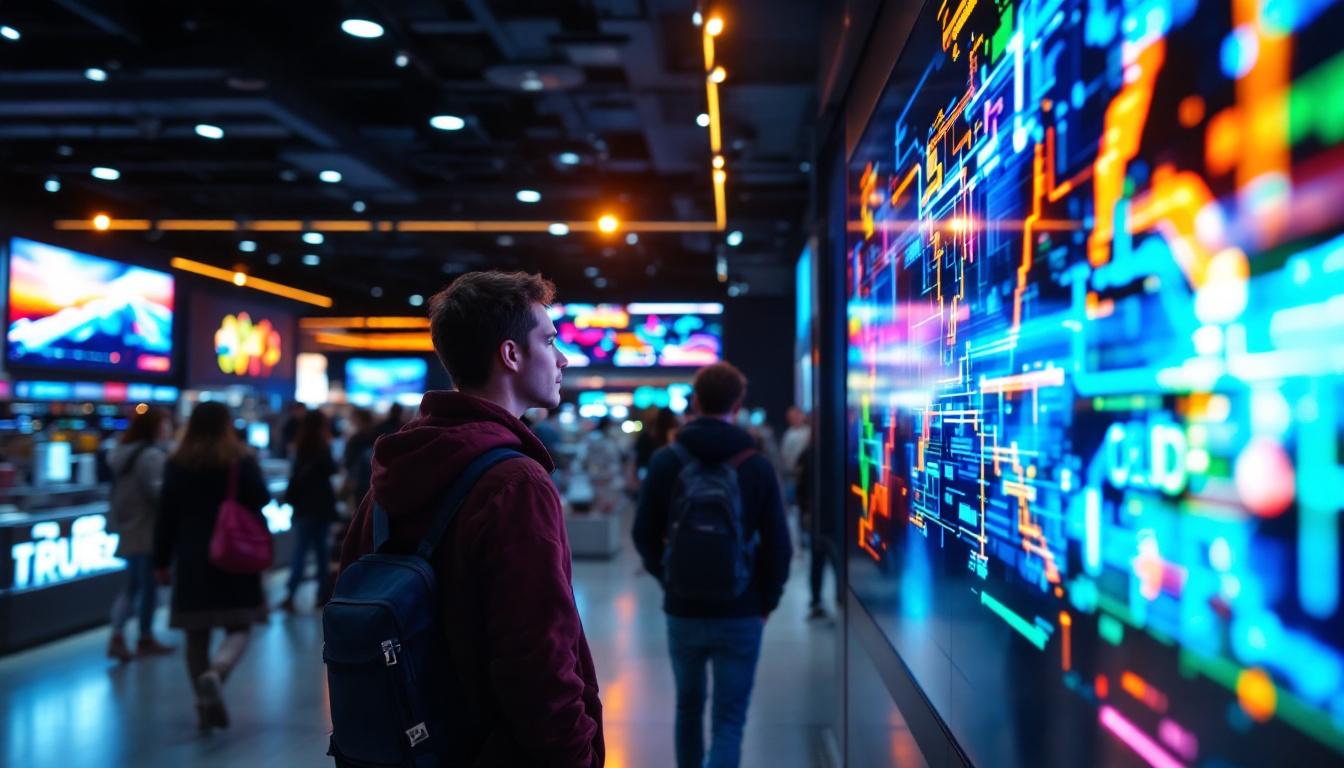
In the rapidly evolving retail landscape, visual merchandising plays a pivotal role in attracting customers and enhancing brand visibility. Among the various technologies that have transformed store displays, LED displays stand out as one of the most dynamic and effective tools. Store display manufacturers are increasingly integrating LED technology into their offerings, recognizing its potential to captivate audiences and drive sales. This article delves into the world of LED displays, explaining their technology, benefits, types, and why they have become indispensable in modern retail environments.
Understanding LED Display Technology
What Is an LED Display?
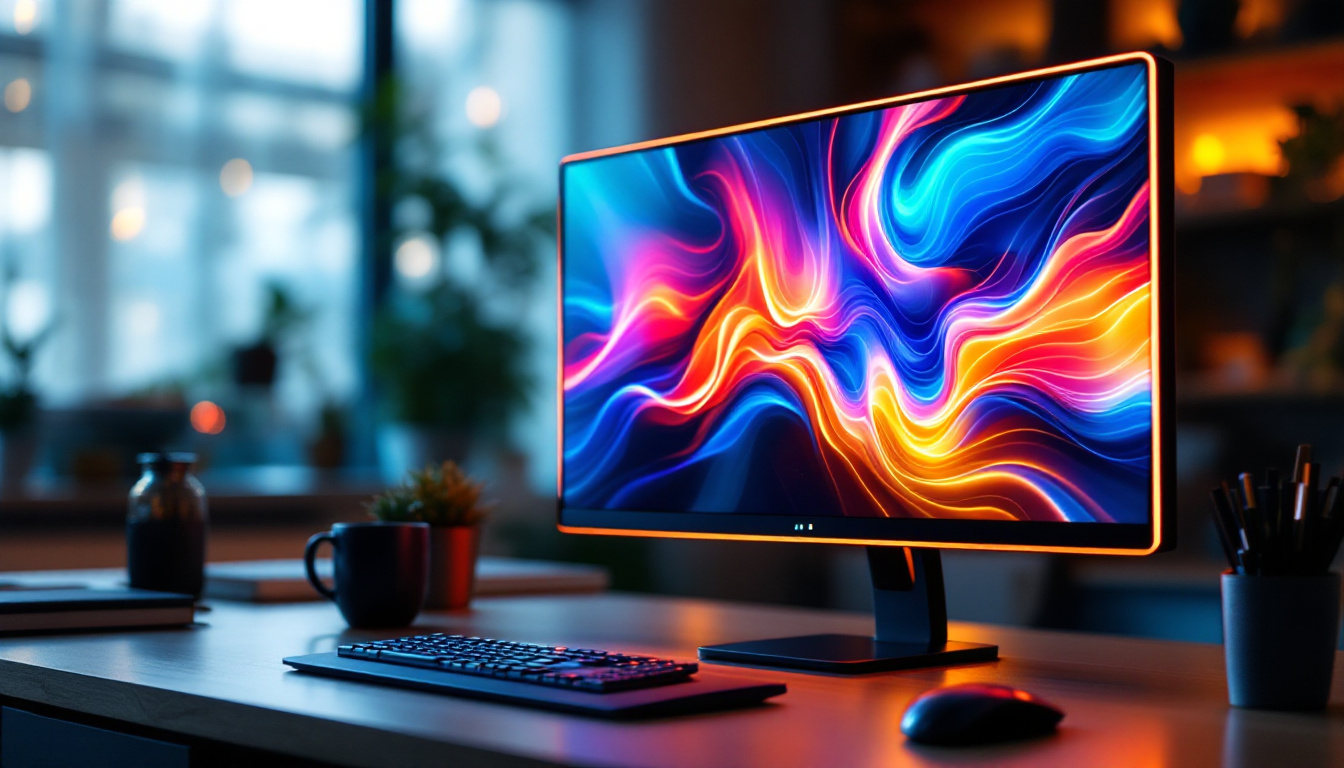
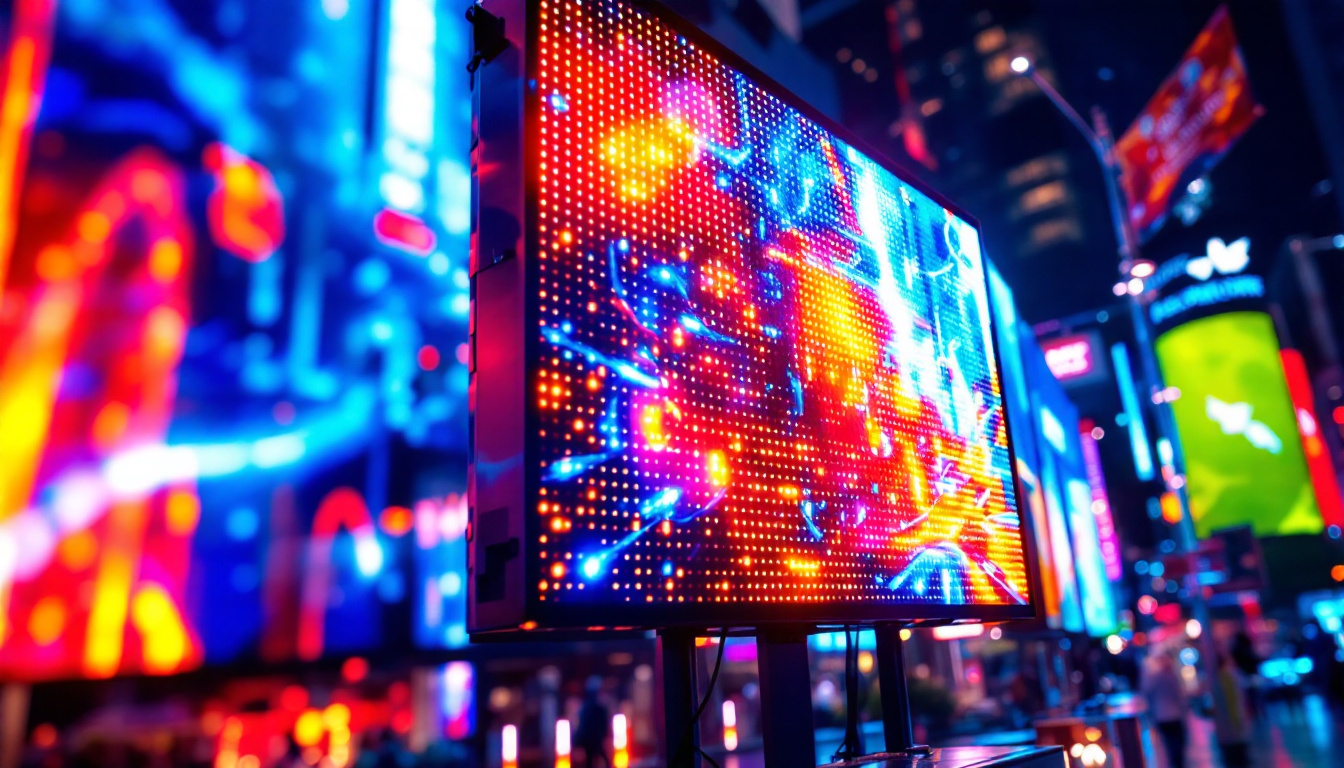
LED stands for Light Emitting Diode, a semiconductor device that emits light when an electric current passes through it. LED displays are screens composed of numerous tiny LEDs arranged in a matrix to form images, videos, or text. Unlike traditional display technologies such as LCD or plasma, LED displays use these diodes as individual pixels, allowing for vibrant colors, high brightness, and excellent contrast.
Store display manufacturers utilize LED technology to create screens that can be customized in size and shape, making them ideal for diverse retail environments. From small digital price tags to large video walls, LED displays offer flexibility that suits various merchandising needs. This adaptability is particularly beneficial in today’s fast-paced retail landscape, where brands are constantly seeking innovative ways to capture consumer attention. The seamless integration of LED displays into store layouts not only enhances visual appeal but also creates immersive shopping experiences that can significantly influence purchasing decisions.
How LED Displays Work
Each LED in a display emits light in red, green, or blue (RGB) colors. By varying the intensity of these three colors, the display can produce a wide spectrum of colors visible to the human eye. The LEDs are controlled by a driver circuit that manages the timing and brightness of each diode, enabling the display to render complex images and animations smoothly.
Modern LED displays often incorporate advanced control systems that allow real-time content updates, remote management, and synchronization across multiple screens. This capability is especially valuable for store display manufacturers aiming to provide retailers with dynamic and interactive merchandising solutions. Furthermore, many LED displays now feature smart technology that can analyze customer engagement and optimize content based on viewer demographics and preferences. This level of interactivity not only enhances customer experience but also provides retailers with valuable insights into consumer behavior, allowing them to tailor their marketing strategies effectively.
Advantages of LED Displays in Retail Environments
High Brightness and Visibility
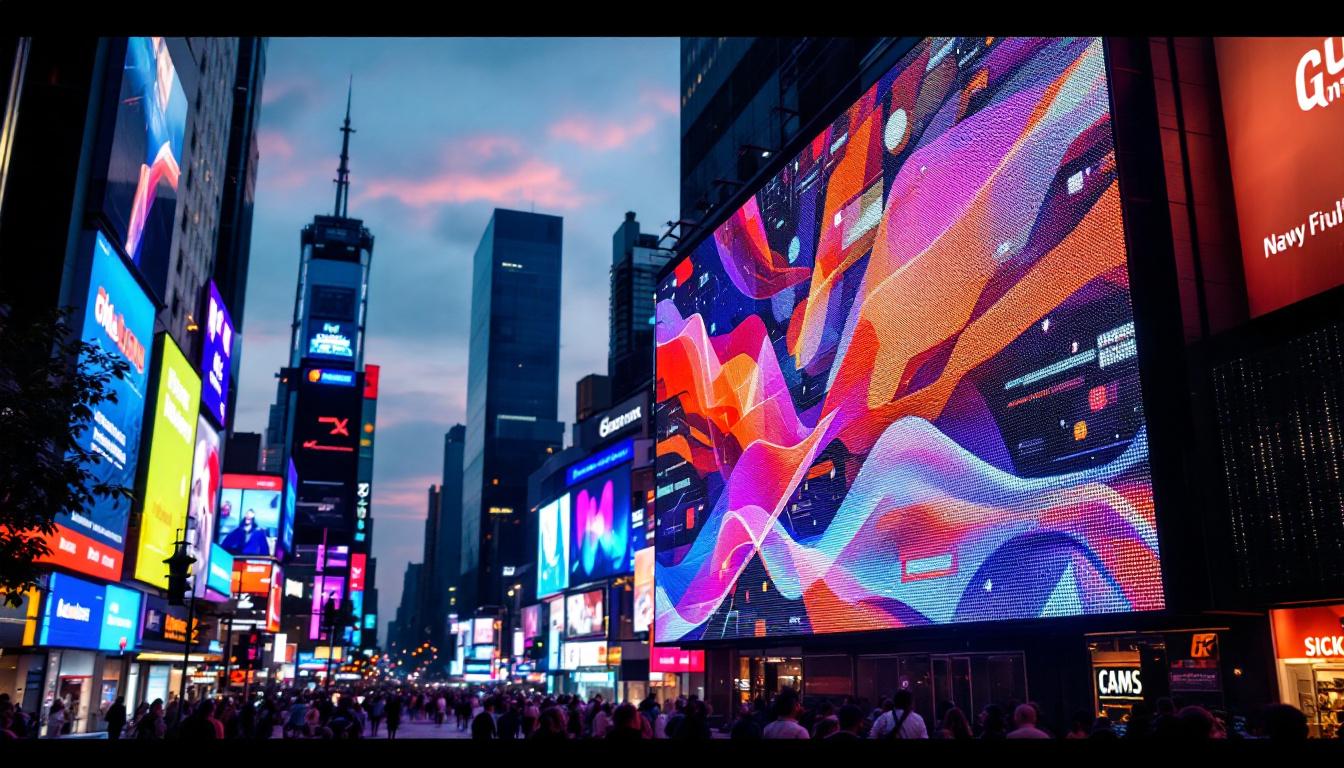
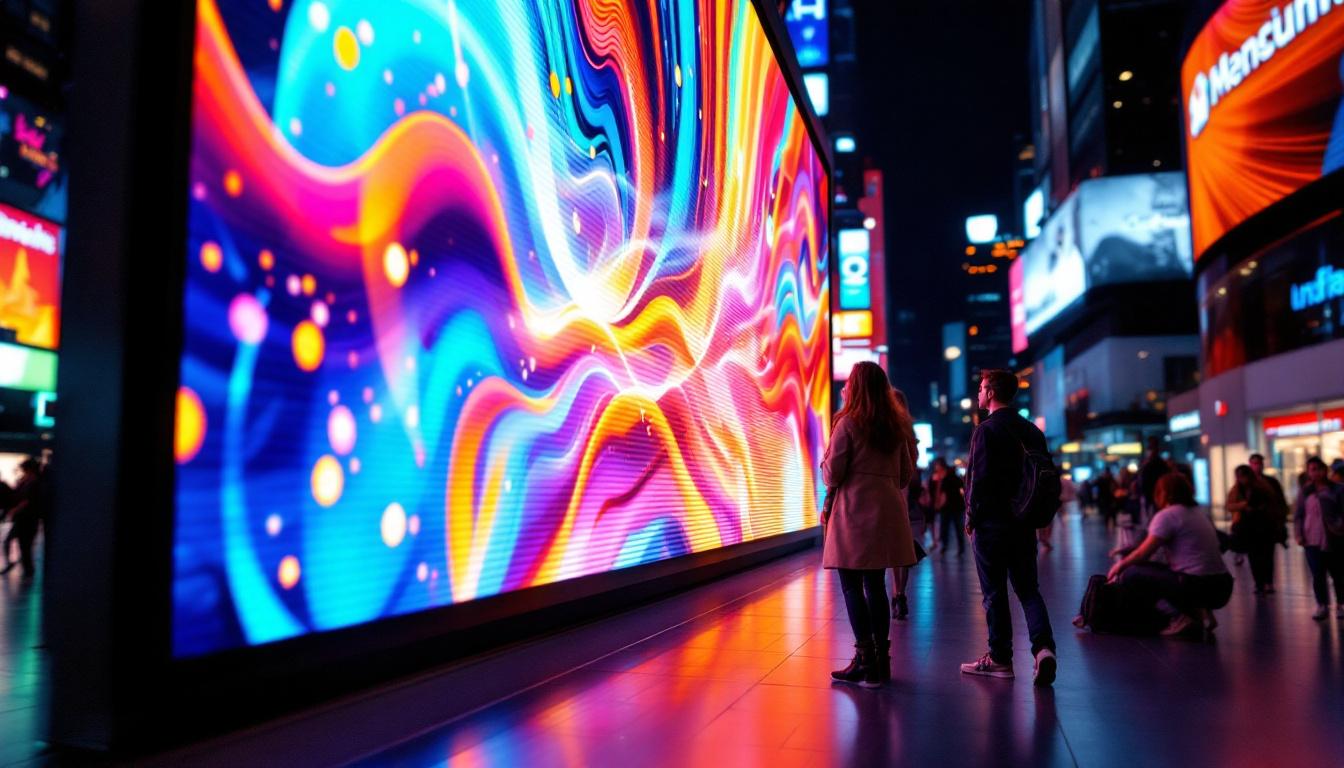
One of the most significant advantages of LED displays is their exceptional brightness. Unlike LCDs, which rely on backlighting, LEDs emit their own light, making them easily visible even in brightly lit environments like shopping malls or outdoor storefronts. This high visibility ensures that promotional messages and product information stand out, attracting more foot traffic. The vibrancy of LED displays can also enhance brand recognition, as the eye-catching colors and dynamic visuals create a lasting impression on potential customers. In a competitive retail landscape, this ability to capture attention can be the difference between a customer entering a store or passing by.
Energy Efficiency and Longevity
Energy efficiency is a critical consideration for retailers looking to minimize operational costs. LED displays consume significantly less power than traditional lighting and display technologies. According to the U.S. Department of Energy, LEDs use at least 75% less energy and last 25 times longer than incandescent lighting.
Moreover, LED displays have a lifespan that can exceed 100,000 hours, reducing the need for frequent replacements and maintenance. This durability makes them a cost-effective investment for retailers over the long term. Additionally, the reduced energy consumption translates to lower carbon footprints, aligning with the growing consumer preference for environmentally responsible brands. As sustainability becomes a key factor in purchasing decisions, retailers can leverage their use of LED technology as a part of their green initiatives, further enhancing their appeal to eco-conscious shoppers.
Customization and Flexibility
LED displays offer unparalleled customization options. Store display manufacturers can design displays tailored to specific store layouts, brand aesthetics, and marketing objectives. Whether it’s a curved LED screen wrapping around a pillar or a transparent LED display integrated into a storefront window, the possibilities are vast.
Additionally, content can be easily updated to reflect seasonal promotions, new product launches, or real-time pricing changes, providing retailers with agility in their marketing strategies. This flexibility extends beyond just visual content; retailers can also utilize data analytics to track customer interactions with the displays, allowing for further refinement of messaging and promotional strategies. By tailoring content based on customer behavior and preferences, retailers can create a more personalized shopping experience that resonates with their audience.
Enhanced Customer Engagement
Interactive LED displays equipped with touch capabilities or motion sensors can engage customers more effectively than static signage. By integrating multimedia content such as videos, animations, and interactive catalogs, retailers can create immersive shopping experiences that increase dwell time and encourage purchases. These displays can also facilitate gamification elements, such as contests or interactive quizzes, which not only entertain but also incentivize purchases through rewards or discounts.
Furthermore, the integration of social media feeds into LED displays can create a sense of community and connection, allowing customers to see real-time posts and reviews from other shoppers. This dynamic interaction not only enhances the shopping experience but also fosters brand loyalty, as customers feel more engaged and valued. As retailers continue to explore innovative ways to connect with their audience, LED displays will play a crucial role in shaping the future of retail engagement.
Types of LED Displays Used by Store Display Manufacturers
Indoor LED Displays
Indoor LED displays are designed for controlled environments such as store interiors, shopping malls, and showrooms. These displays typically have a higher pixel density, resulting in sharper images and finer detail, which is crucial for close viewing distances.
Common applications include digital signage for promotions, interactive kiosks, and video walls that create impactful brand experiences. Indoor LED displays also benefit from lower brightness requirements compared to outdoor models, which helps reduce energy consumption.
Outdoor LED Displays
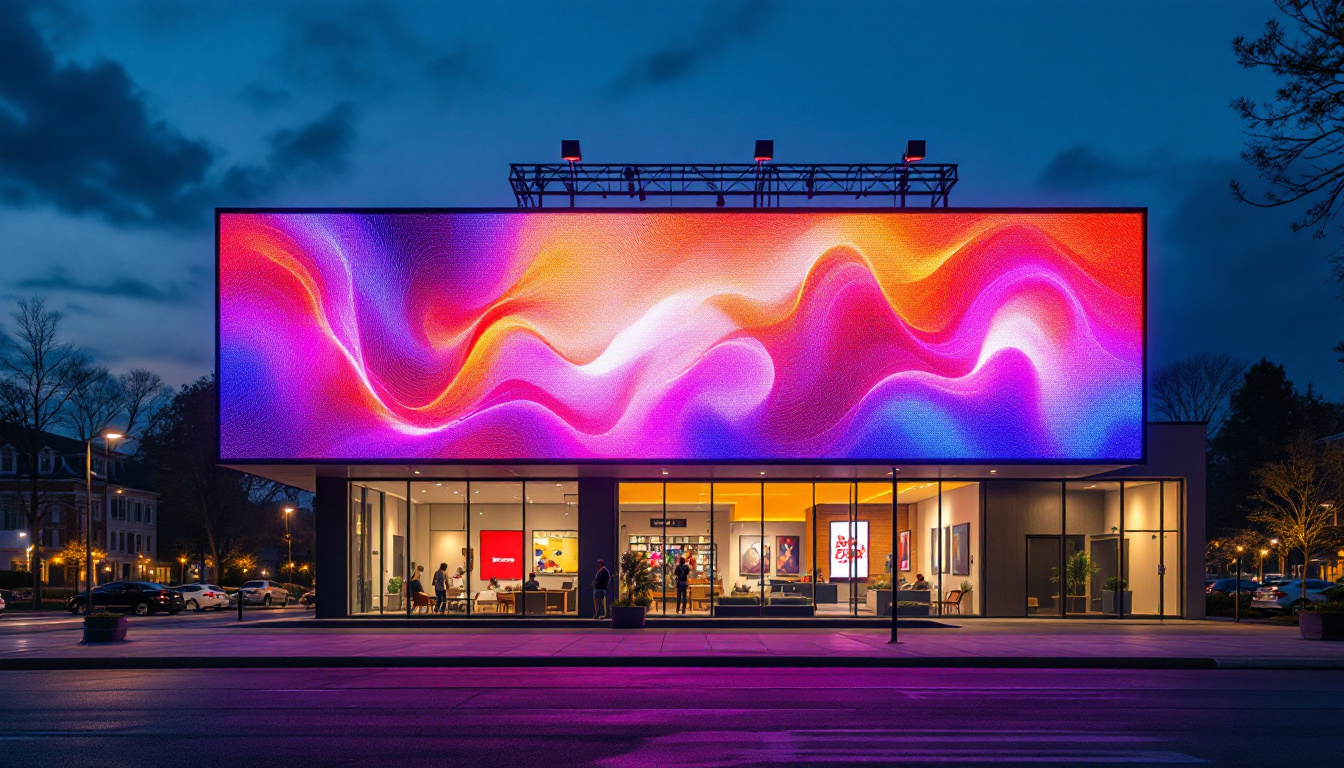
Outdoor LED displays are built to withstand harsh weather conditions, including rain, wind, and extreme temperatures. They feature higher brightness levels, often exceeding 5,000 nits, to maintain visibility under direct sunlight.
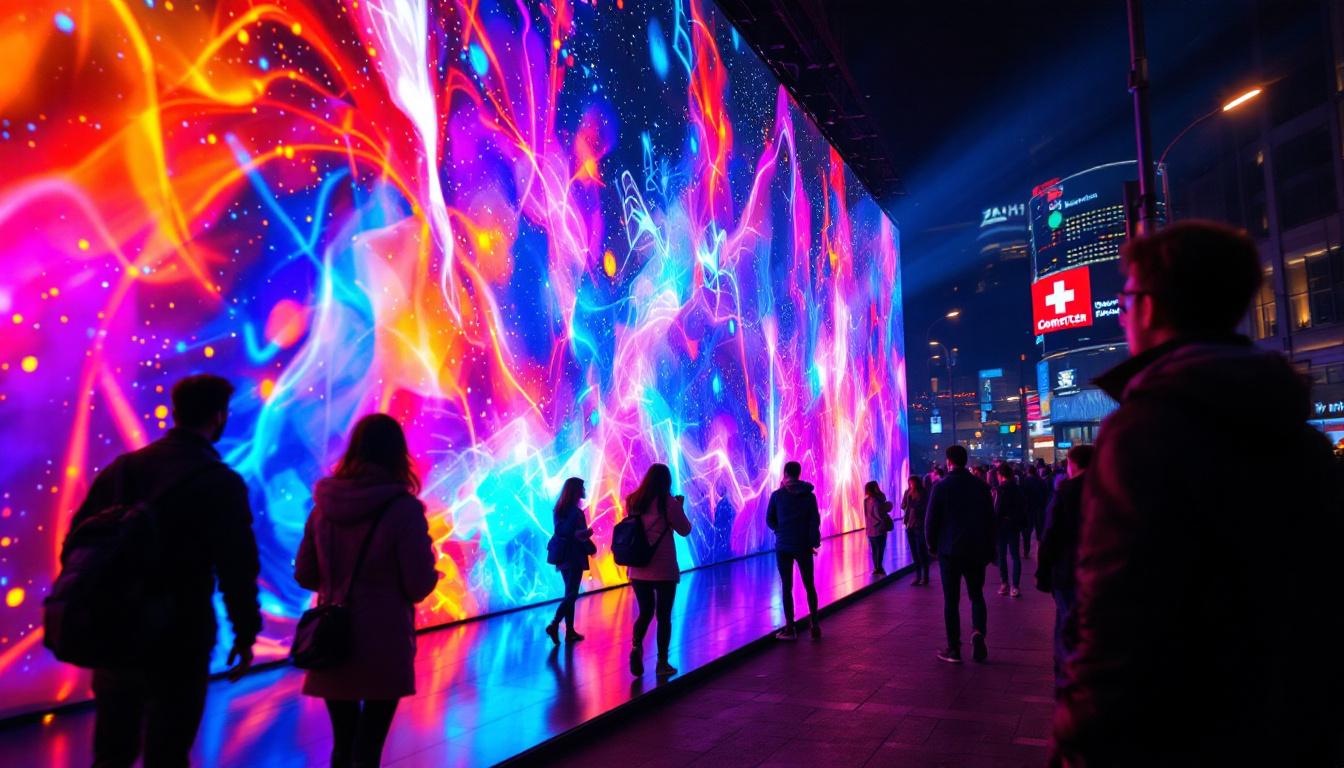
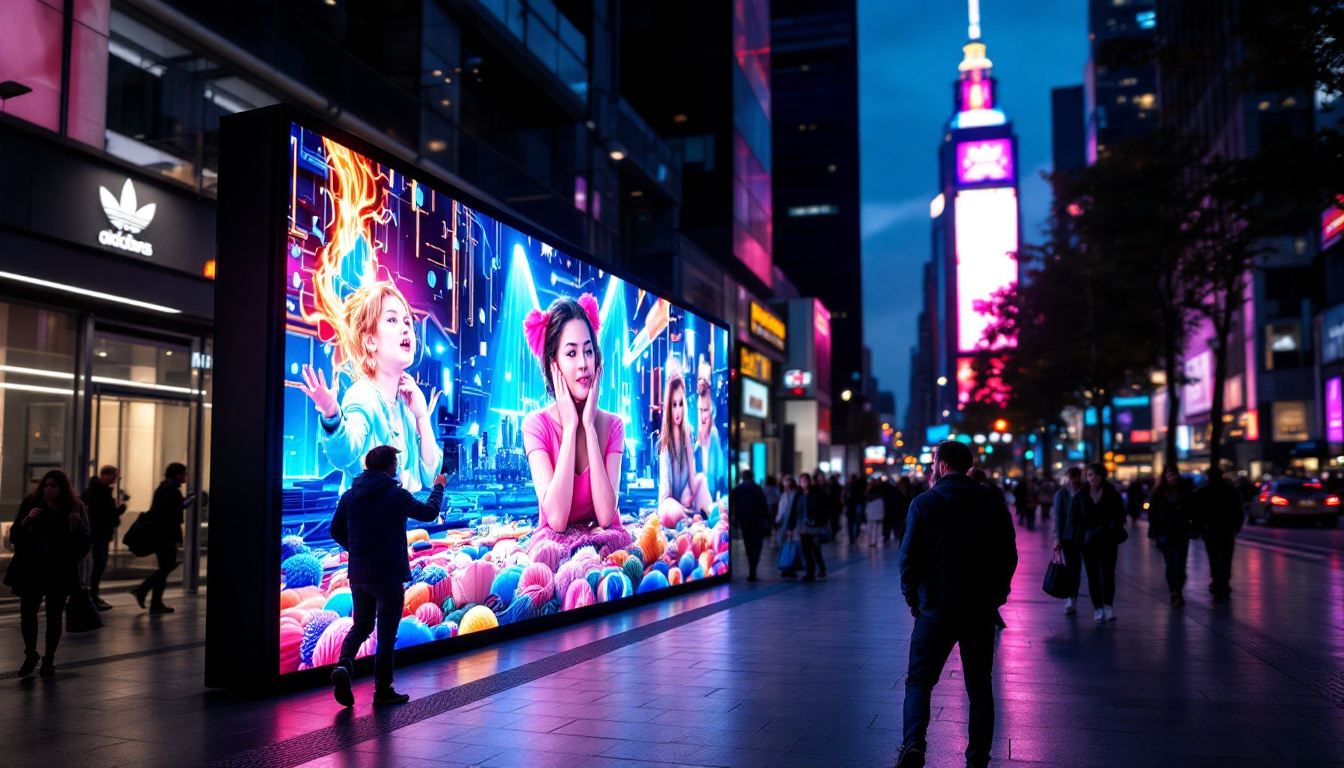
Retailers use outdoor LED displays for storefront signage, digital billboards, and wayfinding systems. Their robust construction and weatherproofing ensure reliable performance, making them a popular choice for high-traffic retail locations.
Transparent LED Displays
Transparent LED displays are an innovative solution that allows light to pass through the screen, enabling retailers to maintain natural window views while displaying digital content. These displays are typically installed on glass surfaces, such as storefront windows or glass walls.
This technology is particularly effective for luxury brands and high-end retailers seeking to combine aesthetics with digital engagement. Transparent LED displays create a futuristic look that can attract attention without obstructing the store’s interior visibility.
Flexible and Curved LED Displays
Flexible LED displays use bendable materials that allow screens to curve or wrap around irregular surfaces. This capability enables store display manufacturers to create unique and eye-catching installations that break away from traditional flat screens.
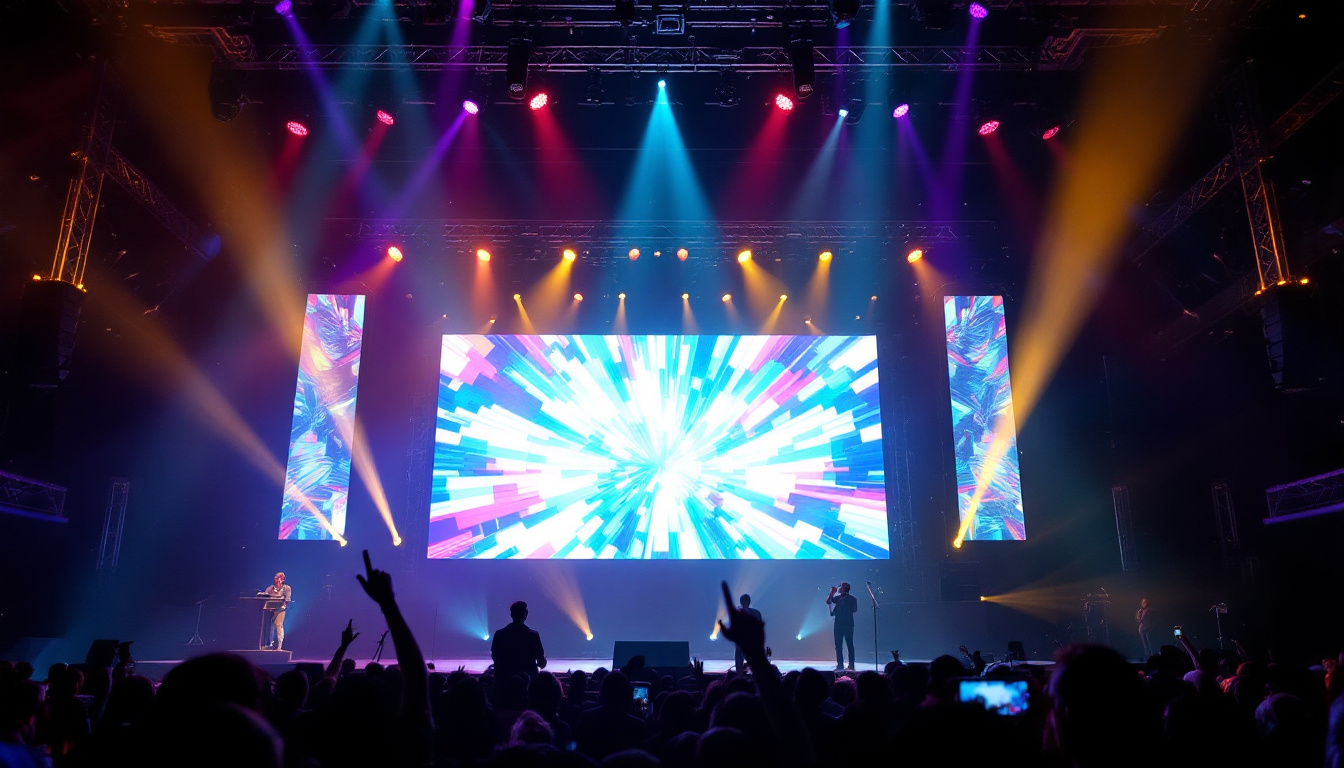
Curved LED displays can enhance the visual impact of a display by providing a more immersive viewing experience. They are often used in flagship stores, trade shows, and experiential marketing campaigns.
Key Considerations When Choosing LED Displays for Retail
Pixel Pitch and Resolution
Pixel pitch refers to the distance between the centers of two adjacent LEDs. A smaller pixel pitch means higher resolution and better image clarity, which is essential for displays viewed at close range. For indoor retail displays, pixel pitches typically range from 1.2mm to 4mm, while outdoor displays may have larger pitches due to greater viewing distances.
Store display manufacturers must balance resolution with budget and installation requirements to ensure optimal visual performance.
Brightness and Contrast Ratio
Brightness is measured in nits, and a higher value indicates a more luminous display. Retailers should consider the ambient lighting conditions of the installation site when selecting brightness levels. Contrast ratio, the difference between the darkest black and brightest white, also affects image quality and readability.
Durability and Maintenance
LED displays in retail environments must be durable and easy to maintain. Factors such as IP rating (which indicates water and dust resistance), ease of module replacement, and warranty terms are important. Choosing displays from reputable manufacturers with strong after-sales support can minimize downtime and maintenance costs.
Content Management Systems (CMS)
A robust CMS allows retailers to schedule, update, and manage content across multiple LED displays seamlessly. Features such as remote access, real-time analytics, and integration with other marketing platforms enhance the effectiveness of digital signage campaigns.
Future Trends in LED Displays for Retail
Integration with Artificial Intelligence (AI)
AI-powered LED displays are emerging as a game-changer in retail marketing. These systems can analyze customer behavior, demographics, and preferences to deliver personalized content in real-time. For example, an LED display might show different advertisements based on the age or gender of the viewer detected by embedded sensors.
Augmented Reality (AR) and Interactive Experiences
Combining LED displays with AR technology enables retailers to create interactive and immersive shopping experiences. Customers can visualize products in different settings or customize items virtually, enhancing engagement and satisfaction.
Sustainability and Eco-Friendly Solutions
With growing emphasis on sustainability, manufacturers are developing LED displays that use recyclable materials, consume less energy, and have longer lifespans. Retailers are increasingly prioritizing eco-friendly technologies to align with consumer values and reduce their environmental impact.
Conclusion
LED displays have revolutionized store displays by offering vibrant, energy-efficient, and highly customizable solutions that enhance customer engagement and drive sales. Store display manufacturers continue to innovate with new types of LED technology, including transparent, flexible, and AI-integrated displays, catering to the evolving needs of the retail sector.
When selecting LED displays, retailers must consider factors such as pixel pitch, brightness, durability, and content management capabilities to maximize their investment. As technology advances, LED displays will remain at the forefront of retail marketing, helping brands create memorable and impactful customer experiences.
For retailers aiming to stay competitive and visually compelling, partnering with experienced store display manufacturers specializing in LED technology is essential. This collaboration ensures access to cutting-edge solutions tailored to specific business goals and environments.
Discover the Future of Retail Displays with LumenMatrix
Step into the future of retail and transform your space with LumenMatrix’s advanced LED display solutions. As a leader in LED display innovation, LumenMatrix offers an extensive range of products, from Indoor and Outdoor LED Wall Displays to specialized solutions like Vehicle LED Displays, LED Sports Displays, and Custom LED Displays. Embrace the power of visual storytelling and create immersive environments that captivate your audience. Check out LumenMatrix LED Display Solutions today and elevate your brand’s presence with unparalleled clarity and impact.