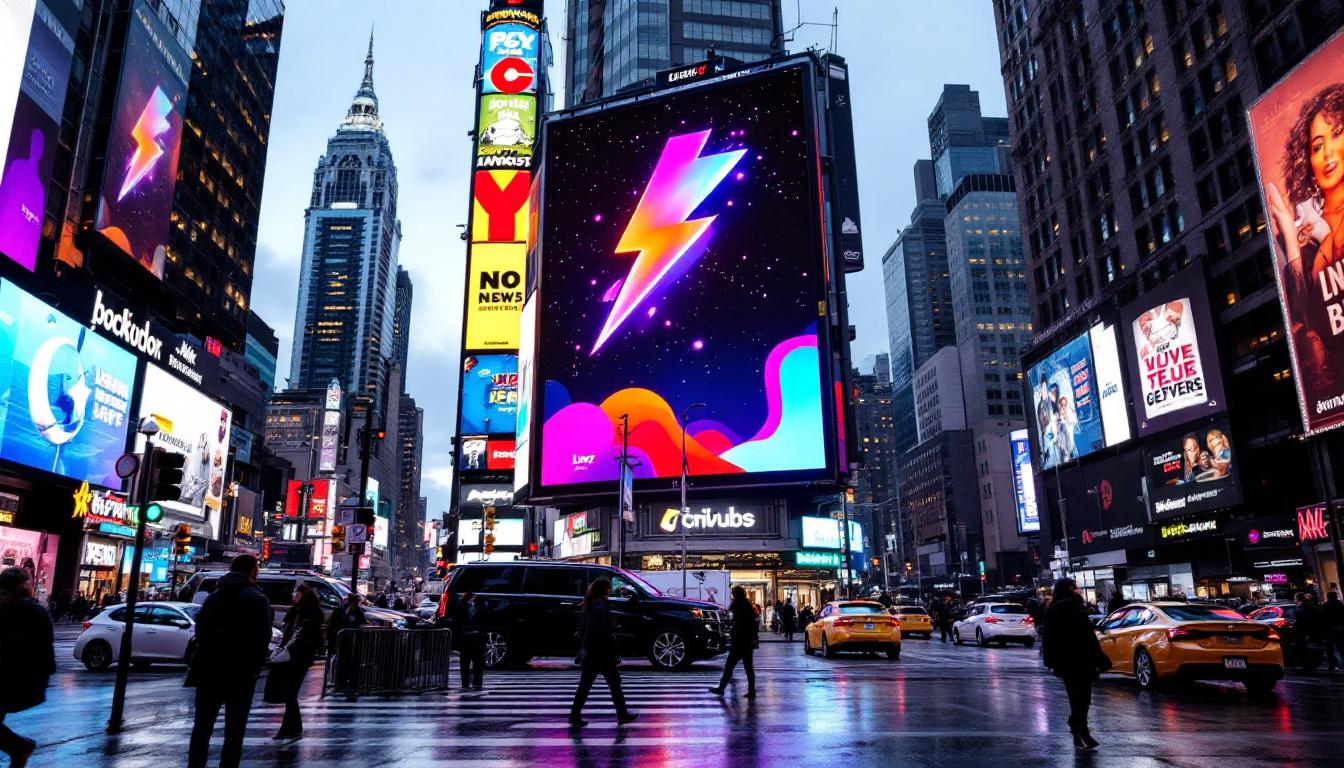
In the bustling metropolis of New York City, advertising is as competitive as the city itself. Billboards, especially LED displays, have become a dominant medium for brands seeking high visibility and dynamic content presentation. Understanding the pricing structure of LED billboard advertising in New York is crucial for businesses aiming to maximize their marketing budgets effectively. This article explores the intricacies of LED billboard pricing, the factors influencing costs, and why LED technology is revolutionizing outdoor advertising in one of the world’s most vibrant urban landscapes.
The Rise of LED Billboards in New York City
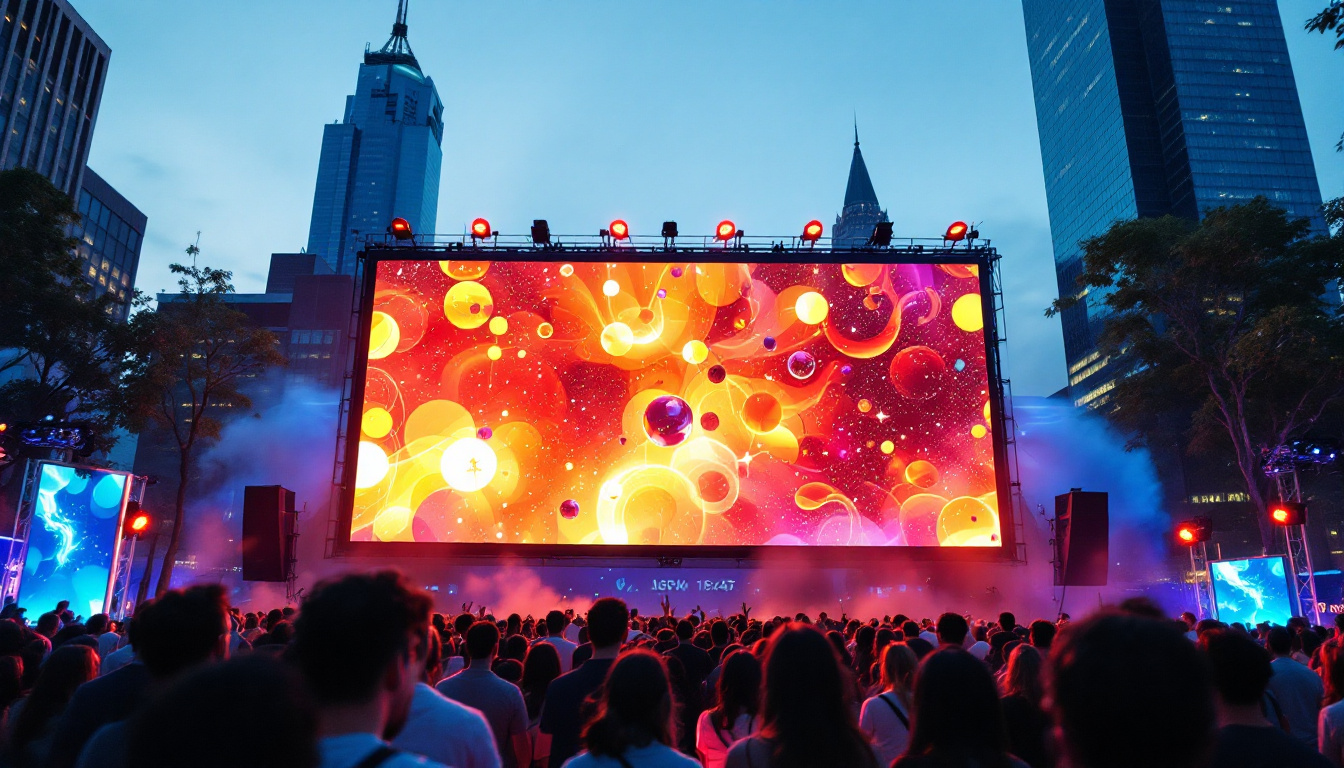
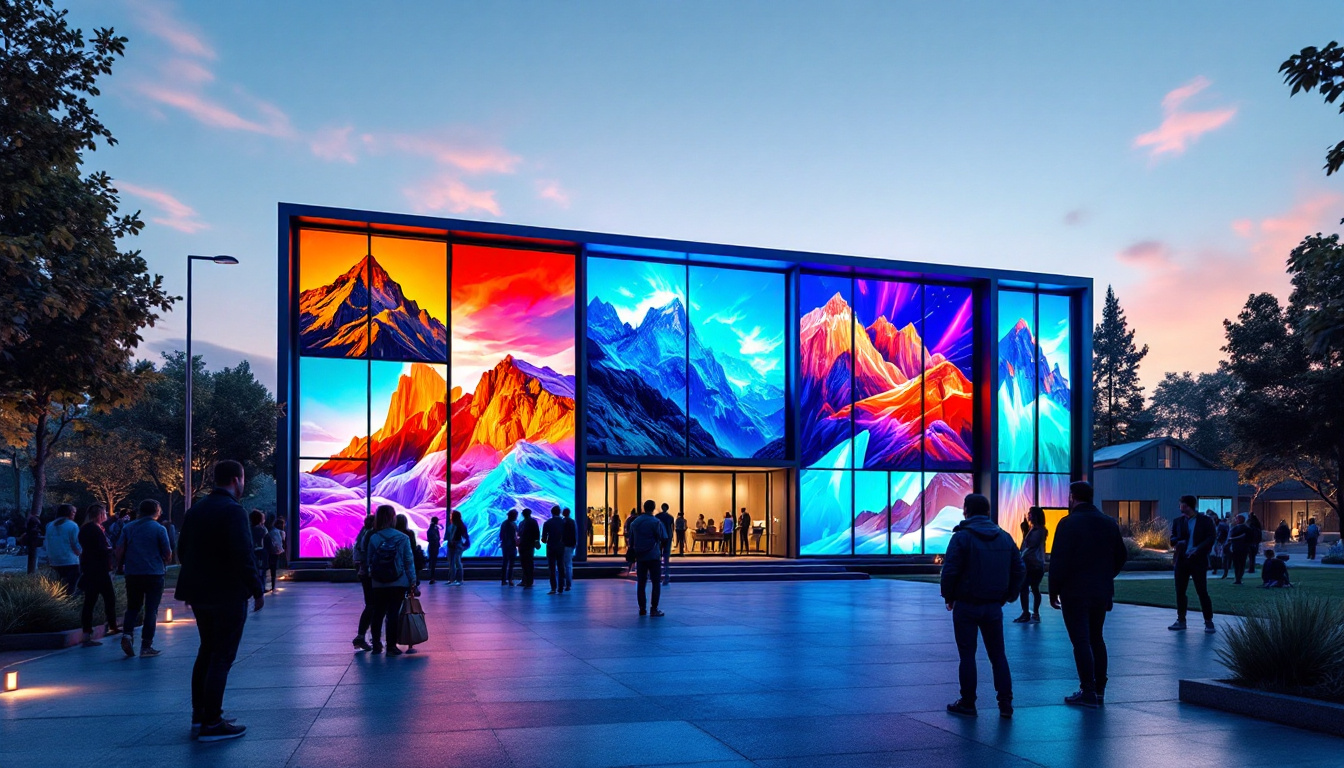
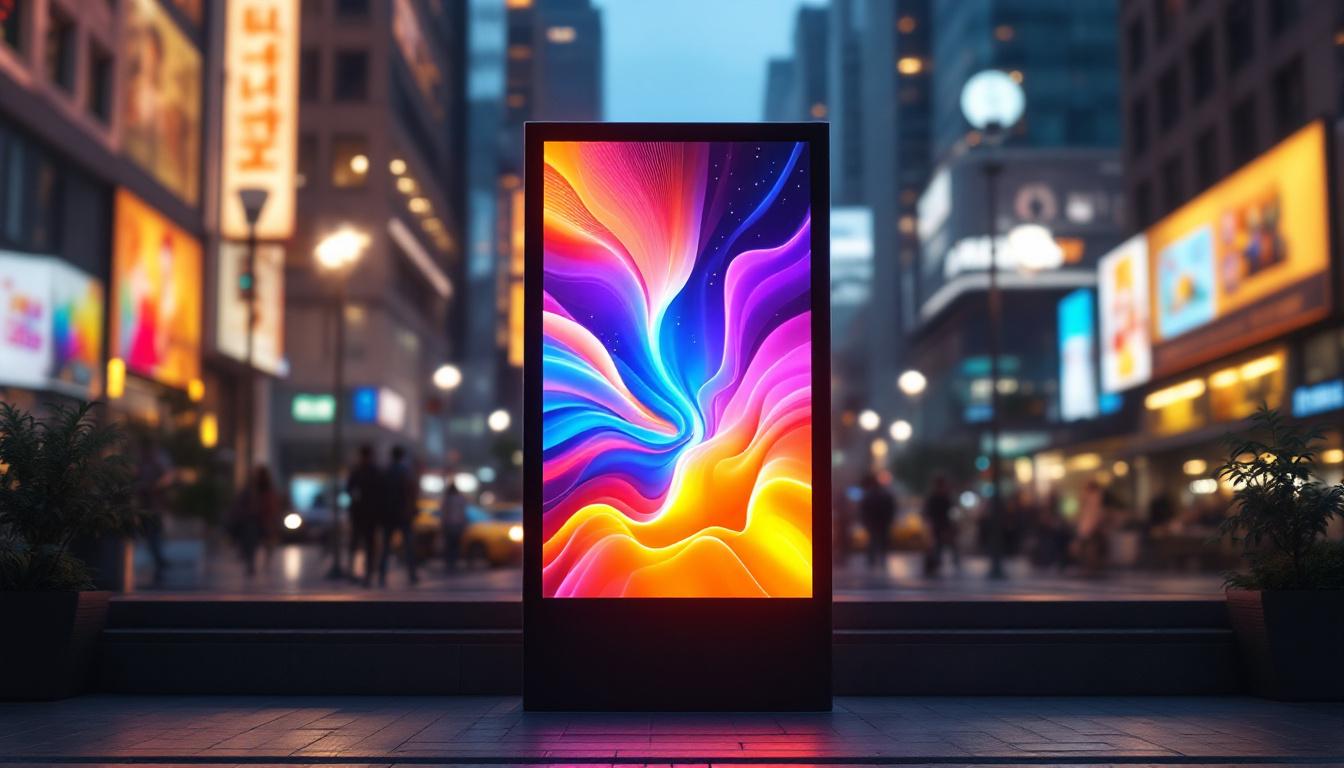
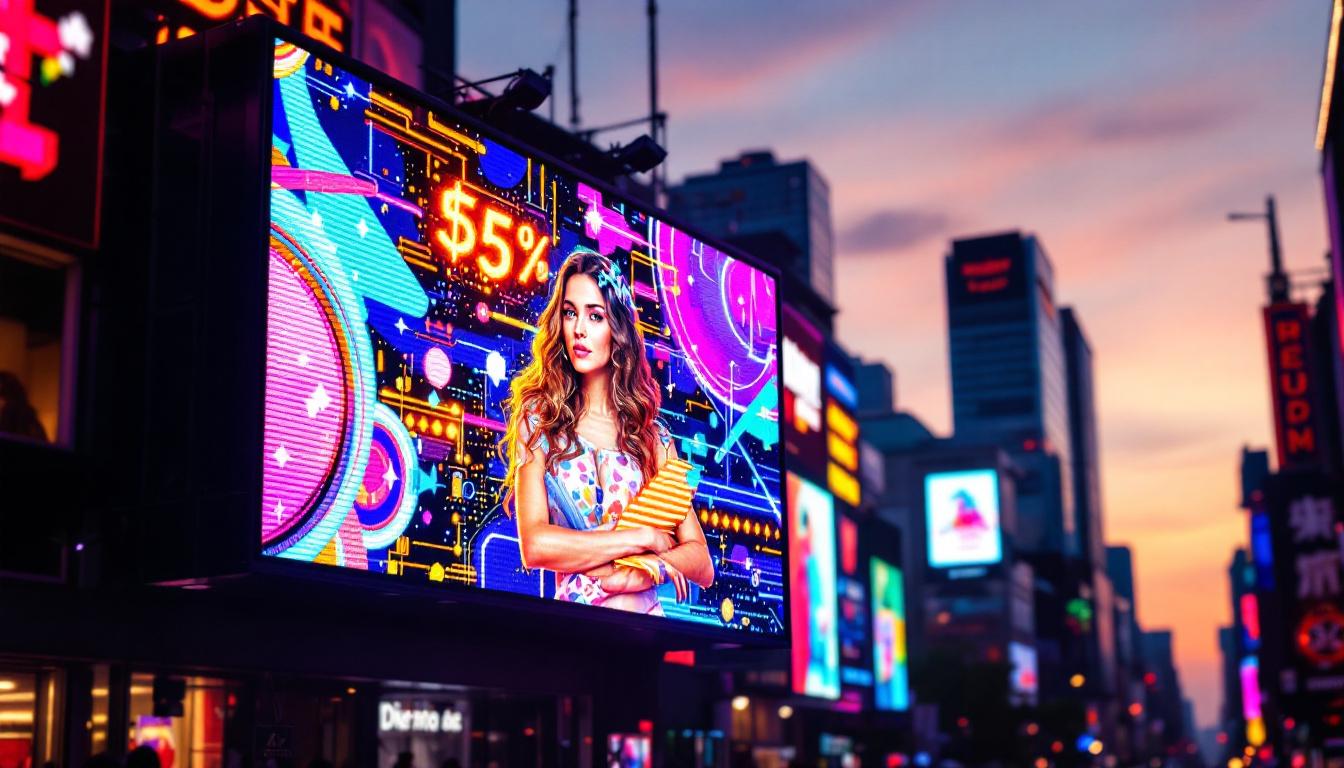
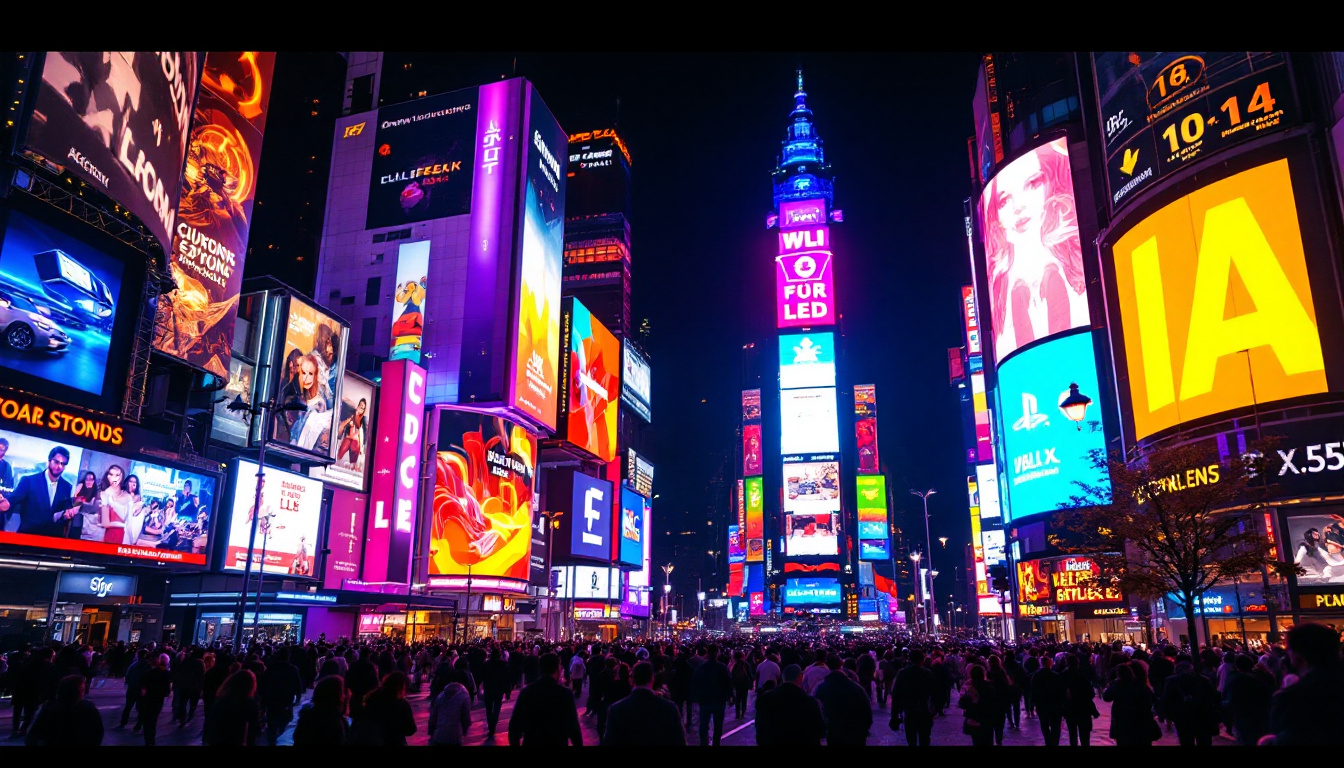
New York City’s skyline has long been synonymous with bright, eye-catching billboards, particularly in iconic areas like Times Square. Over the past decade, LED (Light Emitting Diode) technology has transformed traditional static billboards into dynamic digital canvases. These LED billboards offer unparalleled brightness, color vibrancy, and the ability to display multiple advertisements in rotation, making them highly attractive to advertisers.
The shift to LED displays aligns with broader trends in digital advertising, where interactivity and real-time content updates are increasingly valued. In a city that never sleeps, LED billboards provide a 24/7 platform that can adapt instantly to marketing campaigns, events, or breaking news, offering advertisers a unique edge.
Why LED Billboards Are Preferred Over Traditional Billboards
Traditional billboards, typically printed vinyl or painted, have limitations in terms of flexibility and engagement. LED billboards eliminate many of these constraints by allowing advertisers to:
- Show multiple ads in a single location through digital rotation.
- Update content remotely and instantly without physical replacement.
- Use motion graphics and video to capture attention more effectively.
- Adjust brightness automatically to optimize visibility day and night.
These advantages make LED billboards especially valuable in high-traffic areas where capturing attention quickly is essential. Moreover, the ability to integrate social media feeds and interactive elements into these displays has revolutionized how brands engage with their audiences. For instance, campaigns can now include live tweets or user-generated content, fostering a sense of community and participation among viewers. This level of engagement not only enhances brand visibility but also encourages potential customers to connect with the brand on a more personal level.
Furthermore, the environmental impact of LED technology cannot be overlooked. Compared to traditional billboards, LED displays consume significantly less energy and have a longer lifespan, reducing waste and contributing to more sustainable advertising practices. As cities like New York continue to grapple with environmental concerns, the adoption of energy-efficient technologies like LED billboards represents a step towards greener urban advertising solutions. This shift not only appeals to eco-conscious consumers but also aligns with the city’s broader initiatives to promote sustainability and reduce its carbon footprint.
Understanding Billboard Pricing in New York
Billboard pricing in New York City is influenced by a variety of factors, ranging from location and size to the type of display technology used. LED billboards tend to command premium rates due to their high impact and technological sophistication.
Location: The Most Significant Cost Driver
Location is arguably the most critical factor affecting billboard prices. In New York, areas such as Times Square, Midtown Manhattan, and major transit hubs like Penn Station or Grand Central Terminal are among the most expensive due to their immense foot traffic and visibility.
For example, a 14-foot by 48-foot LED billboard in Times Square can cost anywhere from $50,000 to $300,000 per month, depending on the exact placement and demand. In contrast, LED billboards in less trafficked boroughs or secondary streets may be priced significantly lower, sometimes starting around $10,000 to $20,000 per month. The strategic placement of these billboards is crucial; advertisers often conduct extensive market research to determine the best locations that align with their target demographics, ensuring that their message reaches the right audience effectively.
Size and Resolution Impact Pricing
The physical dimensions of the LED billboard directly influence the price. Larger billboards require more LED panels and higher power consumption, which increases operating costs. Additionally, the resolution — measured in pixel pitch (the distance between LED pixels) — affects the clarity and sharpness of the display. Higher resolution displays with smaller pixel pitch offer crisper images but come at a higher premium.
Advertisers targeting close-range visibility, such as in subway stations or pedestrian-heavy areas, often opt for higher resolution LED displays, which can increase costs by 20-40% compared to standard resolution screens. This investment in quality can significantly enhance brand recall and engagement, making it a worthwhile expenditure for businesses aiming to make a lasting impression. Moreover, the technology behind these displays is continually evolving, with advancements in color accuracy and brightness, further driving demand for premium options.
Duration and Frequency of Display
Billboard rental agreements typically run on monthly contracts, but the length of the campaign can influence pricing. Long-term contracts may offer discounted rates, while short-term or last-minute bookings might incur premium fees. Furthermore, the frequency of ad rotation on a digital billboard affects how often a brand’s message is displayed. More frequent rotations or exclusive use of the billboard can increase costs substantially.
In addition to the basic rental fees, advertisers must also consider production costs associated with creating high-quality content for their billboards. Engaging visuals and compelling messaging are essential to capture the attention of passersby, especially in a bustling environment like New York City. As a result, brands often collaborate with creative agencies to develop eye-catching advertisements that stand out amidst the competition, adding another layer to the overall investment in billboard advertising. Additionally, seasonal trends and events can influence demand, leading to fluctuations in pricing as advertisers rush to secure prime spots during peak times.
Additional Costs and Considerations
Beyond the base rental price, advertisers should be aware of several additional expenses and factors that contribute to the overall cost of LED billboard advertising in New York.
Production and Creative Costs
Creating content for LED billboards requires specialized design expertise. Unlike static billboards, digital ads often incorporate motion graphics, video, and dynamic elements that can engage viewers more effectively. Hiring professional designers or agencies to produce high-quality LED content can range from $1,000 to $10,000 or more, depending on complexity.
Moreover, some billboard operators charge fees for content management or technical support, especially if the advertiser requires frequent updates or customized programming.
Permitting and Regulatory Compliance
New York City has strict regulations governing outdoor advertising, particularly for digital billboards. The city’s Department of Buildings and the Mayor’s Office of Media and Entertainment oversee permits to ensure signage complies with safety, zoning, and lighting standards.
Obtaining permits can add to the timeline and cost of a campaign. In some cases, billboard operators handle permitting as part of their service, but advertisers should confirm these details upfront to avoid unexpected delays or fees.
Energy Consumption and Maintenance
LED billboards consume considerable electricity, especially large-format displays operating 24/7. While these costs are generally included in the rental price, some contracts may itemize energy fees separately. Additionally, maintenance costs to ensure optimal brightness and performance are factored into pricing.
Case Study: Advertising in Times Square
Times Square is the quintessential example of premium LED billboard advertising. The area’s dense pedestrian traffic and global visibility make it a coveted location for brands worldwide.
One notable campaign involved a leading technology company launching a new smartphone. The brand secured a 20-second video spot on a 14’ x 48’ LED billboard in Times Square for one month, paying approximately $250,000. The campaign featured high-resolution video content updated weekly to highlight different product features and promotions.
This investment yielded significant returns, with the brand reporting increased foot traffic to retail locations and a measurable boost in social media engagement linked to the billboard’s content.
How to Maximize ROI on LED Billboard Advertising
Given the substantial investment required for LED billboard advertising in New York, it’s essential for advertisers to strategize carefully to maximize return on investment (ROI).
Target the Right Location
Advertisers should analyze foot traffic patterns, target demographics, and brand objectives to select billboard locations that offer the highest potential impact. Sometimes, a less expensive billboard in a strategically chosen neighborhood can outperform a costly Times Square placement if it better reaches the intended audience.
Create Engaging, Dynamic Content
LED billboards’ strength lies in their ability to display motion and change content rapidly. Utilizing this capability with creative, eye-catching content can significantly enhance viewer engagement. Incorporating real-time elements such as social media feeds, countdowns, or interactive components can further amplify impact.
Leverage Data and Analytics
Many modern LED billboard operators provide analytics on impressions, dwell time, and audience demographics. Using this data enables advertisers to refine campaigns, optimize timing, and measure effectiveness, ensuring that advertising spend delivers measurable results.
Future Trends in LED Billboard Advertising
As technology evolves, LED billboard advertising in New York is poised for continued innovation. Emerging trends include:
- Programmatic Advertising: Automated buying and placement of billboard ads based on real-time data and audience targeting.
- Augmented Reality Integration: Combining digital billboards with AR experiences accessible via smartphones to deepen engagement.
- Energy-Efficient LED Technology: Advances in LED efficiency reducing operational costs and environmental impact.
- Interactive Displays: Touch-sensitive or motion-activated billboards that invite direct consumer interaction.
These advancements will likely influence pricing structures and campaign strategies, making it even more critical for advertisers to stay informed and adaptable.
Conclusion
LED billboard advertising in New York City offers unparalleled visibility and creative possibilities but comes with a complex pricing landscape influenced by location, size, resolution, and additional factors. Understanding these elements allows businesses to make informed decisions and craft campaigns that deliver strong ROI.
As LED technology continues to advance and outdoor advertising becomes increasingly digital and data-driven, the opportunities for impactful brand messaging in New York’s dynamic environment will only grow. For advertisers ready to invest in this powerful medium, thorough research and strategic planning are essential to capitalize on the unique advantages LED billboards provide.
Illuminate Your Brand with LumenMatrix
Ready to make your mark in the vibrant landscape of New York City advertising? LumenMatrix is at the forefront of LED display technology, offering a wide array of solutions that bring your brand to life. From the bustling streets to the iconic skyline, our Indoor and Outdoor LED Wall Displays, Vehicle LED Displays, and innovative options like LED Sports and Floor Displays, are designed to captivate and engage. Experience the future of visual communication with our Custom, All-in-One, and Transparent LED Displays. Check out LumenMatrix LED Display Solutions today and transform how your business connects with audiences in the city that never sleeps.