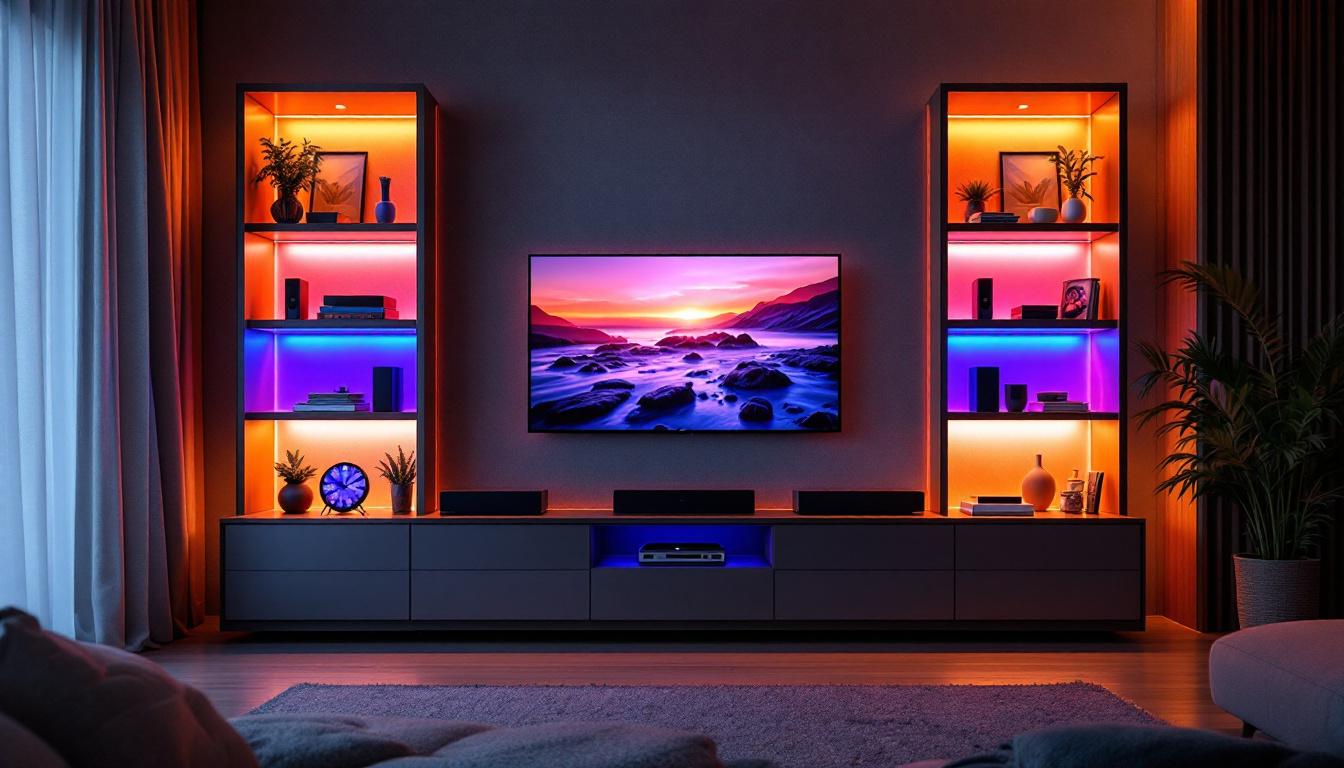
In the modern home, entertainment centers have evolved far beyond simple shelves or cabinets for housing TVs and media players. Today’s entertainment centers often incorporate advanced technology and design elements that enhance both functionality and aesthetics. One of the most popular trends in recent years is the integration of LED lights into entertainment centers. These LED lights not only create stunning visual effects but also improve the viewing experience and add ambiance to any room.
This article explores the role of LED displays and lighting in entertainment centers, explaining how they work, their benefits, and how to choose the right setup for your home. Whether you’re a tech enthusiast, a design lover, or simply looking to upgrade your living space, understanding LED technology in entertainment centers will help you make informed decisions.
Understanding LED Technology in Entertainment Centers
What Are LEDs and How Do They Work?
LED stands for Light Emitting Diode. Unlike traditional incandescent bulbs, LEDs produce light through a process called electroluminescence, where an electric current passes through a semiconductor material, emitting photons (light). This technology is highly efficient, durable, and versatile, making it ideal for a range of applications including home lighting, television displays, and decorative lighting.
In entertainment centers, LEDs serve two primary purposes: as backlighting for LED displays and as accent or ambient lighting integrated into the furniture. Both applications utilize the same fundamental technology but differ in design and function.
LED Displays vs. Traditional Screens
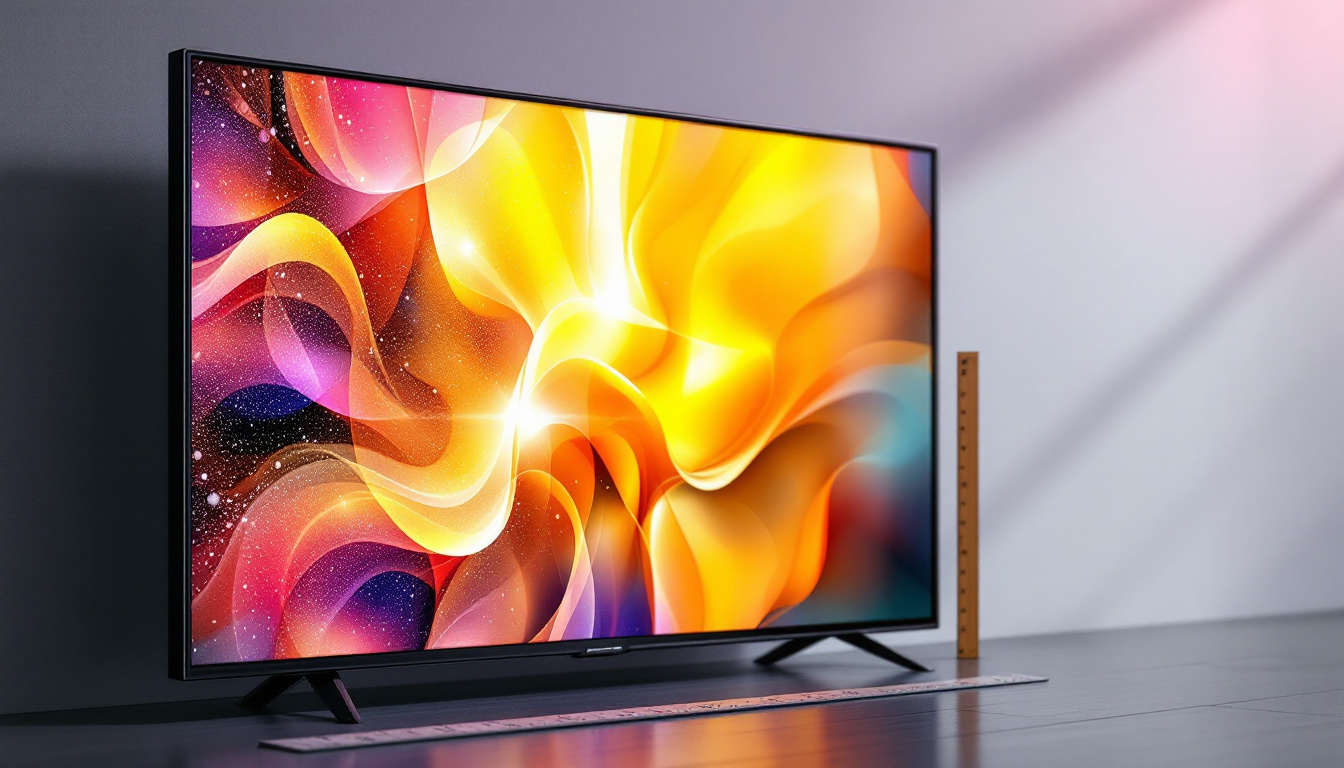
When it comes to televisions and monitors, LED displays are often confused with OLED or LCD screens. To clarify, an LED display is essentially an LCD screen that uses LED backlighting instead of older fluorescent backlights. This change results in better brightness, contrast, and energy efficiency.
LED displays offer sharper images, richer colors, and longer lifespans compared to traditional LCDs. This makes them the preferred choice for entertainment centers aiming to deliver high-quality viewing experiences. Additionally, LED displays are thinner and lighter, allowing for sleeker entertainment center designs.
The Benefits of LED Lighting in Entertainment Centers
Enhanced Viewing Experience
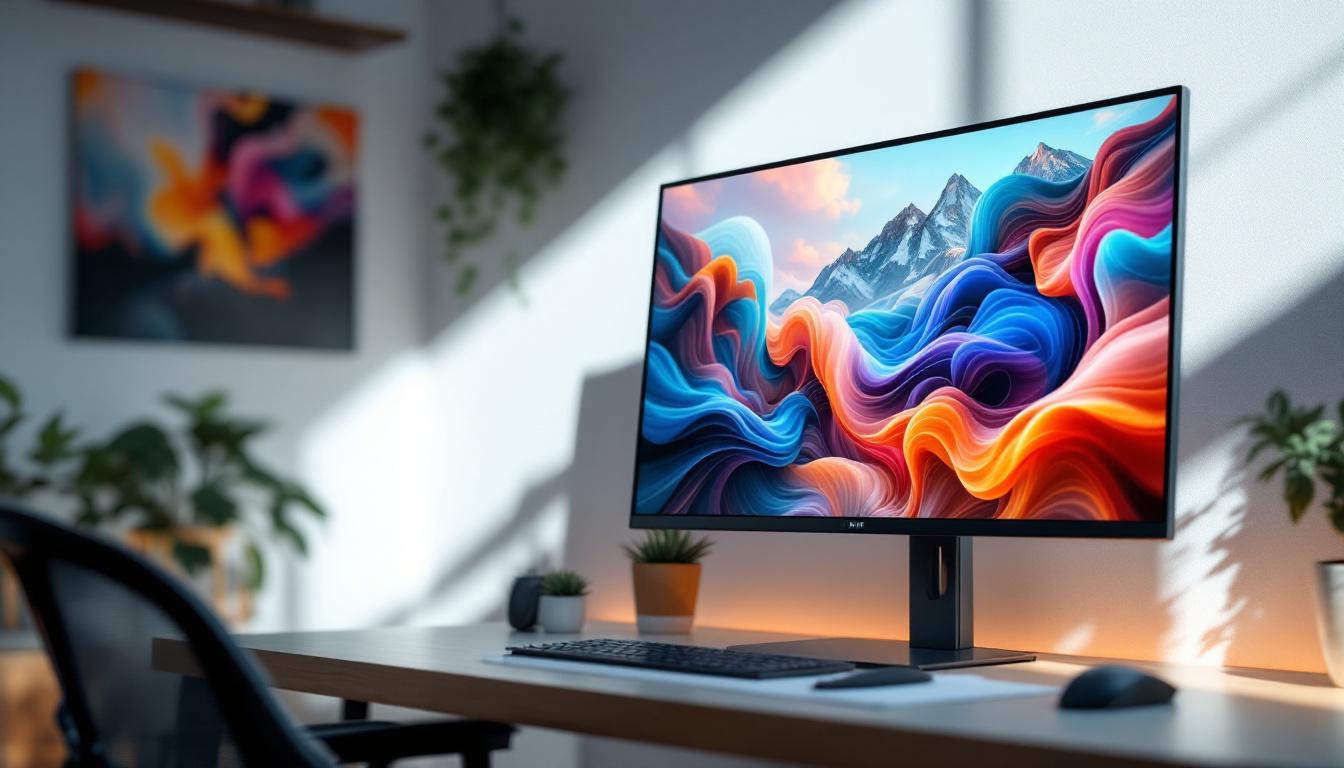
One of the most significant advantages of integrating LED lighting into entertainment centers is the improvement in viewing comfort and picture quality. LED backlighting in TVs provides consistent brightness and contrast, which helps reduce eye strain during prolonged viewing sessions.
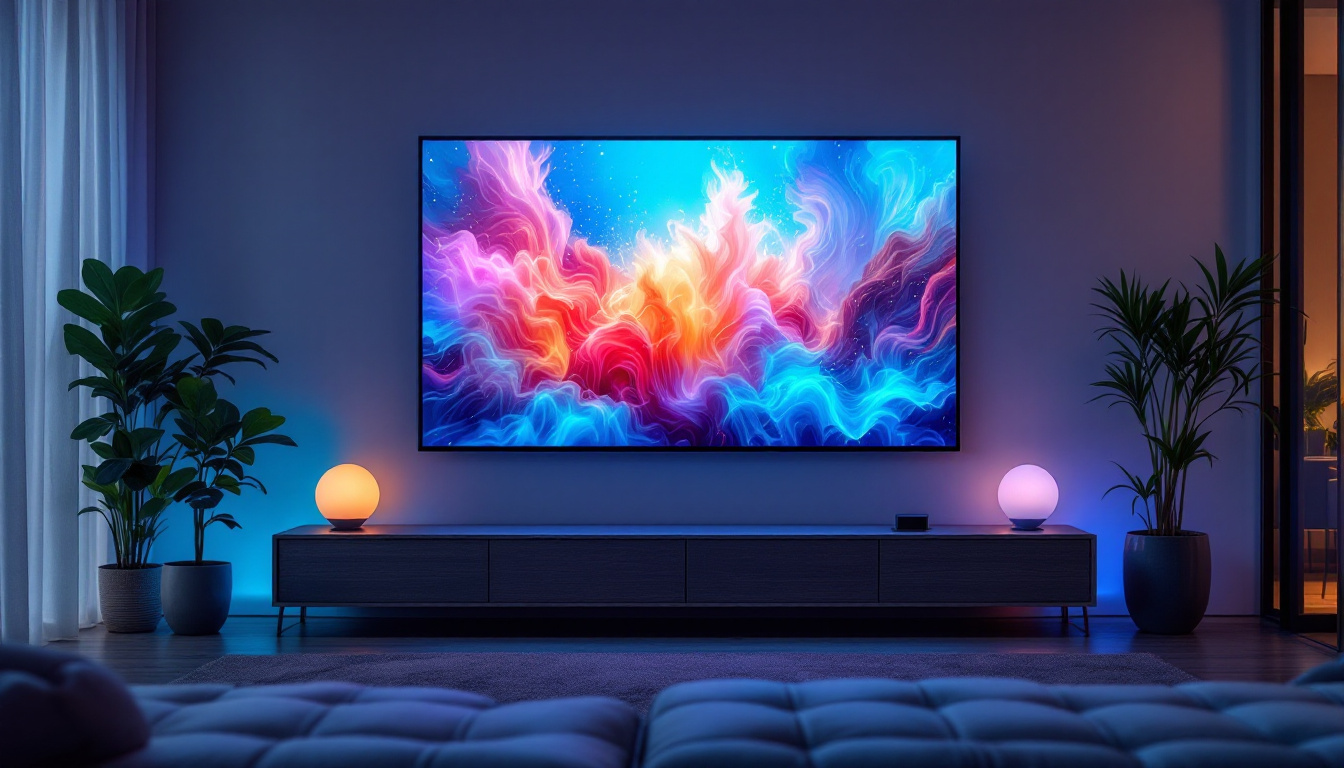
Moreover, ambient LED lighting around the entertainment center or behind the TV can reduce the harsh contrast between a bright screen and a dark room. This bias lighting technique softens the overall light environment, making movies, games, and shows more enjoyable without compromising image quality.
Energy Efficiency and Longevity
LED lights consume far less energy than incandescent or fluorescent bulbs. According to the U.S. Department of Energy, LEDs use at least 75% less energy and last 25 times longer than traditional lighting. This efficiency translates to lower electricity bills and less frequent replacements, making LED lighting a cost-effective choice for entertainment centers.
Additionally, LEDs generate minimal heat, reducing the risk of damage to sensitive electronic components housed within the entertainment center. This feature is especially important in compact setups where heat dissipation can be a concern.
Customizable Ambiance and Style
LED lighting offers unparalleled flexibility in terms of color, brightness, and placement. Many entertainment centers now feature built-in LED strips or panels that can be controlled via remote or smartphone apps. Users can select from millions of colors and adjust brightness levels to match their mood or décor.
This customization allows homeowners to create dynamic lighting scenes for different occasions—whether it’s a cozy movie night, a lively gaming session, or a stylish party atmosphere. The ability to sync LED lights with music or on-screen content further enhances the immersive experience.
Types of LED Lighting Used in Entertainment Centers
LED Backlighting for Displays
As mentioned earlier, LED backlighting is a key component of modern LED displays. This lighting is placed behind or along the edges of the screen to illuminate the pixels effectively. There are two primary types of LED backlighting:
- Edge-lit LEDs: LEDs are positioned around the edges of the screen, providing a thinner display design but sometimes less uniform brightness.
- Direct-lit or Full-array LEDs: LEDs are distributed evenly behind the screen, offering better contrast and local dimming capabilities.
Entertainment centers equipped with LED TVs benefit from these technologies by delivering superior picture quality and energy savings.
LED Accent and Ambient Lighting
Beyond the display itself, LED strips and panels are commonly integrated into the furniture of entertainment centers. These lights are typically installed along shelves, behind cabinets, or underneath surfaces to create a glowing effect that highlights the structure and contents of the unit.
Popular LED accent lighting options include:
- RGB LED Strips: Flexible strips that can display a wide range of colors and are often controlled via remote or apps.
- White LED Strips: Provide clean, bright illumination ideal for highlighting objects or creating a minimalist look.
- Smart LED Modules: Advanced lighting systems that can be synchronized with TV content or music for immersive effects.
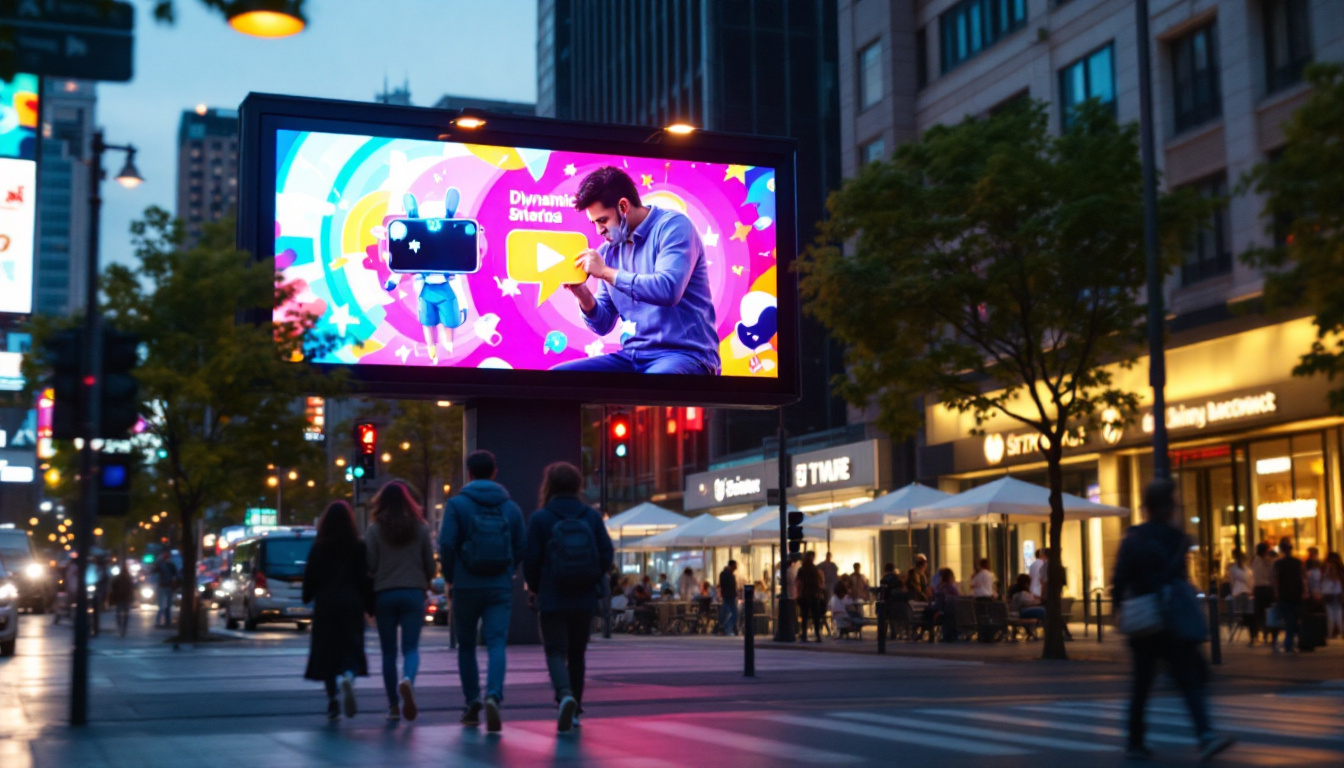
LED Display Panels and Digital Signage
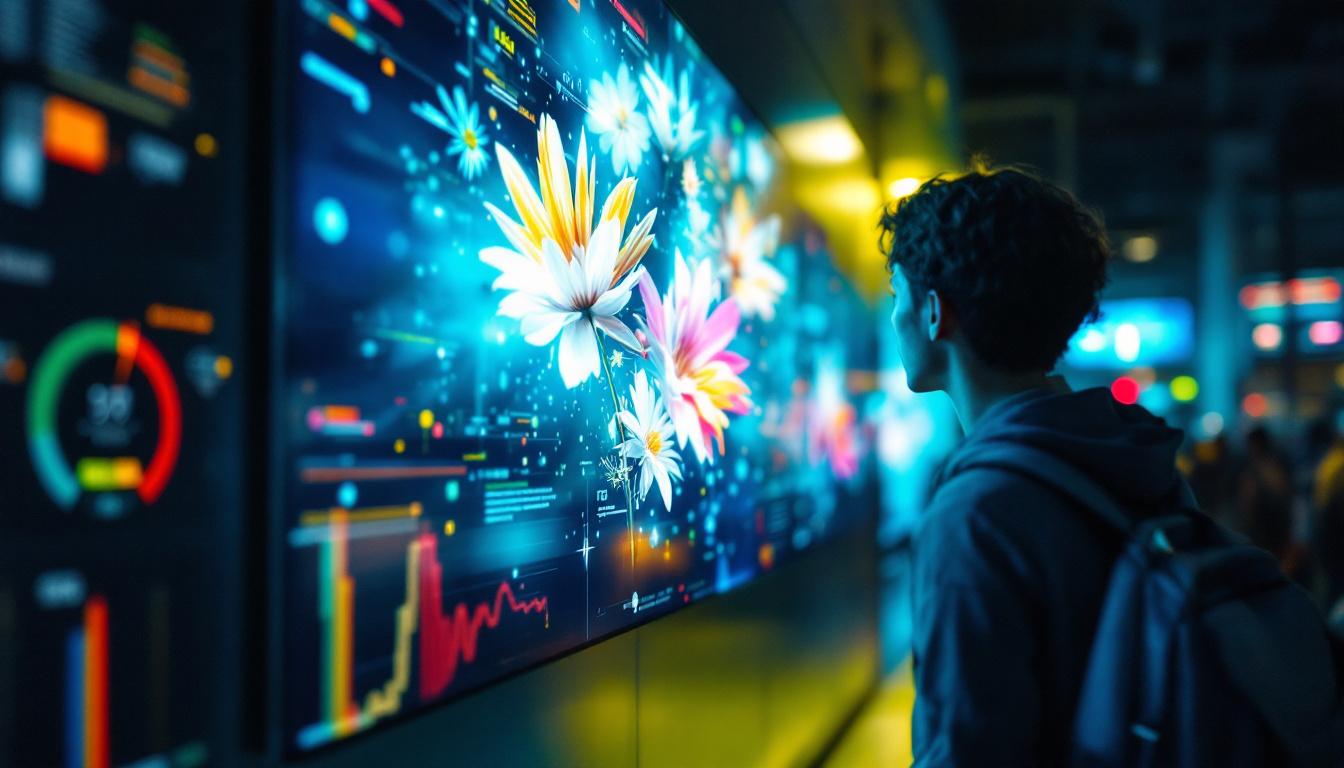
Some high-end entertainment centers incorporate LED display panels beyond the main TV screen. These panels can serve as digital photo frames, information displays, or even interactive touchscreens. The use of micro-LED or mini-LED technology in these panels offers exceptional brightness and color accuracy, making them a versatile addition to modern media setups.
Design Considerations for Entertainment Centers with LED Lights
Integration and Placement
When designing or selecting an entertainment center with LED lighting, careful consideration must be given to the integration and placement of the lights. Poorly placed LEDs can cause glare, uneven lighting, or distract from the viewing experience.
Optimal placement includes positioning LED strips behind the TV to provide bias lighting, under shelves to illuminate decorative items, or along the base to create a floating effect. Concealing wiring and power sources is also crucial for a clean, professional look.
Color Temperature and Brightness
Choosing the right color temperature is essential for setting the mood and complementing the room’s lighting. Warm white LEDs (2700K to 3000K) create a cozy, inviting atmosphere, while cool white LEDs (4000K to 6500K) offer a modern, crisp look.
Adjustable brightness is equally important. Dimmable LEDs allow users to tailor the light intensity to different activities, from watching movies to reading or entertaining guests.
Compatibility with Smart Home Systems
Many LED lighting systems now support integration with smart home platforms such as Amazon Alexa, Google Assistant, and Apple HomeKit. This compatibility enables voice control, automation, and synchronization with other smart devices, enhancing convenience and user experience.
When choosing LED lighting for an entertainment center, ensure the system supports your preferred smart home ecosystem and offers reliable app control.
Popular LED Lighting Products for Entertainment Centers
Philips Hue Lightstrip Plus
The Philips Hue Lightstrip Plus is a widely acclaimed RGB LED strip that offers vibrant colors, easy installation, and seamless integration with major smart home platforms. Its ability to extend up to 10 meters makes it suitable for large entertainment centers, and it supports dynamic lighting effects synchronized with music and video content.
Govee RGBIC LED Strip Lights
Govee’s RGBIC LED strips provide multi-zone color control, allowing different sections of the strip to display separate colors simultaneously. This feature creates stunning visual effects and enhances the ambiance around an entertainment center. The strips come with app control, voice assistant compatibility, and music sync functions.
Nanoleaf Shapes and Elements
For those looking to add a unique design element, Nanoleaf offers modular LED panels that can be arranged in various geometric patterns. These panels are touch-responsive, color-customizable, and can react to audio, making them an interactive addition to any entertainment center.
Installation Tips and Maintenance
DIY vs. Professional Installation
Installing LED lighting in an entertainment center can be a straightforward DIY project for those comfortable with basic electrical work and mounting. Many LED strips come with adhesive backing and plug-and-play connectors, simplifying the process.
However, for complex setups involving smart home integration, concealed wiring, or custom cabinetry, professional installation may be advisable to ensure safety and optimal performance.
Maintenance and Troubleshooting
LED lights generally require minimal maintenance. Regular dusting and occasional cleaning with a soft cloth keep them looking their best. If an LED strip or panel stops working, checking connections and power supplies is the first step in troubleshooting.
Replacing faulty sections of LED strips is often possible without replacing the entire unit, provided the strips have modular connectors.
Future Trends in LED Entertainment Centers
Micro-LED and Mini-LED Displays
Emerging display technologies like micro-LED and mini-LED promise even greater brightness, contrast, and energy efficiency. These advancements will likely be incorporated into entertainment centers, offering unparalleled picture quality and design flexibility.
Increased Smart Integration
As smart home ecosystems grow more sophisticated, entertainment centers will increasingly feature fully integrated LED lighting systems that respond dynamically to content, user preferences, and environmental conditions. Voice control, AI-driven lighting adjustments, and seamless device interoperability will become standard.
Eco-Friendly and Sustainable Designs
With rising awareness of environmental impact, manufacturers are focusing on sustainable materials and energy-efficient LED components. Future entertainment centers will likely emphasize recyclability, low power consumption, and longer product lifecycles.
Conclusion
LED technology has transformed entertainment centers from simple media storage units into dynamic, visually captivating focal points of the home. By understanding the types of LED lighting and displays available, their benefits, and design considerations, homeowners can create entertainment spaces that are both functional and stylish.
Whether enhancing picture quality with LED backlit displays or setting the mood with customizable ambient lighting, LEDs offer versatile solutions that elevate the home entertainment experience. As technology continues to advance, the integration of LED lighting in entertainment centers will only become more innovative and immersive.
Investing in an entertainment center with LED lights is not just about aesthetics—it’s about embracing cutting-edge technology that enhances comfort, efficiency, and enjoyment for years to come.
Discover the Future of Home Entertainment with LumenMatrix
Ready to take your home entertainment to the next level? LumenMatrix is at the forefront of LED display innovation, offering an array of solutions that bring your viewing experience into the future. From Indoor and Outdoor LED Wall Displays to specialized options like Vehicle and Sports LED Displays, our technology is designed to captivate and engage. Explore our Custom LED Displays and All-in-One solutions to find the perfect fit for your space. Elevate your home entertainment center today by visiting LumenMatrix LED Display Solutions and see how our cutting-edge technology can transform your visual storytelling.