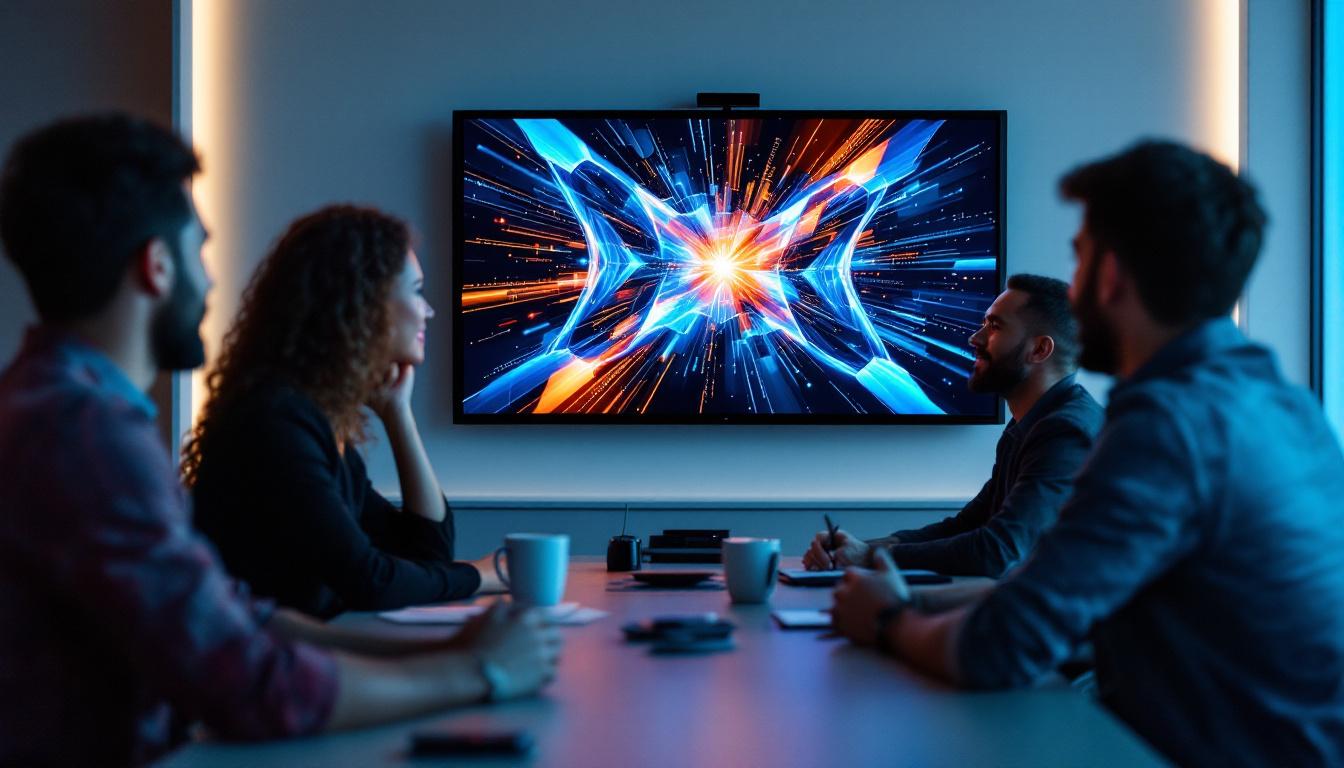
In today’s fast-paced business environment, effective communication and collaboration are critical to organizational success. Conference rooms serve as the nerve centers for meetings, brainstorming sessions, and presentations, making the choice of display technology a vital consideration. Among the various display options available, LED display monitors have emerged as a leading solution for conference rooms, combining vibrant visuals, reliability, and energy efficiency.
This comprehensive article explores the technology behind LED display monitors, their advantages in conference room settings, and practical considerations for selecting the ideal display for your business needs.
Understanding LED Display Technology
What is an LED Display?
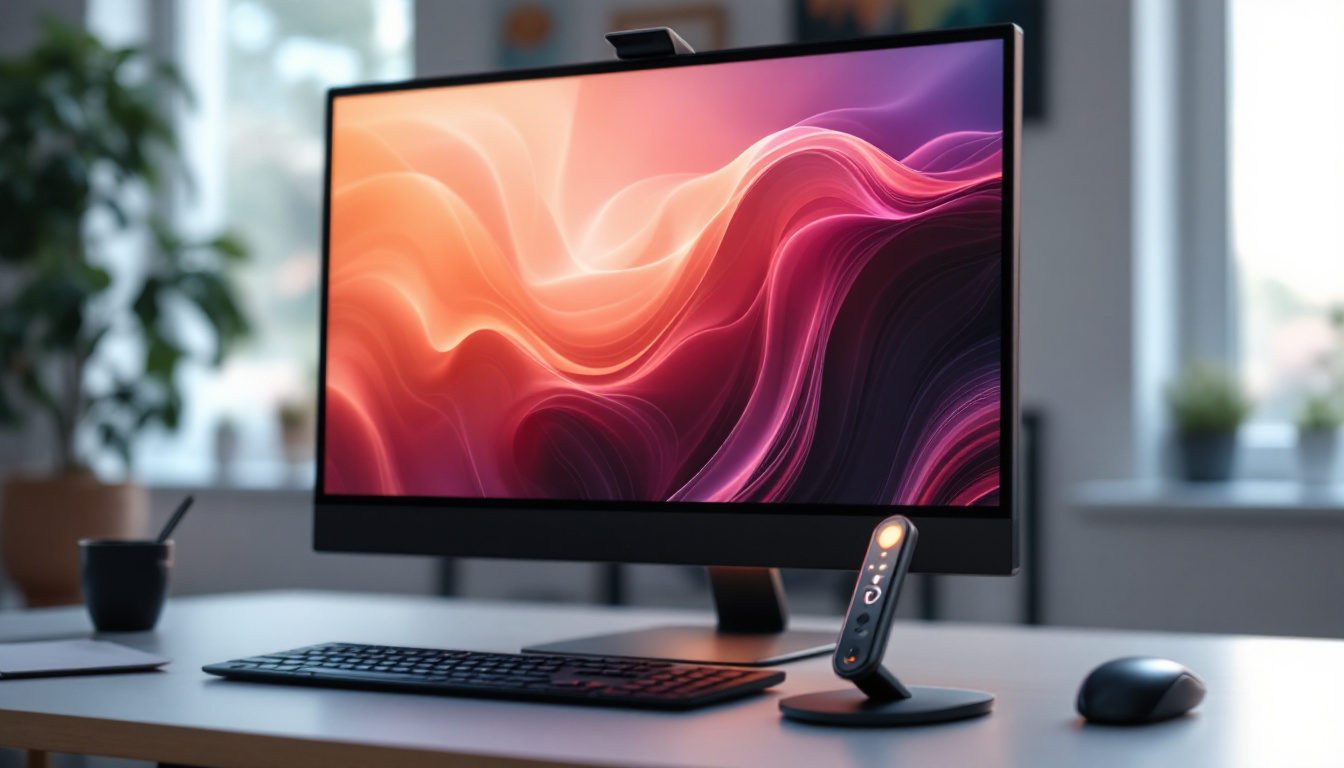
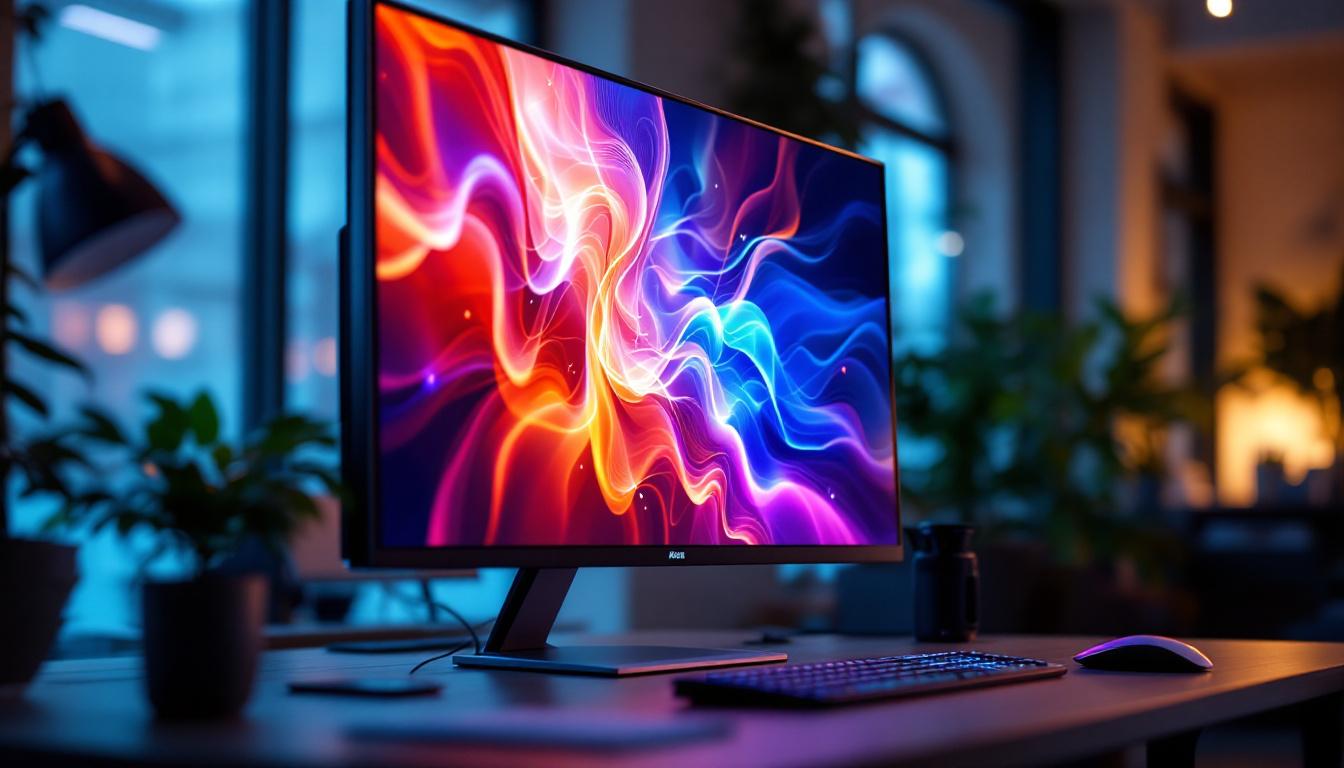
LED stands for Light Emitting Diode, a semiconductor device that emits light when an electric current passes through it. LED displays use an array of these tiny diodes to create images and videos. Unlike traditional LCD screens that rely on backlighting, LED displays use these diodes as their light source, which results in brighter images and better contrast. This technology not only enhances visual clarity but also contributes to a more immersive viewing experience, making it particularly appealing for presentations and video conferencing.
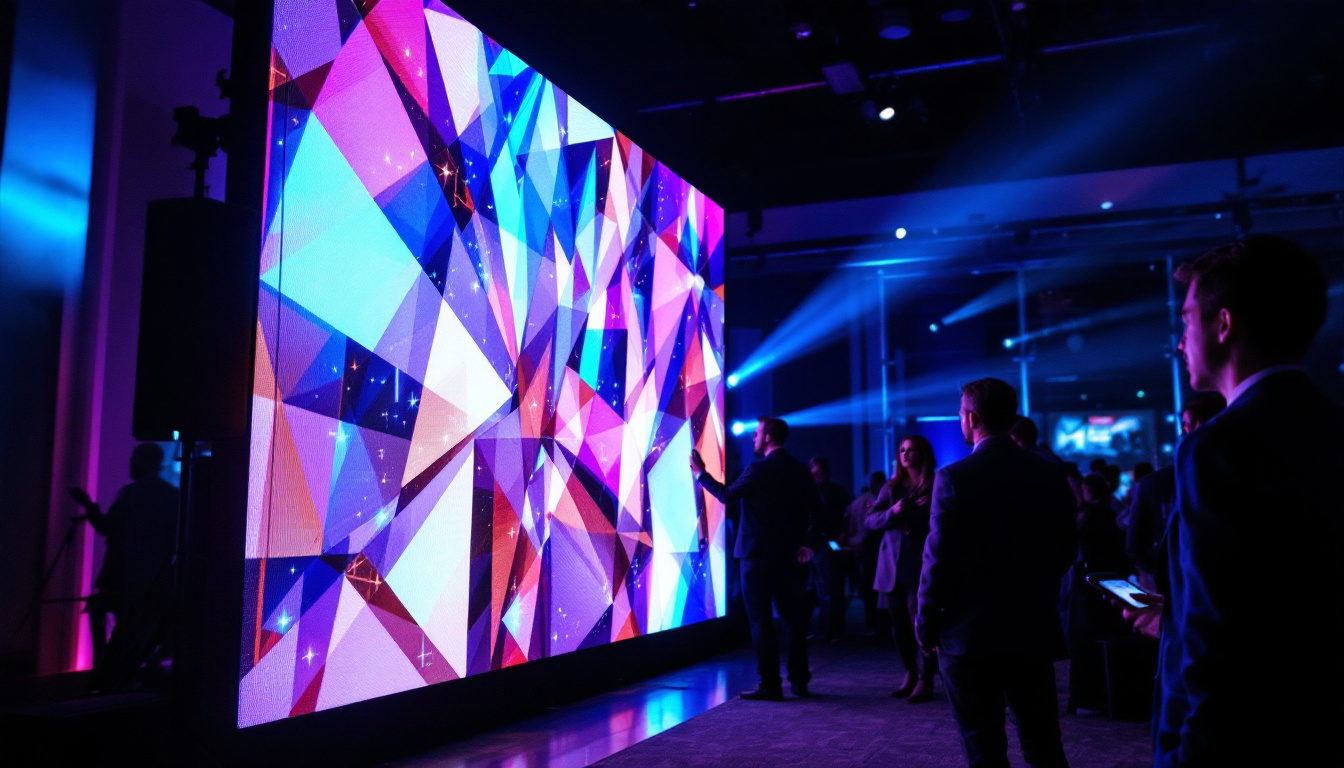
In the context of conference room monitors, LED technology is often integrated into LCD panels, commonly referred to as LED-backlit LCDs. However, there are also direct-view LED displays, which use individual LEDs to form the image without the need for a separate backlight. Both types offer distinct benefits depending on the application. For instance, direct-view LED displays are often used in large venues due to their ability to maintain image quality even at considerable distances, ensuring that every participant can see the content clearly, regardless of their seating position.
Types of LED Displays Used in Conference Rooms
There are primarily two types of LED display technologies relevant to conference room monitors:
- LED-Backlit LCD Monitors: These are traditional LCD panels illuminated by LED backlighting. They offer excellent color accuracy, energy efficiency, and slim designs. Most commercial conference room monitors fall into this category. Additionally, they tend to be more cost-effective, making them a popular choice for businesses looking to equip multiple meeting spaces without breaking the bank.
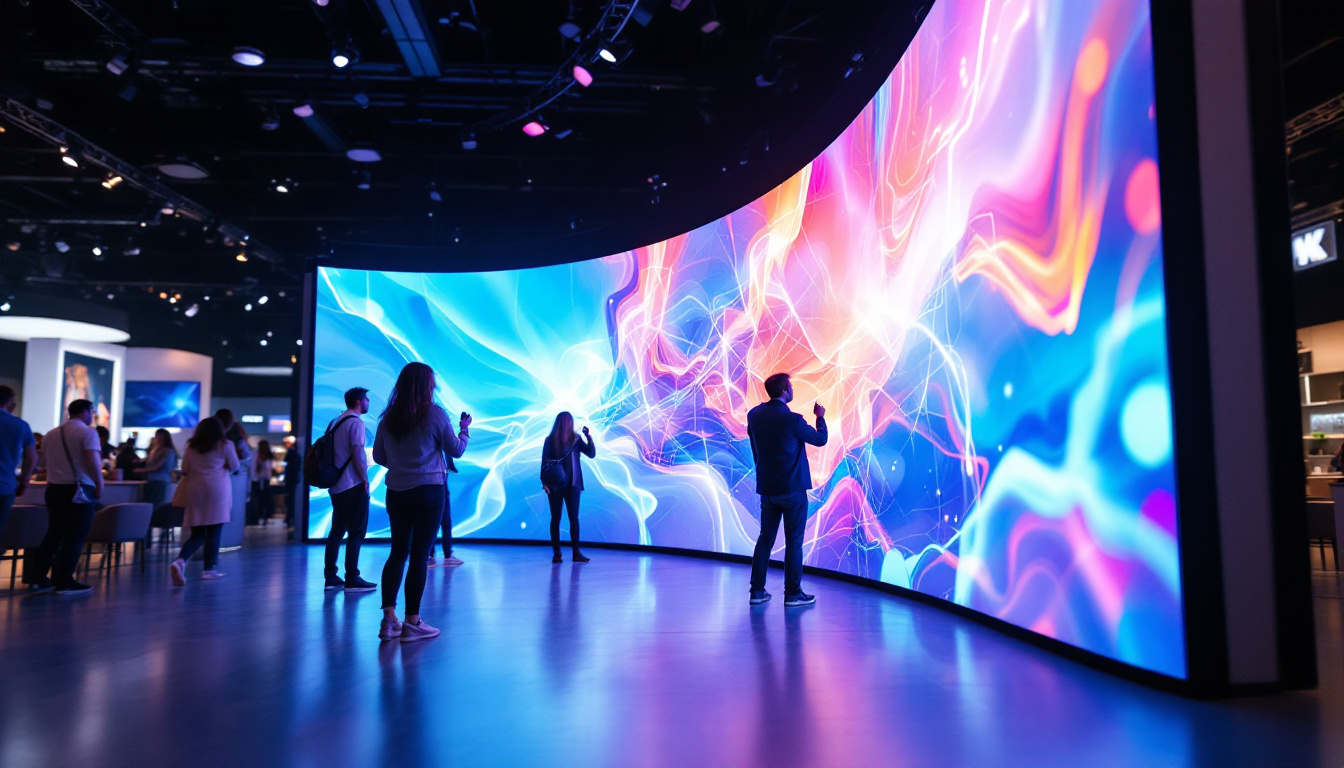
- Direct-View LED Displays: These displays consist of thousands of tiny LEDs that directly emit light to form images. They provide superior brightness and contrast, making them ideal for large conference rooms or auditoriums where visibility is paramount. Furthermore, direct-view LED displays can be configured in various sizes and shapes, allowing for creative installations that can enhance the overall aesthetic of the meeting environment.
Understanding these types helps businesses choose the right display based on room size, lighting conditions, and usage requirements. For example, in a brightly lit room with large windows, a direct-view LED display may be preferable due to its high brightness levels, while a smaller, dimmer conference room might benefit from the more cost-effective LED-backlit LCD monitors. Additionally, many modern LED displays come equipped with smart technology, enabling seamless integration with various devices and platforms, which can significantly enhance collaboration and productivity during meetings.
Advantages of LED Display Monitors in Conference Rooms
Superior Image Quality and Visibility
One of the most compelling reasons to opt for LED display monitors in conference rooms is their exceptional image quality. LED technology offers higher brightness levels and better contrast ratios compared to older display technologies. This means presentations, spreadsheets, videos, and other content appear crisp and clear, even in brightly lit rooms.
According to a 2023 report by the Display Industry Association, LED-backlit LCD monitors provide up to 30% better brightness uniformity than traditional CCFL-backlit LCDs, ensuring consistent image quality across the entire screen. This uniformity is crucial in conference rooms where multiple attendees need to view the display from different angles. Furthermore, the high dynamic range (HDR) capabilities of many modern LED displays allow for deeper blacks and more vibrant colors, making visuals not only more appealing but also more effective in conveying information.
Energy Efficiency and Longevity
LED displays are known for their energy efficiency. They consume significantly less power than older display types, such as plasma or CCFL-backlit LCDs. This efficiency translates into lower operating costs, which is especially important for businesses running multiple conference rooms or extended meeting hours.
Moreover, LED monitors have longer lifespans, often exceeding 50,000 hours of use. This durability reduces the frequency of replacements and maintenance, providing a better return on investment over time. The reduced energy consumption also aligns with corporate sustainability goals, as companies increasingly seek to minimize their carbon footprint. By choosing LED displays, organizations can contribute to a greener environment while enjoying the financial benefits of lower energy bills.
Thin and Lightweight Designs
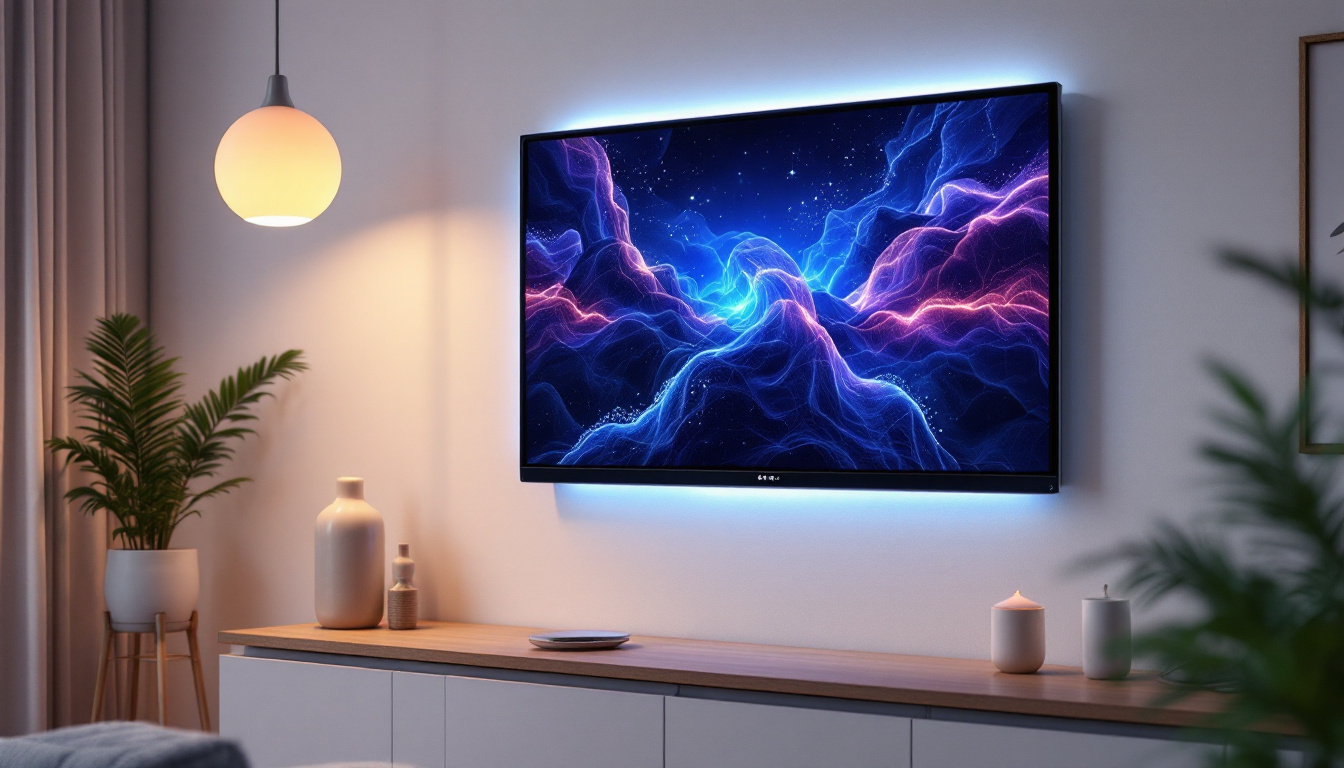
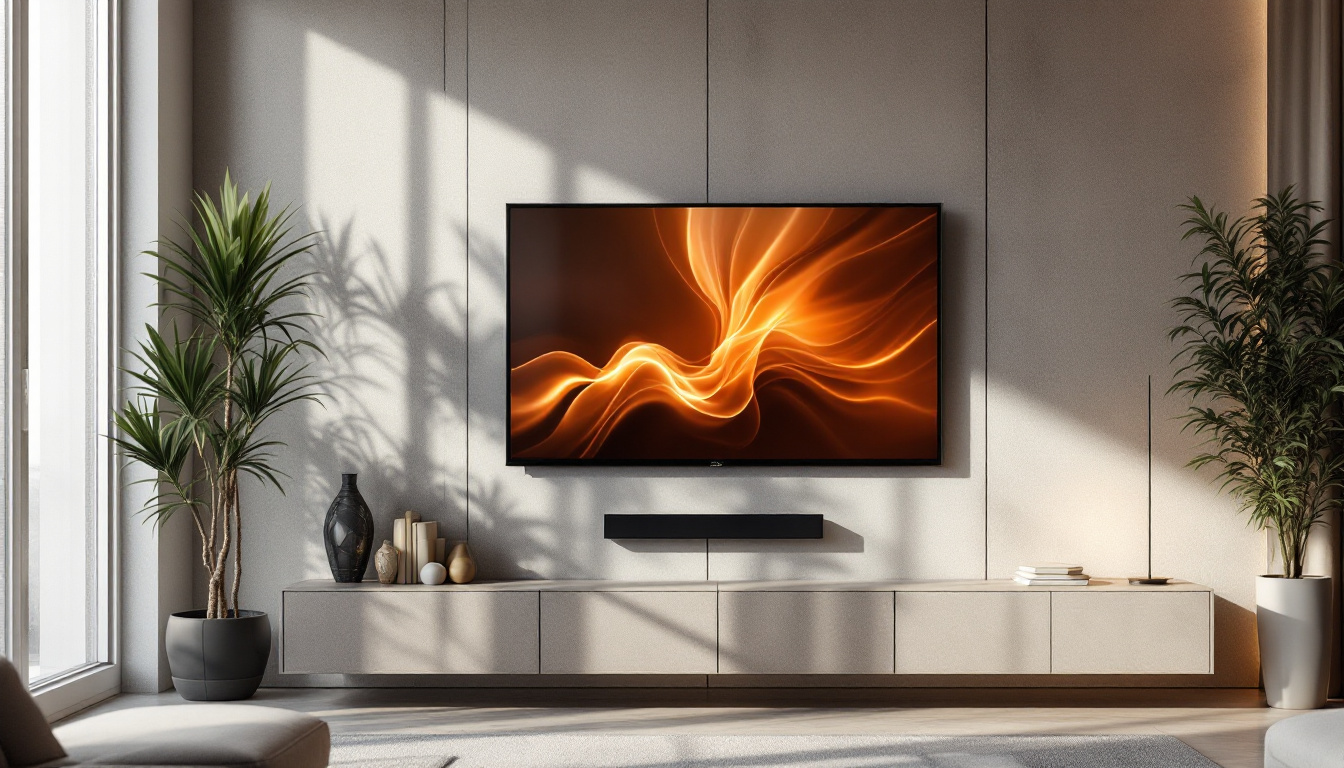
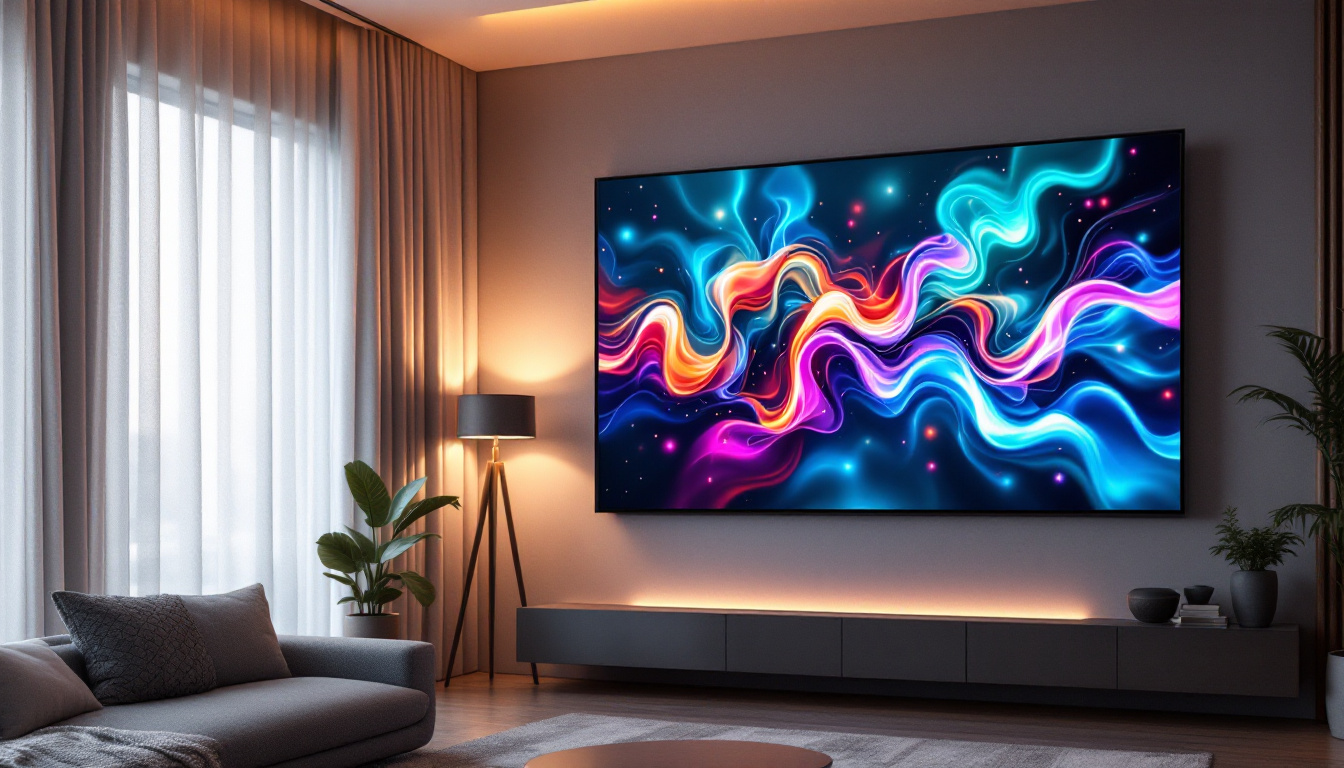
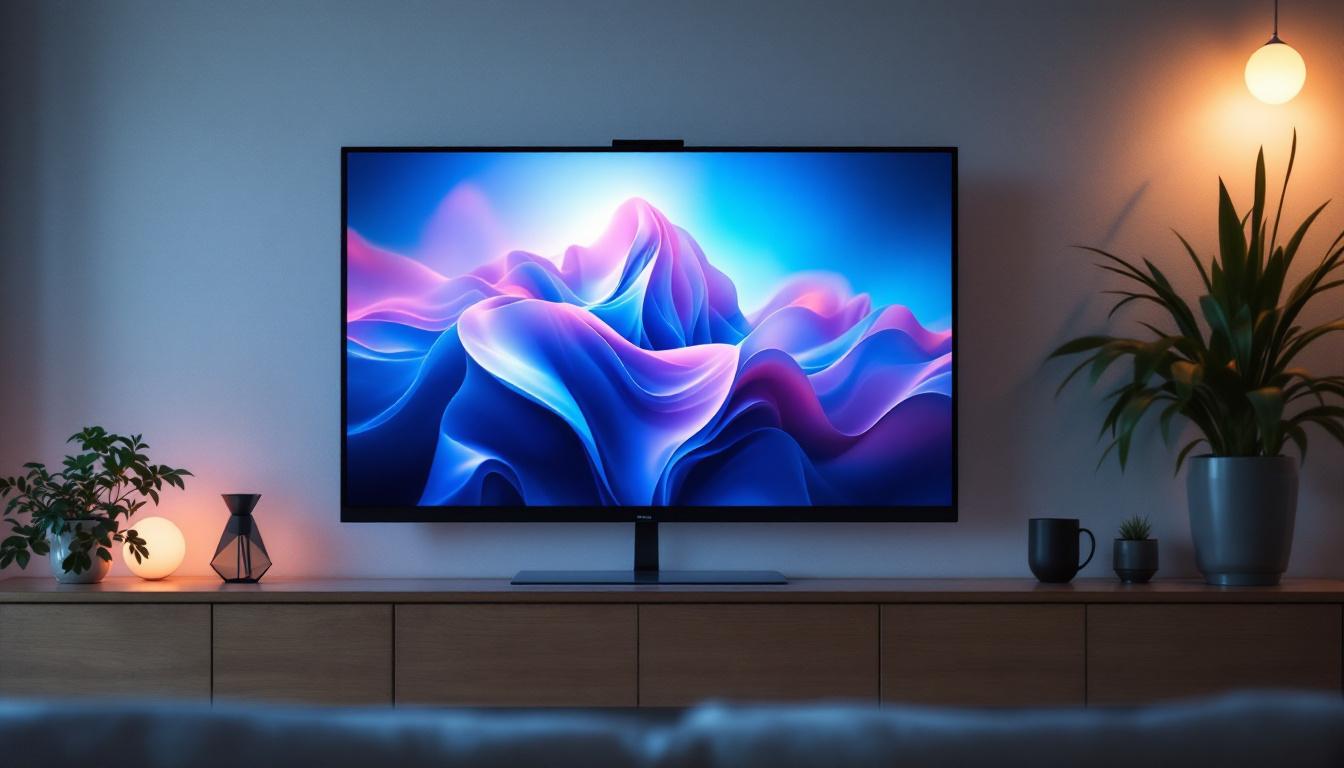
LED technology allows for slimmer and lighter monitor designs. This feature is particularly beneficial in modern office environments where aesthetics and space-saving are priorities. Wall-mounted LED monitors can blend seamlessly into conference room decor without occupying valuable table space.
Additionally, the lightweight nature of LED displays makes them easier to install and reposition, allowing for greater flexibility in room layouts. This adaptability is particularly useful for businesses that frequently host different types of meetings or events, as it enables quick reconfigurations of the space to suit various needs. The sleek design also enhances the overall professional appearance of the conference room, creating an inviting atmosphere for both employees and clients.
Enhanced Color Accuracy and Wide Viewing Angles
Color accuracy is essential for presentations that involve detailed graphics, charts, or branding elements. LED-backlit LCDs typically offer a wider color gamut and better color reproduction than older technologies, ensuring that visuals are rendered faithfully.
Additionally, LED displays provide wide viewing angles, allowing participants seated at the sides of the room to see the screen clearly without color shifting or brightness loss. This inclusivity enhances engagement and communication during meetings. The ability to maintain consistent color and brightness across a wide viewing area is particularly advantageous in collaborative environments, where team members may be taking notes or discussing content while seated at various angles. As a result, LED displays not only improve the quality of presentations but also foster a more interactive and participatory atmosphere during discussions.
Key Features to Consider When Choosing an LED Conference Room Monitor
Screen Size and Resolution
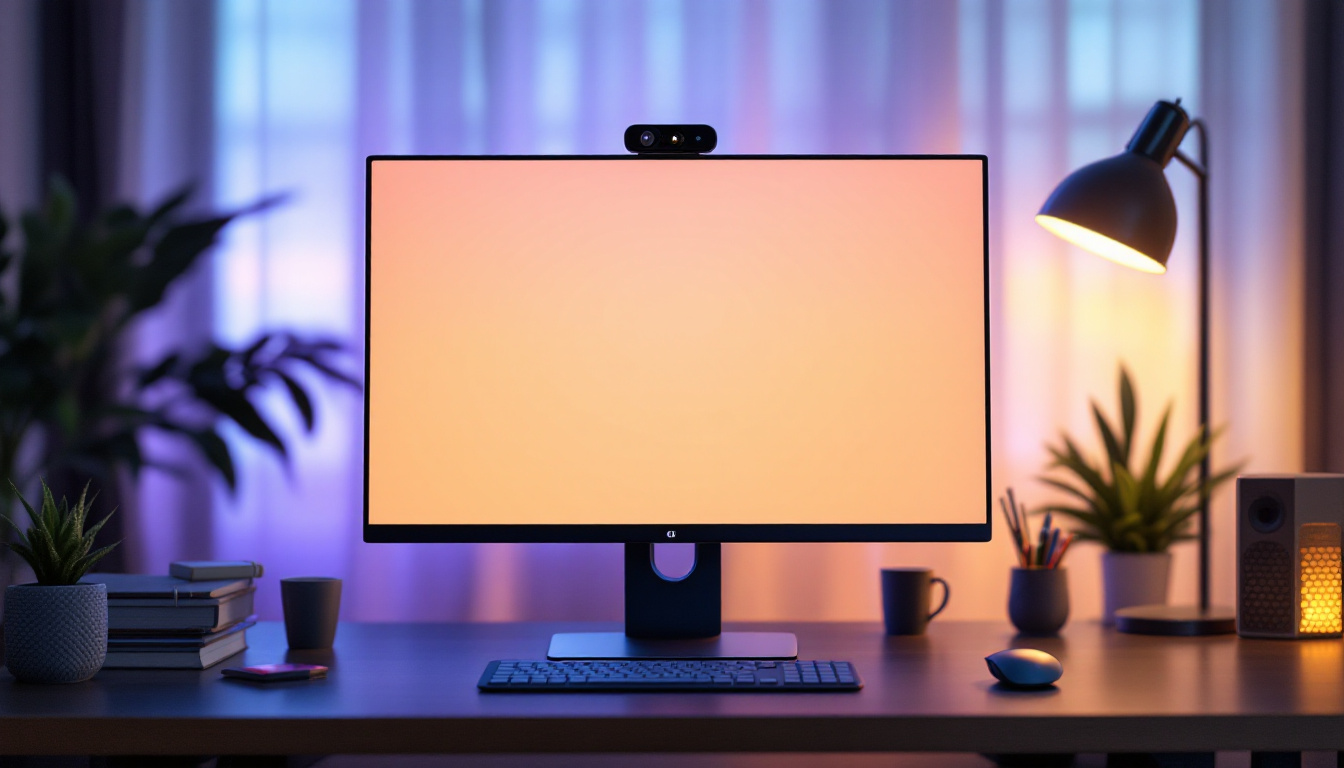
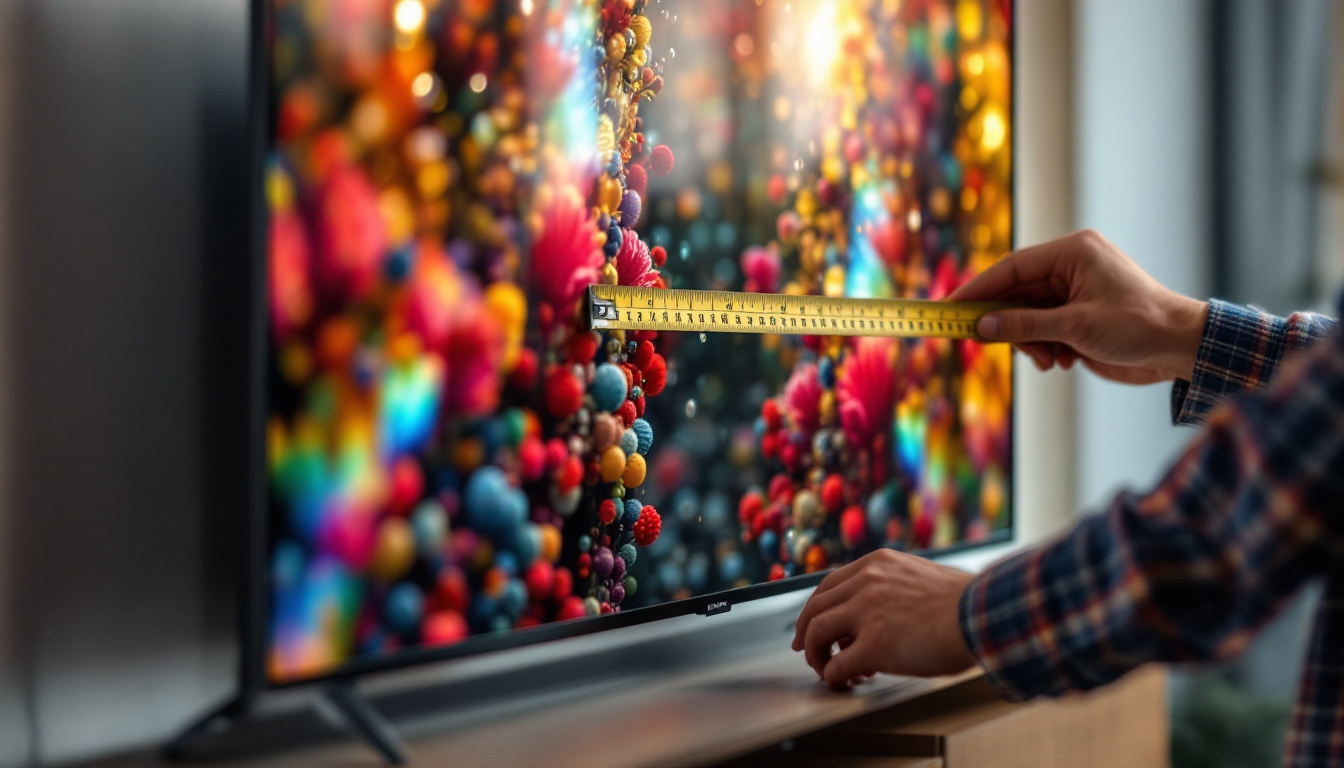
The size of the display should correspond to the size of the conference room and the number of participants. For small to medium rooms, monitors ranging from 55 to 75 inches are generally sufficient. Larger rooms may require displays exceeding 85 inches or even video walls composed of multiple LED panels.
Resolution is equally important. Full HD (1920×1080) is the minimum recommended resolution for clear text and images. However, 4K UHD (3840×2160) is becoming increasingly popular for its ability to display finer details and support multitasking with split-screen presentations.
Connectivity Options
Modern conference room monitors should offer a variety of connectivity options to accommodate different devices and presentation formats. Common interfaces include HDMI, DisplayPort, USB-C, and wireless casting technologies such as Miracast or AirPlay.
Some LED monitors also feature integrated collaboration tools like touchscreens or built-in conferencing cameras and microphones, which can simplify meeting setups and enhance interactivity.
Brightness and Contrast Ratio
Brightness is measured in nits, and for conference rooms with ambient light, a display with at least 350 to 500 nits is advisable. Higher brightness ensures visibility even in well-lit environments. Contrast ratio, the difference between the darkest black and brightest white, affects image depth and clarity; a higher contrast ratio contributes to better visual experiences.
Durability and Warranty
Since conference room monitors are used regularly, durability is a key consideration. Look for models with robust build quality and protective features like anti-glare coatings. Additionally, a comprehensive warranty and responsive customer support can mitigate downtime and maintenance costs.
Implementing LED Displays in Conference Rooms: Best Practices
Optimizing Room Lighting
Even the best LED display can underperform if the room lighting is not optimized. Avoid placing screens opposite large windows or bright light sources that cause glare. Use adjustable blinds or curtains to control natural light, and consider installing dimmable LED overhead lighting to complement the display’s brightness.
Positioning and Mounting
Proper placement of the LED monitor ensures maximum visibility and comfort. The ideal height is at eye level for seated participants, and the screen should be centered relative to the seating arrangement. Wall mounts with adjustable tilt and swivel functions provide flexibility to accommodate different meeting setups.
Integrating with Collaboration Tools
LED displays can be integrated with video conferencing systems, interactive whiteboards, and wireless presentation platforms to create seamless collaborative environments. Ensure compatibility between the display and existing AV equipment to avoid connectivity issues during meetings.
Future Trends in LED Conference Room Displays
MicroLED and MiniLED Technologies
Emerging technologies like MicroLED and MiniLED promise to revolutionize conference room displays. MicroLEDs consist of microscopic LEDs that offer superior brightness, contrast, and energy efficiency without the burn-in issues associated with OLEDs. MiniLEDs use smaller LEDs for backlighting, enhancing local dimming capabilities and improving image quality.
These advancements will likely lead to thinner, brighter, and more durable displays, further enhancing the meeting experience.
AI-Powered Display Enhancements
Artificial intelligence is beginning to influence display technology by enabling features such as automatic brightness adjustment, ambient noise detection, and real-time image optimization. AI can also facilitate smarter collaboration tools by recognizing participants and tailoring content delivery accordingly.
Sustainability and Eco-Friendly Designs
With growing emphasis on sustainability, manufacturers are developing LED monitors with recyclable materials, reduced hazardous substances, and improved energy efficiency. Choosing eco-friendly displays aligns with corporate social responsibility goals and reduces environmental impact.
Conclusion
LED display monitors have become the cornerstone of modern conference rooms due to their superior image quality, energy efficiency, and versatile design options. Understanding the underlying technology and key features enables businesses to select the right display that enhances communication and collaboration.
As display technologies continue to evolve, investing in high-quality LED monitors today ensures a future-proof conference room setup that supports dynamic, engaging, and productive meetings.
Discover LumenMatrix’s Advanced LED Display Solutions
Ready to elevate your conference room with the latest in LED display technology? LumenMatrix is at the forefront of creating immersive visual experiences that captivate and communicate with unmatched clarity. From versatile Indoor LED Wall Displays to impactful Outdoor LED Wall Displays, and from dynamic Vehicle LED Displays to sleek LED Poster Displays, our solutions are designed to meet the diverse needs of modern businesses. Explore our innovative LED Sports Displays, interactive Floor LED Displays, and the customization possibilities with our Custom LED Displays. Experience the future of visual engagement with our All-in-One LED Displays and LED Transparent Displays. Transform your conference room and empower your brand’s message by visiting LumenMatrix LED Display Solutions today.