Entertainment Center Wall Unit For 85 Inch TV: LED Display Explained
In today’s home entertainment landscape, the television is the centerpiece of many living rooms. With the rise of ultra-large screens, such as the impressive 85-inch TVs, the demand for suitable entertainment center wall units has skyrocketed. But beyond just size compatibility, modern wall units now integrate advanced LED display technology to enhance the viewing experience and complement the aesthetics of your space.
This article delves into the nuances of choosing the perfect entertainment center wall unit for an 85-inch TV, with a special focus on LED displays. From understanding LED technology to design considerations and installation tips, this comprehensive guide will help homeowners and enthusiasts make informed decisions.
Understanding LED Display Technology in Entertainment Centers
What is an LED Display?
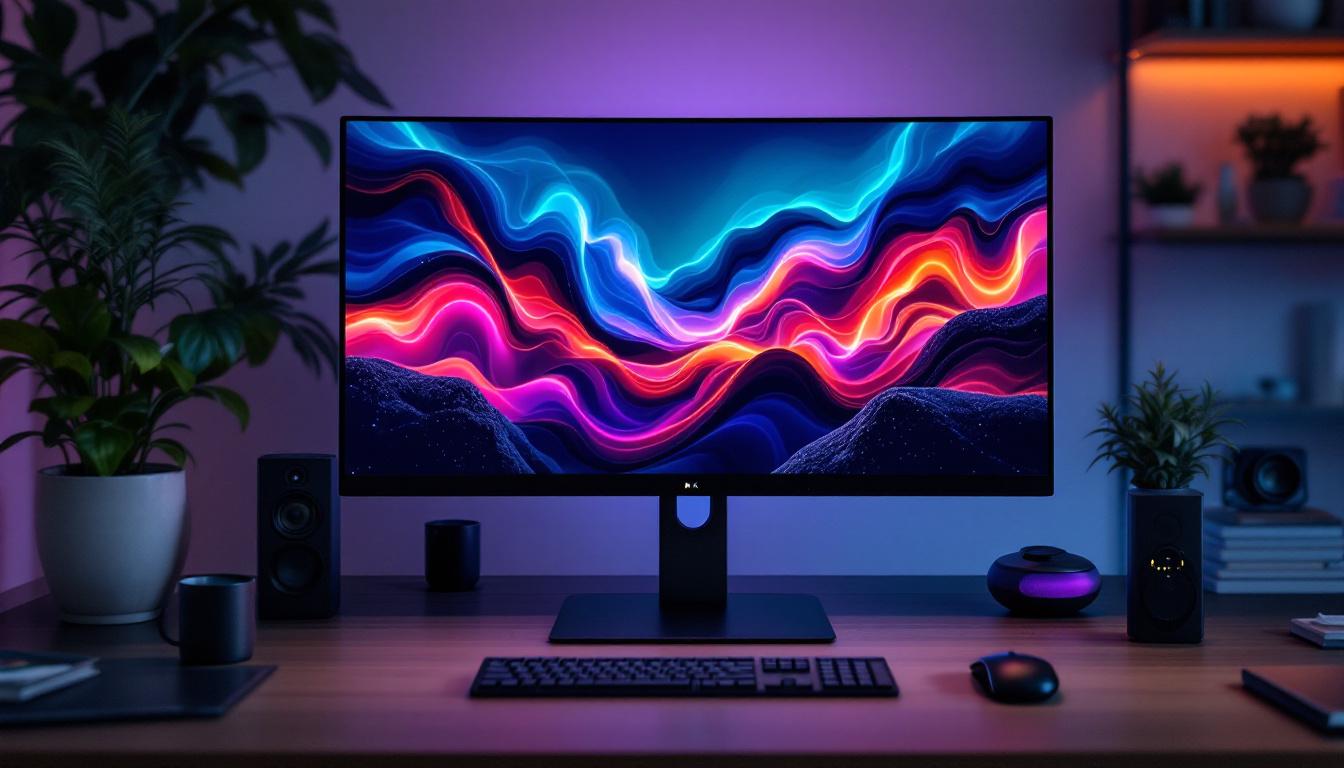
LED stands for Light Emitting Diode, a technology that has revolutionized display screens over the past decade. Unlike traditional LCDs that rely on fluorescent backlighting, LED displays use tiny diodes that emit light when an electric current passes through them. This results in brighter images, better contrast, and more energy efficiency.
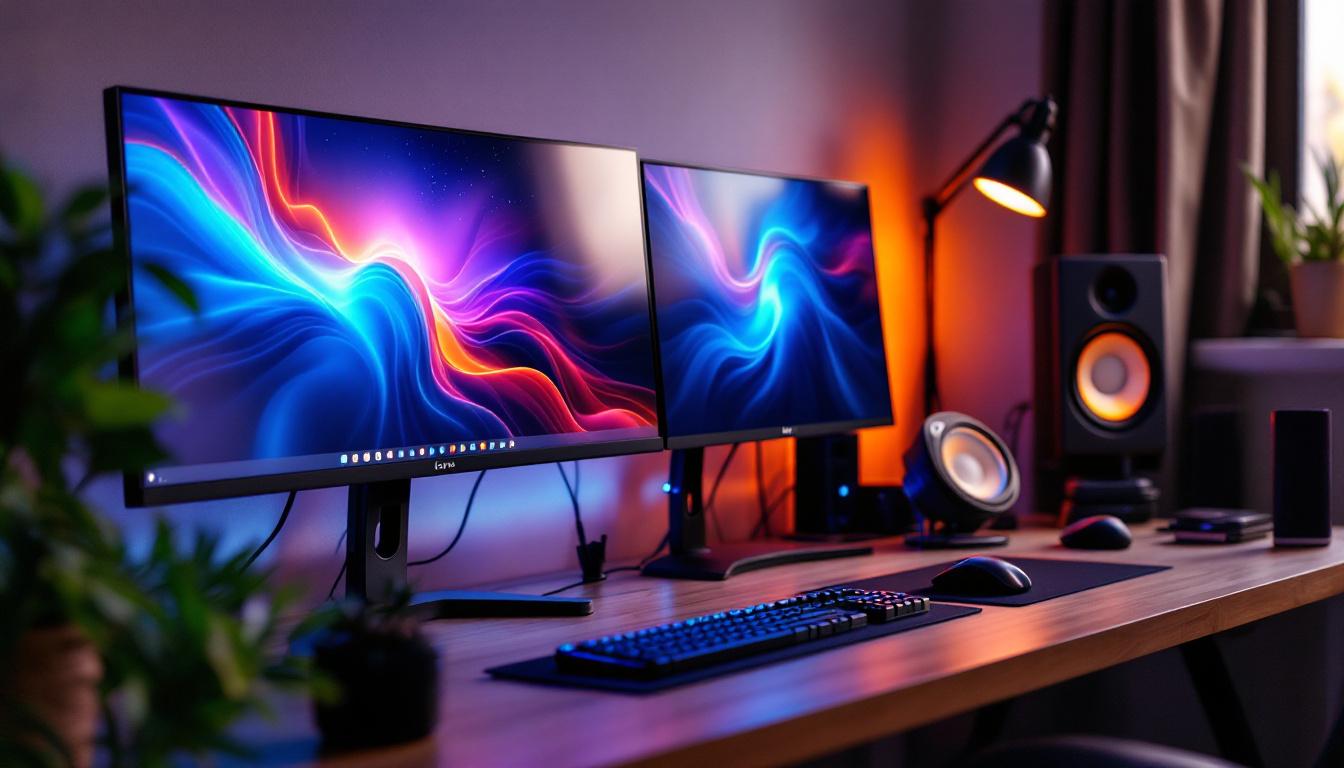
When integrated into entertainment center wall units, LED technology can refer to both the TV screen itself and ambient or accent lighting embedded within the unit. These lighting features not only enhance the visual appeal but also reduce eye strain by providing balanced illumination around the screen. Furthermore, the versatility of LED lighting allows for customizable color options, enabling users to create the perfect atmosphere for movie nights or gaming sessions. By adjusting the lighting to match the content on screen, viewers can immerse themselves fully in the experience, making it more enjoyable and engaging.
Why LED Displays Matter for Large TVs
For an 85-inch TV, the quality of the display is paramount. LED technology ensures that even on such a large canvas, images remain crisp, vibrant, and immersive. According to a 2023 report by the Consumer Technology Association, LED TVs account for over 75% of the global TV market share, largely due to their superior picture quality and energy efficiency.
Moreover, LED backlighting allows for thinner TV designs, which directly influences the type of wall unit needed. A bulky cabinet designed for older, thicker TVs may not suit the sleek profile of an LED TV, making it essential to consider the display technology when selecting an entertainment center. The design of these wall units can also incorporate cable management solutions, ensuring that the aesthetic remains clean and uncluttered. As a result, consumers can enjoy a seamless viewing experience without the distraction of tangled wires or unsightly cords, further enhancing the overall appeal of their entertainment setup.
Designing the Perfect Entertainment Center Wall Unit for an 85 Inch TV
Size and Proportion Considerations
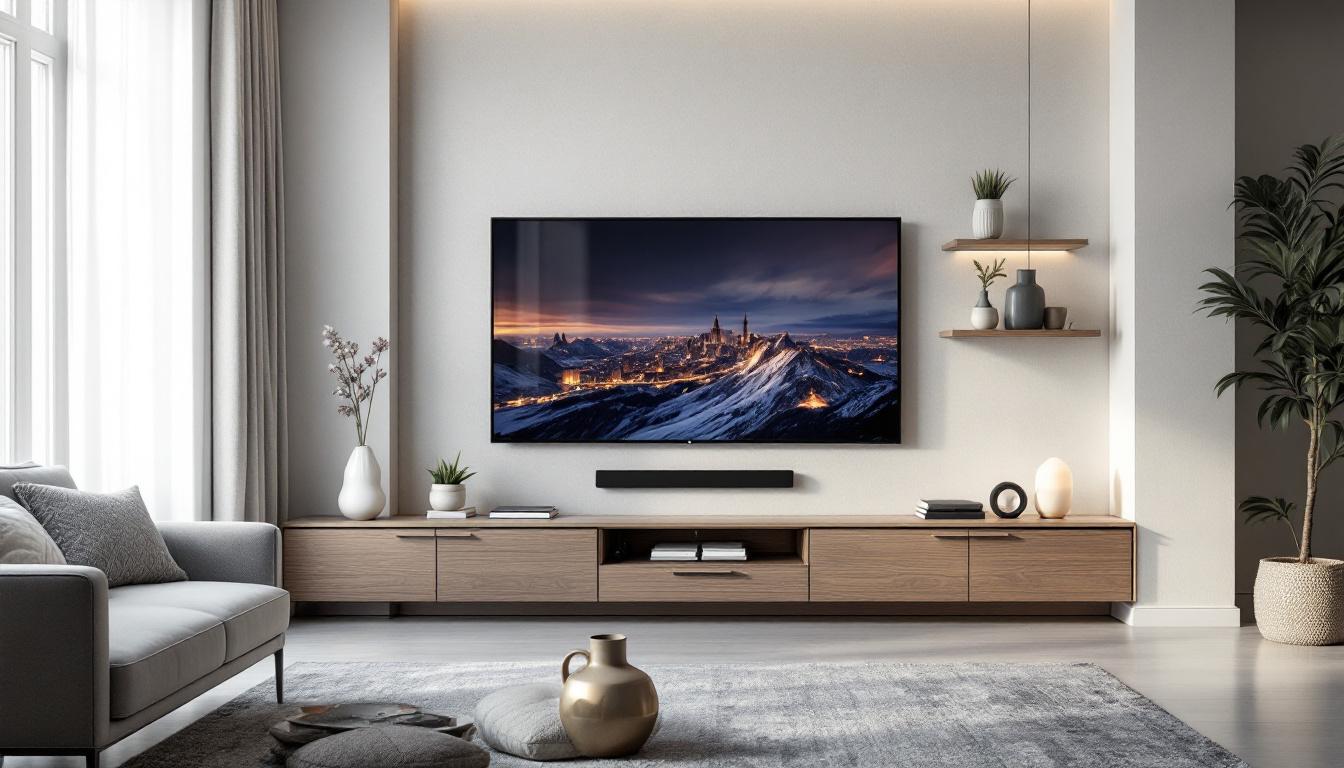
An 85-inch TV measures approximately 74 inches wide and 42 inches tall, which is a substantial presence in any room. The entertainment center wall unit must accommodate this size comfortably while maintaining balance and proportion.
Experts recommend leaving at least 2 to 4 inches of clearance on each side of the TV within the unit to ensure proper ventilation and ease of installation. Additionally, the height of the unit should position the center of the screen at eye level when seated, typically around 42 to 48 inches from the floor. This height not only enhances viewing comfort but also prevents neck strain during extended viewing sessions. Furthermore, consider the depth of the unit; it should be deep enough to support the TV securely while allowing for additional components like soundbars or gaming consoles without overcrowding the space.
Material Choices and Durability
Materials play a crucial role not only in the aesthetics but also in the longevity of the entertainment center. Popular options include solid wood, engineered wood with veneer finishes, metal accents, and tempered glass shelves.
Solid wood units offer durability and a classic look but can be heavy and expensive. Engineered wood provides a cost-effective alternative with a variety of finishes, while metal and glass elements add a modern touch. For LED integration, materials that allow for cable management and heat dissipation are essential to maintain performance and safety. Moreover, consider finishes that resist scratches and stains, especially if the unit will be in a high-traffic area or if children or pets are present. This attention to detail not only prolongs the life of the unit but also ensures it remains a stylish centerpiece in your living space for years to come.
Incorporating LED Accent Lighting
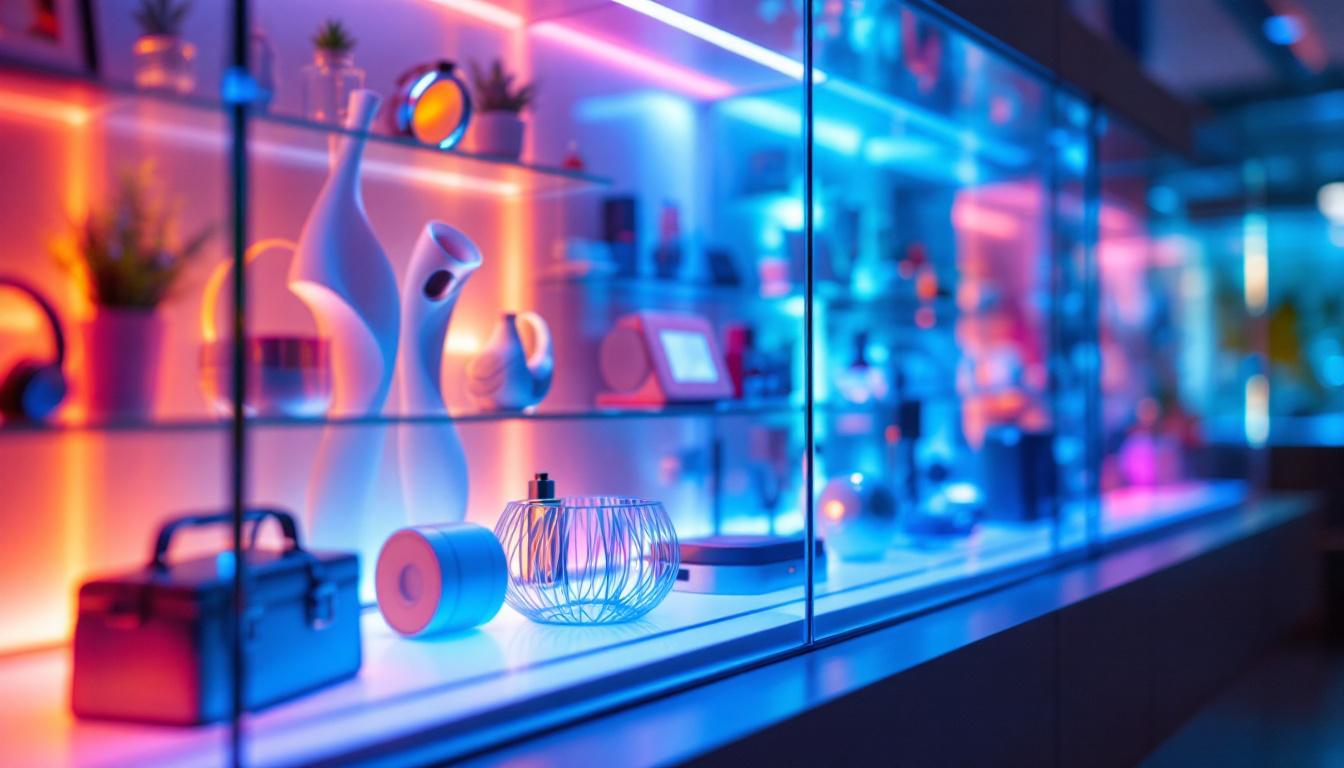
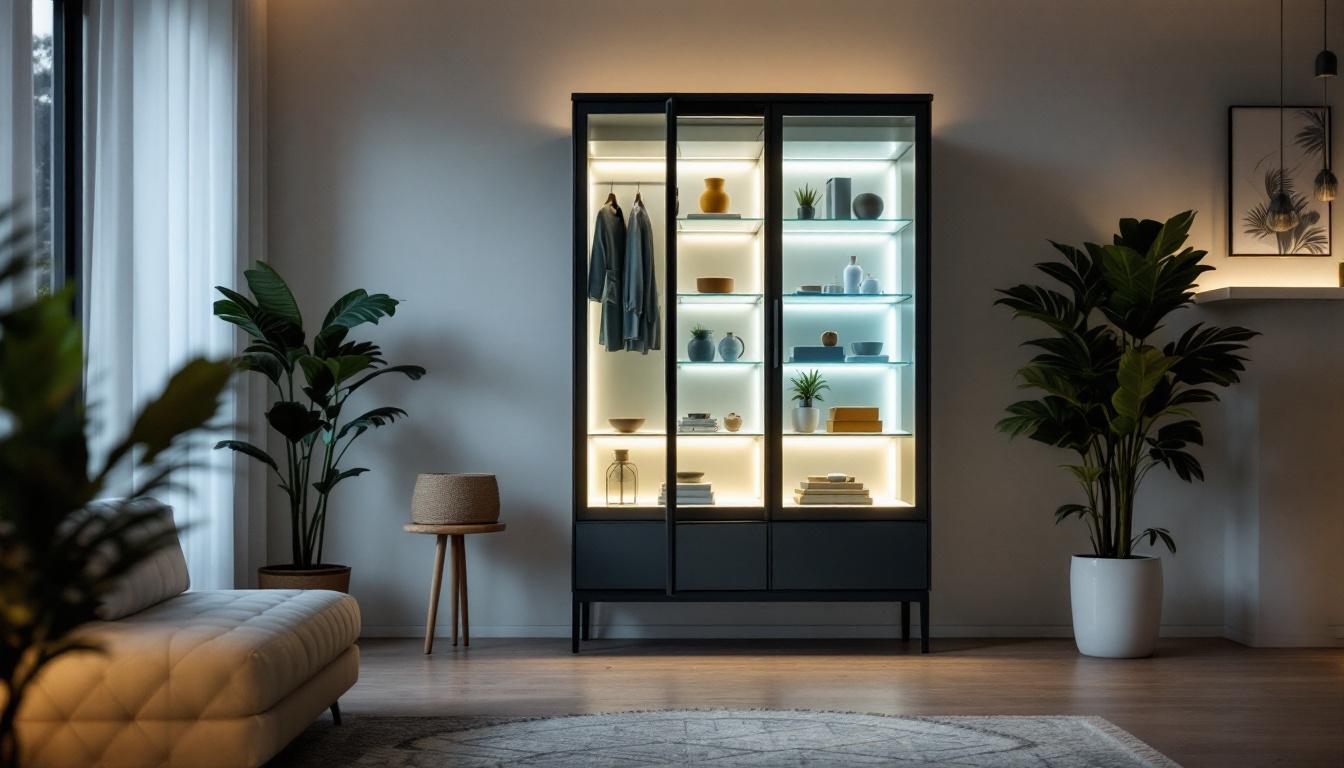
Many contemporary entertainment centers now feature built-in LED accent lighting. These lights can be customized in color and intensity to complement the TV’s display or the room’s mood. RGB LED strips, for example, can create dynamic backlighting effects that enhance the viewing experience.
Beyond aesthetics, LED lighting can serve practical purposes such as illuminating shelves, highlighting décor, or providing soft ambient light during movie nights. When selecting a unit, consider models with adjustable LED settings or the ability to retrofit lighting kits. Additionally, smart lighting options that can be controlled via mobile apps or voice assistants offer convenience and flexibility, allowing you to set the perfect atmosphere for any occasion. This integration of technology not only enhances the visual appeal of your entertainment center but also elevates your overall viewing experience, making it a focal point of your home entertainment setup.
Technical Considerations for LED Display Integration
Ventilation and Heat Management
Large LED TVs generate heat, and when housed within an entertainment center, proper ventilation is critical to prevent overheating. Wall units designed for 85-inch TVs often include ventilation slots or open-back designs to facilitate airflow.
Incorporating LED lighting adds another layer of heat sources, so ensuring that the unit’s materials and design can handle this is vital. Some manufacturers use heat-resistant materials or built-in cooling fans to maintain optimal operating temperatures.
Cable Management and Connectivity
With large TVs and multiple peripherals such as soundbars, gaming consoles, streaming devices, and Blu-ray players, cable clutter can quickly become an issue. Modern entertainment centers often include dedicated cable channels, grommets, and hidden compartments to keep wires organized and out of sight.
LED displays and lighting systems also require power sources and control interfaces. Units with built-in USB ports, power strips, or smart home integration capabilities offer enhanced convenience and a cleaner setup.
Mounting and Structural Support
An 85-inch TV can weigh upwards of 70 pounds, depending on the model. The entertainment center wall unit must provide sturdy support, whether it’s a freestanding cabinet or a wall-mounted system.
Wall-mounted units should be anchored to studs or reinforced drywall to ensure safety. Additionally, the mounting bracket used for the TV should be compatible with the unit’s design and the TV’s VESA mounting pattern. Some units come with integrated mounting solutions designed specifically for large LED TVs.
Popular Styles and Trends in Entertainment Center Wall Units for 85 Inch TVs
Minimalist and Modern Designs
Minimalism remains a dominant trend in home entertainment furniture. Sleek lines, neutral colors, and hidden storage compartments create a clean, uncluttered look that highlights the TV as the focal point. LED accent lighting is often used subtly to add warmth without overwhelming the space.
Materials like matte black metal frames combined with light wood or white lacquer finishes are popular choices, reflecting a contemporary aesthetic that complements modern LED TVs.
Rustic and Industrial Styles
For those who prefer a cozier, more textured look, rustic and industrial designs offer a unique charm. Reclaimed wood, exposed metal brackets, and distressed finishes create a warm, inviting atmosphere.
LED lighting in these styles tends to be warmer in tone, enhancing the natural textures and creating a balanced contrast with the high-tech LED TV screen.
Custom-Built Units
Custom cabinetry remains a favored option for homeowners with specific spatial or design requirements. Tailored units can integrate LED lighting, sound systems, and storage solutions precisely suited to the room and the 85-inch TV.
While custom builds are more expensive, they offer unmatched flexibility and can incorporate smart home technologies, such as voice-activated lighting control or automated shades, to create a truly immersive entertainment environment.
Installation Tips and Best Practices
Preparing the Space
Before purchasing or installing an entertainment center wall unit, measure the room carefully. Consider the viewing distance, which for an 85-inch TV is ideally between 10 to 15 feet to optimize picture clarity and viewer comfort.
Also, assess lighting conditions in the room. Natural light can cause glare on LED screens, so positioning the unit away from direct sunlight or incorporating blackout curtains may be necessary.
Professional Installation vs. DIY
While many wall units are designed for easy assembly, the size and weight of an 85-inch TV often warrant professional installation. Experts can ensure secure mounting, proper cable management, and optimal placement for ventilation and viewing angles.
DIY installations are feasible for those with experience and the right tools, but it’s important to follow manufacturer guidelines closely and verify that the wall and unit can support the TV’s weight safely.
Maintaining Your Entertainment Center and LED Display
Regular maintenance extends the life of both the TV and the entertainment center. Dust accumulation can affect LED display performance and ventilation, so cleaning should be done gently with microfiber cloths and appropriate electronics-safe products.
Check LED lighting components periodically for any signs of wear or malfunction. Many LED systems are modular, allowing for easy replacement of strips or bulbs without dismantling the entire unit.
Conclusion: Enhancing Your Viewing Experience with the Right Entertainment Center
Choosing an entertainment center wall unit for an 85-inch TV is more than just a matter of size compatibility. It involves understanding the intricacies of LED display technology, design aesthetics, structural support, and practical functionality.
With the right unit, homeowners can create a stunning focal point that not only showcases their impressive LED TV but also elevates the entire room’s ambiance. Whether opting for a minimalist modern design or a custom-built masterpiece, integrating LED lighting thoughtfully enhances both form and function.
Investing time in research and planning ensures that the entertainment center will serve as a durable, stylish, and technologically advanced hub for years of immersive entertainment.
Discover the Future of Home Entertainment with LumenMatrix
Ready to take your home entertainment to the next level? LumenMatrix is at the forefront of LED display innovation, offering a wide array of solutions that transform your viewing experience. From immersive Indoor LED Wall Displays to vibrant Outdoor LED Wall Displays, and even Custom LED Displays tailored to your space, LumenMatrix has the technology to bring your vision to life. Elevate your entertainment center with cutting-edge LED displays that promise to captivate and engage. Check out LumenMatrix LED Display Solutions today and join the revolution in visual communication.