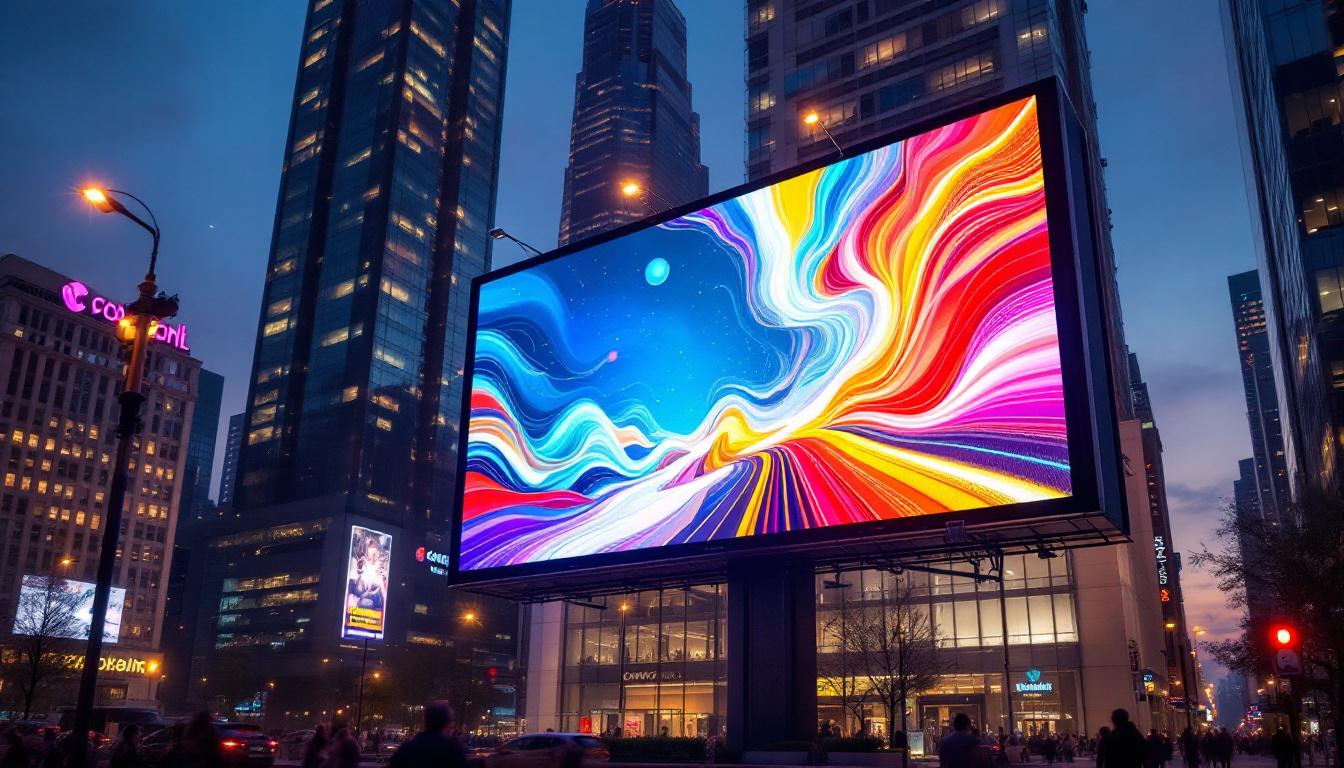
In today’s fast-paced advertising world, LED billboards have become a dominant force, captivating audiences with their vibrant displays and dynamic content. However, the cost to build an LED billboard can vary widely depending on numerous factors including size, location, technology, and installation requirements. This comprehensive guide breaks down the essential components and costs involved in building an LED billboard, helping businesses and advertisers make informed decisions.
Understanding LED Billboards: What Makes Them Unique?
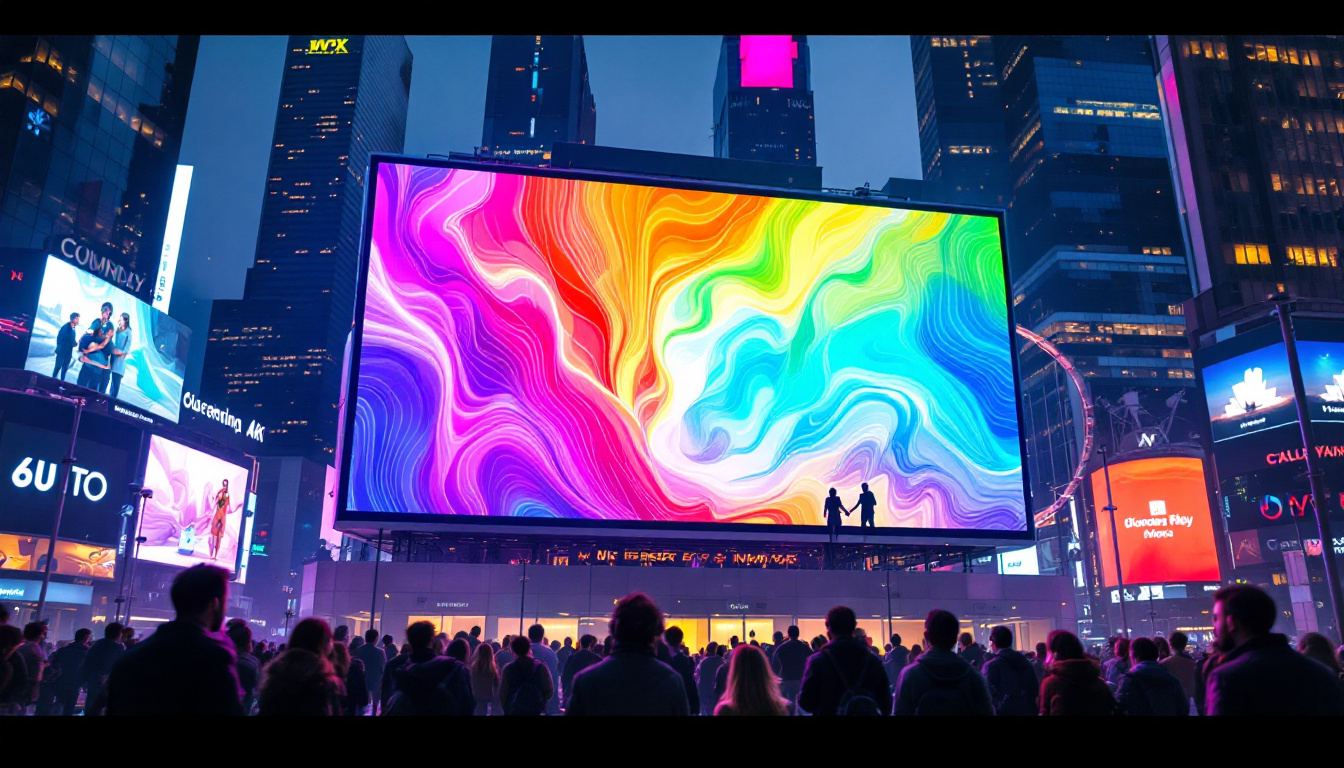
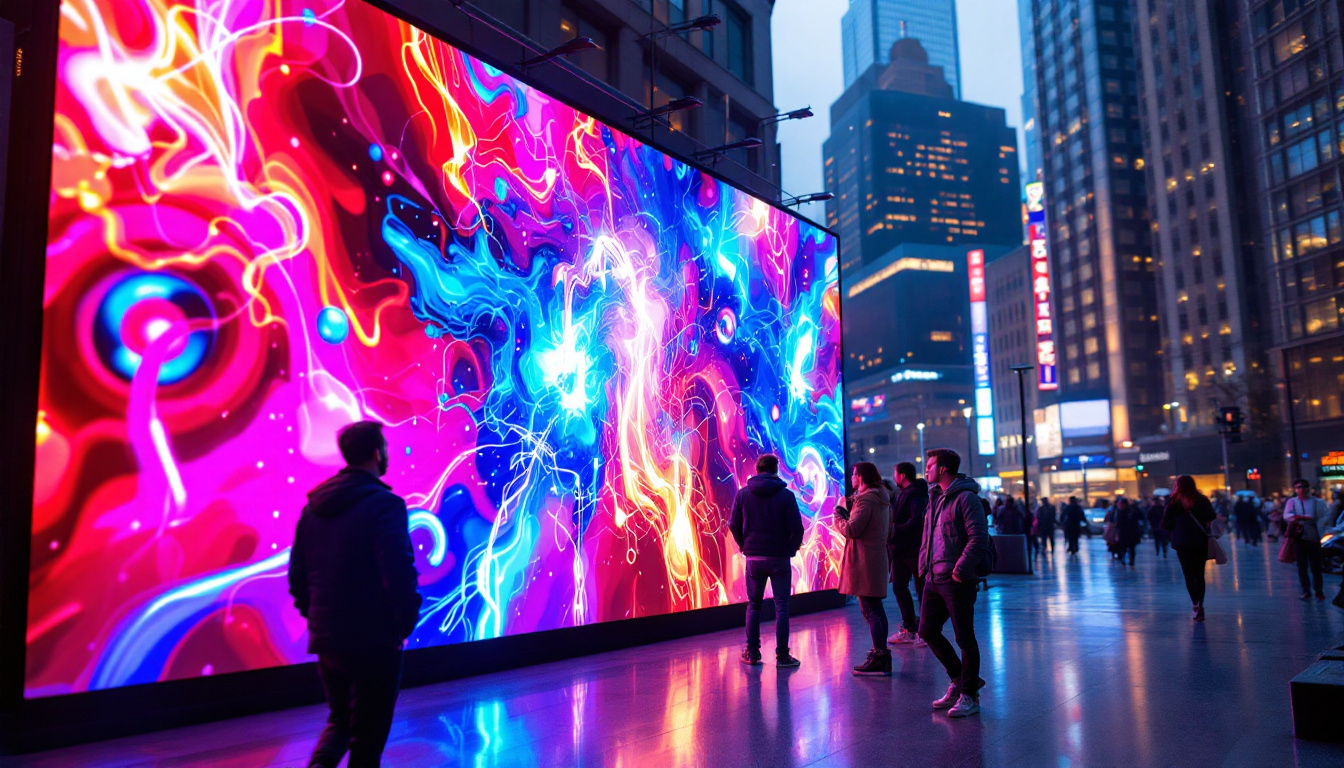
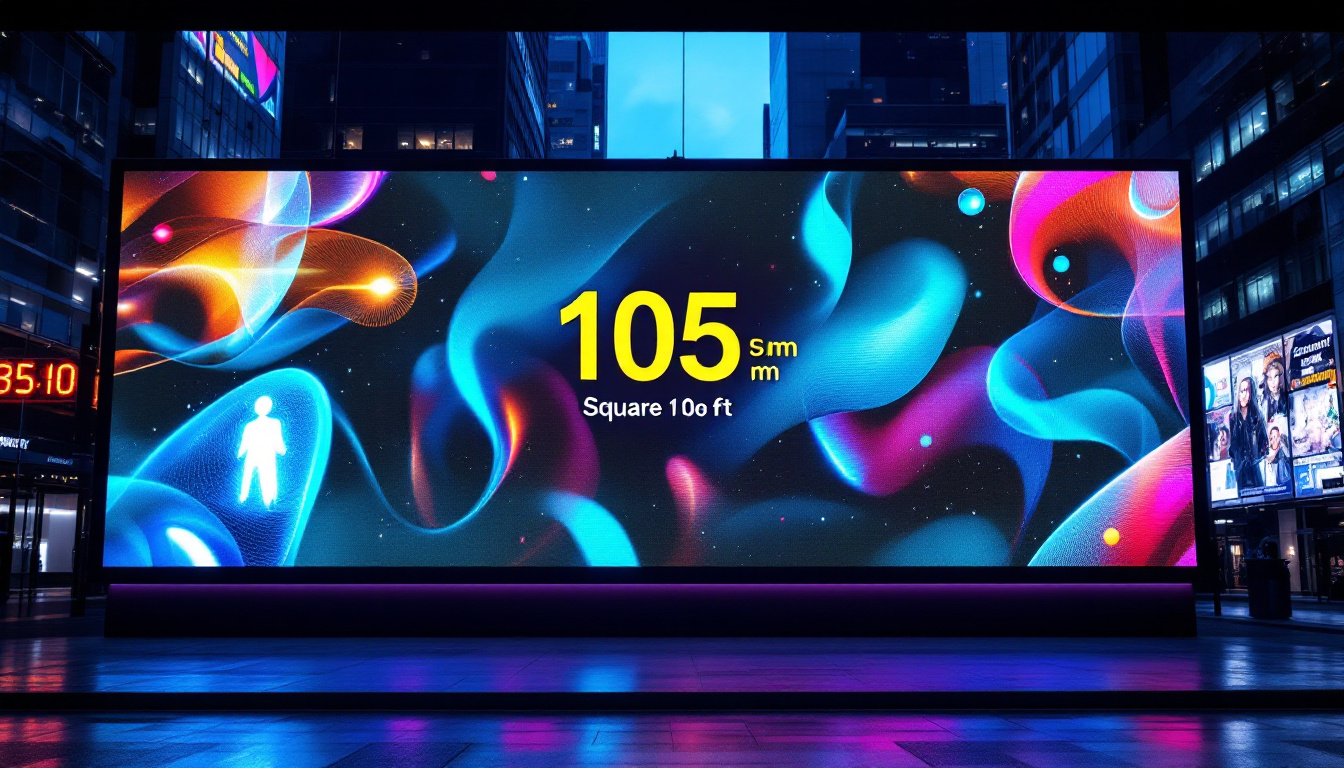
LED billboards differ significantly from traditional static billboards. Instead of printed vinyl or paper, LED billboards use thousands of tiny light-emitting diodes to create bright, colorful images and videos that can be changed instantly. This flexibility allows advertisers to display multiple ads, update content remotely, and even incorporate real-time data such as weather or social media feeds. The dynamic nature of LED billboards not only captures attention but also enhances audience engagement, making them a popular choice for advertisers looking to make a memorable impact.
The advantages of LED displays include higher visibility in various lighting conditions, longer lifespan compared to traditional billboards, and the ability to engage viewers with motion and animation. However, these benefits come with increased upfront costs and technical considerations. For instance, the initial investment can be substantial, but many businesses find that the return on investment is justified by the increased engagement and higher advertising rates they can command with such eye-catching displays.
Key Components of an LED Billboard
To understand the cost structure, it’s important to recognize the main components that make up an LED billboard:
- LED Modules: These are the panels composed of LEDs that form the display surface. Their quality and pixel pitch (distance between LEDs) directly affect resolution and clarity. A lower pixel pitch means a higher resolution, which is crucial for displaying detailed images and videos that can be viewed from a distance.
- Control System: Hardware and software that manage the content display, scheduling, and brightness adjustments. Advanced control systems can also facilitate remote updates and diagnostics, allowing operators to monitor performance and troubleshoot issues without needing to be on-site.
- Structural Framework: The physical support structure, including poles, frames, and mounts, designed to withstand weather and local regulations. This framework must be engineered to handle wind loads and other environmental factors, ensuring the billboard remains safe and stable over time.
- Power Supply and Wiring: Electrical components required to power the LED modules and control systems safely. Efficient power management is essential, as LED billboards can consume significant energy, especially when displaying bright, dynamic content.
- Installation and Site Preparation: Costs related to preparing the site, obtaining permits, and physically installing the billboard. This process often involves collaboration with local authorities to ensure compliance with zoning laws and safety regulations, which can vary widely by location.
In addition to these components, ongoing maintenance is a crucial aspect of LED billboard operation. Regular cleaning and inspections help ensure optimal performance and longevity of the display. Technicians may need to replace faulty LEDs or update software to keep the system running smoothly. Furthermore, as technology evolves, billboard operators may find it beneficial to upgrade their systems to incorporate new features, such as enhanced interactivity or improved energy efficiency, which can further enhance the effectiveness of their advertising strategies.
Another interesting aspect of LED billboards is their role in the broader context of digital advertising. As consumers increasingly engage with digital content on their devices, LED billboards serve as a bridge between the physical and digital worlds. They can be synchronized with mobile campaigns, allowing for cohesive messaging that reaches audiences across multiple platforms. This integration not only amplifies brand visibility but also provides valuable data insights, helping advertisers refine their strategies based on real-time audience interactions and preferences.
Factors Influencing the Cost to Build an LED Billboard
The cost of constructing an LED billboard can range from tens of thousands to several hundred thousand dollars. Understanding the variables that influence these costs helps advertisers budget effectively.
1. Size and Resolution
The size of the billboard is the most obvious factor affecting cost. Larger billboards require more LED modules and a more robust structural framework. For example, a 10×20 foot billboard will be significantly less expensive than a 14×48 foot billboard, which is a common size for highway advertising.
Resolution, determined by pixel pitch, also impacts price. A smaller pixel pitch (e.g., 10mm or less) means higher resolution and sharper images but increases the number of LEDs required and thus the cost. For billboards viewed from a distance, a pixel pitch of 16mm to 20mm is often sufficient and more cost-effective.
2. Location and Permitting
Location plays a critical role in cost. Urban areas with high traffic and visibility demand premium pricing for permits and may require more complex foundations or structural reinforcements due to zoning laws and safety regulations. Additionally, some cities have strict guidelines on billboard size, brightness, and placement, which can increase design and compliance costs.
Rural or less regulated areas might have fewer restrictions, but the return on investment may be lower due to reduced audience reach.
3. Technology and Features
Modern LED billboards can include advanced features such as:
- Remote content management systems accessible via the internet.
- Brightness sensors to adjust display intensity based on ambient light.
- Energy-efficient LED modules that reduce power consumption.
- Interactive elements, such as QR codes or motion sensors.
Each additional feature adds to the initial cost but can improve the billboard’s effectiveness and operational efficiency.
4. Installation and Maintenance
Installation costs can vary depending on site accessibility, foundation requirements, and labor rates. For example, installing a billboard on a busy highway may require traffic control measures, increasing costs.
Maintenance is another ongoing expense. LED modules typically have a lifespan of 100,000 hours, but individual LEDs or power supplies may fail and require replacement. Budgeting for routine inspections, cleaning, and repairs is essential for long-term operation.
Detailed Cost Breakdown of Building an LED Billboard
To provide a clearer picture, here is a detailed breakdown of the typical costs involved in building an LED billboard:
LED Display Panels
The LED modules are the core of the billboard and usually represent about 40-50% of the total cost. Prices vary based on pixel pitch and panel quality. For example:
- A 10mm pixel pitch LED panel might cost around $500 to $700 per square meter.
- A 16mm pixel pitch panel could cost between $300 and $450 per square meter.
For a 10×20 foot (approximately 18.6 square meters) billboard, the LED panels alone could cost between $5,580 and $13,020.
Structural Framework and Mounting
The supporting structure must be engineered to handle wind loads, weight, and local building codes. Steel frameworks with corrosion-resistant coatings are common. Costs typically range from $10,000 to $25,000 depending on size and complexity.
Control System and Software
Control systems include media players, software licenses, and sometimes network equipment for remote management. These can cost between $2,000 and $7,000 depending on sophistication.
Electrical and Power Components
Power supplies, wiring, and electrical safety components usually cost between $3,000 and $8,000. Energy-efficient LED modules and smart power management can reduce ongoing electricity costs.
Installation and Site Preparation
Site preparation may involve foundation work, electrical hookups, and permits. Installation labor costs vary widely but typically range from $5,000 to $15,000.
Permitting and Legal Fees
Obtaining permits can cost anywhere from a few hundred dollars to over $10,000 depending on jurisdiction. Legal fees for zoning compliance and environmental assessments may add to this.
Maintenance and Operational Costs
While not part of the initial build cost, maintenance should be considered. Annual maintenance contracts can range from $1,000 to $5,000, depending on the size and complexity of the billboard.
Examples of Real-World LED Billboard Costs
To illustrate the range of costs, consider these examples:
Small Local Business Billboard
A 10×20 foot billboard with a 16mm pixel pitch installed in a suburban area might have a total cost around $40,000 to $60,000. This includes LED panels, structure, installation, and permits. Such a billboard is ideal for local advertising with moderate traffic exposure.
Highway Digital Billboard
A larger 14×48 foot billboard with a 10mm pixel pitch located along a busy interstate highway could cost $150,000 to $300,000. Higher permitting fees, advanced control systems, and robust structures contribute to the increased price. The return on investment can be substantial due to high visibility and premium advertising rates.
Urban Center Digital Display
In dense urban environments, LED billboards integrated into building facades or pedestrian areas may cost upwards of $500,000. These installations often require custom engineering, advanced lighting controls, and integration with city infrastructure.
Return on Investment: Is Building an LED Billboard Worth It?
While the upfront cost of building an LED billboard can be significant, the potential for revenue generation and brand exposure is substantial. Digital billboards can display multiple ads, increasing the number of advertisers and revenue streams. Additionally, advertisers can update content instantly, allowing for timely promotions and dynamic pricing models.
Studies have shown that LED billboards can increase brand recall by up to 47% compared to static billboards. Furthermore, the ability to display motion and video content can boost engagement rates dramatically.
Businesses considering LED billboards should conduct a thorough market analysis, including traffic counts, demographics, and competitor presence, to estimate potential advertising income and payback periods.
Tips for Reducing Costs Without Compromising Quality
Building an LED billboard is a major investment, but there are strategies to optimize costs:
- Choose Appropriate Resolution: Select a pixel pitch that matches viewing distance to avoid unnecessary expenses on ultra-high resolution.
- Modular Design: Use modular LED panels that can be easily replaced or upgraded, reducing future maintenance costs.
- Energy Efficiency: Invest in energy-efficient LEDs and smart controls to lower operational costs over time.
- Local Permitting Expertise: Work with local consultants familiar with permitting to avoid costly delays and redesigns.
- Phased Installation: Consider installing the billboard in phases if budget constraints exist, starting with a smaller display and expanding later.
Conclusion
The cost to build an LED billboard depends on a variety of factors including size, resolution, location, technology, and installation complexity. While initial investments can be substantial, the benefits of dynamic content, higher visibility, and increased advertising revenue often justify the expense.
By understanding the components and cost drivers, businesses can make strategic decisions that align with their marketing goals and budgets. Whether for a local business or a major advertising firm, LED billboards represent a powerful tool in the modern advertising landscape.
Careful planning, expert consultation, and ongoing maintenance are key to maximizing the return on investment and ensuring a successful LED billboard project.
Discover Cutting-Edge LED Solutions with LumenMatrix
Ready to elevate your advertising strategy with the latest in LED display technology? LumenMatrix is at the forefront of innovation, offering a comprehensive range of LED solutions tailored to your needs. From Indoor and Outdoor LED Wall Displays to specialized options like Vehicle, Sports, and Floor LED Displays, our products are designed to make your brand stand out. Experience the future of visual communication with our Custom, All-in-One, and Transparent LED Displays. Check out LumenMatrix LED Display Solutions today and transform the way you connect with your audience.