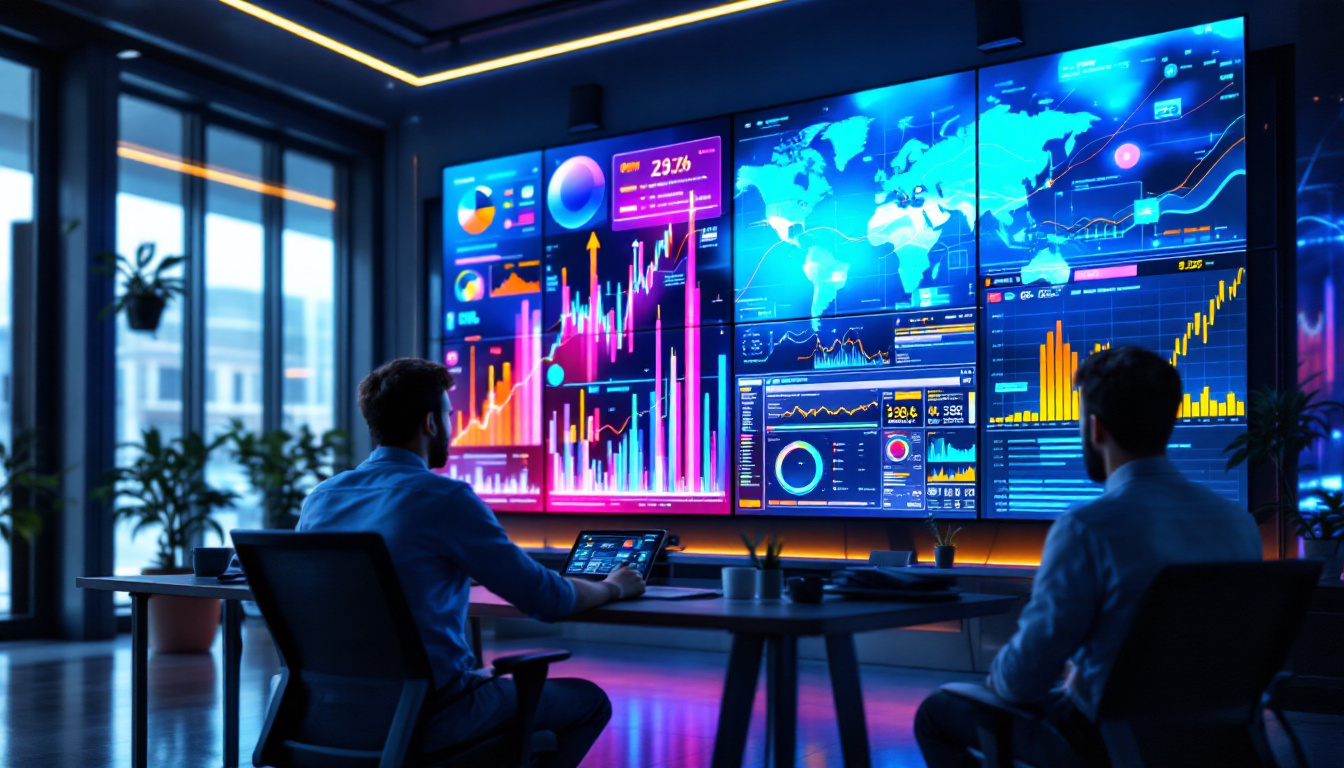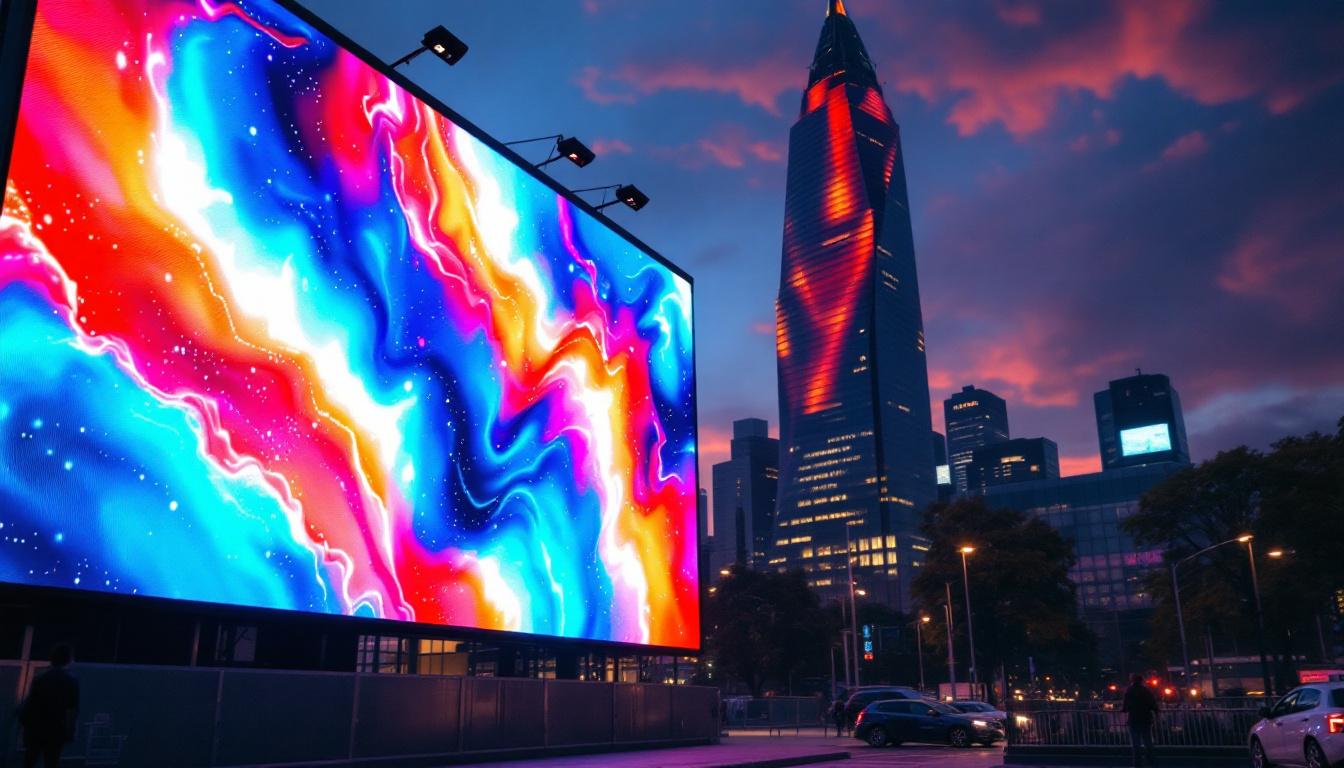
In the world of digital signage and large-scale visual communication, LED displays have become a dominant technology. From massive stadium screens to vibrant city billboards, LED displays captivate audiences with their brightness, clarity, and dynamic content capabilities. But what exactly is a large pixel LED display, and how does it differ from other display technologies? This article delves into the fundamentals of LED displays, exploring their structure, applications, and the factors that make them a preferred choice for large-format installations.
Understanding LED Display Technology
What is an LED Display?
LED stands for Light Emitting Diode, a semiconductor device that emits light when an electric current passes through it. An LED display is essentially a matrix of these tiny light sources arranged in a grid to form images, videos, or text. Each LED acts as a pixel or part of a pixel, illuminating in various colors and intensities to create a vibrant, high-contrast visual output.
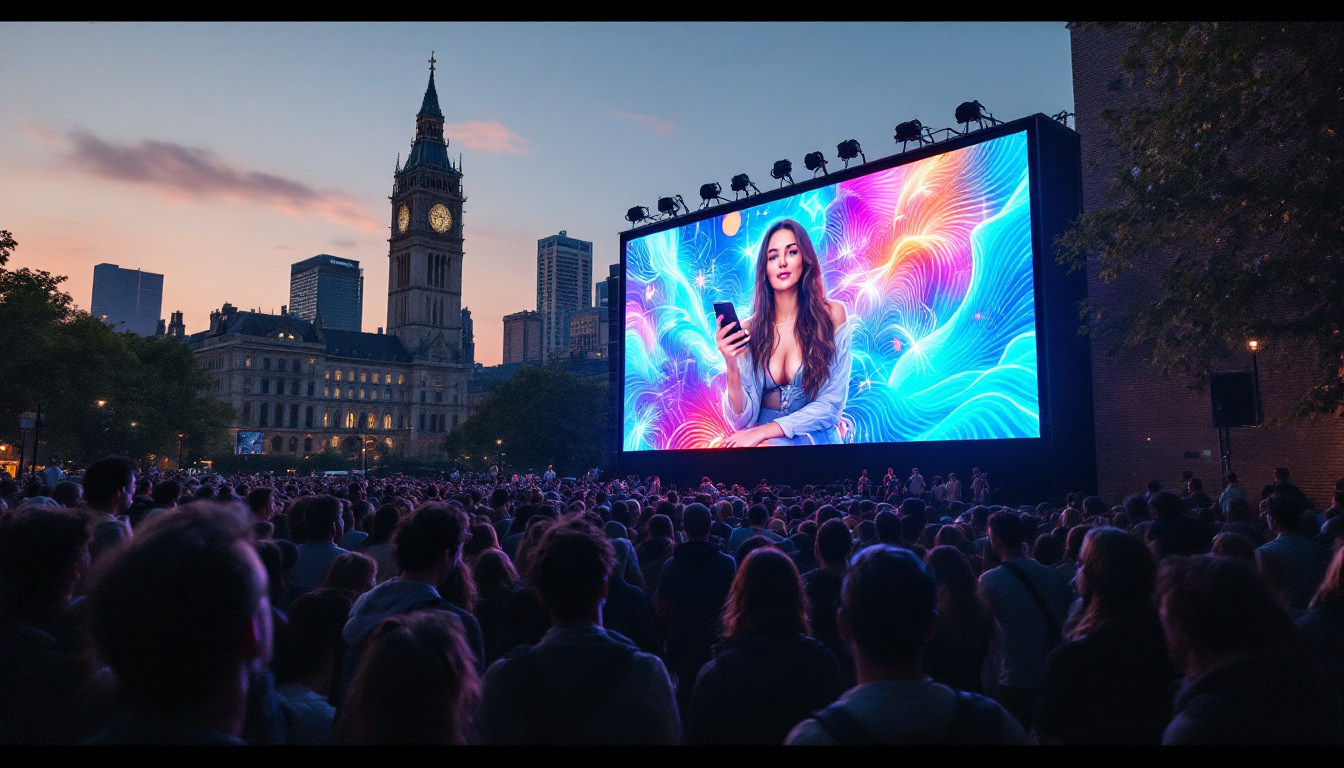
Large pixel LED displays are designed with relatively larger individual pixels compared to high-resolution screens such as smartphones or televisions. This design choice allows them to be viewed clearly from long distances, making them ideal for outdoor advertising, sports arenas, and public information displays. The brightness of LED displays is another significant advantage; they can produce high lumens per watt, ensuring that images remain visible even in direct sunlight, which is crucial for outdoor applications.
Moreover, the energy efficiency of LED technology contributes to its growing popularity. Unlike traditional incandescent bulbs, LEDs consume significantly less power, making them a cost-effective solution for large-scale installations. This efficiency not only reduces electricity bills but also minimizes the environmental impact, aligning with the increasing demand for sustainable technologies in the advertising and entertainment industries.
How Does a Large Pixel LED Display Work?
At the core of a large pixel LED display is the pixel pitch—the distance between the centers of two adjacent pixels. Pixel pitch is a critical factor influencing the display’s resolution and viewing distance. In large pixel displays, the pixel pitch can range from 10mm to 30mm or more, which means the pixels are spaced further apart, resulting in lower resolution but greater visibility from afar. This characteristic makes them particularly effective for applications where the audience is typically at a distance, such as billboards or stadium screens.
The display is composed of modules, each containing multiple LEDs arranged in red, green, and blue (RGB) clusters. By varying the intensity of these RGB LEDs, the display can produce a full spectrum of colors. The modules are connected to a control system that processes input video signals and adjusts each pixel’s brightness and color in real-time. Additionally, advanced LED displays often incorporate features such as automatic brightness adjustment, which uses ambient light sensors to optimize visibility under varying lighting conditions. This technology ensures that the display maintains clarity and vibrancy, regardless of the time of day or weather conditions.
Furthermore, the modular design of large pixel LED displays allows for easy scalability and maintenance. If a module fails, it can be replaced without requiring a complete overhaul of the entire display. This modularity not only reduces downtime but also makes it easier to customize the size and shape of the display to fit specific installation requirements. As a result, businesses can create unique visual experiences tailored to their audience, enhancing engagement and communication through dynamic content delivery.
Key Components of Large Pixel LED Displays
LED Modules and Pixels
Each LED module is a building block of the overall display. Typically, these modules are standardized in size, such as 320mm x 160mm, and contain a matrix of LEDs. The pixel pitch determines how many LEDs are packed into each module. For example, a 20mm pixel pitch means LEDs are spaced 20 millimeters apart, resulting in fewer pixels per module compared to a smaller pitch.
The choice of LED type—whether surface-mounted device (SMD) or through-hole LEDs—affects the display’s brightness and viewing angle. Through-hole LEDs, often used in large pixel displays, provide higher brightness and durability, making them suitable for outdoor environments.
Control Systems and Processing Units
Behind the scenes, sophisticated control systems manage the LED display’s operation. These systems receive video input, process the data, and send signals to each LED module to illuminate the correct pixels. Advanced controllers support high refresh rates (often above 1920Hz), ensuring smooth motion and flicker-free images, which is especially important for broadcasting and live events.
Modern LED displays also incorporate software for content management, allowing operators to schedule and update content remotely. This flexibility is crucial for advertising campaigns and public messaging, where timely updates are essential.
Power Supply and Cooling
Large pixel LED displays consume significant power, especially when operating at full brightness outdoors. Reliable power supplies ensure consistent performance and protect the system from voltage fluctuations. Additionally, efficient cooling mechanisms, such as heat sinks and ventilation fans, prevent overheating, prolonging the lifespan of the LEDs and electronic components.
Advantages of Large Pixel LED Displays
Visibility and Brightness
One of the primary advantages of large pixel LED displays is their exceptional brightness. Outdoor LED displays can reach brightness levels exceeding 5,000 nits, making them easily visible even under direct sunlight. This high luminance ensures that messages and visuals remain clear and impactful throughout the day.
Moreover, the large pixel size allows for wide viewing angles, often up to 140 degrees horizontally and vertically, so the content remains legible from various vantage points. This is particularly beneficial in environments like sports stadiums or urban centers where viewers are dispersed over large areas.
Durability and Weather Resistance
Outdoor large pixel LED displays are engineered to withstand harsh environmental conditions. They feature weatherproof enclosures with IP65 or higher ratings, protecting against rain, dust, and extreme temperatures. This robustness ensures uninterrupted operation and reduces maintenance costs over time.
Cost-Effectiveness for Large-Scale Applications
While high-resolution LED displays with small pixel pitches can be expensive, large pixel LED displays offer a cost-effective solution for large-scale installations where close-up viewing is not necessary. Their modular design allows for scalable configurations, enabling clients to tailor the display size to their budget and space requirements.
Applications of Large Pixel LED Displays
Outdoor Advertising and Billboards
Digital billboards have revolutionized outdoor advertising, offering dynamic content that can be updated instantly. Large pixel LED displays are ideal for this purpose due to their brightness, size, and durability. Advertisers can leverage motion graphics, videos, and real-time data feeds to engage audiences more effectively than traditional static billboards.
Sports Arenas and Event Venues
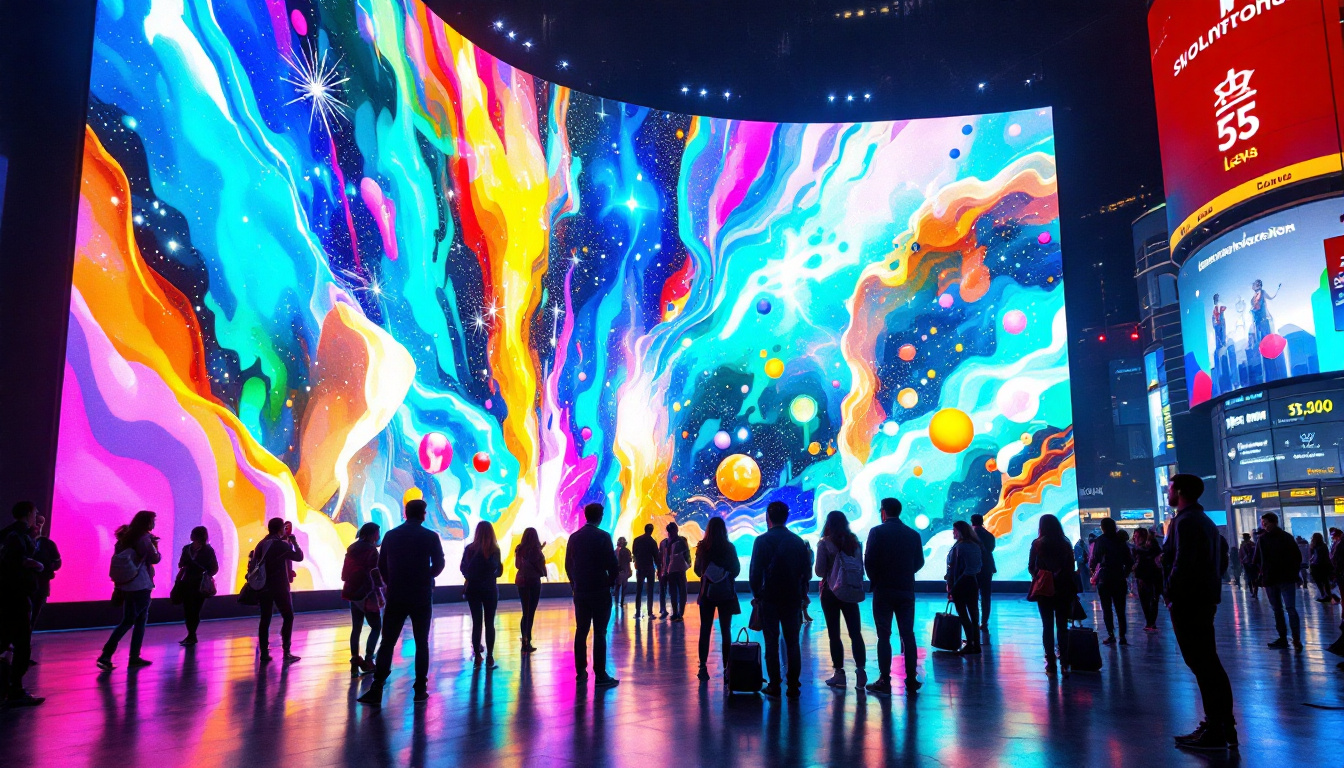
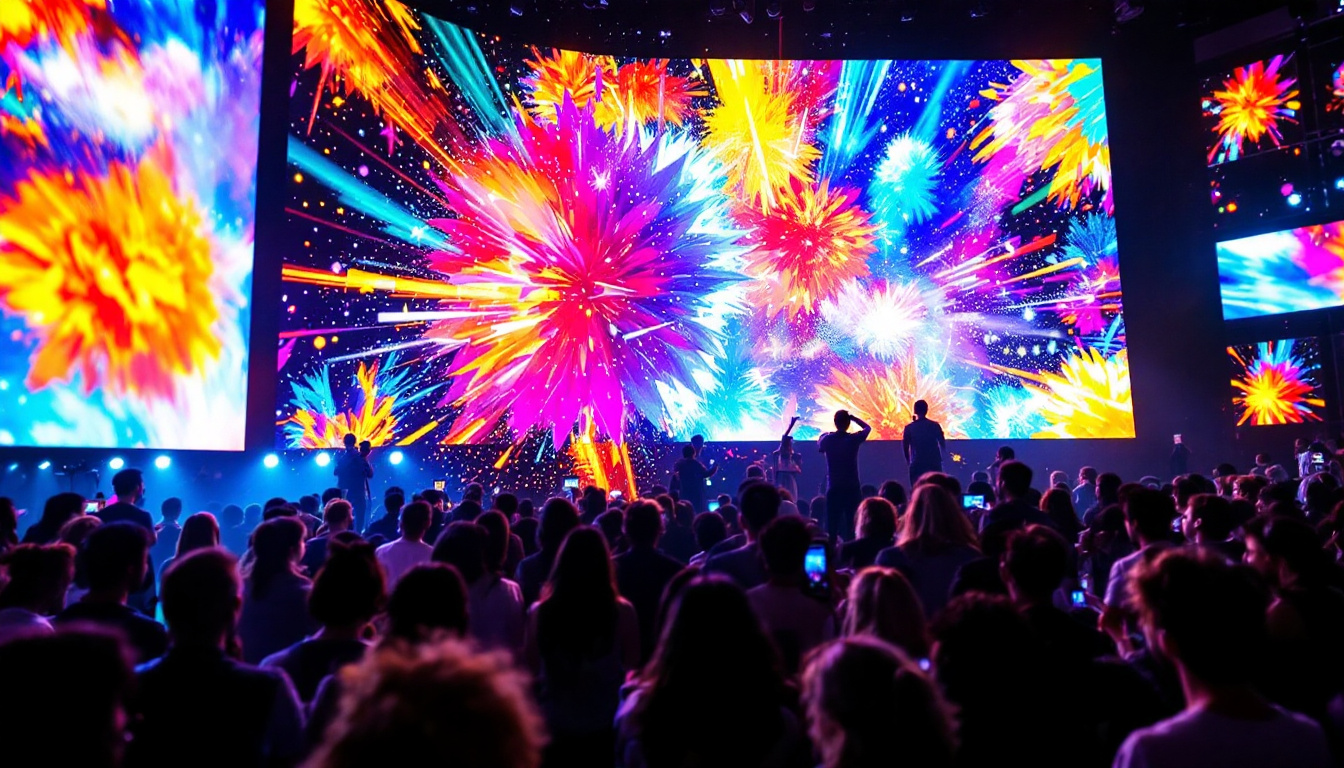
In stadiums and concert venues, large pixel LED displays serve as scoreboards, instant replay screens, and information boards. Their ability to deliver vivid images visible from hundreds of meters away enhances the spectator experience. Additionally, these displays can be integrated with sound systems and lighting for immersive event production.
Transportation Hubs and Public Spaces
Airports, train stations, and urban squares utilize large pixel LED displays for wayfinding, announcements, and emergency alerts. Their high visibility and reliability make them essential tools for managing large crowds and disseminating critical information swiftly.
Choosing the Right Large Pixel LED Display
Determining Pixel Pitch Based on Viewing Distance
Selecting the appropriate pixel pitch is vital to ensure content clarity. A general guideline is that the optimal viewing distance (in meters) should be at least ten times the pixel pitch (in millimeters). For example, a 20mm pixel pitch display is best viewed from 200 meters or more. Choosing a pixel pitch too small for the viewing distance can increase costs unnecessarily, while too large a pitch can compromise image quality.
Assessing Environmental Conditions
Environmental factors such as ambient light, weather, and temperature extremes influence the choice of LED display. High-brightness models are necessary for sunny locations, while robust enclosures are essential in areas prone to rain or dust. Additionally, considerations like wind load and mounting options must be addressed during installation planning.
Content and Usage Requirements
The intended use of the display affects specifications such as refresh rate, color depth, and control system capabilities. For example, live broadcasting demands high refresh rates to avoid flickering on camera, while advertising may prioritize color vibrancy and content flexibility. Understanding these needs helps in selecting the most suitable technology and features.
Future Trends in Large Pixel LED Displays
Advancements in LED Technology
Ongoing innovations are enhancing LED efficiency, brightness, and color accuracy. New materials and manufacturing techniques are enabling brighter LEDs with lower power consumption, reducing operational costs and environmental impact. Additionally, developments in micro-LED technology promise even greater durability and image quality for large-scale displays.
Integration with Smart Technologies
Smart LED displays equipped with sensors and AI-driven content management systems are becoming more prevalent. These systems can adjust brightness based on ambient light, tailor content to audience demographics, and provide interactive experiences through mobile integration. Such capabilities increase engagement and offer valuable data insights for advertisers and operators.
Sustainability and Energy Efficiency
Environmental concerns are driving the adoption of energy-efficient LED displays. Innovations in power management, recyclable materials, and modular designs that facilitate repair and upgrade contribute to reducing the ecological footprint of large pixel LED installations. Industry standards are evolving to promote sustainable practices across the digital signage sector.
Conclusion
Large pixel LED displays represent a powerful medium for delivering impactful visual communication on a grand scale. Their unique combination of brightness, durability, and scalability makes them indispensable in advertising, entertainment, public information, and beyond. By understanding the technology, components, and application considerations, businesses and organizations can make informed decisions to maximize the value of their LED display investments.
As LED technology continues to evolve, the future promises even more dynamic, efficient, and intelligent large pixel displays, further transforming the way audiences engage with digital content in public spaces.
Explore Cutting-Edge LED Displays with LumenMatrix
Ready to elevate your visual communication with the latest in LED display technology? LumenMatrix is at the forefront of innovation, offering a diverse range of LED display solutions tailored to your needs. Whether you’re looking for Indoor LED Wall Displays, Outdoor LED Wall Displays, or specialized options like Vehicle LED Displays, LED Posters, and LED Sports Displays, LumenMatrix has the expertise to bring your vision to life. Experience the future of digital signage with our Floor LED Displays, Custom LED Displays, All-in-One LED Displays, and LED Transparent Displays. Check out LumenMatrix LED Display Solutions today and transform your space into a dynamic and engaging environment.