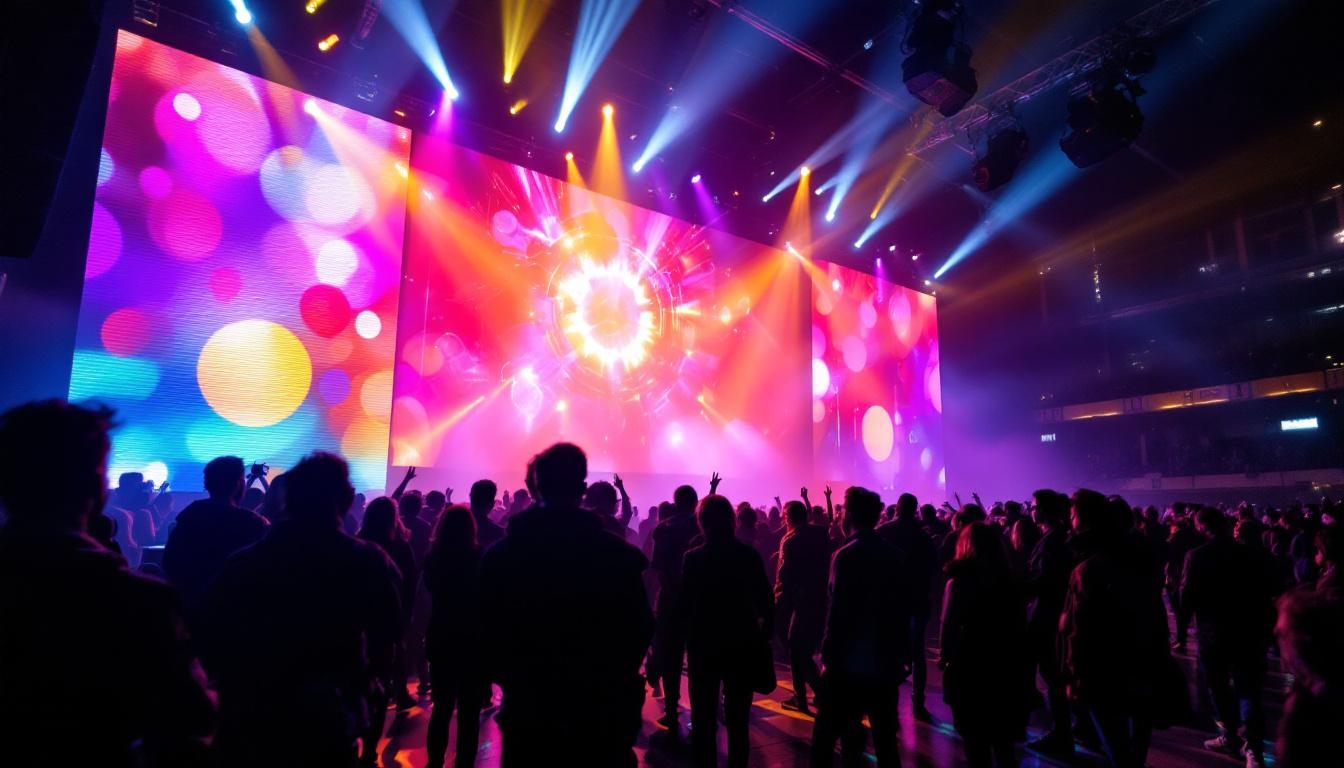
In the rapidly evolving world of audiovisual technology, LED displays have emerged as a cornerstone for delivering vibrant, dynamic visual content across a variety of applications. From massive outdoor billboards to immersive indoor video walls, LED technology continues to redefine how audiences experience digital media. This article delves deep into the intricacies of LED displays, exploring their technology, benefits, applications, and future trends, providing a comprehensive understanding for professionals and enthusiasts alike.
Understanding LED Display Technology
What is an LED Display?
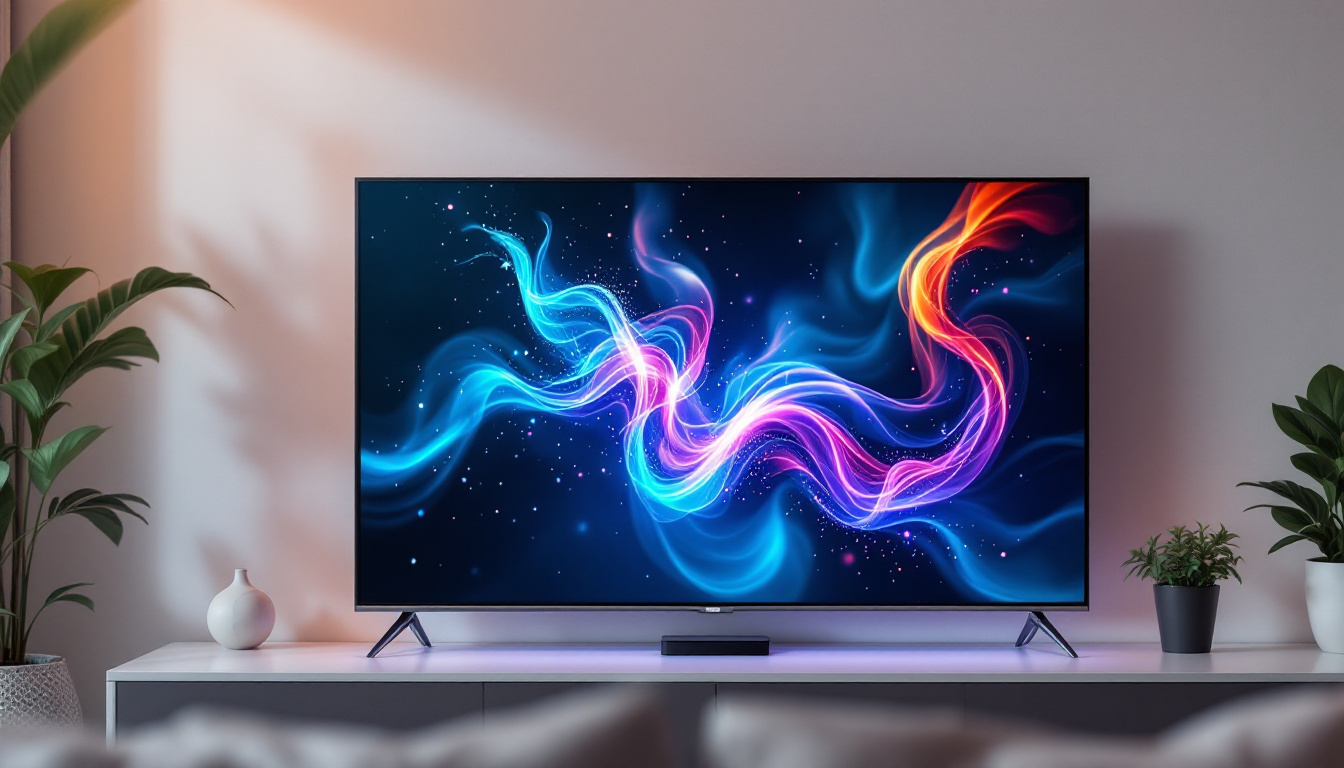
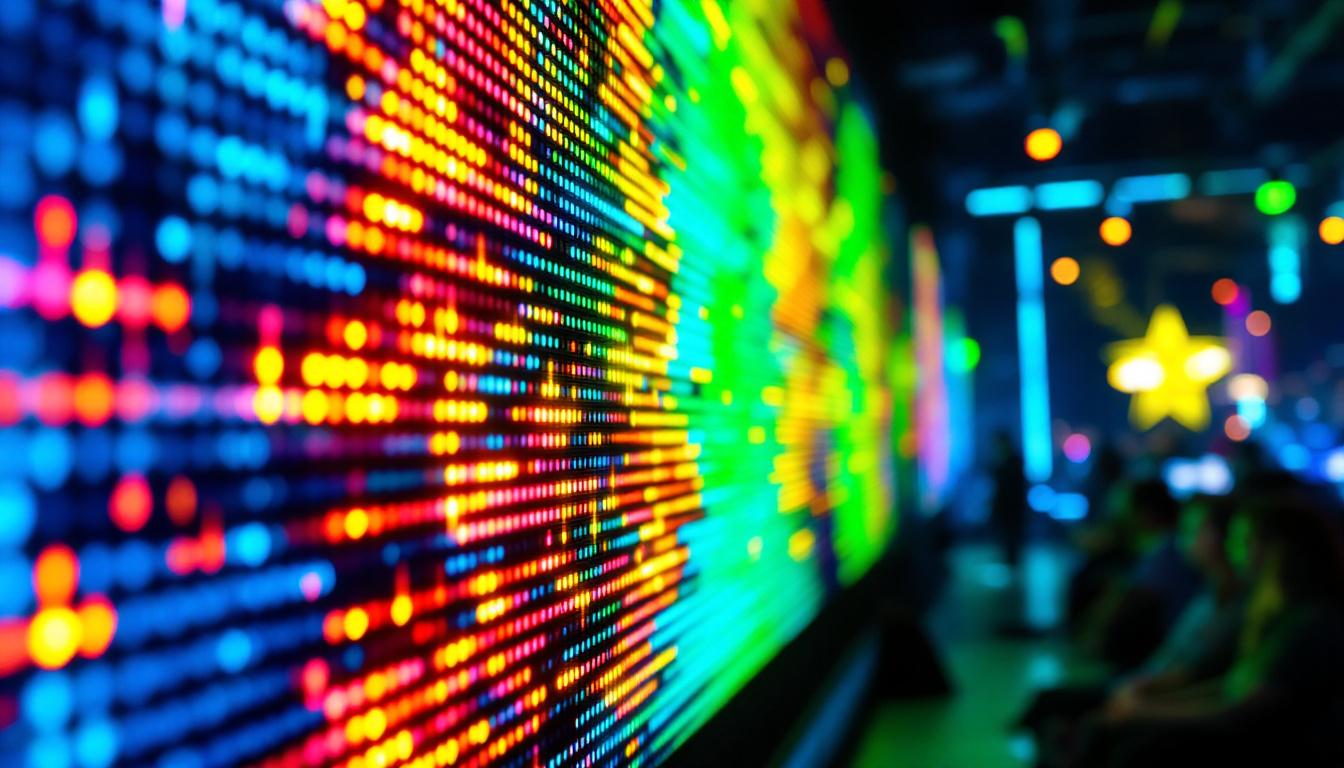
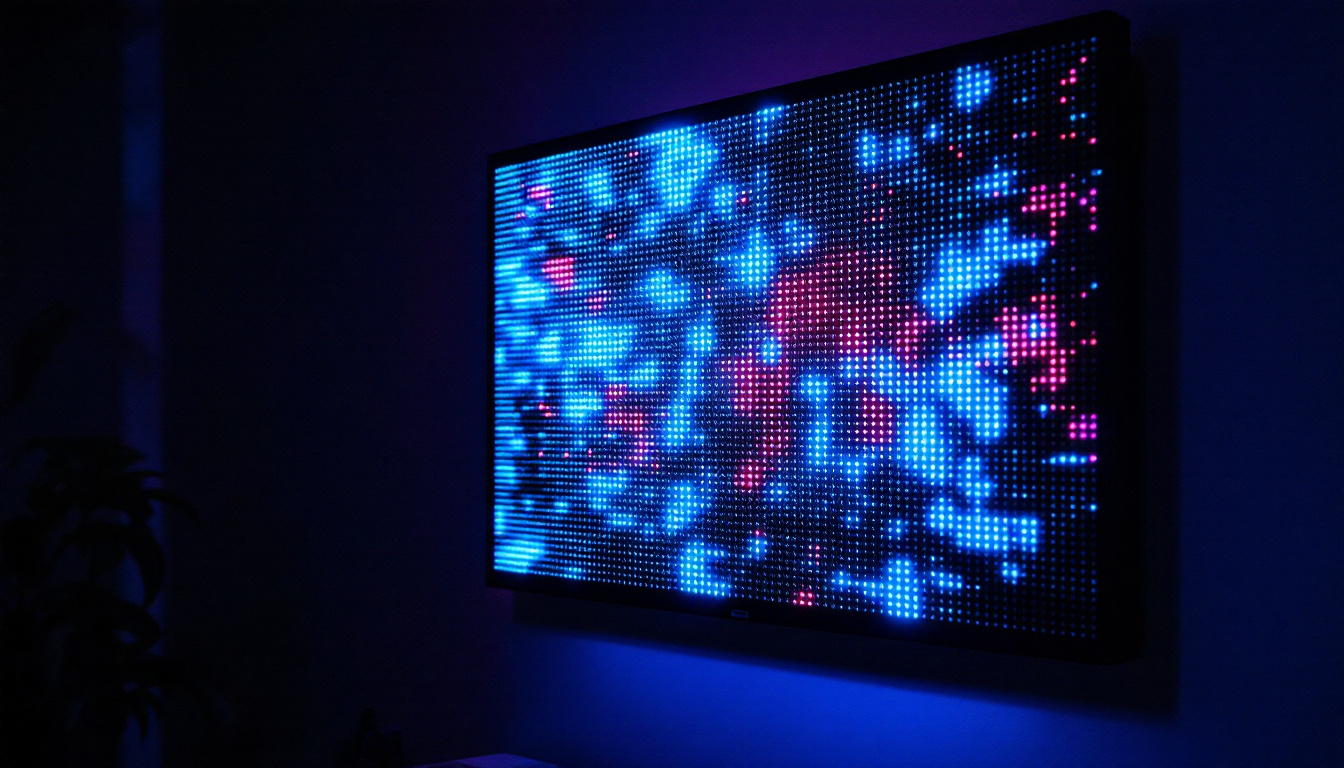
LED stands for Light Emitting Diode, a semiconductor device that emits light when an electric current passes through it. An LED display is essentially a matrix of these tiny diodes arranged in a grid, which can be controlled individually to produce images, videos, or text. Unlike traditional LCD or plasma screens, LED displays use these diodes as their light source, offering superior brightness and color accuracy.
The core advantage of LED displays lies in their ability to produce vivid colors and high contrast ratios, making them ideal for environments with varying lighting conditions. Their modular design allows for flexible sizing and shapes, which is why they are widely used in both indoor and outdoor settings. Additionally, LED displays are known for their longevity and durability, often lasting tens of thousands of hours, which significantly reduces the need for frequent replacements and maintenance. This longevity, combined with their energy efficiency, makes them a cost-effective solution for businesses and organizations looking to invest in display technology.
Types of LED Displays
LED displays come in several forms, each tailored to specific use cases:
- Direct View LED (DV-LED): This is the most common type, where the LEDs themselves form the pixels. They are known for their brightness and are often used in large-scale outdoor screens and indoor video walls.
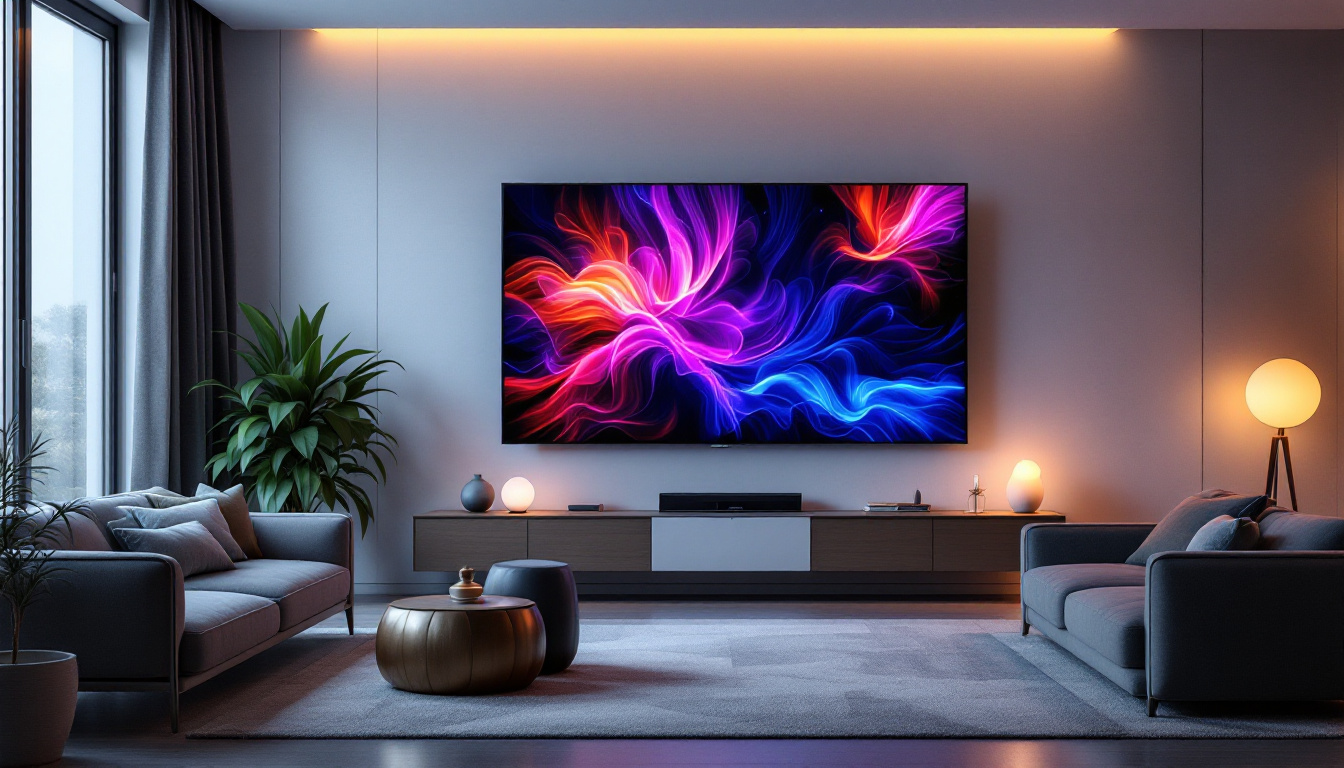
- LED-backlit LCD: This technology uses LEDs as a backlight source behind an LCD panel, improving brightness and energy efficiency compared to traditional CCFL backlights.
- MicroLED: An emerging technology that uses microscopic LEDs to create displays with exceptional brightness, contrast, and energy efficiency. MicroLEDs are poised to compete with OLEDs in the near future.
Each type offers distinct advantages, and understanding these differences is crucial when selecting the right display for a specific application. For example, DV-LED displays are particularly popular in advertising and entertainment venues due to their ability to deliver stunning visuals that can be seen from great distances. On the other hand, LED-backlit LCDs are more commonly found in consumer electronics, such as televisions and computer monitors, where they provide a balance of performance and cost. Meanwhile, MicroLED technology is still in its infancy, but its potential for ultra-thin displays with incredible resolution is generating excitement in the tech community, hinting at a future where screens can be seamlessly integrated into various surfaces and environments.
Key Components and How They Work
LED Pixels and Color Generation
Each pixel in an LED display is composed of red, green, and blue diodes. By varying the intensity of these three colors, the display can produce a full spectrum of colors through additive color mixing. The precision in controlling these diodes determines the display’s color accuracy and vibrancy.
The pixel pitch, defined as the distance between the centers of two adjacent pixels, is a critical specification. Smaller pixel pitches result in higher resolution and sharper images, especially important for close viewing distances. For example, a pixel pitch of 1.2mm is common in high-end indoor displays, while outdoor displays may have pitches ranging from 4mm to 20mm depending on viewing distance.
Control Systems and Processing
Modern LED displays rely on sophisticated control systems to manage the vast number of pixels. These systems process incoming video signals, translate them into pixel data, and synchronize the LEDs’ operation to produce seamless images. Advanced processors also handle color calibration, brightness adjustment, and error correction to maintain optimal performance over time.
Connectivity options have expanded to include HDMI, DisplayPort, and network-based protocols, allowing for flexible integration into complex AV setups. Many LED displays now support real-time content updates and remote management, which are essential for dynamic advertising and live event applications.
Advantages of LED Displays in AV Experiences
Brightness and Visibility
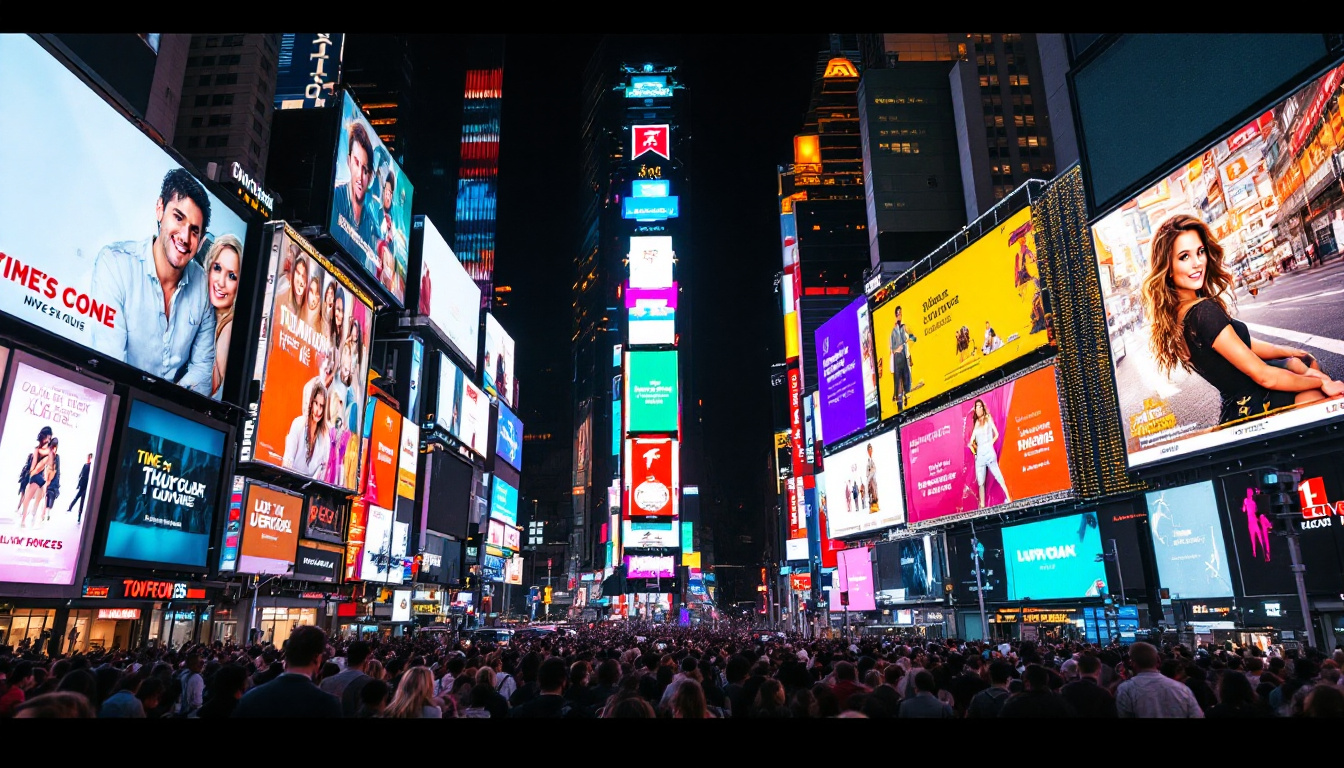
One of the standout features of LED displays is their exceptional brightness. Outdoor LED screens can achieve luminance levels exceeding 5,000 nits, making them easily visible even under direct sunlight. This capability is a significant advantage over LCD or projection systems, which often struggle in bright environments.
Indoor LED displays also benefit from high brightness, enabling vivid visuals in well-lit venues such as conference halls, retail stores, and broadcast studios. This brightness contributes to enhanced audience engagement and improved message retention.
Durability and Longevity
LED displays are renowned for their durability. The diodes themselves have long lifespans, often rated at 50,000 to 100,000 hours of operation before brightness diminishes significantly. Additionally, LED modules are resistant to shock, vibration, and temperature fluctuations, making them suitable for both permanent installations and touring setups.
Maintenance is relatively straightforward, with many systems designed for easy module replacement and calibration. This reliability reduces downtime and total cost of ownership, which is a critical consideration for event organizers and businesses.
Energy Efficiency
Compared to traditional lighting and display technologies, LEDs consume significantly less power. This energy efficiency translates into lower operating costs, especially for large-scale installations running continuously. For example, an LED billboard can consume up to 70% less energy than a comparable neon sign, contributing to sustainability goals and reducing environmental impact.
Applications of LED Displays in AV Environments
Live Events and Concerts
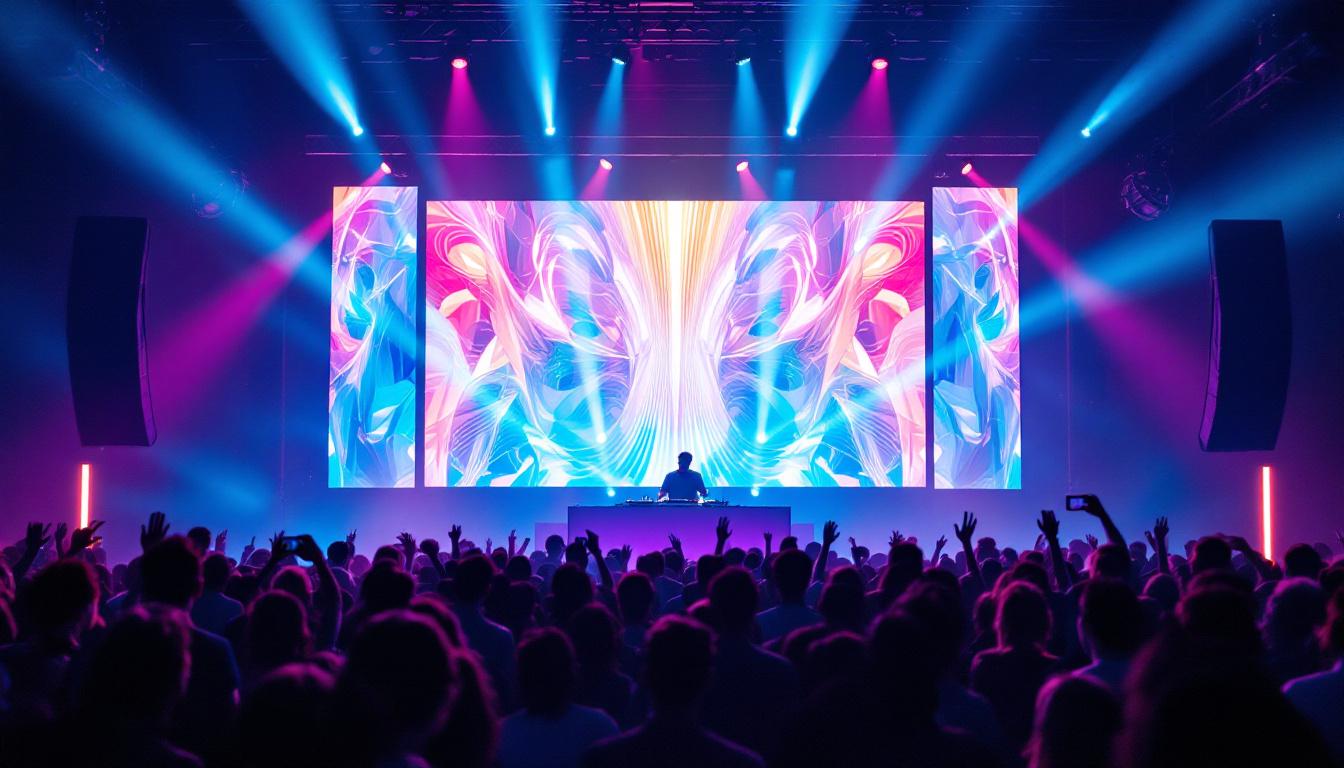
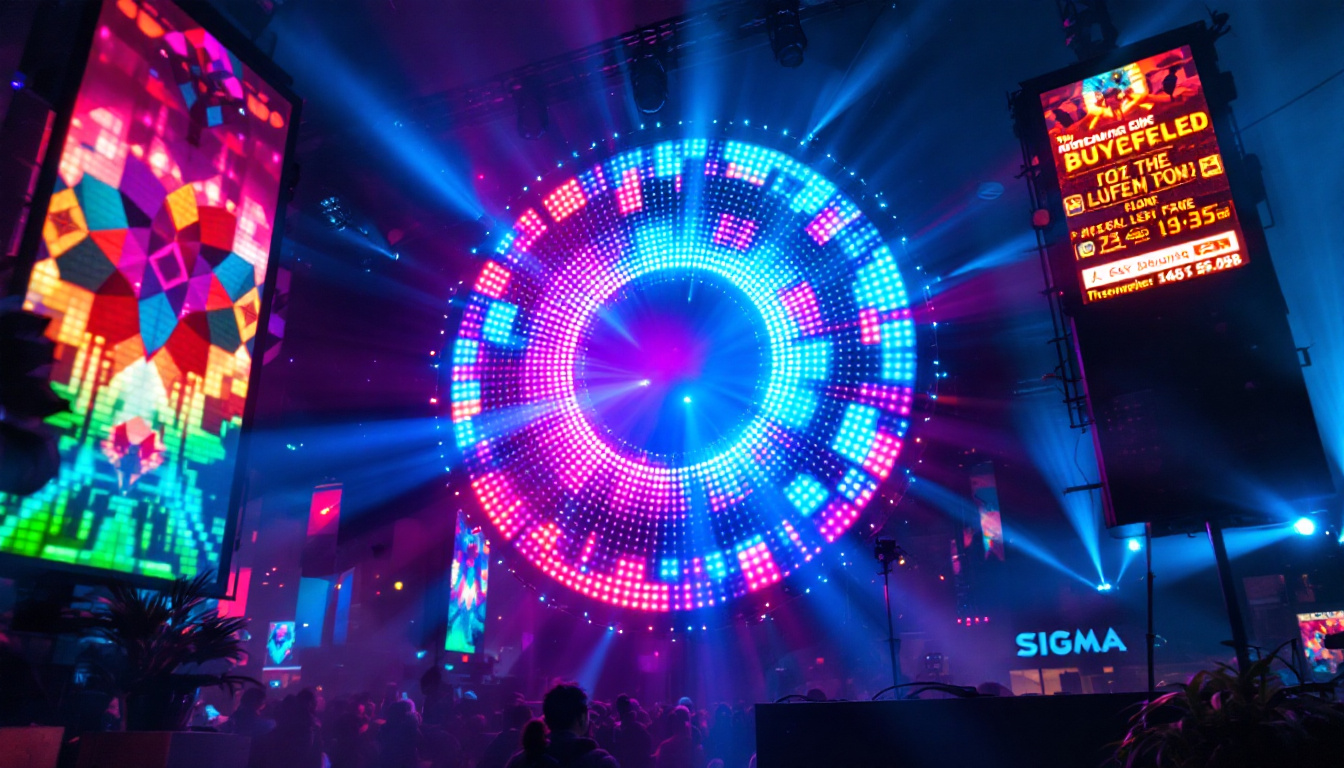
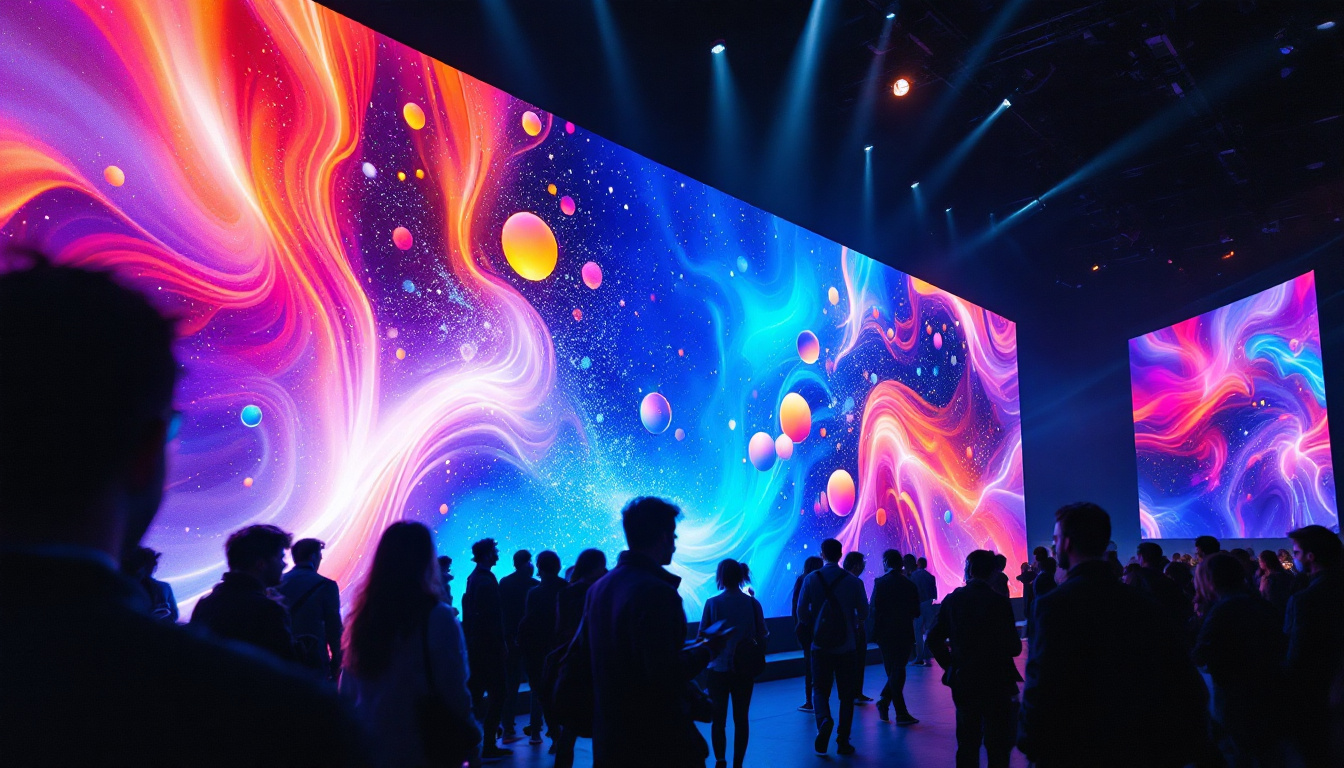
LED displays have revolutionized live event production by providing dynamic backdrops and immersive visual experiences. Their scalability allows for massive video walls that can be custom-shaped to fit stages, enhancing storytelling and audience engagement. High refresh rates and low latency ensure smooth motion and synchronization with live performances.
Major festivals and tours frequently use LED screens to display live feeds, graphics, and interactive content, creating a multimedia spectacle that captivates audiences. The portability and modularity of LED panels also facilitate quick setup and teardown, essential for touring productions.
Corporate and Retail Environments
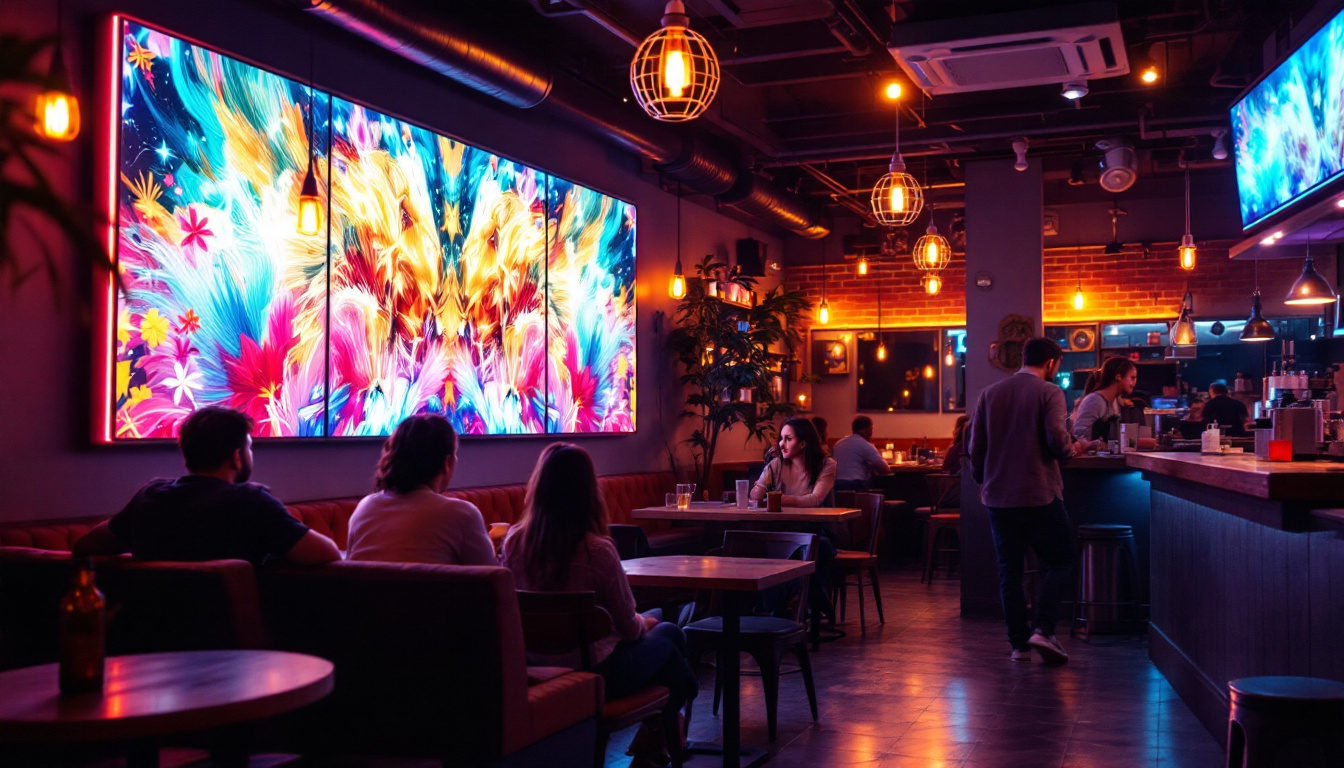
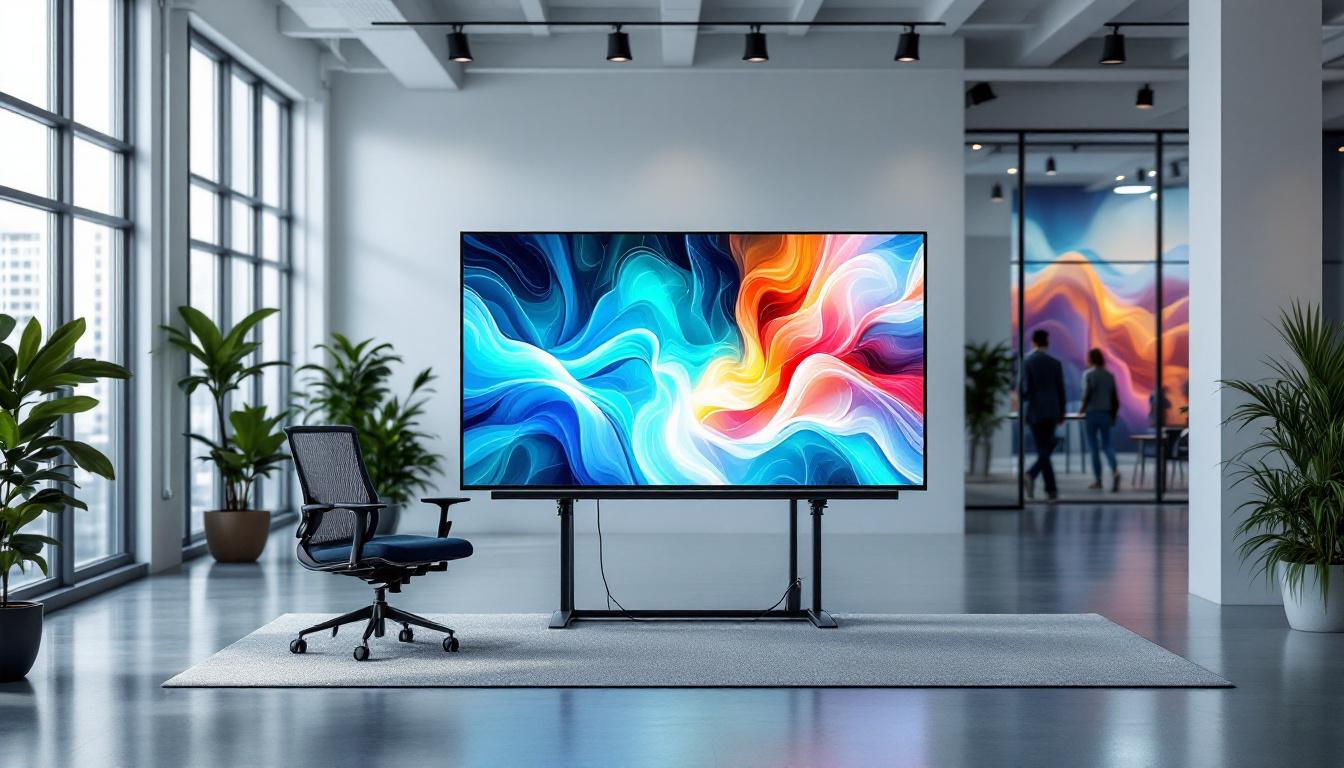
In corporate settings, LED displays are used for presentations, digital signage, and video conferencing. Their clarity and brightness improve communication effectiveness, particularly in large meeting rooms or auditoriums. Retailers leverage LED video walls to attract customers with eye-catching advertisements and promotional content, often integrating real-time data to personalize messaging.
The ability to create curved or irregularly shaped LED installations offers unique branding opportunities, helping businesses stand out in competitive markets.
Sports Arenas and Public Spaces
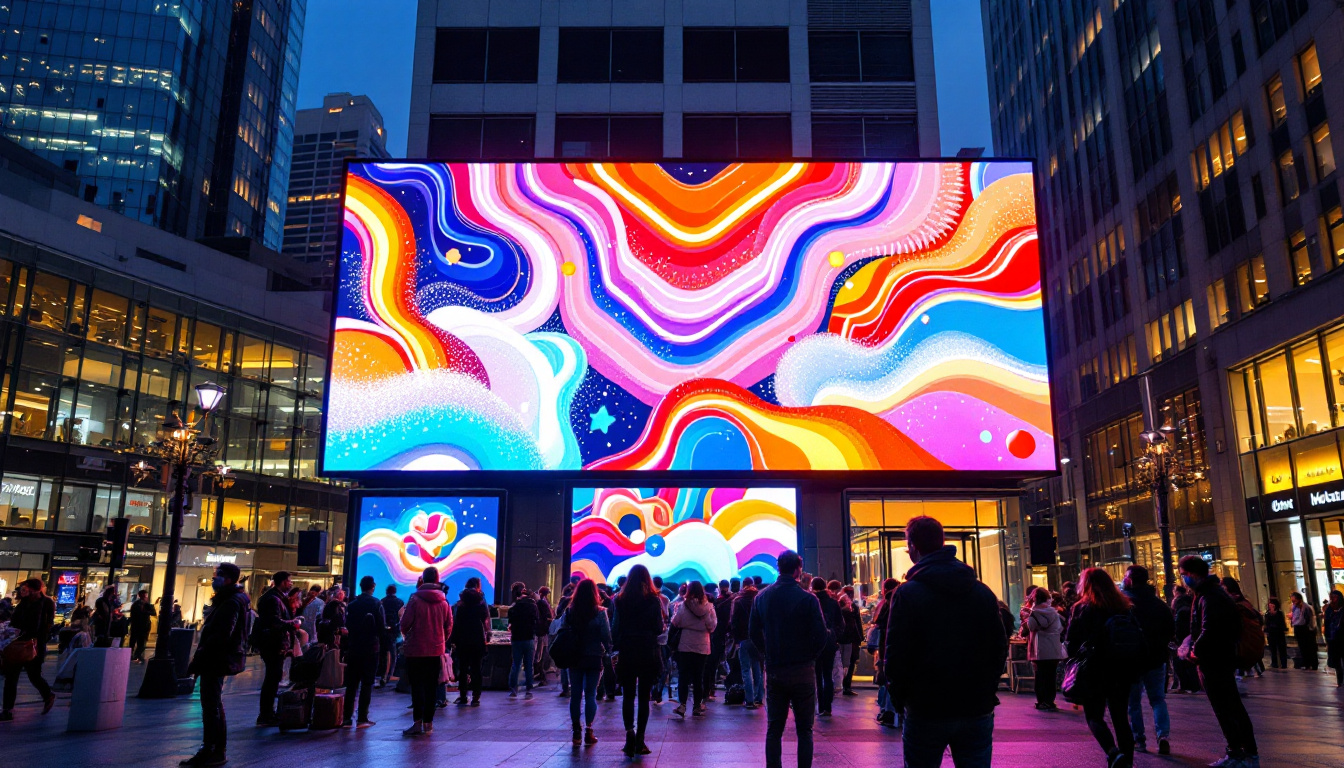
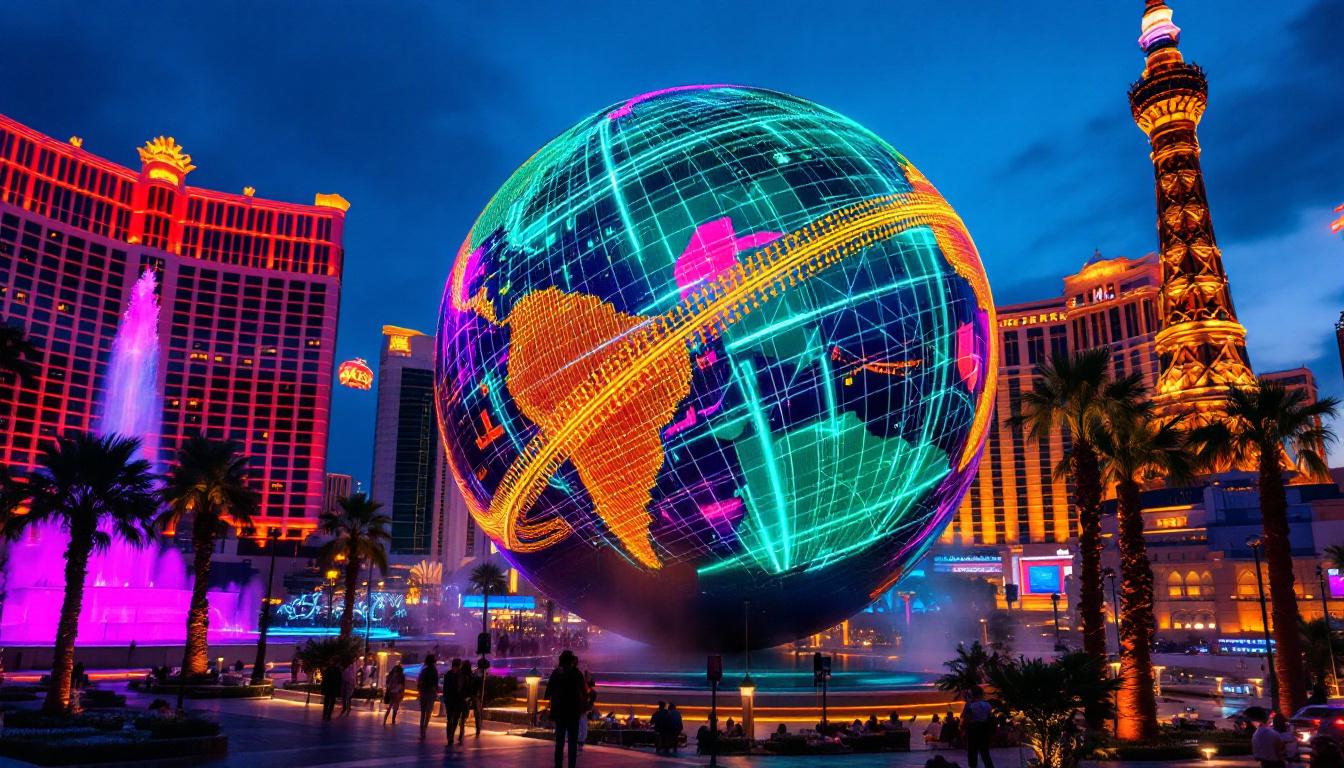
Sports venues utilize LED displays for scoreboards, instant replays, and fan engagement content. The high visibility and durability of LED screens ensure that information is accessible to large crowds under diverse weather conditions. In public spaces, LED displays serve as information kiosks, advertising platforms, and art installations, contributing to urban aesthetics and community interaction.
Challenges and Considerations When Choosing LED Displays
Cost and Budgeting
While LED displays offer numerous benefits, they can represent a significant investment. High-resolution indoor panels with fine pixel pitches tend to be more expensive due to the complexity of manufacturing and installation. Budgeting should also account for ongoing maintenance, content creation, and potential upgrades.
However, the total cost of ownership often balances out when considering energy savings, longevity, and the impact on audience engagement. Careful planning and consultation with AV professionals can help optimize expenditure without compromising quality.
Installation and Environmental Factors
Proper installation is critical to maximize the performance and lifespan of LED displays. Factors such as ambient lighting, viewing distance, and mounting infrastructure must be carefully evaluated. Outdoor installations require weatherproofing and protection against dust, moisture, and temperature extremes.
Additionally, considerations around heat dissipation and ventilation are essential to prevent premature component failure. Engaging experienced installers and adhering to manufacturer guidelines ensures a reliable and safe setup.
Content Creation and Management
High-quality content tailored to the LED display’s resolution and aspect ratio is vital for delivering an impactful AV experience. Content creators must understand the technical specifications and capabilities of the display to optimize visuals and avoid distortion or pixelation.
Moreover, content management systems (CMS) play a crucial role in scheduling, updating, and monitoring content across multiple displays. Choosing a CMS with user-friendly interfaces and robust features can streamline operations and enhance flexibility.
The Future of LED Display Technology
Advancements in MicroLED and MiniLED
Emerging technologies like MicroLED and MiniLED promise to push the boundaries of LED displays further. MicroLEDs offer higher pixel densities, better contrast ratios, and improved energy efficiency compared to traditional LEDs. These advancements are expected to drive innovations in consumer electronics, including televisions, smartphones, and augmented reality devices.
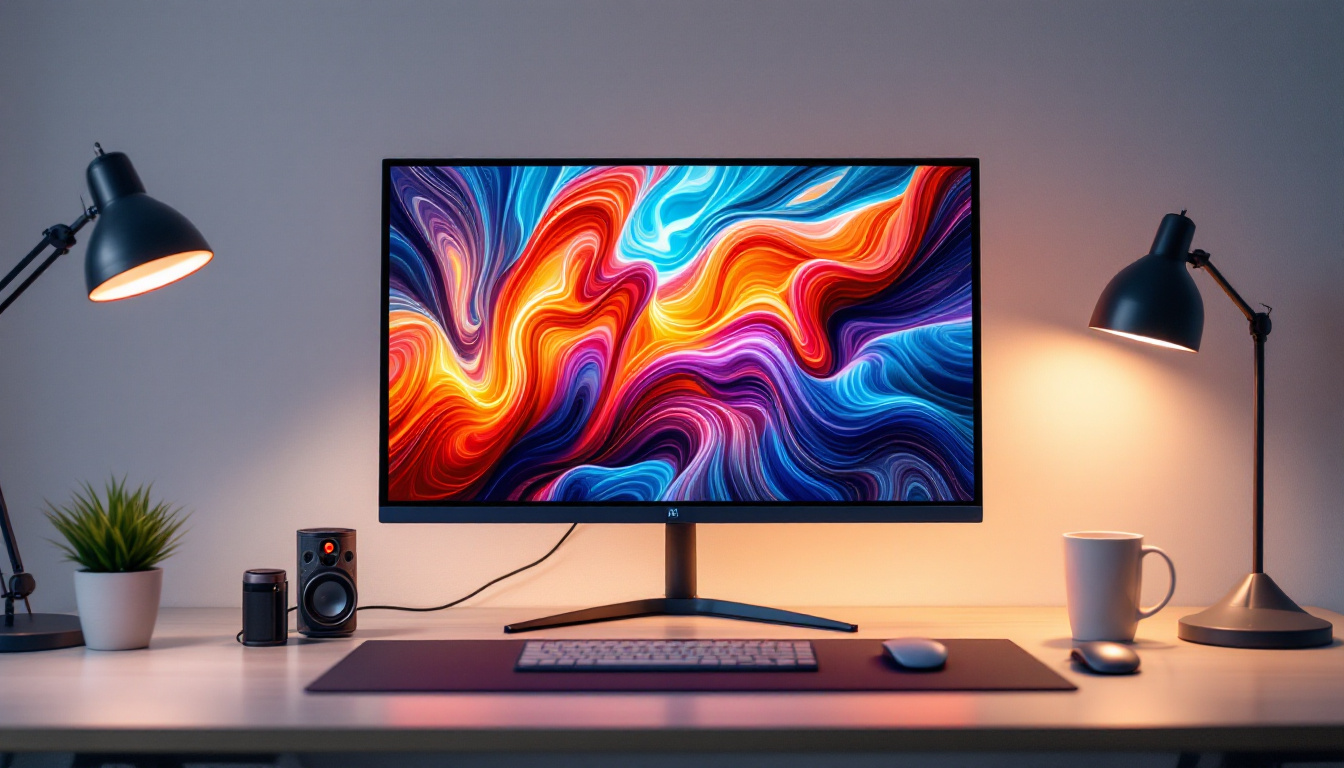
MiniLED technology, which uses smaller LEDs for backlighting LCD panels, is already making waves in high-end monitors and TVs, providing superior contrast and brightness while maintaining affordability.
Integration with Smart and Interactive Technologies
Future LED displays will increasingly integrate with smart technologies, enabling interactive experiences through touch, gesture recognition, and AI-driven content personalization. This evolution will transform displays from passive screens into engaging platforms for communication and entertainment.
In public and retail spaces, such interactivity can enhance customer engagement and provide valuable data insights, while in corporate environments, it can facilitate collaboration and innovation.
Sustainability and Eco-Friendly Innovations
As environmental concerns grow, the LED industry is focusing on sustainable manufacturing processes, recyclable materials, and energy-efficient designs. Innovations such as organic LEDs (OLEDs) and quantum dot technologies are being explored to reduce ecological footprints further.
These efforts align with global initiatives to promote green technologies and responsible resource usage, making LED displays not only a technological choice but also an ethical one.
Conclusion
LED displays have fundamentally transformed the audiovisual landscape, offering unparalleled brightness, flexibility, and durability across a wide range of applications. Understanding the technology behind LED displays, their advantages, and the considerations for implementation is essential for anyone involved in AV production, event management, or digital signage.
As LED technology continues to advance, it promises even more immersive and interactive experiences, driving innovation in how content is delivered and consumed. Investing in LED displays today means embracing a future where visual communication is more vibrant, dynamic, and impactful than ever before.
Discover the Future of Visual Communication with LumenMatrix
Ready to elevate your AV experiences with cutting-edge LED display technology? LumenMatrix is at the forefront of innovation, offering a diverse range of LED display solutions tailored to your unique needs. From captivating Indoor LED Wall Displays to versatile Outdoor LED Wall Displays, and from dynamic Vehicle LED Displays to sleek LED Poster Displays, our products are designed to make your brand shine. Explore our LED Sports Displays, interactive Floor LED Displays, and Custom LED Displays for a truly personalized touch. Experience the revolution in visual communication with our All-in-One LED Display and LED Transparent Display options. Don’t miss the opportunity to engage and captivate your audience. Check out LumenMatrix LED Display Solutions today and share your message with the world like never before.