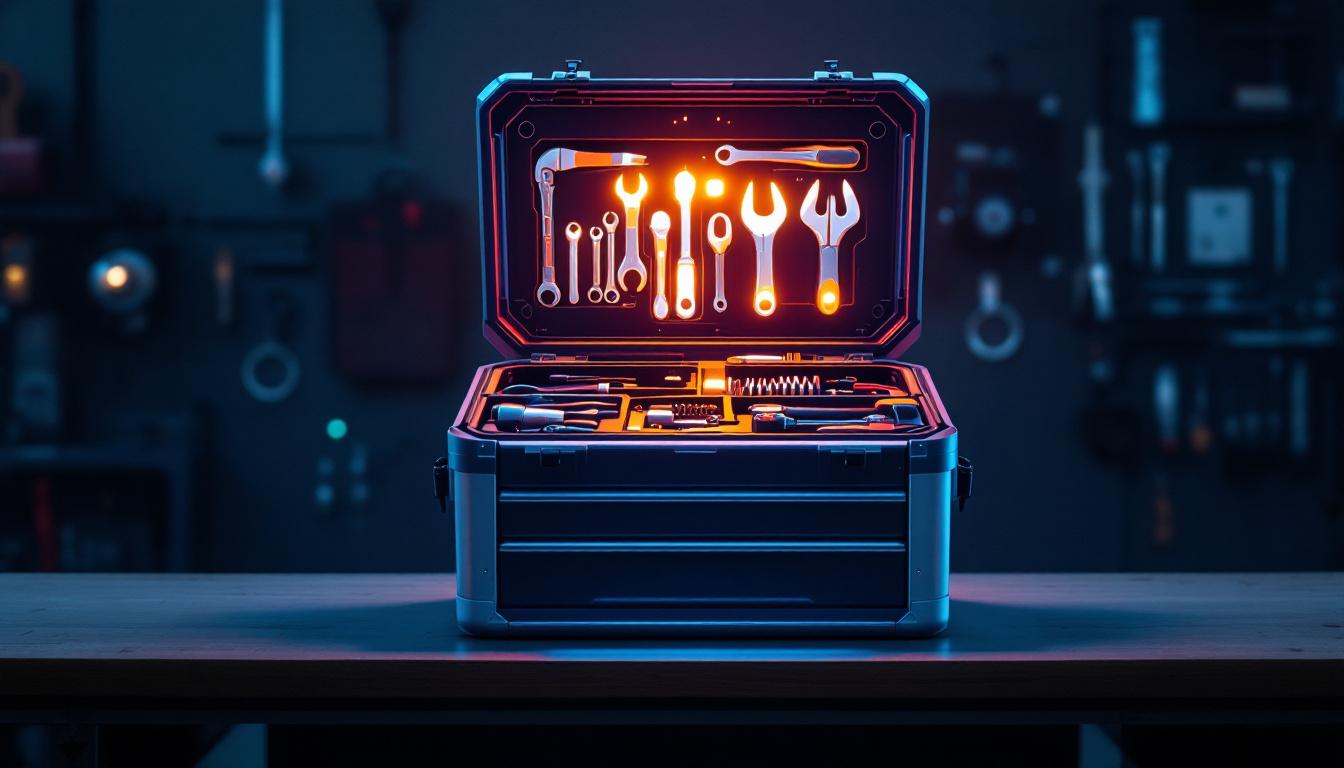
In the world of professional trades and DIY enthusiasts, organization and efficiency can make or break a project’s success. The stackable tool box system has revolutionized how tools are stored and transported, offering modularity and convenience that traditional toolboxes simply cannot match. Among the latest innovations enhancing these systems is the integration of LED displays, bringing a new level of functionality and user experience.
This article delves into the concept of the stackable tool box system with LED displays, explaining how this technology works, its benefits, and why it’s becoming an essential feature for modern tool storage solutions.
Understanding the Stackable Tool Box System
Before exploring the LED display integration, it’s important to understand what a stackable tool box system entails. Unlike traditional single-unit toolboxes, stackable systems consist of multiple modular boxes designed to securely lock together. Each box can be customized for specific tools, parts, or accessories, and the entire stack can be easily transported as one unit.
The key advantages of this system include:
- Modularity: Users can add or remove boxes depending on the project requirements.
- Space Efficiency: Vertical stacking maximizes storage in limited spaces.
- Durability: Many systems are built with rugged materials to withstand harsh job site conditions.
- Portability: Integrated handles and locking mechanisms make carrying easier and safer.
Leading brands such as DeWalt, Milwaukee, and Bosch have popularized these systems, each offering unique features tailored to different user needs. The introduction of smart technology, including LED displays, is the next evolutionary step.
In addition to their practical benefits, stackable tool box systems also enhance organization and efficiency on the job site. By allowing users to categorize tools and materials, these systems help prevent the frustration of searching through a jumbled toolbox. For instance, a contractor can dedicate one box for power tools, another for hand tools, and yet another for fasteners and accessories, ensuring that everything is easily accessible and well-organized. This level of organization not only saves time but also minimizes the risk of losing essential tools and equipment.
Furthermore, the versatility of stackable tool boxes makes them suitable for a wide range of professions, from electricians and plumbers to carpenters and DIY enthusiasts. Many users appreciate the ability to customize their setups according to the specific demands of each job, whether it involves heavy-duty equipment or delicate instruments. This adaptability has led to a growing trend of personalization, where users can mix and match boxes from different brands to create a system that perfectly fits their workflow and preferences.
The Role of LED Displays in Tool Box Systems
LED (Light Emitting Diode) displays are known for their brightness, energy efficiency, and durability. Integrating them into stackable tool box systems offers several practical benefits that enhance the user experience.
Visual Organization and Identification
One of the most immediate advantages of an LED display on a tool box is improved organization. Instead of relying solely on labels or manual inspection, LED displays can show dynamic information such as the contents of each box, inventory status, or even reminders for maintenance.
For example, a contractor working on multiple sites can quickly identify which box contains electrical tools versus plumbing supplies by glancing at the illuminated display. This reduces downtime spent searching for tools, which according to a 2023 study by the National Association of Home Builders, can account for up to 20% of a worker’s time on site. Furthermore, the ability to customize the display with specific icons or color codes can help streamline workflows, allowing workers to prioritize tasks and locate necessary tools with even greater efficiency.
Enhanced Security Features
Some advanced stackable tool boxes incorporate LED displays as part of their security systems. These displays can show lock status, alert users to unauthorized access attempts, or even integrate with biometric scanners. This is particularly useful for professionals who carry expensive tools and need to ensure their equipment is protected during transport and storage.
Additionally, the integration of LED displays with mobile apps can enhance security measures further. Users can receive real-time notifications on their smartphones if there is any tampering with the toolbox. This level of connectivity not only provides peace of mind but also allows for remote monitoring, which is invaluable for those managing multiple job sites or working in high-risk areas.
Battery and Power Management
Many modern toolboxes feature built-in battery packs to power cordless tools or charge mobile devices on the go. LED displays can provide real-time information about battery levels, charging status, and power consumption, allowing users to manage their energy resources efficiently.
This feature is especially valuable on job sites without easy access to electricity, ensuring that tools remain operational throughout the workday. Moreover, the ability to track power usage can help users identify which tools are consuming the most energy, leading to more informed decisions about tool selection and usage patterns. This not only helps in optimizing performance but also contributes to cost savings over time, as users can avoid unnecessary battery replacements or recharges.
How LED Displays Are Integrated into Stackable Tool Box Systems
Integrating LED displays into a stackable tool box system requires careful design to maintain durability, usability, and power efficiency.
Display Types and Technologies
Most tool box LED displays use low-power OLED or segmented LED technology. These are chosen for their visibility in various lighting conditions, from bright sunlight to dimly lit workspaces.
Some systems employ color-coded LEDs to indicate different statuses or categories, while others use simple numeric or text displays to convey detailed information.
Power Supply Considerations
Since toolboxes are often used in environments without stable power sources, LED displays are typically powered by rechargeable batteries integrated into the toolbox. Advanced models may include solar panels or kinetic energy harvesters to extend battery life.
Power management circuits ensure that the LED display consumes minimal energy, preserving battery life for critical tool charging functions.
Connectivity and Smart Features
Many LED-equipped toolboxes now feature Bluetooth or Wi-Fi connectivity, allowing users to interact with the display via smartphone apps. This enables remote monitoring of inventory, lock status, and battery levels, and can even send alerts if a toolbox is moved without authorization.
Such smart features align with the growing trend of the Internet of Things (IoT) in construction and industrial tools, enhancing productivity and security.
Benefits of Using LED Display Stackable Tool Box Systems
The integration of LED displays into stackable tool box systems offers tangible benefits that improve workflow, security, and overall tool management.
Improved Efficiency and Time Savings
By providing clear, immediate information about toolbox contents and status, LED displays reduce the time workers spend searching for tools or checking inventory. This can lead to significant productivity gains, especially on larger job sites with multiple toolboxes.
Enhanced Security and Theft Prevention
With real-time lock status and unauthorized access alerts displayed prominently, users can better protect their valuable tools. The ability to monitor toolboxes remotely adds an extra layer of security, crucial for contractors who frequently leave equipment unattended.
Better Power Management for Cordless Tools
Knowing the exact battery status of integrated power packs helps users plan their workday more effectively, avoiding unexpected downtime due to dead batteries. This is particularly important in industries like electrical work, where cordless tools are prevalent.
Customization and Scalability
LED displays can be programmed to show different types of information depending on the user’s needs, making the system highly customizable. As projects grow or change, additional boxes with their own displays can be added seamlessly, maintaining consistent communication across the entire stack.
Challenges and Considerations
While the benefits are clear, there are some challenges and considerations when adopting LED display stackable tool box systems.
Cost Implications
Adding LED displays and smart features increases the manufacturing cost of toolboxes, which can translate to higher prices for consumers. However, many professionals consider this an investment that pays off through improved efficiency and security.
Durability and Environmental Resistance
Toolboxes are subjected to rough handling, dust, moisture, and temperature extremes. Ensuring that LED displays and their electronics can withstand these conditions requires robust design and testing.
Battery Life and Maintenance
Users must manage battery charging and maintenance to ensure the LED displays and integrated power systems remain functional. Poor battery management could lead to loss of display functionality and reduce the overall usefulness of the system.
Future Trends in Stackable Tool Box Systems with LED Displays
The integration of LED displays is just the beginning of a broader transformation in tool storage and management. Emerging trends point towards even smarter, more connected systems.
Integration with Augmented Reality (AR)
Future toolboxes may incorporate AR-compatible displays or interfaces, allowing users to visualize tool locations or inventory status through smart glasses or mobile devices, further speeding up tool retrieval and management.
Advanced Sensor Integration
Beyond LED displays, sensors could monitor environmental conditions inside the toolbox, such as humidity or temperature, protecting sensitive tools and materials from damage.
AI-Driven Inventory Management
Artificial intelligence could analyze usage patterns and predict when tools need maintenance or replacement, displaying these insights directly on the toolbox LED screens or via connected apps.
Conclusion
The stackable tool box system with integrated LED displays represents a significant advancement in tool storage technology. By combining modular design with smart, visual communication, these systems enhance organization, security, and efficiency for professionals and hobbyists alike.
While there are challenges to consider, the benefits of improved workflow, better power management, and enhanced security make LED display-equipped stackable toolboxes a compelling choice for anyone serious about their tools. As technology continues to evolve, these systems will likely become even smarter and more indispensable on job sites worldwide.
For tradespeople looking to optimize their tool management, investing in a stackable tool box system with LED displays is a forward-thinking step that promises to pay dividends in productivity and peace of mind.
Discover the Future of Tool Management with LumenMatrix
Ready to elevate your tool storage solutions to the next level? LumenMatrix, a pioneer in LED display technology, offers an array of innovative LED display modules that can transform your stackable tool box system into a smart, efficient, and secure workspace. Embrace the power of visual communication with our Indoor and Outdoor LED Wall Displays, Vehicle LED Displays, and more, all designed to enhance your operational efficiency. Don’t miss out on the opportunity to revolutionize your tool management. Check out LumenMatrix LED Display Solutions today and experience the cutting-edge integration of LED technology in your professional toolkit.