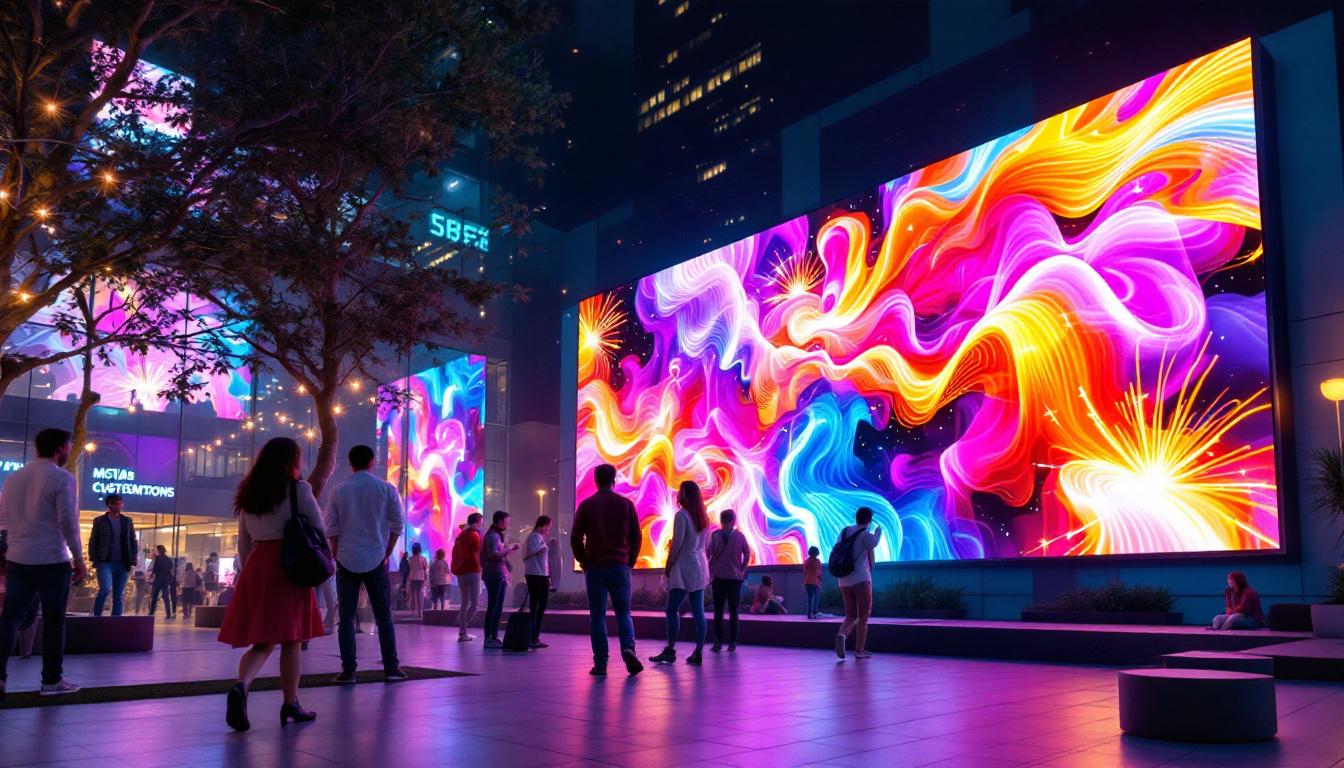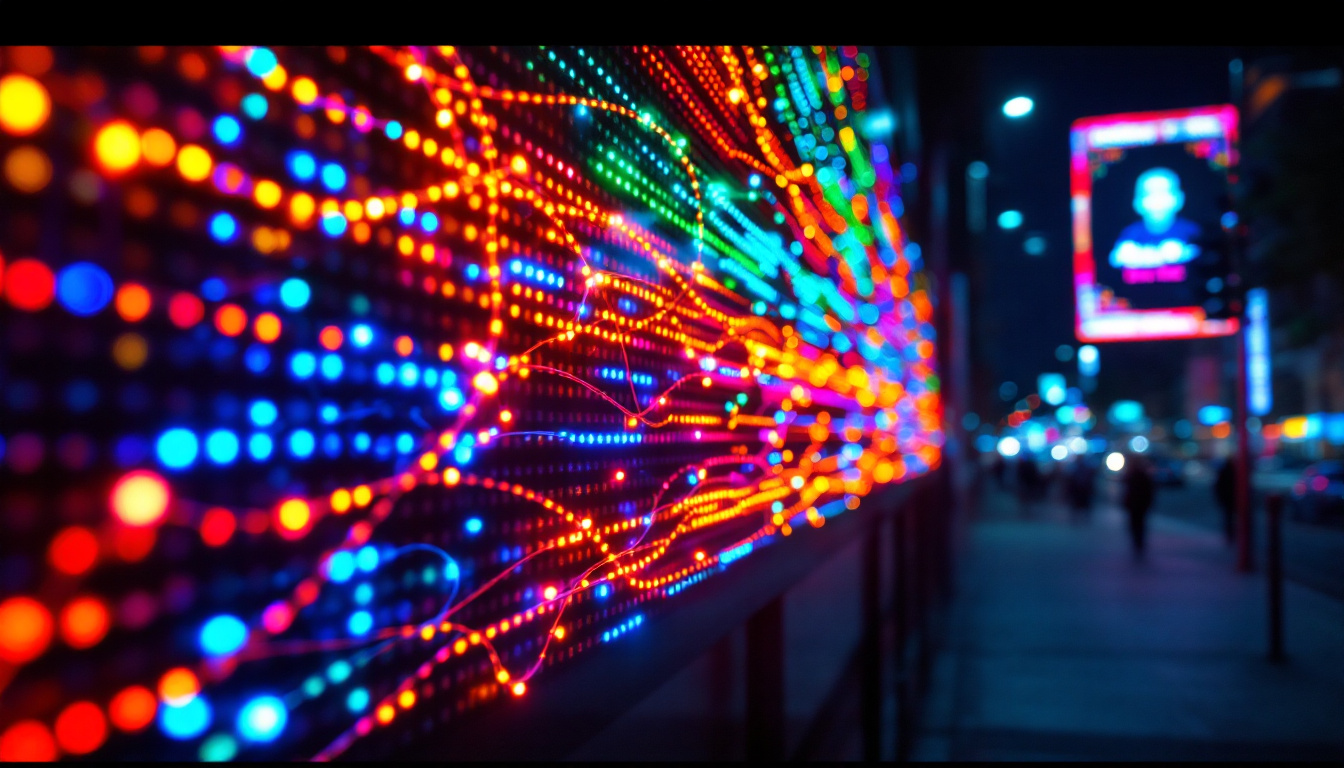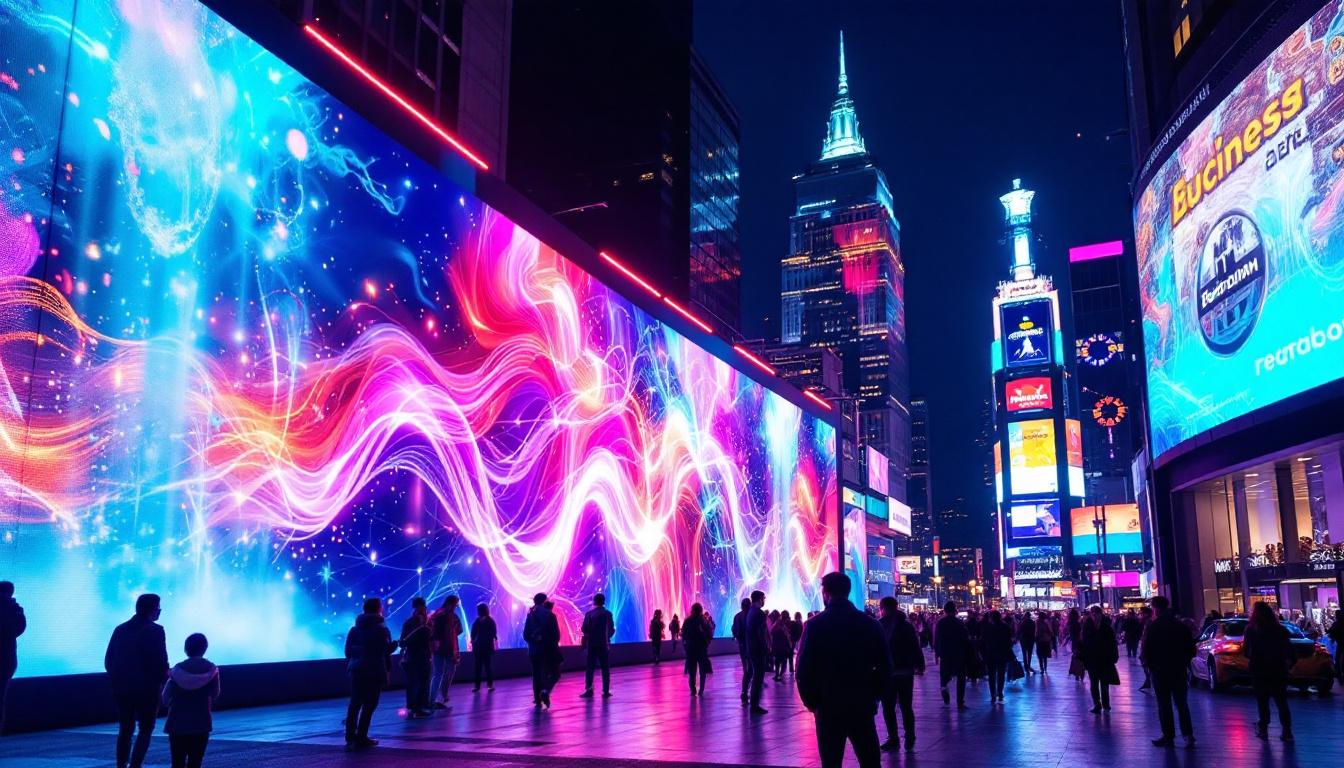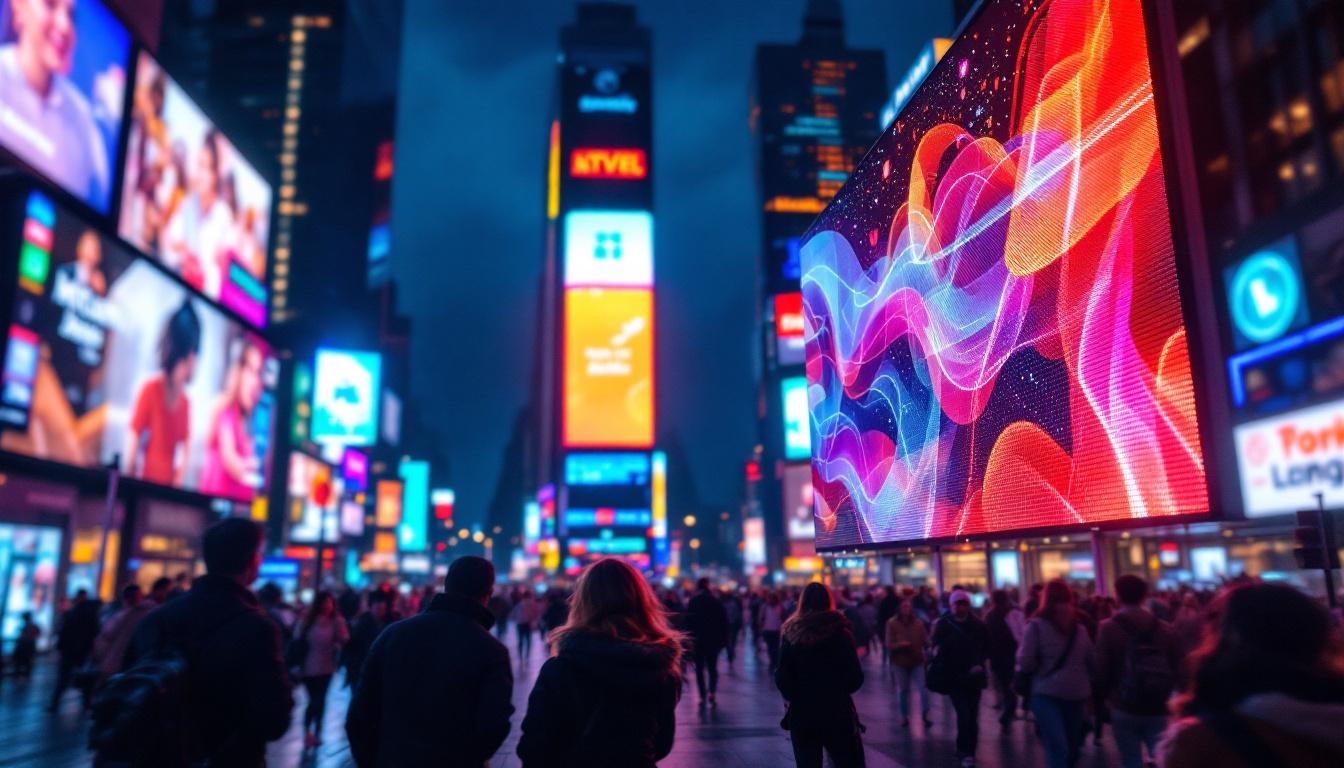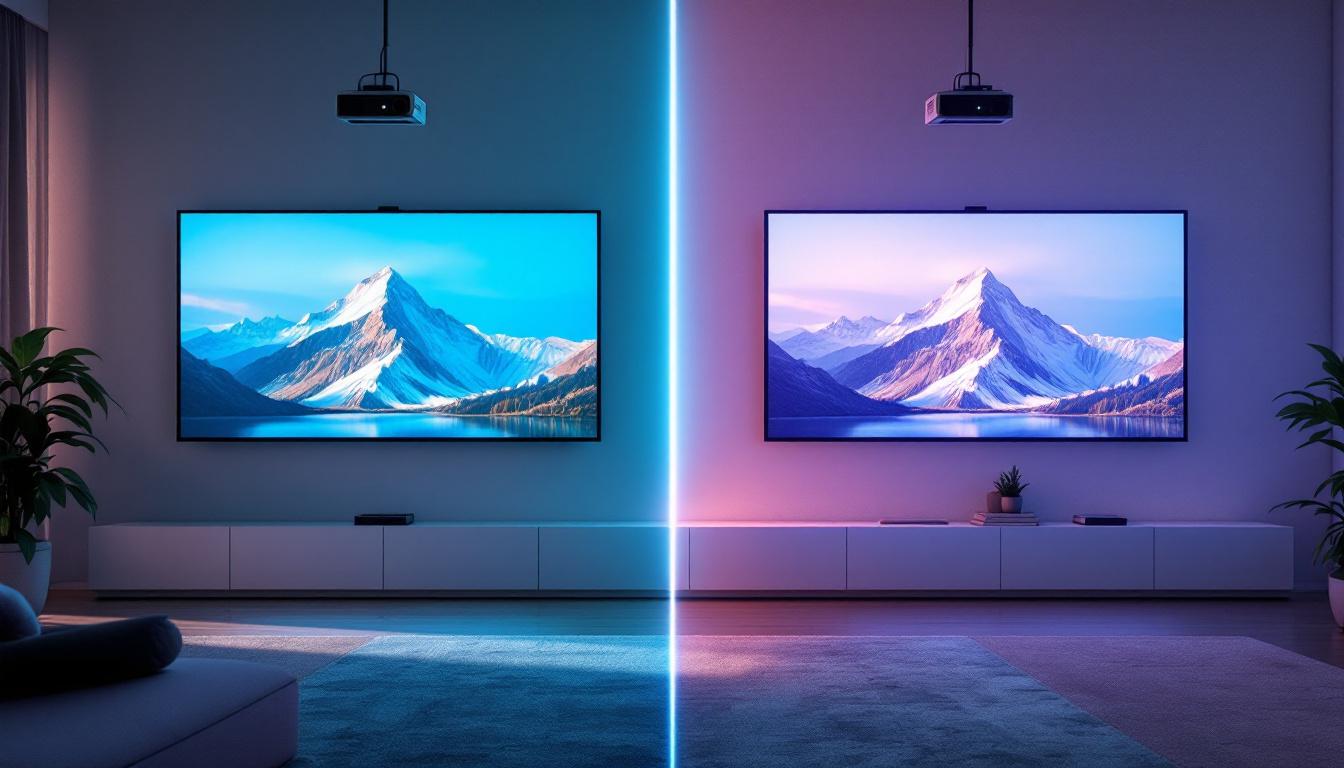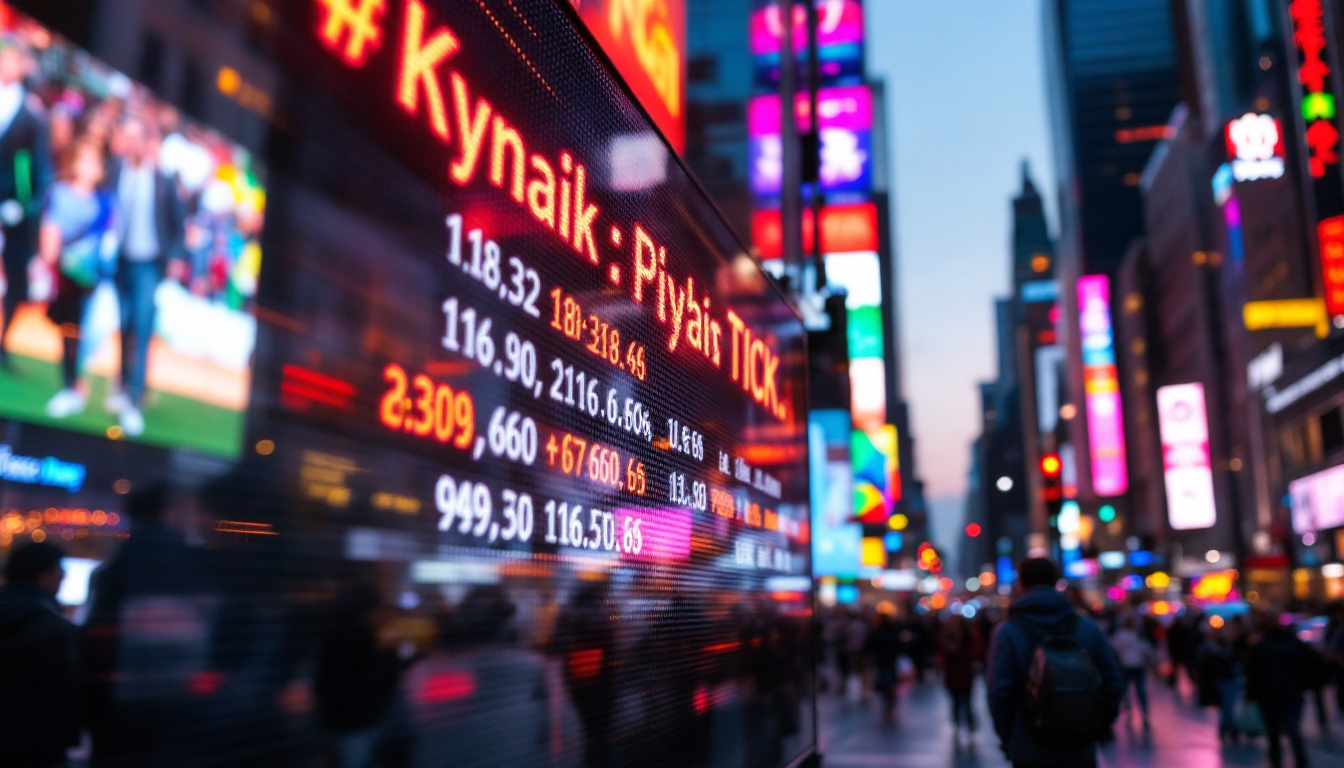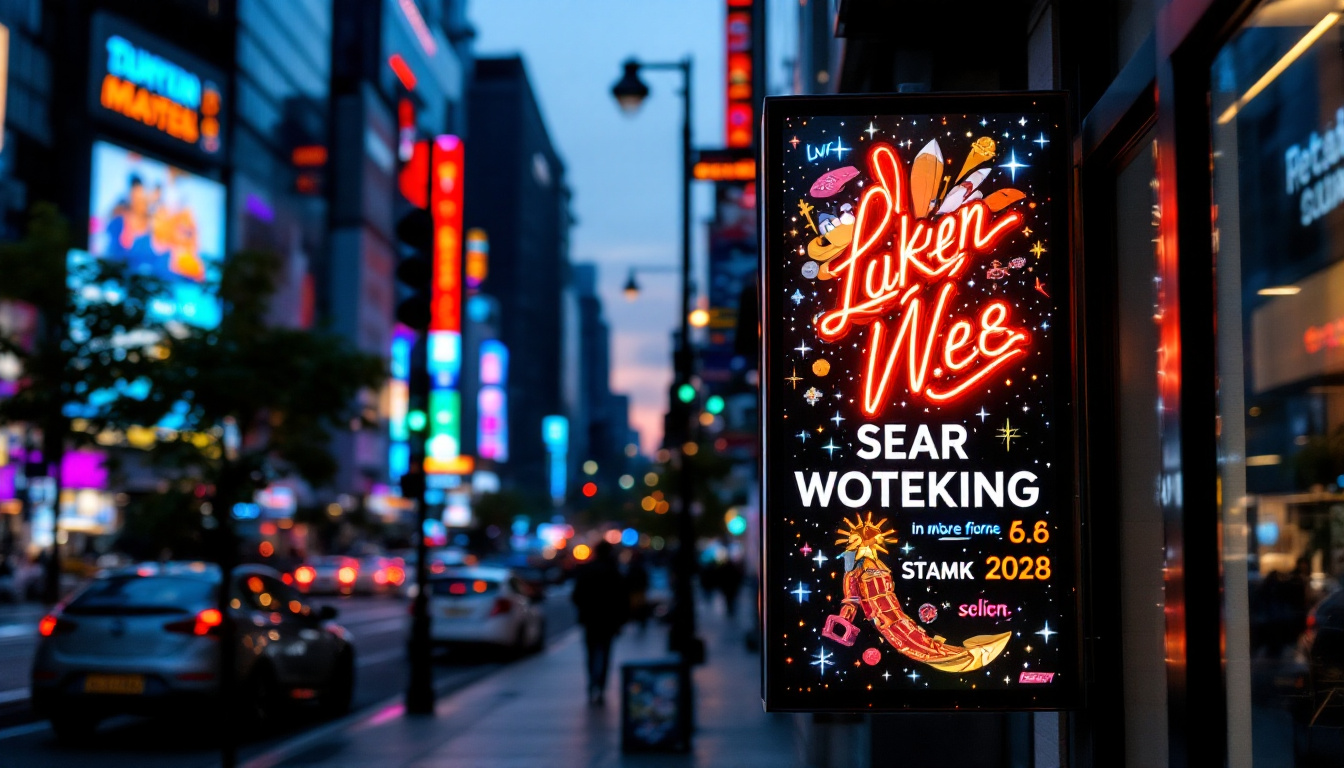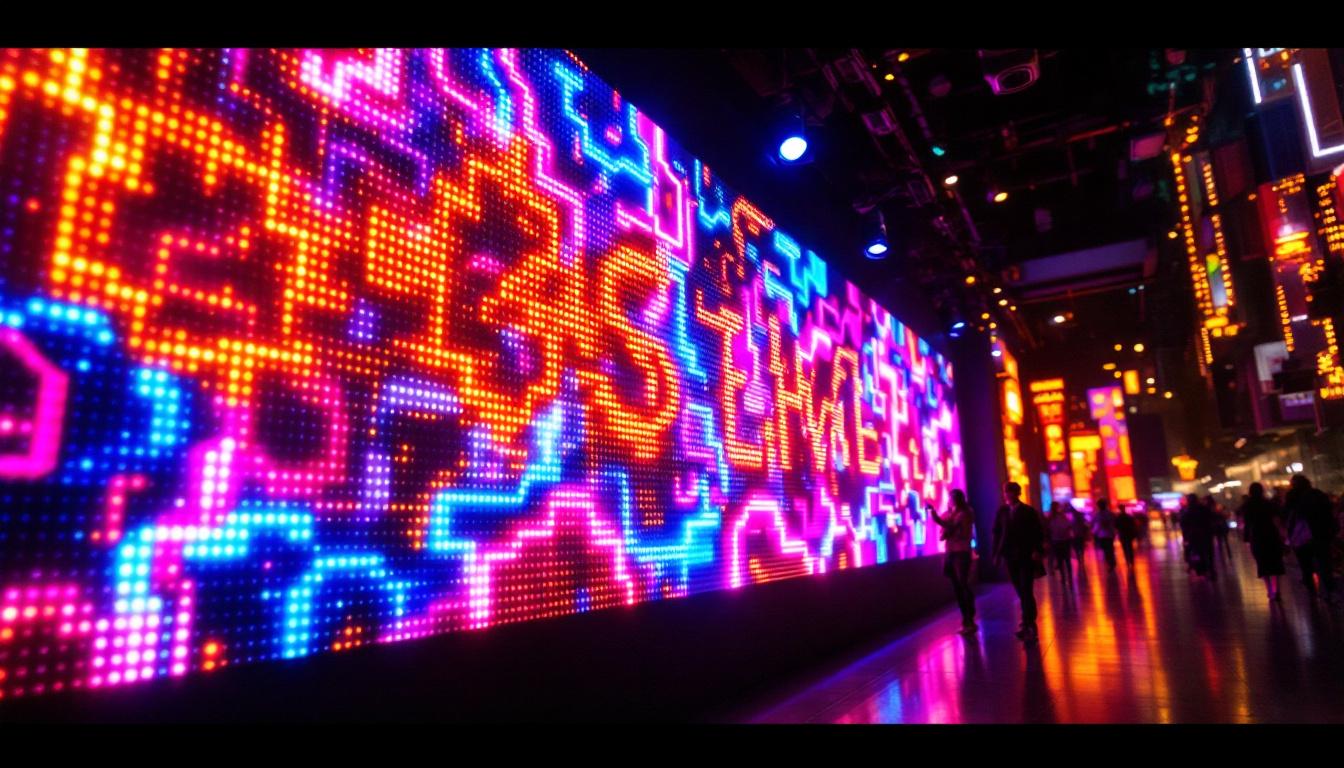
LED displays have become an integral part of modern visual communication, appearing everywhere from stadiums and billboards to smartphones and wearable devices. Understanding how LED controls work and the technology behind LED displays is essential for industries ranging from advertising to event production and digital signage. This article provides a comprehensive overview of LED display technology, the role of LED controls, and the factors that influence performance and application.
Understanding LED Display Technology
At its core, an LED (Light Emitting Diode) display is a flat panel that uses an array of LEDs as pixels to produce images, videos, or text. Unlike traditional display technologies such as LCD or plasma, LED displays emit their own light, which results in brighter images, higher contrast ratios, and better energy efficiency.
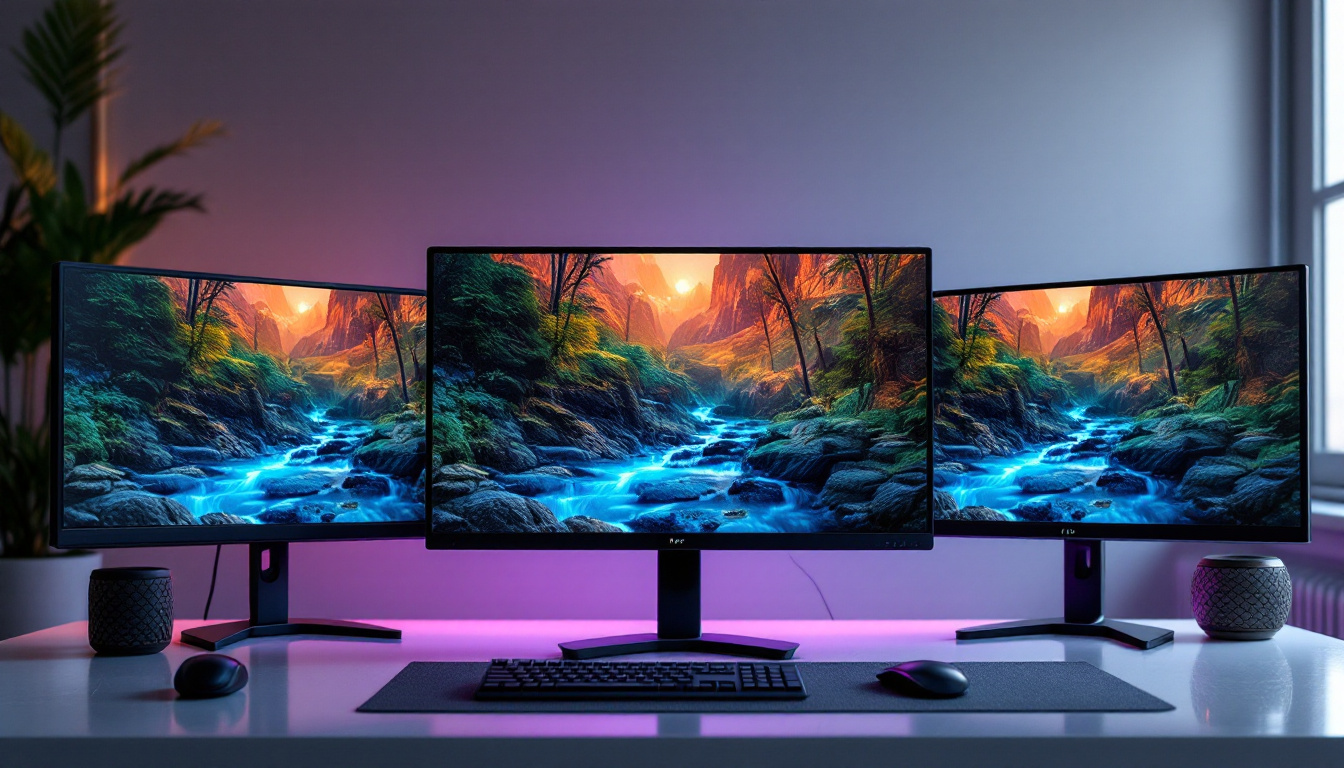
LED displays can be categorized into two main types: direct-view LED displays and LED-backlit LCD displays. Direct-view LED displays consist of individual LEDs that form the image directly, making them ideal for large-scale outdoor screens. In contrast, LED-backlit LCDs use LEDs as a backlight source behind an LCD panel, common in televisions and computer monitors.
Pixel Structure and Color Generation
Each pixel in an LED display is typically composed of three sub-pixels: red, green, and blue (RGB). By varying the intensity of these sub-pixels, the display can produce a wide spectrum of colors. Advances in LED technology have also introduced additional sub-pixels like white or yellow to enhance color accuracy and brightness.
The quality of color reproduction depends heavily on the precision of LED control, which manages the brightness and timing of each sub-pixel. This control ensures smooth gradients, accurate color rendering, and consistent image quality across the display. Furthermore, the development of quantum dot technology has further revolutionized LED displays, allowing for an even broader color gamut and improved energy efficiency. This technology utilizes semiconductor nanocrystals that emit specific colors when illuminated, significantly enhancing the vibrancy and depth of the displayed images.
Pixel Pitch and Resolution
Pixel pitch, the distance between the centers of two adjacent pixels, is a critical factor in LED display clarity. Smaller pixel pitches result in higher resolution and finer image detail, which is essential for close-viewing environments such as indoor displays or control rooms. Conversely, larger pixel pitches are suitable for outdoor displays viewed from a distance, where high brightness and durability are prioritized over ultra-fine resolution.
Moreover, the choice of pixel pitch not only affects the visual quality but also influences the overall cost and installation requirements of the display. For instance, displays with smaller pixel pitches often require more complex and expensive manufacturing processes, as well as advanced cooling solutions to manage heat dissipation. This can make them less suitable for budget-conscious projects or applications where the viewing distance is greater. As technology continues to advance, we can expect to see innovations that will bridge the gap between high resolution and affordability, making high-quality LED displays accessible for a wider range of applications.
The Role of LED Controls in Display Performance
LED controls are the electronic systems responsible for managing the operation of LED displays. They regulate the power, timing, and color output of each LED pixel to create the intended visual content. Without precise LED control, the display would suffer from issues like flickering, color distortion, or inconsistent brightness.
Types of LED Control Systems
There are several types of LED control systems, each suited to different applications and display sizes:
- Static Control: Used in simple, fixed-message displays such as exit signs or basic information boards. The LED pattern remains constant or changes infrequently.
- Dynamic Control: Enables full-motion video and complex animations by rapidly updating the LED states. This is common in advertising billboards, sports arenas, and concert stages.
- Networked Control Systems: These systems allow multiple LED panels to be controlled remotely via network protocols, facilitating large-scale installations and synchronized content across multiple displays.
Key Components of LED Control Systems
Effective LED control systems consist of several components working in concert:
- Controller Board: Acts as the brain of the system, processing input signals and converting them into commands for the LEDs.
- Receiving Cards: Interface between the controller board and the LED modules, distributing data to the appropriate pixels.
- Power Supply Units: Provide stable and regulated power to ensure consistent LED brightness and prevent damage.
- Software Interface: Allows operators to design, schedule, and manage content displayed on the LED screen.
Refresh Rate and Its Importance
The refresh rate of an LED display, measured in Hertz (Hz), indicates how many times per second the image is updated. Higher refresh rates reduce flicker and motion blur, resulting in smoother video playback and less eye strain. For example, professional LED displays used in broadcasting often have refresh rates of 1920 Hz or higher, ensuring compatibility with high-speed cameras and live event coverage.
Applications and Advantages of LED Displays
LED displays offer numerous advantages that have driven their widespread adoption across various industries. Their versatility, brightness, and durability make them ideal for both indoor and outdoor environments.
Advertising and Digital Signage
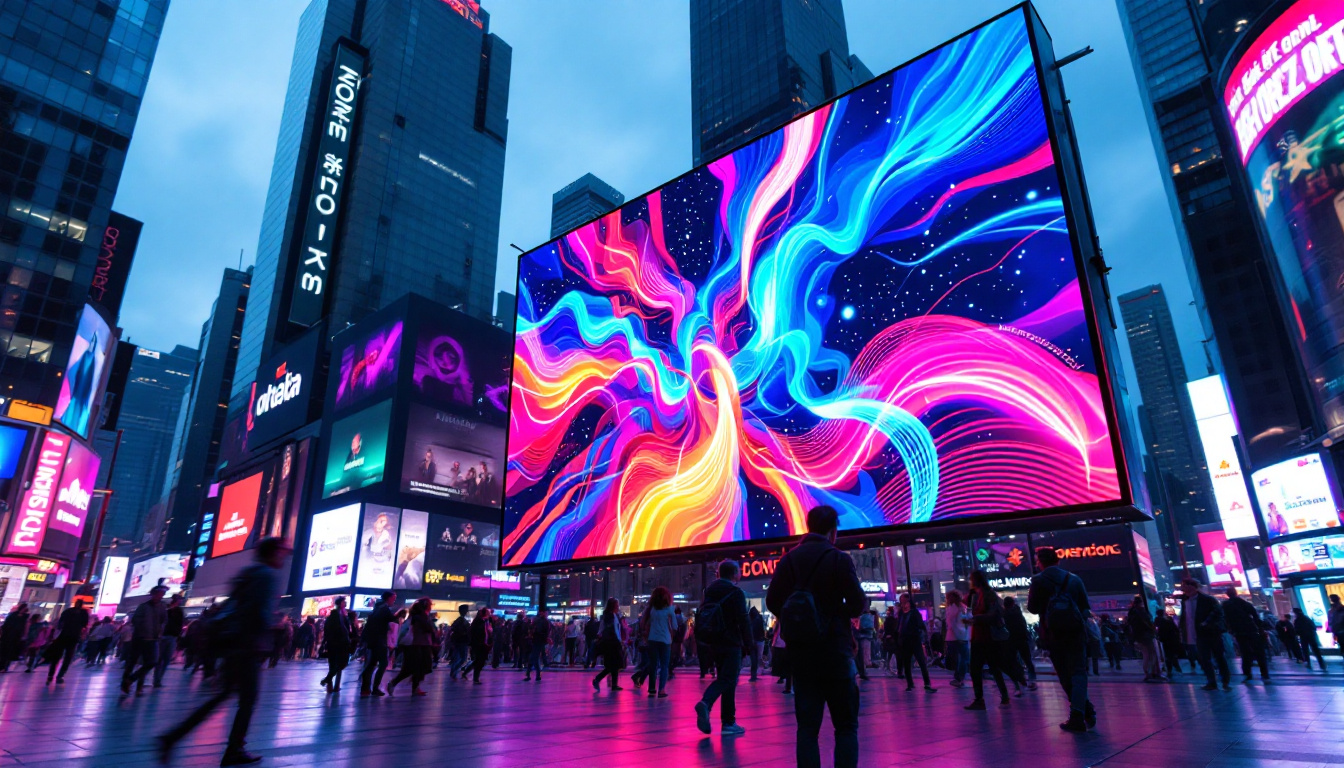
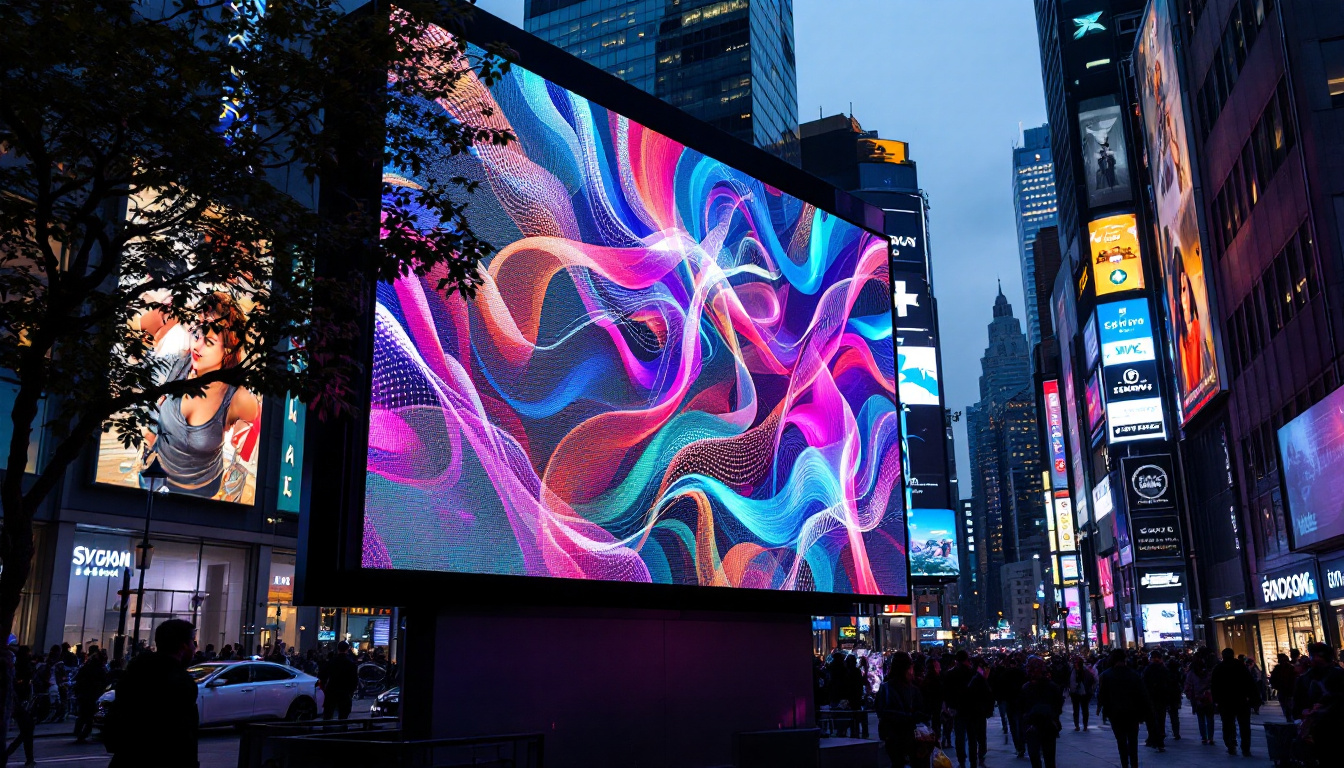
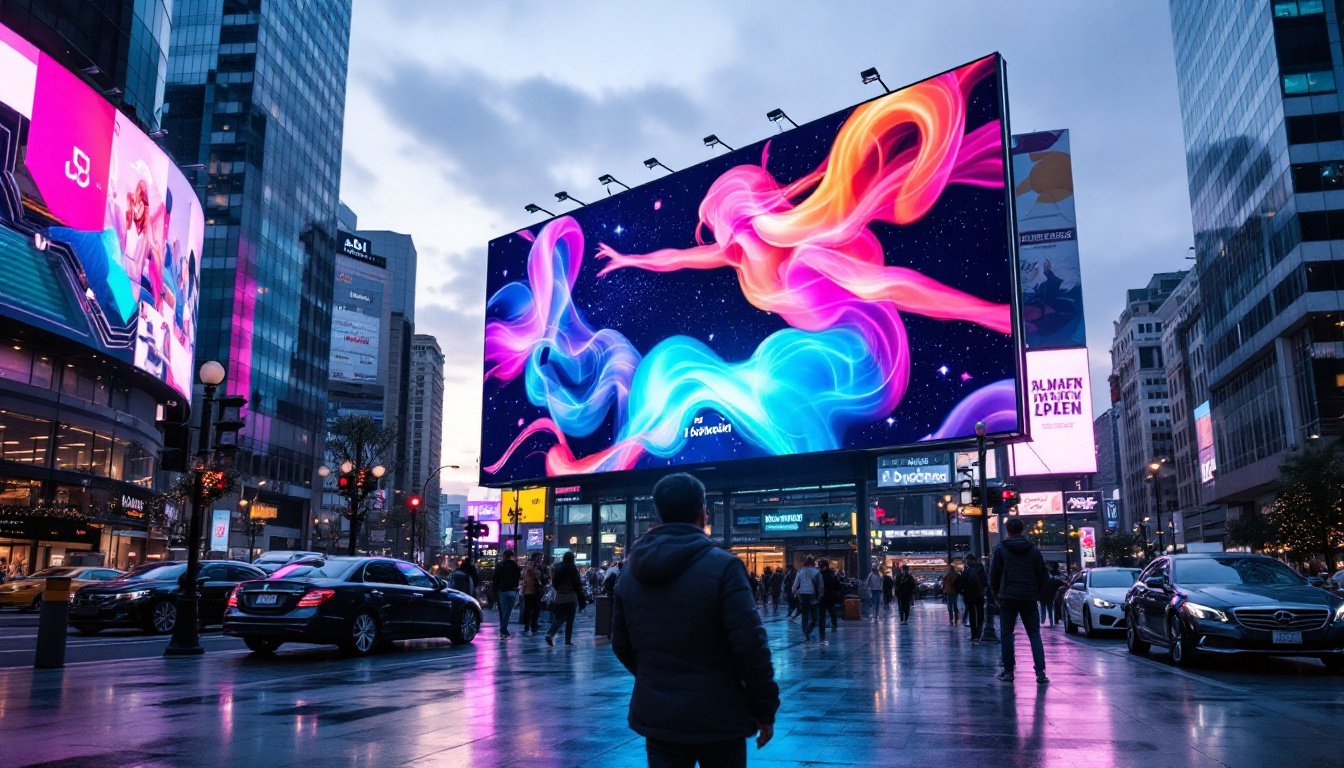
One of the most prominent uses of LED displays is in advertising. Digital billboards powered by LED technology can deliver vibrant, eye-catching content that can be updated in real time. This flexibility allows advertisers to tailor messages based on time of day, weather conditions, or audience demographics, increasing engagement and return on investment.
According to a 2022 report by the Digital Signage Federation, LED digital signage has seen a 15% annual growth rate globally, with revenues surpassing $20 billion. This trend reflects the increasing demand for dynamic and interactive advertising solutions.
Entertainment and Live Events
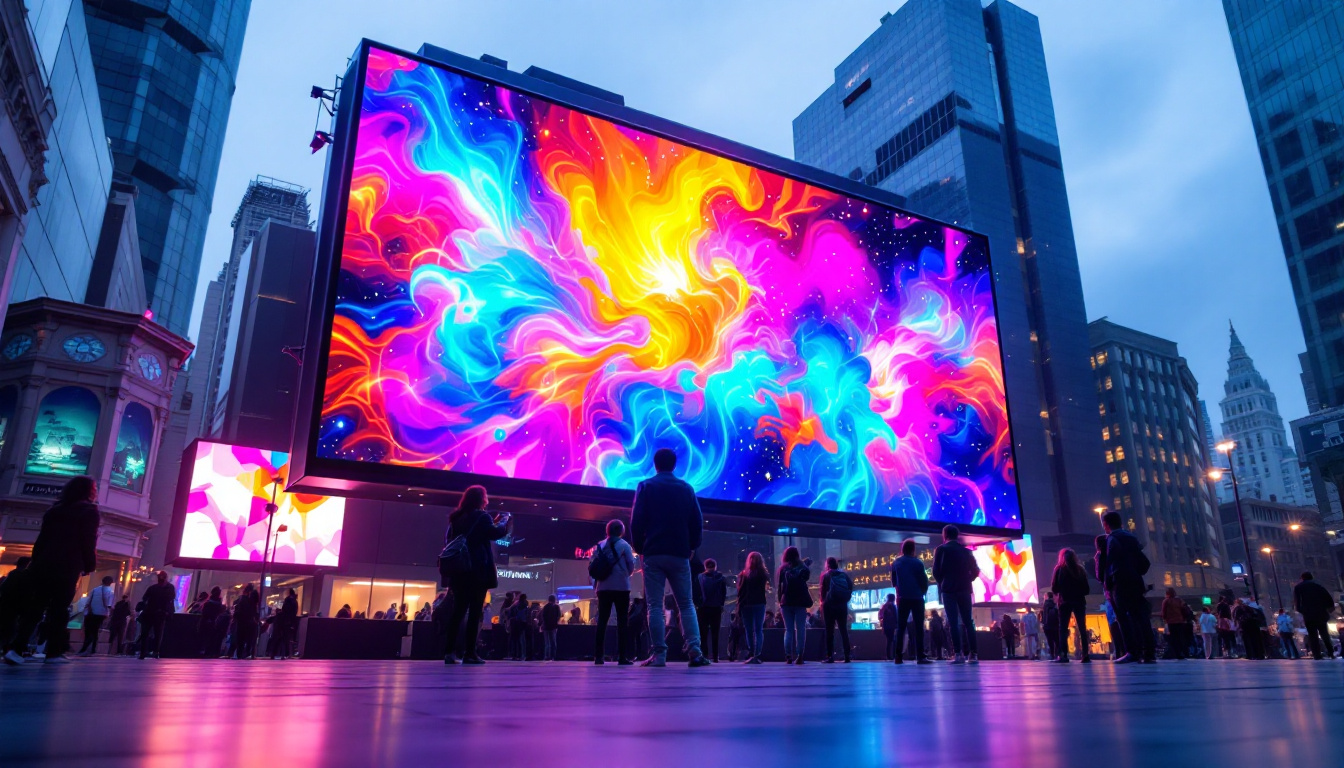
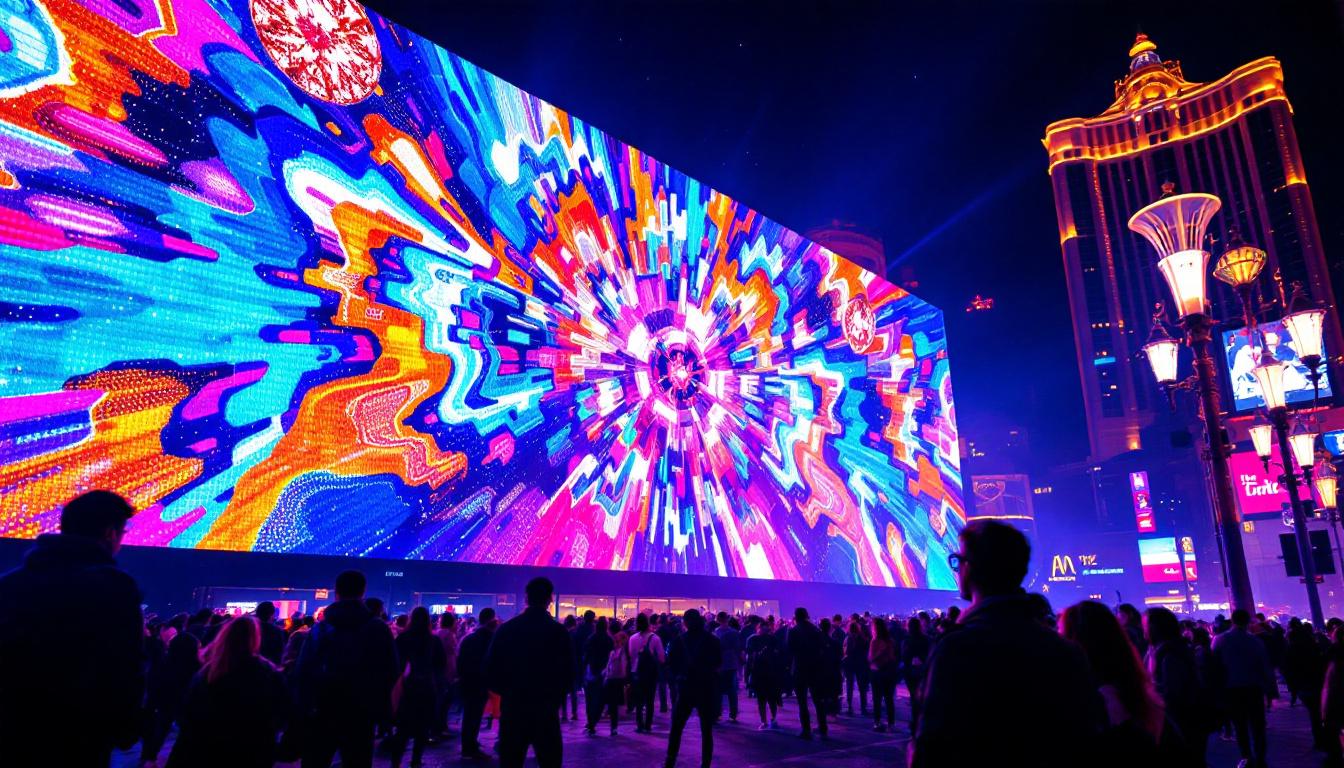
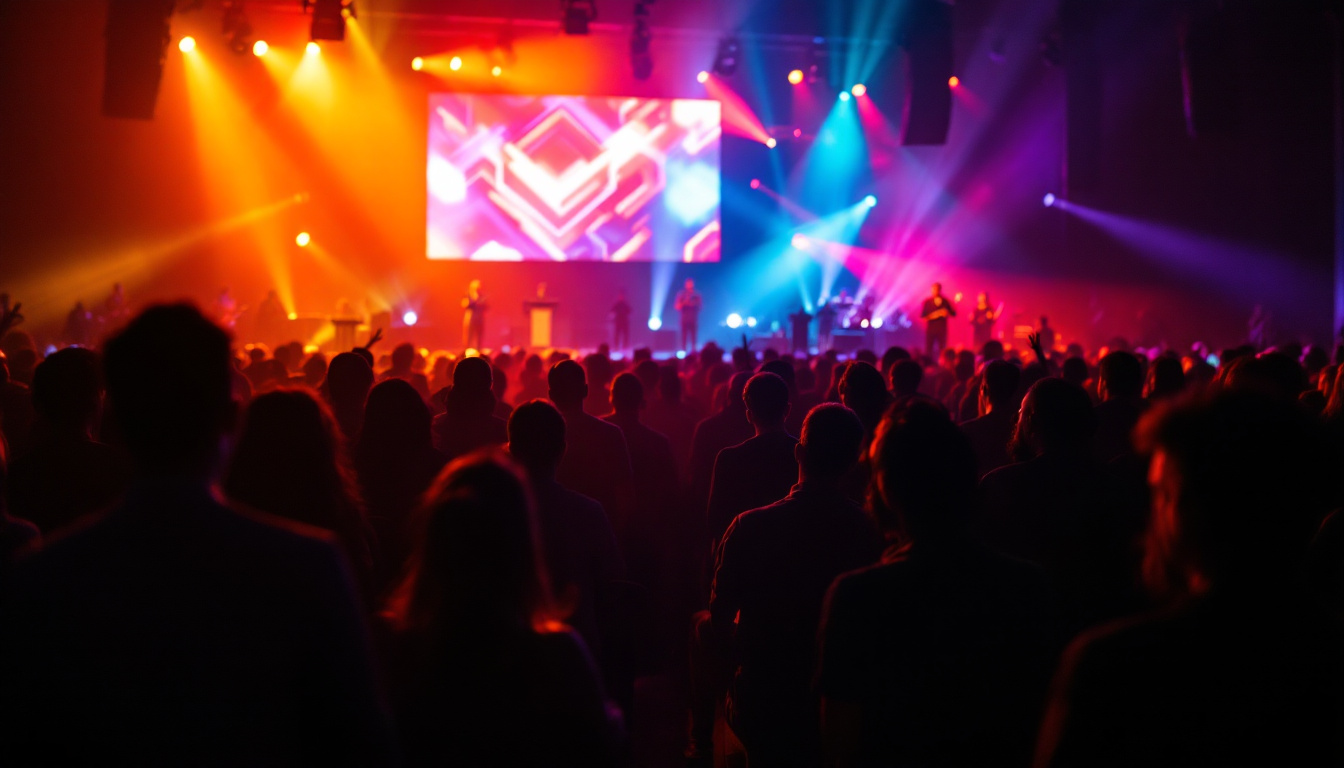
Concerts, sports events, and theatrical productions frequently use large LED video walls to enhance the audience experience. These displays can show live feeds, graphics, and special effects that complement the performance. The ability to quickly reconfigure content and scale the display size makes LED technology indispensable in event production.
Transportation and Public Information
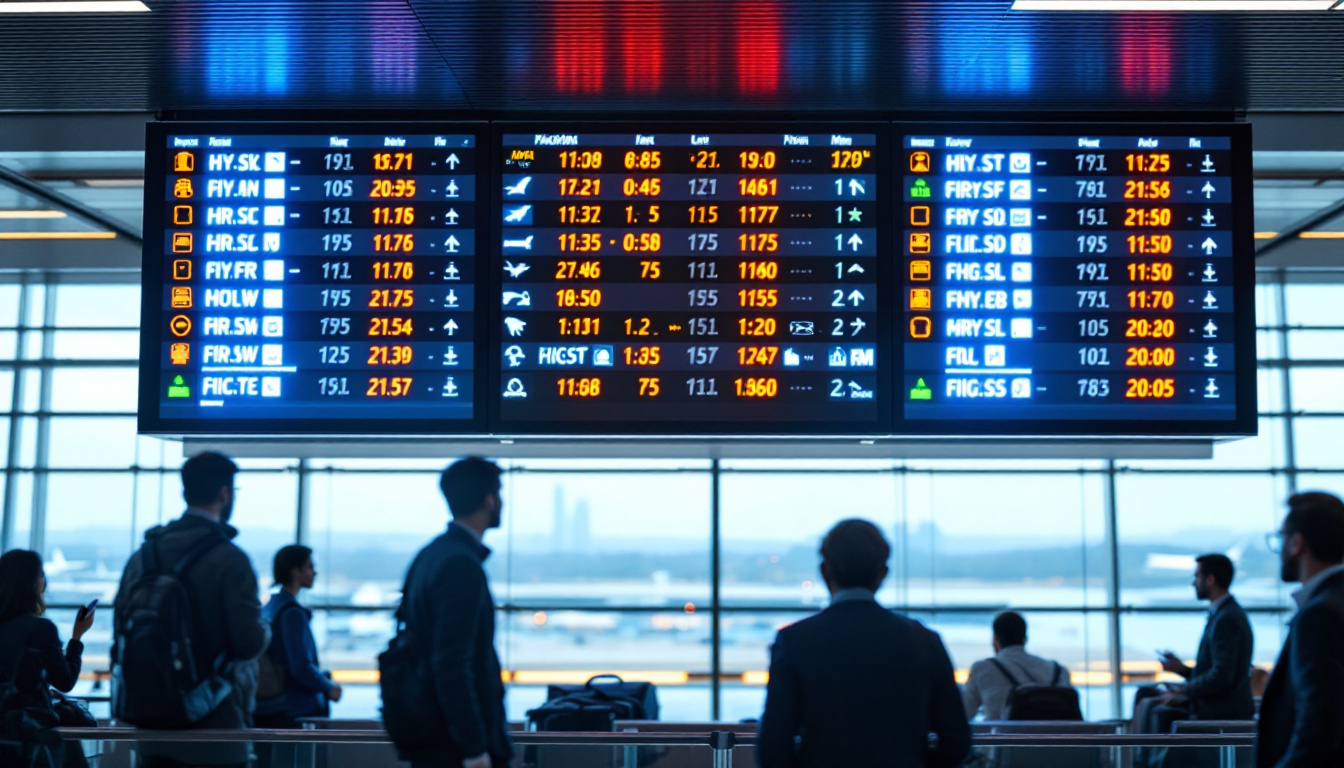
LED displays are also common in transportation hubs such as airports, train stations, and bus terminals. Their high visibility and reliability ensure that critical information like schedules, alerts, and directions are communicated clearly to travelers. Additionally, LED traffic signs and variable message signs improve road safety by providing timely updates to drivers.
Architectural and Decorative Uses
Architects and designers use LED displays to create dynamic facades and interactive installations. These applications combine aesthetics with functionality, transforming buildings into canvases for light art and information dissemination. The energy efficiency and long lifespan of LEDs contribute to sustainable design practices.
Factors Influencing LED Display Quality and Longevity
To maximize the effectiveness of an LED display, several technical and environmental factors must be considered. Proper LED control plays a critical role in maintaining display quality over time.
Thermal Management
LEDs generate heat during operation, and excessive temperatures can degrade performance and shorten lifespan. Effective thermal management through heat sinks, ventilation, and cooling systems is essential to ensure stable operation, especially in large outdoor displays exposed to sunlight.
Calibration and Maintenance
Regular calibration ensures uniform brightness and color accuracy across the entire display. LED control software often includes tools for automatic calibration, which can compensate for aging LEDs or environmental changes. Routine maintenance, including cleaning and inspection, helps prevent pixel failures and prolongs the display’s service life.
Environmental Protection
Outdoor LED displays must withstand harsh weather conditions such as rain, dust, and UV exposure. High-quality LED modules are typically rated with IP65 or higher ingress protection standards, ensuring resistance to water and dust. Additionally, protective coatings and robust enclosures safeguard sensitive electronic components.
Emerging Trends in LED Display Technology
The LED display industry continues to evolve rapidly, driven by advances in materials, control systems, and integration with other technologies.
MicroLED and MiniLED Innovations
MicroLED and MiniLED technologies represent the next generation of LED displays, offering improved brightness, contrast, and energy efficiency. MicroLEDs are tiny LEDs that can be individually controlled, enabling ultra-high resolution and superior color performance. These displays are gaining traction in premium televisions, augmented reality devices, and wearable technology.
AI and Smart Control Systems
Artificial intelligence is being integrated into LED control systems to optimize content delivery and energy consumption. Smart controls can adjust brightness based on ambient light, predict maintenance needs, and personalize advertising content in real time. This enhances user engagement while reducing operational costs.
Flexible and Transparent LED Displays
Flexible LED panels allow for curved and irregularly shaped displays, opening new possibilities in design and installation. Transparent LED displays can be embedded in glass surfaces, enabling see-through digital signage without obstructing views. These innovations are expanding the applications of LED technology in retail, automotive, and architectural sectors.
Conclusion
LED displays have revolutionized the way information and entertainment are presented in public and private spaces. Their vibrant colors, high brightness, and adaptability make them a preferred choice across diverse industries. Central to their performance is the LED control system, which ensures precise management of each pixel’s output to deliver stunning visuals.
As LED technology continues to advance, emerging trends like MicroLED, AI-driven controls, and flexible displays promise to further enhance capabilities and applications. For businesses and professionals involved in digital signage, event production, or architectural design, a deep understanding of LED controls and display technology is crucial to leveraging these innovations effectively.
Investing in high-quality LED control systems, proper installation, and regular maintenance will ensure that LED displays perform optimally and provide lasting value in an increasingly digital world.
Discover the Future of Visual Communication with LumenMatrix
Ready to elevate your visual presence and captivate your audience with the latest in LED display technology? Look no further than LumenMatrix, where innovation meets excellence. From vibrant Indoor LED Walls to dynamic Outdoor LED Displays, and from sleek LED Posters to immersive LED Sports Displays, our solutions are designed to make your brand shine. Embrace the future with our Custom LED Displays, All-in-One solutions, and revolutionary LED Transparent Displays. Experience the LumenMatrix difference and transform your visual communication strategy today. Check out LumenMatrix LED Display Solutions and see how we can help you share your message with the world.