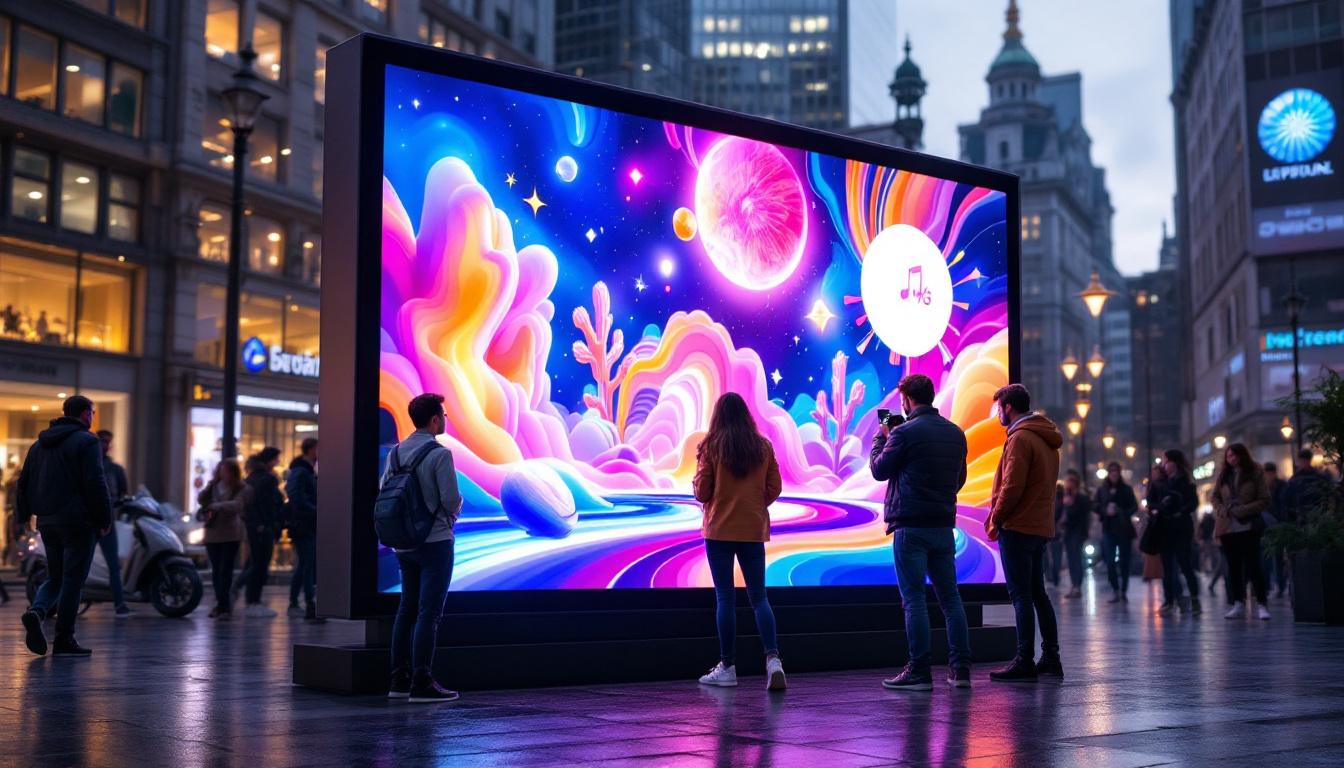
In an era dominated by digital communication, display kiosks have become an integral part of how businesses engage with customers. Among the various technologies powering these kiosks, LED displays stand out for their brightness, durability, and versatility. This article delves into the world of LED displays used in kiosks, explaining their technology, benefits, applications, and considerations for choosing the right solution.
Understanding LED Display Technology
What Is an LED Display?
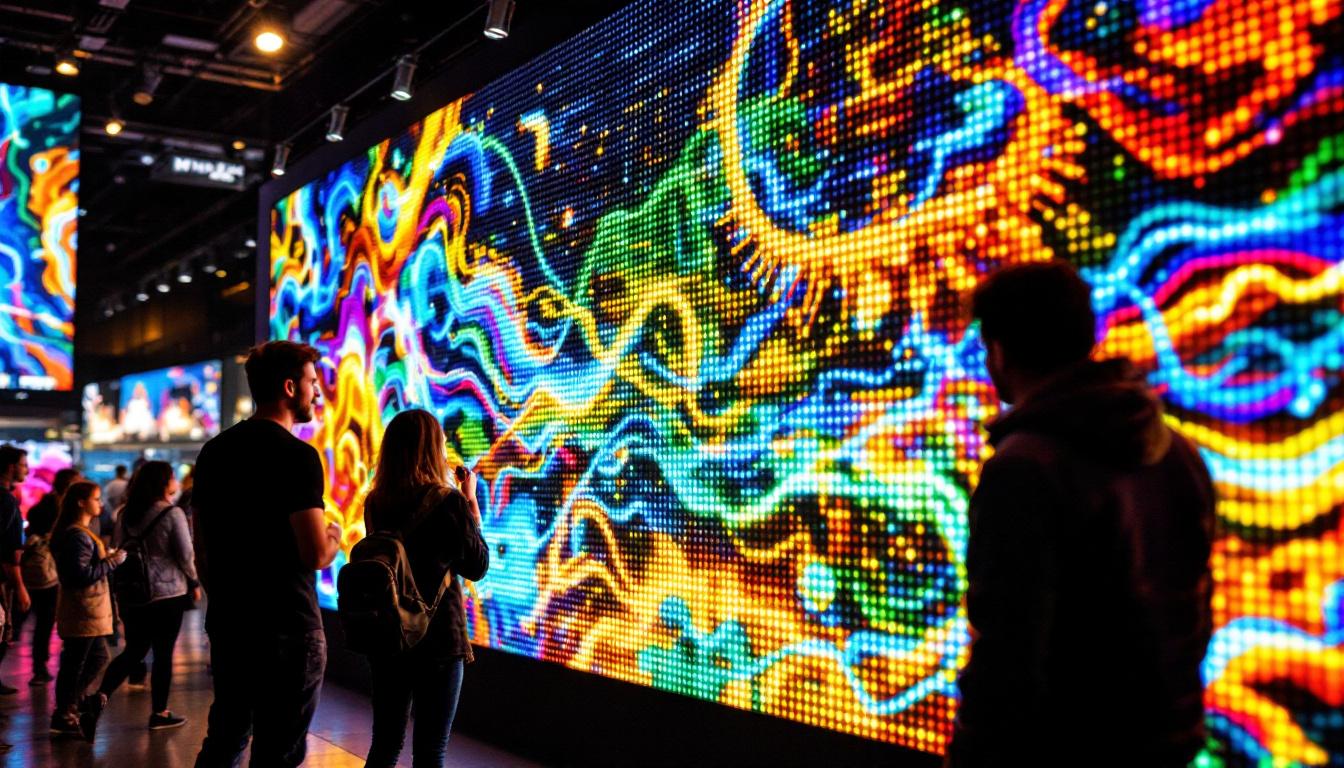
LED stands for Light Emitting Diode, a semiconductor device that emits light when an electric current passes through it. An LED display is essentially a matrix of these tiny diodes arranged to create images, videos, or text. Unlike traditional LCD screens that rely on backlighting, LEDs emit their own light, resulting in brighter and more vibrant visuals. This self-illuminating property allows for deeper blacks and a wider color gamut, making LED displays ideal for applications where visual impact is paramount.
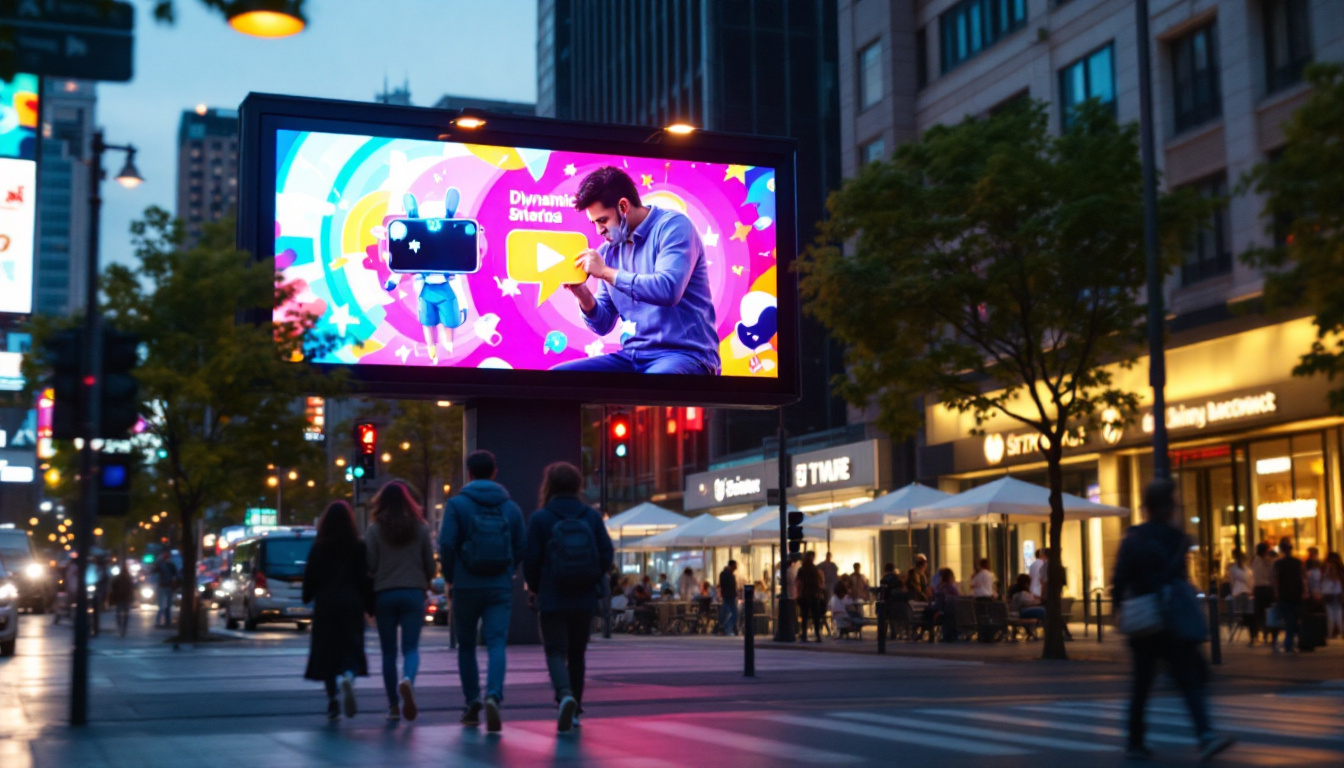
In the context of display kiosks, LED panels are used to present dynamic content that can capture attention even in brightly lit environments. The technology ranges from small indoor panels to large outdoor screens, making it highly adaptable to various kiosk designs and settings. Furthermore, advancements in LED technology have led to the development of high-resolution displays, enabling intricate graphics and detailed animations that can engage users and enhance the overall experience. As a result, businesses are increasingly leveraging LED displays not just for advertising, but also for interactive applications that encourage customer interaction.
Types of LED Displays Used in Kiosks
There are primarily two types of LED displays used in kiosks: direct-view LED and LED-backlit LCD. Direct-view LED displays consist entirely of LEDs that produce the image directly, offering superior brightness and contrast. These are common in larger kiosks or outdoor installations where visibility is critical. The modular nature of direct-view LED technology also allows for customizable sizes and shapes, making it possible to create unique display configurations that fit specific branding needs or architectural designs.
On the other hand, LED-backlit LCD displays use LEDs as a backlight behind an LCD panel. These displays are typically thinner and more energy-efficient, making them suitable for indoor kiosks where high brightness is less critical but image quality and slim form factor are important. Additionally, LED-backlit LCDs often come with features such as touch interactivity, which can enhance user engagement by allowing customers to navigate through content seamlessly. Understanding these differences helps businesses select the appropriate display type based on their specific kiosk environment and usage requirements. As technology continues to evolve, the integration of smart features and connectivity options into these displays is paving the way for more versatile and intelligent kiosk solutions.
Advantages of LED Displays in Kiosks
Exceptional Brightness and Visibility
One of the most significant advantages of LED displays is their exceptional brightness. LEDs can achieve brightness levels exceeding 1,000 nits, which is crucial for kiosks placed in outdoor or high-ambient-light environments. This ensures that content remains clear and readable, regardless of sunlight or artificial lighting conditions.
For example, retail kiosks located near windows or in shopping malls benefit from LED displays’ ability to maintain vibrant visuals that attract customers from a distance, increasing engagement and potentially boosting sales. The high contrast ratios of LED displays also enhance the clarity of images and text, making them more appealing to passersby. Furthermore, the ability to display dynamic content, such as animations and videos, can captivate audiences and draw them closer to the kiosk, thereby increasing foot traffic and interaction rates.
Durability and Longevity
LED displays are known for their durability. They are resistant to shock, vibration, and temperature fluctuations, which makes them ideal for kiosks exposed to varying environmental conditions. The lifespan of LED panels commonly ranges between 50,000 to 100,000 hours, significantly higher than other display technologies.
This longevity translates into lower maintenance costs and less frequent replacements, providing a better return on investment for businesses deploying kiosks in high-traffic or outdoor locations. Additionally, many LED displays are designed with protective coatings that shield them from dust, moisture, and UV rays, further enhancing their lifespan. This resilience is particularly beneficial for kiosks in locations prone to harsh weather conditions, ensuring that they remain operational and visually appealing over time.
Energy Efficiency
Compared to traditional lighting and display technologies, LEDs consume less power while delivering higher brightness. This energy efficiency is particularly important for kiosks that operate continuously, as it reduces operational costs and supports sustainability goals.
Many modern LED displays also feature adaptive brightness controls, which adjust the screen’s luminance based on ambient light, further optimizing energy consumption without compromising visibility. This not only minimizes energy waste but also contributes to a greener footprint for businesses, aligning with the increasing consumer demand for environmentally responsible practices. Furthermore, the low heat emission from LEDs reduces the need for additional cooling systems, further enhancing energy savings and operational efficiency.
Flexible Design and Scalability
LED technology offers remarkable flexibility in design. Panels can be customized in various sizes and shapes to fit unique kiosk structures. Modular LED panels allow for scalability, enabling businesses to expand or reconfigure their displays as needed.
For instance, a transportation hub might start with a small LED display kiosk for schedules and expand to a multi-panel video wall for advertising and real-time updates. This adaptability makes LED displays a future-proof choice for evolving business needs. Moreover, the lightweight nature of LED panels simplifies installation and relocation, allowing businesses to quickly respond to changing consumer patterns or promotional opportunities. With the ability to integrate interactive features, such as touchscreens or QR code scanning, LED kiosks can also enhance user experience, making them not just a source of information but an engaging platform for customer interaction.
Applications of LED Display Kiosks
Retail and Advertising
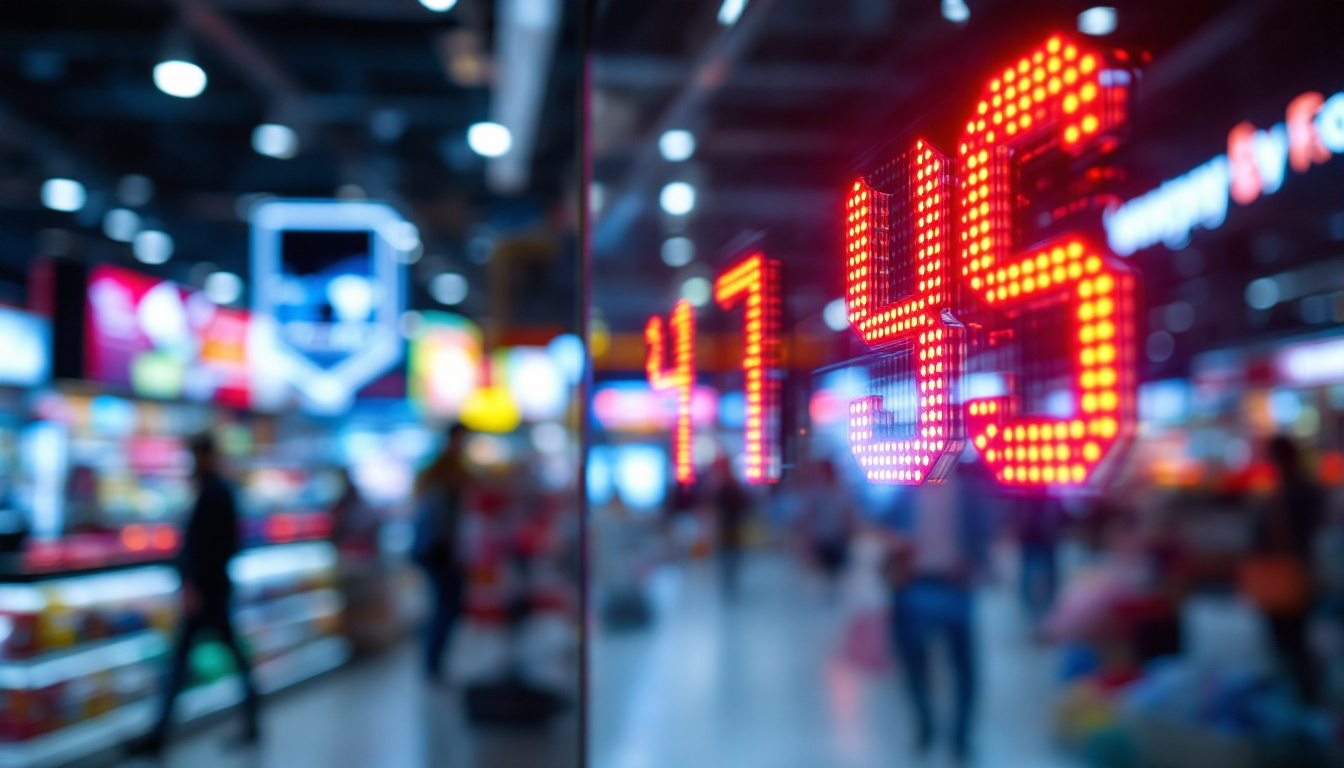
Retail environments are among the most prolific users of LED display kiosks. These kiosks serve multiple purposes, from showcasing promotions and product information to interactive catalogs that enhance the shopping experience. LED displays’ vivid colors and dynamic content capabilities make them ideal for capturing shopper attention.
According to industry reports, digital signage including LED kiosks can increase customer engagement by up to 30%, directly influencing purchase decisions. Brands leverage this by integrating LED kiosks into storefronts and inside malls to create immersive, branded experiences.
Transportation and Wayfinding
Airports, train stations, and bus terminals utilize LED display kiosks to provide real-time information, such as schedules, delays, and gate changes. The high visibility of LED displays ensures that travelers can easily access critical information, improving overall passenger flow and satisfaction.
Wayfinding kiosks equipped with LED screens also assist visitors in navigating complex venues like hospitals, universities, and large corporate campuses. These kiosks often combine interactive touchscreens with LED displays to offer both guidance and informational content.
Hospitality and Entertainment
Hotels, casinos, and entertainment venues use LED display kiosks for check-in services, event information, and promotional content. The ability to display high-resolution video and graphics enhances the guest experience and streamlines operations.
For example, LED kiosks in hotel lobbies can display weather updates, local attractions, and personalized messages, while entertainment venues use them to advertise upcoming shows or provide interactive ticketing options.
Healthcare and Public Services
In healthcare settings, LED display kiosks facilitate patient check-ins, appointment scheduling, and health information dissemination. Their clear visibility and reliability are crucial in environments where timely communication can impact patient care.
Public service kiosks also employ LED displays to provide community announcements, government services information, and emergency alerts, ensuring that vital messages reach a broad audience effectively.
Key Considerations When Choosing an LED Display Kiosk
Brightness and Resolution
Choosing the right brightness level is essential. Outdoor kiosks typically require displays with at least 2,500 to 5,000 nits to combat sunlight glare, while indoor kiosks can function well with 300 to 700 nits. Resolution also matters; higher pixel density ensures sharper images and better readability, especially for content with fine details or text.
Size and Viewing Distance
The physical size of the LED display should align with the expected viewing distance. Larger screens are necessary for kiosks intended to be seen from afar, such as those in stadiums or public squares. Conversely, smaller displays suffice for close-up interactions, like self-service checkouts or information points.
Environmental Durability
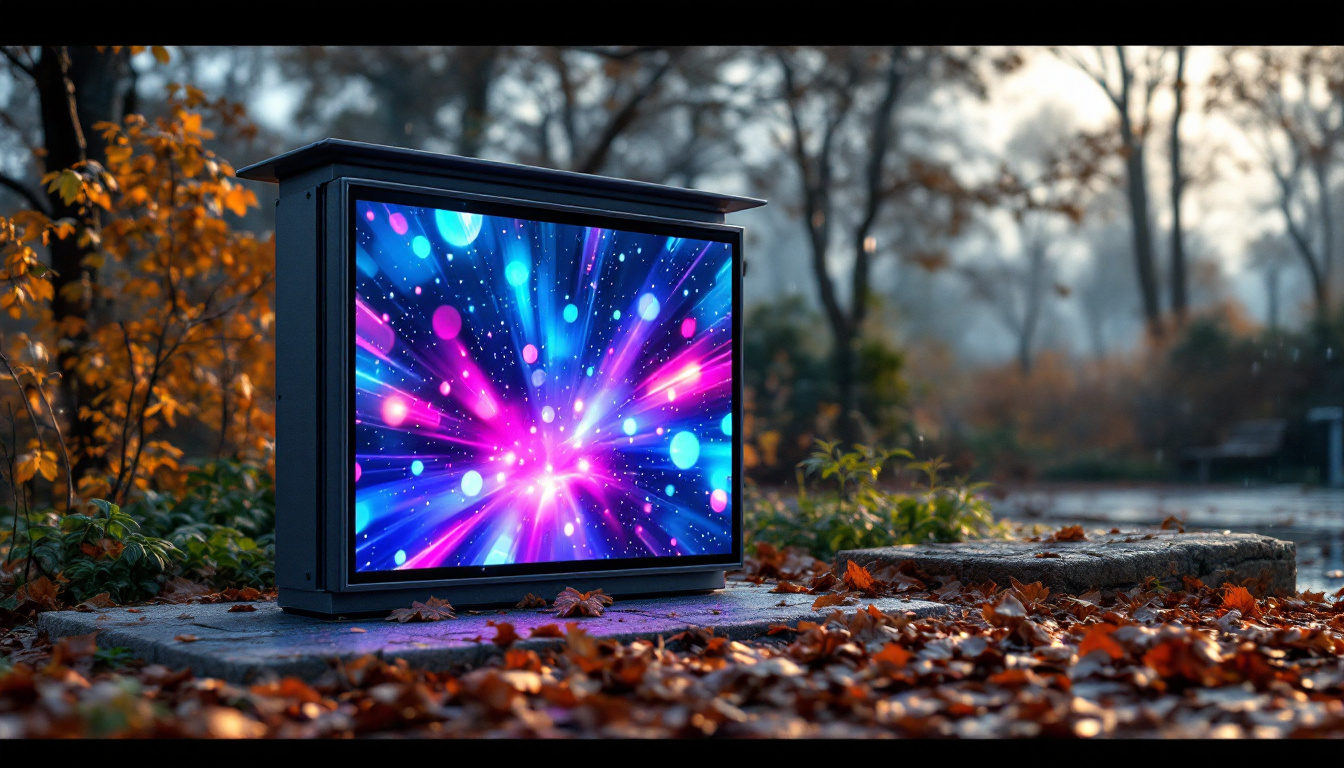
For outdoor kiosks, weatherproofing is critical. Look for displays with appropriate IP ratings that protect against dust and water ingress. Additionally, consider temperature tolerance and anti-glare coatings to maintain performance in harsh conditions.
Interactivity and Integration
Many modern kiosks combine LED displays with touchscreens, cameras, or sensors to create interactive experiences. When selecting a display, ensure it supports integration with these technologies and is compatible with the kiosk’s software platform.
Maintenance and Support
LED displays require periodic maintenance to ensure optimal performance. Choose vendors that offer comprehensive support, including remote diagnostics, on-site service, and easy access to replacement parts. This reduces downtime and protects the investment over time.
Future Trends in LED Display Kiosks
Mini-LED and Micro-LED Technologies
Emerging LED technologies like Mini-LED and Micro-LED promise even greater image quality and energy efficiency. These displays use smaller diodes, allowing for higher pixel densities and improved contrast ratios. As costs decrease, these technologies are expected to become mainstream in kiosk applications, delivering stunning visuals in compact form factors.
Integration with AI and IoT
Artificial intelligence and Internet of Things (IoT) technologies are transforming how LED kiosks operate. AI-powered analytics can tailor content based on audience demographics or behavior, while IoT connectivity enables real-time updates and remote management. This convergence enhances the effectiveness and responsiveness of LED display kiosks.
Sustainability and Eco-Friendly Designs
Environmental considerations are driving innovation in LED kiosk design. Manufacturers are focusing on recyclable materials, low-power components, and longer-lasting displays to reduce ecological impact. Businesses adopting these solutions can align with sustainability goals and appeal to environmentally conscious consumers.
Conclusion
LED display kiosks represent a powerful tool for businesses and organizations seeking to engage audiences with vibrant, dynamic content. Their superior brightness, durability, and flexibility make them suitable for a wide range of applications, from retail and transportation to healthcare and public services.
By understanding the technology behind LED displays and carefully considering factors such as brightness, resolution, and environmental conditions, decision-makers can select the ideal kiosk solution to meet their needs. As LED technology continues to evolve, these kiosks will become even more effective, interactive, and sustainable, shaping the future of digital communication in public spaces.
Explore Cutting-Edge LED Display Solutions with LumenMatrix
Ready to elevate your audience engagement with vibrant, dynamic displays? LumenMatrix, a pioneer in LED display technology, offers an extensive range of innovative solutions tailored to your needs. From Indoor and Outdoor LED Walls to specialized displays for vehicles, sports, and even customizable options, our products are designed to make your brand shine and captivate your audience. Embrace the future of visual communication with our All-in-One and Transparent LED displays that promise to transform your space and message delivery. Check out LumenMatrix LED Display Solutions today and experience the power of advanced LED technology.